





— Blogs —
—Products—
 Consumer hotline +8618073152920
 WhatsApp:+8615367865107
Address:Room 102, District D, Houhu Industrial Park, Yuelu District, Changsha City, Hunan Province, China
Product knowledge
Time:2026-03-09 15:40:58 Popularity:614
In the enhancement of youth scientific literacy, campus STEM education, and meteorological disaster prevention and mitigation curriculum development, campus weather stations have become the preferred equipment for system integrators, IoT solution providers, project contractors, and engineering companies to provide professional observation and interactive teaching carriers for primary and secondary schools, science popularization bases, and educational institutions. The system strictly follows WMO observation standards and the China Meteorological Administration's 'Meteorological Science Popularization Development Plan (2019-2025)', collecting air temperature, humidity, wind speed and direction, air pressure, rainfall, soil temperature and humidity, and other elements in real time, uploading to an education-specific cloud platform via GPRS/4G, supporting student participation in observation, data analysis, and disaster simulation experiments. NiuBoL campus weather station focuses on education-grade accuracy, interactive software, and safe design, suitable for meteorological science popularization on campus, campus science and technology festivals, disaster prevention and mitigation education, geography/science curriculum practice, and other scenarios, helping clients efficiently implement the 'Campus Meteorological Science Popularization Activity Enhancement Project' and achieve the dual goals of professional data services and youth meteorological scientific literacy cultivation.
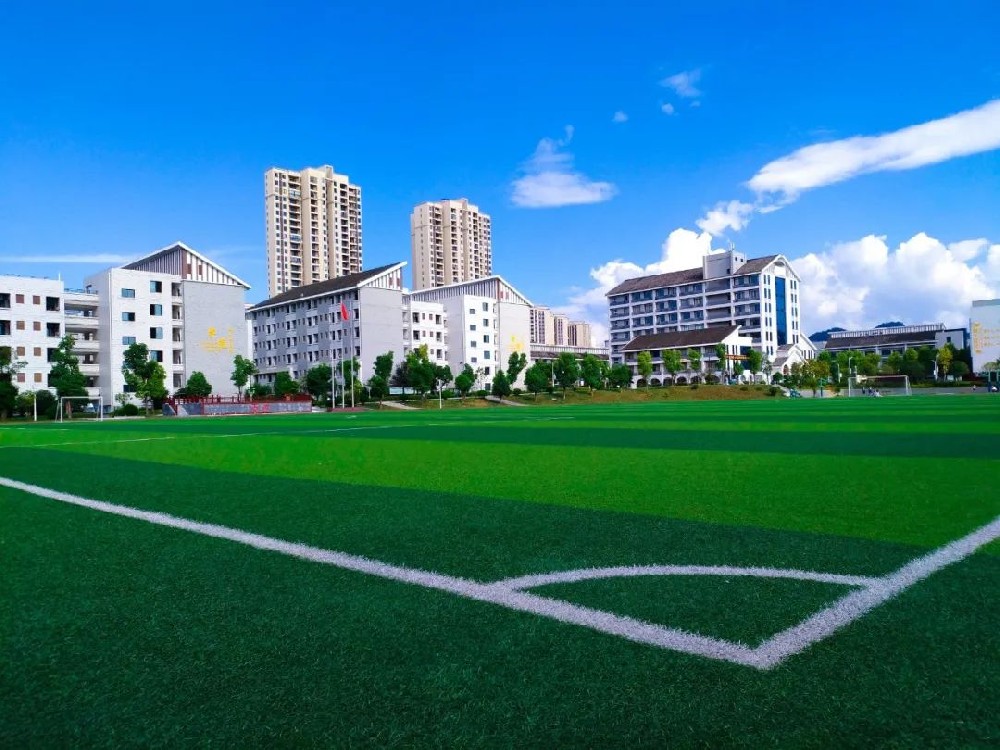
NiuBoL campus weather station goes beyond traditional observation tools to become a physical platform for deep integration of meteorological science popularization and scientific education, supporting the full-chain practice from knowledge transmission to capability cultivation.
Professional Observation and Data Authenticity Support
Equipment accuracy complies with campus meteorological observation specifications and WMO guidelines, with temperature ±0.3℃, humidity ±3%, rainfall ±3%, wind speed ±(0.1+2%) m/s, supporting data exchange, quality control, and intelligence sharing with local meteorological departments. Real data provides "laboratory-grade" observation materials for students, avoiding science popularization activities detached from reality.
Interactive Teaching and Active Student Participation
Supporting educational software provides tiered permissions: lower grades view real-time dashboards and weather phenomenon animations; middle and upper grades participate in data collection, error analysis, trend statistics, and small research projects. The platform has built-in interactive modules on meteorological principles, disaster case libraries, and disaster simulation experiments (such as "typhoon path simulation" and "cold wave impact analysis") to stimulate student inquiry interest.
Scientific Literacy and Disaster Prevention Awareness Cultivation
Through long-term observation, students master meteorological element observation norms, data processing methods, error source analysis, and forecasting principles, developing a rigorous scientific attitude. Combined with air pollution and climate change topics, it fosters environmental protection awareness. Actual cases show that students participating in campus weather stations significantly improve scores in disaster prevention and mitigation knowledge tests and radiate knowledge to families through campus exhibition boards and parent open days.
Social Radiation and Brand Value
Campus station data can access provincial meteorological science popularization platforms or education clouds, forming regional science popularization resource sharing. Schools spread meteorological knowledge to communities through science and technology festivals, open days, interest clubs, and other activities, promoting nationwide disaster prevention and mitigation awareness.
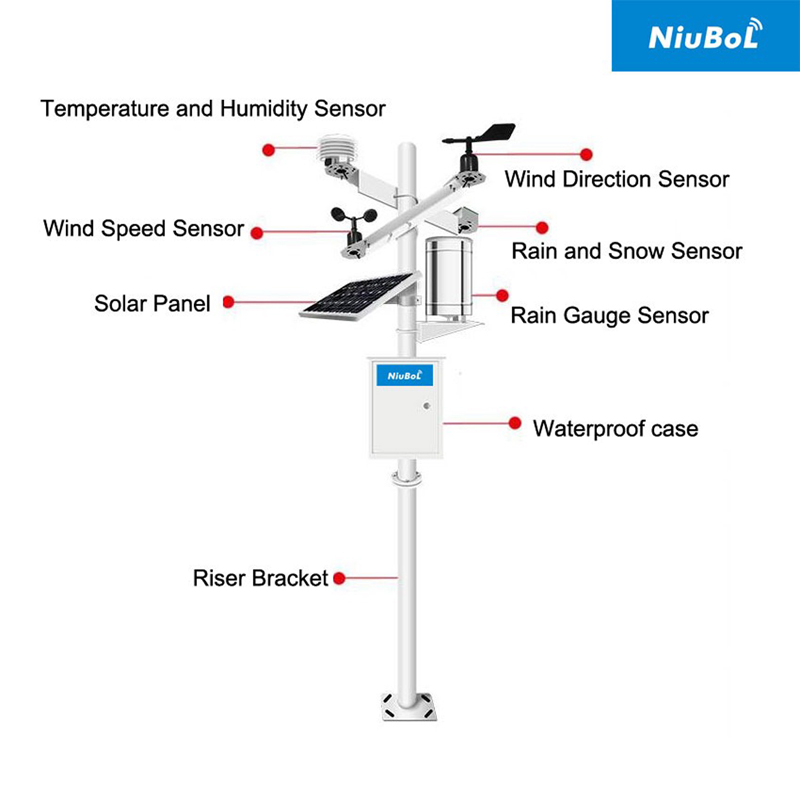
NiuBoL system has been optimized for campus environments with safety and education-friendly design.
Sensor Array
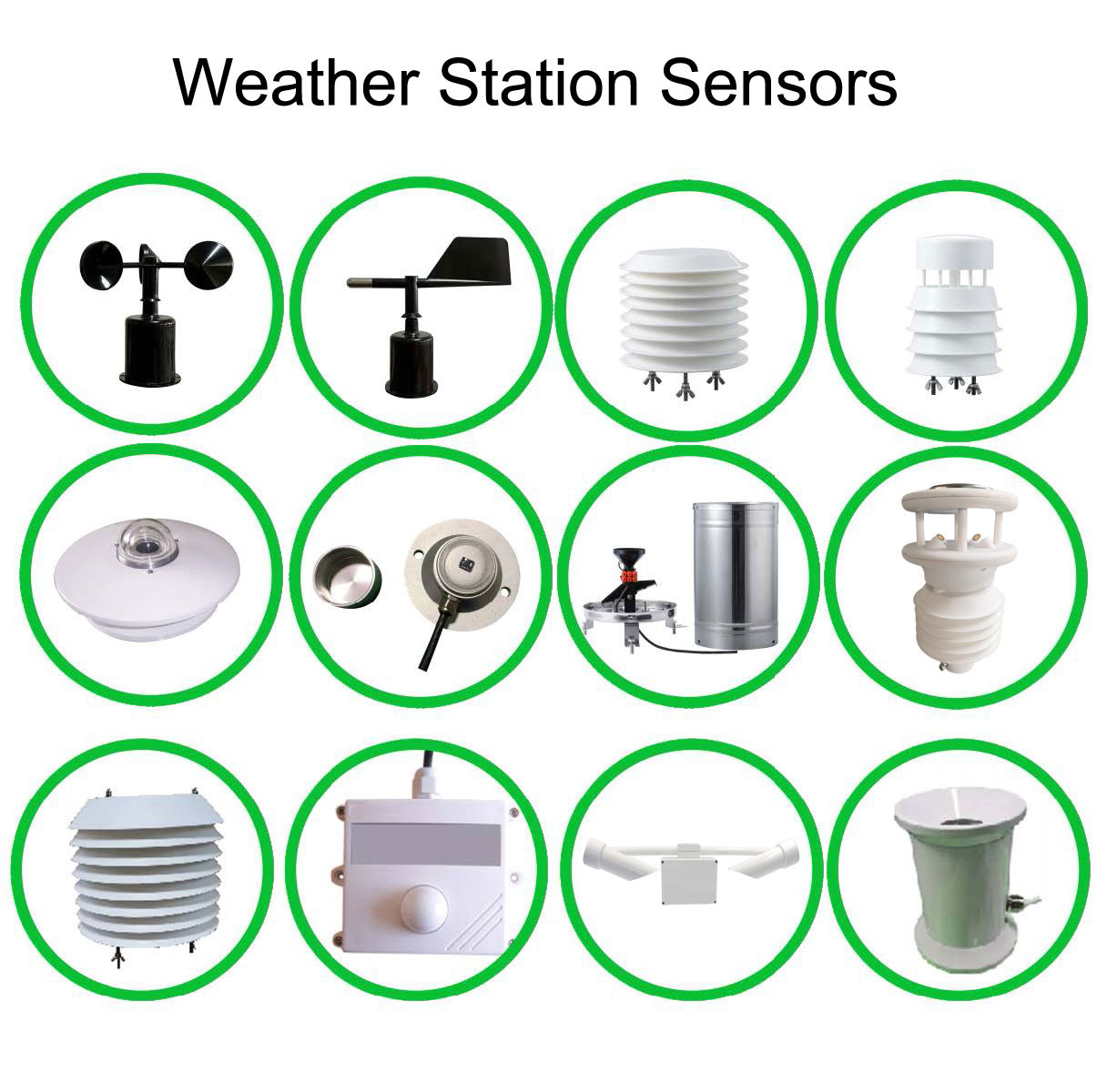
Industrial-grade sensors + radiation shields/protective covers, supporting hot swapping. Typical configuration: air temperature and humidity, ultrasonic wind speed and direction, optical rainfall, air pressure, soil temperature and humidity.
Data Acquisition and Transmission
Embedded collector integrates ARM processor, RS485 interface, GPRS/4G module. Modbus RTU protocol for local acquisition, local data cache ≥1 year, automatic retransmission after network recovery.
Support Structure and Safety Design
Aluminum alloy/stainless steel bracket, height 2-3 m (anti-climbing), complying with GB 2890 campus safety specifications. Acquisition box IP65 protection, with lock + alarm contacts.
Energy and Power Supply
Solar + lithium battery or mains compatible, continuous operation ≥7 rainy days.
Education-Specific Software Platform
Web/mobile end, supporting student accounts, observation logs, experiment report templates, meteorological knowledge base, interactive Q&A, and teacher management backend. Built-in data quality control, anomaly marking, and science popularization resource library.
NiuBoL campus weather station specifications are shown in the table below, balancing education budget and professional accuracy.
| Element Category | Measurement Principle | Range | Resolution | Accuracy |
|---|---|---|---|---|
| Air Temperature | PT1000 Digital Integration | -40~80 ℃ | 0.01 ℃ | ±0.3 ℃ |
| Relative Humidity | Capacitive | 0~100% RH | 0.1% RH | ±3% RH |
| Wind Speed | Ultrasonic | 0~50 m/s | 0.01 m/s | ±(0.1+2%) m/s |
| Wind Direction | Ultrasonic | 0~360° | 0.1° | ±3° |
| Rainfall | Optical | 0~9999 mm | 0.1 mm | ±3% |
| Atmospheric Pressure | Silicon Piezoresistive | 300~1100 hPa | 0.1 hPa | ±0.5 hPa |
| Soil Temperature | Thermistor | -40~80 ℃ | 0.1 ℃ | ±0.5 ℃ |
| Soil Moisture | Dielectric Constant | 0~100% (volumetric water content) | 0.1% | ±3% |
| Parameter Category | Specific Description |
|---|---|
| Power Supply Method | Solar + Lithium Battery or Mains (≥7 consecutive rainy days) |
| Output Interface | RS485 (Modbus RTU); GPRS/4G Upload |
| Protection Rating | IP65 (Acquisition Box/Sensors) |
| Installation Height | 2-3 m (Campus Safety Specification) |
| Data Storage | Local ≥1 Year; Cloud Unlimited |
| Communication Protocol | Modbus RTU; Supports HJ 212 Transmission Standard |
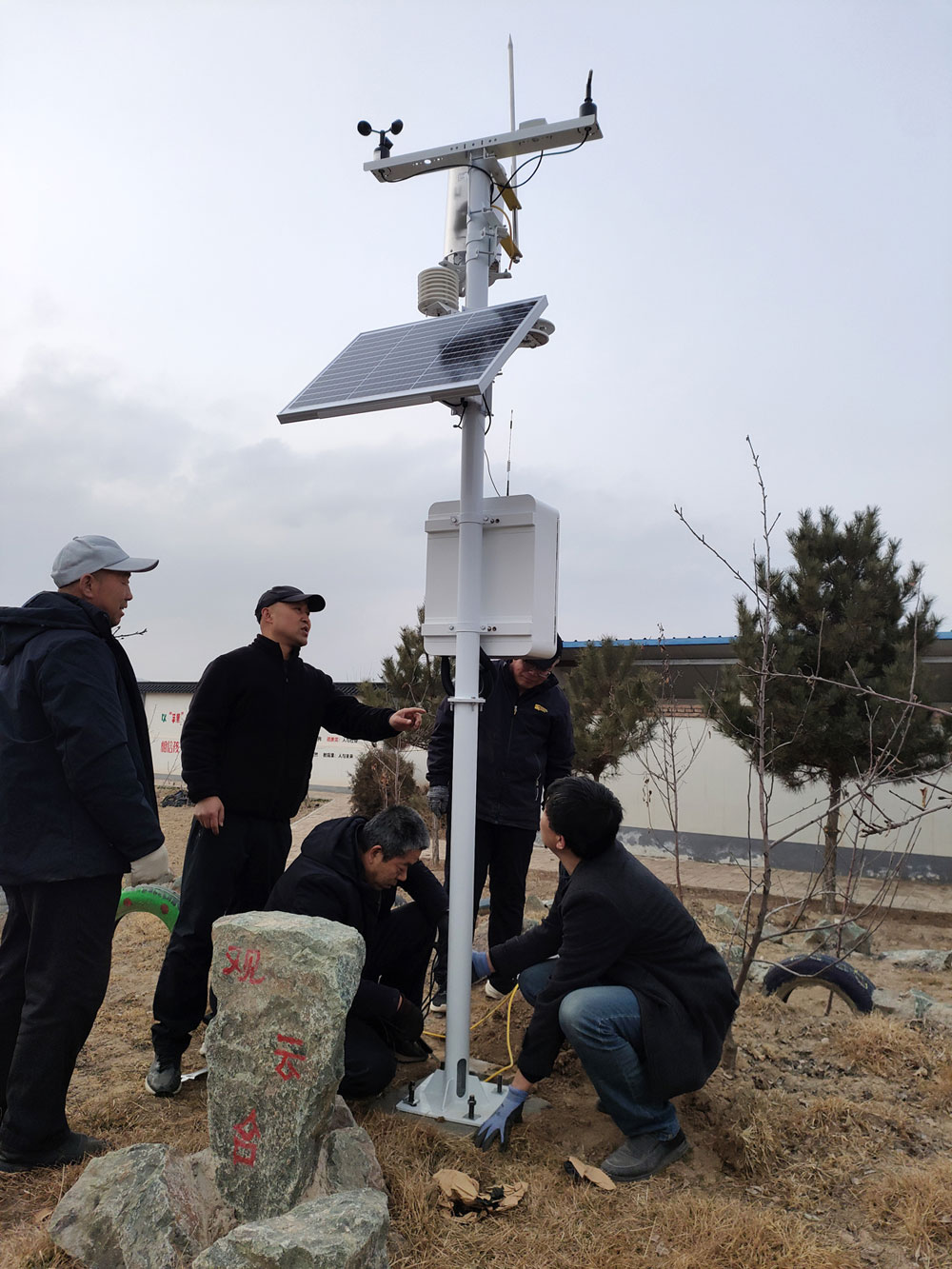
NiuBoL campus weather station has been implemented in various educational institutions, forming replicable science popularization models.
1. Primary and Secondary School Geography/Science Curriculum Practice
Deployed in open campus areas as daily teaching tools. Students observe, record, and analyze data in groups, conducting experiments on "seasonal changes," "weather causes," and "extreme weather impacts." Teachers use the platform to generate course reports and assessment data.
2. Disaster Prevention and Mitigation Theme Education
Combined with meteorological bureau warnings, simulate flood, typhoon, and cold wave scenarios for emergency drills. Platform disaster case library supports small research projects on "campus meteorological disaster risk assessment."
3. Campus Science and Technology Festival and Interest Clubs
As a core exhibition item in science and technology festivals, students participate in data collection, forecast production, and science popularization exhibition board design. Club members maintain equipment and write observation logs to form long-term observation archives.
4. Vocational Colleges and University Training Bases
As training equipment for meteorology, environment, and geography majors, supporting sensor calibration, data quality control, climate change analysis, and other professional practices. Students can develop innovative projects such as "campus microclimate monitoring."
5. Meteorological Science Popularization Bases and Community Linkage
Cooperate with local meteorological science popularization museums, with campus station data displayed in real time in exhibition halls. Open days invite parents/community for visits, extending knowledge dissemination to society.
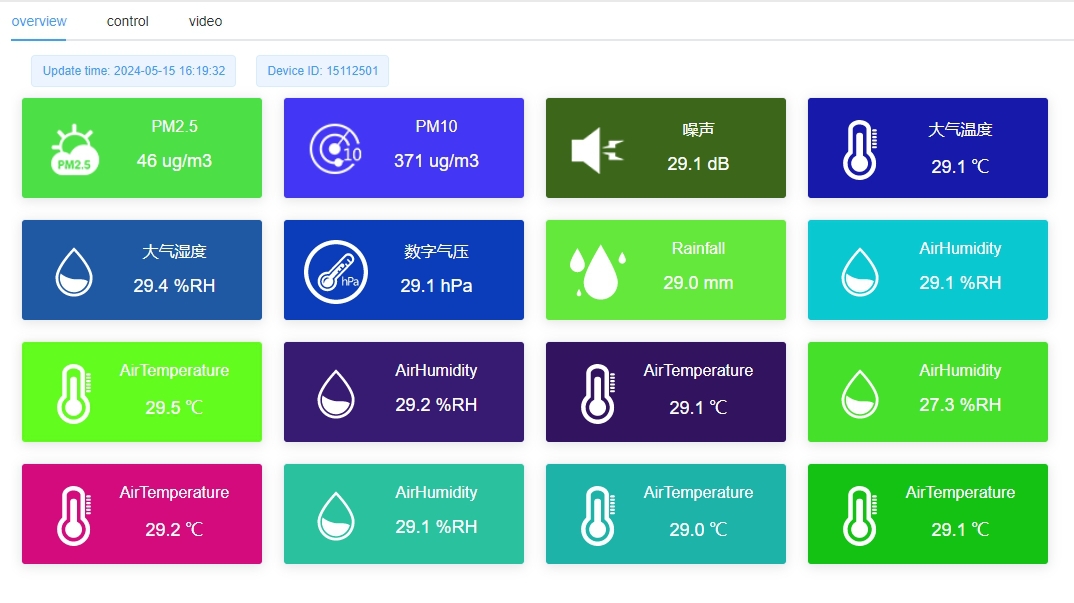
Deploying NiuBoL campus weather station for educational projects requires emphasis on safety, ease of use, and sustainability.
Site Selection and Installation Safety
Select open campus areas without tall building obstructions. Bracket foundation is stable, height 2-3 m to prevent climbing. Acquisition box with protective cover, grounding resistance<4 Ω.
Power Supply and Communication Configuration
Prioritize solar to reduce wiring, compatible with campus 220V power supply. 4G upload supports remote campuses; RS485 bus shielded cable + terminal resistor for anti-interference.
Data Integration and Education Platform Docking
Modbus protocol accesses campus smart education systems or meteorological science popularization clouds. API supports custom student experiment modules and teacher management backend. Data encryption complies with education information security specifications.
Maintenance and Teacher Training
Develop quarterly maintenance SOPs: clean optical surfaces, check grounding, verify accuracy. Manufacturer provides teacher training, student operation manuals, and online support resources.
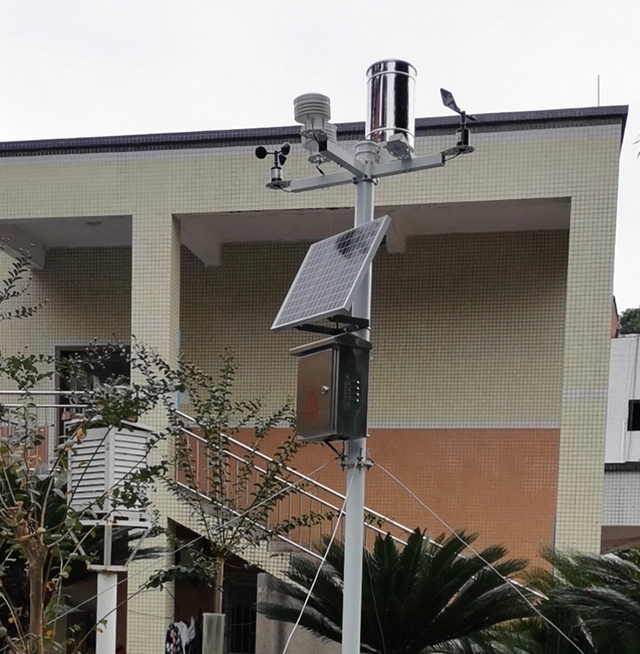
Q1. How does the campus weather station balance popular science fun with professional observation?
A1: Industrial-grade sensors ensure authentic and reliable data; educational software presents in animations and interactive experiments, allowing students to learn professional methods through "play-based learning."
Q2. How does the system support tiered teaching for different grades?
A2: Platform provides tiered permissions: lower grades view dashboards + animations; middle and upper grades participate in data analysis and small projects. Teacher backend customizes experiment templates.
Q3. What are the core differences compared to household weather instruments?
A3: Far superior accuracy, anti-interference, and long-term stability; data usable for teaching and research, comparable with meteorological departments; safety design complies with campus specifications.
Q4. How to prevent student misoperation or equipment damage?
A4: Anti-climbing bracket, acquisition box with lock + alarm; platform anomaly alarms notify administrators; provide student operation guides and teacher supervision mode.
Q5. How to control budget during selection?
A5: Basic version (temperature, humidity, pressure, rain, wind) offers highest cost-performance, suitable for most schools; extended version adds soil/radiation for geography/biology courses. Configure in phases according to budget.
Q6. How to use data for disaster prevention and mitigation courses?
A6: Built-in disaster simulation modules and case libraries, combined with real-time data for emergency drills, improving students' risk identification and self-rescue abilities.
Q7. Is it convenient to extend elements later (such as CO₂, negative oxygen ions)?
A7: Modular interfaces support hot swapping. Platform automatically identifies and configures channels without rewiring.
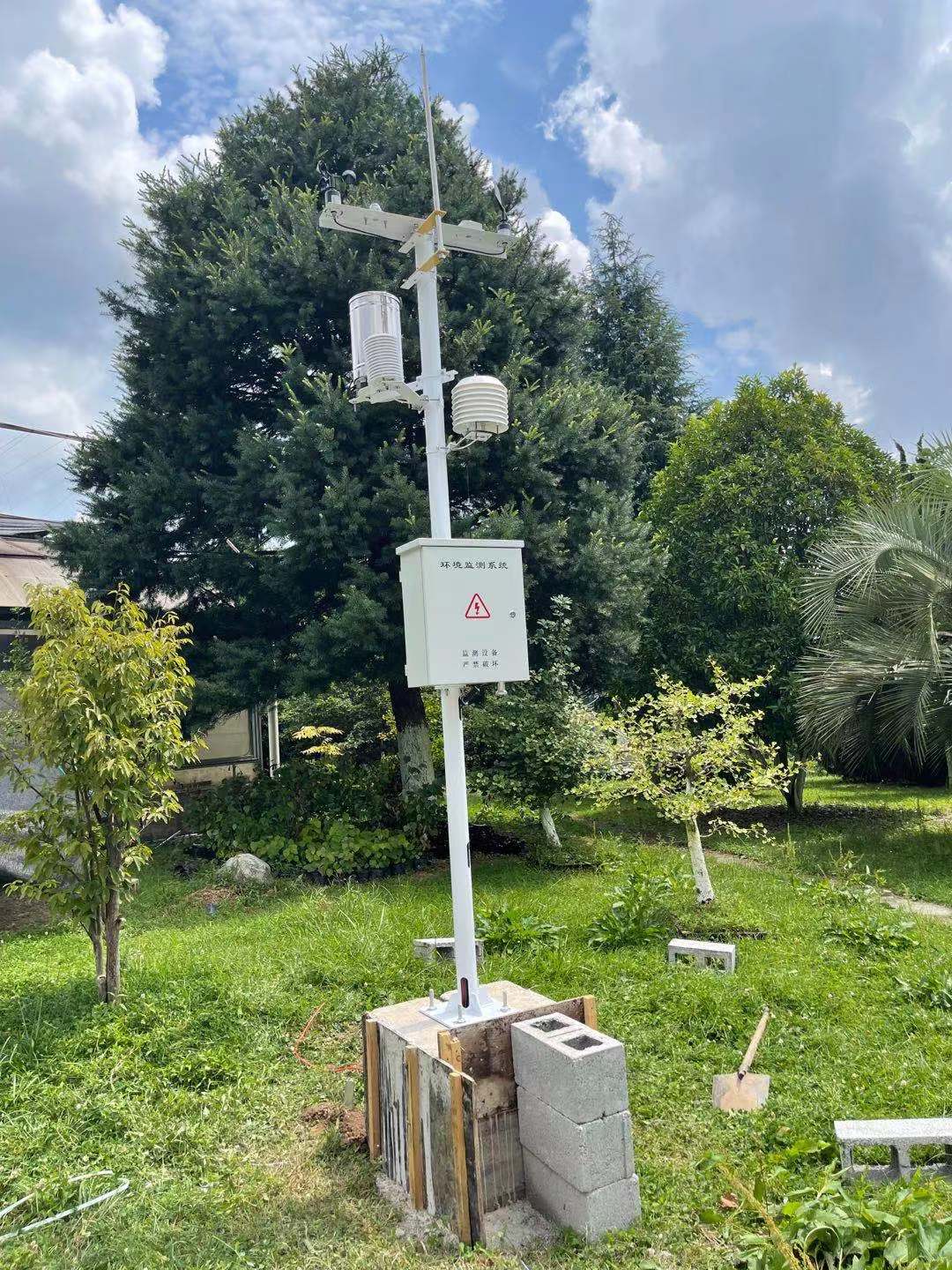
NiuBoL campus weather station, with WMO standard accuracy, educational interactive software, and safe modular design as its core, provides efficient campus meteorological science popularization solutions for system integrators, IoT providers, and engineering companies. By combining real observation data with interactive teaching, the system not only meets professional data sharing needs but also significantly enhances youth scientific literacy, disaster prevention and mitigation awareness, and environmental protection concepts, forming replicable successful models in primary and secondary schools, science popularization bases, and educational projects nationwide. As a professional manufacturer, NiuBoL is committed to education-grade equipment development, providing full-chain services from selection consultation to platform customization and teacher training to assist in the in-depth implementation of the meteorological science popularization on campus strategy and youth innovation capability cultivation. Welcome to consult standard campus station schemes, teaching cases, or on-site demonstration support.
Related recommendations
Sensors & Weather Stations Catalog
 Agriculture Sensors and Weather Stations Catalog-NiuBoL.pdf
Weather Stations Catalog-NiuBoL.pdf
Agriculture Sensors Catalog-NiuBoL.pdf
Water Quality Sensor Catalog-NiuBoL.pdf
Related products
 Combined air temperature and relative humidity sensor
 Soil Moisture Temperature sensor for irrigation|NBL-S-THR
 Soil pH sensor RS485 soil Testing instrument soil ph meter for agriculture |NBL-S-PH
 Wind Speed sensor Output Modbus/RS485/Analog/0-5V/4-20mA
 Tipping bucket rain gauge for weather monitoring auto rainfall sensor RS485/Outdoor/stainless steel
 Pyranometer Solar Radiation Sensor 4-20mA/RS485

Screenshot, WhatsApp to identify the QR code
WhatsApp number:+8615367865107
(Click on WhatsApp to copy and add friends)

