





— Blogs —
—Products—
 Consumer hotline +8618073152920
 WhatsApp:+8615367865107
Address:Room 102, District D, Houhu Industrial Park, Yuelu District, Changsha City, Hunan Province, China
Product knowledge
Time:2026-03-09 15:51:03 Popularity:468
In the IoT and smart city construction, the dimension of environmental perception has expanded from single temperature and humidity to comprehensive monitoring covering dynamic wind fields, air quality, and energy radiation. For system integrators (SI) and project contractors, deploying a stable, maintenance-free, and highly integrated perception terminal in high-density urban grid monitoring and remote outdoor environments is key to improving engineering delivery quality.
NiuBoL's NBL-W-10GUWS integrated micro-meteorological sensor adopts ultrasonic time-difference measurement technology, completely solving pain points of traditional mechanical sensors such as easy wear, high starting wind speed, and frequent maintenance. This article provides in-depth technical references for professional purchasers from the perspectives of technical principles, multi-scenario applications, and system integration.
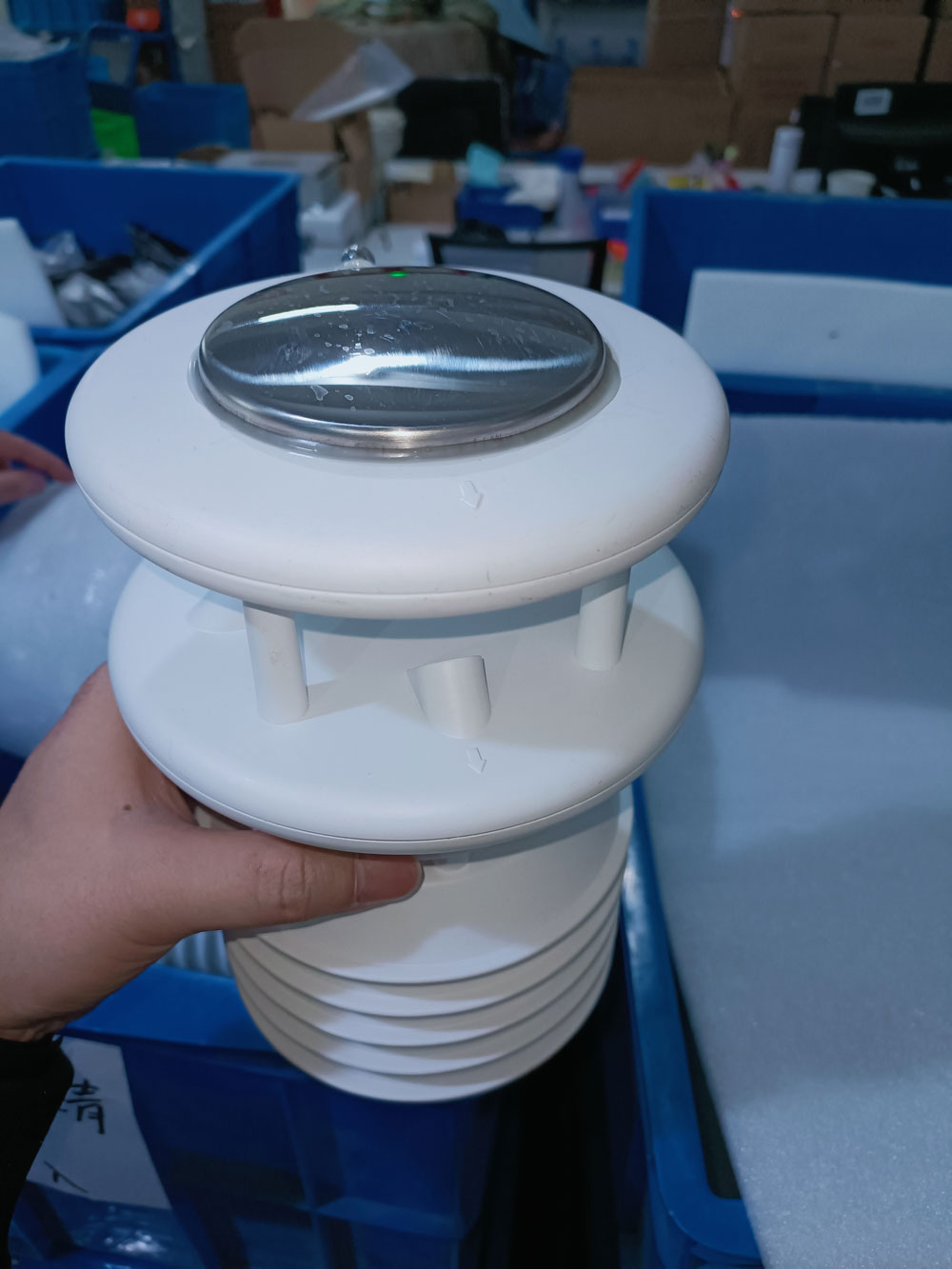
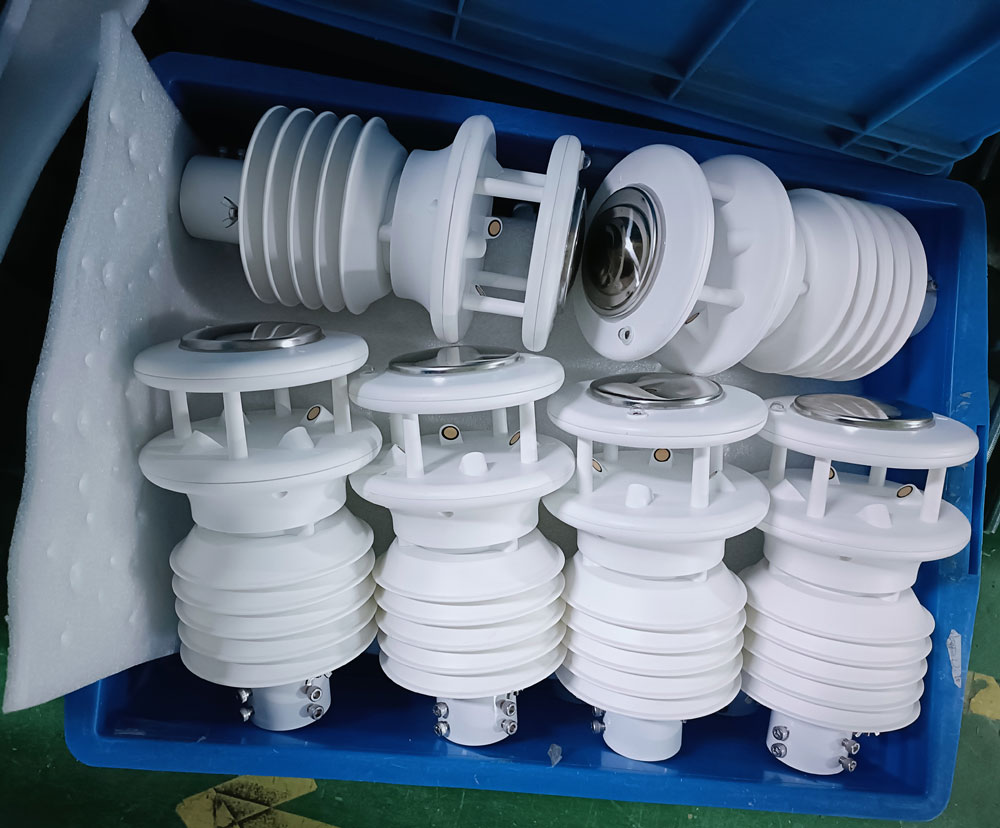
Unlike traditional propeller or cup anemometers, NiuBoL's integrated micro-meteorological sensor adopts a fully solid-state structure. Its core lies in the hidden ultrasonic probes at the top, which invert wind speed and direction by measuring the time difference of sound wave propagation in air.
1.1 Engineering Significance of Full Solid-State Structure
No Wear and Maintenance-Free: No mechanical moving parts inside, eliminating accuracy drift caused by bearing wear; no on-site calibration required in outdoor environments.
Zero Starting Wind Speed: Ultrasonic technology senses micro-winds as low as 0.01 m/s, far superior to mechanical sensors' starting threshold.
High Integration Design: Integrates air temperature, relative humidity, wind speed, wind direction, atmospheric pressure, rainfall, PM2.5/PM10, and total solar radiation in a single compact structure.
1.2 System Stability Assurance: Watchdog and Auto-Reset
To address common electromagnetic interference and signal freeze issues in industrial applications, the product features a built-in watchdog circuit and automatic reset function, ensuring 24/7 continuous logical operation in unattended harsh environments.
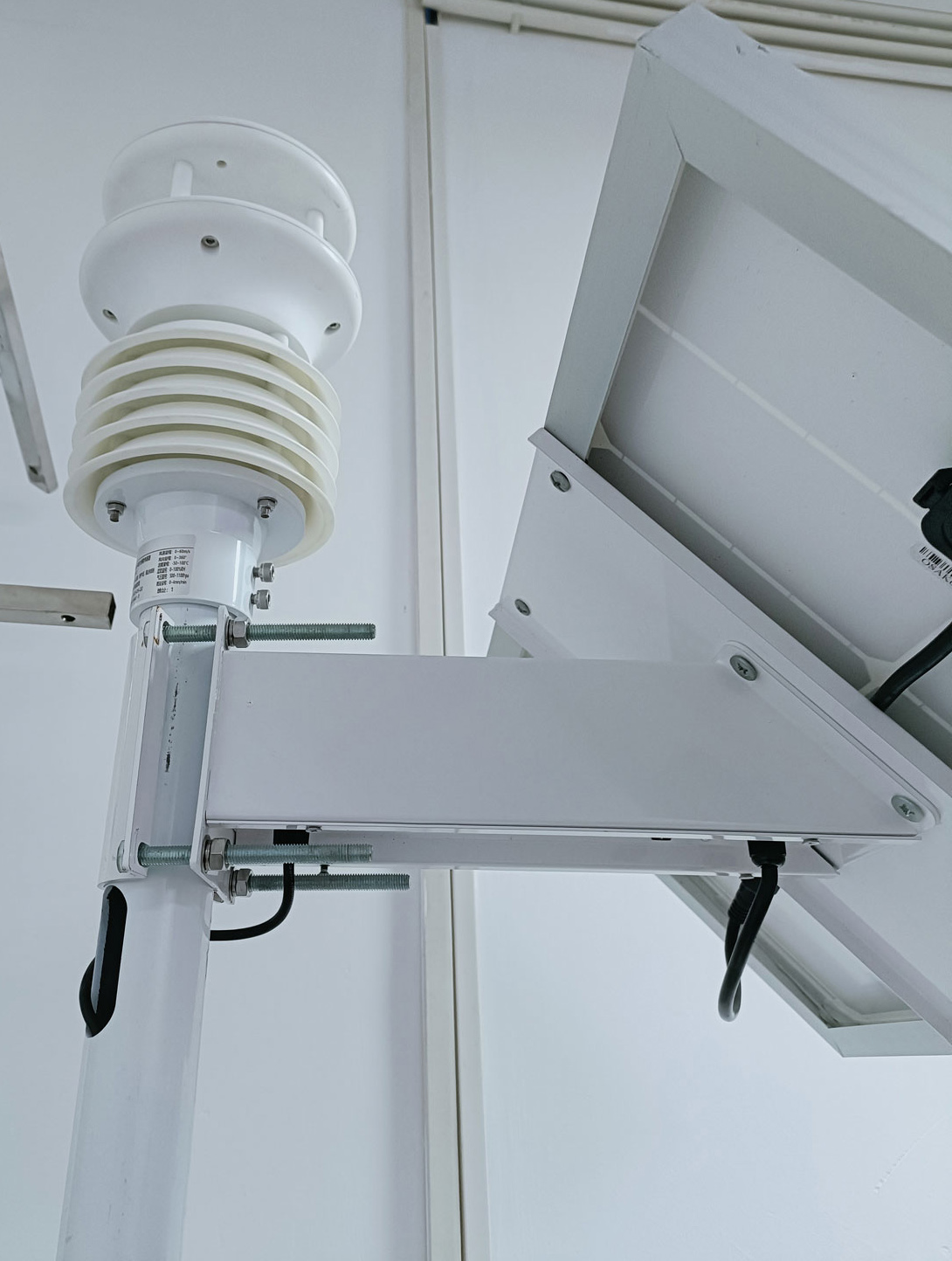
For integrators, parameter resolution and range directly determine scheme compliance.
| Monitored Element | Measurement Principle | Measurement Range | Resolution | Accuracy |
|---|---|---|---|---|
| Wind Speed | Ultrasonic Time-Difference Method | 0 ~ 60 m/s | 0.01 m/s | ±(0.3±0.03V) m/s |
| Wind Direction | Ultrasonic Time-Difference Method | 0 ~ 360° | 0.1° | ±3° |
| Air Temperature | MEMS/Thermal Element | -40 ~ 80℃ | 0.1℃ | ±0.3℃ |
| Air Humidity | Capacitive | 0 ~ 100% RH | 0.1% RH | ±3% RH |
| Atmospheric Pressure | Piezoresistive | 300 ~ 1100 hPa | 0.1 hPa | ±0.5 hPa |
| Rainfall | Optical/Piezoelectric | 0 ~ 4 mm/min | 0.01 mm | ±4% |
| Total Solar Radiation | Silicon Photocell/Photoelectric Principle | 0 ~ 2000 W/m² | 1 W/m² | ±5% |
| Particulate Matter (PM2.5/PM10) | Laser Scattering | 0 ~ 1000 μg/m³ | 1 μg/m³ | ±10% |
| Communication Interface | RS485 (Modbus-RTU Protocol) | |||
| Protection Rating | IP66/IP67 (Anti-UV/Corrosion-Resistant) | |||
This section provides specific register integration guidelines for system integrators' software developers, adding technical depth to the article.
Industrial-Grade Bus Integration Specifications
Protocol Standard: Adopts Modbus-RTU protocol, supporting 03 (Read Holding Registers) function code.
Data Verification: Built-in 16-bit CRC cyclic redundancy check ensures integrity of each frame (including wind speed, radiation, PM values, etc.) during transmission.
Multi-Point Networking: Supports 1-247 slave station address configuration; system integrators can mount multiple sensors on a single shielded twisted-pair line, greatly saving wiring costs.
| Register Address | Parameter Item | Data Type | Scaling Factor | Unit |
|---|---|---|---|---|
| 0x0000 | Wind Speed | 16-bit Unsigned | 0.01 | m/s |
| 0x0001 | Wind Direction | 16-bit Unsigned | 0.1 | ° |
| 0x000B | Total Solar Radiation | 16-bit Unsigned | 1 | W/m² |
| 0x0005 | PM2.5 | 16-bit Unsigned | 1 | μg/m³ |
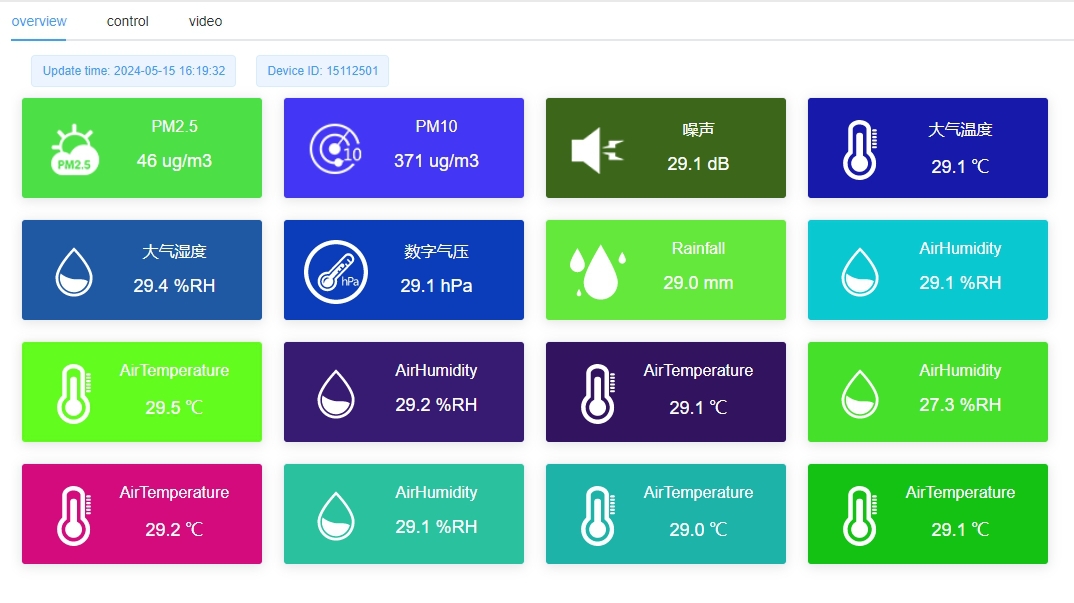
3.1 Smart City and Smart Street Light Integration
In urban grid management, smart street light poles are the best perception carriers.
Application Logic: NiuBoL integrated sensor mounted on top of lamp poles, accessing street light gateways via RS485 bus.
Value Embodiment: Real-time monitoring of street microclimate, dust, and solar illumination intensity provides data support for urban environmental protection bureaus; radiation data can link with smart dimming systems of street lights, achieving true on-demand lighting.
3.2 Construction Site Dust and Environmental Evaluation
Construction site environmental monitoring requires not only temperature and humidity data but also illumination and radiation data for comprehensive evaluation of construction operation environments.
Dust Suppression Linkage: Linkage with sprinkler systems; when particulate concentration exceeds standards or wind speed/illumination reaches specific thresholds, automatically trigger dust suppression equipment.
Maintenance-Free Advantage: Construction sites have heavy dust and complex environments; ultrasonic no-wear characteristics greatly extend equipment lifespan in harsh conditions.
3.3 Agricultural Meteorology and Photovoltaic Efficiency Monitoring
Photosynthetically Active Radiation: Integrated solar radiation sensor provides key energy reference for modern agriculture, assisting decisions on irrigation and harvesting timing.
Distributed Photovoltaics: In small photovoltaic stations, the integrated micro-meteorological sensor can monitor environmental temperature and radiation intensity in real time for calculating photovoltaic module power generation efficiency (PR value).
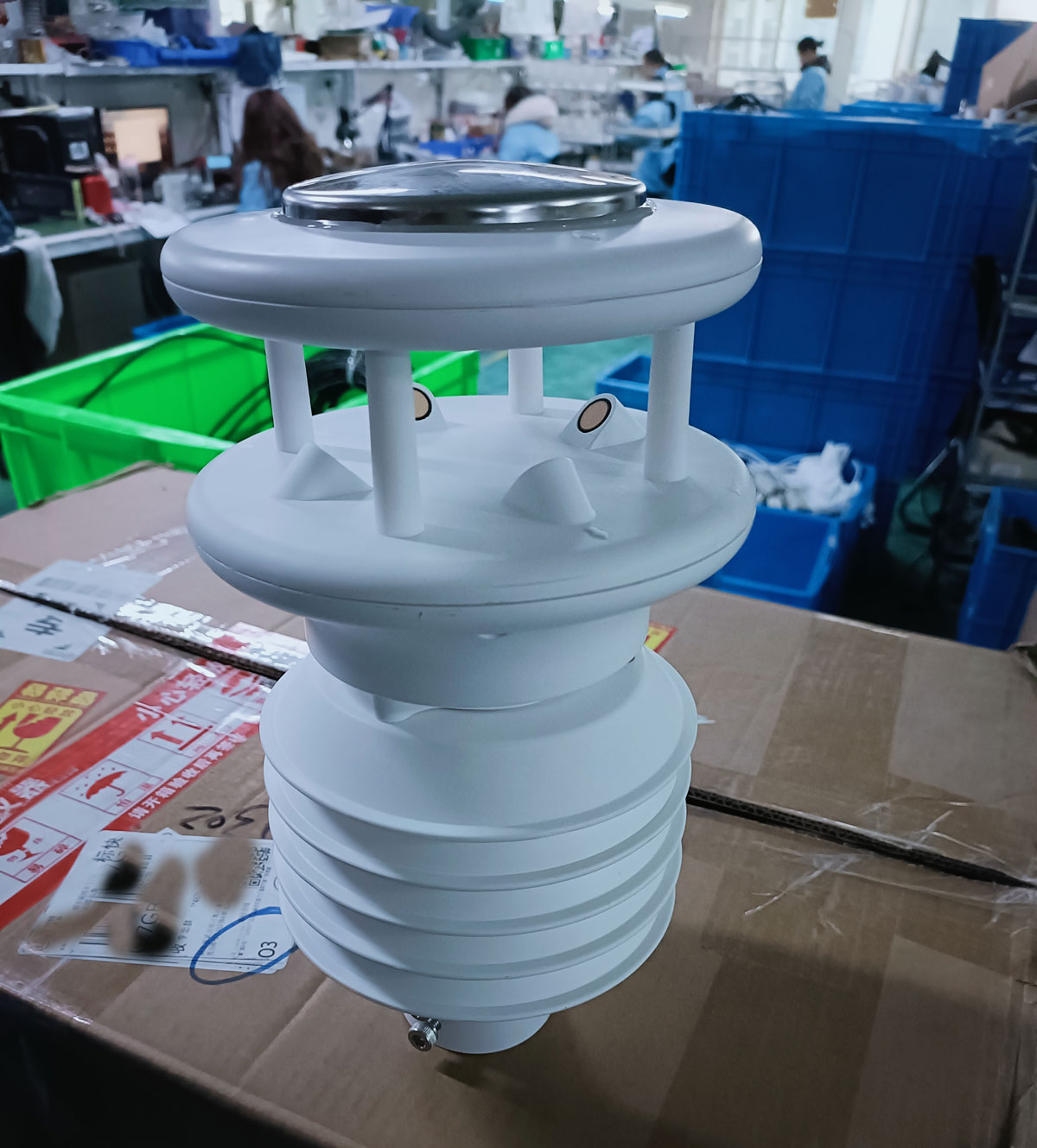
When deploying NBL-W-10GUWS ultrasonic meteorological sensors, system integrators need to pay attention to the following engineering details:
Horizontal Installation and Azimuth Alignment: Sensor should be installed at the top of the bracket, avoiding shadow occlusion. For devices integrating solar radiation and wind direction, align the "N" mark on the housing with geographic north (not magnetic north) during installation, and use a level to calibrate horizontality.
Anti-Interference Design: In smart lamp pole applications, RS485 communication lines must use twisted shielded cables, with shielding layer single-end grounded to prevent electromagnetic interference from high-power LED drivers or 5G base stations.
Power Strategy: Device supports DC 12-24V wide voltage input. In outdoor solar power systems, configure >30W solar panels with 30Ah lithium batteries to ensure 24/7 continuous monitoring during consecutive rainy days.
Communication Protocol: Defaults to standard Modbus-RTU protocol. Integrators should develop based on NiuBoL-provided register address table and add CRC verification in the program to ensure data transmission integrity.
Compass Calibration (Orientation): Wind direction measurement depends on installation azimuth. Align the "N" mark on the housing with geographic north during installation to ensure global consistency of wind direction data.
Impact of Horizontality on Measurement: Solar radiation sensors are extremely sensitive to horizontality. Tilt exceeding 3° will significantly increase radiation value errors. It is recommended to use NiuBoL's built-in level bubble for secondary verification.
Surge Protection: Although the sensor has IP66 protection rating, in lightning-prone areas, it is strongly recommended to add signal surge protectors on RS485 signal lines and reliably connect the sensor bracket to the system's main grounding network.
In unattended outdoor environments, sensors must have extremely high energy efficiency. NiuBoL sensors are hardware-optimized for low-power applications:
Dynamic Standby Power Consumption: Automatically enters low-power state during non-sampling intervals, with maximum operating power controlled within 1.2W.
Wide Voltage Input Design: Supports DC 10-30V wide voltage input, perfectly compatible with voltage fluctuations of solar controller batteries (12V/24V systems).
Configuration Recommendation: For mid-latitude regions, recommend configuring 60W solar panels + 30Ah lithium iron phosphate batteries to ensure uninterrupted monitoring during 7-10 consecutive rainy days.
Q1: Does the integrated micro-meteorological sensor require regular calibration?
A1: The core wind speed and direction module uses fully solid-state ultrasonic principle with no mechanical wear; under normal conditions, no regular on-site calibration is required. For the solar radiation module, recommend checking lens cleanliness every 12-24 months.
Q2: Will the ultrasonic probe fail in rain or snow?
A2: NiuBoL products feature a hidden probe design at the top to effectively avoid rain and snow coverage. The system has built-in automatic compensation logic to ensure reading stability in extreme weather.
Q3: Is the solar radiation sensor greatly affected by temperature?
A3: NBL-W-10GUWS has built-in high-precision temperature compensation circuitry, maintaining linearity and accuracy of radiation measurement across -40℃ to 80℃.
Q4: What wireless transmission methods does the product support?
A4: The sensor itself provides physical-layer RS485 output. Integrators can pair with NiuBoL telemetry terminals (RTU) to achieve 4G or LoRa wireless remote transmission.
Q5: What principle is used for rainfall monitoring?
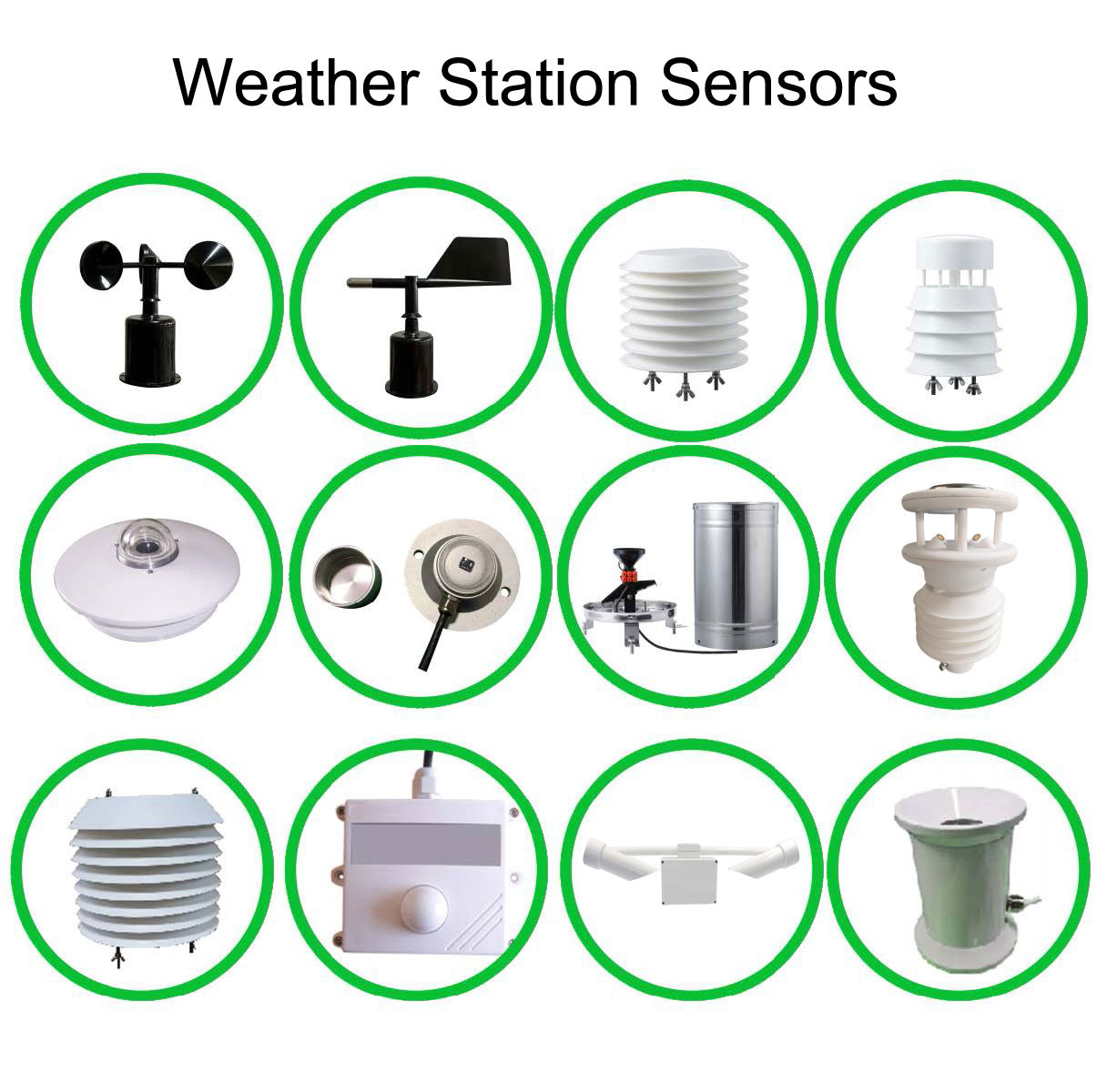
A5: Integrated stations typically use optical or piezoelectric induction principles. Compared to traditional tipping bucket rain gauges, the advantage lies in no moving parts, preventing failure due to blockages from debris (such as fallen leaves), with extremely low maintenance requirements.
Q6: How to handle bird perching affecting measurement?
A6: The housing design incorporates bird-proof needle compatible interfaces and streamlined top, significantly reducing bird perching probability and protecting the solar radiation sensor's optical window from occlusion.
Q7: How to troubleshoot if system data is abnormal?
A7: The sensor has a built-in watchdog circuit for automatic reset. If still abnormal, check RS485 bus voltage and shielding layer grounding, and use NiuBoL-provided debugging software to read register status.
Q8: Does it support one-station multi-destination function?
A8: Paired with NiuBoL data collectors or gateways, supports simultaneous data transmission to multiple cloud servers or local monitoring centers, meeting simultaneous regulatory needs of environmental protection and water resources departments.
Q9: Does NiuBoL sensor housing material support salt spray corrosion resistance?
A9: Yes. NBL-W-10GUWS meteorological sensor uses high-strength anti-UV (ASA) engineering plastic, offering excellent weather resistance and effective resistance to salt spray corrosion in coastal areas and acidic atmospheric environments around chemical plants.
Q10: How to clean if light path or ultrasonic probe is covered by dust?
A10: Hidden ultrasonic probe design reduces dust accumulation probability. For the top solar radiation window, usually only gentle wiping with a soft damp cloth every quarter is needed; no chemical cleaners required.
Q11: Can monitoring elements be customized? For example, remove PM10 and add noise monitoring?
A11: We offer highly flexible modular customization services. Due to the unified structural platform, integrators can freely select monitoring elements within the same housing according to project contract requirements.
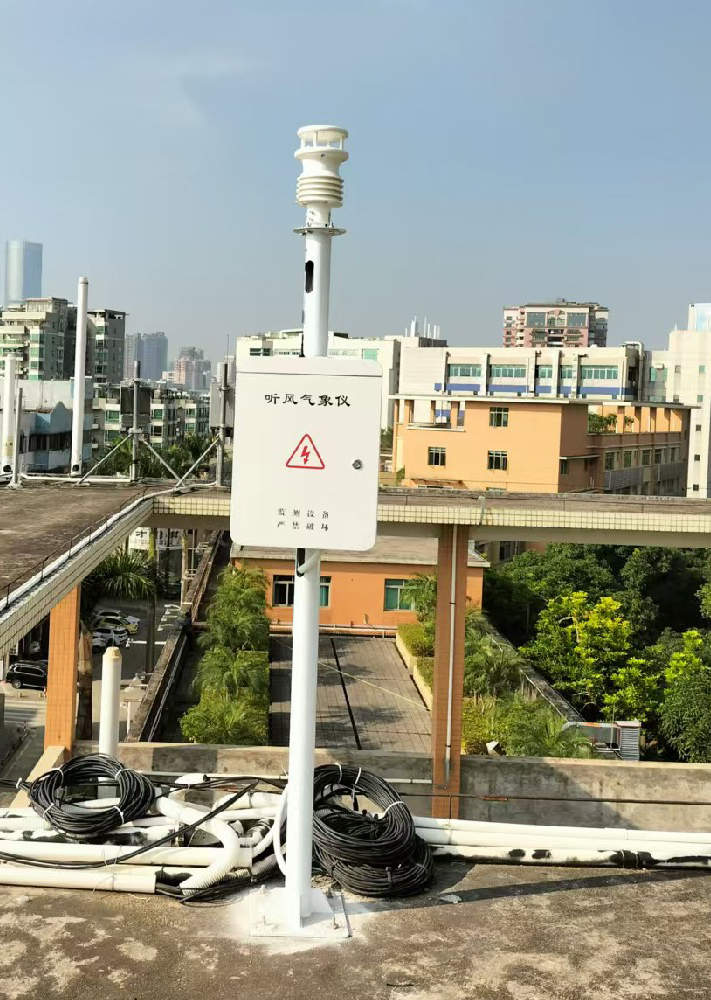
NiuBoL integrated micro-meteorological sensor perfectly fuses complex ultrasonic wind measurement technology with high-precision solar radiation monitoring. Its high integration, maintenance-free, and low-power technical characteristics significantly reduce later operation and maintenance pressure for project contractors. Whether in smart city streets, construction site environmental monitoring points, or remote agricultural demonstration zones, NiuBoL is always committed to providing precise, reliable, and easy-to-integrate environmental perception solutions.
If you are designing schemes for smart street lights, high-standard farmlands, or environmental grid projects, please contact the NiuBoL industrial support team to obtain detailed communication protocol manuals.
 NBL-W-21GUWS-Ultrasonic-Wind-speed-and-direction-Sensor.pdf
NBL-W-61MUWS-Ultrasonic-Weather-Station-Instruction-Manual.pdf
NBL-W-71MUWS-Micrometeorological-Sensor-Operating-Instructions.pdf
Related recommendations
Sensors & Weather Stations Catalog
Agriculture Sensors and Weather Stations Catalog-NiuBoL.pdf
Weather Stations Catalog-NiuBoL.pdf
Agriculture Sensors Catalog-NiuBoL.pdf
Water Quality Sensor Catalog-NiuBoL.pdf
Related products
 Combined air temperature and relative humidity sensor
 Soil Moisture Temperature sensor for irrigation|NBL-S-THR
 Soil pH sensor RS485 soil Testing instrument soil ph meter for agriculture |NBL-S-PH
 Wind Speed sensor Output Modbus/RS485/Analog/0-5V/4-20mA
 Tipping bucket rain gauge for weather monitoring auto rainfall sensor RS485/Outdoor/stainless steel
 Pyranometer Solar Radiation Sensor 4-20mA/RS485

Screenshot, WhatsApp to identify the QR code
WhatsApp number:+8615367865107
(Click on WhatsApp to copy and add friends)

