





— Blogs —
—Products—
 Consumer hotline +8618073152920
 WhatsApp:+8615367865107
Address:Room 102, District D, Houhu Industrial Park, Yuelu District, Changsha City, Hunan Province, China
Product knowledge
Time:2026-03-09 15:51:28 Popularity:452
In specialty economic forest-fruit industry and precision agriculture projects in karst mountainous areas, automatic weather stations have become the core infrastructure for system integrators, IoT solution providers, project contractors, and engineering companies to support large-scale planting of high-value economic crops such as Rosa roxburghii (刺梨). The system monitors agricultural meteorological elements such as air temperature, relative humidity, wind speed and direction, rainfall, atmospheric pressure, soil temperature and humidity, and photosynthetically active radiation in real time, transmitting data to the cloud platform via GPRS/4G/LoRa to enable disaster early warning, growth model matching, and fine management decisions. NiuBoL's multi-element automatic weather station, designed in accordance with WMO observation standards and agricultural meteorological specifications, is suitable for main production areas of Rosa roxburghii in Guizhou, Yunnan, and other karst mountainous regions, supporting monitoring in suitable climates at 800-1600 m elevation, average annual temperature 12-16℃, and annual precipitation over 1000 mm, helping clients prevent low-temperature frost damage, drought stress, and flood risks, and improve fruit quality and yield stability.
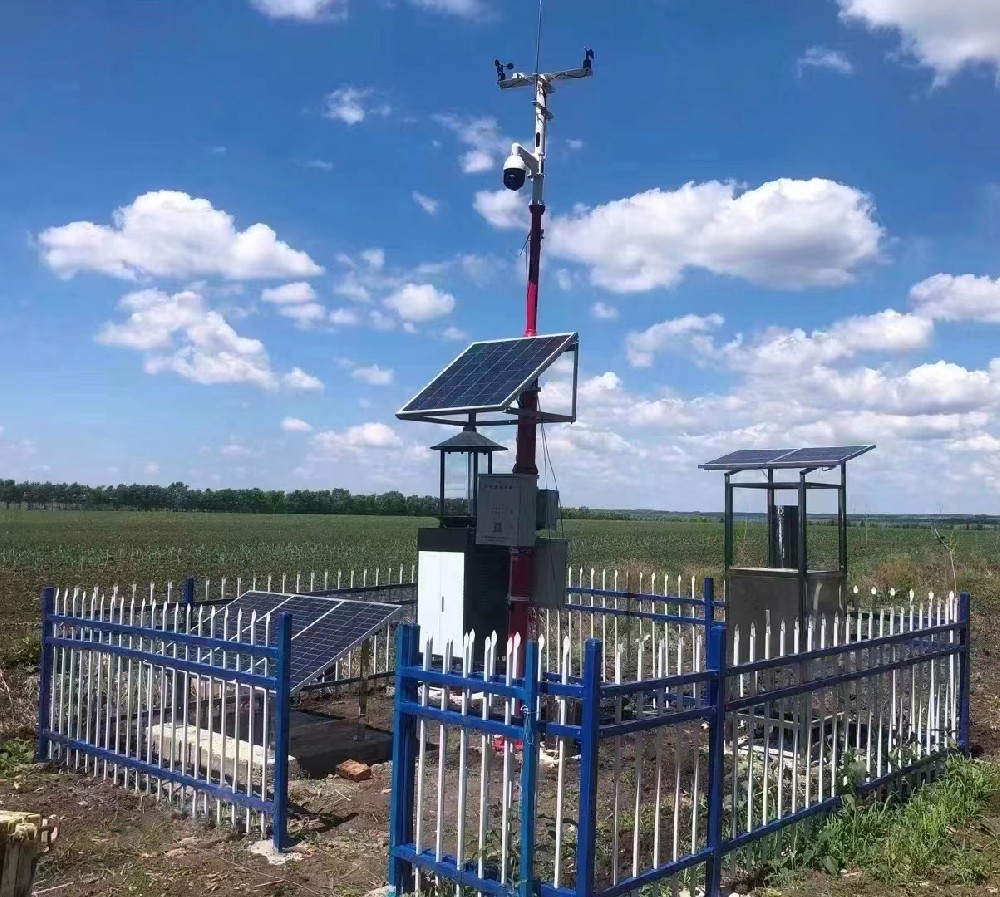
As a specialty economic tree species in karst regions of southwest China such as Guizhou and Yunnan, Rosa roxburghii is highly sensitive to climatic conditions. Suitable growth environment requires average annual temperature of 12-16℃, ≥10℃ accumulated temperature of 3400-4500℃, annual precipitation over 1000-1200 mm, and elevation mainly distributed at 800-1600 m (extendable to 400-2000 m across the province). The species prefers mild and humid climate, tolerates -6℃ low temperature but not extreme drought or high-temperature dryness. Karst soils have high pH and abundant exchangeable calcium and magnesium; plants adapt to high-calcium habitats by enriching calcium oxalate through branches and leaves.
Main meteorological risks include:
Low-Temperature Frost Damage: Late spring frost or extreme winter low temperatures cause flower bud/young fruit damage.
Drought Stress: Uneven summer precipitation distribution and insufficient soil moisture affect fruit expansion and vitamin C accumulation.
Flooding and Waterlogging: Concentrated rainfall triggers flash floods or soil water accumulation, causing root hypoxia and affecting tree vigor.
Illumination and Radiation Fluctuations: Excessive overcast or strong radiation reduces photosynthetic efficiency, affecting SOD and vitamin C synthesis.
Traditional manual observation struggles with continuous, high-frequency data collection. Automatic weather stations compensate for this shortcoming through 24-hour unattended monitoring, providing scientific basis for variety introduction, cultivation management optimization, and disaster defense.
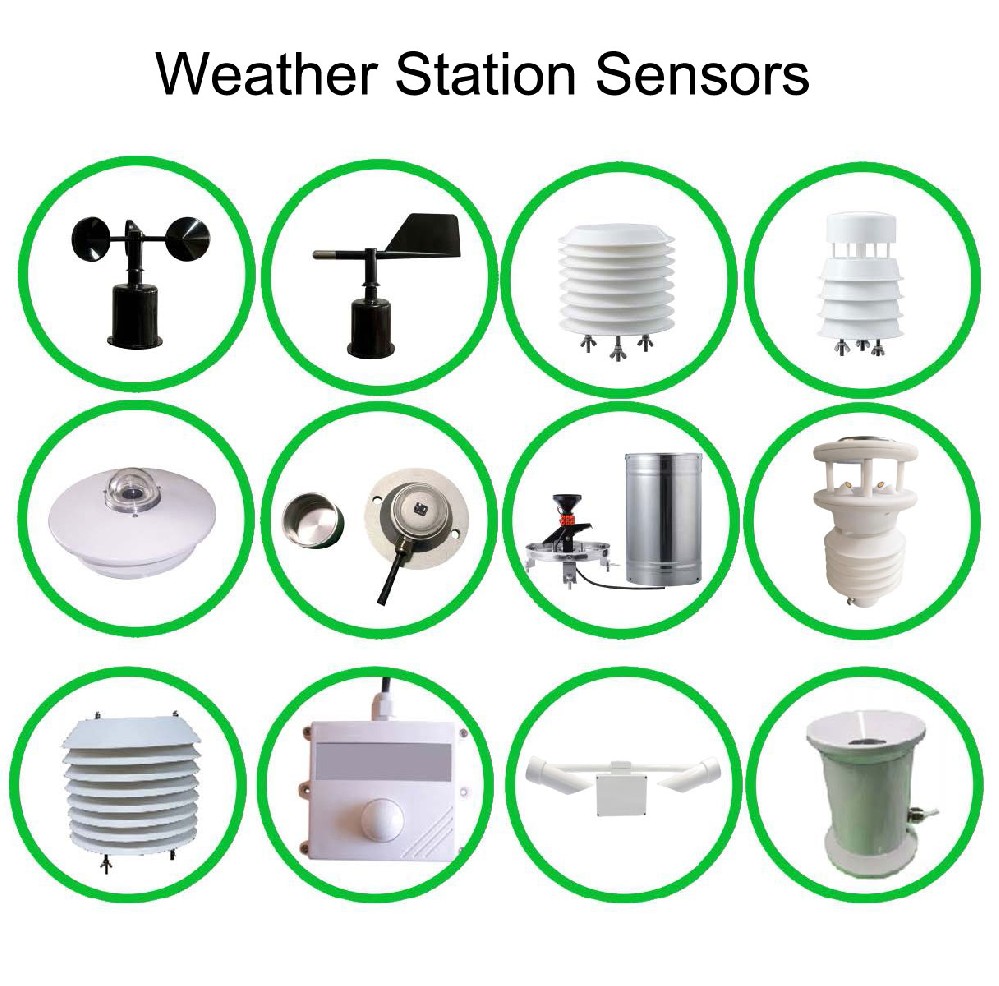
NiuBoL automatic weather stations are engineered for Rosa roxburghii planting in karst terrain and climatic characteristics, providing reliable field data support.
1. Real-Time Monitoring and Disaster Early Warning
The system collects air temperature and humidity (1-15 minute intervals), multi-layer soil temperature and humidity (10/20/40 cm depths), rainfall, wind speed and direction, and other elements at high frequency. The platform has built-in threshold algorithms: temperature<0℃ lasting="">2 h triggers late frost warning, soil volumetric water content<15% alarms="" drought="" hourly="" rainfall="" intensity="">20 mm links drainage prompts. In actual applications, warning accuracy reaches over 90%, reducing frost damage losses by 20-30%.
2. Growth Model and Decision Support
Data accesses crop growth models (accumulated temperature, effective accumulated temperature, photosynthetic radiation integration) to guide key phenological period management of Rosa roxburghii: bud break period (accumulated temperature >200℃), flowering period (average temperature >15℃ to avoid low temperature), fruit expansion period (soil humidity >25% to optimize vitamin C accumulation). The platform generates trend reports, supporting precision irrigation, fertilization, and disaster scheduling.
3. System Reliability and Adaptability
Stainless steel bracket + IP67 protective box, resistant to acid rain/high-calcium environments. Solar + lithium iron phosphate battery power supply ensures continuous operation ≥10 rainy days. LoRa networking or 4G independent upload adapts to weak mountain signals. Modular design facilitates later extension of CO₂, photosynthetic radiation, or leaf wetness sensors.
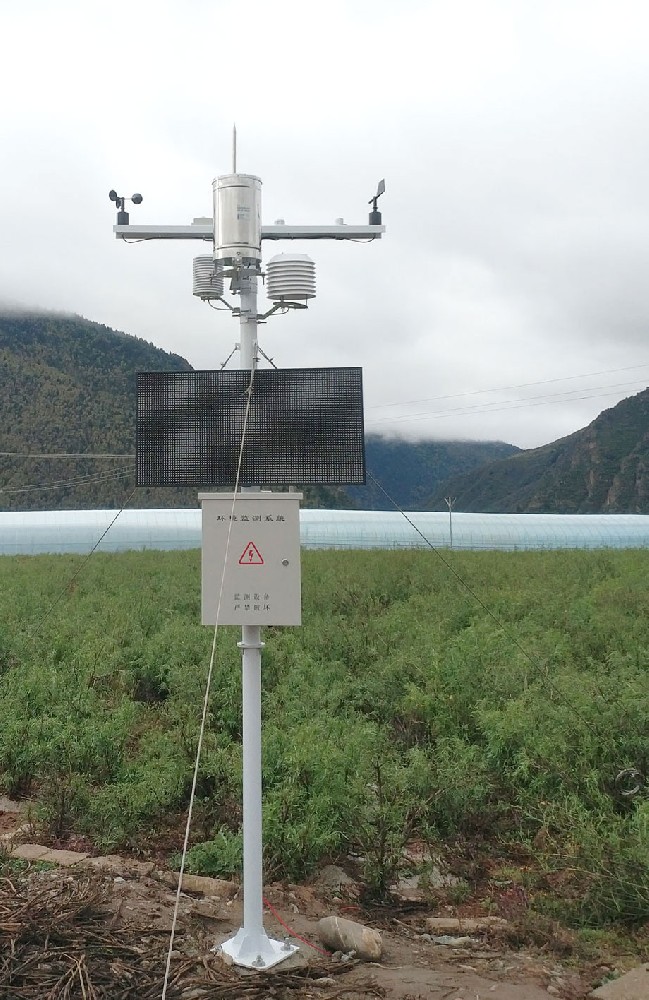
NiuBoL agricultural dedicated automatic weather station typical parameters are shown in the table below, supporting Rosa roxburghii planting custom configurations.
| Element Category | Measurement Principle | Range | Accuracy |
|---|---|---|---|
| Air Temperature | PT1000 Digital Integration | -50~80 ℃ | ±0.2 ℃ |
| Relative Humidity | Capacitive | 0~100% RH | ±2% RH |
| Wind Speed | Ultrasonic | 0~60 m/s | ±(0.1+2%) m/s |
| Wind Direction | Ultrasonic | 0~360° | ±2° |
| Rainfall | Optical/Tipping Bucket | 0~9999 mm | ±3% |
| Atmospheric Pressure | Silicon Piezoresistive | 300~1100 hPa | ±0.3 hPa |
| Photosynthetically Active Radiation | Silicon Photocell | 0~2500 μmol/m²/s | ±5% |
| Soil Temperature | Thermistor | -40~80 ℃ | ±0.5 ℃ |
| Soil Moisture | Dielectric Constant | 0~100% (volumetric water content) | ±2% (0~50% range) |
| Parameter Category | Specific Description |
|---|---|
| Power Supply Method | Solar + Lithium Iron Phosphate Battery (≥7-10 consecutive rainy days) |
| Output Interface | RS485 (Modbus RTU); GPRS/4G Upload |
| Protection Rating | IP67 (Full System) |
| Operating Environment | -40~85 ℃, 0~100% RH |
| Data Storage | Local ≥2 Years; Cloud Unlimited |
| Communication Protocol | Modbus RTU; MQTT |
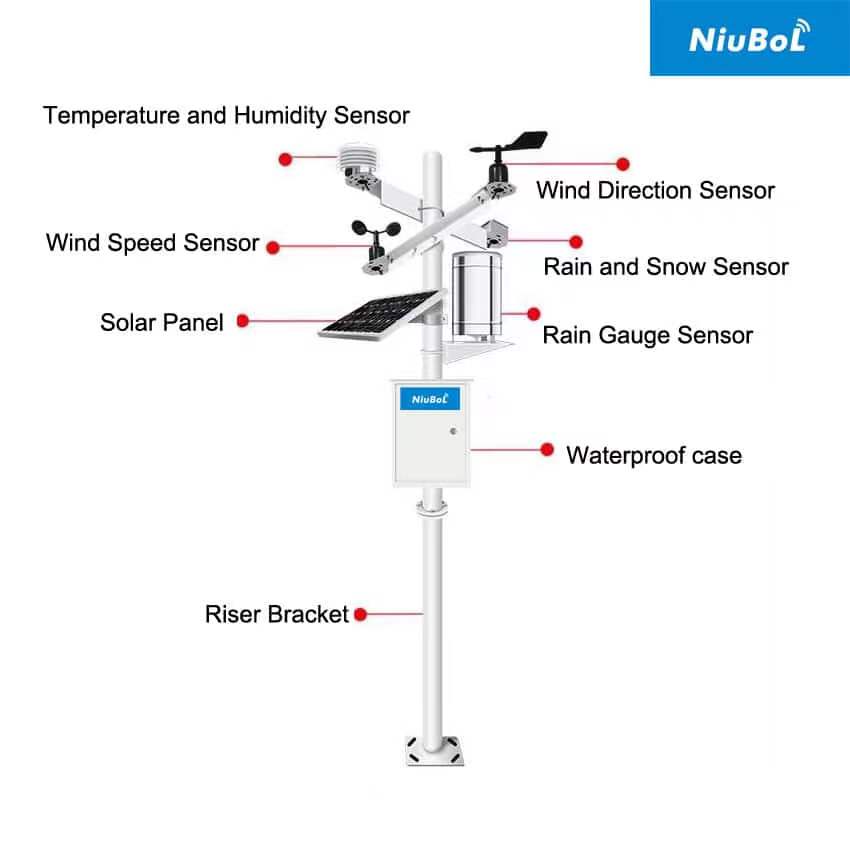
NiuBoL automatic weather stations support full life-cycle management in Rosa roxburghii planting projects.
Karst Mountainous Large-Scale Bases
Grid deployment in Guizhou/Yunnan 800-1600 m elevation Rosa roxburghii orchards (1 station per 50-100 mu) monitors soil humidity/temperature to guide drip irrigation, temperature/radiation data optimizes pruning timing, preventing low-temperature frost damage and drought yield reduction.
Seedless Rosa roxburghii Introduction Trial Fields
In low-elevation introduction areas (<800 m), focus on monitoring extreme low/high temperatures; data supports variety adaptability assessment and stress-resistant cultivation technology validation.
Ecological Restoration and Barren Mountain Greening Projects
Combined with returning farmland to forest or rocky desertification control, stations monitor microclimate changes to evaluate Rosa roxburghii adaptability to high-calcium/drought environments, supporting quantitative ecological benefits.
Industry Chain Quality Traceability and Insurance Support
Multi-point data upload to platform forms regional climate archives, supporting correlation analysis of fruit vitamin C/SOD content with meteorological factors, assisting geographical indication protection and meteorological index insurance.
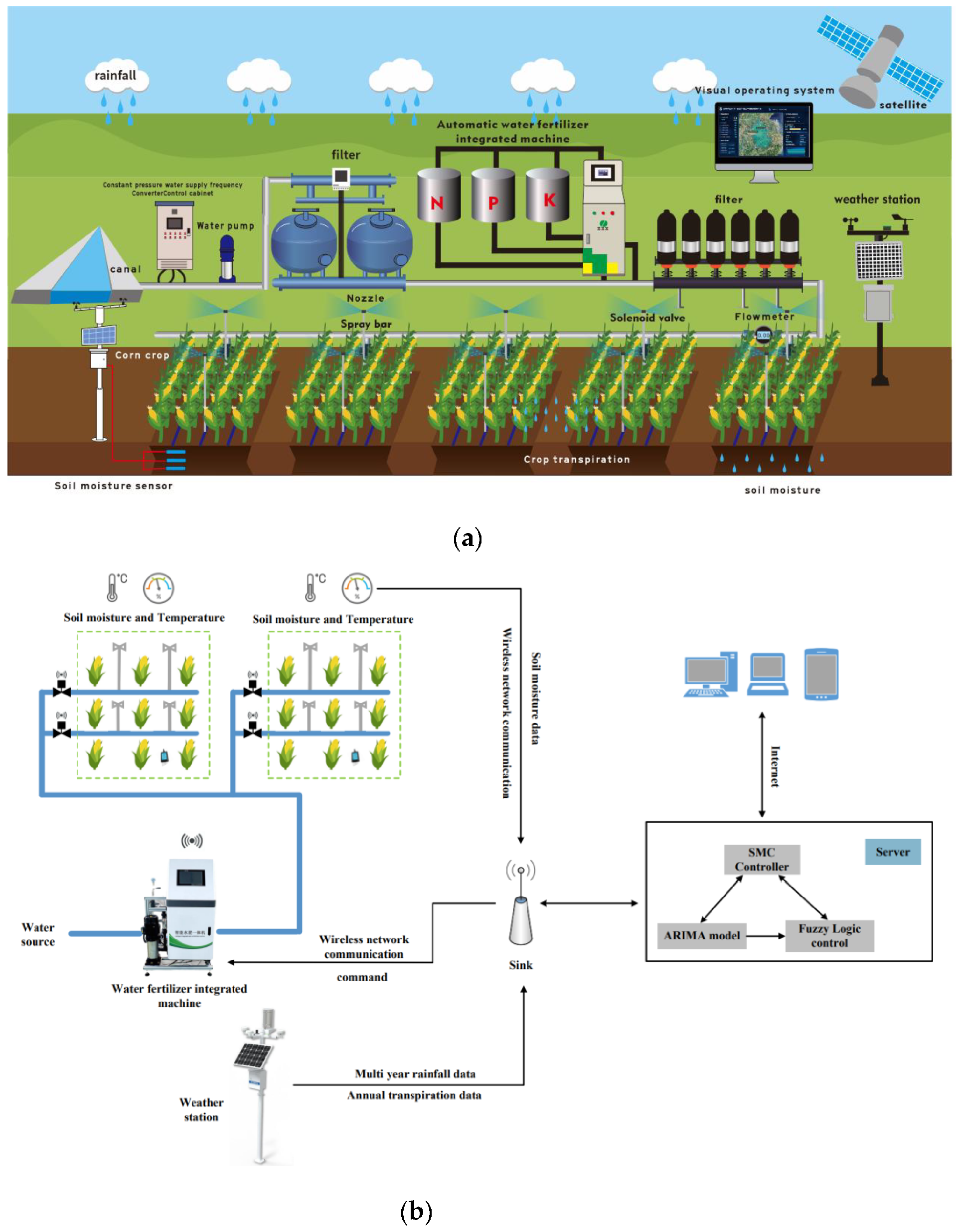
Deploying NiuBoL automatic weather stations needs adaptation to karst terrain and mountainous environments.
Site Selection and Installation
Select representative slope directions/elevations in open, unobstructed positions. Bracket foundation poured with concrete; soil probes multi-point layout, avoiding rock/root dense areas.
Power Supply and Communication Configuration
Solar panels face south tilted 35°; battery capacity calculated as local consecutive rainy days ×1.5. RS485 bus<1200 m, add shielded cable + terminal resistor.
Data Integration and Model Docking
Modbus protocol standardization facilitates access to PLC or agricultural DSS. Platform API supports custom thresholds (e.g., soil humidity<20% alarm) and crop model integration.
Maintenance and Troubleshooting
Quarterly cleaning of optical surfaces/tipping buckets, check grounding<4 Ω.
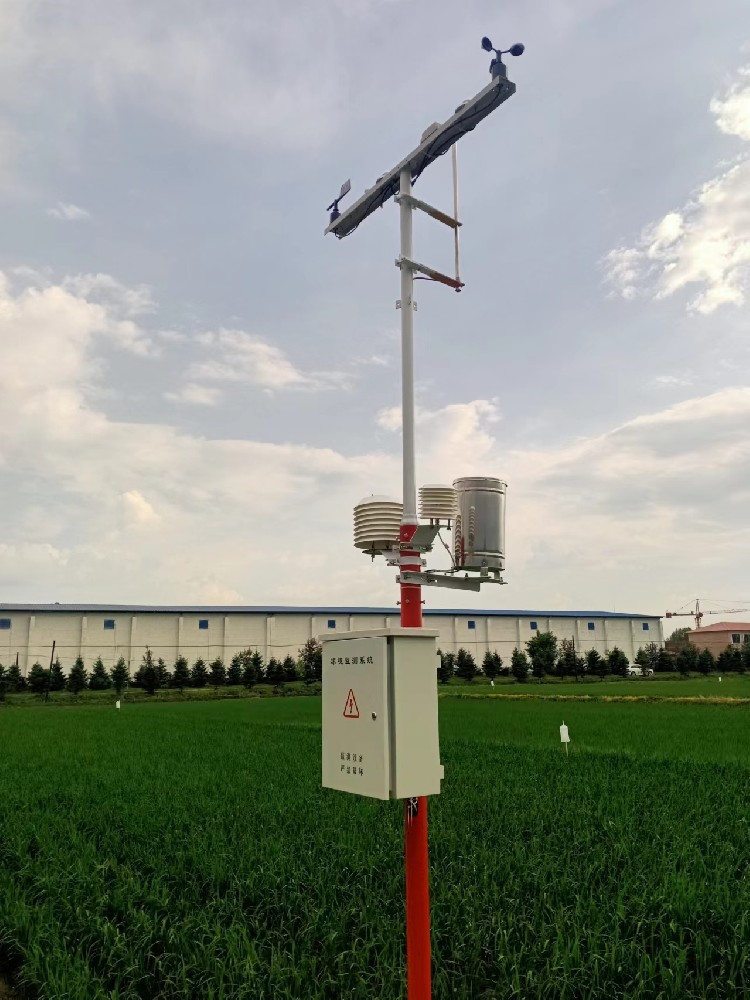
Q1. How do automatic weather stations specifically help Rosa roxburghii prevent late frost damage?
A1: Monitor temperature<0℃ duration; platform algorithm combines accumulated temperature models to warn 7-10 days in advance, guiding covering or smoking for frost prevention and reducing flower bud damage.
Q2. How to ensure communication in weak signal environments in karst mountainous areas?
A2: Prioritize LoRa networking for low-power wide coverage. Local cache ≥30 days, automatic retransmission after network recovery.
Q3. How adaptable is the system to Rosa roxburghii high-calcium soil environments?
A3: Sensors resistant to acid-alkali corrosion; dielectric humidity probes unaffected by calcium-magnesium ions. Stainless steel bracket material long-term resistant to salt spray/acid rain.
Q4. How to use data to optimize Rosa roxburghii vitamin C accumulation?
A4: Platform analyzes photosynthetic radiation integration + soil humidity, guiding moisture management during expansion period. Actual measurements show suitable humidity increases vitamin C content by 15-20%.
Q5. What is the calibration frequency after installation?
A5: Factory traceable calibration; recommend quarterly on-site comparison, annual comprehensive calibration. Platform automatic quality control marks anomalous data.
Q6. How is data integrity during extreme drought or flooding?
A6: Local cache + redundant transmission, solar redundant power supply. Actual mountainous deployment shows data completeness >98% during 12 consecutive rainy days or drought periods.
Q7. Is it suitable for low-elevation introduction trials?
A7: Supports extension of low/high-temperature threshold alarms; data comparison analyzes variety adaptability, helping assess low-elevation planting risks.
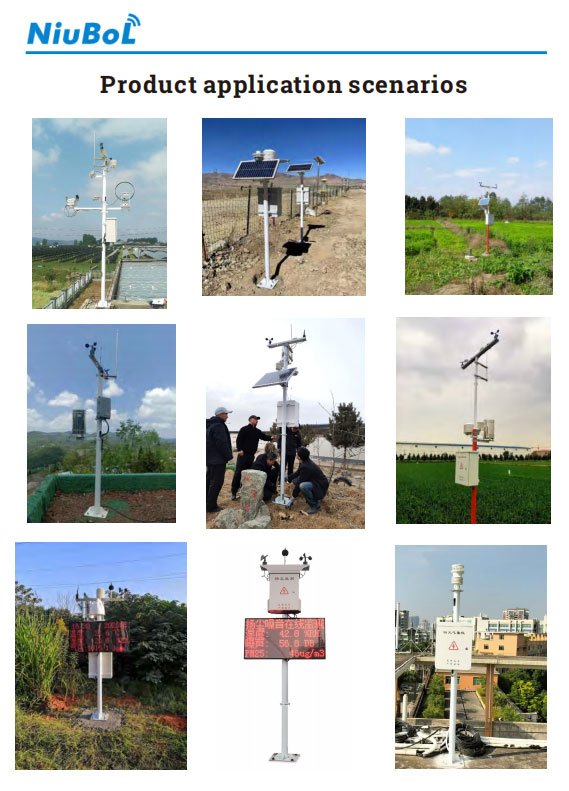
NiuBoL automatic weather stations, with high-precision multi-element monitoring, mountainous adaptability, and standard protocol compatibility as their core, provide reliable meteorological support for Rosa roxburghii planting to system integrators, IoT providers, and engineering companies. Through real-time data collection and disaster early warning, the system effectively prevents frost damage, drought, and flood risks, supporting precision cultivation management and quality improvement. In Guizhou/Yunnan karst mountainous Rosa roxburghii bases and ecological restoration projects, it demonstrates significant engineering value and economic benefits. As a professional manufacturer, NiuBoL provides OEM/ODM services from sensors to complete observation stations, protocol adaptation, and on-site validation to assist digital transformation and sustainable development of specialty forest-fruit industry. Welcome to consult Rosa roxburghii dedicated configuration schemes, technical docking, or project case references.
Related recommendations
Sensors & Weather Stations Catalog
 Agriculture Sensors and Weather Stations Catalog-NiuBoL.pdf
Weather Stations Catalog-NiuBoL.pdf
Agriculture Sensors Catalog-NiuBoL.pdf
Water Quality Sensor Catalog-NiuBoL.pdf
Related products
 Combined air temperature and relative humidity sensor
 Soil Moisture Temperature sensor for irrigation|NBL-S-THR
 Soil pH sensor RS485 soil Testing instrument soil ph meter for agriculture |NBL-S-PH
 Wind Speed sensor Output Modbus/RS485/Analog/0-5V/4-20mA
 Tipping bucket rain gauge for weather monitoring auto rainfall sensor RS485/Outdoor/stainless steel
 Pyranometer Solar Radiation Sensor 4-20mA/RS485

Screenshot, WhatsApp to identify the QR code
WhatsApp number:+8615367865107
(Click on WhatsApp to copy and add friends)

