





— Blogs —
—Products—
 Consumer hotline +8618073152920
 WhatsApp:+8615367865107
Address:Room 102, District D, Houhu Industrial Park, Yuelu District, Changsha City, Hunan Province, China
Product knowledge
Time:2026-03-08 20:32:47 Popularity:531
In the field of industrial environmental monitoring and IoT integration, the four gases and two dusts monitoring station has become a key device for system integrators and project contractors to achieve grid-based air quality management. The system focuses on monitoring PM2.5, PM10 particulate matter, as well as SO2, NO2, CO, and O3 gas concentrations, supporting real-time data acquisition and wireless transmission. Data is uploaded to the cloud platform via GPRS/4G communication protocols, enabling big data analysis and providing reliable environmental regulatory support for engineering companies. As a professional manufacturer, NiuBoL supplies modular sensors and monitoring terminals, suitable for municipal environmental monitoring, traffic pollution control, and enterprise park deployment, ensuring compliance and operational efficiency.
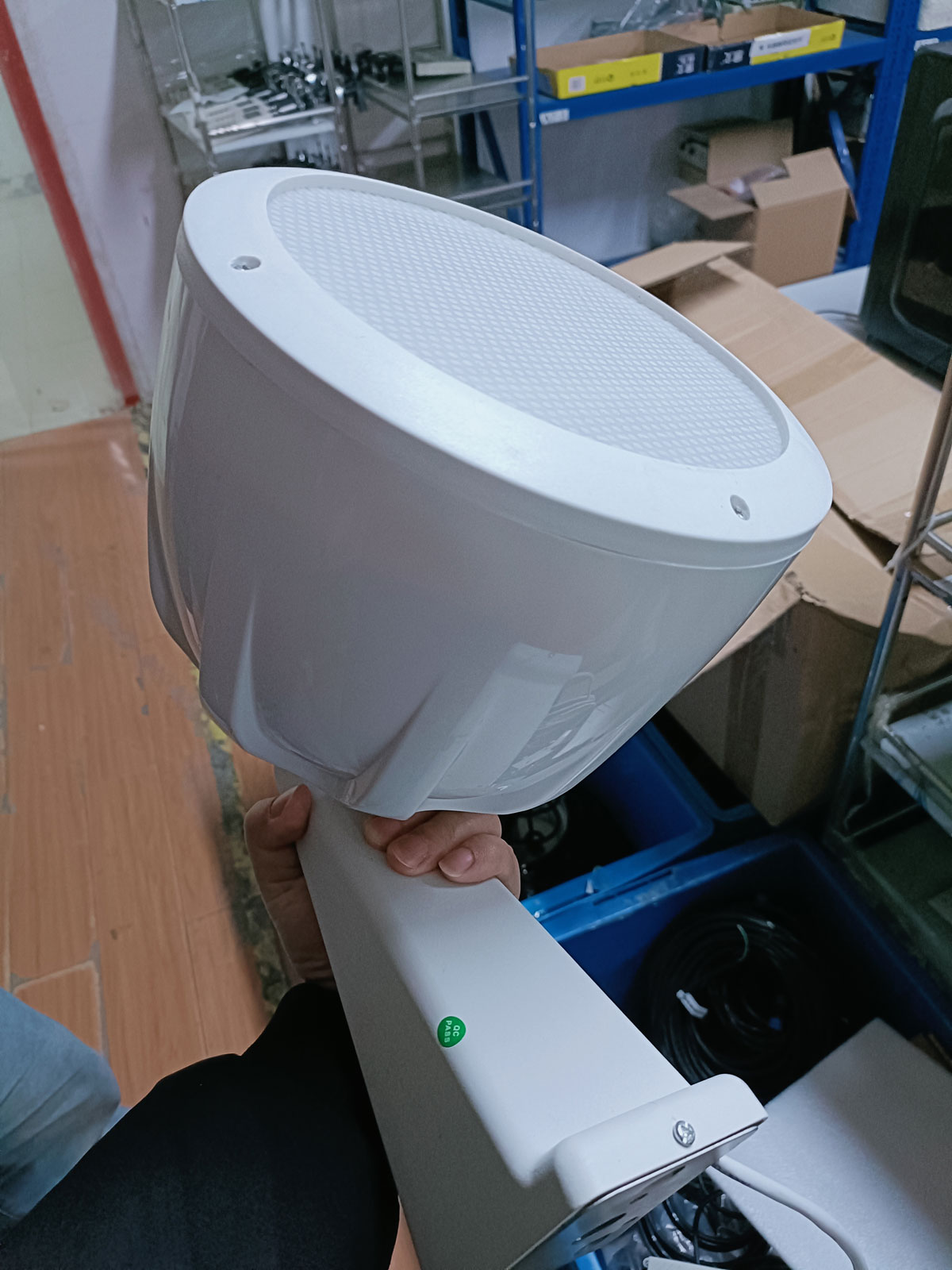
The four gases and two dusts monitoring station is designed for continuous online monitoring of air pollutants, tailored to the specific needs of construction sites, urban roads, and industrial sites. The system integrates electrochemical gas sensors and laser scattering particulate detectors to achieve precise quantification of SO2, NO2, CO, O3, as well as PM2.5 and PM10. Data is output via RS485 Modbus protocol, facilitating integration with existing SCADA systems or PLC controllers.
Gas detection uses diffusion sampling method, allowing air to freely flow into the sensor chamber, avoiding the complexity and power consumption of pumping mechanisms. NiuBoL sensors select imported four-electrode electrochemical sensors, which include auxiliary electrodes to compensate for zero-point current, improving response time and anti-interference capability. Particulate matter monitoring is based on laser scattering principle, where the photosensitive area captures particle scattering signals, converts them to voltage values, and calculates concentration, ensuring consistency within ±10%.
This technology combination solves the problems of poor compatibility and frequent calibration in traditional sensors. The modular architecture allows independent replacement of core components, reducing downtime. For IoT solution providers, this means lower integration costs and higher system scalability.
The monitoring station supports 24-hour unattended operation, with data uploaded to the cloud platform in real time. Utilizing GPRS/4G networks, the system ensures low-latency transmission, maintaining connectivity even in remote areas. Cloud big data processing includes trend analysis, threshold alarms, and historical storage. Users can query real-time concentration curves through the Web interface. Engineering companies can access data to environmental regulatory platforms for automated report generation and compliance auditing.
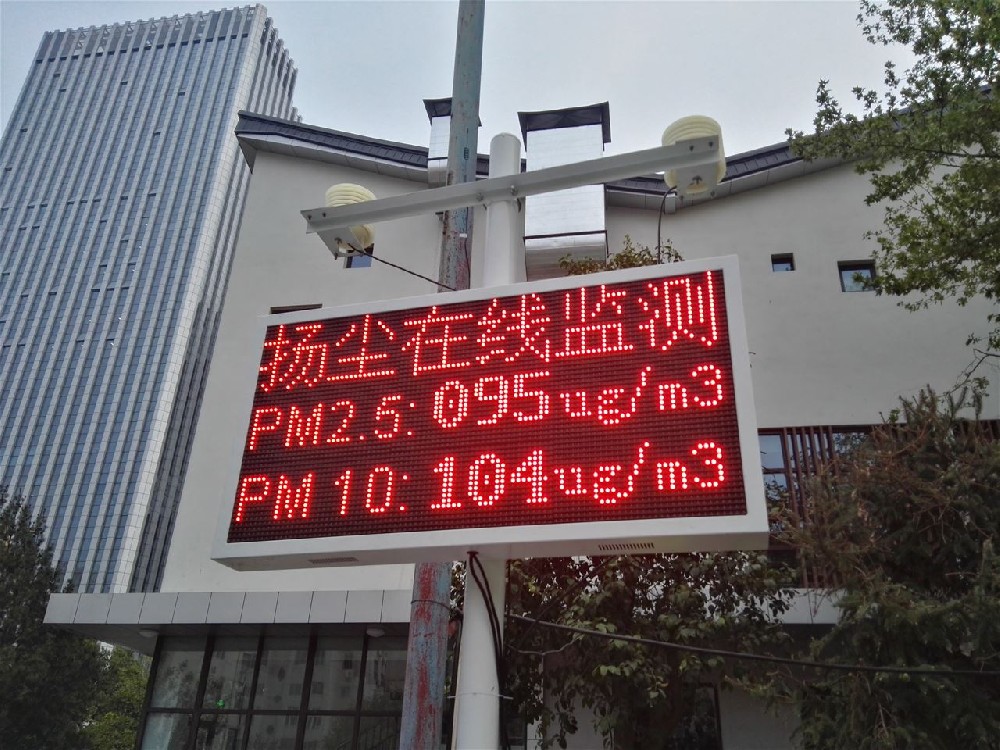
NiuBoL four gases and two dusts monitoring station stands out for its stability and adaptability, providing solutions for B2B application pain points. Compared to single-parameter devices, the system integrates multi-pollutant monitoring, optimizing resource allocation.
1. Improved Accuracy and Reliability
Sensor resolution reaches 0.001 ppm (for gases), with sampling accuracy controlled within ±5% FS. IP65 protection rating ensures stable operation in -30℃ to 50℃ and 15% to 90% RH environments, suitable for outdoor fixed installation. Pole-mounted deployment simplifies on-site engineering and reduces wiring requirements.
2. Convenient Maintenance and Expansion
Modular design facilitates later maintenance without frequent calibration. DC 12V power supply is compatible with solar-assisted systems, suitable for areas without power grids. System integrators can expand parameters according to project scale, such as adding meteorological sensors for comprehensive environmental monitoring.
3. Cost-Effectiveness and Compliance Support
Through grid deployment, monitoring stations help project contractors supervise pollution sources in real time, reducing environmental fine risks. Big data analysis provides predictive insights, supporting optimization of construction processes and traffic management. Overall total cost of ownership (TCO) is reduced thanks to low power consumption and durable components.
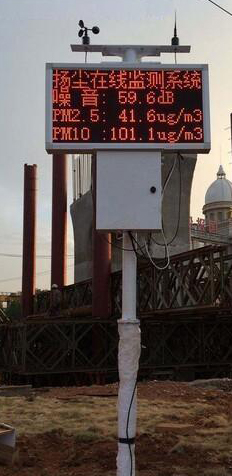
NiuBoL four gases and two dusts monitoring station technical specifications are shown in the tables below, providing clear references for engineering teams during selection.
| Parameter Category | Specific Description |
|---|---|
| Power Supply Method | DC 12V |
| Output Form | RS485 (Modbus Protocol) |
| Air Sampling Method | Diffusion Type |
| Protection Rating | IP65 |
| Installation Method | Pole-Mounted Fixed Installation |
| Operating Environment | -30℃ to 50℃, 15~90% RH |
| Communication Protocol | GPRS/4G/HTTP/MQTT Upload to Cloud Platform |
| Gas Type | Range | Resolution | Sampling Accuracy |
|---|---|---|---|
| CO | 0-10 ppm | 0.001 ppm | ±5% FS |
| SO2 | 0-5 ppm | 0.001 ppm | ±5% FS |
| NO2 | 0-5 ppm | 0.001 ppm | ±5% FS |
| O3 | 0-5 ppm | 0.001 ppm | ±5% FS |
| Parameter Category | Specific Description |
|---|---|
| Measurement Principle | Laser Scattering Principle |
| Monitored Particle Sizes | PM2.5, PM10 |
| Concentration Range | PM2.5: 0-1000 μg/m³; PM10: 0-2000 μg/m³ |
| Resolution | 1 μg/m³ |
| Consistency | <±10% |
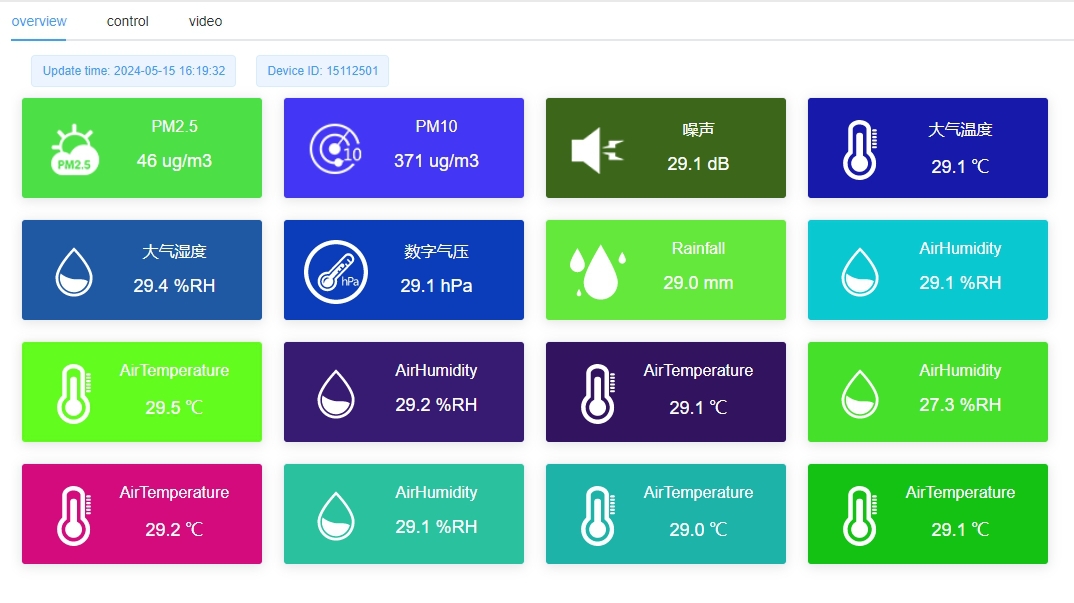
NiuBoL four gases and two dusts monitoring station design complies with national standards such as HJ 654 series (Technical Requirements for Continuous Automatic Monitoring Systems of Gaseous Pollutants) and HJ 193 (Technical Specifications for Automatic Monitoring of Ambient Air Quality). Particulate matter monitoring uses laser scattering method with consistency <±10%, and gas resolution reaches 0.001 ppm, ensuring data validity judgment and quality control meet regulatory platform docking requirements.
NiuBoL four gases and two dusts monitoring station plays a role in various industrial and municipal scenarios, helping system integrators build customized solutions.
1. Construction Site Dust Fine Control Case
In a large infrastructure project (such as a high-speed rail station), multiple NiuBoL four gases and two dusts monitoring stations are deployed, combined with video character overlay and linkage sprinkler systems. When PM10 exceeds 150 μg/m³ threshold, dust suppression measures are automatically triggered. Project contractors achieve 24-hour remote inspection via cloud platform, reducing manual inspection frequency by about 60%, and generate compliance reports to support environmental acceptance.
2. Industrial Park Multi-Pollutant Traceability Application
In chemical parks, system integrators combine monitoring stations with meteorological five parameters (wind speed, direction, temperature, humidity, air pressure), using platform algorithms for pollution diffusion simulation and source analysis. Real-time data helps enterprises optimize emission scheduling, reducing NO2 and SO2 exceedance risks, supporting grid-based fine management.
3. Municipal Environmental Grid Monitoring
Urban management departments achieve air quality heat map generation through multi-site deployment. IoT providers integrate sensor data into GIS platforms, supporting regional pollution traceability and emergency response, enhancing urban sustainability.
4. Traffic Pollution Control
Installed along highways and urban roads to monitor NO2 and CO concentrations contributed by vehicle exhaust. Engineering companies can access data to intelligent transportation systems (ITS), optimizing signal control to reduce congestion-induced pollution.
5. Enterprise Parks and Public Places Application
Industrial parks supervise production process emissions, while scenic areas and parks monitor O3 and SO2 levels to ensure visitor safety. The system can be extended to smart streetlight integration, providing dual functions of lighting and monitoring.
These scenarios emphasize the multi-functionality of the monitoring station, supporting full-chain optimization from data collection to decision-making.
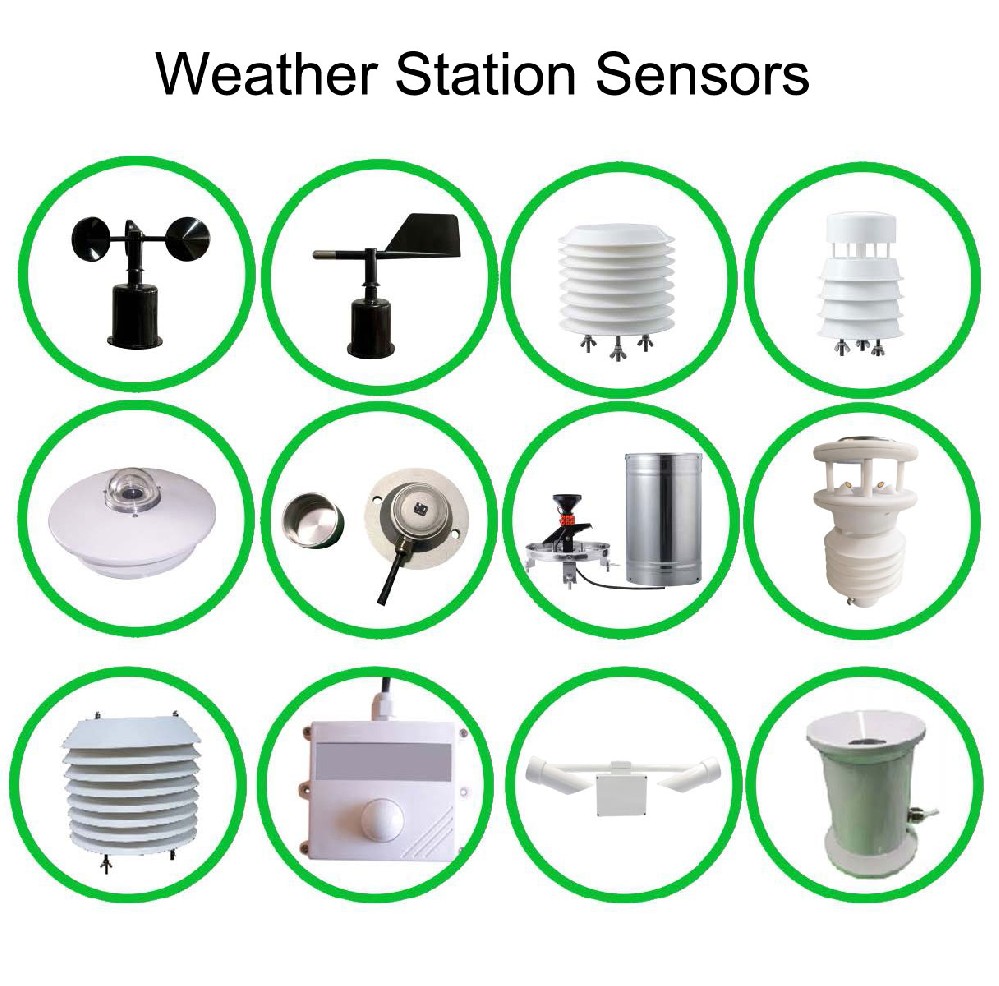
Successful integration of NiuBoL four gases and two dusts monitoring station requires consideration of the following engineering practices to ensure system compatibility and long-term stability.
1. Site Selection and Installation
Select open locations with good air circulation, avoiding proximity to pollution sources or obstacles. For pole installation, ensure height at 2-3 meters to optimize sampling efficiency. Use stainless steel brackets, considering wind load and seismic requirements.
2. Power Supply and Communication Configuration
Use DC 12V power supply, recommend backup battery pack for power outages. GPRS/4G module requires SIM card configuration, supporting dynamic IP allocation. RS485 line length does not exceed 1200 meters, using shielded cable to reduce electromagnetic interference.
3. Data Integration and Calibration
Modbus protocol facilitates PLC or HMI integration, defining register mapping to read concentration values. Perform zero-point calibration after initial installation, verify accuracy quarterly. Cloud platform API supports RESTful interfaces, allowing custom alarm logic.
4. Maintenance and Troubleshooting
Regularly check sensor chamber cleaning to avoid dust accumulation. Monitor communication logs; if signal is lost, check antenna direction. Engineering teams should develop SOPs, including spare parts inventory and remote diagnostic tools.
5. Safety and Compliance
Comply with IEC 61010 safety standards, ensure good grounding. Data encrypted transmission complies with GDPR or local privacy regulations. Evaluate electromagnetic compatibility (EMC) during integration, avoiding proximity to high-voltage equipment.
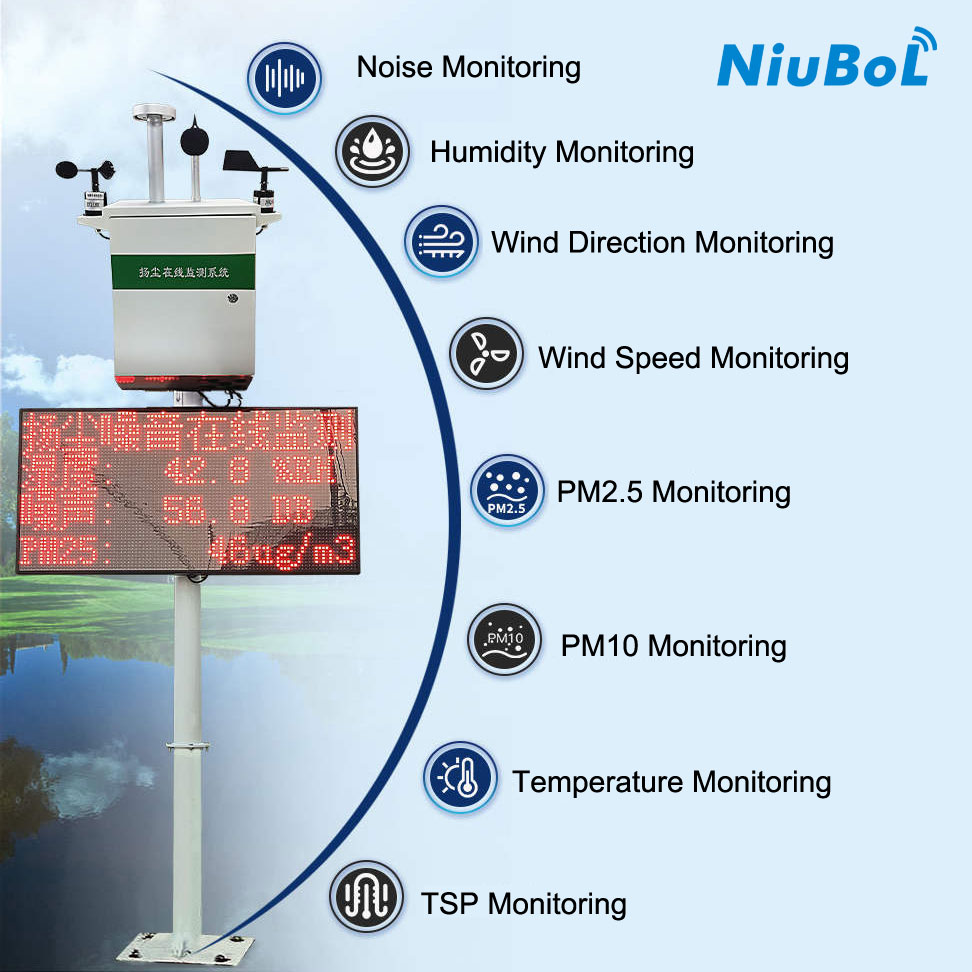
Meteorological Integration: Optional temperature, humidity, air pressure, wind speed/direction sensors to achieve "four gases two dusts + five parameters" integrated micro station, supporting pollution diffusion models.
Multi-Protocol Compatibility: In addition to Modbus RS485, supports MQTT protocol for easy access to mainstream IoT platforms such as Alibaba Cloud/Huawei Cloud.
Solar + Battery Pack: Suitable for construction sites or remote areas without power, ensuring continuous operation.
Cloud Platform Custom Development: Supports API interfaces for system integrators to embed into their own SCADA or GIS systems.
These expansion paths support phased project implementation, gradually upgrading from basic monitoring to comprehensive environmental management platforms.
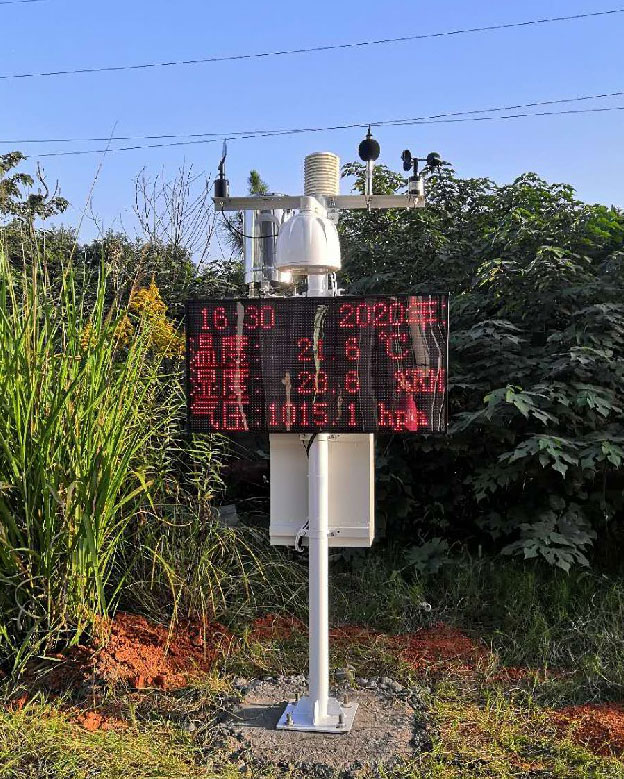
Q1. How to integrate the four gases and two dusts monitoring station with existing SCADA systems?
A1: Connect directly to PLC controllers via RS485 Modbus protocol. System integrators define data point mapping to achieve real-time reading and alarm triggering.
Q2. How does the equipment perform in extreme weather?
A2: IP65 protection rating ensures dust and water resistance, with operating temperature range -30℃ to 50℃. In high-humidity environments, four-electrode sensor anti-interference characteristics maintain accuracy.
Q3. What factors affect the accuracy of PM2.5 and PM10 monitoring?
A3: Laser scattering principle is affected by ambient humidity; recommended operation within 15-90% RH. Consistency <±10%; regular cleaning of optical components optimizes performance.
Q4. What data analysis functions does the system support?
A4: Cloud platform provides trend charts, threshold alarms, and historical queries. Through big data technology, supports integration of pollution prediction models.
Q5. Is frequent calibration required after installation?
A5: NiuBoL sensors have stable factory calibration with auxiliary electrode compensating zero-point current. Recommend comprehensive calibration once per year, adjusted based on environmental pollution level.
Q6. Is the monitoring station suitable for mobile monitoring?
A6: Compact and lightweight design supports vehicle installation, combined with GPRS transmission for dynamic patrol inspection. Suitable for traffic pollution scenarios.
Q7. How to handle data transmission interruption?
A7: System has built-in cache for local storage during disconnection. Automatic upload upon connection recovery, supports manual export.
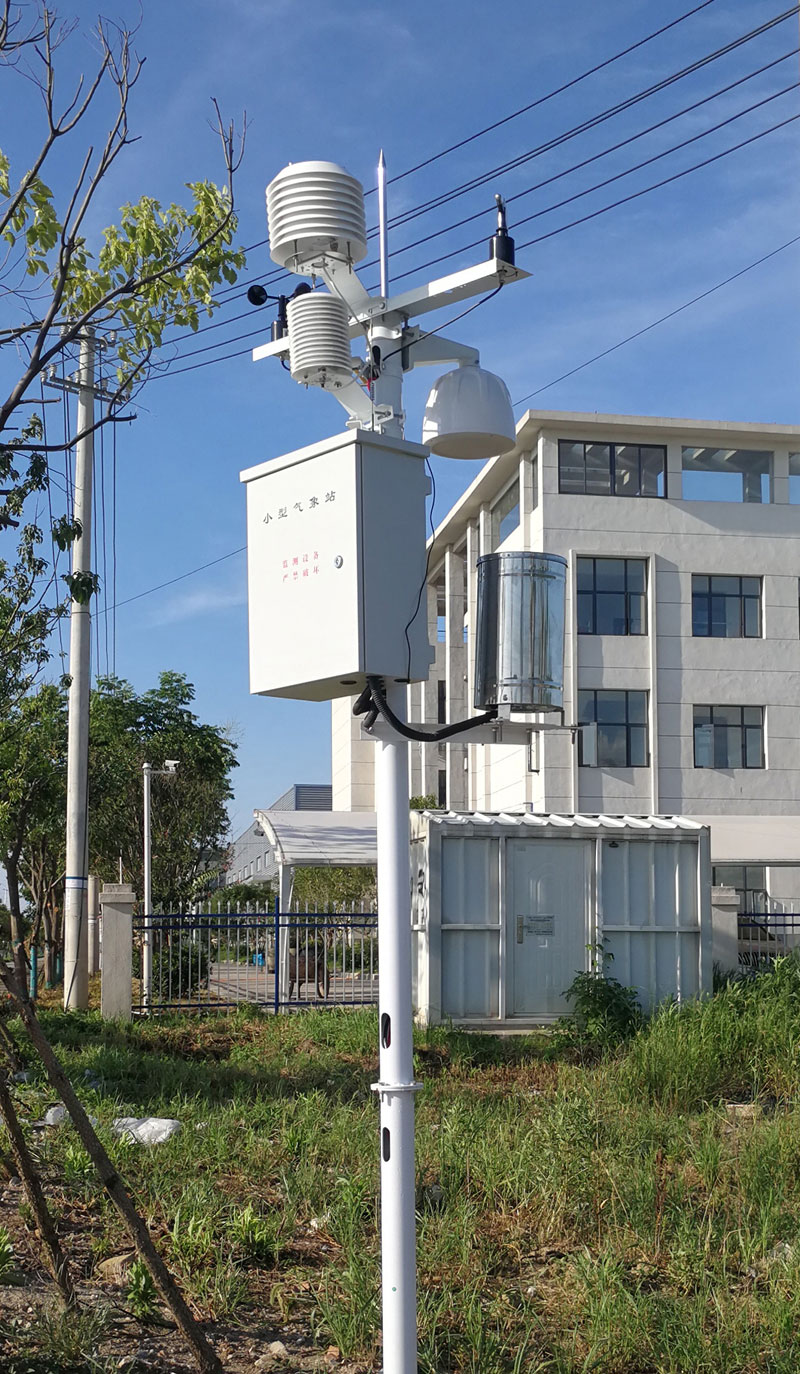
NiuBoL four gases and two dusts monitoring station provides reliable air quality monitoring solutions, integrating sensor technology and wireless communication for system integrators, IoT providers, and engineering companies. With high-precision measurement, modular design, grid application, and compliance with HJ series standards, the system supports pollution source control, dust fine management, and decision optimization. In scenarios such as construction sites, traffic arteries, industrial parks, and municipal environments, its advantages lie in reducing operational costs, minimizing manual intervention, and ensuring environmental compliance. Through flexible expansion paths and multi-protocol compatibility, users can gradually upgrade to comprehensive micro-environment stations according to project stages.
As a professional industrial-grade environmental monitoring equipment manufacturer, NiuBoL provides OEM/ODM services from sensors to complete monitoring stations, supporting batch customization, protocol adaptation, and platform docking to assist in the implementation of grid-based air quality monitoring and precise pollution source control projects. Welcome to obtain detailed selection tables, prototype testing schemes, and engineering case references through the official website or technical support channels.
Related recommendations
Sensors & Weather Stations Catalog
 Agriculture Sensors and Weather Stations Catalog-NiuBoL.pdf
Weather Stations Catalog-NiuBoL.pdf
Agriculture Sensors Catalog-NiuBoL.pdf
Water Quality Sensor Catalog-NiuBoL.pdf
Related products
 Combined air temperature and relative humidity sensor
 Soil Moisture Temperature sensor for irrigation|NBL-S-THR
 Soil pH sensor RS485 soil Testing instrument soil ph meter for agriculture |NBL-S-PH
 Wind Speed sensor Output Modbus/RS485/Analog/0-5V/4-20mA
 Tipping bucket rain gauge for weather monitoring auto rainfall sensor RS485/Outdoor/stainless steel
 Pyranometer Solar Radiation Sensor 4-20mA/RS485

Screenshot, WhatsApp to identify the QR code
WhatsApp number:+8615367865107
(Click on WhatsApp to copy and add friends)

