





— Blogs —
—Products—
 Consumer hotline +8618073152920
 WhatsApp:+8615367865107
Address:Room 102, District D, Houhu Industrial Park, Yuelu District, Changsha City, Hunan Province, China
Product knowledge
Time:2026-03-31 14:19:53 Popularity:616
In smart agriculture, environmental monitoring, and smart city construction, compact weather stations, as a compact and multi-element automatic observation device, have become an important choice for system integrators and engineering companies to build micro-meteorological sensing networks. They are small in size, highly integrated, and flexible in deployment, capable of achieving all-weather meteorological data collection and transmission in limited spaces, meeting the engineering needs of various scenarios such as facility agriculture, forestry, environmental protection, airports, ports, scientific expeditions, and campus education.
The NiuBoL compact weather station adopts an integrated high-integration design, combined with ultrasonic wind speed and direction measurement technology, effectively reducing mechanical component wear and significantly improving long-term operational stability. This article systematically introduces the definition of compact weather stations, core sensor composition, functional roles, installation and usage precautions, and engineering application value in different fields, providing project contractors with directly referenceable technical paths.
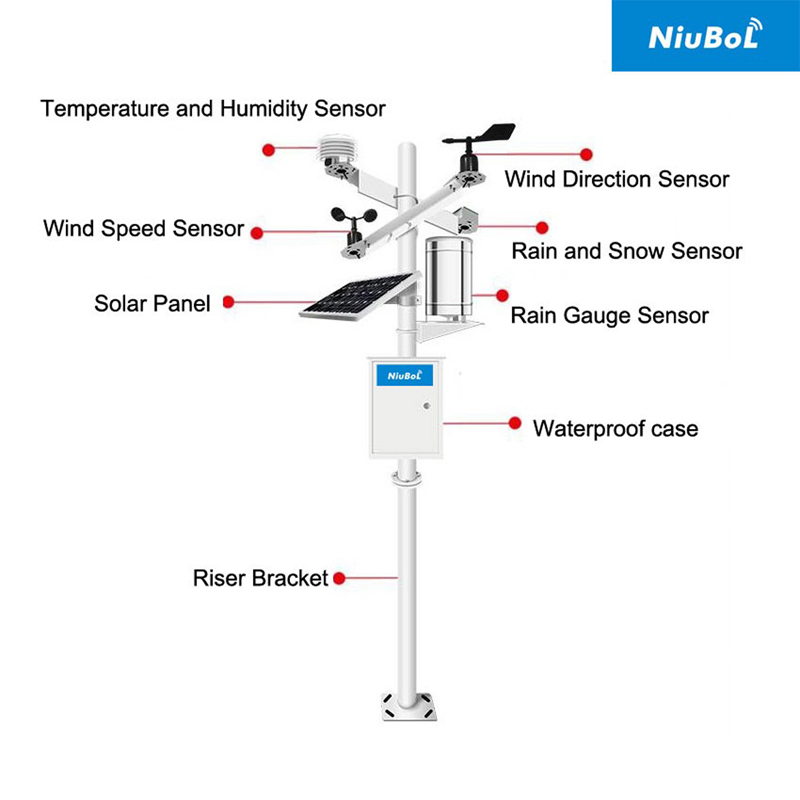
Compact weather stations, also known as micro-meteorological instruments or compact automatic weather stations, are highly integrated meteorological observation devices. Compared with traditional large weather stations, they optimize structural size and power consumption while maintaining the accuracy of main observation elements, making them suitable for space-constrained or rapid deployment scenarios.
The NiuBoL compact weather station strictly follows meteorological observation specifications, adopts modular sensor configuration, and supports real-time data collection, automatic recording, and remote communication. The device has typical low power consumption, supports solar or mains hybrid power supply, and usually reaches a protection level of IP65 or above, adapting to complex field environments. Its core advantage lies in the integrated design that reduces on-site wiring complexity, while the ultrasonic wind sensor eliminates the maintenance pain points of traditional mechanical wind cups and wind vanes.
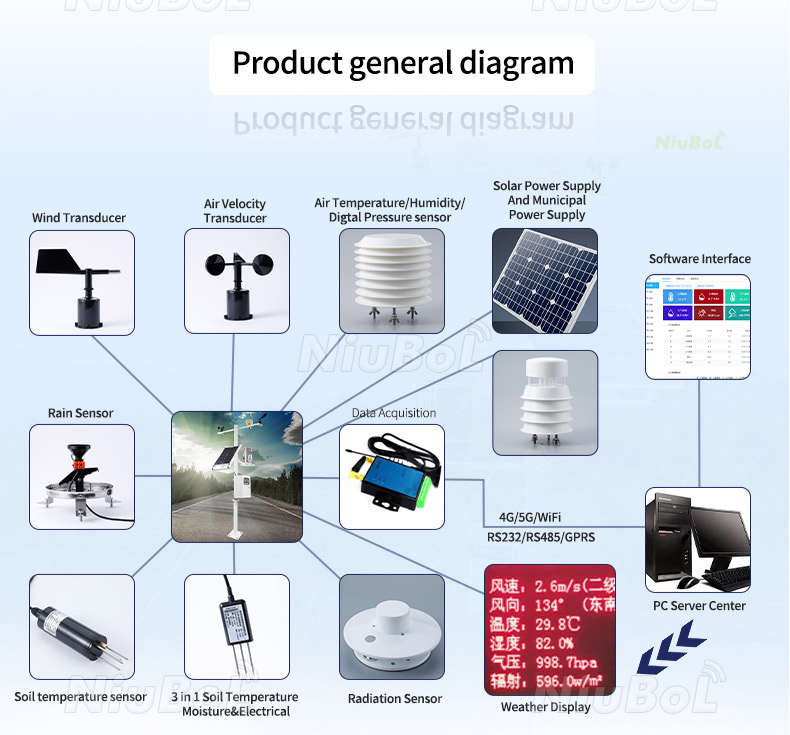
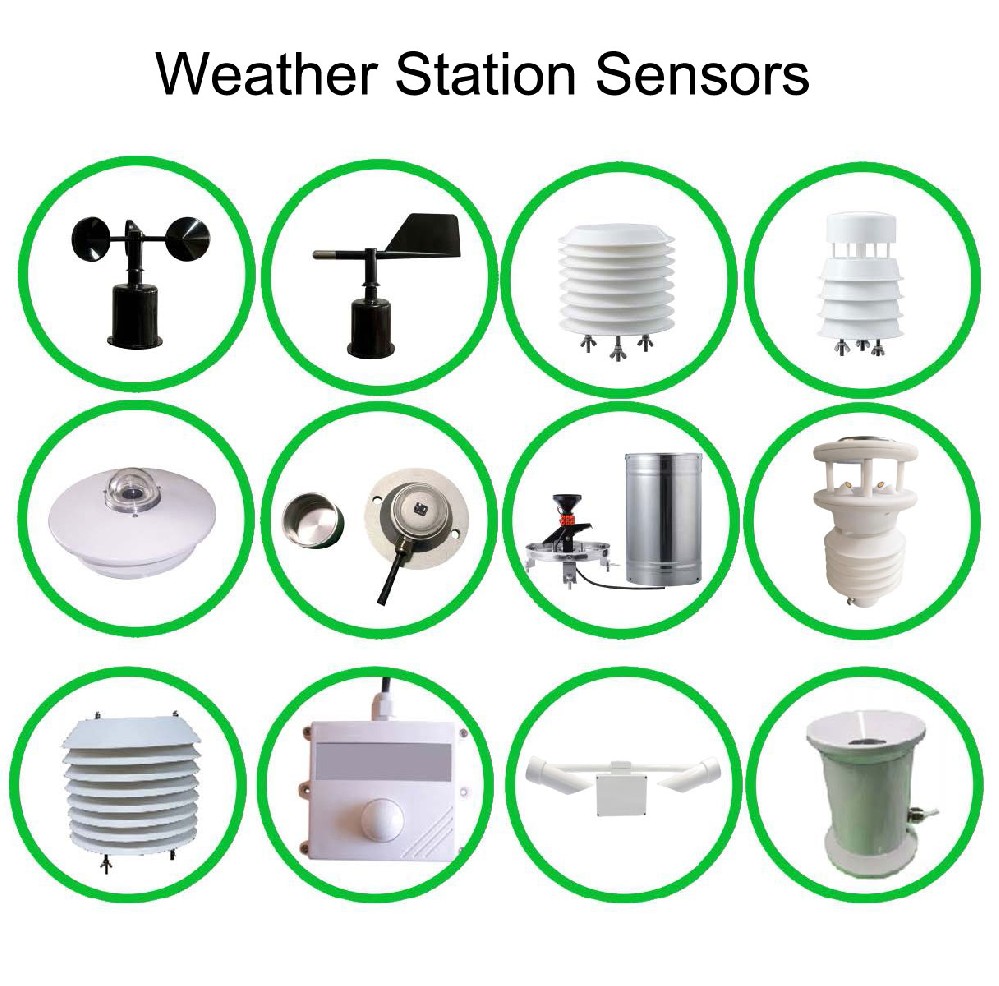
The NiuBoL compact weather station typically integrates the following core sensors, which work together to form a complete micro-meteorological data acquisition system.
Ultrasonic Wind Speed and Direction Sensor
Uses the ultrasonic time difference method for measurement, eliminating mechanical friction and inertia errors, and can provide high-precision data within a wind speed range of 0~70 m/s. Wind speed affects crop transpiration rate, facility structural safety, and pollutant diffusion; wind direction data is used to analyze airflow movement paths, pest and disease transmission trends, and runway crosswind risks at airports. In agricultural engineering, precise wind parameters can link with ventilation or windproof systems.
Air Temperature and Humidity Sensor
The temperature sensor usually has a measurement range of -40~80℃, and the humidity sensor covers 0~100% RH. Temperature directly affects crop growth and development rate and pest and disease occurrence thresholds; humidity and temperature jointly act on dew point calculation and disease prediction. High-humidity environments easily induce fungal diseases such as gray mold, while low humidity exacerbates crop water stress.
Atmospheric Pressure Sensor
Measurement range 500~1100 hPa, accuracy ±0.5 hPa. Air pressure changes can assist in short-term weather trend judgment and support air pressure tendency analysis, providing auxiliary data for disaster early warning.
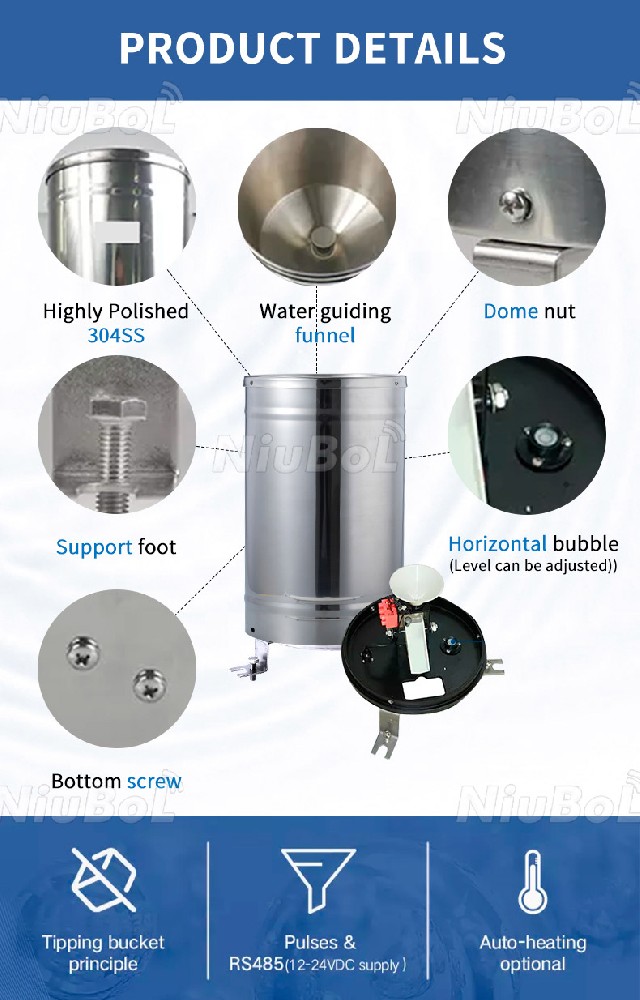
Rainfall Sensor
Uses tipping bucket or weighing principle to measure cumulative rainfall and rainfall intensity. Rainfall data directly guides irrigation decisions and drainage planning. Heavy precipitation warnings can trigger flood prevention measures in advance to reduce waterlogging risks.
Light Intensity Sensor
Measurement range 0~200000 lux, supports extended photosynthetically active radiation (PAR) monitoring. Light is the energy source for photosynthesis, and the data is used for supplementary lighting or shading control in facility agriculture to improve crop quality and yield.
Soil Temperature and Soil Humidity Sensor (Optional Integration)
Soil temperature affects root activity and nutrient absorption; soil humidity (volumetric water content VWC) reflects soil moisture conditions and supports precision irrigation control.
Particulate Sensor (PM2.5, PM10)
In environmental protection applications, laser scattering or photoelectric sensing technology is integrated to monitor atmospheric fine particulate concentrations in real time. PM2.5 and PM10 data are used to assess air quality and assist in monitoring and tracing pollution events such as haze and dust.
Evaporation Sensor (Optional)
Reflects atmospheric evaporation demand and assists in agricultural water balance calculation and irrigation quota formulation.
| Monitoring Element | Measurement Range | Resolution | Remarks |
|---|---|---|---|
| Wind Speed | 0~70 m/s | 0.1 m/s | Ultrasonic principle, no mechanical wear |
| Wind Direction | 0~360° | 1° | Ultrasonic time difference method |
| Air Temperature | -40~80℃ | 0.1℃ | Radiation shield protection |
| Air Humidity | 0~100% RH | 0.1% RH | Stable in high-humidity environment |
| Atmospheric Pressure | 500~1100 hPa | 0.1 hPa | Temperature compensation |
| Rainfall | 0~9999 mm | 0.1 mm | Tipping bucket or weighing type |
| Light Intensity | 0~200000 lux | 10 Lux | Expandable PAR |
| PM2.5 | 0~1000 μg/m³ | 1 μg/m³ | Laser scattering method (optional) |
| PM10 | 0~2000 μg/m³ | 1 μg/m³ | Laser scattering method (optional) |
| Power Supply Method | Solar + battery / mains power | - | Low power consumption design |
| Output Protocol | RS485 (Modbus RTU) / 4G / MQTT | - | Open interface |
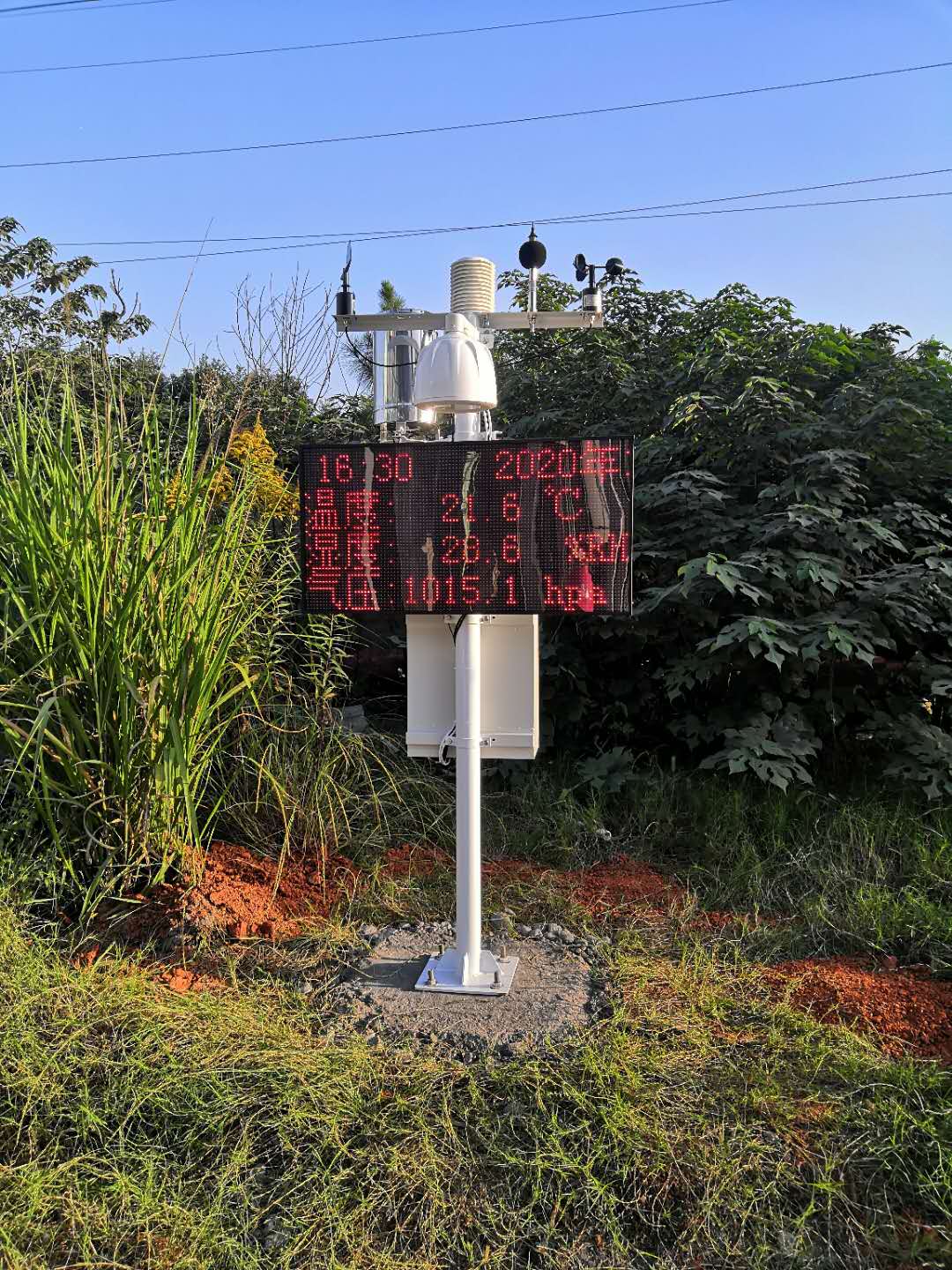
1. Facility Agriculture and Smart Farmland
Compact weather stations can be deployed inside and outside greenhouses to monitor greenhouse micro-climate and field micro-meteorology in real time, supporting linkage control of temperature and humidity, light, and wind parameters to reduce the impact of meteorological disasters on crops and improve precision irrigation and pest and disease prevention and control levels.
2. Forestry and Ecological Monitoring
In forest fire prevention and ecological restoration projects, monitor wind speed, temperature, humidity, and rainfall to assist in fire risk level assessment and pest and disease early warning.
3. Environmental Protection and Air Quality Monitoring
After integrating PM2.5 and PM10 sensors, it can serve as a micro air quality monitoring node for urban dust, industrial parks, or transportation hubs, supporting rapid response to pollution events.
4. Airports, Ports, and Transportation Engineering
Provide high-frequency wind parameters and visibility-related data to assist in runway crosswind warning and port operation safety management.
5. Scientific Expeditions and Field Station Networks
Low power consumption and integrated design are suitable for deployment in high-altitude, polar, or remote areas, supporting remote data return.
6. Campus Education and Science Popularization Projects
As teaching demonstration equipment, it helps students understand meteorological observation principles and environmental monitoring technology.
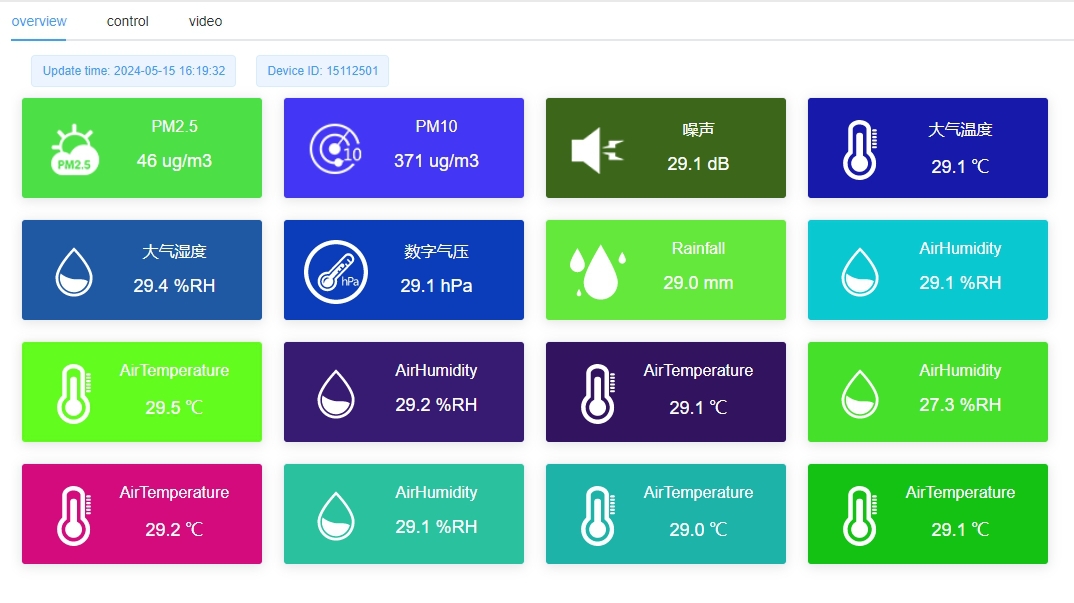
Compact weather stations are mostly deployed in field or semi-open environments. Both natural factors and human interference may affect observation accuracy and equipment lifespan. System integrators need to focus on the following matters during project implementation:
Site Selection Requirements
The installation location should be an open platform without tall obstructions, avoiding the impact of buildings and trees on the wind field. At the same time, stay away from strong magnetic fields and strong radiation areas (such as high-voltage lines and transformers) to prevent electromagnetic interference from causing data anomalies.
Installation Specifications
The main pole height is recommended to be more than 3.5 meters to ensure the sensor is at the standard observation height. The ultrasonic wind sensor needs to be installed horizontally to avoid tilt affecting measurement. Cable laying should be properly protected to prevent wild animals from biting or mechanical damage.
Power Supply System Maintenance
When using solar power, regularly clean dust, fallen leaves, and bird droppings on the solar panel surface to ensure charging efficiency. For mains power supply, check cable insulation and joint reliability. When data is abnormal, prioritize checking power supply issues.
Regular Inspection and Maintenance
Although the integrated ultrasonic design greatly reduces mechanical maintenance needs, it is still recommended to conduct a comprehensive inspection once per quarter, including sensor cleaning, data comparison, fastener inspection, and software upgrades. Strengthen protection measures in long-term water immersion or strong corrosive environments.
Data Quality Control
Establish a data anomaly threshold alarm mechanism. When parameters such as wind speed and temperature show sudden changes or continuous drift, conduct on-site verification in time to rule out sensor contamination or failure.
Correct use and maintenance can ensure the continuity and accuracy of observation data and provide reliable input for upper-level decision-making platforms.
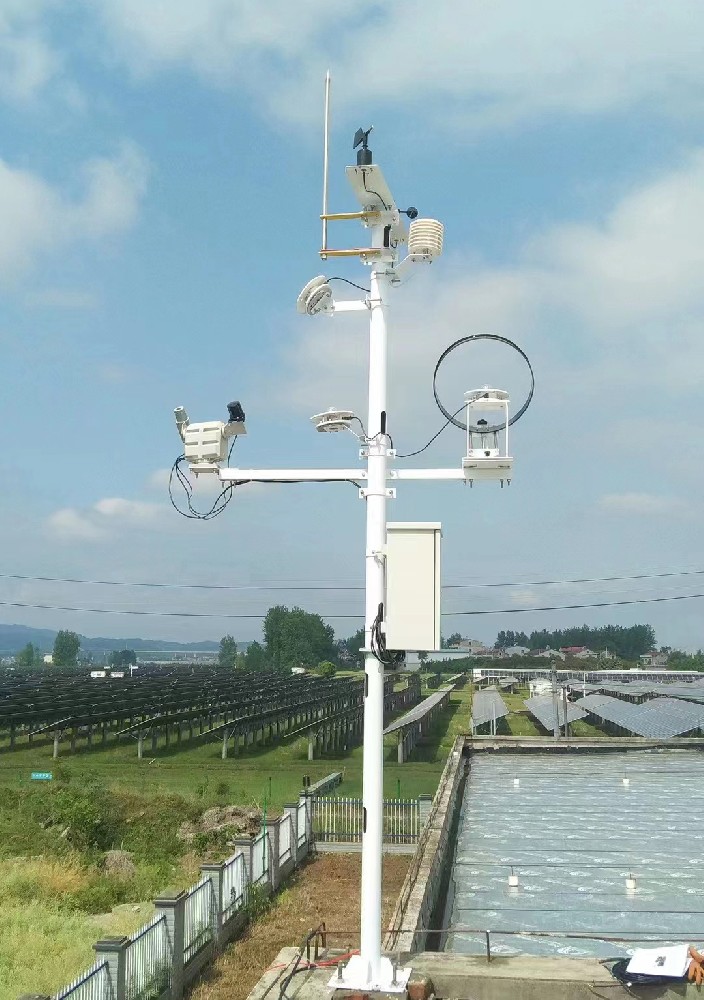
In the process of industrialization and urbanization, particulate matter such as PM2.5 and PM10 has become an important environmental monitoring indicator. After integrating particulate sensors, the NiuBoL micro-meteorological instrument can collect air quality-related parameters in real time and assist in assessing urban air mobility, dust diffusion, and pollution source impact.
Historical cases show that industrial exhaust, automobile exhaust, and construction dust easily lead to local air quality decline. The micro-meteorological instrument supports pollution event tracing and diffusion simulation through high-frequency data collection, providing decision-making basis for environmental protection projects. In background areas such as forests and lakes, data comparison can also be used for ecological benefit assessment.
During engineering deployment, it is recommended to link the micro-meteorological instrument with video surveillance or gas sensors to form a multi-parameter environmental monitoring node.
The NiuBoL compact weather station provides standard RS485 Modbus RTU protocol and supports IoT protocols such as MQTT, making it easy to quickly connect to cloud platforms or local SCADA systems. It is recommended to adopt a solar + battery hybrid power supply solution and combine edge computing nodes to achieve local data preprocessing and improve system response timeliness.
For large projects, multi-station networking can be used to form a regional micro-meteorological monitoring network to achieve unified data management and visual display.
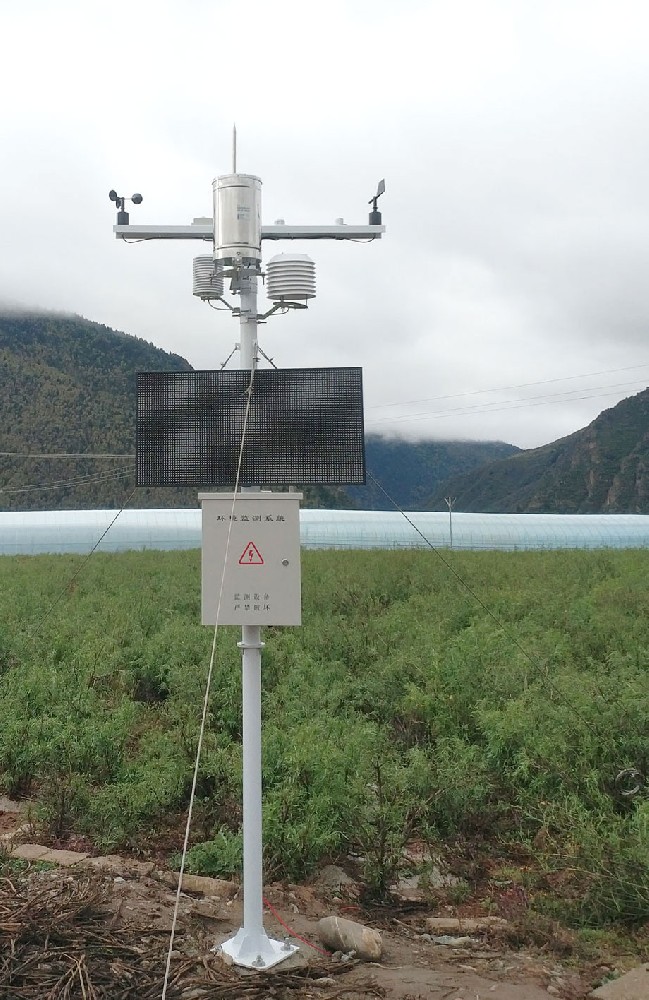
Q1. What is the main difference between compact weather stations and traditional weather stations?
Compact weather stations are smaller in size, higher in integration, and more flexible in deployment, suitable for engineering scenarios with limited space or requiring rapid deployment, while traditional weather stations focus more on high-precision long-term benchmark observation.
Q2. What wind measurement technology does the NiuBoL compact weather station use?
It adopts the ultrasonic time difference method, with no mechanical rotating parts, significantly reducing maintenance requirements and improving resistance to harsh environments.
Q3. Does it support particulate monitoring?
Yes. PM2.5 and PM10 sensors can be optionally equipped, suitable for environmental protection and air quality monitoring projects.
Q4. Is the communication protocol open and easy to integrate?
Standard RS485 Modbus RTU protocol is provided, supporting 4G/5G and MQTT. The communication manual is open, making it convenient for system integrators to dock.
Q5. How does solar power ensure continuous operation in the field?
Equipped with high-efficiency solar panels and large-capacity batteries. It is recommended to clean the panels regularly. Typical configurations can meet the needs of long-term unattended operation.
Q6. What are the key requirements for installation site selection?
An open platform is required, avoiding obstructions from buildings and trees as well as strong magnetic fields and strong radiation areas to ensure the representativeness of wind field and radiation observation.
Q7. How is the equipment maintenance frequency determined?
The integrated design has low maintenance volume. It is recommended to conduct a comprehensive inspection and cleaning once per quarter and troubleshoot in time when data is abnormal.
Q8. Can it be used for micro-meteorological monitoring in facility agriculture?
Completely applicable. It can integrate greenhouse micro-climate sensors to support precise regulation of temperature and humidity, light, and wind parameters.
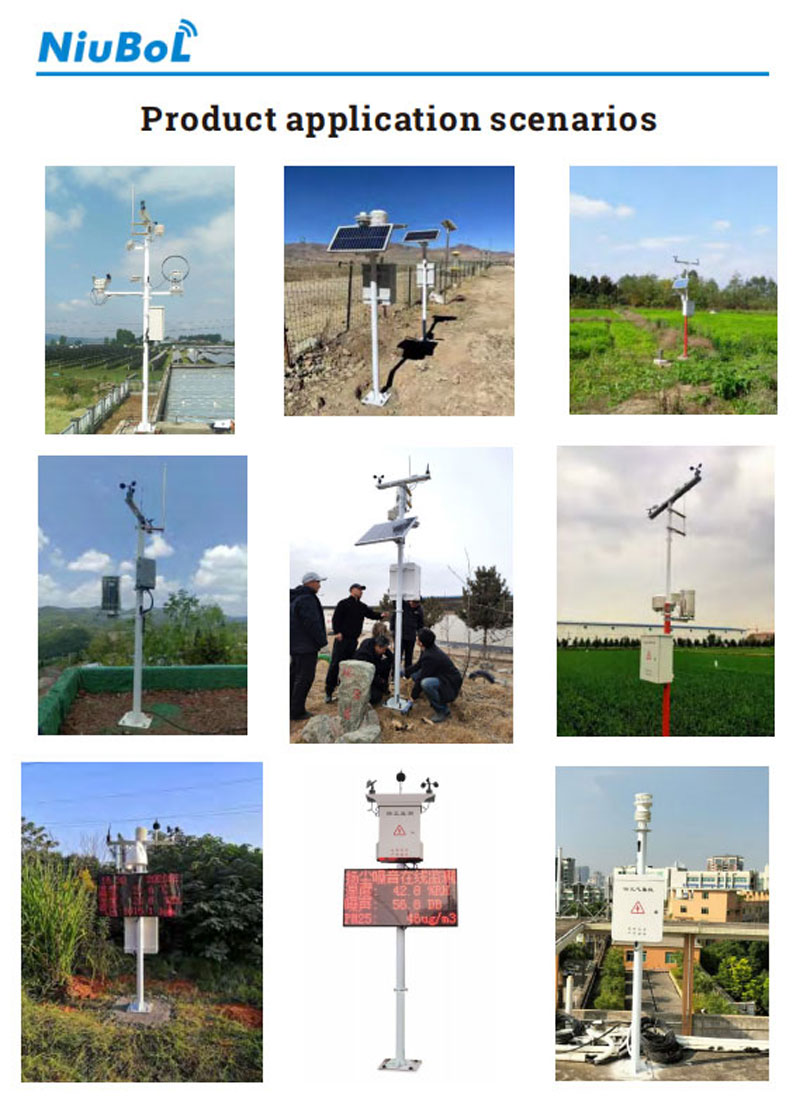
The NiuBoL compact weather station takes the integrated high-integration design and ultrasonic wind measurement technology as the core, providing system integrators, IoT solution providers, and engineering companies with a compact, reliable, and low-maintenance micro-meteorological monitoring solution. Through the collaborative work of multi-element sensors, it meets the engineering needs of agriculture, forestry, environmental protection, airports, ports, and scientific expeditions.
In the construction of smart environments and precision agriculture, choosing standardized, easy-to-integrate, and highly reliable compact weather stations is an important foundation for building a complete sensing layer. The NiuBoL series products continue to be oriented toward engineering applications, helping projects achieve upgrades from data collection to decision-making closed loops and providing stable meteorological data support for the high-quality development of modern industries.
Related recommendations
Sensors & Weather Stations Catalog
 Agriculture Sensors and Weather Stations Catalog-NiuBoL.pdf
Weather Stations Catalog-NiuBoL.pdf
Agriculture Sensors Catalog-NiuBoL.pdf
Water Quality Sensor Catalog-NiuBoL.pdf
Related products
 Combined air temperature and relative humidity sensor
 TDR Soil Moisture & Temperature Sensor for irrigation| RS485 |4-20mA| NBL-S-THR
 Soil pH sensor RS485 soil Testing instrument soil ph meter for agriculture |NBL-S-PH
 Wind Speed sensor Output Modbus/RS485/Analog/0-5V/4-20mA
 Tipping bucket rain gauge for weather monitoring auto rainfall sensor RS485/Outdoor/stainless steel
 Pyranometer Solar Radiation Sensor 4-20mA/RS485

Screenshot, WhatsApp to identify the QR code
WhatsApp number:+8615367865107
(Click on WhatsApp to copy and add friends)

