





— Blogs —
—Products—
 Consumer hotline +8618073152920
 WhatsApp:+8615367865107
Address:Room 102, District D, Houhu Industrial Park, Yuelu District, Changsha City, Hunan Province, China
Product knowledge
Time:2026-03-31 14:26:06 Popularity:617
Modern agriculture is shifting from traditional experience dependence to data-driven precision management. In large agricultural production bases, high-standard farmland, and facility agriculture projects, agricultural weather stations have become indispensable basic sensing equipment. They provide reliable input for system integrators and engineering companies to build smart agriculture systems by collecting multi-element meteorological data in real time, helping reduce meteorological disaster losses, optimize field management, and improve crop yield stability.
The NiuBoL agricultural weather station is developed strictly in accordance with international WMO meteorological observation standards. It supports simultaneous monitoring of elements such as wind direction, wind speed, air temperature, air humidity, air pressure, rainfall, soil temperature, soil humidity, light intensity, and evaporation. It features automatic recording, threshold alarm, and open data communication functions. This article systematically analyzes the necessity of deploying agricultural weather stations in modern agricultural production, the action mechanism of core monitoring elements, typical application value, and engineering integration points to provide technical reference for project planning.
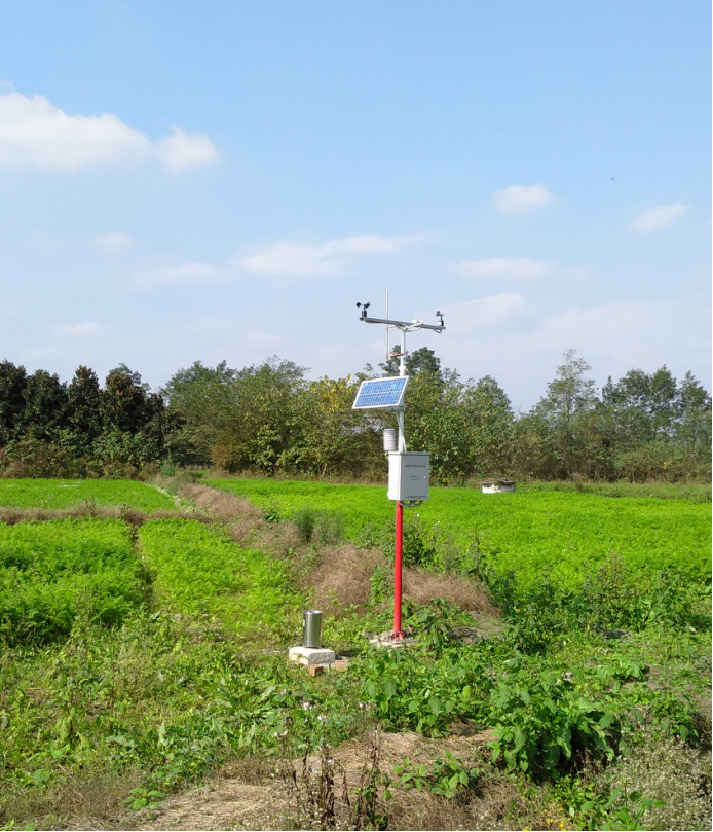
Agricultural production highly depends on meteorological conditions such as light, temperature, water, and air. Although facility agriculture and irrigation technologies continue to advance, meteorological disasters such as drought, flooding, cold waves, and continuous overcast rain remain the main risk factors restricting stable and high yields. These disasters are often highly sudden and have significant chain effects, directly affecting crop physiological processes and final yields.
Drought causes soil moisture to decline, crop transpiration and water loss intensify, leading to wilting, growth stagnation, or even total crop failure. Flooding causes waterlogging or water damage, root hypoxia, reduced soil aeration, and may wash away farmland facilities. Sudden temperature drops from cold waves can cause chilling or freezing damage, with ice crystals in crop cell gaps leading to dehydration and tissue damage. Continuous overcast rain with low temperature and low light not only inhibits photosynthesis but also easily induces the spread of diseases in high-humidity environments.
The occurrence and spread of pests and diseases are also closely regulated by meteorological conditions. Temperature and humidity directly affect pathogen spore germination and pest reproduction rates. High-temperature and high-humidity environments often accelerate the spread of diseases such as gray mold and downy mildew. Wind speed and direction affect pest migration and pathogen transmission. Suitable wind can accelerate epidemic spread.
In the context of a populous country, ensuring stable supply of food, vegetables, and other agricultural products requires strengthening disaster resistance from the environmental perception level. Agricultural weather stations transform passive response into active prevention and control through continuous and high-frequency data collection, providing decision-making data support for engineering projects.
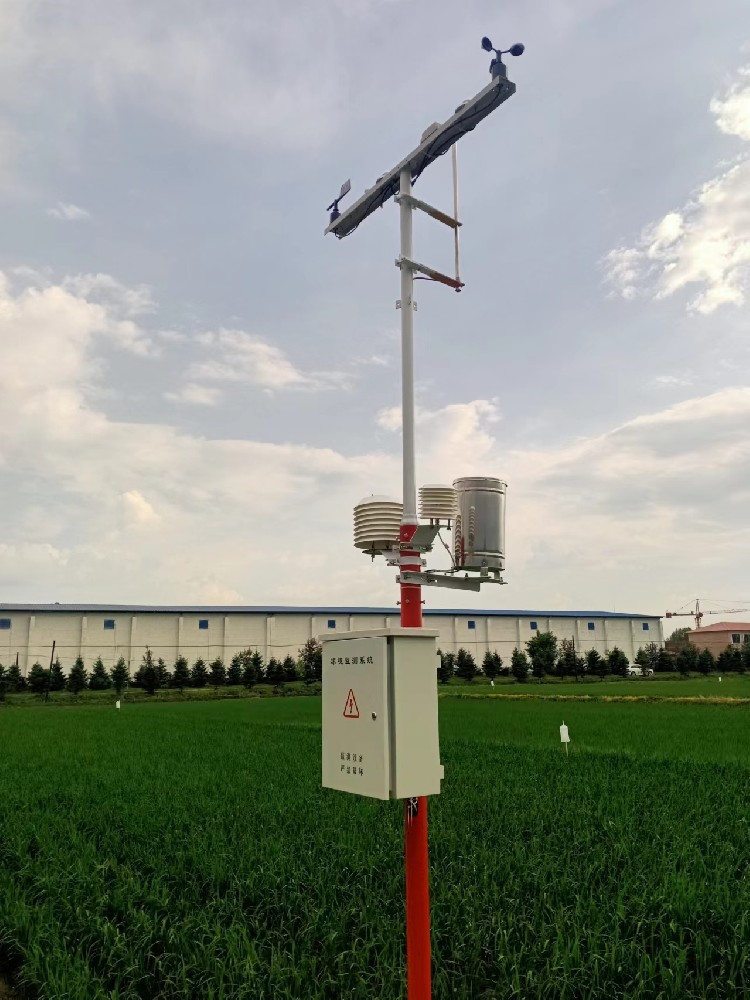
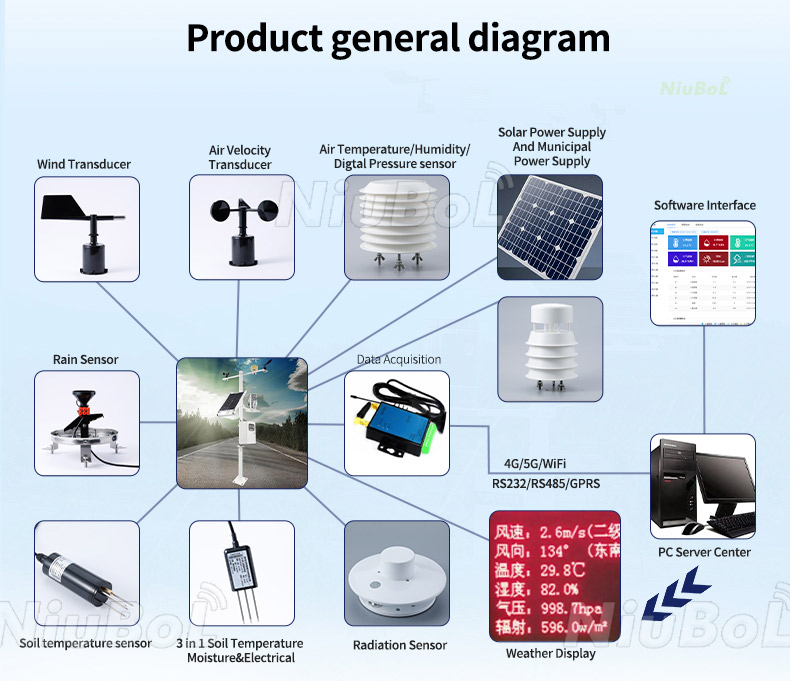
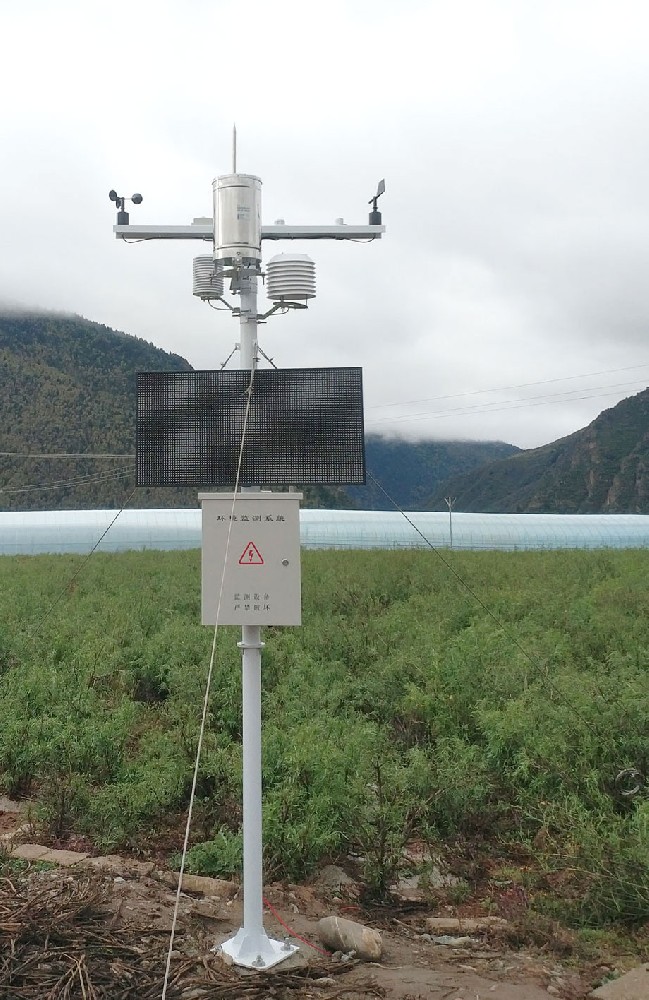
The NiuBoL agricultural weather station adopts a modular sensor configuration, supporting flexible combination of observation elements according to project needs. Each sensor outputs stably and is compatible with industrial-grade communication protocols, making it easy to connect to PLC, DTU, or cloud platforms.
The following are the main monitoring elements and their roles in agricultural production:
Wind Speed and Wind Direction
Wind speed affects crop transpiration rate, mechanical damage risk, and the spread of pollen and pathogens. Excessive wind speed can easily cause crop lodging or facility damage; wind direction data assists in analyzing pollutant or pest diffusion paths. In facility agriculture, wind speed monitoring can link with ventilation systems to avoid damage to greenhouse films from strong winds.
Rainfall
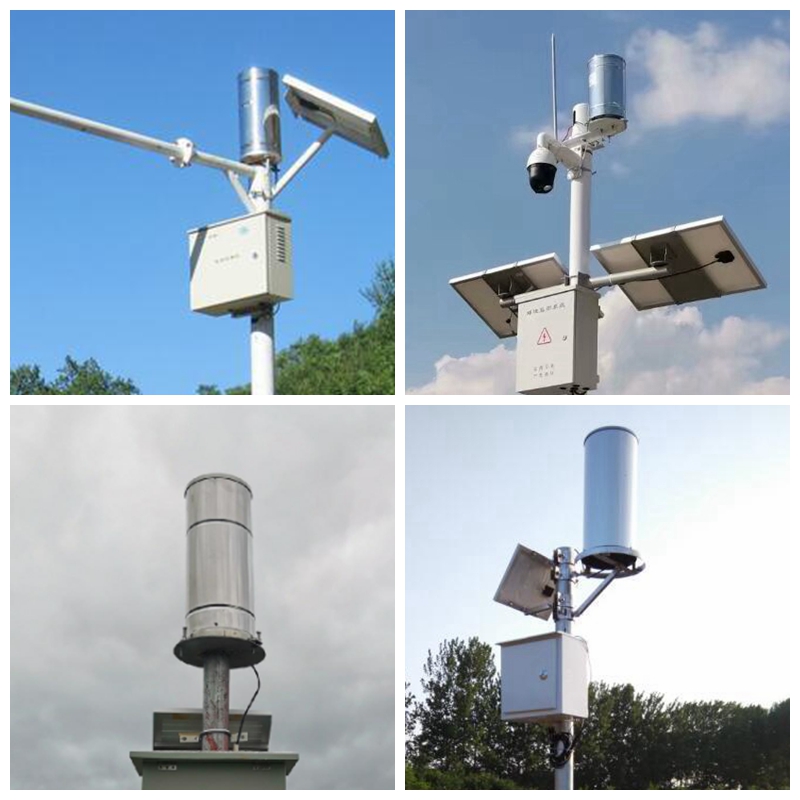
Real-time and cumulative precipitation directly guide irrigation decisions and drainage planning. Heavy precipitation warnings can trigger drainage measures in advance to reduce waterlogging risks; drought period data assists in assessing soil moisture deficit and optimizing water replenishment quotas.
Air Temperature and Humidity
Temperature affects crop growth and development rate, photosynthesis, and respiration balance. Humidity and temperature jointly act on the probability of pest and disease occurrence. High humidity and low temperature easily induce diseases, while high temperature and low humidity exacerbate water stress. In facility environments, precise temperature and humidity data supports heating, cooling, or ventilation execution strategies.
Light Intensity
Light is the energy source for photosynthesis and directly determines dry matter accumulation and quality formation. Monitoring data can guide supplementary lighting or shading operations, especially maintaining suitable photosynthetically active radiation (PAR) levels in off-season facility cultivation.
Soil Temperature and Soil Humidity
Soil temperature affects root activity, nutrient absorption, and microbial metabolism; soil humidity (volumetric water content) reflects soil moisture conditions and guides precision irrigation. The combination of both can avoid low-temperature chilling damage or waterlogging damage.
Atmospheric Pressure and Evaporation
Air pressure changes assist in weather trend judgment; evaporation comprehensively reflects atmospheric evaporation demand and assists in water balance calculation and irrigation plan formulation.
The collaborative monitoring of these elements forms a panoramic view of the crop growth environment and supports the establishment of local agricultural meteorological models.
| Monitoring Element | Measurement Range | Resolution | Remarks |
|---|---|---|---|
| Wind Speed | 0~70 m/s | 0.1 m/s | Ultrasonic or mechanical optional |
| Wind Direction | 0~360° | 1° | Anti-interference design |
| Air Temperature | -40~80℃ | 0.1℃ | Radiation shield protection |
| Air Humidity | 0~100% RH | 0.1% RH | Stable in high-humidity environment |
| Air Pressure | 500~1100 hPa | 0.1 hPa | Temperature compensation |
| Rainfall | 0~9999 mm | 0.1 mm | Tipping bucket or piezoelectric type |
| Soil Temperature | -40~80℃ | 0.1℃ | Adjustable burial depth |
| Soil Humidity | 0~100% VWC | 0.1% | FDR principle |
| Light Intensity | 0~200000 lux | 10 lux | Expandable PAR sensor |
| Evaporation | 0~9999 mm | 0.1 mm | Optional |
The device supports low-power operation (typical 3-5W), with a protection level of IP65 or above, adapting to field environments from -40℃ to +80℃. The data recorder is compatible with RS485 Modbus RTU protocol and can be extended with 4G/HTTP or MQTT transmission to achieve remote monitoring and platform docking.
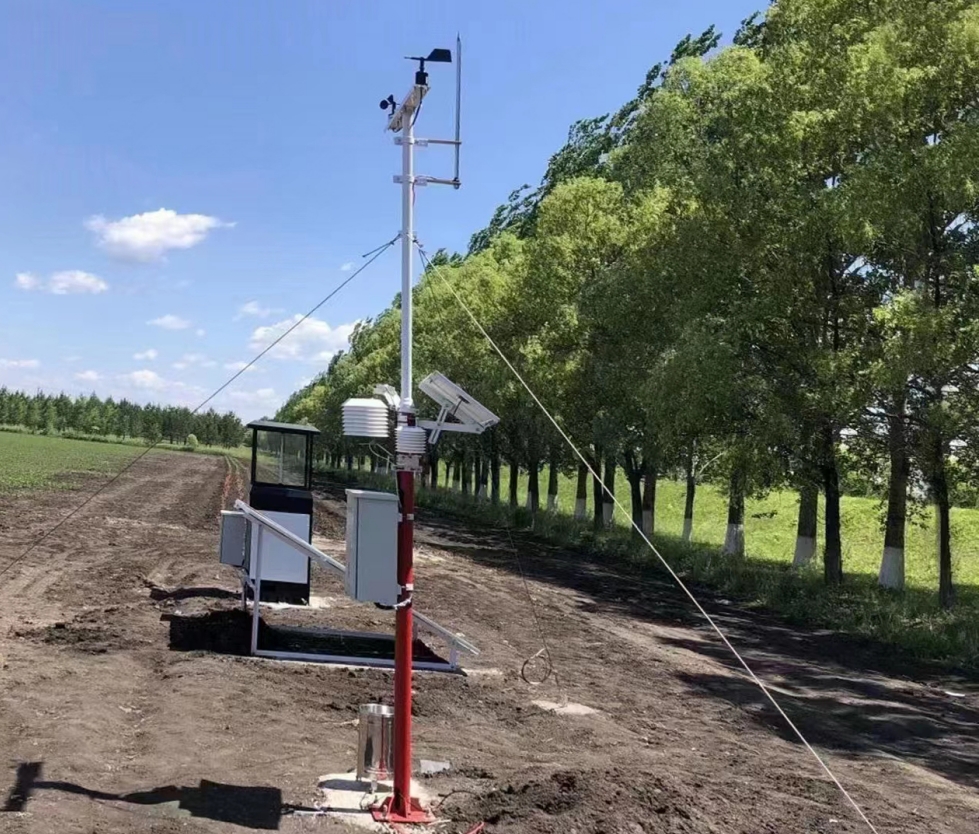
NiuBoL devices adopt an open interface design. The Modbus protocol facilitates docking with mainstream PLC or cloud platforms. A solar + battery hybrid power supply is recommended to ensure continuous operation. During installation, the main pole height is recommended to be about 3.5 meters, and sensor layout needs to consider representativeness and anti-interference. The software platform supports unified management of multiple stations and alarm push, reducing maintenance complexity.
For large projects, it is recommended to combine edge computing nodes to achieve local preliminary processing and improve response timeliness.
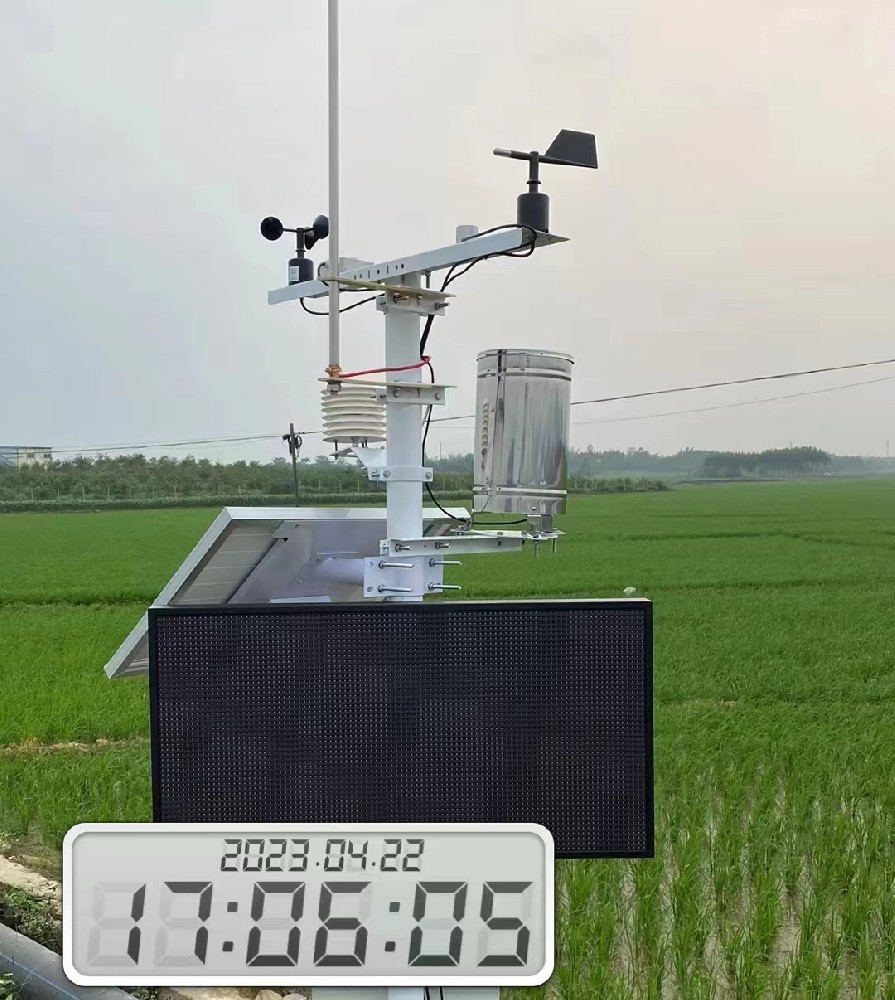
1. Formulating Scientific Field Management Measures
Under the traditional intensive farming model, there is limited room for yield improvement. The NiuBoL agricultural weather station provides real-time environmental data to support dynamic adjustment of irrigation, fertilization, and ventilation strategies according to crop growth habits. For example, optimize water supply during the jointing stage of winter wheat combined with soil temperature and humidity data to ensure tillering and ear formation; in facility vegetable planting, regulate supplementary lighting or cooling according to light and temperature data to maintain the optimal photosynthetic environment.
2. Early Prevention of Meteorological Disasters
Through threshold setting and trend analysis, the system can issue alarms when meteorological elements approach critical values. Start insulation measures before cold waves arrive; link drainage systems during heavy precipitation warnings; guide early water storage or water-saving irrigation under drought trends. These proactive interventions significantly reduce disaster losses and improve the risk resistance of facility agriculture.
3. Assisting Pest and Disease Prevention and Control
Temperature and humidity are key driving factors for pest and disease occurrence. Historical and real-time data accumulated by agricultural weather stations can be combined with plant protection models to predict the risk of high-humidity diseases such as gray mold and rice blast. Wind speed and direction data assist in assessing the possibility of pest migration and guide early spraying or biological control to reduce pesticide usage and environmental pressure.
4. Improving Production Efficiency and Scientific Level
The data communication function supports linkage with intelligent irrigation, temperature control, and fertilization systems to form a closed-loop regulation. Engineering companies can connect meteorological data to IoT platforms to achieve visual display, historical trend analysis, and decision support, reducing manual inspection costs and promoting the digital transformation of agriculture.
In high-standard farmland and regional agricultural projects, multi-station networking can form a grid monitoring network to provide data basis for macro production layout and structural adjustment.
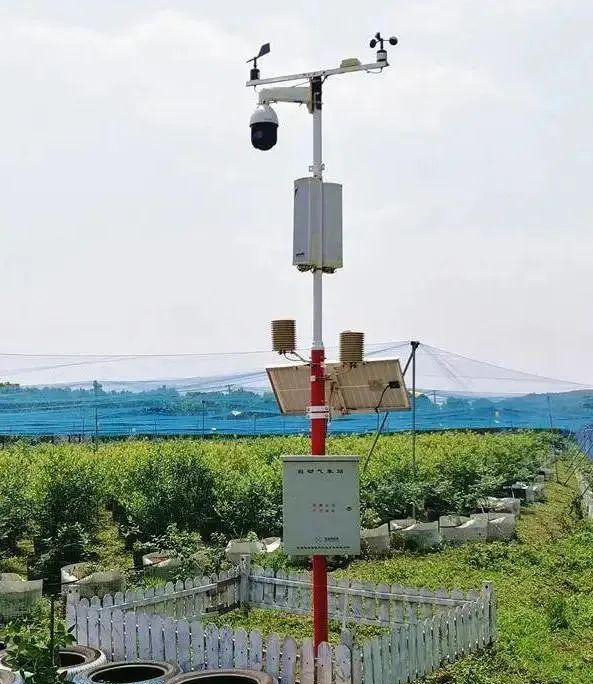
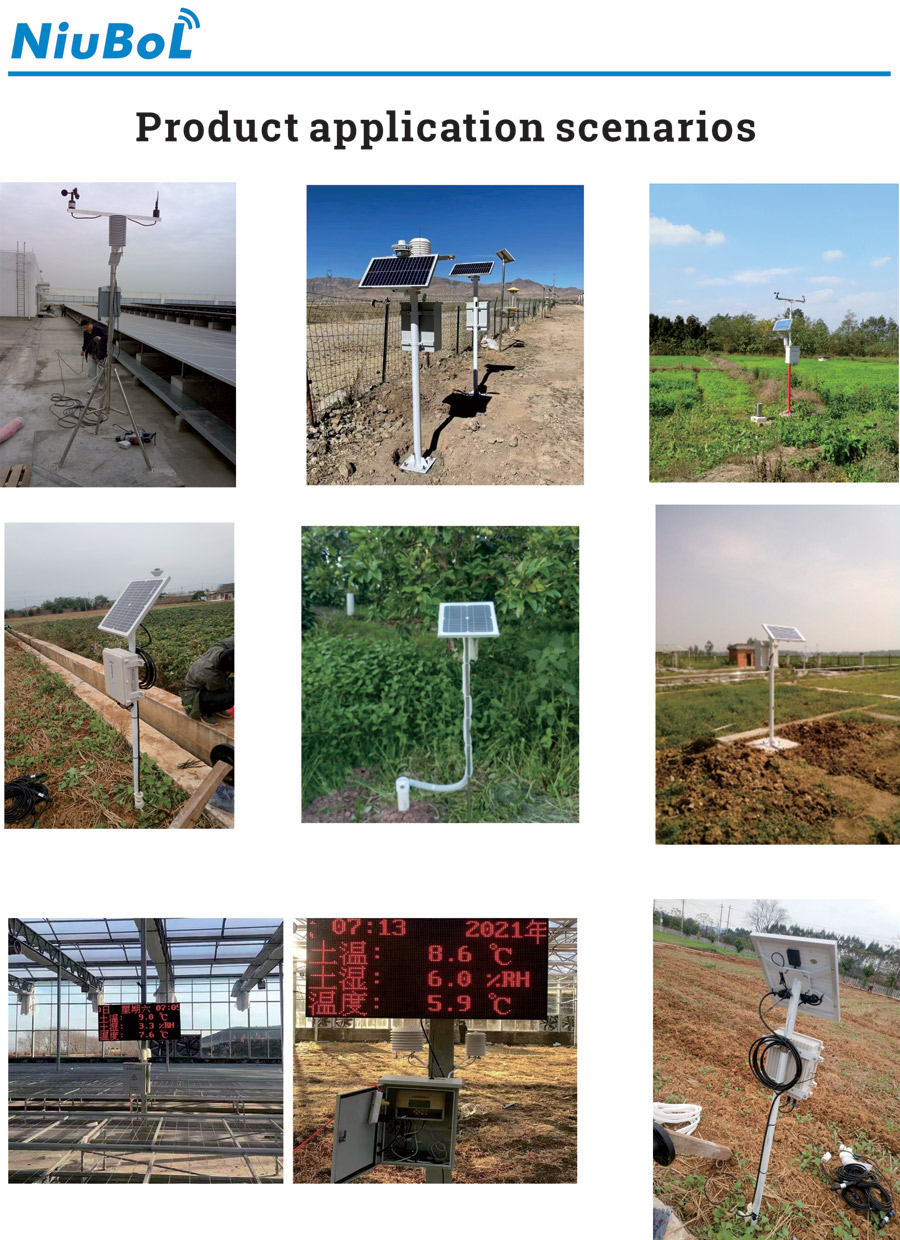
1. Facility Agriculture (Greenhouse Vegetables, Fruit Trees)
Greenhouse micro-climate monitoring supports precise temperature, humidity, and light regulation, reducing risks of seedling death and fruit rot, and extending sales cycles.
2. Grain Crop Production Bases
For key growth periods of winter wheat, corn, etc., provide soil moisture and temperature data to guide sowing period, irrigation, and harvest timing.
3. Special Economic Crops and Orchards
Optimize water and fertilizer management combined with evaporation and light data to improve fruit quality and commercial rate.
4. Regional Smart Agriculture Platforms
As core sensing layer equipment, NiuBoL agricultural weather station data can be seamlessly connected to upper-level decision systems to support disaster risk assessment and emergency response.
Q1. What observation standard does the NiuBoL agricultural weather station comply with?
It is designed and produced strictly in accordance with international WMO meteorological observation standards to ensure data accuracy and comparability.
Q2. What is the main communication protocol? Is it easy to integrate?
Standard RS485 Modbus RTU protocol is provided, supporting 4G/HTTP and MQTT extensions. The communication manual is open, making it convenient for rapid docking with existing IoT platforms.
Q3. How is meteorological disaster early warning realized?
Users can set element thresholds themselves. The device pushes alarms via platform or mobile phone when limits are exceeded or trends are abnormal, supporting the formulation of advance prevention measures.
Q4. Can it monitor environmental conditions related to pests and diseases?
Yes. It supports monitoring of key elements such as temperature, humidity, and wind speed/direction. It can be combined with pest and disease prediction models to provide occurrence risk references.
Q5. Is the device suitable for deployment in facility agriculture?
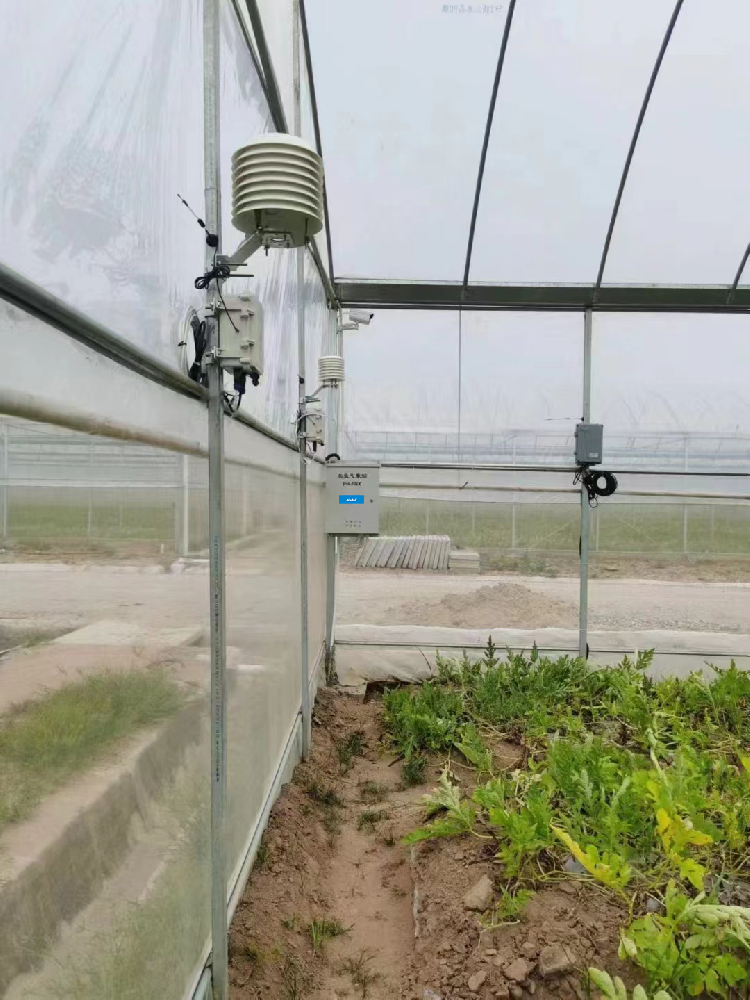
Yes. It supports simultaneous monitoring of greenhouse micro-climate and field conditions. Sensors can optionally include light, CO₂, and other elements to meet fine regulation needs.
Q6. How does the power supply and power consumption adapt to long-term field operation?
Typical power consumption is 3-5W. It supports solar power supply. The low-power design ensures stable operation in unattended scenarios.
Q7. How is regional monitoring realized with multi-station networking?
Multi-point data aggregation and visualization are achieved through a unified platform, supporting grid deployment and regional meteorological model construction.
Q8. How does it link with soil moisture monitoring equipment?
Soil temperature and humidity data from the weather station can complement dedicated soil sensors and jointly input into the irrigation control system to form a complete water management solution.
The NiuBoL agricultural weather station provides a solid meteorological data foundation for modern agricultural production through multi-element high-precision sensing, intelligent alarms, and open communication architecture. It helps system integrators and engineering companies strengthen disaster prevention and control, optimize field management, and improve pest and disease response capabilities from the environmental monitoring level, ultimately serving the goals of high and stable crop yields and sustainable agricultural development.
In the wave of smart agriculture and high-standard farmland construction, choosing standardized, easy-to-integrate, and highly reliable agricultural meteorological solutions is a key step in building a complete perception-transmission-decision system. The NiuBoL series products are oriented toward engineering applications and continue to provide technical support for agricultural modernization.
Related recommendations
Sensors & Weather Stations Catalog
 Agriculture Sensors and Weather Stations Catalog-NiuBoL.pdf
Weather Stations Catalog-NiuBoL.pdf
Agriculture Sensors Catalog-NiuBoL.pdf
Water Quality Sensor Catalog-NiuBoL.pdf
Related products
 Combined air temperature and relative humidity sensor
 TDR Soil Moisture & Temperature Sensor for irrigation| RS485 |4-20mA| NBL-S-THR
 Soil pH sensor RS485 soil Testing instrument soil ph meter for agriculture |NBL-S-PH
 Wind Speed sensor Output Modbus/RS485/Analog/0-5V/4-20mA
 Tipping bucket rain gauge for weather monitoring auto rainfall sensor RS485/Outdoor/stainless steel
 Pyranometer Solar Radiation Sensor 4-20mA/RS485

Screenshot, WhatsApp to identify the QR code
WhatsApp number:+8615367865107
(Click on WhatsApp to copy and add friends)

