





— Blogs —
—Products—
 Consumer hotline +8618073152920
 WhatsApp:+8615367865107
Address:Room 102, District D, Houhu Industrial Park, Yuelu District, Changsha City, Hunan Province, China
Product knowledge
Time:2026-04-01 10:05:07 Popularity:556
Modern meteorological services highly rely on high-precision and real-time ground observation data. As a key device for ground meteorological information collection, automatic weather stations have widely replaced traditional manual observation methods and become an indispensable tool in meteorological departments, industrial and agricultural production, and scientific research projects. The NiuBoL automatic weather station series provides stable and reliable meteorological data support for system integrators, IoT solution providers, and project contractors through integrated multi-parameter sensors and communication modules, achieving a closed-loop management from parameter collection to decision-making application.
This article starts from the basic role of automatic weather stations, detailing the technical characteristics, sensor parameters, application scenarios, and engineering value of ultrasonic automatic weather stations and compact weather stations, providing professional reference for smart meteorological project construction.
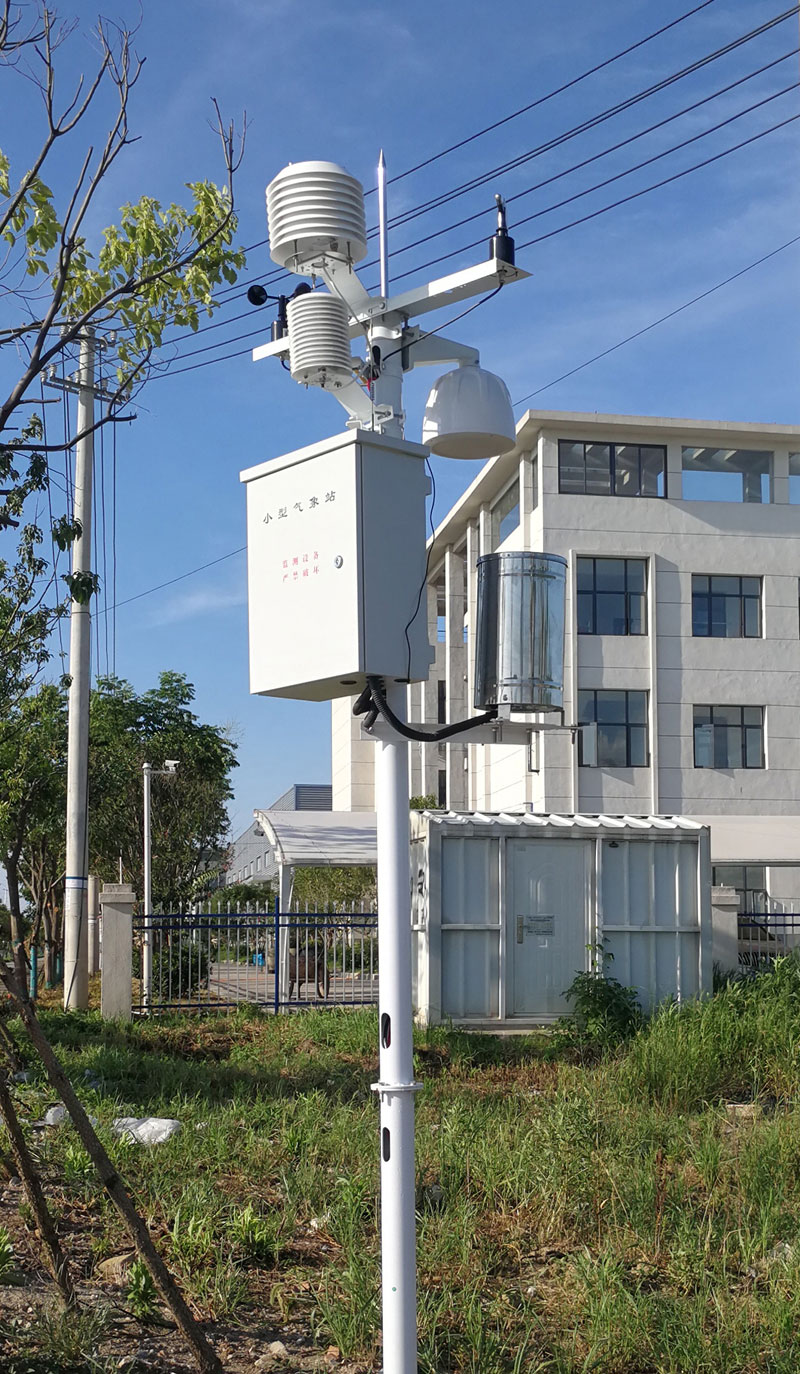
The core function of an automatic weather station is to perform all-weather, continuous on-site monitoring of meteorological elements in the environment. Its monitoring scope covers more than ten conventional parameters such as wind speed, wind direction, rainfall, air temperature, air humidity, light intensity, soil temperature, soil humidity, evaporation, and atmospheric pressure. These data are collected, stored, transmitted, and analyzed through professional data collectors and monitoring software platforms.
In the field of weather forecasting, high-density and high-precision observation data significantly improve the spatiotemporal resolution and accuracy of forecasts. Fine-grained weather forecasts at specific time points benefit from the timely and highly representative real-time data provided by automatic weather stations. In meteorological disaster early warning, automatic weather stations can build a regional monitoring network with a main station plus multiple sub-stations, providing early warning information through data fusion analysis and buying valuable time for disaster prevention and mitigation.
Especially in agricultural production, automatic weather stations can effectively reduce the impact of disasters such as flooding, drought, and frost on crops. By mastering soil temperature and humidity and rainfall in real time, they guide irrigation, drainage, and field management to achieve precision agricultural decision-making. In addition, automatic weather stations are also widely used in urban environmental monitoring, tourism scenic planning, and scientific experiments, providing basic meteorological data support for multiple industries.
The NiuBoL automatic weather station series emphasizes data reliability and system compatibility, supporting multiple communication protocols to ensure stable data upload to cloud platforms or local databases.
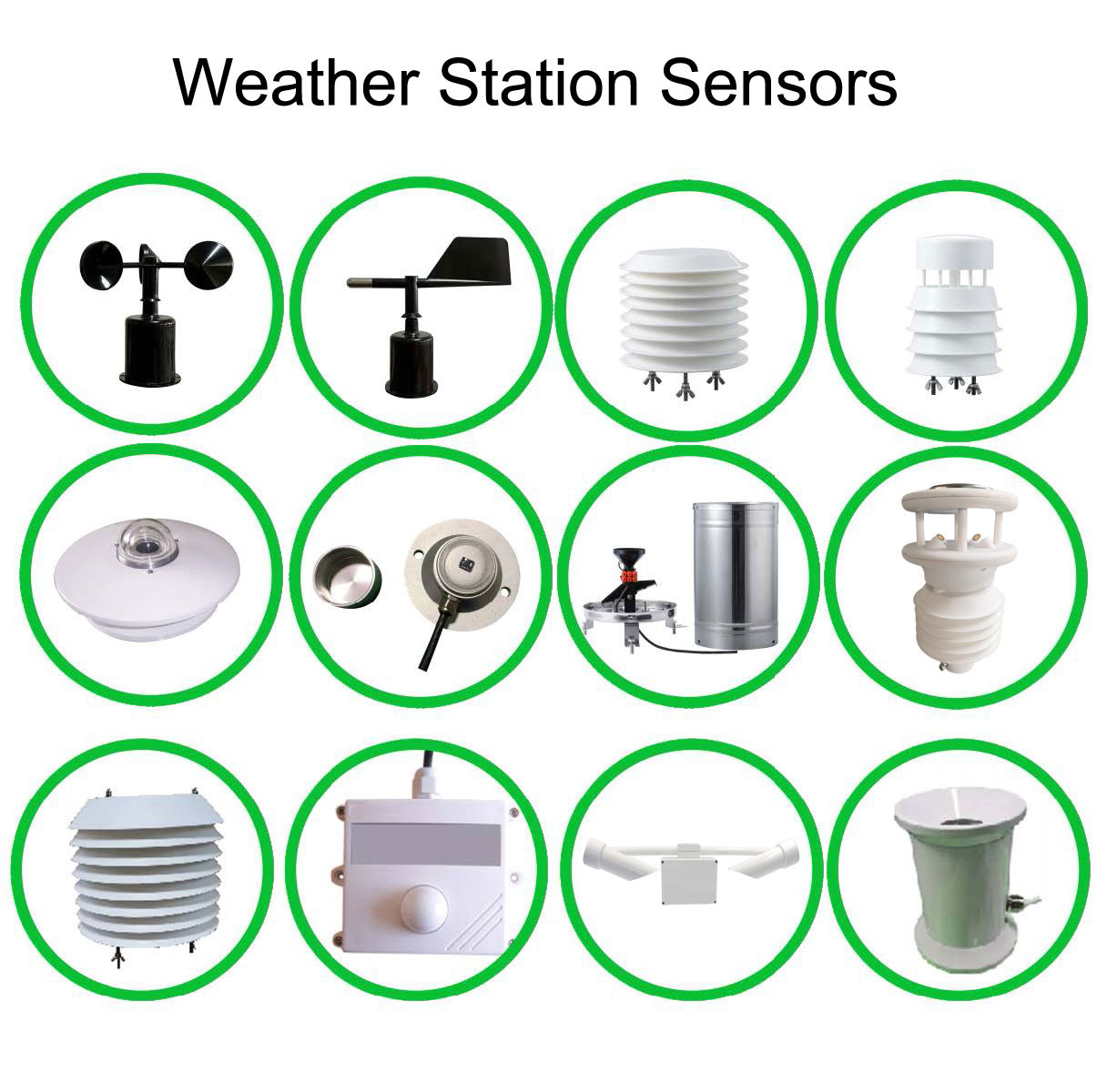
Traditional mechanical wind speed and direction sensors rely on wind cups and wind vanes, which are prone to mechanical wear during long-term operation and affect measurement accuracy. Ultrasonic automatic weather stations use continuous variable-frequency ultrasonic signals to achieve contactless detection of wind speed and direction by measuring relative phase differences. This design completely eliminates wear problems caused by moving parts and significantly improves long-term operational stability and measurement accuracy.
The core advantage of ultrasonic automatic weather stations lies in their integrated sensor design. All meteorological sensors are integrated into a single protective housing with a protection level of IP65 or above, effectively resisting dust, salt spray, and rainwater erosion in natural environments. The integrated structure reduces the number of installation interfaces, lowers system failure rates, and facilitates maintenance.
In terms of monitoring elements, ultrasonic automatic weather stations not only cover conventional wind speed, wind direction, air temperature, humidity, and rainfall but can also be extended to monitor atmospheric pressure, PM10, and gas parameters such as CO, NO₂, SO₂, and O₃. The system supports personalized customization, and customers can flexibly combine sensor configurations according to specific project needs. The ultrasonic automatic weather stations produced by NiuBoL have passed calibration by the national meteorological metrology station, and their measurement accuracy meets industry standard requirements.
In data transmission, the device is equipped with standard GPRS and 4G communication modules and also supports RS485 to USB wired transmission. The data upload interval can be flexibly adjusted between 30 seconds and 65535 seconds, enabling 24-hour continuous online monitoring. The monitoring software platform provides real-time data query, historical curve analysis, and over-limit alarm functions to meet the engineering needs of projects of different scales.
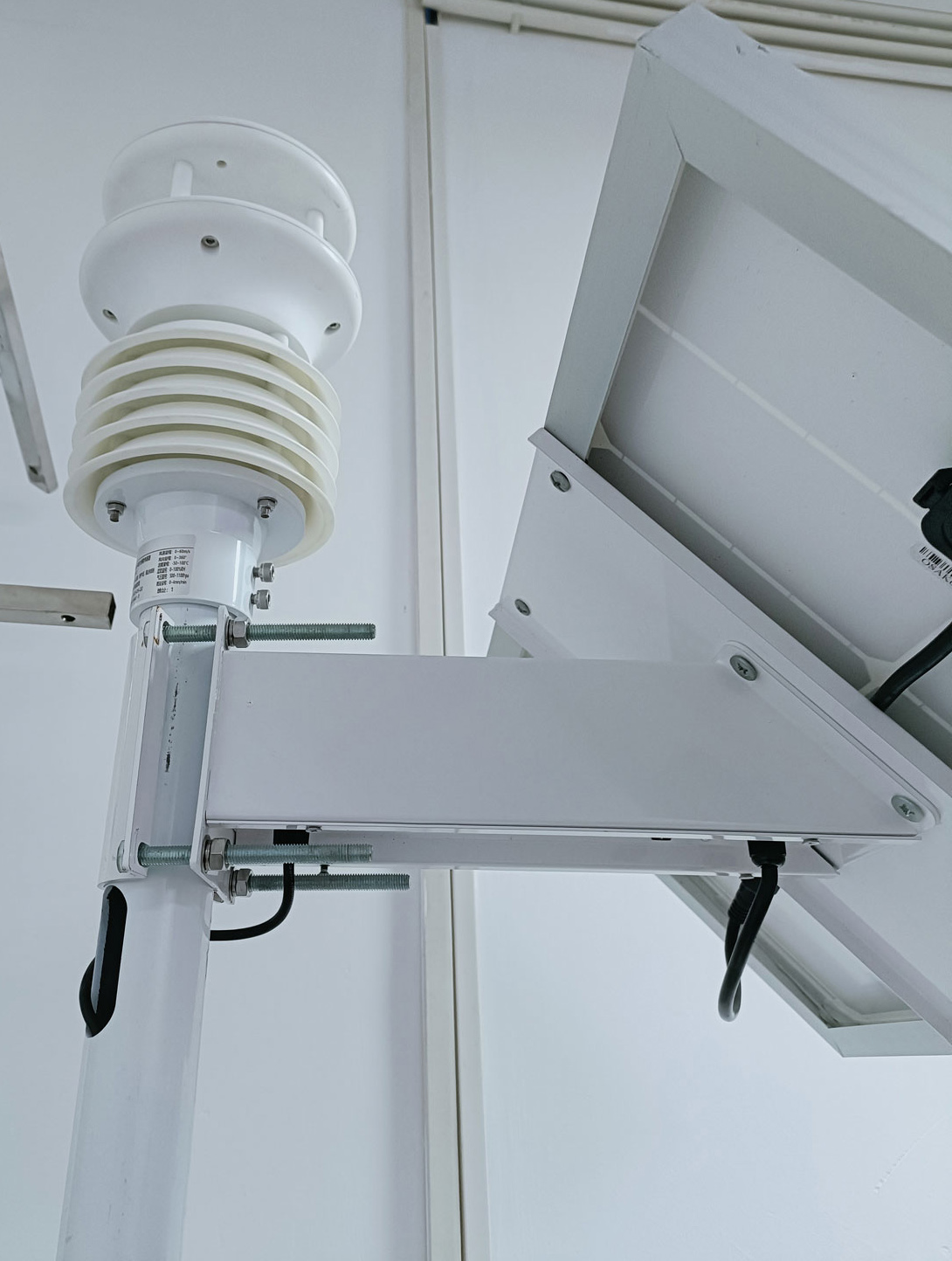
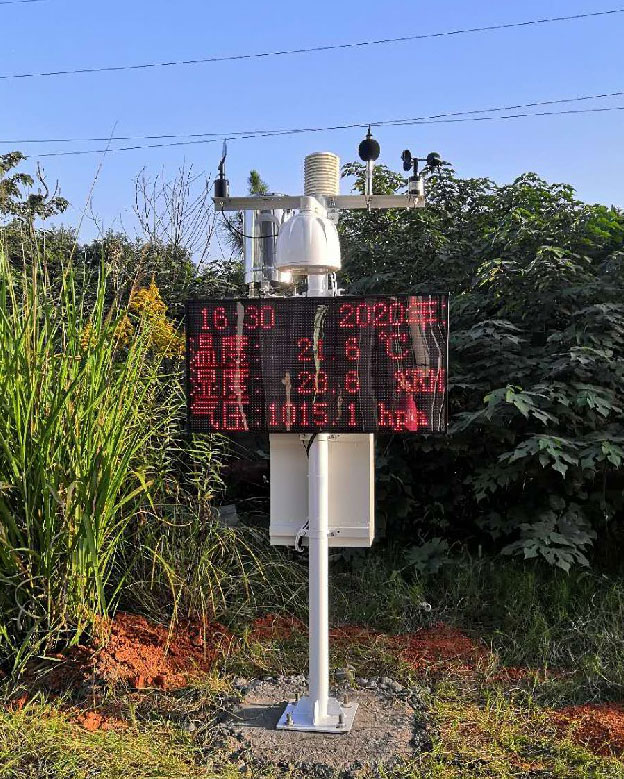
The NiuBoL compact weather station consists of meteorological sensors, a meteorological data collector, power supply system, protective box, meteorological observation bracket, and communication module. The system design focuses on modularity and scalability, allowing customized configurations according to actual project needs.
The device can achieve all-weather monitoring of meteorological elements such as wind speed, wind direction, rainfall, air temperature, air humidity, light intensity, soil temperature, soil humidity, evaporation, and atmospheric pressure. Data is uploaded via GPRS/4G/5G networking or wired transmission and supports remote viewing through Android APP and cloud platforms.
| Sensor Name | Measurement Range | Resolution | Accuracy |
|---|---|---|---|
| Ambient Temperature | -40~+60℃ | 0.1℃ | ±0.3℃ |
| Relative Humidity | 0~100%RH | 0.1% | ±2% |
| Light Intensity | 0-200000 Lux | 10 Lux | ±5% |
| Atmospheric Pressure | 300~1100 hPa | 0.1 hPa | ±0.3 hPa |
| Dew Point Temperature | -20~+50℃ | 0.1℃ | ±0.5℃ |
| Soil Temperature | -50~+80℃ | 0.1℃ | ≤±0.2℃ |
| Soil Humidity | 0~100% | 0.1% | ±2% |
| Soil Salinity | 0-20 mS | 0.1 mS | ±2% |
| Soil pH Value | 0-14 | 0.1 | ±0.2% |
| Wind Direction | 0~360° (16 directions) | 1/16 | <3° (>1.0 m/s) |
| Wind Speed | 0~70 m/s | 0.1 m/s | ±(0.3+0.03V) m/s |
| Rainfall | ≤4 mm/min | 0.2mm | ±3% |
These sensors adopt industrial-grade design with wide temperature operating range and high anti-interference capability. The data collector supports local storage and remote transmission to ensure data integrity.
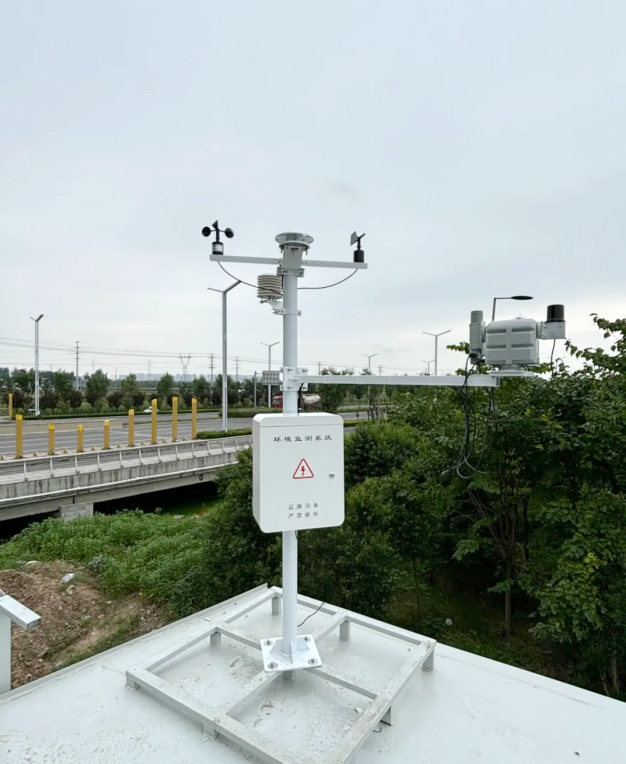
Automatic weather stations play an important role in multiple fields:
Meteorological Disaster Early Warning and Public Services: By building a regional meteorological monitoring network, automatic weather stations can provide highly representative real-time data, supporting meteorological departments in issuing early warnings for heavy rain, drought, strong winds, and other disasters in advance to reduce losses of personnel and property.
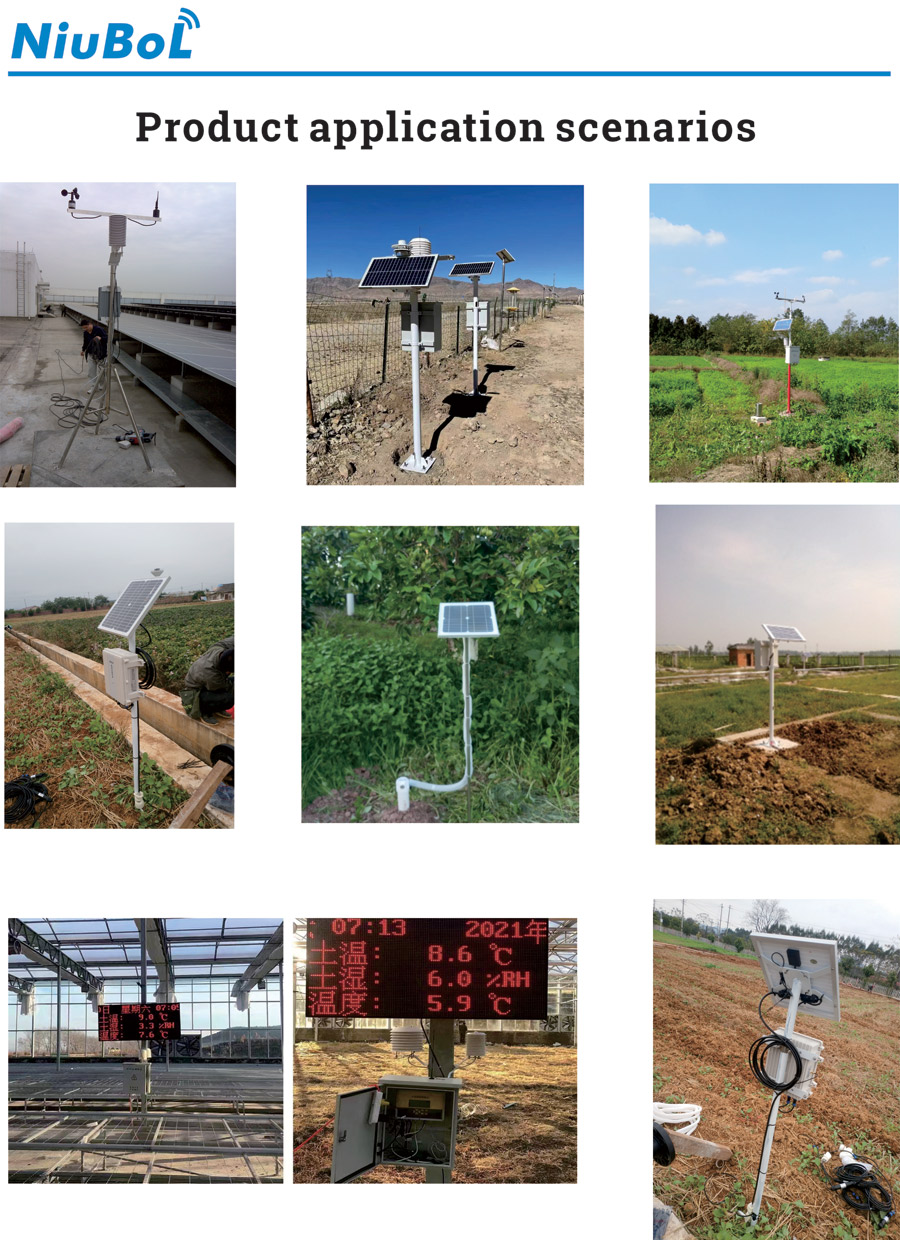
Agricultural Production Management: Deploying compact or ultrasonic weather stations in farmland, greenhouses, and orchards can monitor soil temperature and humidity and rainfall in real time, guiding precision irrigation, fertilization, and pest and disease prevention and control to reduce yield reduction risks caused by meteorological factors.
Urban Environmental Monitoring: Ultrasonic automatic weather stations can integrate air quality parameter monitoring to provide data support for urban air pollution prevention and environmental quality assessment.
Scientific Research and Teaching: Compact weather stations are easy to deploy mobilely and are suitable for ecological research, climate change observation, and university experimental projects, supporting long-term accumulation and analysis of historical data.
Tourism Scenic Areas and Engineering Projects: Provide meteorological basis for outdoor activity safety, landscape protection, and construction scheduling to avoid the impact of extreme weather on project progress.
The NiuBoL series supports multi-station networking and centralized platform management. System integrators can select appropriate configurations according to project scale to achieve smooth expansion from single-point monitoring to regional smart meteorological systems.
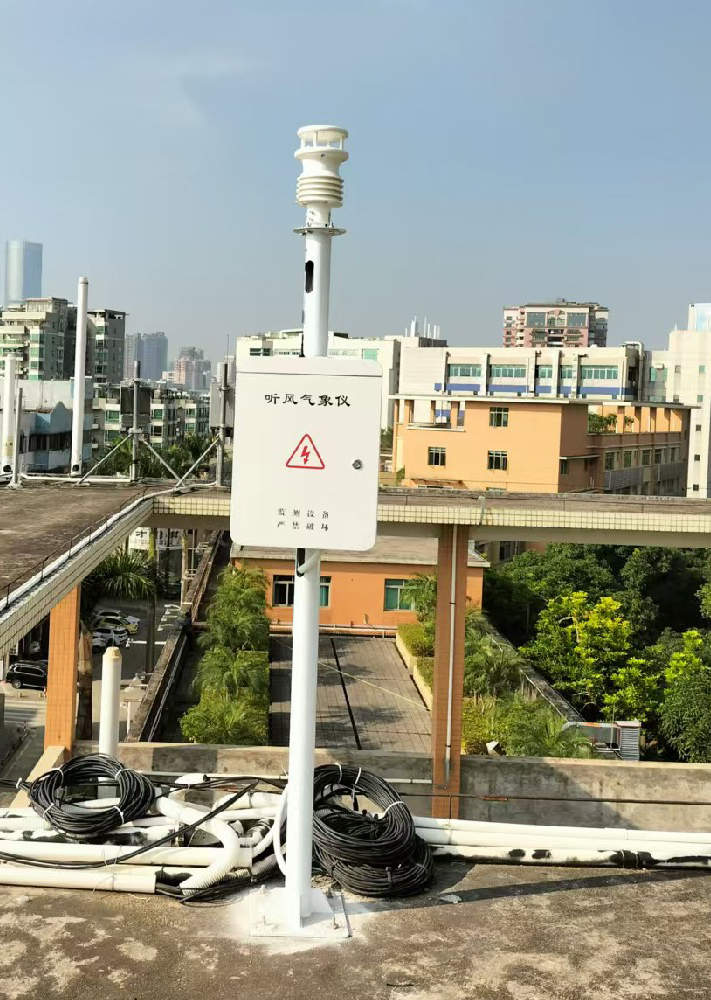
To ensure measurement accuracy, the meteorological observation bracket should be installed in an open area without obstructions. The wind speed and direction sensor height is generally the standard observation height. The protective box needs good sealing. The power supply system is recommended to use a solar and mains complementary method to ensure continuous equipment operation. When selecting communication modules, local network coverage should be considered, and stable and reliable 4G/5G solutions should be prioritized.
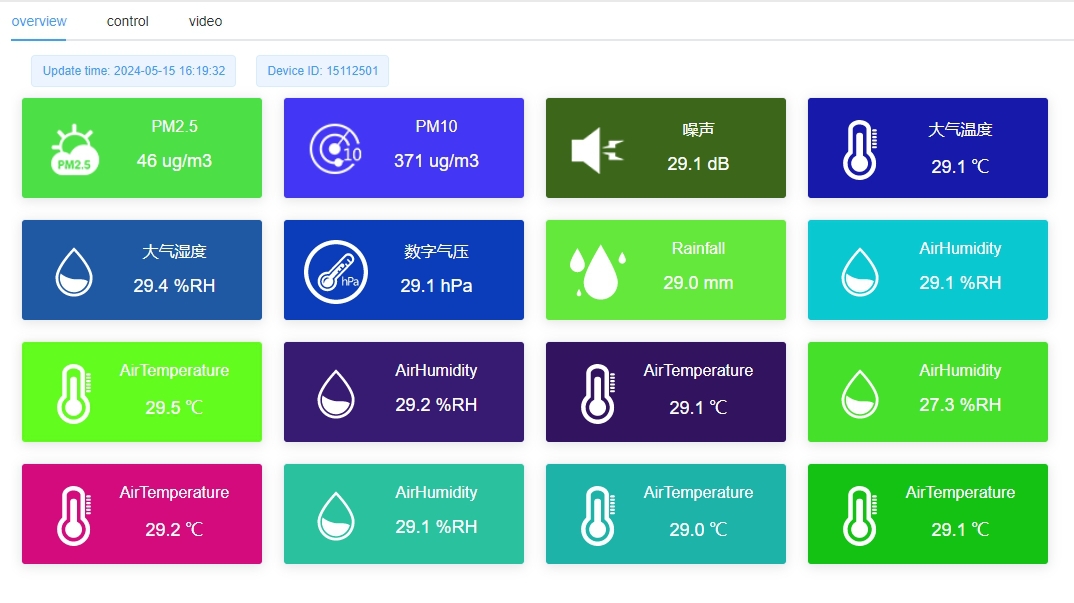
The monitoring software platform provides a data visualization interface, supports threshold setting and alarm push, and facilitates remote operation and maintenance by engineering companies.
Q1. What meteorological elements does the automatic weather station mainly monitor?
The automatic weather station can monitor more than ten parameters around the clock, including wind speed, wind direction, rainfall, air temperature, humidity, light intensity, soil temperature and humidity, and atmospheric pressure, and supports expansion of air quality-related elements.
Q2. What are the advantages of ultrasonic automatic weather stations compared with traditional mechanical weather stations?
Ultrasonic automatic weather stations adopt a design without mechanical moving parts and measure wind speed and direction through ultrasonic phase difference, avoiding accuracy degradation caused by long-term wear. They also have high protection levels for integrated sensors and low maintenance requirements.
Q3. Does the compact weather station support remote data viewing?
Yes. The device is equipped with standard GPRS/4G/5G networking. Users can view monitoring data and historical records in real time through Android APP or cloud platforms.
Q4. How does the automatic weather station improve meteorological disaster early warning capabilities?
By providing highly representative data through multi-station networking, it supports issuing early warning information in advance, buying preparation time for disaster prevention and mitigation, and reducing the impact of disasters on agriculture and public safety.
Q5. Can NiuBoL ultrasonic automatic weather stations customize monitoring parameters?
Yes. The system supports flexible combination of sensors according to project needs, including conventional meteorological elements and gas parameters such as PM10, CO, and NO₂.
Q6. How is the sensor accuracy of compact weather stations guaranteed?
NiuBoL compact weather station sensors undergo strict quality inspection. Some parameters reach industrial-grade standards such as ±0.2℃ (soil temperature) and ±2% (humidity), and installation technical guidance is provided.
Q7. What are the data transmission options?
Standard GPRS/4G communication is provided, and RS485 to USB wired transmission is also supported. The upload interval is adjustable (30s–65535s).
Q8. Which customer groups is the automatic weather station suitable for?
It is mainly targeted at system integrators, IoT solution providers, project contractors, and engineering companies, providing modular products and technical support, and does not directly target end consumers.
Automatic weather stations play an irreplaceable role in improving weather forecast accuracy, strengthening meteorological disaster early warning, and serving industrial and agricultural production. The NiuBoL ultrasonic automatic weather station takes wear-free ultrasonic wind measurement technology and integrated design as the core, while the compact weather station meets diversified needs with flexible configuration and high cost-effectiveness. Both support multiple communication protocols and platform integration, providing professional solutions for building high-density meteorological observation networks.
Facing the challenges brought by climate change, adopting automatic weather station equipment has become an inevitable choice to improve meteorological service capabilities. As a professional manufacturer, NiuBoL continues to provide stable and reliable products and engineering implementation support for system integrators and engineering companies. Through scientific deployment and deep data application, regional meteorological monitoring capabilities can be significantly enhanced, promoting the development of meteorological services toward intelligence and precision.
It is recommended that project teams select appropriate product configurations according to specific application scenarios and monitoring needs to achieve the best engineering benefits and data value.
Related recommendations
Sensors & Weather Stations Catalog
 Agriculture Sensors and Weather Stations Catalog-NiuBoL.pdf
Weather Stations Catalog-NiuBoL.pdf
Agriculture Sensors Catalog-NiuBoL.pdf
Water Quality Sensor Catalog-NiuBoL.pdf
Related products
 Combined air temperature and relative humidity sensor
 TDR Soil Moisture & Temperature Sensor for irrigation| RS485 |4-20mA| NBL-S-THR
 Soil pH sensor RS485 soil Testing instrument soil ph meter for agriculture |NBL-S-PH
 Wind Speed sensor Output Modbus/RS485/Analog/0-5V/4-20mA
 Tipping bucket rain gauge for weather monitoring auto rainfall sensor RS485/Outdoor/stainless steel
 Pyranometer Solar Radiation Sensor 4-20mA/RS485

Screenshot, WhatsApp to identify the QR code
WhatsApp number:+8615367865107
(Click on WhatsApp to copy and add friends)

