





— Blogs —
—Products—
 Consumer hotline +8618073152920
 WhatsApp:+8615367865107
Address:Room 102, District D, Houhu Industrial Park, Yuelu District, Changsha City, Hunan Province, China
Product knowledge
Time:2026-03-31 14:14:10 Popularity:512
In the context of the country attaching great importance to improving national scientific quality and meteorological science popularization work, campus weather stations have evolved from traditional geography teaching aids into core smart campus infrastructure integrating scientific practice, environmental monitoring, and safety early warning. As can be seen from the national meteorological science popularization education base assessment results announced by the China Meteorological Administration, the construction of exemplary campus weather stations has become an important indicator for measuring the level of science and technology education in schools.
As a manufacturer of sensors and meteorological monitoring hardware, NiuBoL is committed to providing system integrators, IoT solution providers, and educational project contractors with industrial-grade, highly reliable campus weather station hardware architecture. By introducing cutting-edge sensing technology into campuses, we are not only observing data but also cultivating the scientific thinking of the next generation.
1. Physical Carrier of Meteorological Science Popularization Work
According to the "Overall Solution for Campus Meteorological Science Popularization Education" issued by the China Meteorological Society, campus weather stations provide students with an intuitive platform to contact meteorological science. Students can instantly associate textbook geographical knowledge with the real environment by observing real-time wind speed, air pressure, and precipitation, and deeply understand the physical logic of weather and climate evolution.
2. Campus Safety and Health Early Warning
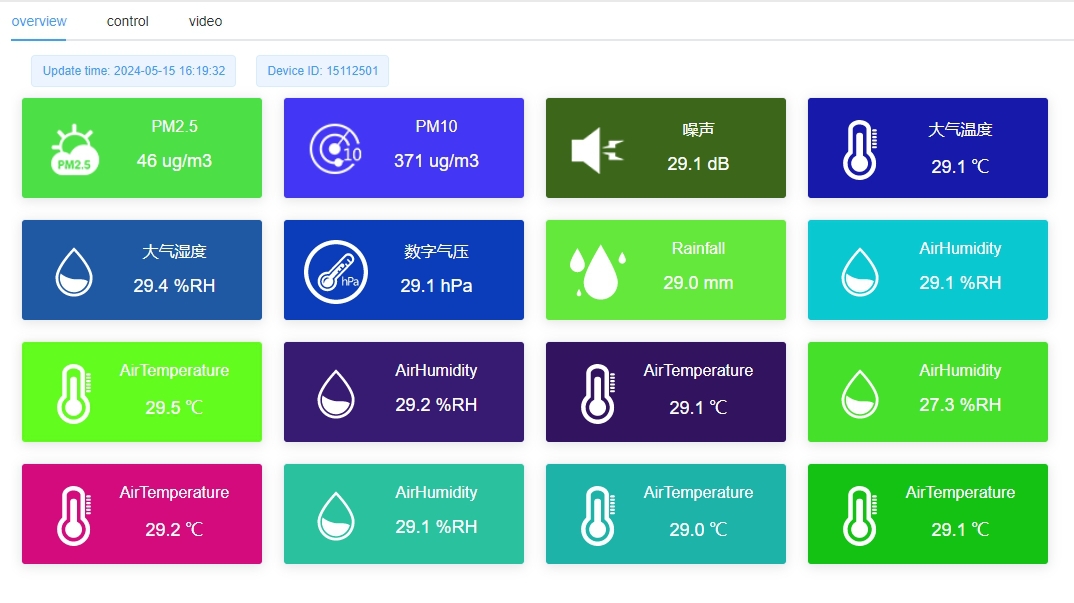
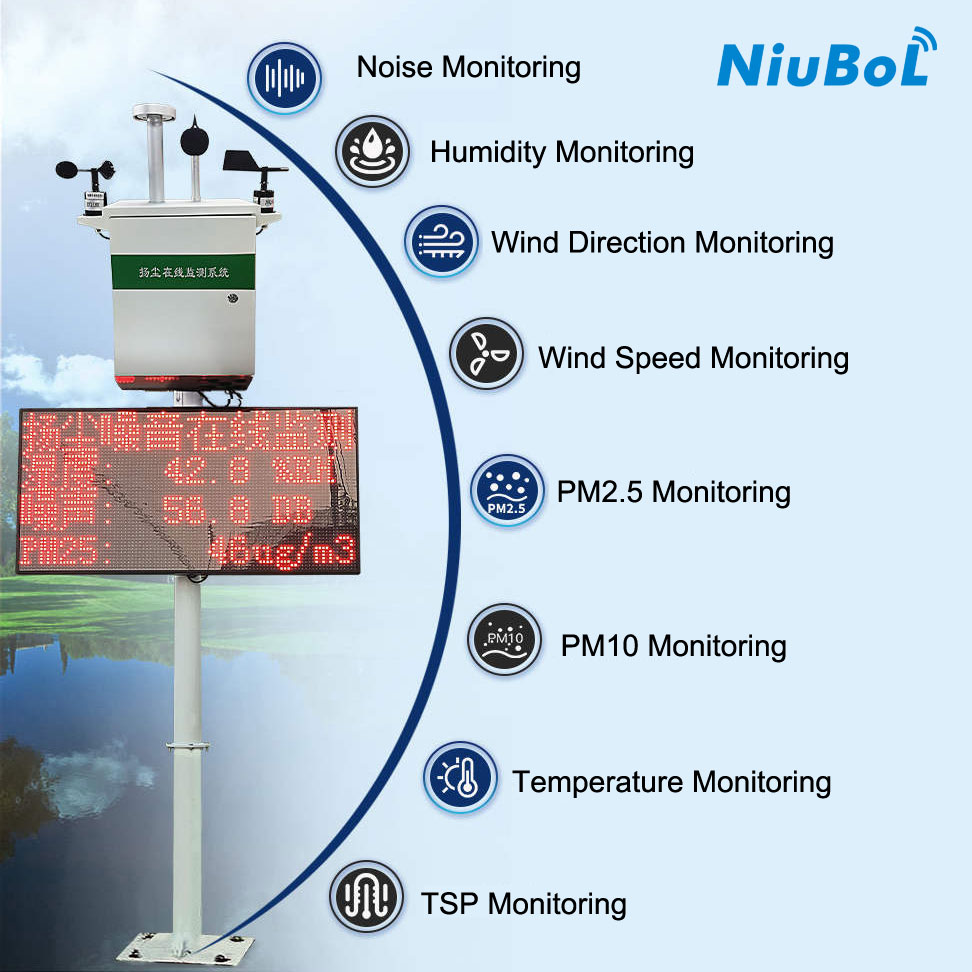
Campus weather stations monitor parameters such as PM2.5, PM10, and noise in real time, providing school management with precise environmental references. When air quality deteriorates or extreme high temperatures occur, schools can scientifically arrange outdoor activities based on monitoring data to avoid harm to teachers and students from harmful substances and extreme weather.
3. Engineering Cultivation of Disaster Prevention and Mitigation Awareness
Facing increasingly frequent extreme climate events, campus weather stations are the best practical training tool for conducting disaster prevention drills. Through simulated meteorological disaster warnings, students can learn how to identify meteorological risks and take correct avoidance measures, significantly improving their self-protection ability in response to natural disasters.
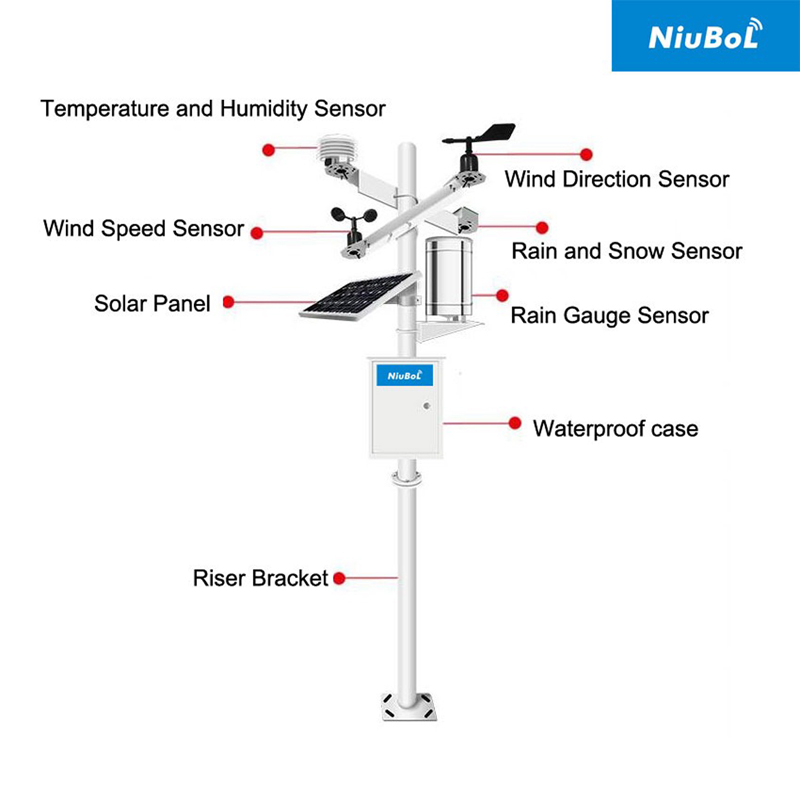
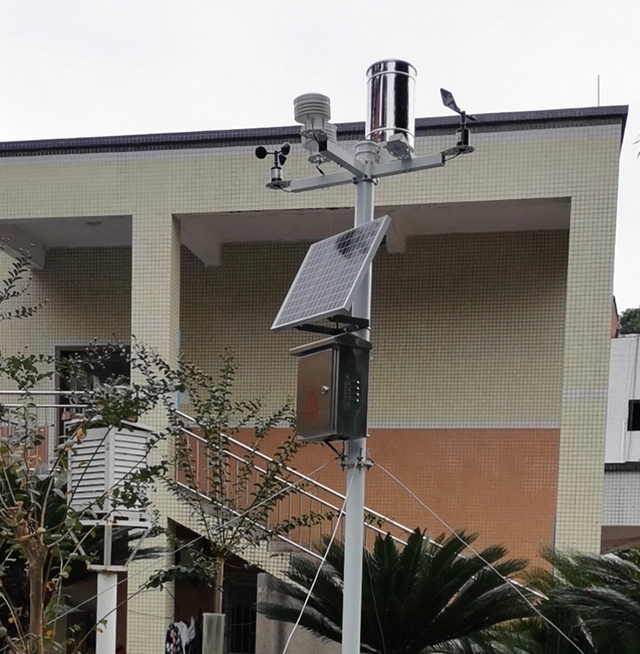
Campus environments have special requirements for equipment safety, stability, and ease of maintenance. The NiuBoL campus weather station adopts a modular design, supporting users to flexibly select sensors according to scientific research or teaching needs.
| Monitoring Dimension | Range | Accuracy | Teaching/Application Value |
|---|---|---|---|
| Air Temperature | -40 to 80°C | ±0.3°C | Study urban heat island effect and greenhouse effect. |
| Air Humidity | 0 to 100% RH | ±3% RH | Analyze the relationship between precipitation probability and human comfort. |
| Wind Speed | 0 to 60 m/s | ±(0.3+0.03V)m/s | Learn wind force classification and wind energy utilization. |
| Wind Direction | 0 to 360° | ±3° | Observe local circulation and pollutant diffusion paths. |
| Atmospheric Pressure | 300 to 1100 hPa | ±0.5 hPa | Predict weather system evolution (high and low pressure centers). |
| Tipping Bucket Rainfall | 0 to 4mm/min | ±3% | Real-time monitoring of precipitation intensity. |
| Light Intensity | 0 to 200k Lux | ±5% | Explore photosynthesis and solar radiation energy conversion. |
| PM2.5 / PM10 | 0 to 1000 ug/m³ | ±10% | Carry out environmental chemistry education and monitor air quality. |
| Noise Monitoring | 30 to 130 dB | ±1.5 dB | Evaluate campus acoustic environment and cultivate environmental awareness. |
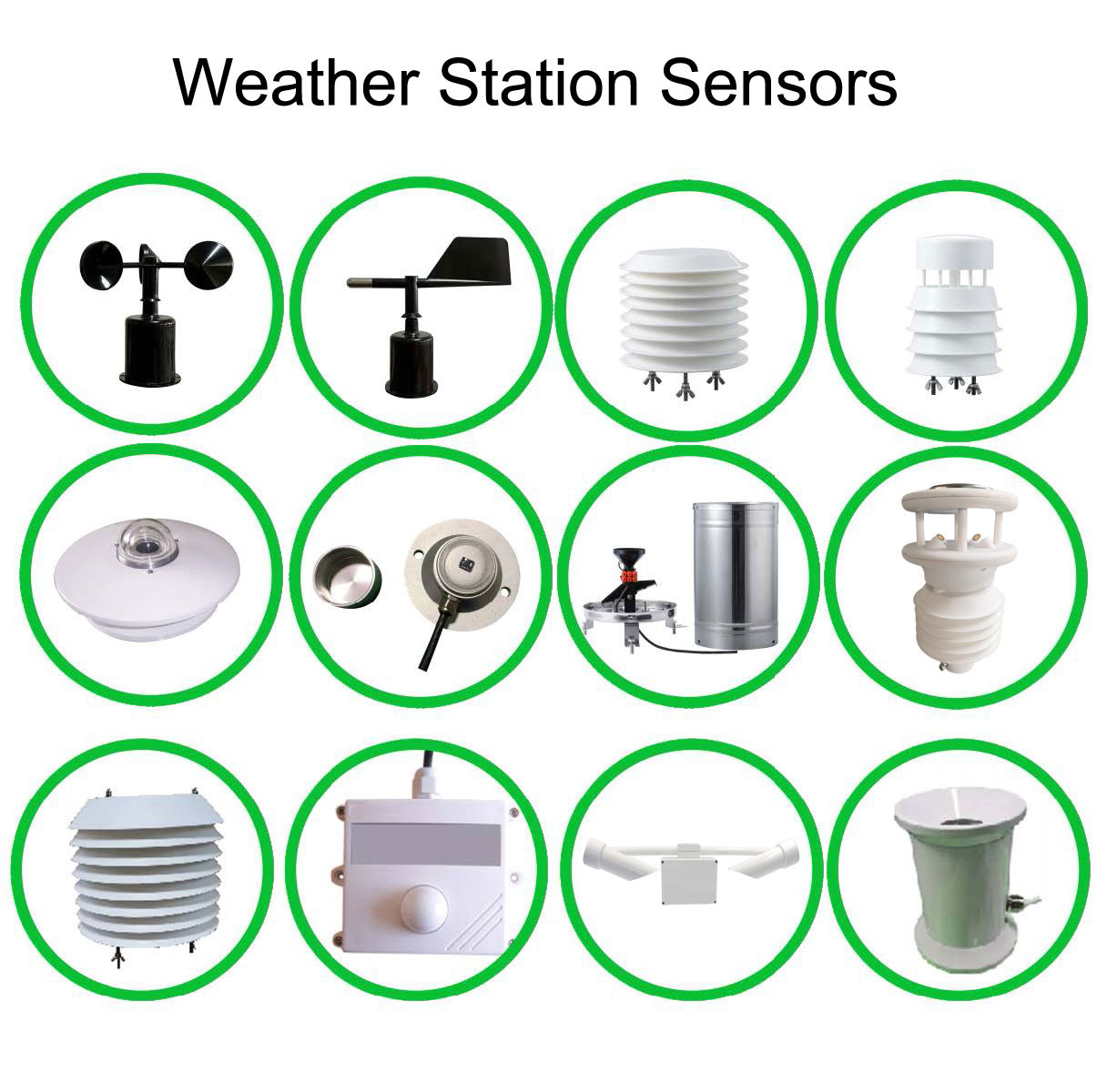
The campus weather station mainly consists of a meteorological sensor array, data collector (acquisition instrument), and cloud platform software. For integrators, NiuBoL has the following advantages in system engineering design:
1. High Scalability Interface: The data collector supports multiple RS485 (Modbus-RTU) inputs, allowing integrators to add soil temperature and humidity, carbon dioxide, or ultraviolet sensors according to project budget.
2. Diversified Communication Links: Supports multiple transmission methods such as Ethernet, 4G/5G, and Wi-Fi to ensure stable data reporting to campus large screens or education bureau clouds in various campus network environments.
3. Teaching-oriented Visualization Software: The supporting software not only provides real-time data curves but also supports historical data export, facilitating students to conduct statistical analysis and write scientific investigation reports.
4. Low Power Consumption and High Protection: The overall design meets industrial-grade protection levels (IP65 and above) and supports solar or mains power supply, ensuring stable operation during long holidays in unattended status.
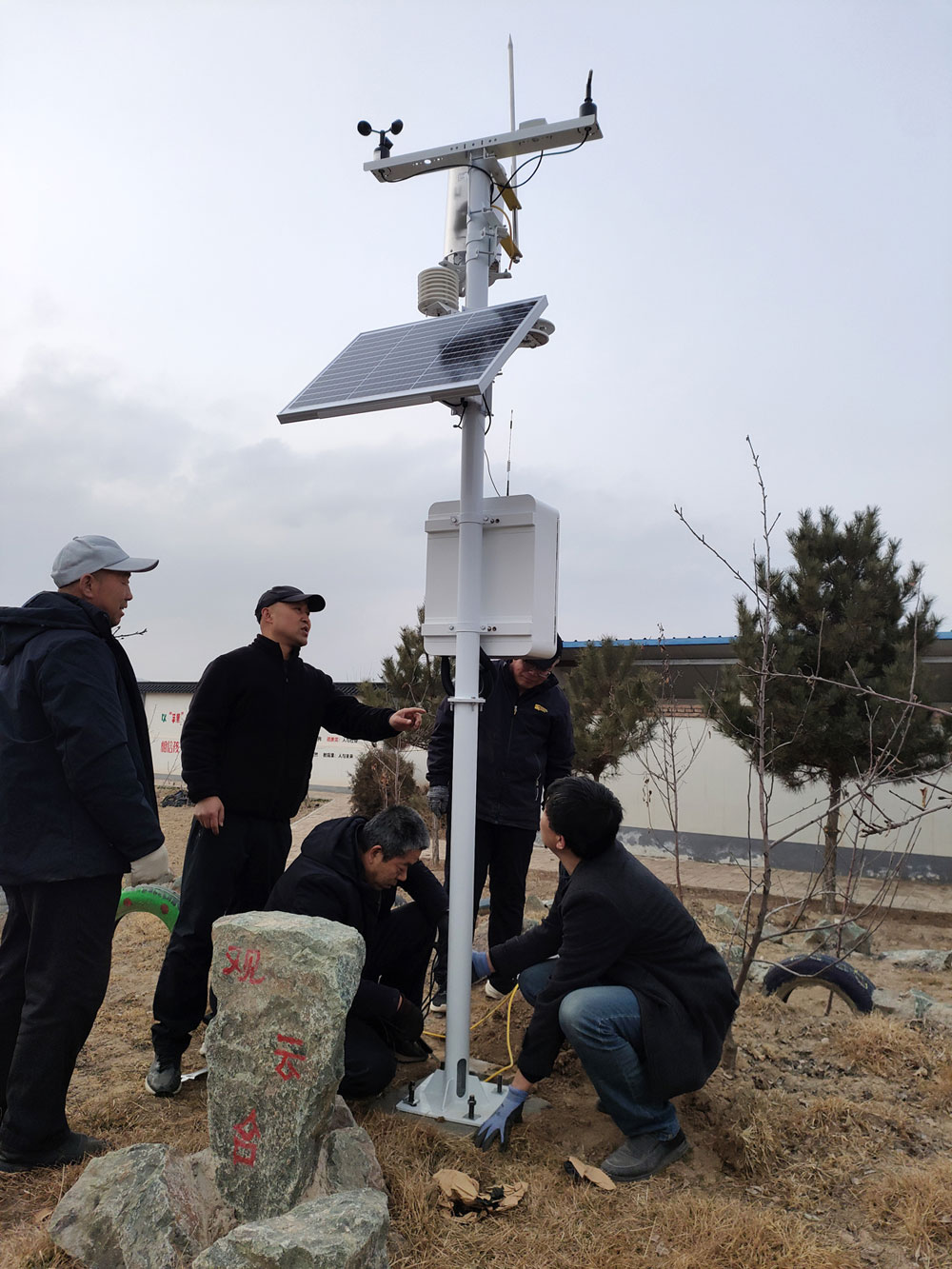
The campus environment is special, and the physical safety of equipment is a key point of project acceptance. Special engineering protection for campus scenarios:
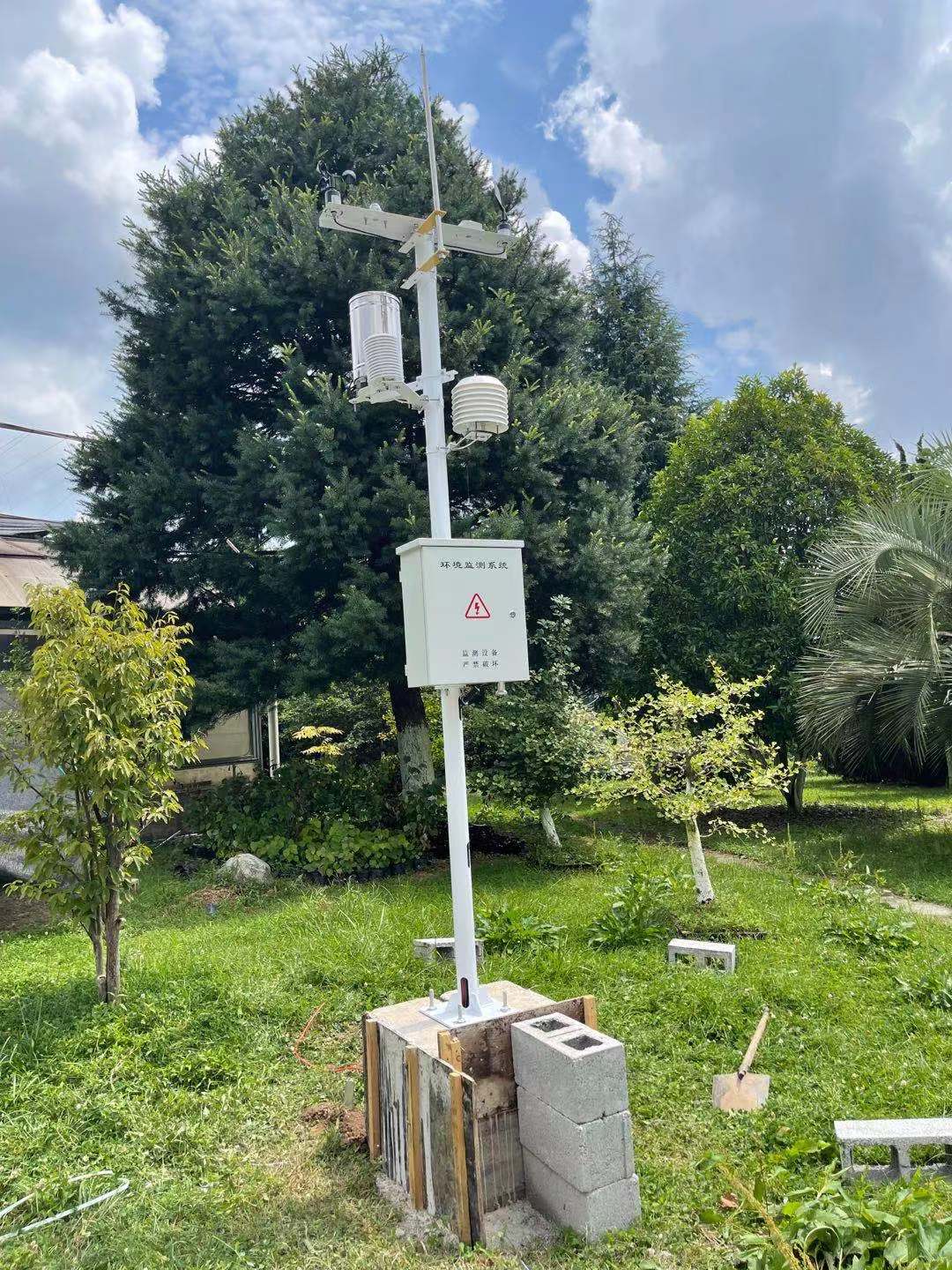
Anti-climbing and Anti-accidental Injury Design: The weather station bracket adopts rounded chamfer design with no sharp protrusions; the fence uses UV-resistant spraying, and the height meets campus safety standards to prevent students from accidentally climbing.
High-strength Reinforced Base: For areas such as playgrounds and rooftops that are easily affected by typhoons or strong winds, reinforced concrete embedded parts or weighted counterweights are provided to ensure the structure remains stable under Level 12 strong winds.
Concealed Wiring: All signal and power lines are routed inside the support pole and protected with threading hoses to prevent students from touching or human damage, extending equipment service life.
1. Primary School Stage: Science Enlightenment and Observation
By observing wind vane rotation and temperature changes, stimulate primary school students' curiosity about natural phenomena. Carry out the activity "I am a Little Meteorologist" to cultivate the habit of recording meteorological logs daily.
2. Middle School Stage: Geography Practical Training and Interdisciplinary Research
Combined with "Atmospheric Circulation" and "Frontal System" in geography courses, students use first-hand data from campus weather stations for project research. At the same time, by understanding the working principle of sensors, stimulate students' interest in physics, sensor technology, and computer programming (data processing).
3. Safe Campus: Disaster Prevention and Emergency Management
School administrative management uses weather forecast and early warning services provided by weather stations to formulate emergency plans for flood prevention, lightning protection, and high temperature prevention in advance to ensure campus property and the safety of teachers and students.
| Dimension | NiuBoL Campus Professional Edition Solution | Simple Teaching Model/Assembly Machine |
|---|---|---|
| Measurement Accuracy | Industrial-grade standard: Sensors come with calibration certificates, data can be benchmarked against meteorological bureaus | Large entertainment-grade error, only shows general trends |
| Stability | IP65/66 protection: Aluminum alloy and anti-aging materials, lifespan 5-8 years | Plastic material is prone to embrittlement and does not have lightning protection capability |
| Integration | Open protocol: Supports access to campus IoT platforms and smart large screens | Closed system, data cannot be exported or redeveloped |
| Early Warning Function | Automatic trigger: Supports automatic SMS alarms for extreme weather and air quality | No automatic early warning function, manual query required |
Q1. What is the difference between campus weather stations and professional stations of meteorological bureaus?
Campus weather stations focus more on science popularization education and local micro-climate monitoring. Their sensor accuracy reaches industrial-grade standards, but the layout is more flexible, closer to students' living areas, and the supporting software pays more attention to teaching interaction and data analysis functions.
Q2. Can sensors be added freely?
Yes. NiuBoL's data collector adopts a modular design. As long as the communication protocol is compatible (usually Modbus-RTU), integrators can add sensors such as negative oxygen ions and sunshine duration later according to teaching needs.
Q3. Does installing a campus weather station require special site requirements?
It is recommended to install it in open green belts or teaching building roofs in the campus without tall buildings or tree shading to ensure the accuracy of wind speed and direction monitoring. We will provide project contractors with detailed base installation drawings.
Q4. How do students access these monitoring data?
Data can be transmitted to campus smart large screens, PC monitoring software, or mobile APP via local area network. Integrators can also integrate data into the school's existing smart campus App through API interfaces.
Q5. Does this weather station require frequent maintenance?
NiuBoL sensors adopt designs without mechanical wear (such as optical rainfall, piezoelectric rainfall, ultrasonic wind speed and direction). Maintenance frequency is extremely low. It is generally recommended to clean the optical window and radiation shield once per semester.
Q6. Does the system support extreme weather alarms?
Yes. The system can preset alarm thresholds for various parameters (such as wind speed exceeding Level 8, severe PM2.5 pollution). After triggering, it will automatically push reminders to administrators via SMS or platform.
Q7. How is the power supply of the campus weather station solved?
It supports direct AC 220V power supply and also supports independent power supply solutions with solar panels and batteries. The latter is very suitable for installation in playground areas where wiring is inconvenient.
Q8. Can this device withstand severe cold or extreme heat?
The device operating temperature range is -40°C to 80°C. It uses UV-resistant and anti-aging materials and can operate reliably in both cold northern winters and hot southern summers.
Q9. How to verify the data accuracy of the weather station?
NiuBoL sensors support linear calibration with local meteorological station data. During project acceptance, integrators can use handheld calibrators for on-site comparison tests to ensure that the accuracy of each parameter meets the standards for science popularization base construction.
Q10. Will data be lost if the school experiences power outages during winter and summer vacations?
No. If the solar power supply solution is adopted, the system operates independently; if mains power is used, the data collector has power-down storage function and will automatically补齐 the missing data curve after power is restored.
Q11. Will installing this weather station produce electromagnetic radiation?
Absolutely not. Campus weather stations are passive sensing or micro-power wireless transmission (4G/Wi-Fi), and their electromagnetic radiation intensity is far lower than that of ordinary indoor routers, with no impact on student health.
Campus weather stations are not only instruments for recording wind and rain but also digital bridges connecting students with natural science. By introducing NiuBoL industrial-grade meteorological sensing technology, schools can establish a comprehensive, multi-level meteorological science popularization education system and provide solid hardware support for improving youth scientific literacy.
As a manufacturer, we continue to provide system integrators and educational engineering companies with stable, precise, and easy-to-integrate weather station solutions. If you are preparing a smart campus or science popularization base project, please contact NiuBoL to obtain professional product selection manuals and technical integration support.
Related recommendations
Sensors & Weather Stations Catalog
 Agriculture Sensors and Weather Stations Catalog-NiuBoL.pdf
Weather Stations Catalog-NiuBoL.pdf
Agriculture Sensors Catalog-NiuBoL.pdf
Water Quality Sensor Catalog-NiuBoL.pdf
Related products
 Combined air temperature and relative humidity sensor
 TDR Soil Moisture & Temperature Sensor for irrigation| RS485 |4-20mA| NBL-S-THR
 Soil pH sensor RS485 soil Testing instrument soil ph meter for agriculture |NBL-S-PH
 Wind Speed sensor Output Modbus/RS485/Analog/0-5V/4-20mA
 Tipping bucket rain gauge for weather monitoring auto rainfall sensor RS485/Outdoor/stainless steel
 Pyranometer Solar Radiation Sensor 4-20mA/RS485

Screenshot, WhatsApp to identify the QR code
WhatsApp number:+8615367865107
(Click on WhatsApp to copy and add friends)

