





— Blogs —
—Products—
 Consumer hotline +8618073152920
 WhatsApp:+8615367865107
Address:Room 102, District D, Houhu Industrial Park, Yuelu District, Changsha City, Hunan Province, China
Product knowledge
Time:2026-01-12 09:34:28 Popularity:1082
In smart agriculture and environmental monitoring fields, the automatic weather station serves as the "five senses" of digital decision-making. However, high-performance NiuBoL hardware is only the foundation; scientific installation is the key to ensuring data has scientific research value.
Meteorological instruments are precision sensing units. Any minor installation deviation—such as the wind vane deviating 5 degrees from due south, or the internal protection device of the rain gauge not removed—will cause systematic errors in data returned to the cloud platform. This article will break down the full-process installation standards from underlying sensors to site selection.
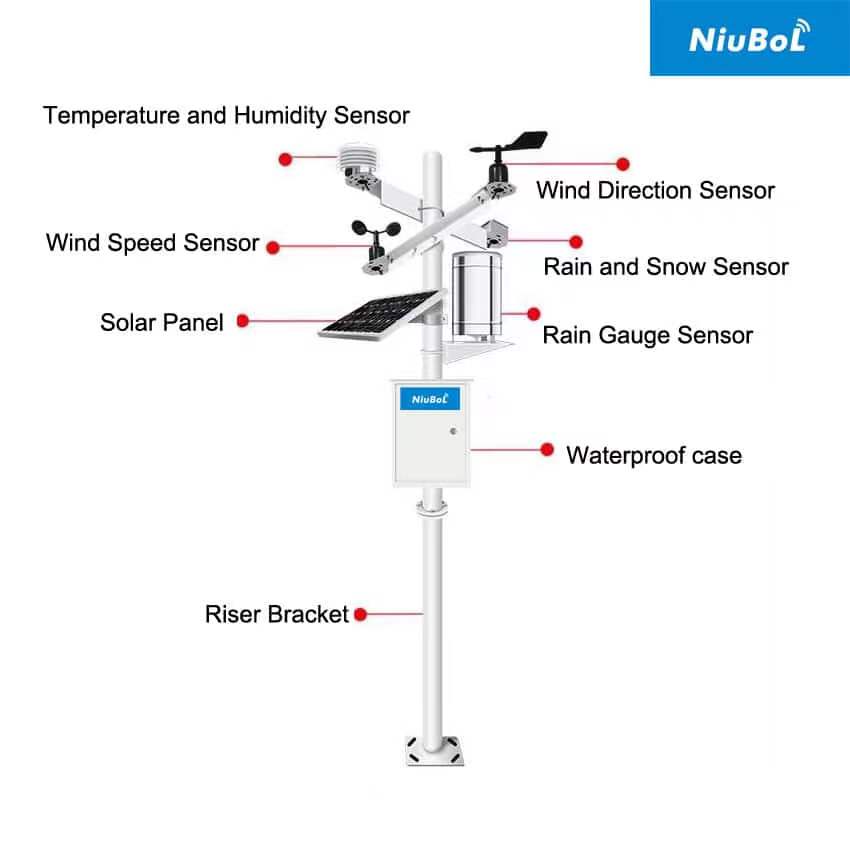
Sensor installation is not just physical fixation; it involves precise orientation and initial mechanical activation.
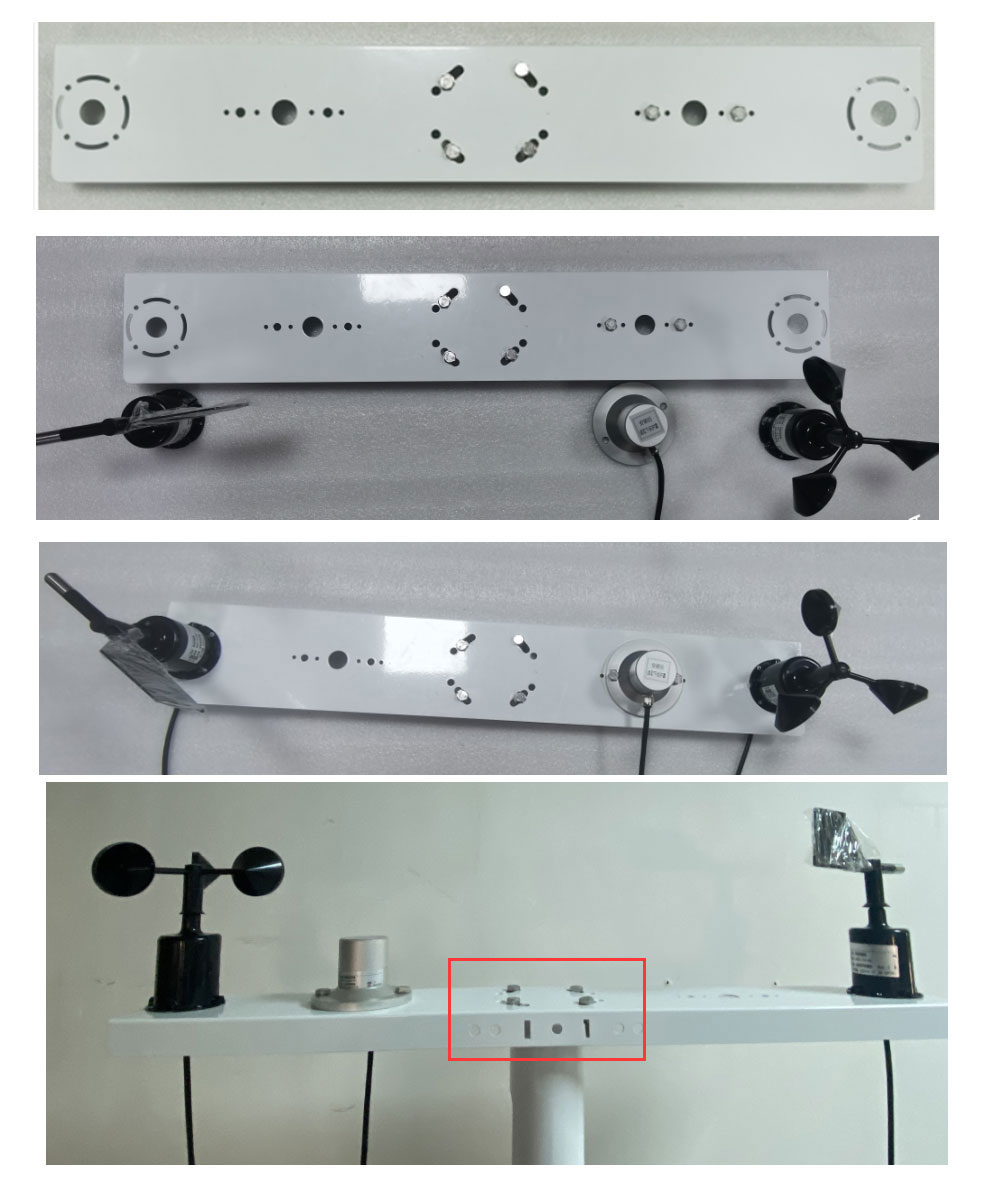
Orientation error is the primary reason for unusable weather station data.
Mechanical Wind Direction Sensor: During installation, the "south-pointing arrow" on the sensor label must be found. Use a compass to determine geographic due south (180°), and accurately point the south-pointing white dot in that direction. If the direction deviates, wind direction data will be offset overall.
Ultrasonic Wind Speed and Direction Sensor: There is a triangular arrow on the top. Unlike mechanical sensors, the triangular arrow of the ultrasonic sensor must strictly point to geographic due north (0°).
Many newly installed devices show no rainfall data, usually because the "rubber band" was not removed.
Separate inspection: Remove the three screws on the lower side to separate the rain bucket from the base.
Remove limit protection: Manually remove the fixed rubber band on the tipping bucket mechanism (this rubber band is only used to prevent transport damage). If not removed, the tipping bucket cannot swing, and the system will always record "zero rainfall".
Level verification: Ensure the base is installed level; otherwise, uneven force on the tipping bucket left and right will directly affect measurement accuracy.
Total Radiation Sensor: After installation and fixation, be sure to remove the protective cover. If the glass cover is obstructed, the photovoltaic effect cannot occur, leading to data loss.
Soil pH Sensor (Glass Electrode Type):
1. Remove the transparent protective cover; strictly prohibit touching the glass probe.
2. Fix the black filter tank and wrap the filter net to prevent sand scratches or adhesion to the electrode.
3. After burial in soil, inject an appropriate amount of clean water to establish an electrochemical circuit.
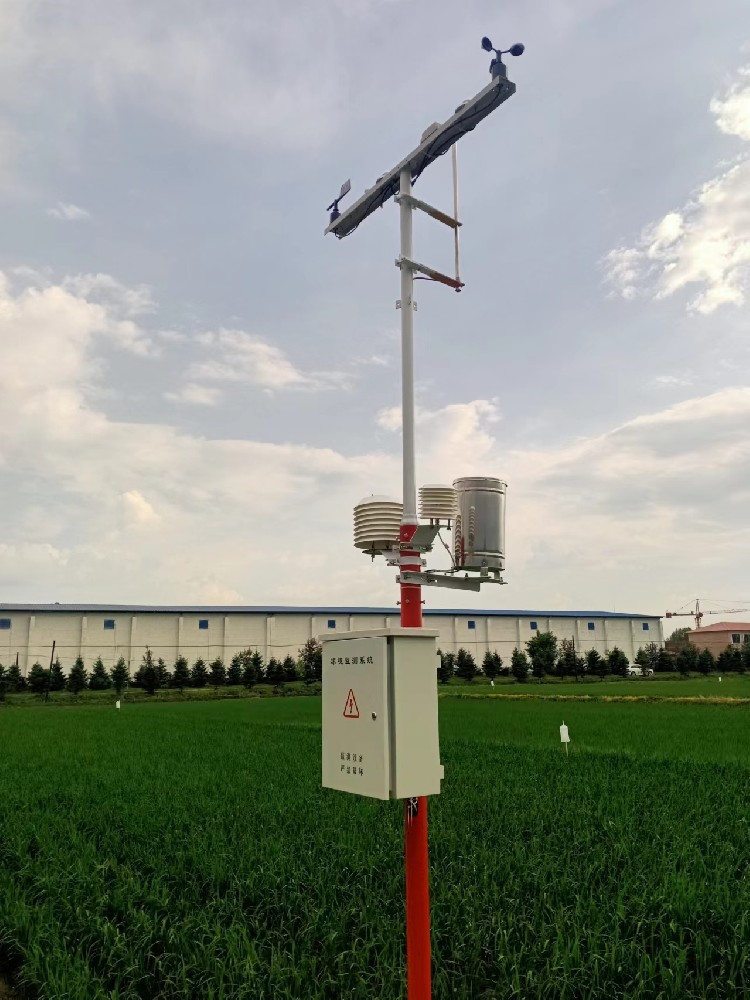
A scientific monitoring point must satisfy the three principles of "open, pure, and safe".
1. Obstacle Avoidance Strategy and Air Circulation
The automatic weather station should be installed in a flat and open area. Strictly prohibit tall buildings, trees, or walls within 10 meters around. These obstacles will produce "eddy currents" or "shielding effects", causing wind speed data to be too high or too low, and interfering with the natural distribution of precipitation.
2. Weak Current Environment and Magnetic Field Avoidance
Sensors are weak signal transmission devices. The installation position must be away from strong magnetic fields and strong radiation sources, such as transformers, high-voltage lines, base station antennas, etc. Strong electromagnetic interference will generate high-frequency noise, causing a large number of abnormal burrs in cloud curves.
3. "Lifeline" of Communication Link
Since NiuBoL weather stations rely on 4G/5G and other wireless networks for transmission, field test network signals before installation (RSRP must be better than -100dBm).
When connecting the communication module to the collector, in addition to the power line, the white communication signal line must also be connected; otherwise, data inside the collector cannot be transmitted to the transmission module.
1. Experience-Oriented System
Installation of automatic weather stations must be personally operated by experienced technicians. Wind direction calibration, lightning protection grounding layout, and communication protocol matching all require professional background. Strictly prohibit inexperienced personnel from independently constructing without guidance.
2. Equipment Operation Details
Handle with care: Sensors contain many precision ceramic or glass structures; strictly prohibit violent installation or knocking.
Integrity check: Before installation, check against the NiuBoL packing list to verify sensors, brackets, solar panels, batteries, and host accessories.
Anti-interference measures: Set up fences at the installation site to prevent livestock from biting sensor cables or malicious human damage.
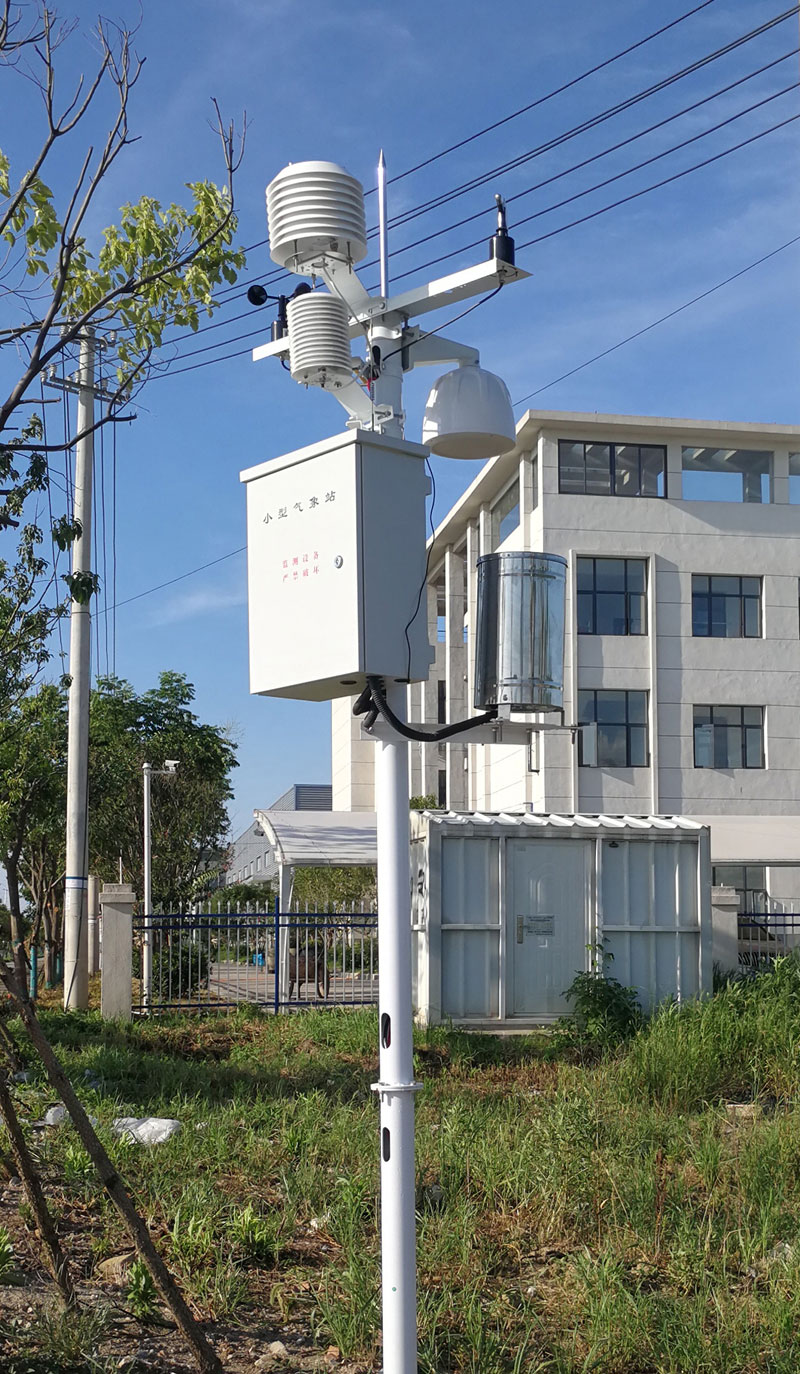
Q1: After installation, wind direction data remains unchanged, what's wrong?
A: First check if the wind vane is stuck by foreign objects; second check if the collector interface is loose; finally confirm if the correct communication protocol is used, or if the white communication line is securely connected.
Q2: Rain gauge installed, manual watering shows data, but no data during rain?
A: This situation is usually because there is an obstruction above the installation environment (such as eaves, branches), or the rain bucket is not fully restored. Please ensure the rain bucket opening is fully exposed to the sky.
Q3: Solar panels are charging every day, but the device drops offline at night?
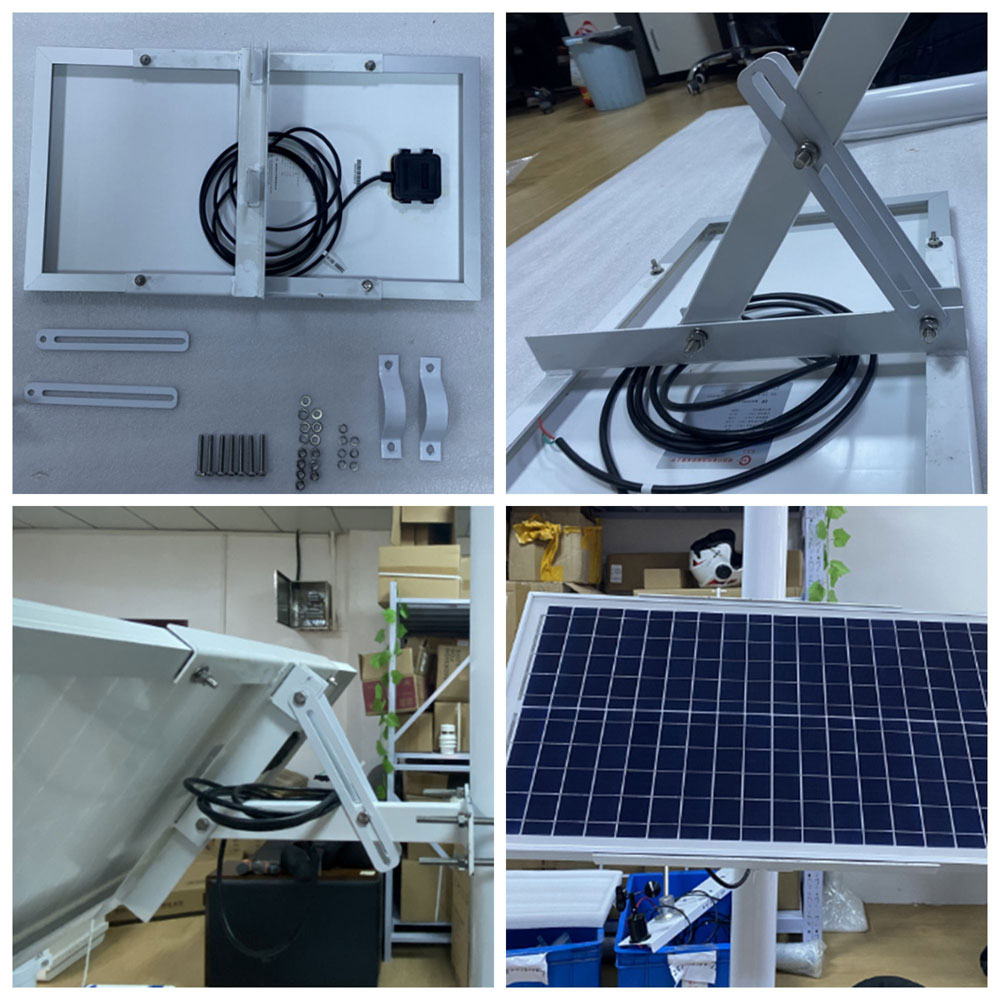
A: Please check the orientation of the solar panels. In the northern hemisphere, they should face due south. Also check if the battery capacity has aged, or if there are continuous rainy days locally causing insufficient recharge.
Q4: Communication module connected, why does the cloud platform still not show data?
A: Please check if the SIM card is out of service or signal blocked. Pay special attention that the white communication line between the NiuBoL collector and communication module must be securely plugged in—this is the "lifeline" of data transmission.
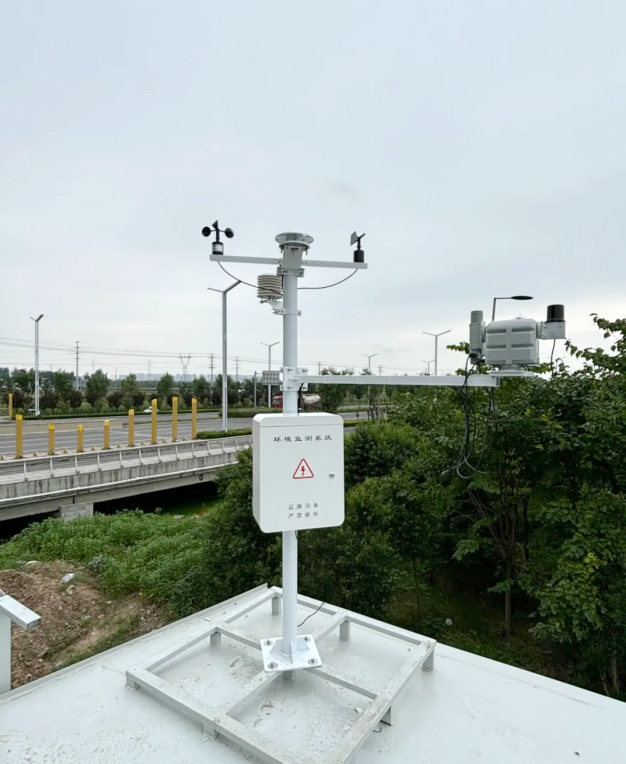
The life of an automatic weather station lies in the accuracy of data. By strictly following installation details such as wind direction orientation, rain gauge activation, and avoiding strong magnetic fields, we not only protect the physical life of NiuBoL equipment but also ensure the scientific nature of agricultural decision-making.
The success of smart agriculture begins with the first bracket in the field. Standardized installation is the first step in allowing the language of nature to be accurately "translated" by digital platforms.
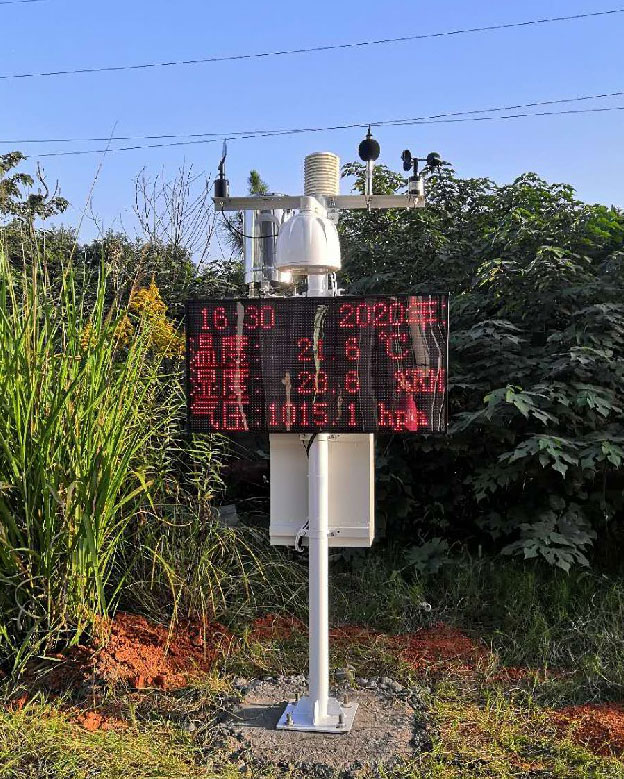
Wind Direction Orientation Standard: Mechanical type south-pointing white dot points due south (180°); Ultrasonic arrow points due north (0°).
Bracket Verticality: Deviation must be controlled within ±0.5°.
Communication Protocol: Modbus-RTU.
Power Supply Environment: DC 12V-24V.
Network Environment: 4G (LTE) / 5G / GPRS, signal RSRP > -105dBm.
Maintenance Cycle: Recommend quarterly sensor surface cleaning and fastener inspection.
Prev:Smart Agriculture: How NiuBoL Soil Moisture Monitoring Station Achieves Long-Term Precise Monitoring
Related recommendations
Sensors & Weather Stations Catalog
 Agriculture Sensors and Weather Stations Catalog-NiuBoL.pdf
Weather Stations Catalog-NiuBoL.pdf
Agriculture Sensors Catalog-NiuBoL.pdf
Water Quality Sensor Catalog-NiuBoL.pdf
Related products
 Combined air temperature and relative humidity sensor
 TDR Soil Moisture & Temperature Sensor for irrigation| RS485 |4-20mA| NBL-S-THR
 Soil pH sensor RS485 soil Testing instrument soil ph meter for agriculture |NBL-S-PH
 Wind Speed sensor Output Modbus/RS485/Analog/0-5V/4-20mA
 Tipping bucket rain gauge for weather monitoring auto rainfall sensor RS485/Outdoor/stainless steel
 Pyranometer Solar Radiation Sensor 4-20mA/RS485

Screenshot, WhatsApp to identify the QR code
WhatsApp number:+8615367865107
(Click on WhatsApp to copy and add friends)

