





— Blogs —
—Products—
 Consumer hotline +8618073152920
WhatsApp:+8615367865107
Address:Room 102, District D, Houhu Industrial Park, Yuelu District, Changsha City, Hunan Province, China
Product knowledge
Time:2025-01-11 19:55:12 Popularity:1609
Dust monitoring alarm response needs an assigned recipient, a check of the observation, a site decision and a recorded outcome. An alarm message does not remove dust, identify its source or confirm that a control measure worked. Define this response workflow alongside the NiuBoL station so a valid warning reaches someone who can act.
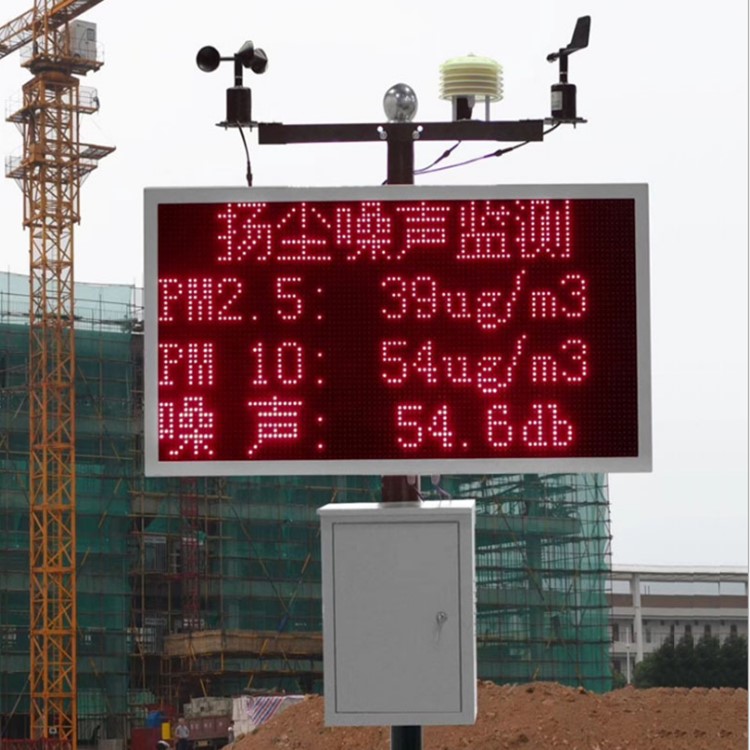
A construction site may have several possible recipients: the contractor's supervisor, an environmental manager and an equipment-service contact. Their responsibilities differ. The supervisor can review ongoing work; the environmental manager can interpret the event under the project's rules; the service contact can investigate invalid readings or equipment faults.
Name a primary recipient and an escalation route for the periods when the station operates. A dashboard visible in an office is not a staffed response arrangement outside office hours. Agree who acknowledges an event and how an unresolved warning reaches the next responsible person.
Use the project's approved trigger and reporting requirements. There is no single concentration threshold or delay suitable for every site, measurement method and reporting duty. Preserve the configured quantity, unit, averaging period and trigger behavior with the event so staff know what caused the message.
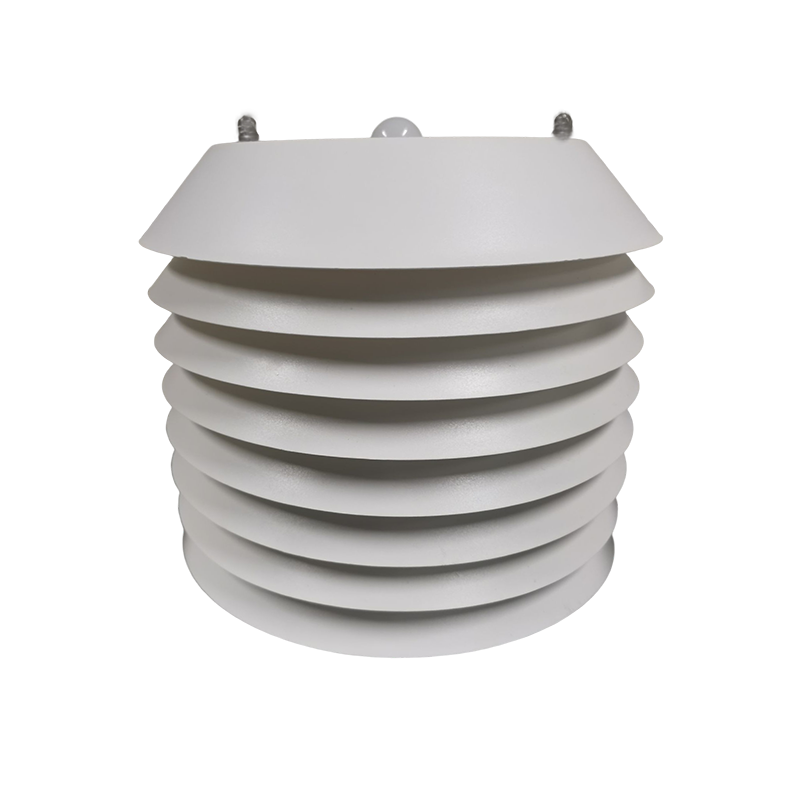
The NBL-W-PM particulate sensor reports PM2.5 and PM10 through RS485 Modbus RTU. Its PM2.5 range is 0-1000 ug/m3 and its PM10 range is 0-2000 ug/m3. The logger or application must interpret the right channel and unit before using the value in an alarm rule.
Separate a new concentration observation from an old value that remains on screen. Check the observation time, sampling status and relevant service information. If staff suspect an input fault, retain the original event and flag the investigation; deleting a warning because the cause is uncertain hides the problem rather than resolving it.
| Event stage | Responsible action | Record to retain |
|---|---|---|
| Notification | Confirm the correct recipient received it | Station, channel, trigger value and event time |
| Validity check | Review freshness, sampling condition and relevant faults | Whether the observation is usable, suspect or incomplete |
| Site investigation | Check active work and local conditions | Activity, location, wind context and other plausible causes |
| Response | Carry out the authorized operational decision | Action, responsible person and implementation time |
| Follow-up | Review subsequent valid observations | Continuation, escalation or reason for closing the event |
This is an operational record, not an automatic compliance certificate. Keep equipment-service decisions separate from work-management decisions: repairing a blocked sampling path and changing a dusty operation solve different problems.
A PM peak can coincide with loading, vehicle movement, nearby work or a change in the sampled air. Record what was happening during the relevant observation period. Wind observations and time-matched imagery can help narrow the explanation, but they do not automatically identify a responsible source.
Suppose a warning arrives just after a loading operation stops. Check whether the application reports a recent average or a single fresh observation before deciding that the warning is late or the site remains equally dusty. A reporting period can include conditions that ended before the message reached the recipient.
Protect the measurement during this review. Mist near an optical inlet or a disturbed sampling path can affect interpretation. Staff should investigate the installation condition without relocating the station merely to obtain a lower reading. Any necessary move needs its own documented location and time boundary.
The appropriate response depends on the activity and the project's environmental plan. It may involve checking material handling, reviewing traffic arrangements or operating an approved control measure. Monitoring staff should follow the agreed authority and escalation process rather than treat every alarm as the same command.
Automatic sprinkler linkage, where required, is a separate control function. A sensor reading does not prove that a pump ran, a valve opened or water reached the intended area. The interface, local protections and physical feedback need to be specified and tested for that control system.
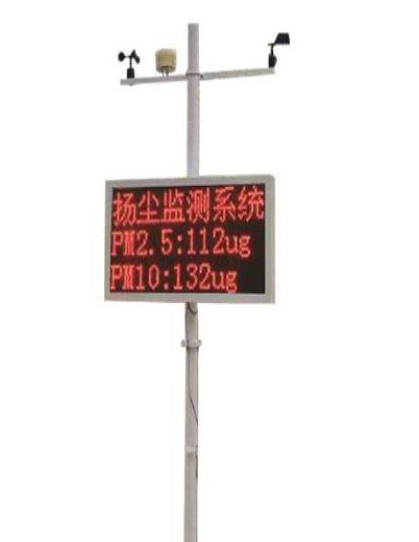
An acknowledgement means someone received the warning. It does not mean the condition ended. A recovery message means the configured rule has changed state; it does not necessarily establish that one action caused an improvement.
For closure, record the relevant later observations, activity changes and any unresolved sampling uncertainty. If a reading fell after both wind and site activity changed, describe those conditions rather than crediting the entire decrease to a single control action. Use the same measurement quantity and reporting convention when reviewing the event.
Where several warnings concern the same continuing episode, define how the platform groups or repeats them. Otherwise a supervisor may receive many messages while the record never identifies the episode's beginning, actions or end. Confirm this application behavior in the delivered software rather than assuming it is a standard sensor feature.
Use an authorized test to verify event creation, notification, acknowledgement, escalation and recovery. Keep the test identifiable so it is not mixed with real site events. A numeric value read successfully by a PLC or RTU is only one part of this chain.
For an enquiry, provide NiuBoL with the required PM channels, existing logger or gateway, receiving application and intended notification route. Include the project-defined alarm behavior and whether any control linkage is required. Separate instrument supply from platform configuration and site response responsibilities in the quotation.
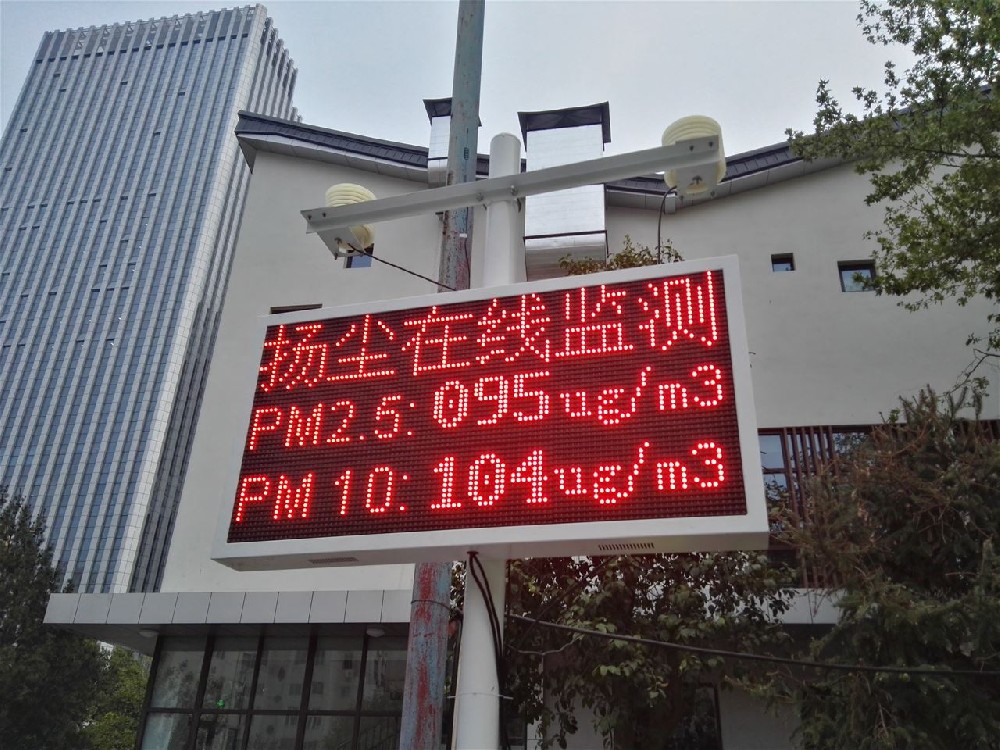
No. It indicates that the configured rule triggered. Field action and any automatic control equipment are separate parts of the project.
Assign a primary person who can review the operation, with an escalation route and separate technical support for measurement faults. Match coverage to the station's operating period.
No. Preserve it with the validity assessment and investigation result. A suspected measurement problem should be visible rather than silently removed from the history.
Not alone. Review comparable observation periods, activity, wind and sampling condition. Several changes can contribute to a decrease.
Demonstrate the agreed notification and response states, including recipients, timing, acknowledgement and recovery. Identify simulated events separately from operational records.
Only if that matches the agreed workflow. Recovery of the trigger condition is different from documenting the cause, action and any unresolved measurement issue.
Dust monitoring alarm response turns a warning into an accountable site workflow. Verify the observation, assign the operational decision and record why an event remains open or closes. The monitoring station supplies information; the project must define how that information is used.
Prev:Rainfall Monitoring for Water Budgets: Depth, Volume and Usable Water
Next:City Dust Monitoring Sensors: PM, Weather, Gas and Noise Roles
Related recommendations
Sensors & Weather Stations Catalog
 Agriculture Sensors and Weather Stations Catalog-NiuBoL.pdf
Weather Stations Catalog-NiuBoL.pdf
Agriculture Sensors Catalog-NiuBoL.pdf
Water Quality Sensor Catalog-NiuBoL.pdf
Related products
 Combined air temperature and relative humidity sensor
 TDR Soil Moisture & Temperature Sensor for irrigation| RS485 |4-20mA| NBL-S-THR
 Soil pH sensor RS485 soil Testing instrument soil ph meter for agriculture |NBL-S-PH
 Wind Speed sensor Output Modbus/RS485/Analog/0-5V/4-20mA
 Tipping bucket rain gauge for weather monitoring auto rainfall sensor RS485/Outdoor/stainless steel
 Pyranometer Solar Radiation Sensor 4-20mA/RS485


Screenshot, WhatsApp to identify the QR code
WhatsApp number:+8615367865107
(Click on WhatsApp to copy and add friends)

