





— Blogs —
—Products—
 Consumer hotline +8618073152920
 WhatsApp:+8615367865107
Address:Room 102, District D, Houhu Industrial Park, Yuelu District, Changsha City, Hunan Province, China
Product knowledge
Time:2026-02-15 09:39:05 Popularity:501
With the in-depth advancement of the national strategies of “Transportation Powerhouse” and “Vehicle-Road-Cloud Integration,” expressway meteorological monitoring has evolved from a traditional auxiliary facility into a key infrastructure supporting proactive safety warnings, autonomous driving decisions, and road network scheduling optimization. For system integrators, IoT solution providers, and general engineering contractors, selecting a meteorological monitoring device with high reliability, low maintenance burden, and strong system compatibility has become a core variable determining project success and full lifecycle cost control.
The expressway all-in-one meteorological monitoring instrument launched by NiuBoL is specifically designed to address these pain points, built around anti-interference design, modular architecture, and edge intelligence to create an industrial-grade meteorological perception terminal suitable for deployment needs over the next decade.
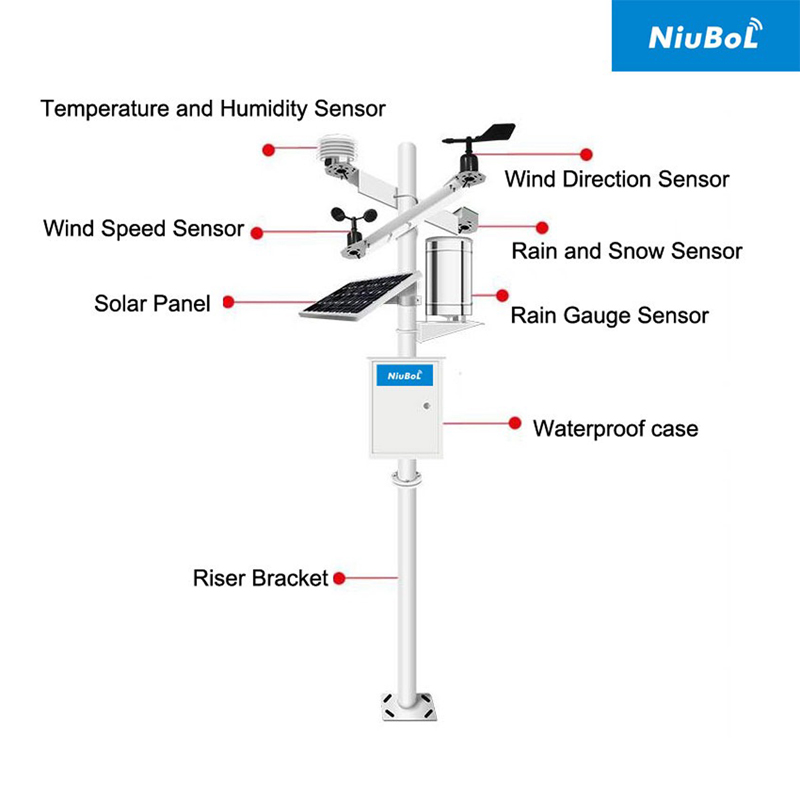
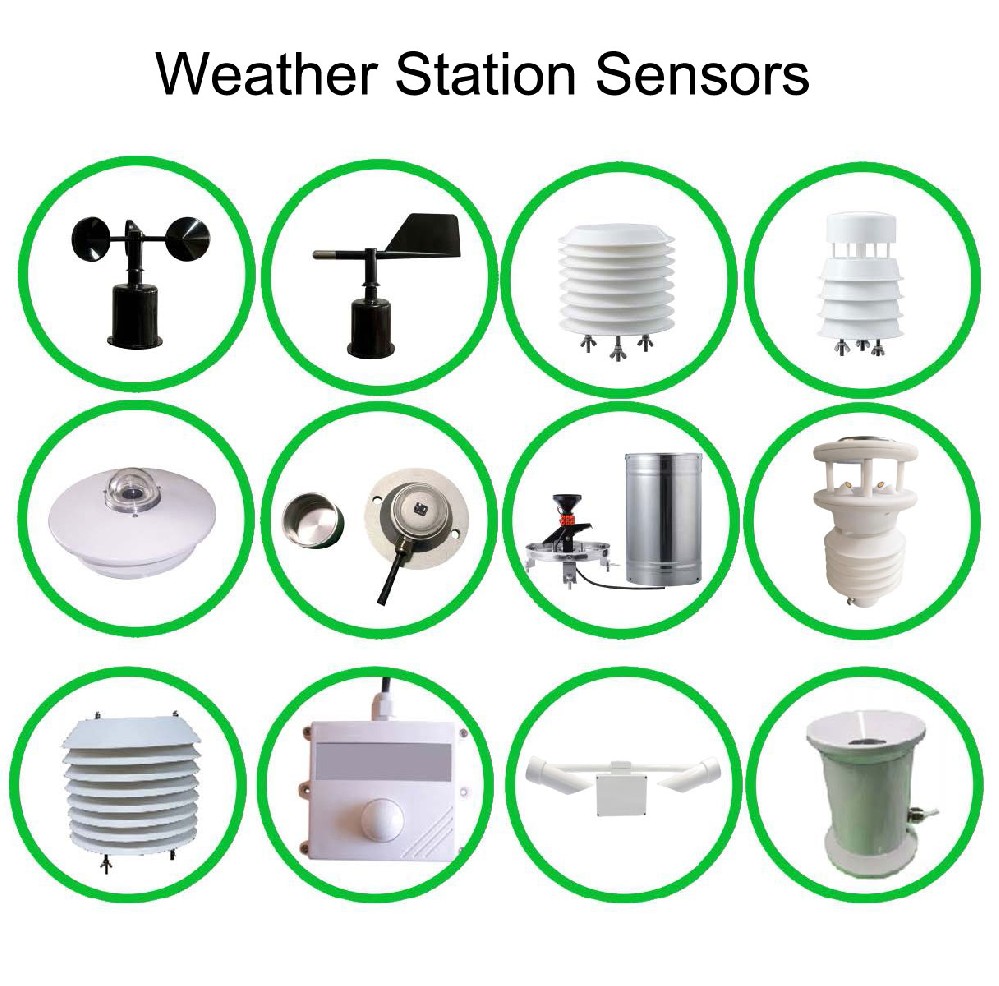
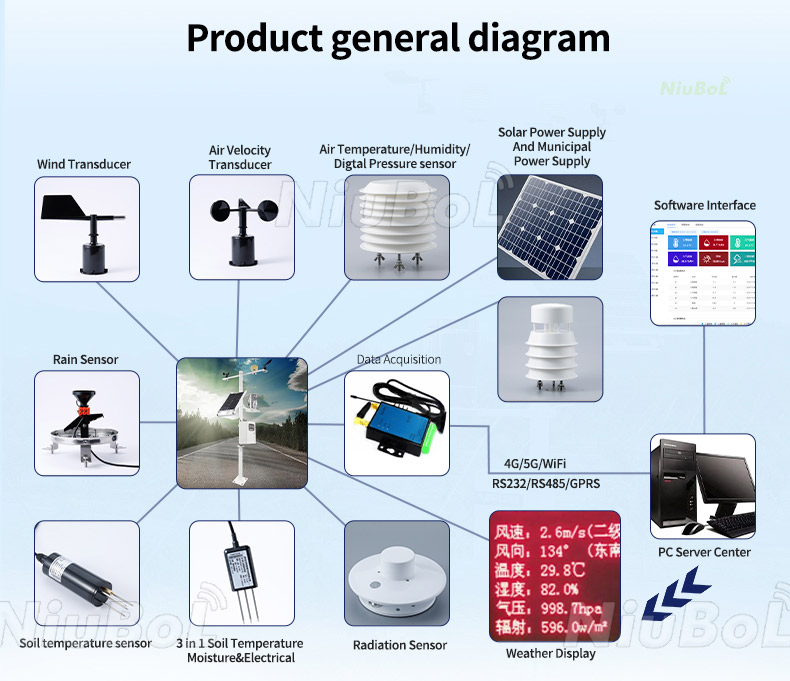
NiuBoL meteorological monitoring all-in-one instrument adopts a multi-parameter fusion perception architecture with the following key sensing units:
| Sensor Type | Technical Principle | Measurement Range |
|---|---|---|
| Ultrasonic 3D Wind Speed & Direction Sensor | Ultrasonic time-difference method (no mechanical structure) | Wind speed: 0–60 m/s; Wind direction: 0–360° |
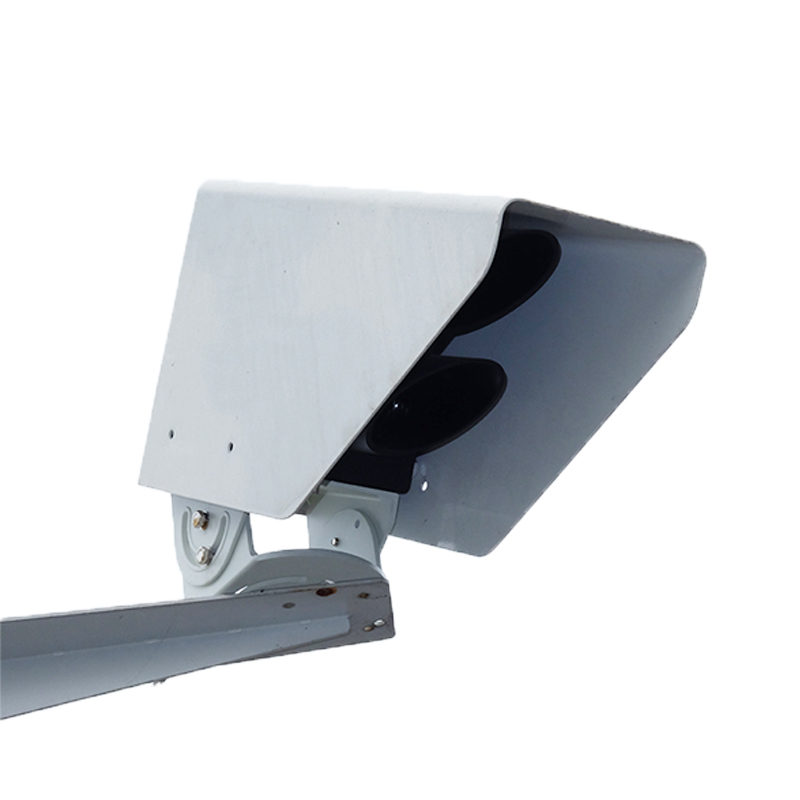
| Embedded Infrared Road Surface Condition Sensor | Multi-band infrared reflection + thermopile temperature measurement | Road surface temperature: -40℃ ~ +80℃; Status recognition (dry/wet/water/ice/snow) |
| Four-Element Meteorological Module | Capacitive humidity + PT1000 temperature + piezoresistive pressure + illuminance | Temperature: -40~+70℃; Humidity: 0~100% RH; Pressure: 300~1100 hPa |
| Visibility Sensor (Optional) | Forward scattering principle | 5 m – 30 km |
Expressway environments are complex with strong electromagnetic interference, drastic temperature changes, and frequent mechanical impacts. NiuBoL ensures long-term stable operation through a three-layer anti-interference architecture:
2.1 Mechanical Anti-Interference Design
- Main structure uses 316L stainless steel + aviation-grade aluminum alloy, resistant to salt fog corrosion, suitable for coastal and high de-icing agent usage areas;
- Sensor layout follows fluid dynamics optimization to reduce crosswind resonance and dust accumulation;
- Road surface sensor uses ceramic encapsulation + epoxy resin potting, compressive strength >50 MPa, withstands repeated crushing by heavy trucks.
2.2 Electrical Anti-Interference
- Power input supports wide voltage DC 9–36 V, adapting to solar power fluctuations;
- Communication interfaces (RS485) pass EMC Class B certification, deployable near strong interference sources such as ETC gantries and LED message boards.
2.3 Software-Level Fault Tolerance
- Dual watchdog + heartbeat packet detection for automatic restart on anomalies;
- Data acquisition includes timestamp verification + CRC32 check to prevent transmission packet loss leading to misjudgment;
- Supports local caching of 72-hour data, no loss of key meteorological events during network interruption.
Traditional weather stations require 3–4 manual maintenance visits per year, mainly due to mechanical wear, power interruptions, and on-site debugging. NiuBoL achieves “near-zero maintenance” through three major innovations:
Energy Self-Sustaining System
- Solar + lithium iron phosphate dual-mode power supply: standard 60 W PV panel + 30 Ah battery, supports continuous operation for 7 days in cloudy/rainy conditions;
- Dynamic power management: standby current<5 mA, full-load consumption <8 W, far below industry average of 15 W.
Remote O&M Platform
- Real-time monitoring of device status (voltage, signal strength, sensor health);
- Provides API docking with mainstream traffic cloud platforms, no secondary development required.
For system integrators, device protocol compatibility and deployment flexibility directly determine project delivery cycle and customer satisfaction.
Interface & Protocol Support
Wired: RS485 (Modbus RTU), Ethernet (Modbus TCP, HTTP API)
Wireless: 4G, 5G, LoRaWAN (optional)
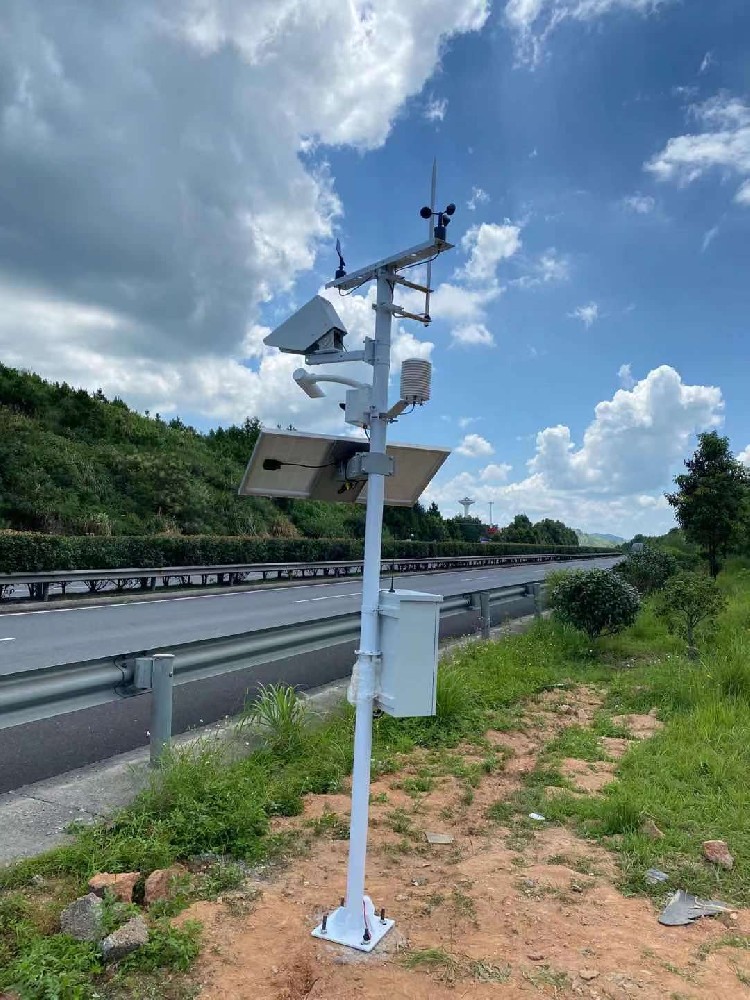
| Project Type | Recommended Configuration | Deployment Key Points |
|---|---|---|
| Plain Expressway Regular Sections | Basic four-element + ultrasonic wind speed | Deploy 1 unit every 5–8 km, install on outer guardrail posts |
| Mountainous / Bridge / Tunnel Clusters | Full parameters (including visibility + road surface condition) | Dense deployment every 2–3 km, prioritize windward slopes, bridge decks, tunnel exits |
| Vehicle-Road-Cloud Demonstration Zones | Full parameters + V2X communication module | Co-locate with RSU on same pole, ensure message synchronization latency<100 ms |
Integration Considerations:
Avoid sharing grounding with high-power RF equipment (e.g., radar speed detectors) to prevent common-mode interference;
Solar panels should face south (Northern Hemisphere), tilt angle = local latitude + 5° to ensure winter power generation efficiency;
Road surface sensor slot size must strictly follow drawings (typically 200×100×80 mm), backfill with thermally conductive epoxy mortar.
Q1: Does it support seamless integration with third-party SCADA systems?
Yes. Standard Modbus register mapping table and JSON Schema provided; protocol docking test can be completed within 30 minutes.
Q2: Can the device start normally at -30℃?
Yes. Built-in heating film (optional), low-temperature start down to -40℃, validated in Heilongjiang and Inner Mongolia projects.
Q3: Is data sampling frequency adjustable?
Yes. Configurable from 1 second to 10 minutes, default 30 seconds, meeting requirements of “Technical Specification for Highway Traffic Meteorological Services.”
Q4: Does the sensor require regular cleaning?
Ultrasonic probe has hydrophobic coating, self-cleaning with rainwater; recommend one visual inspection before flood season each year.
Q5: Is OEM/ODM supported for bulk procurement?
Yes. Supports custom shell branding, communication protocol encapsulation, private cloud white-labeling, minimum order quantity 50 units.
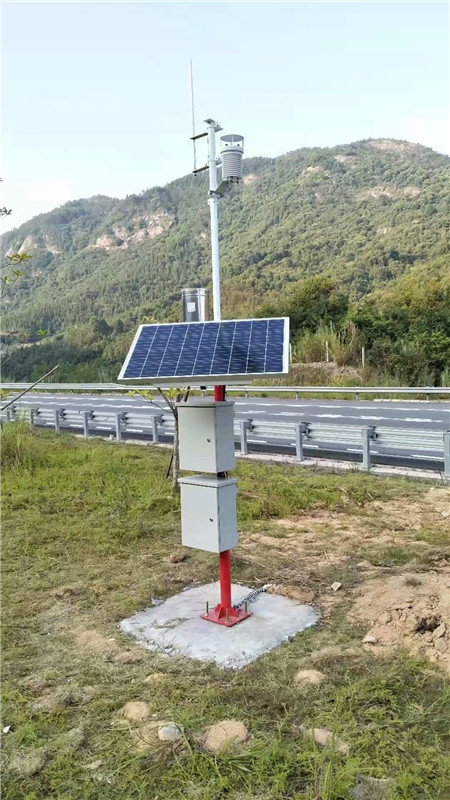
NiuBoL expressway meteorological monitoring all-in-one instrument is not simply a collection of sensors but an edge intelligent node oriented toward high availability, low TCO (Total Cost of Ownership), and strong scalability. It reduces failure rates through anti-interference design, compresses manpower input through remote O&M, and integrates into the vehicle-road-cloud ecosystem through open architecture.
For system integrators and engineering companies planning smart highways, vehicle-road-cloud integration, or resilient transportation projects, choosing NiuBoL means selecting a more reliable, more economical, and more future-compatible technical path. We look forward to partnering with you to transform meteorological risks on every road segment into calculable, predictable, and collaborative digital assets.
Related recommendations
Sensors & Weather Stations Catalog
 Agriculture Sensors and Weather Stations Catalog-NiuBoL.pdf
Weather Stations Catalog-NiuBoL.pdf
Agriculture Sensors Catalog-NiuBoL.pdf
Water Quality Sensor Catalog-NiuBoL.pdf
Related products
 Combined air temperature and relative humidity sensor
 TDR Soil Moisture & Temperature Sensor for irrigation| RS485 |4-20mA| NBL-S-THR
 Soil pH sensor RS485 soil Testing instrument soil ph meter for agriculture |NBL-S-PH
 Wind Speed sensor Output Modbus/RS485/Analog/0-5V/4-20mA
 Tipping bucket rain gauge for weather monitoring auto rainfall sensor RS485/Outdoor/stainless steel
 Pyranometer Solar Radiation Sensor 4-20mA/RS485

Screenshot, WhatsApp to identify the QR code
WhatsApp number:+8615367865107
(Click on WhatsApp to copy and add friends)

