





— Blogs —
—Products—
 Consumer hotline +8618073152920
 WhatsApp:+8615367865107
Address:Room 102, District D, Houhu Industrial Park, Yuelu District, Changsha City, Hunan Province, China
Product knowledge
Time:2026-02-15 09:36:07 Popularity:558
In the process of digital and intelligent transformation of transportation infrastructure, environmental factors have become key variables constraining traffic safety and efficiency. NiuBoL, as a professional environmental perception hardware manufacturer, launches the traffic meteorological environment monitoring system (RWIS), tailored specifically for system integrators, IoT solution providers, and transportation engineering contractors.
This system is not a traditional roadside weather station but a “meteorological perception hub” designed for traffic operation logic. By capturing real-time data on visibility, road surface conditions, microclimate, and other parameters, it effectively addresses challenges such as dense fog warnings, road icing, and crosswind interference, elevating traffic management from “reactive handling” to “proactive prevention.”
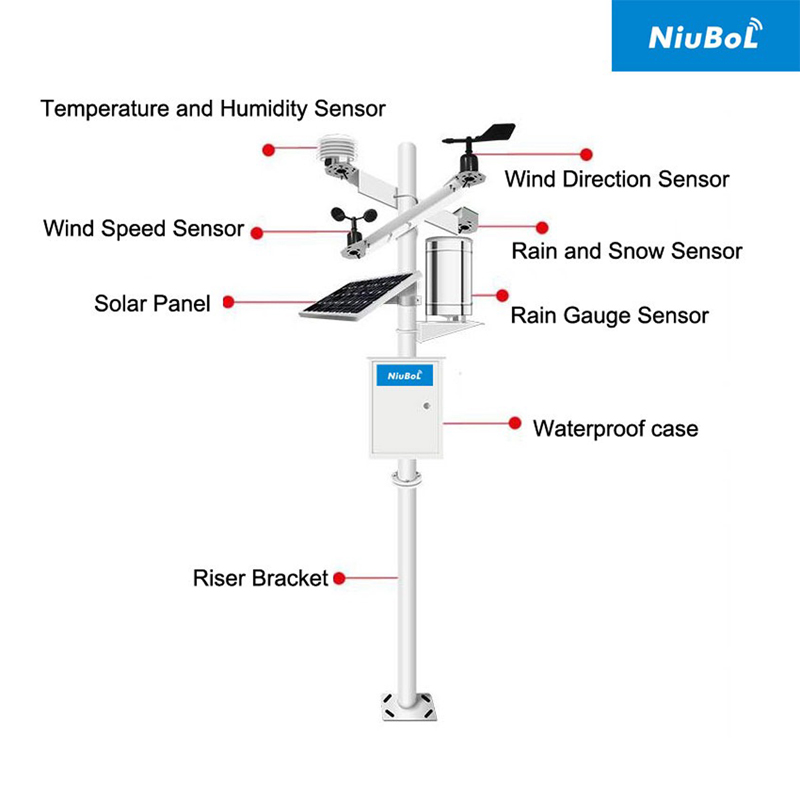
Traffic scenarios demand extremely high response speed and stability in extreme environments from sensors. NiuBoL system integrates the following 5 key monitoring units:
1. Visibility Meter (Forward Scattering Principle)
Function: Real-time monitoring of Meteorological Optical Range (MOR), coverage 5 m – 10 km.
Engineering Value: Provides core threshold for speed limit control and automatic fog light guidance systems on highway sections prone to dense fog.
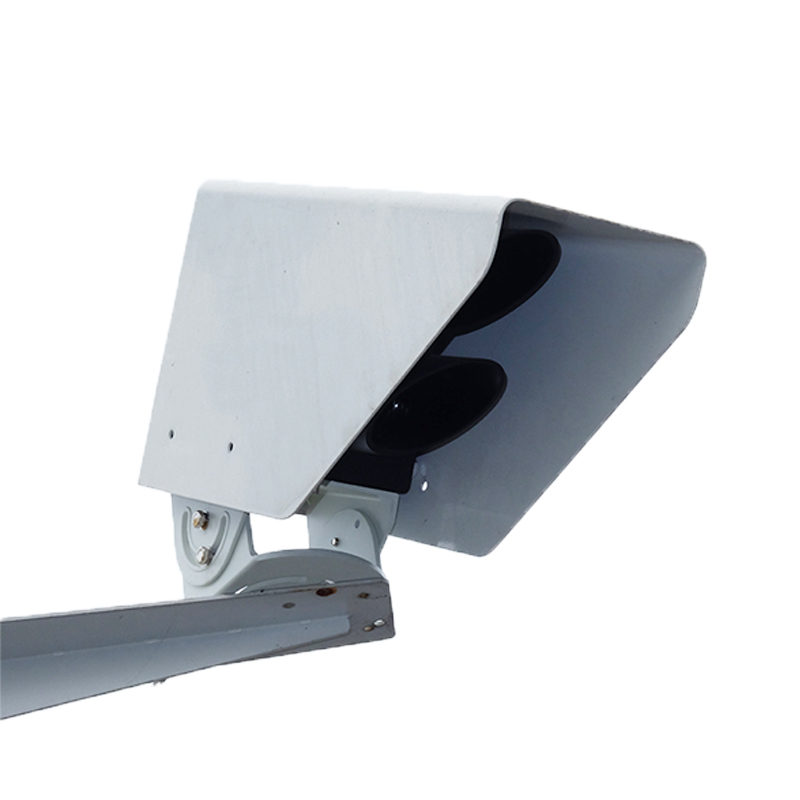
2. Non-Contact Road Surface Condition Sensor
Function: Monitors road surface temperature, water accumulation thickness, snow thickness, icing probability, and road slip coefficient.
Engineering Value: Uses infrared laser spectroscopy for non-destructive sensing of icing risks. This is the core decision-making basis for winter snow removal scheduling and maintenance operations in northern regions.
3. Precipitation Sensor (Tipping Bucket / Piezoelectric Type)
Function: Measures short-duration rainfall intensity and cumulative rainfall.
Engineering Value: Associated with bridge and tunnel water accumulation warnings, triggers pump station drainage systems and accident risk control logic.
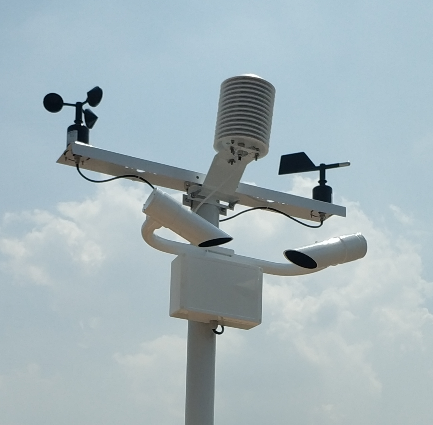
4. Industrial-grade Wind Speed & Direction Instrument (Ultrasonic Type)
Function: Monitors instantaneous wind speed, direction, and gusts.
Engineering Value: On cross-sea bridges and elevated roads, prevents rollover of high-center-of-gravity vehicles due to crosswinds, linking with information boards to issue speed limit instructions.
5. Air Temperature & Humidity Sensor
Function: Monitors atmospheric temperature and humidity.
Engineering Value: Combined with road surface temperature data, uses algorithms to predict dew point and icing point, enabling up to 2-hour advance icing risk warning.
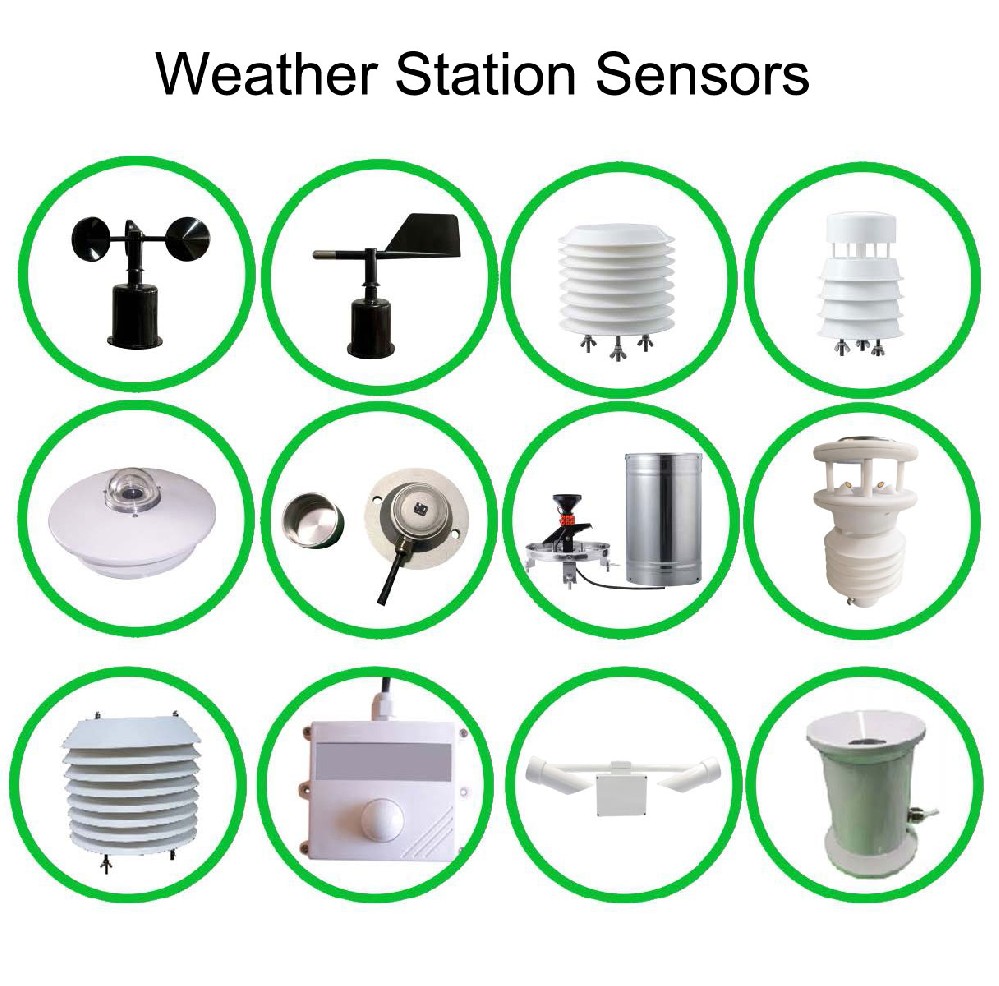
Designed for the harsh conditions of traffic scenarios, NiuBoL sensors meet industrial-grade stability requirements to ensure all-weather operation.
| Monitoring Parameter | Sensor Type | Measurement Range | Signal Output |
|---|---|---|---|
| Visibility | Forward scattering | 5 m ~ 10 km | RS485 (Modbus) |
| Road Surface Condition | Non-contact infrared | 0 ~ 10 mm (water/ice) | RS485 (Modbus) |
| Road Surface Temperature | Infrared thermometry | -40 ~ 80℃ | RS485 (Modbus) |
| Wind Speed | Ultrasonic / Mechanical | 0 ~ 60 m/s | RS485 / 4-20 mA |
| Precipitation | Tipping bucket / Piezoelectric | 0 ~ 4 mm/min | RS485 (pulse optional) |
| Temperature & Humidity | Electronic sensing | -40 ~ 85℃ | RS485 (Modbus) |
System integrators can achieve highly automated “perception-decision-execution” closed loops by integrating NiuBoL traffic meteorological systems.
In dense fog-prone sections, NiuBoL visibility meters serve as the “tentacle” of road segment warning systems.
Integration Logic: When visibility falls below 200 m, the system triggers the edge gateway via RS485 to automatically link variable message signs to display “Speed Limit 60 km/h” and activate roadside intelligent fog lights in synchronized flashing guidance mode.
Value: Significantly reduces the risk of multi-vehicle pile-ups caused by sudden dense fog.
Integration Logic: When road surface temperature remains below 0℃ and air humidity exceeds 90%, the system predicts icing risk.
Value: Provides up to 2-hour advance warning to maintenance departments, guiding precise application of de-icing agents, shifting from “post-event remediation” to “pre-warning intervention.”
Cross-river bridges: Focus on crosswind monitoring. When wind exceeds threshold, automatically restrict passage of hazardous material vehicles or large buses.
Tunnel entrances/exits: Monitor illuminance and precipitation. Address environmental differences inside/outside tunnels (black hole / white hole effect and slippery roads) to ensure visual and operational safety during tunnel entry/exit.
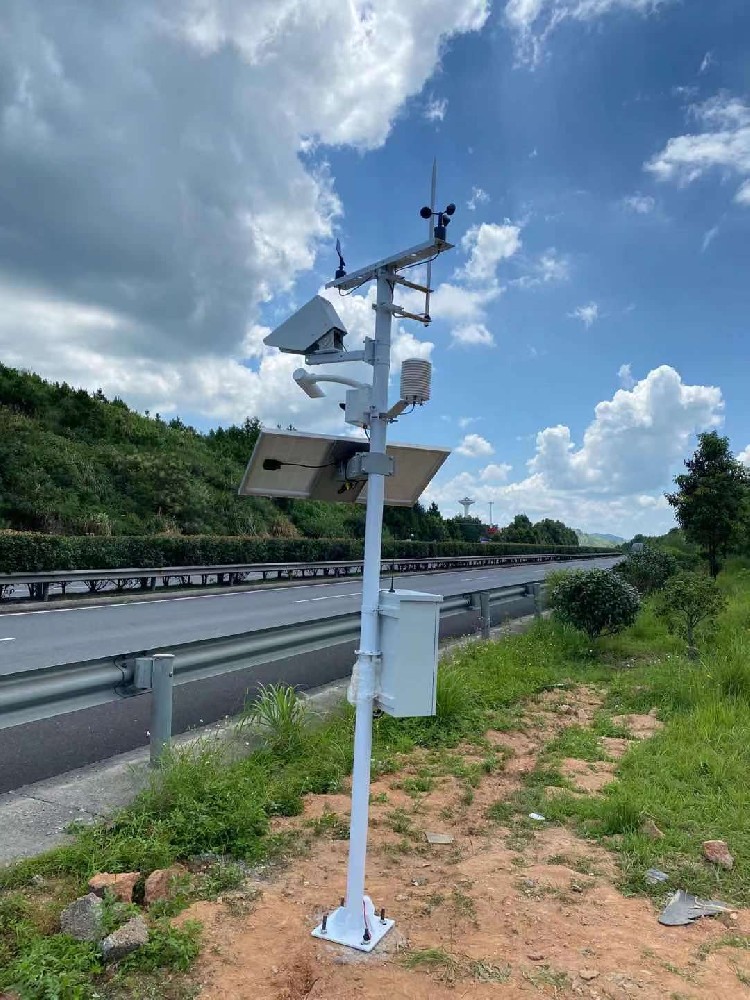
Maintenance costs for roadside traffic equipment are extremely high (requiring road closure or elevated access), so hardware robustness is a core competitive advantage:
Advantages of Non-Contact Road Surface Sensors: Unlike embedded (ground temperature) probes, NiuBoL non-contact sensors require no road excavation. This means no damage to sensors during subsequent maintenance or major road repairs, significantly reducing long-term operating costs.
Anti-Salt Fog & Corrosion Resistance: Considering heavy use of de-icing agents in winter and high-salt fog in coastal sections, sensor housings undergo anodizing and fluorocarbon coating double treatment to prevent metal corrosion in acidic/alkaline environments.
Self-Diagnostics & Remote Reset: Collector features dual watchdog mechanism and status monitoring commands. Integrators can remotely query sensor operating voltage and laser lifespan status, shifting from “scheduled inspections” to “condition-based maintenance.”
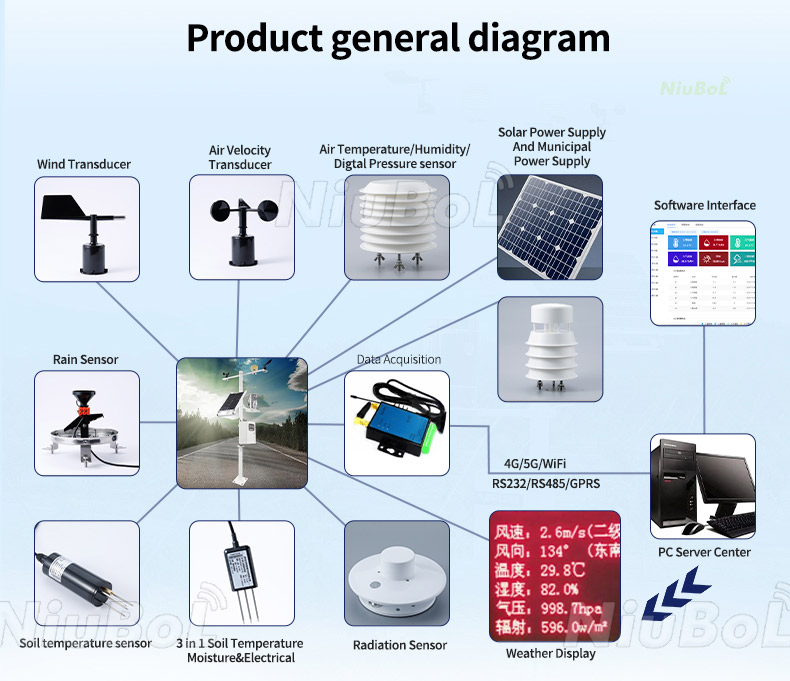
Communication Protocol Benchmarking: NiuBoL full product line supports standard Modbus-RTU protocol with 15 kV ESD protection. Integrators should note impedance matching for long-distance RS485 bus transmission on roadsides and add signal amplifiers if necessary.
Selection Redundancy Design: For high-cold or high-salt fog (coastal highways) sections, recommend sensors with automatic heating and anodized anti-corrosion coating.
Installation Specifications:
Visibility meter: Keep away from vehicle exhaust and dust sources; recommended installation height 2.5 m – 4 m.
Non-contact road surface sensor: Precisely calculate installation tilt angle and vertical height to road surface to ensure sampling spot covers key lane profiles.
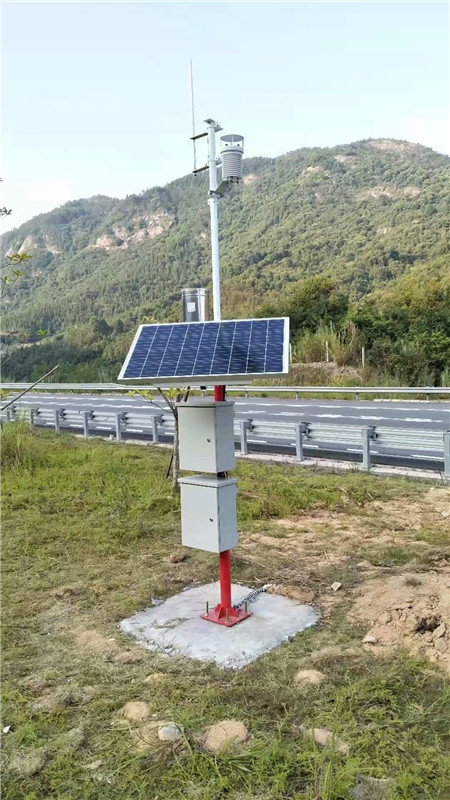
Low Power & Power Redundancy: For sections with difficult power access, precisely calculate system power consumption; NiuBoL low-power design supports long-term stable operation with 12 V solar power systems.
1. Will the visibility meter generate false alarms during heavy rain or snowfall?
NiuBoL uses forward scattering algorithm with compensation calibration specifically for scattering characteristics of precipitation and fog droplets. The system can distinguish visibility reduction caused by precipitation from pure dense fog and output accurate MOR values.
2. What advantages does the non-contact road surface sensor have over ground temperature type?
Non-contact sensors require no road excavation, no damage to road structure, and low installation/maintenance costs. They can also monitor ice thickness and slip coefficient, which ground temperature probes cannot achieve.
3. How is data accuracy ensured in extreme high/low temperatures on roadsides?
Equipment circuits use industrial-grade wide-temperature chips; core sensors feature automatic temperature drift compensation, maintaining accuracy deviation within ±3% across -30℃ to 60℃.
4. Does the traffic meteorological environment monitoring system support integration with existing ITS management platforms?
Yes. We provide detailed register address mapping tables. Integrators can seamlessly connect data to transportation bureau, traffic police command centers, or third-party cloud platforms via RS485 or 4G/5G gateways.
5. How stable is the wind speed sensor on high-vibration sections (e.g., elevated bridges)?
NiuBoL ultrasonic wind speed instrument adopts fully solid-state structure with no mechanical wear and excellent vibration resistance, particularly suitable for high-frequency vibration environments such as bridges and rail transit.
6. Should tipping bucket or piezoelectric be selected for precipitation sensors?
Tipping bucket offers extremely high precision, suitable for conventional precipitation recording; piezoelectric has no mechanical structure, fast response, dust resistance, and maintenance-free performance, better for unattended traffic sites.
7. What is the typical maintenance cycle for the equipment?
Due to high dust on traffic roadsides, recommend cleaning optical sensors (visibility meter and road surface sensor) lenses once per quarter to maintain measurement consistency.
8. How to handle lightning strikes and surges on roadside equipment?
NiuBoL sensor communication interfaces have built-in surge protection. During engineering construction, integrators should install lightning grounding wires and signal surge protectors to build multi-level protection systems.
9. How to prevent visibility meter pollution in sections with heavy vehicle exhaust?
NiuBoL visibility meter features special flow guide cover design and protective air curtain logic, with anti-static coating on lenses, significantly reducing carbon soot adhesion. The system also supports automatic optical pollution compensation, maintaining accuracy through algorithm correction even with light lens contamination.
10. Is the non-contact road surface sensor affected by direct sunlight?
Our road surface sensor uses modulated infrared laser source and specific wavelength optical filters, effectively shielding infrared noise in natural light, ensuring accurate locking of road surface spectral characteristics even under strong midday sunlight.
11. If project budget is limited, how to prioritize sensor selection?
For highways, visibility and road surface condition are highest priority; for cross-sea bridges, wind speed/direction and road surface condition are core; for tunnels, focus on visibility and liquid level linkage. We provide modular configuration supporting phased expansion.
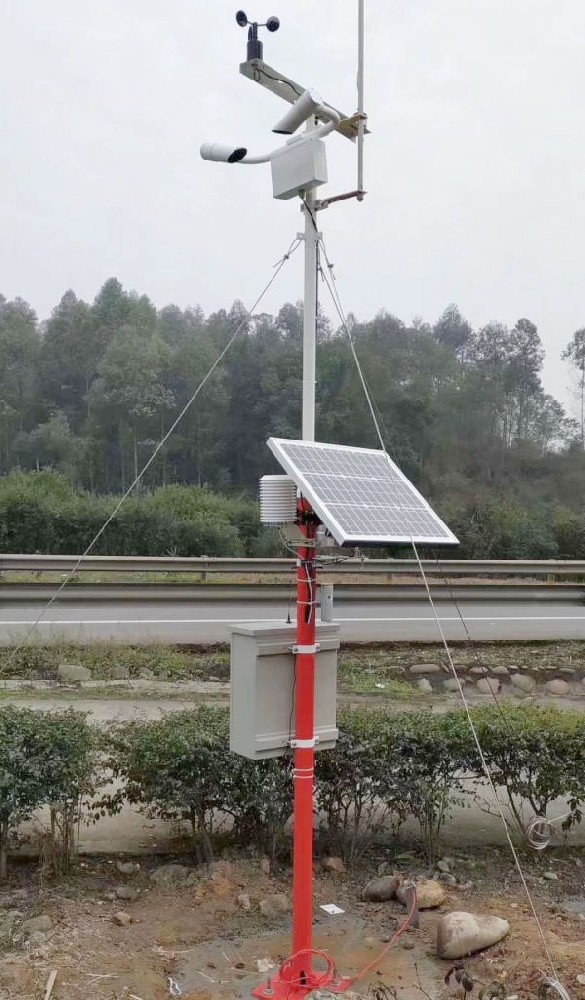
NiuBoL traffic meteorological environment monitoring system is not merely a collection of hardware but a “filter” that transforms meteorological science into traffic management decision-making. By capturing microclimate environments at centimeter-level and second-level precision, we help system integrators convert “unpredictable risks” into “quantifiable data.”
Choosing NiuBoL means selecting a technical partner capable of withstanding all-weather conditions. We will continue to deepen our presence in the traffic IoT field, assisting engineering firms in achieving cost reduction, efficiency improvement, and safe travel goals through high-performance perception solutions.
Prev:All-in-One Weather Monitoring Station: Reliable Environmental Data Solution for System Integrators
Related recommendations
Sensors & Weather Stations Catalog
 Agriculture Sensors and Weather Stations Catalog-NiuBoL.pdf
Weather Stations Catalog-NiuBoL.pdf
Agriculture Sensors Catalog-NiuBoL.pdf
Water Quality Sensor Catalog-NiuBoL.pdf
Related products
 Combined air temperature and relative humidity sensor
 TDR Soil Moisture & Temperature Sensor for irrigation| RS485 |4-20mA| NBL-S-THR
 Soil pH sensor RS485 soil Testing instrument soil ph meter for agriculture |NBL-S-PH
 Wind Speed sensor Output Modbus/RS485/Analog/0-5V/4-20mA
 Tipping bucket rain gauge for weather monitoring auto rainfall sensor RS485/Outdoor/stainless steel
 Pyranometer Solar Radiation Sensor 4-20mA/RS485

Screenshot, WhatsApp to identify the QR code
WhatsApp number:+8615367865107
(Click on WhatsApp to copy and add friends)

