





— Blogs —
—Products—
 Consumer hotline +8618073152920
 WhatsApp:+8615367865107
Address:Room 102, District D, Houhu Industrial Park, Yuelu District, Changsha City, Hunan Province, China
Product knowledge
Time:2026-02-15 09:46:48 Popularity:580
In the era of smart grid construction and large-scale integration of new energy, transmission line micro-meteorological monitoring systems have become key infrastructure for ensuring reliable grid operation. They provide localized microclimate data through high-precision, multi-parameter real-time collection, supporting dynamic capacity calculation, risk warning, and digital twin applications. As a system integrator, IoT solution provider, or project contractor, you may be seeking micro-meteorological monitoring solutions that are compatible with existing SCADA/EMS systems, offer reliable transmission, and are easily scalable to enhance environmental perception capabilities along transmission corridors.
NiuBoL’s transmission line micro-meteorological monitoring system integrates ultrasonic wind speed & direction, temperature & humidity, barometric pressure, rainfall, and other sensors, supporting RS485/Modbus, MQTT protocols, and wireless transmission, suitable for distributed deployment along high-voltage transmission line corridors. This article focuses on its integration value in grid projects, system compatibility, selection guide, and real-world application cases to help you evaluate and implement an efficient monitoring architecture.
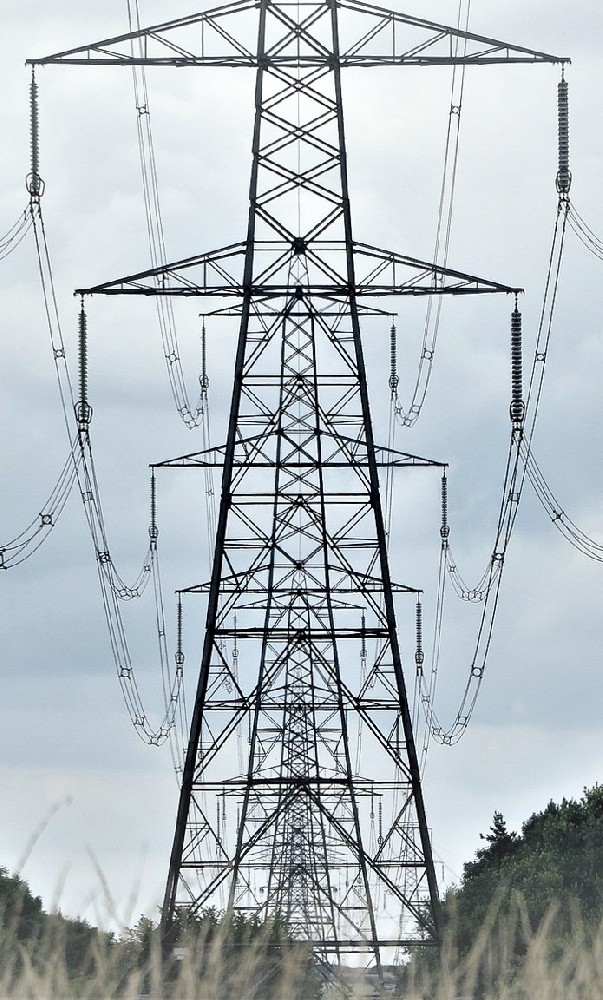
With the continuous increase in the proportion of new energy, grids face challenges such as large power flow fluctuations and frequent extreme weather events. Traditional static capacity design is difficult to adapt to, urgently requiring refined environmental perception to achieve dynamic regulation. Transmission line micro-meteorological monitoring systems are deployed at tower positions or key corridor points to collect localized microclimate parameters (such as wind speed affecting conductor temperature, ambient temperature, humidity, rainfall), providing boundary conditions for real-time calculation of line current-carrying capacity.
From the perspective of system integrators, this system is not only a data acquisition front-end but also a core node of the “perception layer” in smart grids. It inputs micro-meteorological data into energy management systems (EMS) or state estimation modules, supporting power flow optimization and N-1 safety verification based on real-time meteorology. In new energy accommodation scenarios, system data can link with wind power/photovoltaic output forecasting to alleviate channel congestion and improve cross-regional accommodation capability. At the same time, the massive accumulation of historical data lays the foundation for building digital twins of transmission corridors, enabling predictive maintenance through finite element simulation of risks such as icing, galloping, and lightning strikes, shifting from passive to predictive maintenance.
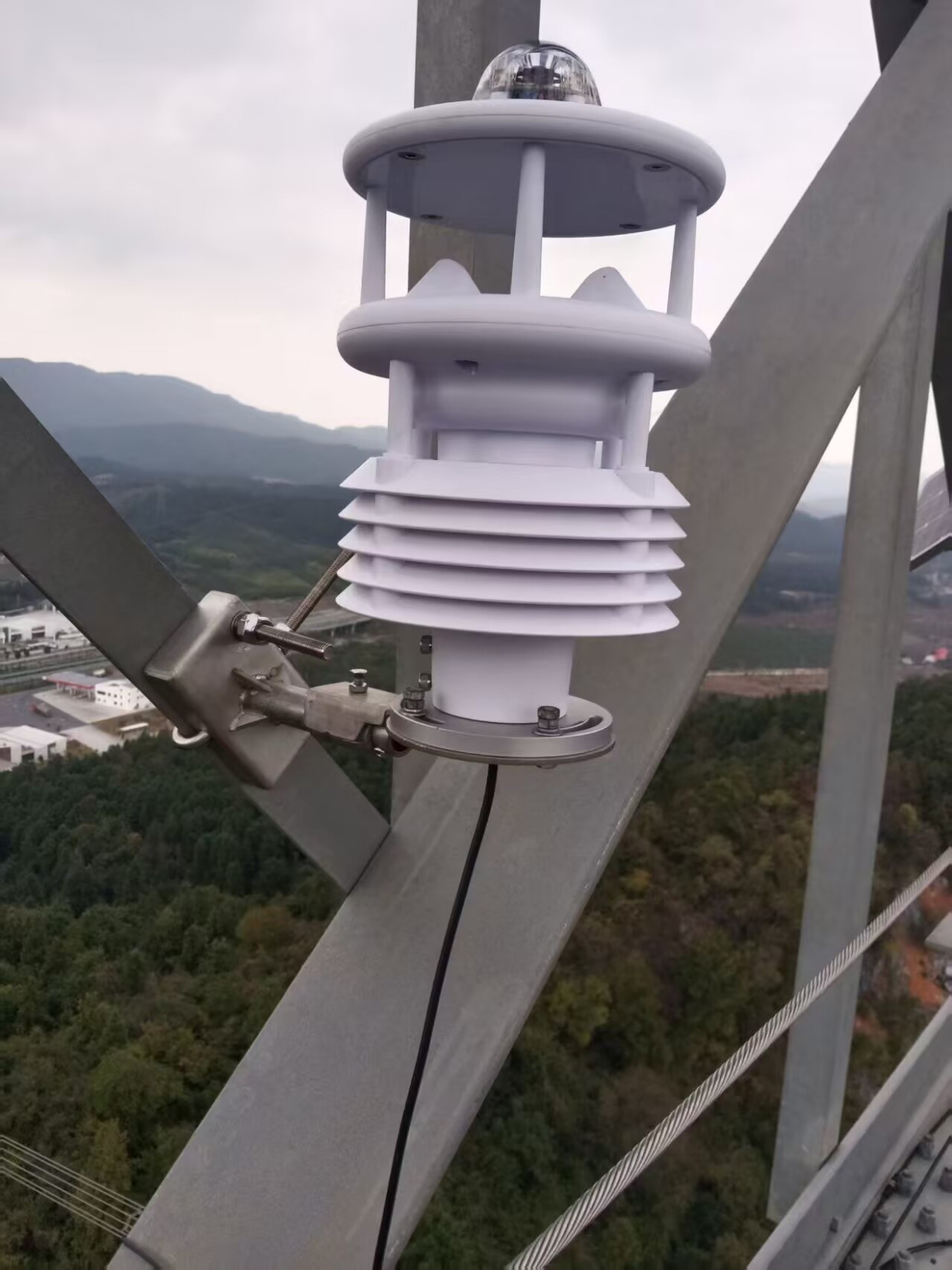
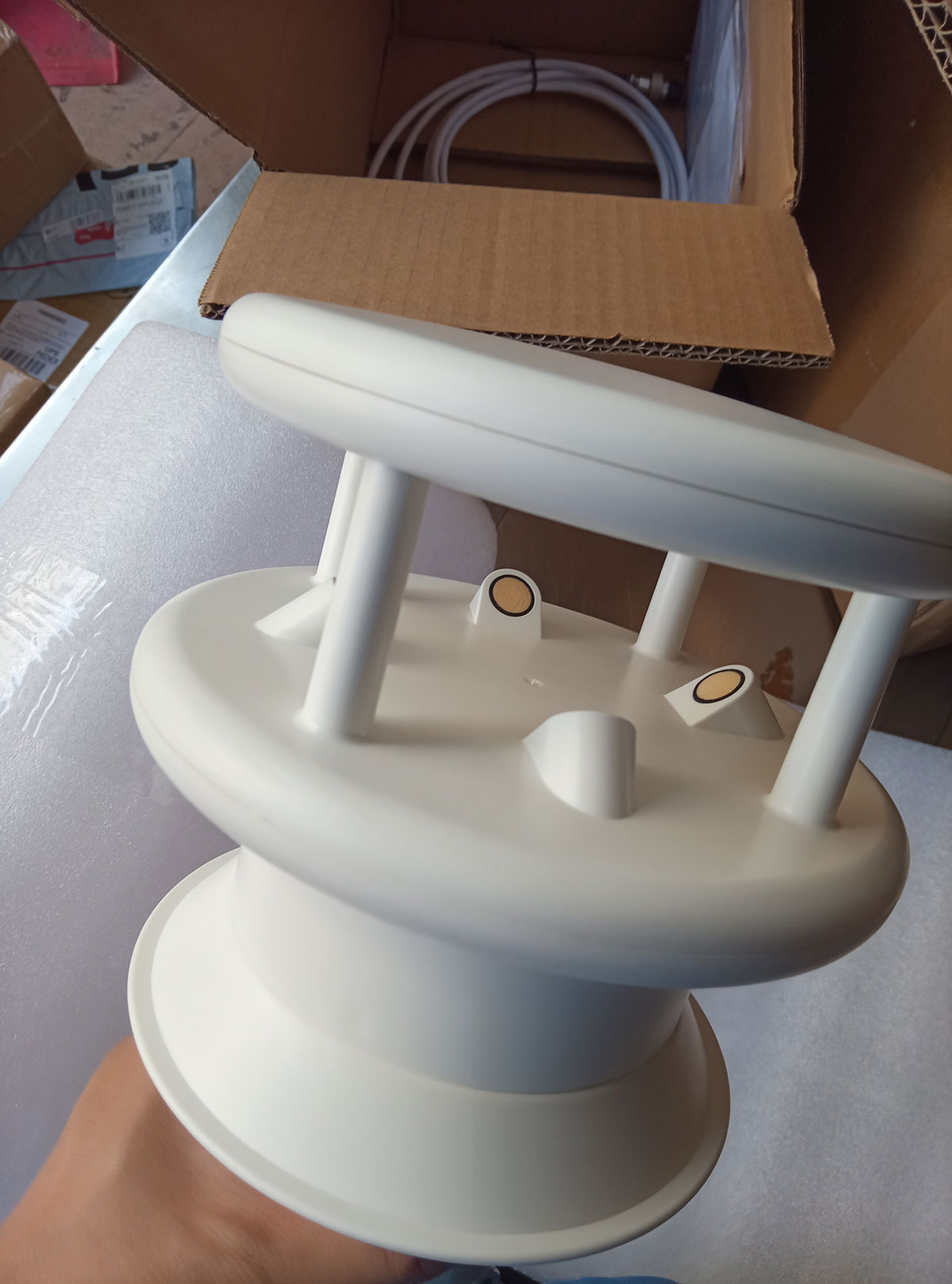
NiuBoL system is optimized for the harsh environments of transmission line corridors, using industrial-grade sensors and low-power architecture, supporting solar power + battery backup for continuous operation. Core components include multi-parameter integrated stations, data collectors, wireless communication modules, and cloud platforms, with protection rating above IP67, adapting to complex terrains such as high altitude and multi-lightning areas.
The following table presents key parameters based on NiuBoL mainstream automatic weather station and related sensor specifications:
| Parameter Category | Specific Parameter | Description / Typical Value (NiuBoL Main Models) |
|---|---|---|
| Sensor Type | Ultrasonic wind speed & direction / Temperature & humidity / Barometric pressure / Rainfall / Radiation | Ultrasonic no mechanical parts (wind speed 0–70 m/s, accuracy ±(0.3+0.03V) m/s); tipping bucket/piezoelectric rainfall (resolution 0.2 mm, accuracy ±4%) |
| Measurement Parameter Range | Wind speed 0–70 m/s, temperature -40~80℃, humidity 0–100% RH, pressure 10–1200 hPa, rainfall 0–4 mm/min | Covers extreme meteorological scenarios, meets DL/T 741 and other grid standards |
| Accuracy | Wind speed ±(0.3+0.03V) m/s, temperature ±0.5℃, humidity ±5% RH, pressure ±1.5 hPa | Engineering-grade accuracy, supports dynamic capacity increase calculation |
| Output Interface | RS485 / Modbus RTU / 4–20 mA / MQTT | Compatible with PLC, edge gateways, and cloud platform access |
| Power Supply | Solar (≥10 W) + lithium battery (≥20 Ah) | Continuous cloudy/rainy ≥7–15 days, suitable for corridors without mains power |
| Protection Rating | IP67 / IP68 | Stainless steel/engineering plastic housing, corrosion-resistant, lightning protection design |
| Operating Environment | -40°C ~ +80°C | Suitable for high-altitude, coastal, multi-lightning transmission lines |
| Data Storage | Local ≥8–32 GB + cloud | Supports breakpoint resume transmission, OTA firmware upgrade |
| Communication Method | RS485 wired / 4G / LoRaWAN optional | MQTT protocol facilitates IoT platform integration |
These features ensure electromagnetic compatibility in high-voltage electromagnetic environments and minimize protocol conversion costs during integration. The ultrasonic wind sensor has no moving parts, significantly reducing maintenance frequency, suitable for long-term unattended deployment.
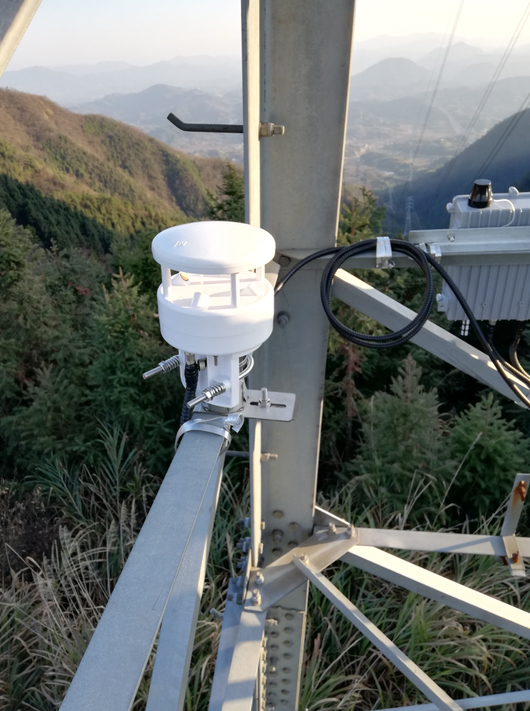
System integrators in grid projects often need to address multi-source data fusion and real-time decision-making challenges. NiuBoL micro-meteorological monitoring system provides modular interfaces, supporting linkage with line online monitoring devices (conductor temperature, vibration, icing sensors) to form a complete corridor perception network.
In new energy accommodation and risk warning scenarios, the system fuses with weather radar and numerical forecasting data to provide high-resolution boundary conditions input into grid stability calculation programs. Extreme wind speed or icing warnings can trigger automatic current limiting or switching strategies to ensure channel safety. Project contractors can utilize wireless transmission to cover remote mountainous corridors, avoiding optical cable laying costs.
Additionally, in building digital twin grids, long-term accumulated micro-meteorological sequence data supports finite element model calibration. Integrators can develop custom algorithms, such as machine learning-based icing prediction modules, interfacing via API with State Grid/Southern Grid digital platforms to achieve risk visualization and drill simulation.
Selection should be evaluated based on line voltage level, terrain meteorological characteristics, and integration complexity.
Priority Sensor Combination: Core includes wind speed & direction + temperature & humidity + rainfall; recommend ultrasonic wind sensor to avoid mechanical wear; add radiation/barometric pressure modules in icing-prone areas.
Transmission Protocol Selection: RS485/Modbus suitable for short-distance wired access to collectors; remote corridors prioritize 4G/NB-IoT or LoRaWAN to ensure real-time performance and low power consumption.
Power Supply & Protection: Solar + large-capacity battery essential, protection IP67 or above, consider lightning protection design (surge protection).
Compatibility Verification: Confirm MQTT/Modbus matching with target platforms; budget evaluation includes total cost of ownership, covering installation, O&M, and data services.
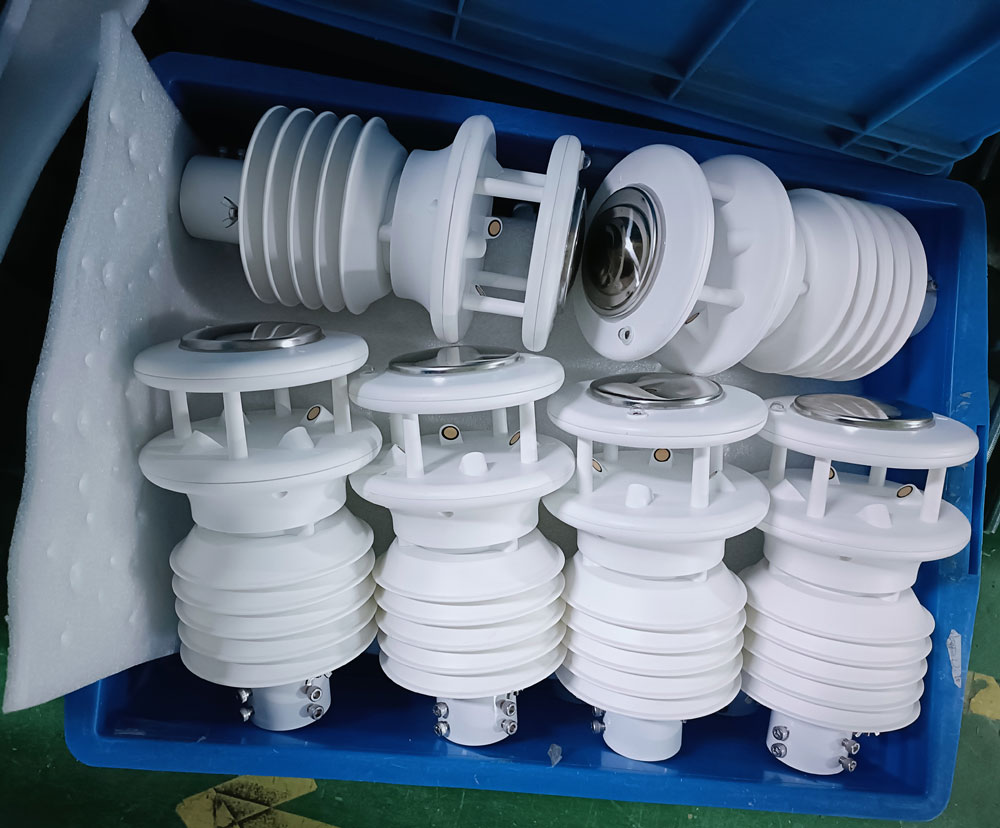
NiuBoL system has been verified compatible with Alibaba Cloud IoT, Huawei Cloud, ThingsBoard, and grid-specific platforms. MQTT enables device twinning and data subscription.
Architecture includes: perception layer (micro-meteorological station), aggregation layer (edge gateway with local filtering), transmission layer (4G/5G/LoRaWAN), platform layer (cloud data lake + API), application layer (EMS/SCADA/digital twin system). Edge nodes can run simple prediction models for millisecond-level response.
Site Selection: Tower positions or open corridor points, avoid strong electromagnetic interference zones; wind sensor installation height ≥10 m.
Installation Specifications: Level error ≤1°, grounding resistance ≤4 Ω, install lightning arresters; solar panels face south with tilt angle matching latitude.
Data Integration: TLS encrypted transmission, test breakpoint resume; multi-station data fusion requires unified timestamps.
O&M Strategy: Daily cloud platform monitoring, quarterly on-site cleaning, annual sensor calibration (standard wind tunnel/rain gauge).
The transmission line micro-meteorological monitoring system is a key enabling technology for achieving dynamic capacity increase, new energy accommodation, and predictive maintenance. NiuBoL focuses on high compatibility, industrial-grade reliability, and integration friendliness to provide end-to-end solutions for system integrators and engineering companies. Through refined perception and data-driven decision-making, it helps grids enhance resilience and efficiency. If you are advancing smart grid or new energy integration projects, NiuBoL can serve as a stable partner. Welcome to contact us for detailed selection manuals, solution quotes, and on-site survey support. We look forward to working together to promote the digital transformation of power grids.
Related recommendations
Sensors & Weather Stations Catalog
 Agriculture Sensors and Weather Stations Catalog-NiuBoL.pdf
Weather Stations Catalog-NiuBoL.pdf
Agriculture Sensors Catalog-NiuBoL.pdf
Water Quality Sensor Catalog-NiuBoL.pdf
Related products
 Combined air temperature and relative humidity sensor
 TDR Soil Moisture & Temperature Sensor for irrigation| RS485 |4-20mA| NBL-S-THR
 Soil pH sensor RS485 soil Testing instrument soil ph meter for agriculture |NBL-S-PH
 Wind Speed sensor Output Modbus/RS485/Analog/0-5V/4-20mA
 Tipping bucket rain gauge for weather monitoring auto rainfall sensor RS485/Outdoor/stainless steel
 Pyranometer Solar Radiation Sensor 4-20mA/RS485

Screenshot, WhatsApp to identify the QR code
WhatsApp number:+8615367865107
(Click on WhatsApp to copy and add friends)

