





— Blogs —
—Products—
 Consumer hotline +8618073152920
 WhatsApp:+8615367865107
Address:Room 102, District D, Houhu Industrial Park, Yuelu District, Changsha City, Hunan Province, China
Product knowledge
Time:2026-04-28 10:21:18 Popularity:498
Extraction-type pharmaceutical production process generates wastewater with complex composition, high organic load, and certain bioactive substances, which has a significant impact on the environment. When system integrators and environmental engineering companies design wastewater treatment and monitoring systems for extraction-type pharmaceutical plants, they need to strictly follow relevant discharge standards, set monitoring points at key discharge outlets, and configure appropriate online monitoring equipment to ensure stable and compliant wastewater discharge and meet process control requirements.
NiuBoL pharmaceutical wastewater monitoring solution covers continuous TOC monitoring for the total discharge outlet, domestic sewage discharge outlet, stormwater discharge outlet, and pharmaceutical water systems, providing professional and reliable online monitoring technical support for pharmaceutical enterprises.
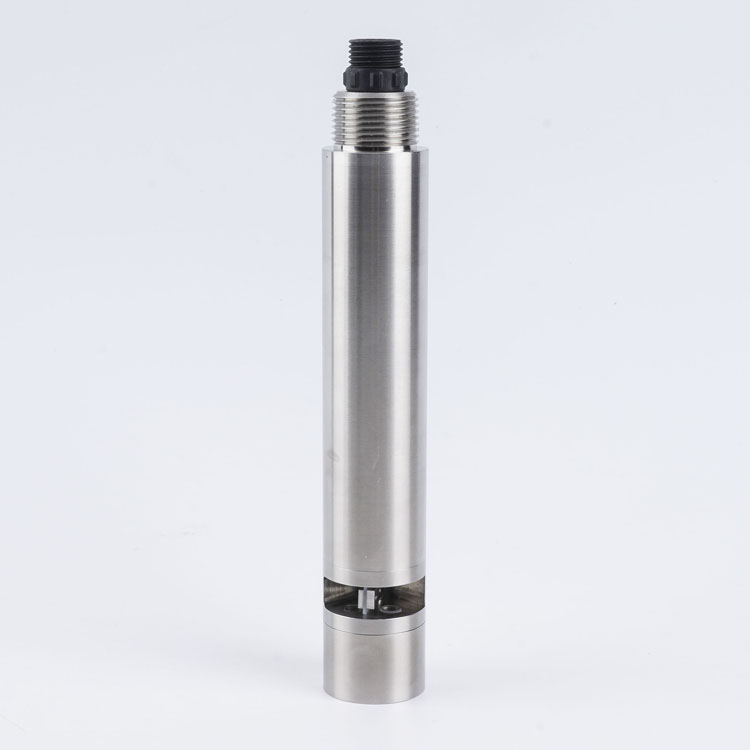
Extraction-type pharmaceutical production refers to the production process of extracting, separating, and purifying effective physiologically active ingredients from raw materials using biochemical, chemical, or physical methods. This type of production involves multi-step solvent extraction, concentration, crystallization and other processes. The generated wastewater has the characteristics of high organic matter concentration, complex composition, and large differences in biodegradability. The wastewater often contains residual solvents, intermediates, extraction residues, and a small amount of bioactive substances. If discharged directly without effective treatment, it will cause serious pollution to water bodies.
To meet environmental regulatory requirements, pharmaceutical plants need to set up monitoring points at various key nodes of the wastewater treatment system to achieve full-process monitoring. Key monitoring indicators include COD, TOC, ammonia nitrogen, total nitrogen, total phosphorus, pH, suspended solids, etc. These parameters can comprehensively reflect the organic pollution load, nutrient salt level, and discharge compliance of the wastewater. Through online monitoring equipment, system integrators can connect data to PLC or SCADA systems to achieve real-time trend analysis, over-standard alarms, and linkage control.
According to the extraction-type pharmaceutical industrial wastewater discharge management requirements, monitoring points need to cover the main discharge outlets to ensure the data is representative. Typical monitoring points include:
1. Wastewater Total Discharge Outlet
The wastewater total discharge outlet is the final node where all factory wastewater is discharged into the external environment after treatment. Online monitoring facilities must be installed at this point. The data from this point is directly used for environmental protection acceptance and daily supervision.
2. Domestic Sewage Separate Discharge Outlet
When factory domestic sewage and production wastewater are treated separately, a separate monitoring point must be set up to avoid the impact of domestic sewage on the production wastewater treatment system.
3. Stormwater Discharge Outlet
The stormwater system must be strictly separated from the production wastewater system. Monitoring at the stormwater discharge outlet is used to prevent initial rainwater from carrying pollutants or production wastewater from mixing into the stormwater system under accident conditions.
Reasonable setting of monitoring points can help engineering companies clearly define responsibility boundaries, quickly locate pollution sources, and provide data support for process optimization.
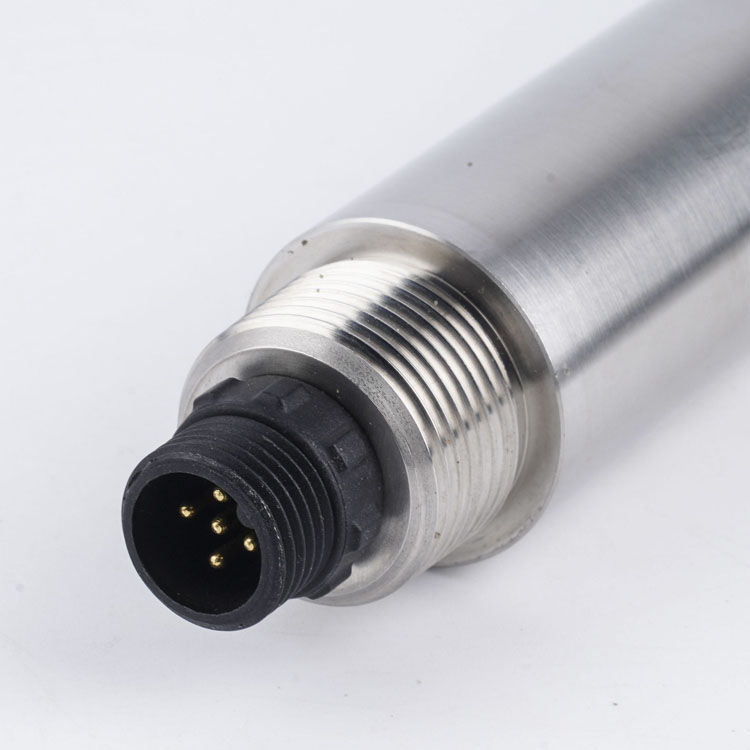
Different discharge outlets have different focuses on monitoring indicators, which need to be configured according to water quality characteristics and regulatory requirements.
The total discharge outlet is the core regulatory point, and the main monitoring parameters include:
COD (Chemical Oxygen Demand)
TOC (Total Organic Carbon)
Ammonia Nitrogen
Total Nitrogen
Total Phosphorus
pH Value
Suspended Solids
Chromaticity
Acute Toxicity
Among them, COD and TOC are key indicators reflecting the total amount of organic matter. TOC can more directly characterize the content of all carbon-containing organic compounds in water and is widely used in pharmaceutical water and wastewater advanced treatment.
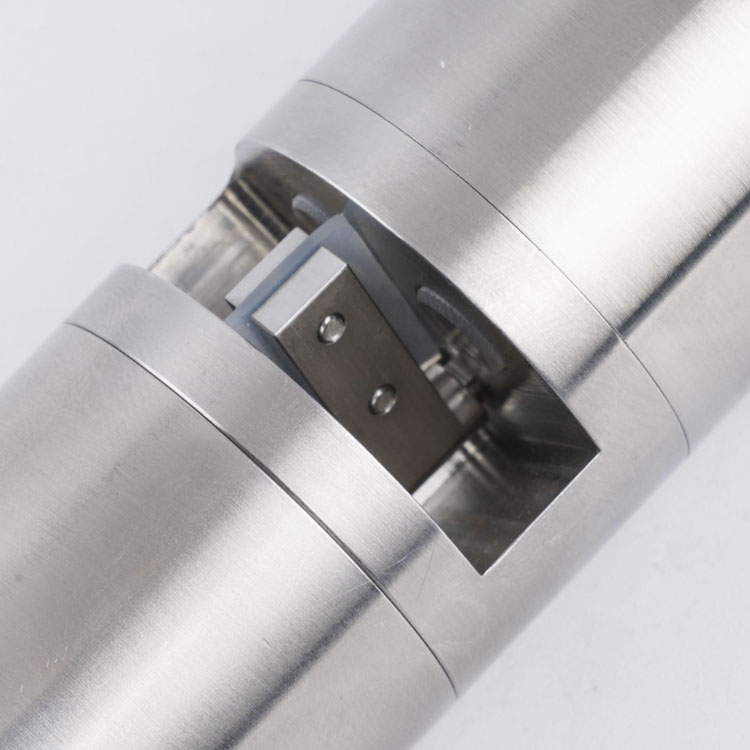
The domestic sewage discharge outlet focuses on relatively conventional parameters, including:
pH Value
Animal and Vegetable Oil
Flow Rate
Total Phosphorus
Total Nitrogen
Ammonia Nitrogen (partially required)
The stormwater discharge outlet mainly prevents accidental pollution. The conventional monitoring parameters are:
pH Value
COD
Ammonia Nitrogen
Suspended Solids
When designing, system integrators can flexibly add or reduce monitoring parameters according to local discharge standards (such as GB 21903-2008 Discharge Standard of Water Pollutants for Pharmaceutical Industry) and EIA requirements.
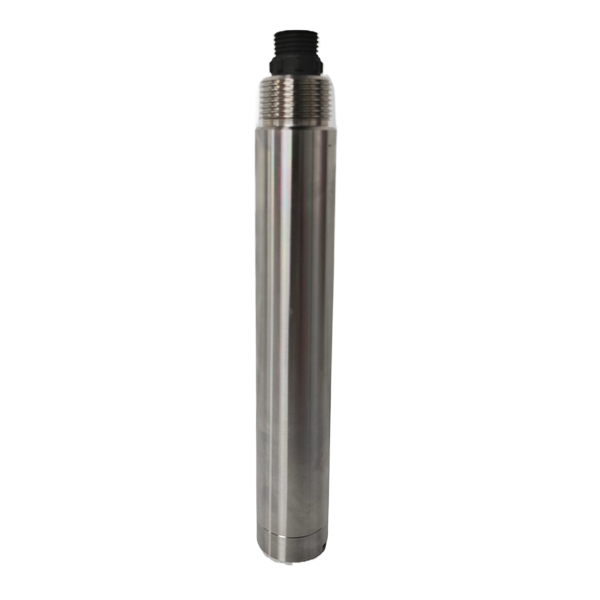
TOC (Total Organic Carbon) is an important control indicator for pharmaceutical water systems and wastewater advanced treatment, which can quickly and accurately reflect the total amount of organic matter in water. In pharmaceutical production, pharmaceutical water is divided into drinking water, purified water, water for injection, etc. Different grades of water have strict limit requirements for TOC content. Online TOC analyzers can achieve real-time continuous monitoring, avoiding the time delay and risk of secondary pollution caused by traditional offline sampling.
Main advantages of TOC online monitoring:
Reduce sampling, transportation and laboratory analysis costs, and reduce human error
Real-time detection of over-standard or trend abnormalities, and timely remedial measures
Provide continuous process control data, support system verification and continuous improvement
Establish historical trend database, support setting of early warning thresholds and action levels
Facilitate root cause analysis and optimize purified water preparation process
Improve overall quality management and production efficiency
In pharmaceutical water systems, TOC online analyzers are usually installed at key nodes of purified water preparation (such as EDI outlet, storage tank return pipeline, etc.) to help engineering companies achieve full-process monitoring of the water system and ensure that each batch of water meets pharmacopoeia or GMP requirements.
NiuBoL TOC online analyzer adopts ultraviolet oxidation-non-dispersive infrared detection principle, supports multiple ranges such as 0-1000 mg/L, outputs RS-485 Modbus/RTU protocol, and can be directly integrated into existing DCS or SCADA systems.
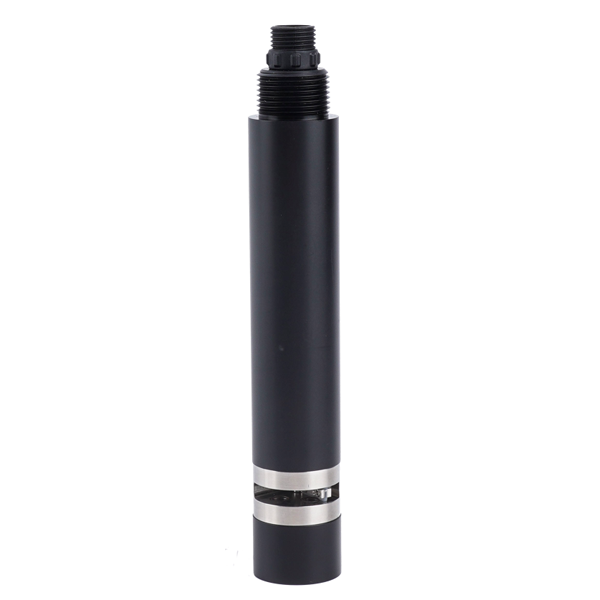
To meet the needs of different monitoring points in extraction-type pharmaceutical plants, NiuBoL provides the following online monitoring solutions:
NBL-COD-208 Online COD Sensor
Adopts dual-wavelength ultraviolet absorption method, reagent-free design, suitable for continuous COD monitoring at total discharge outlet and stormwater discharge outlet.
NBL-BOD-406 Online BOD Sensor (Optional)
Adopts dual-wavelength fluorescence method, used to evaluate wastewater biodegradability and support process control of biochemical treatment units.
TOC Online Analyzer
Designed specifically for pharmaceutical water and wastewater advanced treatment to achieve real-time monitoring of total organic carbon.
Multi-parameter Water Quality Monitoring System
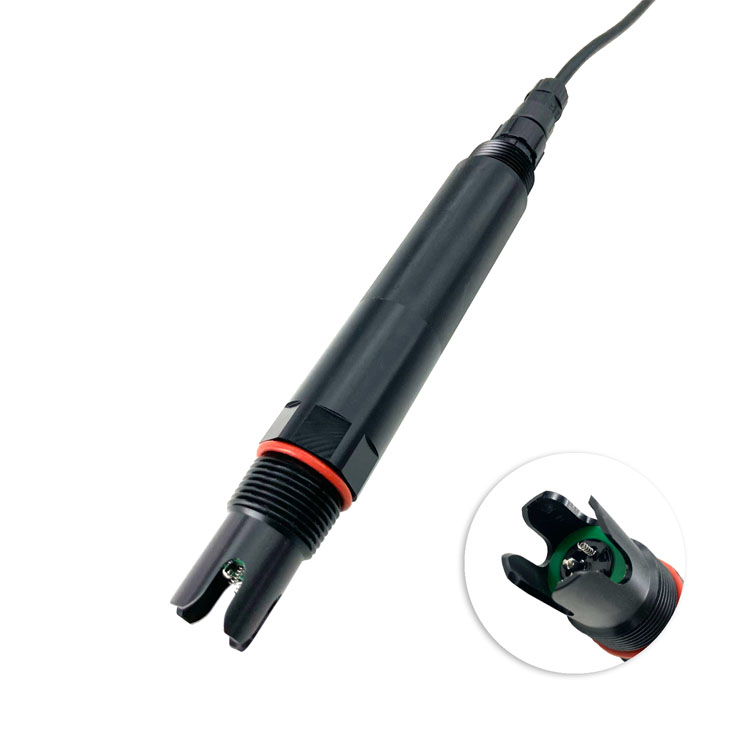
Can integrate sensors such as pH, ammonia nitrogen, total nitrogen, total phosphorus, and suspended solids to form an integrated monitoring station.
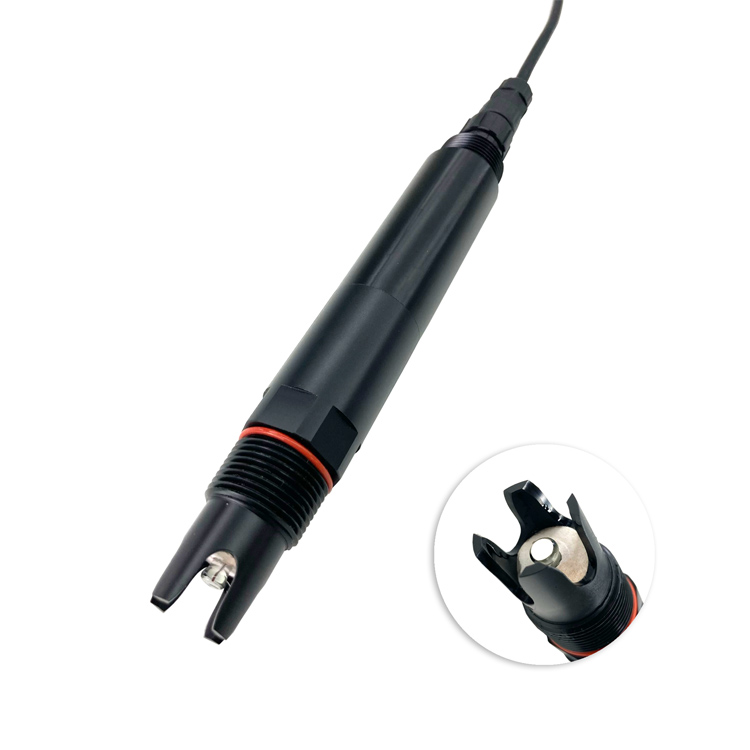
| Parameter | Specification Range | Accuracy |
|---|---|---|
| COD Range | 0~200 mg/L 0~500 mg/L | ±5% |
| Turbidity Range | 0~100 NTU 0~200 NTU | ±5% F.S. |
| Output Protocol | RS-485 (Modbus/RTU) | - |
| Power Supply | 12~24 VDC | 0.3 W @12V |
| Protection Level | IP68 | Submersible Installation |
| Shell Material | 316L Stainless Steel | - |
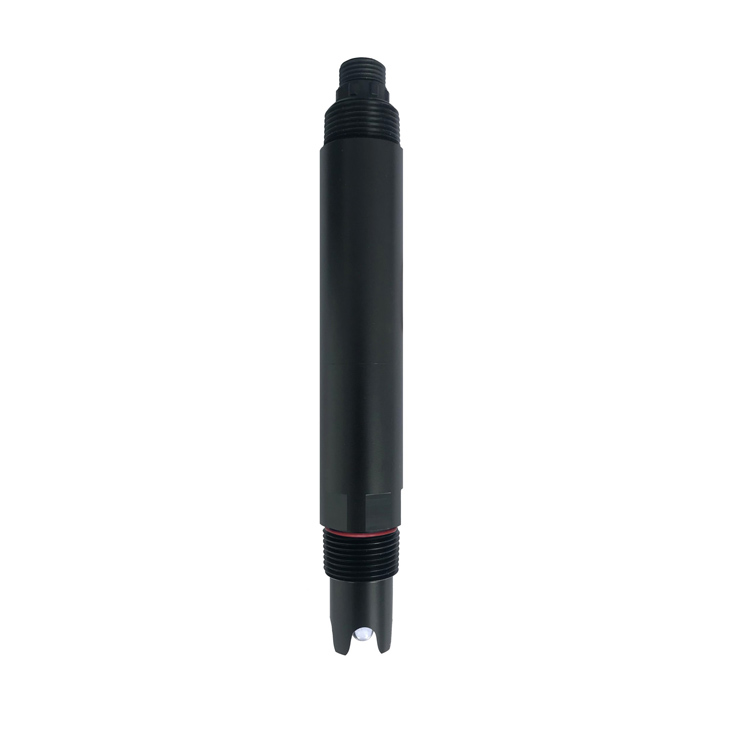
In extraction-type pharmaceutical factory wastewater monitoring projects, system integrators need to focus on:
Monitoring point sampling representativeness and pretreatment system design (sand settling, filtration, flow regulation)
Communication compatibility between online instruments and PLC/SCADA systems (Modbus/RTU protocol)
Data upload to enterprise environmental protection management system or local monitoring platform
Equipment selection matching actual water quality concentration range to avoid over-range or insufficient resolution
Redundancy design and automatic cleaning function to reduce maintenance frequency
NiuBoL sensors support low power consumption and anti-interference design, suitable for complex working conditions in pharmaceutical plants. Through reasonable configuration, multi-parameter linkage monitoring and automatic control at the total discharge outlet can be realized.
Total Discharge Outlet: Prioritize configuration of COD, TOC, ammonia nitrogen, total nitrogen, total phosphorus online monitoring equipment
Pharmaceutical Water System: Focus on deploying TOC online analyzer
High Salt or High Turbidity Wastewater: Choose ultraviolet sensors with automatic turbidity compensation
Communication Requirements: Confirm that the host system supports Modbus protocol; add protocol conversion module if necessary
Maintenance Convenience: Prioritize reagent-free optical instruments to reduce reagent consumption and secondary pollution
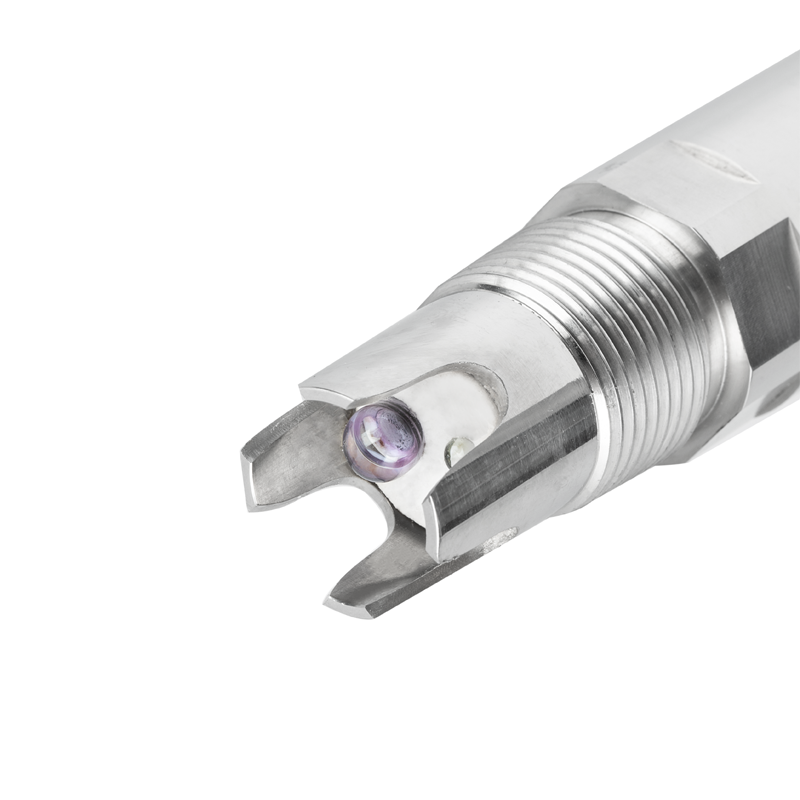
Q1. What core indicators need to be monitored at the total discharge outlet of extraction-type pharmaceutical factory wastewater?
Mainly include COD, TOC, ammonia nitrogen, total nitrogen, total phosphorus, pH, suspended solids, chromaticity and acute toxicity.
Q2. What is the difference in monitoring indicators between the domestic sewage discharge outlet and the production wastewater total discharge outlet?
The domestic sewage discharge outlet focuses on conventional parameters such as pH, animal and vegetable oil, flow rate, total phosphorus, total nitrogen, etc. The production wastewater total discharge outlet needs to add organic pollution indicators such as COD, TOC and acute toxicity.
Q3. Why is it necessary to set up monitoring points at the stormwater discharge outlet?
To prevent initial rainwater from carrying pollutants or production accident wastewater from mixing into the stormwater system, ensuring that stormwater discharge meets environmental protection requirements.
Q4. What are the main application scenarios of TOC online analyzer in pharmaceutical plants?
Mainly used for real-time monitoring of pharmaceutical water systems such as purified water and water for injection, as well as organic matter control in wastewater advanced treatment effluent.
Q5. What are the advantages of TOC monitoring compared with traditional laboratory analysis?
It can achieve real-time continuous monitoring, reduce sampling errors, data delays and labor costs, and support process trend analysis and early warning.
Q6. How to integrate the pharmaceutical wastewater monitoring system with the enterprise SCADA?
Connect sensor data to PLC or industrial computer through RS-485 Modbus/RTU protocol to achieve centralized monitoring and linkage control.
Q7. How to deal with poor biodegradability of extraction-type pharmaceutical factory wastewater?
Evaluate through BOD/COD ratio, and add advanced oxidation or physicochemical treatment in the pretreatment stage to improve wastewater biodegradability before entering the biochemical system.
Q8. What factors need to be focused on when selecting online monitoring equipment?
Range matching, water quality matrix adaptability, communication protocol compatibility, protection level and long-term stability.
The setting of wastewater monitoring points in extraction-type pharmaceutical plants needs to cover the total discharge outlet, domestic sewage discharge outlet and stormwater discharge outlet. The monitoring indicators at each point have different focuses. Parameters such as COD, TOC, ammonia nitrogen, total nitrogen and total phosphorus are the core content of online monitoring, while the TOC online analyzer plays an important role in the process control of pharmaceutical water systems.
NiuBoL pharmaceutical wastewater monitoring solution adopts optical method and professional analysis technology, supports reagent-free or low-maintenance continuous monitoring, and can be seamlessly integrated into existing environmental monitoring systems. Aiming at the complex water quality characteristics of extraction-type pharmaceutical plants, NiuBoL provides full-chain technical support from sampling pretreatment to data transmission, helping system integrators and engineering companies build a stable and reliable wastewater monitoring system to achieve compliant discharge and refined process management.
 NBL-WQ-CL Water Quality Sensor Online Residual Chlorine Sensor.pdf
NBL-WQ-DO Online Fluorescence Dissolved Oxygen Sensor.pdf
NBL-WQ-NHN Ammonia Nitrogen Water Quality Sensor.pdf
NBL-WQ-COD Online Water Quality COD Sensor.pdf
NBL-WQ-PH Online pH Water Quality Sensor.pdf
Related recommendations
Sensors & Weather Stations Catalog
Agriculture Sensors and Weather Stations Catalog-NiuBoL.pdf
Weather Stations Catalog-NiuBoL.pdf
Agriculture Sensors Catalog-NiuBoL.pdf
Water Quality Sensor Catalog-NiuBoL.pdf
Related products
 Combined air temperature and relative humidity sensor
 Soil Moisture Temperature sensor for irrigation|NBL-S-THR
 Soil pH sensor RS485 soil Testing instrument soil ph meter for agriculture |NBL-S-PH
 Wind Speed sensor Output Modbus/RS485/Analog/0-5V/4-20mA
 Tipping bucket rain gauge for weather monitoring auto rainfall sensor RS485/Outdoor/stainless steel
 Pyranometer Solar Radiation Sensor 4-20mA/RS485

Screenshot, WhatsApp to identify the QR code
WhatsApp number:+8615367865107
(Click on WhatsApp to copy and add friends)

