





— Blogs —
—Products—
 Consumer hotline +8618073152920
 WhatsApp:+8615367865107
Address:Room 102, District D, Houhu Industrial Park, Yuelu District, Changsha City, Hunan Province, China
Product knowledge
Time:2026-04-28 10:31:25 Popularity:457
In the fields of industrial production, municipal water supply and environmental protection, water quality monitoring is not only a technical requirement, but also the core of legal compliance. How to determine whether water quality is “normal”? What national standards is the indicator system behind it formulated based on?
As a water quality sensor supplier, NiuBoL combines the latest industry standards such as the Hygienic Standard for Drinking Water (GB5749-2022) to systematically organize the key indicator classifications of water quality monitoring and their compliance determination basis, helping system integrators and water users build a scientific monitoring system.
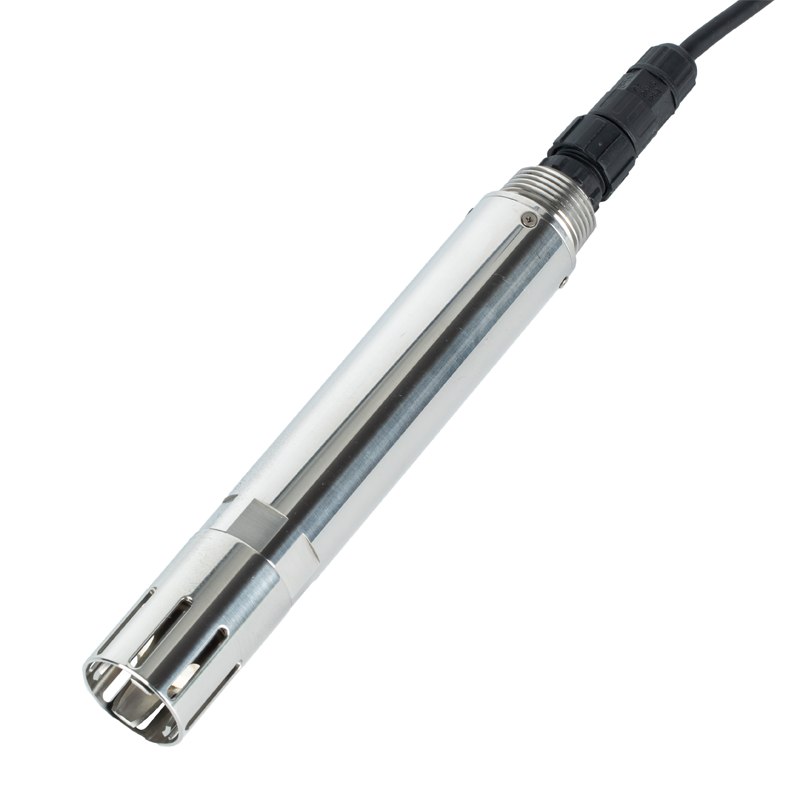
According to the regulations of the national health department and environmental protection department, water quality monitoring indicators are usually divided into routine indicators and non-routine indicators. Routine indicators are mandatory inspection items that reflect the basic condition of water quality, with the characteristics of high detection rate and strong representativeness.
Microbial safety is the primary line of defense for water quality monitoring. The main monitoring indicators include:
Total coliforms: Evaluate the degree of fecal contamination in the water body.
Thermotolerant coliforms: Further determine the recency of the pollution source.
Heterotrophic plate count: Reflect the overall level of microbial contamination in the water body and the disinfection effect.
Escherichia coli: A key direct indicator for determining the hygienic quality of water.
Toxicity indicators are directly related to human health and ecological safety, usually involving trace amounts but highly hazardous substances:
Heavy metals: Such as arsenic (As), selenium (Se), cadmium (Cd), chromium (Cr), lead (Pb), etc.
Inorganic pollutants: Fluoride, cyanide, nitrate, chlorite, etc.
Organic pollutants: Formaldehyde and other volatile or semi-volatile organic compounds.
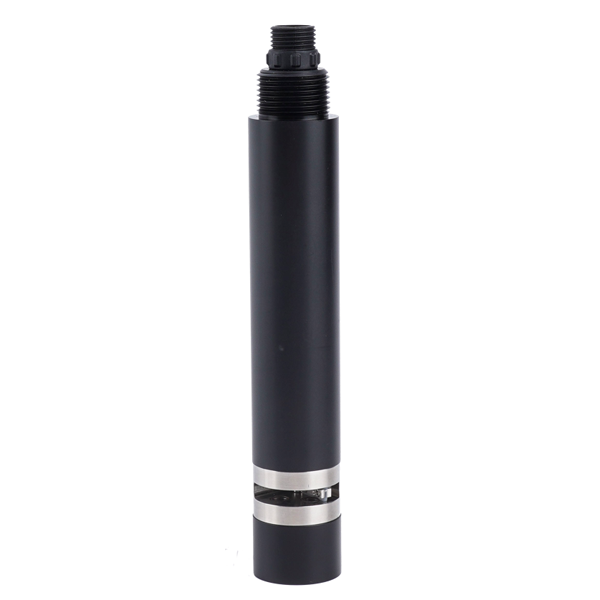
These indicators mainly affect the physical appearance and chemical stability of water:
Physical properties: Chroma, turbidity, visible matter to the naked eye.
Chemical properties: pH value (acidity and alkalinity), total hardness, iron, manganese, copper, zinc and other metal content.
Mainly for water source protection in specific environments, including the detection of total α radioactivity and total β radioactivity.
For water supply systems using different disinfection processes, it is necessary to monitor the residual of the agents:
Residual chlorine, chlorine dioxide, ozone, monochloramine. Maintaining an appropriate amount of residual chlorine can inhibit bacterial regeneration in the pipe network, but exceeding the standard will produce odor.
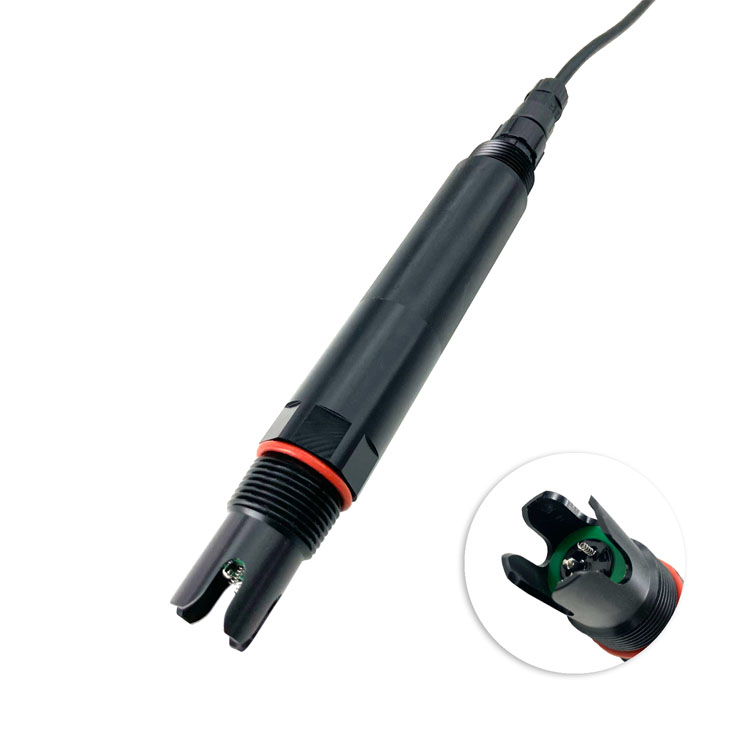
Whether water quality exceeds the standard must be analyzed against authoritative standards.
This is the most basic water quality determination standard in China. This standard divides the indicators into:
Routine monitoring indicators: Items that water quality monitoring stations in various places must monitor online in real time, covering the above five categories.
Non-routine monitoring indicators: Selected inspection items determined by relevant departments through consultation according to local geological environment and industrial pollution characteristics.
The health and family planning administrative departments will conduct two large-scale sampling monitoring during the wet season (rainy season) and dry season every year in accordance with the Law on the Prevention and Control of Infectious Diseases and the Measures for the Supervision and Administration of Drinking Water Hygiene. Focus on water supply households and large water users, and conduct targeted investigations in combination with specific pollution factors.
According to relevant regulations, water supply units must deploy water quality online monitoring systems. This requires the system not only to cover routine mandatory items, but also to have flexible expansion capabilities to cope with the detection needs of non-routine indicators in specific periods. Once the online analyzer triggers a threshold alarm, emergency treatment measures must be immediately initiated.
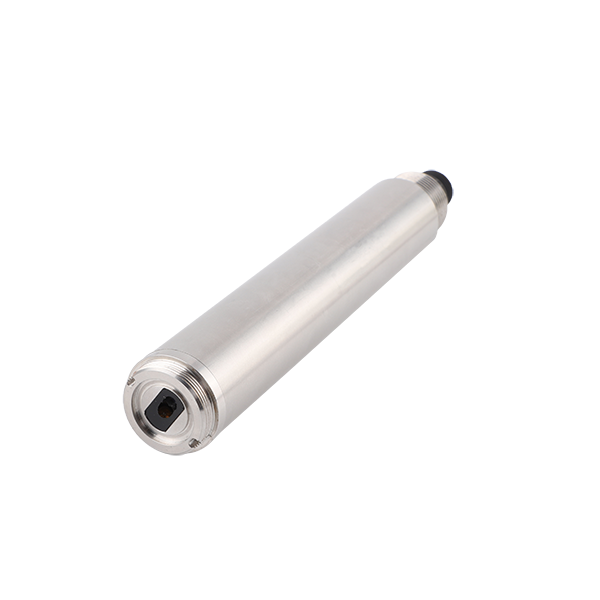
For different monitoring indicators, NiuBoL provides high-precision, digitized online analysis instruments. All instruments support RS485 Modbus-RTU protocol, which is convenient for access to PLC, DCS or smart water cloud platform.
| Indicator Classification | Recommended Monitoring Equipment | Measurement Range | Core Value |
|---|---|---|---|
| Sensory Properties | Online Turbidity Sensor | 0-100/1000 NTU | 90° scattered light technology, sensitive response |
| Chemical Indicators | Industrial Grade pH Meter | 0-14 pH | Automatic temperature compensation, long-life electrode |
| Toxicity/Inorganic | Online Biological Toxicity Analyzer | 0-100% inhibition rate | Real-time early warning of sudden water pollution events |
| Disinfectant Residual | Online Residual Chlorine Analyzer | 0-20 mg/L | Constant voltage method design, no reagent consumables required |
| Heavy Metals | Multi-parameter Water Quality Analysis Terminal | Depends on the probe | Integrated display and remote data reporting |
| General Chemical | Conductivity/Total Hardness Sensor | 0-20000 μS/cm | Reflects the mineralization degree and hardness status of the water body |
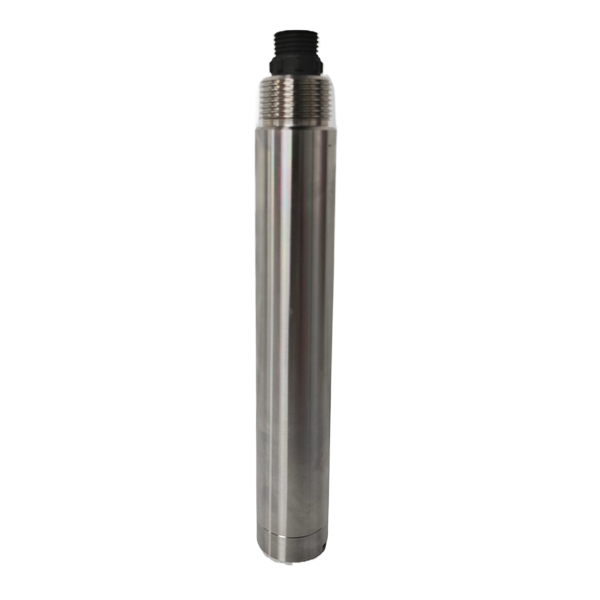
Q1. What is the difference between routine indicators and non-routine indicators?
Routine indicators are mandatory inspection items that reflect the basic condition of water quality; all water supply systems must monitor them. Non-routine indicators are selected according to regional differences (such as high heavy metals caused by local mineral resources) or sudden pollution risks.
Q2. Can water quality online monitors be installed with only one unit?
No. The physical and chemical characteristics of different indicators vary greatly (such as pH is electrical signal, turbidity is optical signal, toxicity is biological fluorescence signal), so special sensors or analyzers need to be configured for different indicators.
Q3. How does NiuBoL sensor ensure accuracy under high turbidity water quality?
Our sensors are equipped with automatic cleaning functions (such as mechanical scrapers or air pump backwashing), and adopt infrared light compensation algorithms to effectively filter out the interference of impurities on optical measurement.
Q4. Why is it necessary to conduct two monitorings during the wet season and dry season?
During the wet season, rainwater runoff may bring surface pollutants (such as pesticides, sediment); during the dry season, the water source volume decreases, and pollutant concentrations may increase due to concentration effects. Two monitorings ensure year-round dynamic safety.
Q5. Are the standards for industrial enterprise discharged water and drinking water the same?
No. Drinking water follows GB5749, while industrial wastewater discharge usually follows the Integrated Wastewater Discharge Standard (GB8978) or specific industry discharge standards. The limits of the latter are usually more relaxed than those for drinking water.
Q6. What is the first step after online monitoring detects exceedance?
First confirm whether the instrument status is normal (whether there is low liquid level or probe fouling alarm); after confirmation, immediately take manual samples and send them to the laboratory for verification, and adjust the process flow at the same time (such as increasing disinfectant dosage or switching water sources).
Q7. How to integrate NiuBoL data into mobile App?
NiuBoL provides supporting IoT cloud platform and API interface. Through our DTU (data transmission terminal), on-site RS485 signals can be seamlessly uploaded to the server, realizing real-time monitoring and alarm push on mobile phones.
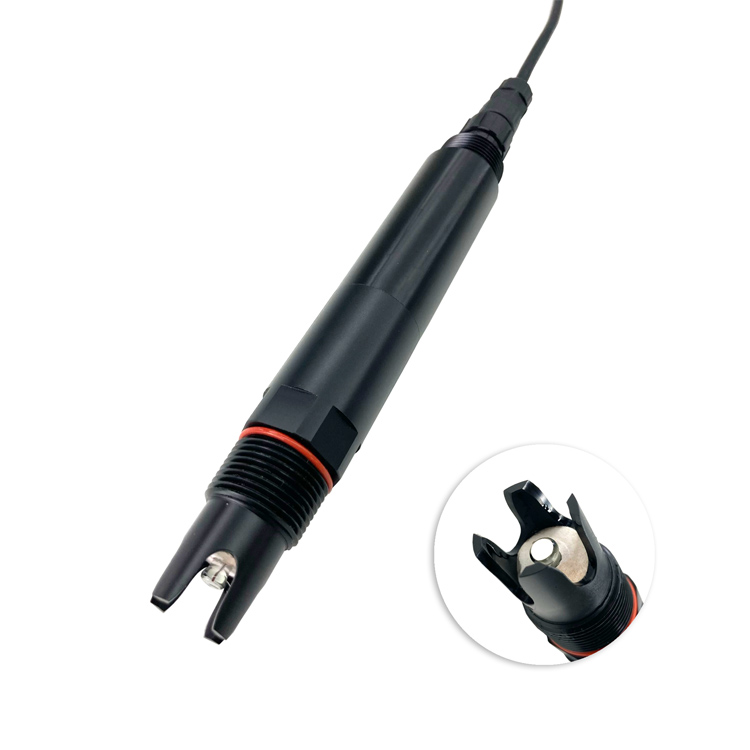
The setting of water quality monitoring indicators is not only a set of scientific experimental data, but also a rigorous regulatory management system. From subtle fluctuations of microorganisms to milligram-level control of heavy metals, every indicator relies on highly reliable online monitoring equipment.
NiuBoL adheres to standards-oriented approach and provides digital monitoring solutions that comply with core standards such as GB5749 for global system integrators. On the road to pursuing “clear water quality”, precise monitoring is the first and most critical step in management. With NiuBoL intelligent analysis instruments, you can achieve more efficient compliance management and safer water quality assurance.
 NBL-WQ-CL Water Quality Sensor Online Residual Chlorine Sensor.pdf
NBL-WQ-DO Online Fluorescence Dissolved Oxygen Sensor.pdf
NBL-WQ-NHN Ammonia Nitrogen Water Quality Sensor.pdf
NBL-WQ-COD Online Water Quality COD Sensor.pdf
NBL-WQ-PH Online pH Water Quality Sensor.pdf
Related recommendations
Sensors & Weather Stations Catalog
Agriculture Sensors and Weather Stations Catalog-NiuBoL.pdf
Weather Stations Catalog-NiuBoL.pdf
Agriculture Sensors Catalog-NiuBoL.pdf
Water Quality Sensor Catalog-NiuBoL.pdf
Related products
 Combined air temperature and relative humidity sensor
 Soil Moisture Temperature sensor for irrigation|NBL-S-THR
 Soil pH sensor RS485 soil Testing instrument soil ph meter for agriculture |NBL-S-PH
 Wind Speed sensor Output Modbus/RS485/Analog/0-5V/4-20mA
 Tipping bucket rain gauge for weather monitoring auto rainfall sensor RS485/Outdoor/stainless steel
 Pyranometer Solar Radiation Sensor 4-20mA/RS485

Screenshot, WhatsApp to identify the QR code
WhatsApp number:+8615367865107
(Click on WhatsApp to copy and add friends)

