





— Blogs —
—Products—
 Consumer hotline +8618073152920
 WhatsApp:+8615367865107
Address:Room 102, District D, Houhu Industrial Park, Yuelu District, Changsha City, Hunan Province, China
Product knowledge
Time:2026-04-27 09:11:12 Popularity:457
In industrial wastewater treatment systems, COD (Chemical Oxygen Demand) is a core indicator for evaluating organic pollutant load and treatment process efficiency. COD exceedance not only directly affects enterprise environmental compliance discharge but may also lead to environmental fines, production suspension and rectification, or downstream water ecological risks. The NBL-COD-208 helps engineering teams identify exceedance risks in a timely manner through continuous online monitoring, optimize process parameters, and ensure effluent meets specifications such as GB 21900-2008 "Electroplating Pollutant Discharge Standard" (COD limit 80 mg/L).
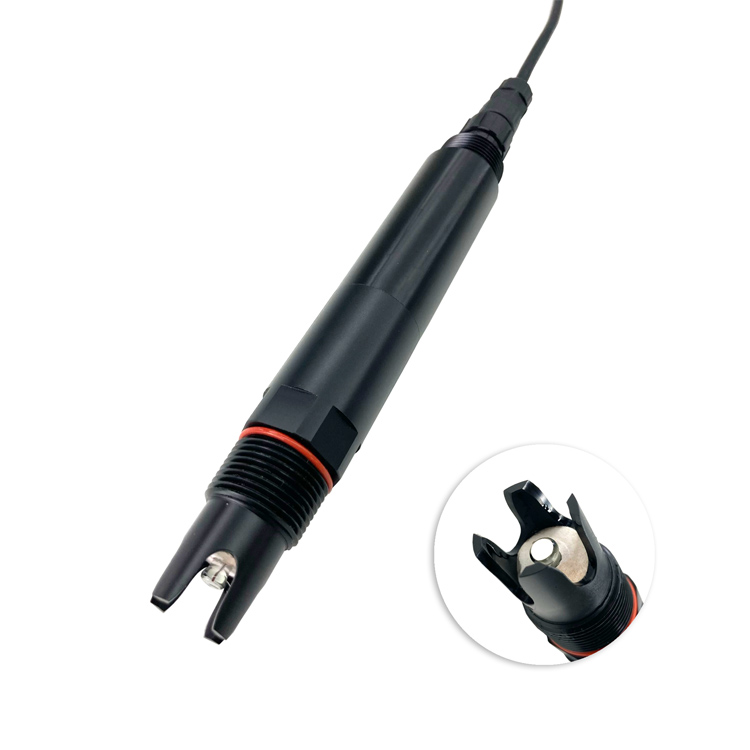
Industrial wastewater COD exceedance is a challenge often faced by system integrators during project commissioning and operation and maintenance. The causes are usually divided into two categories: source generation and treatment process defects. Accurate diagnosis of these causes relies on reliable online monitoring data.
Many industries inevitably produce high-COD wastewater during production. For example, residual organic matter in food processing plants mixes with flushing water; reducing substances (such as sulfide and chloride ions) in chemical plants enter wastewater; organic complexing agents and additive residues are released during acid pickling in the electroplating industry. These organic loads directly increase the influent COD concentration, exceeding the treatment capacity of conventional biochemical systems.
The biochemical treatment stage is the key to COD removal, but loss of control over process parameters often leads to effluent exceedance:
When the biochemical tank water temperature is too low, microbial activity decreases and the organic matter decomposition rate decreases significantly.
Insufficient dissolved oxygen (DO) fails to meet the metabolic needs of aerobic bacteria, leading to inhibited bacterial activity and a sharp decline in COD degradation efficiency.
Excessive influent ammonia nitrogen, heavy metals or COD load can poison the biochemical tank bacteria, causing system collapse.
Other factors include insufficient aeration, unbalanced sludge concentration, improper reflux ratio or excessive carbon source dosing, further amplifying the risk of exceedance.
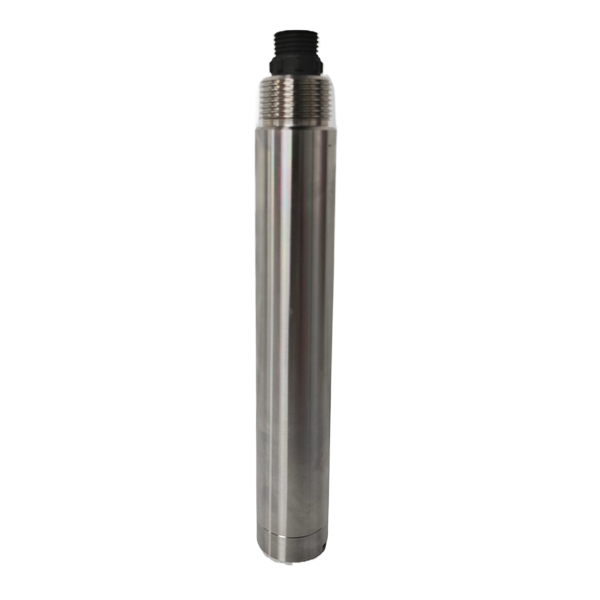
Electroplating industry wastewater has complex composition, and COD exceedance is particularly prominent. According to GB 21900-2008 standard, the enterprise COD discharge limit is 80 mg/L, but the actual compliance pressure is high.
Main reasons include: extensive use of organic additives to improve leveling, brightness, dispersion and deep plating properties of coatings; organic sealing agents used in post-treatment sealing processes. These substances are difficult to completely degrade by traditional chemical precipitation or biochemical methods. In addition, metal complexes in electroplating wastewater further increase the difficulty of COD removal.
Common treatment attempts (such as activated carbon adsorption) are initially effective, but activated carbon is easily saturated and regeneration technology is immature; membrane separation can intercept macromolecular organic matter, but the concentrated water has higher COD concentration, increasing the burden of subsequent disposal; the ultraviolet + ozone + activated carbon combination can achieve higher removal rates under specific conditions, but operating costs and stability need comprehensive evaluation. Biochemical methods usually require pre-chemical pretreatment to reduce toxicity load.
For these complex scenarios, real-time and accurate online COD monitoring becomes the foundation for process optimization and emergency response.
The NBL-COD-208 adopts the dual-wavelength ultraviolet absorption method. Dissolved organic matter in water has characteristic absorption of 254 nm ultraviolet light. By measuring this absorption degree, the organic pollution load can be indirectly reflected. At the same time, a reference optical path is introduced for turbidity compensation, and a specific algorithm is used to correct optical path attenuation and suspended particle interference, achieving more stable measurement results.
This method requires no chemical reagents, avoiding secondary pollution and reagent consumption costs. Response time T90<30 s supports uninterrupted online monitoring and is particularly suitable for high-frequency data acquisition needs. The sensor simultaneously outputs COD, turbidity and temperature parameters, with built-in automatic temperature compensation (Pt1000) and self-cleaning brush, effectively preventing biological attachment, reducing drift, and ensuring long-term measurement accuracy.
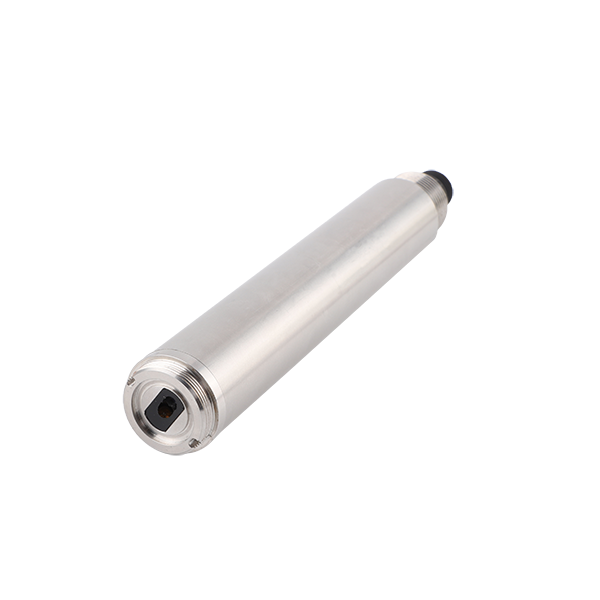
The NBL-COD-208 focuses on system integration convenience and on-site reliability in design:
Reagent-free measurement, economical and environmentally friendly, low operating cost.
Dual-wavelength compensation technology automatically eliminates turbidity interference.
Built-in cleaning brush reduces manual maintenance.
Low power consumption design (0.4 W@12 V working, 2 W@12 V cleaning), strong anti-interference ability.
Supports RS-485 Modbus/RTU protocol and optional 4-20 mA current output, facilitating multi-device networking.
IP68 protection, 316L housing, suitable for harsh industrial environments.
Compact size and convenient submersible installation.
These features enable the sensor to maintain stable output in long-term unattended scenarios and significantly reduce operation and maintenance burden after system integration.
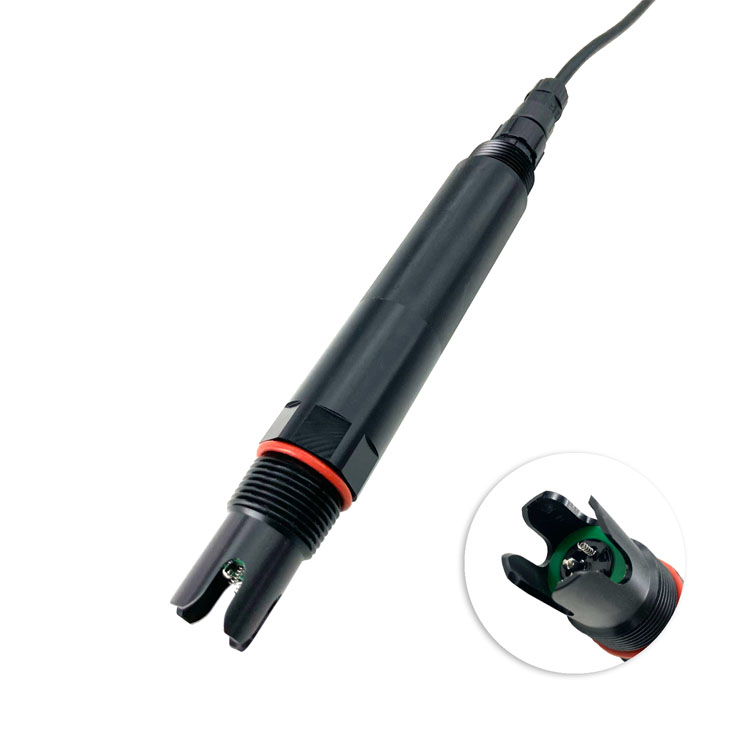
| Parameter | Specification |
|---|---|
| Model | NBL-COD-208 |
| Measurement Principle | Dual-wavelength ultraviolet absorption method |
| Range & Resolution | COD: 0~200.0 mg/L (0.1 mg/L) 0~500.0 mg/L (0.1 mg/L) Turbidity: 0~200.0 NTU / 0~400.0 NTU |
| Accuracy | ±5% of reading |
| Response Time (T90) | <30 s |
| Minimum Detection Limit | 0.2 mg/L (0-200 mg/L range) 0.4 mg/L (0-500 mg/L range) |
| Calibration Method | Two-point calibration |
| Cleaning Method | Built-in cleaning brush |
| Temperature Compensation | Automatic temperature compensation (Pt1000) |
| Output Mode | RS-485 (Modbus/RTU), 4-20 mA (optional) |
| Working Conditions | 0~45℃, ≤0.2 MPa |
| Storage Temperature | -5~65℃ |
| Housing Material | 316L |
| Installation Method | Submersible installation, 3/4 NPT |
| Power Consumption | 0.4 W@12 V (working) 2 W@12 V (cleaning) |
| Power Supply | 12~24 V DC |
| Protection Rating | IP68 |
The sensor covers common industrial wastewater COD monitoring ranges and meets the monitoring needs of most treatment processes.
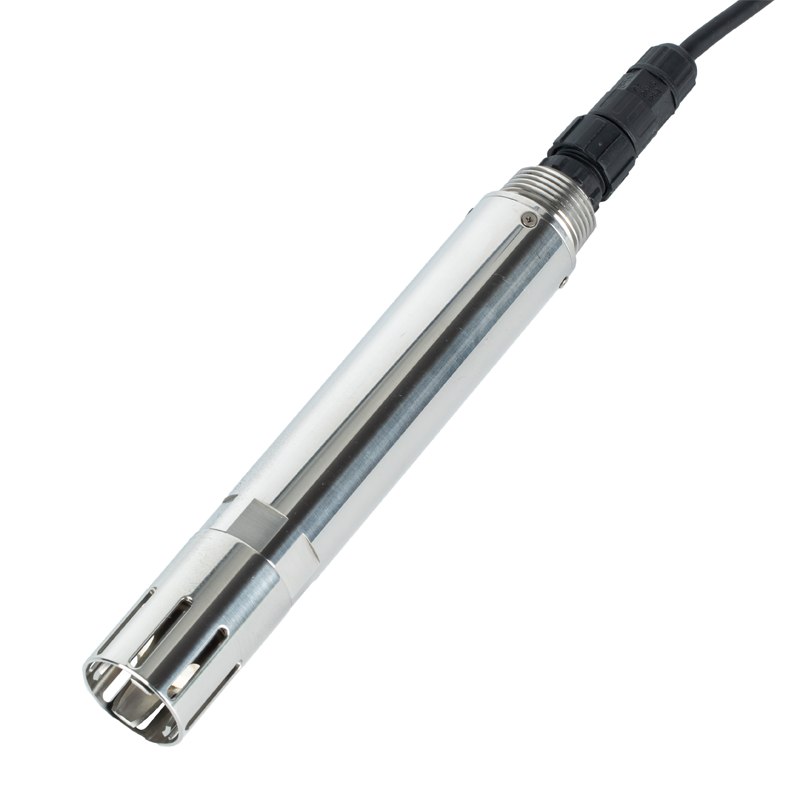
From the perspective of system integrators, the NBL-COD-208 can serve as a core node of the water quality perception layer and is widely used in the following projects:
1. Total discharge outlet monitoring of industrial wastewater treatment plants: Real-time grasp of influent and effluent COD changes, linkage with dosing, aeration or advanced oxidation processes to achieve closed-loop control and reduce exceedance risks.
2. Electroplating wastewater treatment projects: Provide high-frequency data support for optimization of chemical pretreatment + biochemical combination processes for refractory COD caused by organic additives and complexes.
3. Chemical, food, pharmaceutical and other high organic load industries: Monitor pretreatment effects of production wastewater to prevent high-concentration organic matter from impacting biochemical systems.
4. Park centralized wastewater treatment facilities: Multi-point networking to monitor influent COD from different enterprises and assist in quality-based treatment and charging management.
5. IoT smart water platforms: Integrate with data acquisition RTU and cloud platforms using RS-485 Modbus/RTU protocol to achieve remote monitoring, trend analysis, alarm push and historical data traceability, supporting unattended operation and maintenance.
6. Upgrading and renovation projects: Add online monitoring points on the basis of existing processes to verify the effect of advanced treatment units (such as Fenton oxidation, ozone + ultraviolet) and meet stricter discharge standards.
In actual integration cases, the sensor can be combined with multi-parameter probes such as turbidity, ammonia nitrogen and pH to form a complete water quality monitoring subsystem, significantly improving the digital level and delivery reliability of the project.
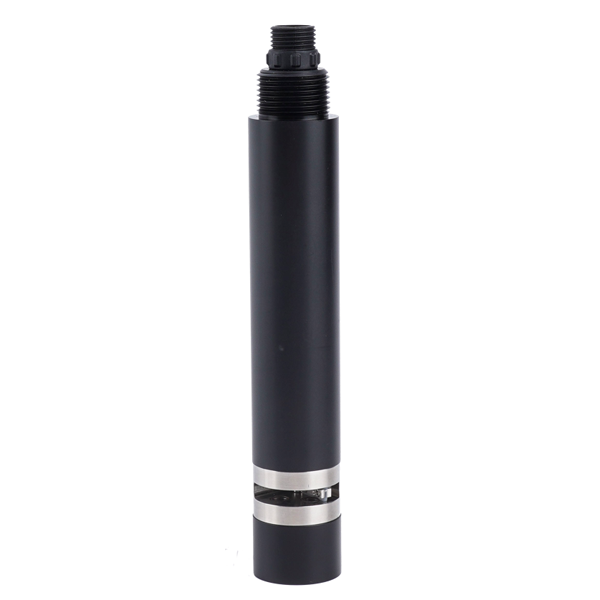
When selecting, system integrators are advised to focus on:
1. Range matching: Select 0-200 mg/L or 0-500 mg/L range according to expected influent/effluent COD concentration; lower range provides higher resolution.
2. Anti-interference ability: Dual-wavelength compensation and self-cleaning brush are suitable for high-turbidity and scaling-prone industrial wastewater.
3. Communication compatibility: Modbus/RTU protocol facilitates access to existing PLC or RTU; optional 4-20 mA meets traditional analog system requirements.
4. Installation environment: IP68 protection and 316L material adapt to corrosive media; immersion depth should be controlled within 2 meters to avoid air bubbles and strong water flow impact.
5. Maintenance cost: Prioritize low-maintenance, reagent-free design and combine with two-point calibration to reduce long-term operating costs.
6. System scalability: Supports simultaneous monitoring of COD, turbidity and temperature for building multi-parameter monitoring networks.
It is recommended to conduct on-site water sample comparison tests in the early project stage to verify the correlation between the ultraviolet absorption method and the national standard dichromate method (CODCr) and determine the conversion coefficient.

To ensure stable system operation, the following should be noted during integration:
Installation location: Choose a location with stable flow and strong representativeness; fix the sensor horizontally with the measurement window facing the water flow. Protect the cable with a sleeve to avoid tension or mechanical damage.
Power supply and communication: Use a stable 12-24 VDC power supply and install surge protection. Correctly wire the RS-485 bus, match terminal resistance, and control bus length to reduce interference.
Cleaning and calibration: Use the built-in cleaning brush for regular maintenance and recommend returning to the factory for inspection of sealing devices every 18 months. Perform two-point calibration according to the requirements of the competent department.
Environmental adaptation: Working temperature 0-45℃, pressure ≤0.2 MPa; avoid violent impact and protect optical components.
Data linkage: Synchronously configure Modbus address and baud rate with the upper system, test real-time performance and integrity, and support automatic linkage with dosing and aeration equipment.
Safety protection: Pre-filter in high-turbidity or high organic load scenarios to extend sensor service life.
Strict implementation of these specifications can maximize sensor performance and reduce project commissioning and operation and maintenance risks.
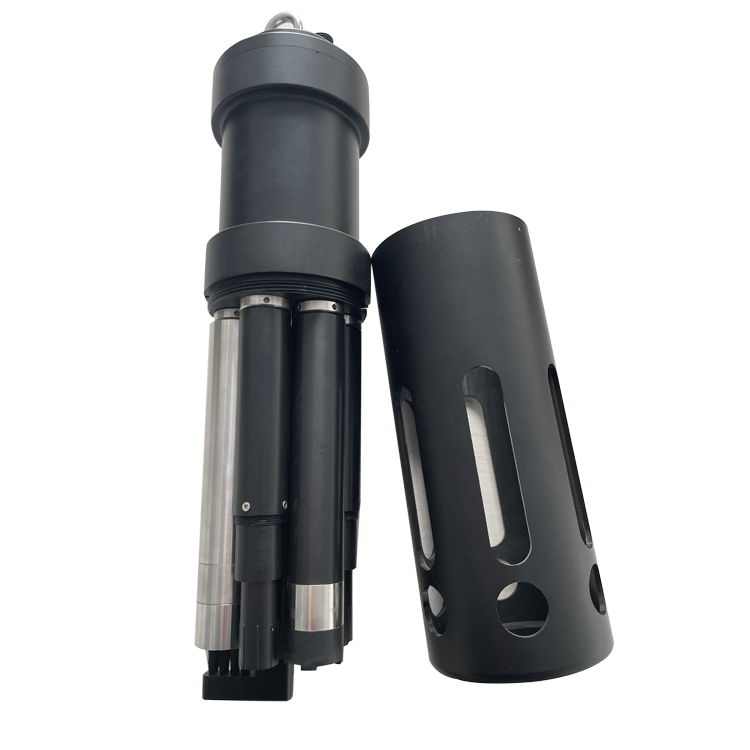
Q1: What are the most common causes of industrial wastewater COD exceedance?
A1: Mainly include organic matter discharge at the production source (such as food residues, chemical reducing substances, electroplating additives) and biochemical process defects (such as low temperature, hypoxia, toxicity inhibition). Real-time COD monitoring helps quickly locate problem links.
Q2: What are the advantages of the dual-wavelength ultraviolet absorption method compared to traditional chemical methods?
A2: No reagents required, no secondary pollution, short response time (<30 s), low maintenance, and improved measurement stability through turbidity compensation, suitable for continuous online applications.
Q3: How to integrate the NBL-COD-208 with existing PLC or SCADA systems?
A3: Directly read data through RS-485 Modbus/RTU protocol, or optionally configure 4-20 mA output. Integrators can use serial servers or RTU modules for quick access and support multi-sensor networking.
Q4: What is the difficulty in COD monitoring of electroplating wastewater?
A4: Organic additives and metal complexes lead to refractory degradation, and traditional methods are easily interfered with. The ultraviolet absorption method can effectively monitor dissolved organic matter and support process optimization.
Q5: How to maintain the sensor self-cleaning brush?
A5: Rely on the self-cleaning function daily. It is recommended to return to the factory for inspection and maintenance of the dynamic sealing device every 18 months. The outer surface can be wiped with a soft cloth and neutral cleaning agent.
Q6: What are the requirements for water flow and depth during installation?
A6: Immersion depth does not exceed 2 meters, and the lowest water level is more than 30 cm below; avoid air bubble accumulation areas, protect and fix the cable firmly.
Q7: How to verify the accuracy of ultraviolet method COD data with national standard methods?
A7: Perform two-point calibration and regularly compare with the laboratory dichromate method (CODCr) to establish a conversion coefficient and ensure data reliability for environmental acceptance.
Q8: Which industries' high-difficulty wastewater is the sensor suitable for?
A8: Suitable for industrial wastewater containing refractory organic matter in chemical, food, electroplating, pharmaceutical and other industries, as well as influent and effluent monitoring in wastewater treatment plants.
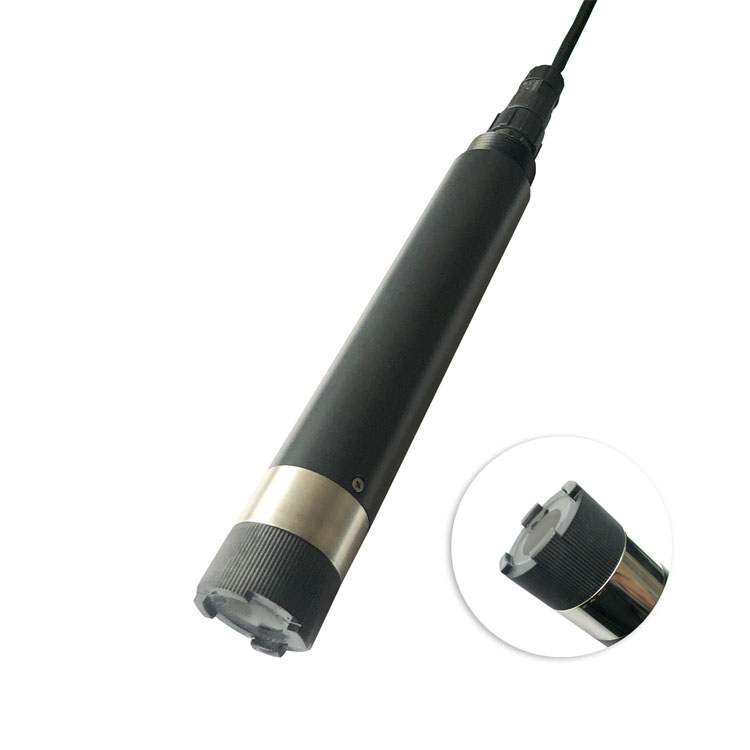
The NiuBoL NBL-COD-208 online COD sensor provides an efficient and reliable online monitoring means for industrial wastewater treatment projects with dual-wavelength ultraviolet absorption method as the core technology, combined with self-cleaning, low maintenance and digital communication features. It helps system integrators grasp COD dynamics in real time, assist in diagnosing exceedance causes, optimize biochemical, chemical or advanced oxidation processes, ensure compliant discharge and reduce overall operation and maintenance costs.
If you need detailed technical specification sheets, on-site testing support or system integration solutions, please contact the NiuBoL professional team to jointly discuss optimized configurations suitable for project needs.
 NBL-WQ-CL Water Quality Sensor Online Residual Chlorine Sensor.pdf
NBL-WQ-DO Online Fluorescence Dissolved Oxygen Sensor.pdf
NBL-WQ-NHN Ammonia Nitrogen Water Quality Sensor.pdf
NBL-WQ-COD Online Water Quality COD Sensor.pdf
NBL-WQ-PH Online pH Water Quality Sensor.pdf
Prev:Water Quality Online Monitoring System: Systematic Path from Manual Sampling to Online Monitoring
Related recommendations
Sensors & Weather Stations Catalog
Agriculture Sensors and Weather Stations Catalog-NiuBoL.pdf
Weather Stations Catalog-NiuBoL.pdf
Agriculture Sensors Catalog-NiuBoL.pdf
Water Quality Sensor Catalog-NiuBoL.pdf
Related products
 Combined air temperature and relative humidity sensor
 Soil Moisture Temperature sensor for irrigation|NBL-S-THR
 Soil pH sensor RS485 soil Testing instrument soil ph meter for agriculture |NBL-S-PH
 Wind Speed sensor Output Modbus/RS485/Analog/0-5V/4-20mA
 Tipping bucket rain gauge for weather monitoring auto rainfall sensor RS485/Outdoor/stainless steel
 Pyranometer Solar Radiation Sensor 4-20mA/RS485

Screenshot, WhatsApp to identify the QR code
WhatsApp number:+8615367865107
(Click on WhatsApp to copy and add friends)

