





— Blogs —
—Products—
 Consumer hotline +8618073152920
 WhatsApp:+8615367865107
Address:Room 102, District D, Houhu Industrial Park, Yuelu District, Changsha City, Hunan Province, China
Product knowledge
Time:2026-04-27 09:03:11 Popularity:402
In modern industry, environmental protection, and marine scientific research, monitoring of water quality electrical conductivity (Electrical Conductivity, EC) is not only a core means to measure water purity but also the most effective physical indicator for estimating water salinity and total dissolved solids (TDS). For system integrators and environmental engineering contractors, deploying a highly reliable online conductivity monitoring system is the cornerstone for ensuring production water safety and compliant discharge.
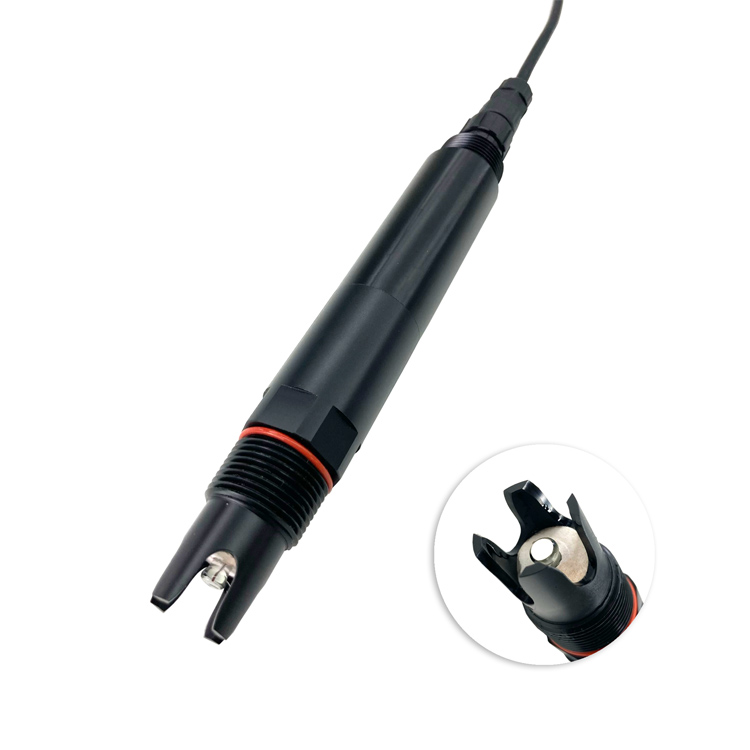
Conductivity refers to the ability of an aqueous solution to conduct electric current, and its value depends on the type, concentration, and mobility of ions in the water.
Pure water is essentially an excellent insulator with conductivity close to zero. However, in industrial environments, water generally contains chlorides, sulfates, carbonates, and metal ions such as sodium, calcium, and magnesium. These dissolved electrolytes form charged particles that serve as the medium for charge transfer. The higher the ion concentration, the greater the conductivity value.
Direct chemical analysis to measure the absolute salinity of water (i.e., measuring the grams of dissolved salts per kilogram of water) is complex and expensive. In engineering practice, because there is a close linear or quasi-linear relationship between conductivity and ion concentration, converting salinity through high-precision conductivity sensors combined with mathematical models has become the industry standard solution.
In industrial integration projects, selecting the appropriate conductivity analyzer requires consideration of range, environmental corrosiveness, and long-term stability.
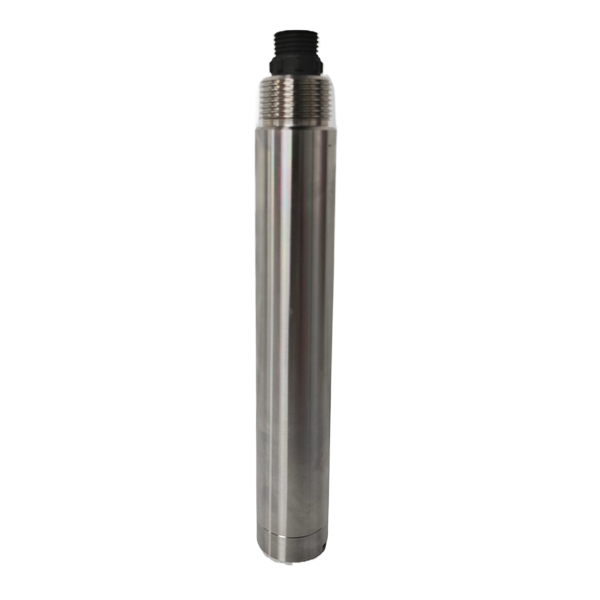
| Parameter Item | Technical Specification/Description | Notes |
|---|---|---|
| Measurement Principle | Four-electrode method / Inductive (electrodeless method) | Reduces electrode polarization effects |
| Conductivity Measurement Range | 0 - 20,000 / 200,000 μS/cm | Wide optional range |
| Salinity Measurement Range | 0~70.0 PSU | Suitable for seawater and industrial wastewater |
| Temperature Compensation | Automatic temperature compensation (ATC), NTC10K | Compensation coefficient 0 - 4.0% / °C |
| Communication Interface | RS485 (Modbus-RTU) | Standard industrial bus interface |
| Housing Material | 316L stainless steel / polysulfone / polytetrafluoroethylene | Strong corrosion environment adaptability |
| Protection Rating | IP68 | Long-term submersible installation |
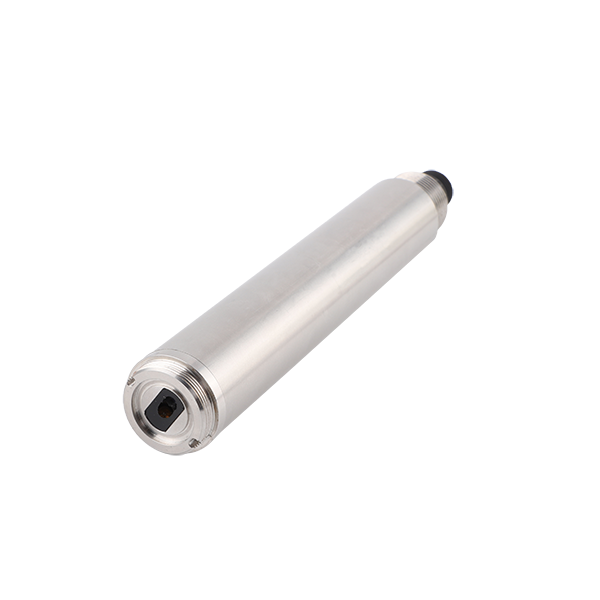
When deploying IoT monitoring points, system integrators must consider the following variables that affect data quality:
For every 1°C increase in water temperature, conductivity usually increases by 2% to 4%. This is because higher temperature increases ion mobility and reduces viscosity. Therefore, professional conductivity analyzers must have real-time temperature sampling and automatic temperature compensation (ATC) functions to ensure data consistency across different seasons and day-night temperature differences.
Water conductivity is significantly affected by dynamic replenishment:
Dilution effect: Large amounts of rainfall or pure freshwater injection rapidly lower conductivity and salinity.
Mineralization effect: Inflow of groundwater or agricultural runoff containing large amounts of dissolved minerals causes abnormal increases in conductivity.
Distilled water / deionized water: 0.5 - 3.0
Municipal tap water: 50 - 800
Industrial wastewater: >10,000
Seawater (standard): ~55,000
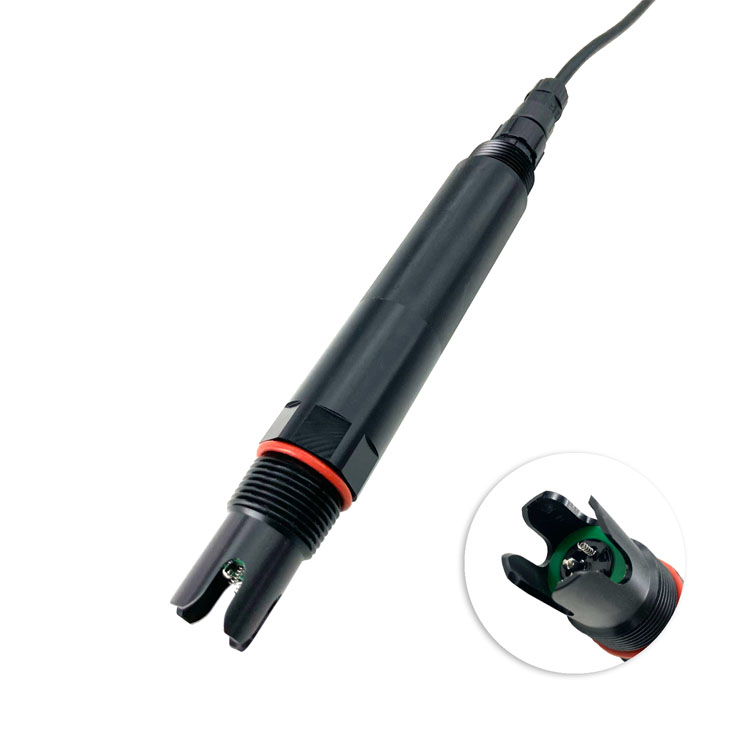
In marine aquaculture or wastewater treatment processes, salinity is not just an independent physical quantity; it directly affects the solubility of dissolved oxygen (DO).
High salinity effect: The higher the salinity level, the lower the saturation of dissolved oxygen in the water body. This can be fatal to sensitive aquatic organisms.
Biological stability: Most aquatic plants and animals have strict requirements for the fluctuation range of conductivity. Continuous and stable monitoring can prevent large-scale biological death caused by sudden salinity changes.
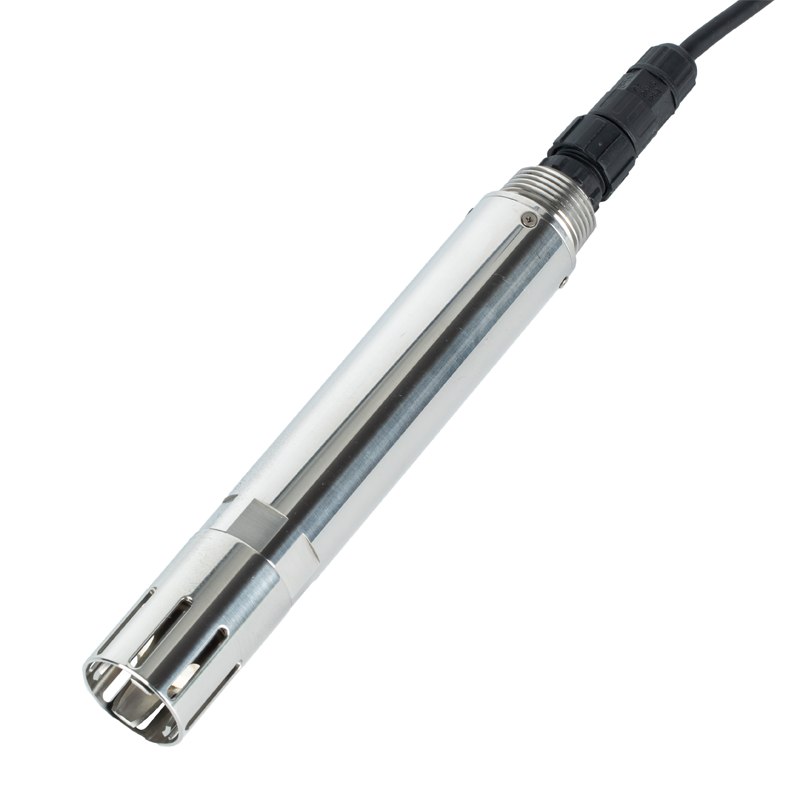
For engineering contractors, digital sensors are the key to reducing operation and maintenance costs. NiuBoL's full range of conductivity analyzers adopt the RS485 Modbus-RTU communication protocol:
1. Convenient wiring: Supports daisy-chain bus structure, reducing cable usage.
2. Strong anti-interference ability: Digital signal transmission has stronger reliability than analog signals (4-20mA) in industrial sites with concentrated high-power motors or frequency converters.
3. Multi-parameter acquisition: A single node can simultaneously feedback conductivity, salinity, TDS, and real-time water temperature.
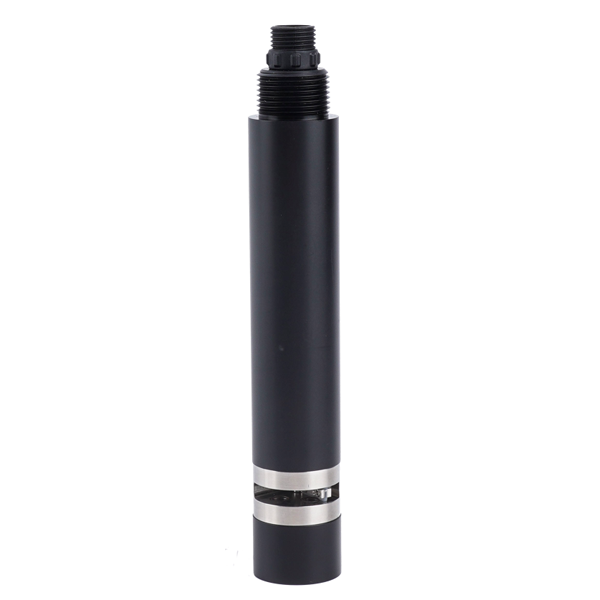
Q1: Why can't conductivity completely replace chemical salinity analysis?
A1: Although conductivity is highly correlated with salinity, different ions have different abilities to conduct current. For example, sodium and calcium ions contribute differently to conductivity. In precise scientific research, specific algorithm conversion is required, but in most industrial applications, this estimation is completely sufficient.
Q2: What is TDS and how is it related to conductivity?
A2: TDS (Total Dissolved Solids) refers to the total amount of all inorganic salts and organic matter dissolved in water. It is usually estimated from conductivity using a proportionality coefficient (such as 0.5 - 0.7): TDS(mg/L) = EC(μS/cm) × K.
Q3: Why do sensor measurement electrodes need regular cleaning?
A3: In sewage or industrial cooling water, biological films or oil scale easily grow on the electrode surface, increasing contact resistance and causing measurement results to be low. Using NiuBoL sensors with automatic cleaning brush functions can solve this problem.
Q4: What is the four-electrode measurement method? What are its advantages over the two-electrode method?
A4: The two-electrode method is prone to polarization errors when measuring high-conductivity water bodies. The four-electrode method eliminates wire resistance and polarization effects through two pairs of independent electrodes (current drive and voltage sensing), providing a wider measurement range and higher accuracy.

Q5: How to deal with the strong corrosiveness of seawater in marine monitoring?
A5: Titanium alloy, 316L stainless steel, or specially coated sensor housings must be used, and non-contact (inductive) conductivity technology should be adopted to avoid direct contact of electrodes with seawater and extend service life.
Q6: Why is the conductivity of rainwater not always zero?
A6: Rainwater absorbs dust, carbon dioxide, sulfur dioxide, and other gases from the atmosphere during its fall, forming weak electrolytes. Therefore, rainwater has weak conductivity, usually between 10-100 μS/cm.
Q7: How to remotely calibrate sensors during system integration?
A7: NiuBoL digital sensors support remote offset adjustment through Modbus commands, allowing integrators to complete basic water quality calibration without going to the site.
Q8: What penalties are there for excessively high conductivity in industrial discharges?
A8: Although conductivity itself may not be a direct pollutant indicator, it is an indirect reflection of total phosphorus, total nitrogen, and heavy metal concentrations. Abnormally high conductivity usually indicates illegal discharge or substandard treatment and will trigger in-depth sampling verification by environmental protection departments.
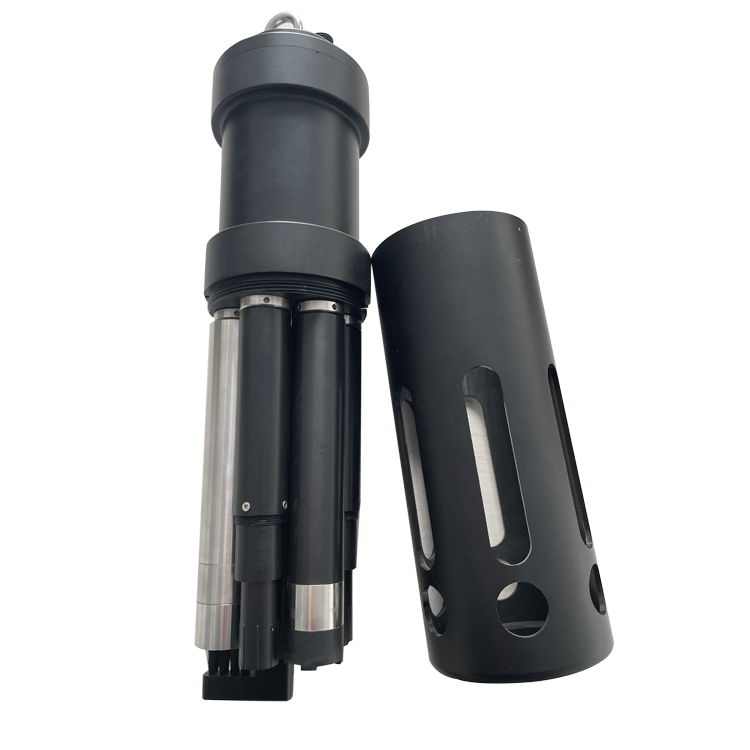
Water quality conductivity monitoring is not only a means to evaluate industrial water efficiency but also a core link in maintaining water ecological stability. From salinity control in seawater aquaculture to resource recovery and reuse in industrial wastewater, precise monitoring data is the premise of all control algorithms.
For system integrators, choosing NiuBoL conductivity sensors with automatic temperature compensation, RS485 communication, and strong environmental adaptability can significantly enhance the competitiveness of the entire IoT solution. In future digital water management, continuous and reliable conductivity perception will provide the most solid data foundation for zero discharge and green production.
 NBL-RDO-206 Online Fluorescence Dissolved Oxygen Sensor.pdf
NBL-COD-208 Online COD Water Quality Sensor.pdf
NBL-CL-206 Water Quality Sensor Online Residual Chlorine Sensor.pdf
NBL-DDM-206 Online Water Quality Conductivity Sensor.pdf
Next:Water Quality Online Monitoring System: Systematic Path from Manual Sampling to Online Monitoring
Related recommendations
Sensors & Weather Stations Catalog
Agriculture Sensors and Weather Stations Catalog-NiuBoL.pdf
Weather Stations Catalog-NiuBoL.pdf
Agriculture Sensors Catalog-NiuBoL.pdf
Water Quality Sensor Catalog-NiuBoL.pdf
Related products
 Combined air temperature and relative humidity sensor
 Soil Moisture Temperature sensor for irrigation|NBL-S-THR
 Soil pH sensor RS485 soil Testing instrument soil ph meter for agriculture |NBL-S-PH
 Wind Speed sensor Output Modbus/RS485/Analog/0-5V/4-20mA
 Tipping bucket rain gauge for weather monitoring auto rainfall sensor RS485/Outdoor/stainless steel
 Pyranometer Solar Radiation Sensor 4-20mA/RS485

Screenshot, WhatsApp to identify the QR code
WhatsApp number:+8615367865107
(Click on WhatsApp to copy and add friends)

