





— Blogs —
—Products—
 Consumer hotline +8618073152920
 WhatsApp:+8615367865107
Address:Room 102, District D, Houhu Industrial Park, Yuelu District, Changsha City, Hunan Province, China
Product knowledge
Time:2026-04-27 09:07:29 Popularity:416
Water quality is a comprehensive characterization of the physical, chemical, and biological properties of water bodies. For system integrators, IoT solution providers, and engineering companies undertaking water environment monitoring projects, the core issue is not "whether to monitor" but "how to build an efficient, reliable, and low-operation-and-maintenance-cost monitoring system."
At present, water quality monitoring in China is still mainly manual, including mobile handheld device sampling and laboratory analysis. However, manual monitoring has obvious limitations: low sampling frequency, data lag, and inability to capture sudden pollution events. Water quality online monitoring technology, due to its real-time nature, accuracy, and low labor cost, is becoming the mainstream choice for water sources, pollutant discharge units, and key sections.
This article, from the perspective of engineering delivery, systematically sorts out the technical classification, existing problems, and deployment points of online monitoring systems for water quality monitoring.
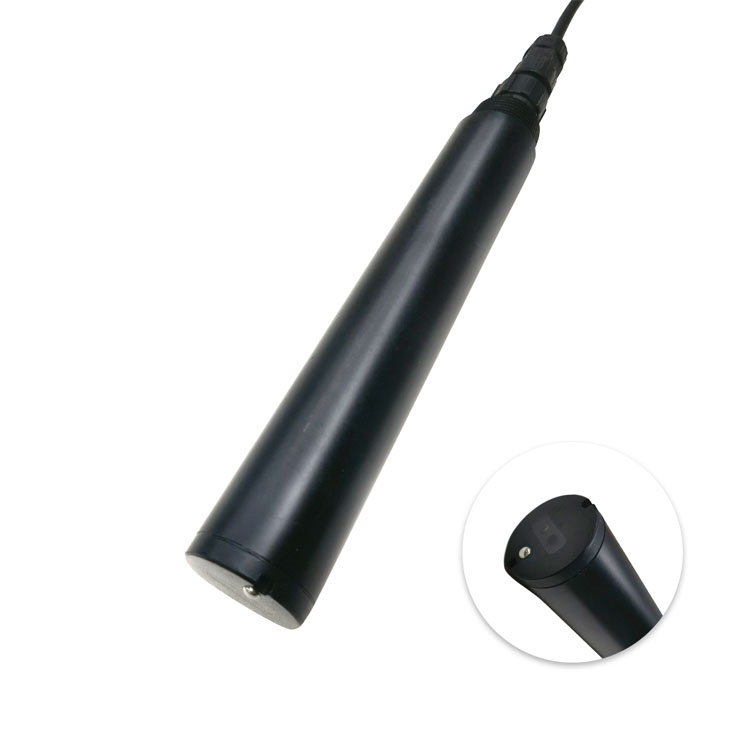
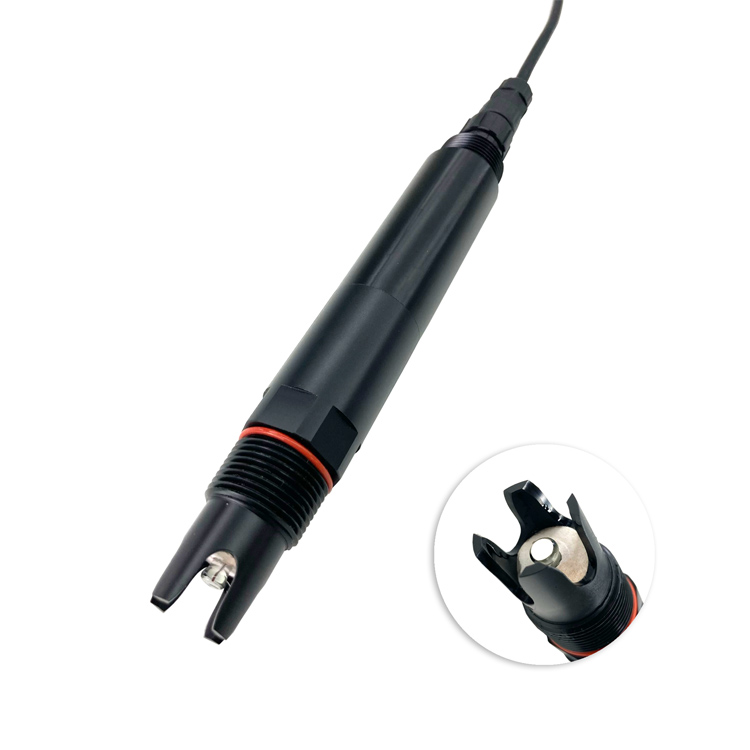
Physical-chemical monitoring is the basic means of water quality monitoring. The operating equipment is relatively simple, and data indicators are easy to obtain. Some multi-parameter instruments can simultaneously measure multiple indicators such as pH, dissolved oxygen, conductivity, and turbidity.
In terms of inorganic pollutant monitoring, the technological evolution path is: photometry → atomic absorption method → speciation and valence state analysis. In current mainstream engineering solutions, photometry is still widely used for online analysis of COD, ammonia nitrogen, total phosphorus, and total nitrogen because of its stable operation and controllable reagent costs.
Engineering Recommendation: For conventional monitoring sections, prioritize online photometry analyzers based on national standard methods; for special projects such as heavy metals, configure atomic absorption or anodic stripping voltammetry equipment.
Automatic water quality monitoring systems represent the advanced stage of water environment monitoring. A complete automatic control system can achieve:
Long-term continuous monitoring of reservoirs, lakes, and river sections
Real-time grasp of water quality status and change patterns
Timely detection of pollution events and automatic alarms
Prediction of water quality change trends based on historical data
System Composition: Water sampling unit, water distribution unit, analysis instrument unit, data acquisition and transmission unit, control and feedback unit, station house and auxiliary systems.
Communication Protocols: It is recommended to adopt Modbus RTU/TCP, OPC UA, or HJ/T 212 environmental protection standard protocols to ensure data access to superior platforms.
Biological monitoring assesses water quality by observing the population structure, behavior, or physiological responses of aquatic organisms (algae, zooplankton, benthic organisms). Although it is not suitable for real-time continuous quantitative monitoring, it has unique value in the following scenarios:
Early warning of chronic toxic pollution
Assessment of comprehensive ecological effects
Online biological toxicity instruments (based on luminescent bacteria or fish behavior) can serve as the first line of defense for emergency early warning
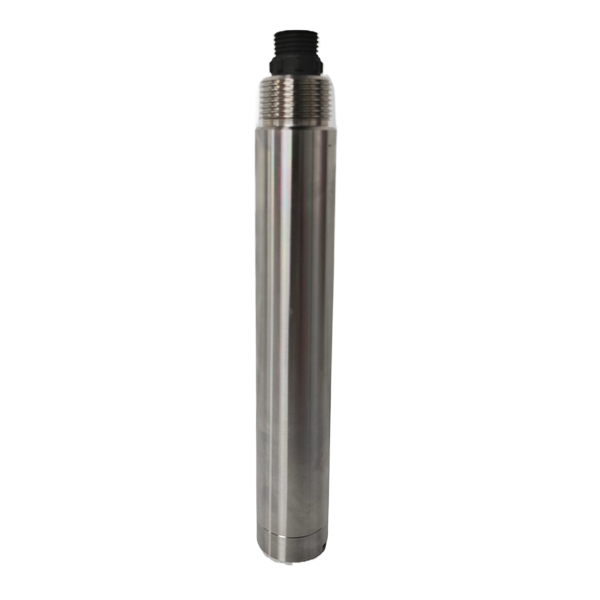
The existing conventional monitoring indicator system is mainly based on comprehensive indicators (such as COD and ammonia nitrogen) and lacks coverage of specific organic pollutants and emerging pollutants (antibiotics, microplastics). For drinking water sources, this constitutes a potential risk.
Water pollution is mainly organic pollution, but conventional monitoring uses comprehensive indicators (COD, BOD, TOC), which cannot reflect the types and concentrations of specific pollutants. Organic components produced by different pollution sources (industrial, agricultural, domestic) vary significantly, and comprehensive indicators cannot provide precise traceability basis.
In some regions, there is repeated monitoring of low-pollution areas, while monitoring density is insufficient in high-risk sections. The update cycle of monitoring equipment is long, and the application of new technologies lags behind.
Application Scenario: Drinking water sources, reservoirs, important lakes
Monitoring Tasks: Cover full cycles of wet, normal, and dry seasons, and provide early warning of pollution accident risks
Recommended Configuration:
| Monitoring Level | Parameter Configuration | Equipment Type | Communication Method |
|---|---|---|---|
| Water Intake | Conventional five parameters + COD + ammonia nitrogen | Multi-parameter online analyzer | 4G/Optical fiber |
| Reservoir Section | Conventional five parameters + chlorophyll a + blue-green algae | Online water quality buoy or fixed station | RTU + Beidou/4G |
| Early Warning Point | Biological toxicity + characteristic factors | Online biological toxicity instrument | Modbus TCP |
Application Scenario: Large pollutant discharge enterprises, centralized discharge outlets of industrial parks
Management Requirements: Cleaner production, increased production without increased pollution, stable compliance, and total quantity control
Recommended Configuration:
Inlet: COD, ammonia nitrogen, flow (for calculating treatment load)
Discharge outlet: COD, ammonia nitrogen, total phosphorus, total nitrogen, pH, flow (for compliance assessment and total quantity)
For units discharging toxic and harmful pollutants, it is recommended to establish a hazardous pollution source database and configure online monitors for characteristic factors.
Technical Means: Integration of infrared remote sensing, GIS geographic information system, and ground automatic monitoring stations
Achieved Capability: Three-dimensional water quality monitoring network for spatial continuous monitoring of large water areas.
Suitable for eutrophication monitoring of large lakes and reservoirs; it can invert parameters such as chlorophyll a, suspended solids, and transparency. It serves as a powerful supplement to ground monitoring stations.
Overlay monitoring point data with geographic information to achieve pollution source distribution analysis, diffusion path simulation, and emergency response decision support.
Monitoring departments should promptly configure equipment required for the following items according to water quality change trends:
Toxic substances: online biological toxicity instruments, heavy metal analyzers
Specific organic matter: online TOC, ultraviolet absorption spectroscopy organic matter analyzers
Water ecology-related indicators: algae classification counters, fish behavior monitoring systems
| Scenario Type | Customer Group | Recommended Solution | Key Monitoring Parameters |
|---|---|---|---|
| Drinking Water Source | Water utilities, environmental protection departments | Large networked monitoring system | Five parameters, COD, ammonia nitrogen, biological toxicity, chlorophyll a |
| Industrial Pollutant Discharge Unit | Factories, park management committees | Online monitoring station house + total quantity accounting | COD, ammonia nitrogen, total phosphorus, total nitrogen, flow |
| Municipal Wastewater Treatment Plant | Drainage companies, engineering companies | Full-process monitoring of inlet + process + outlet | DO, MLSS, COD, ammonia nitrogen, pH |
| Surface Water Section | Environmental monitoring stations | Small automatic station or buoy | Five parameters, permanganate index, ammonia nitrogen, total phosphorus |
| Emergency Early Warning | Emergency management departments | Mobile monitoring vehicle + portable equipment | Multi-parameter, biological toxicity, heavy metals |
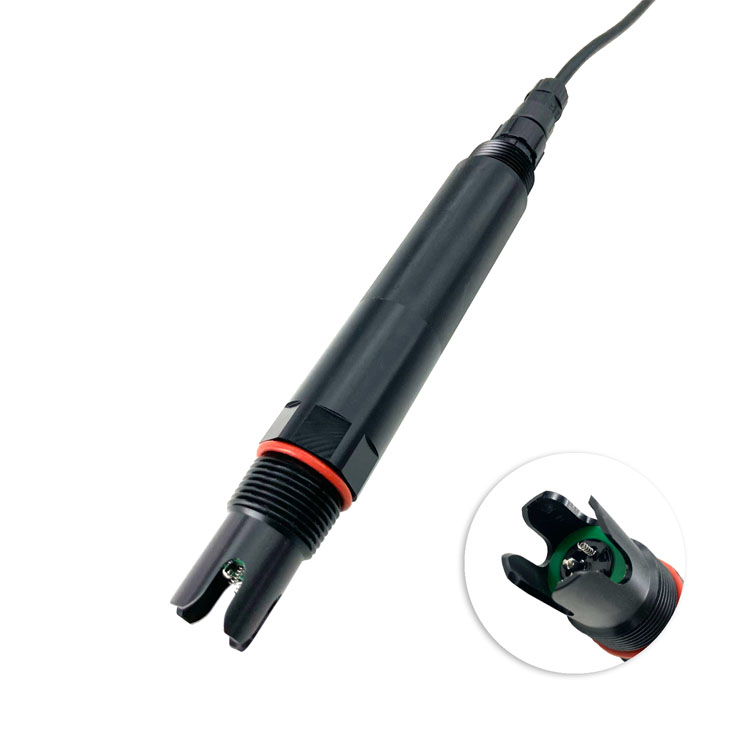
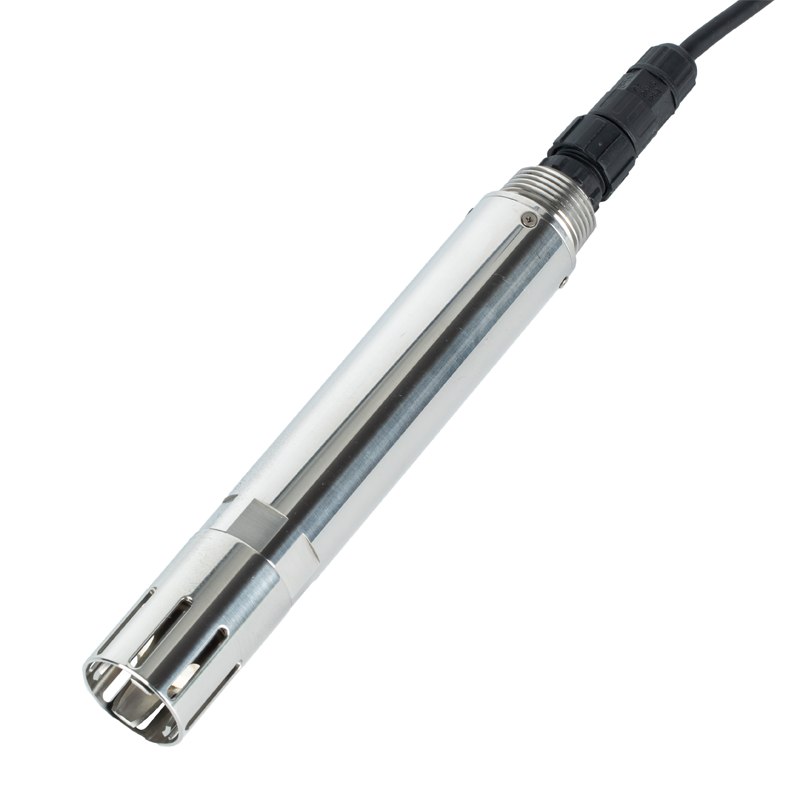
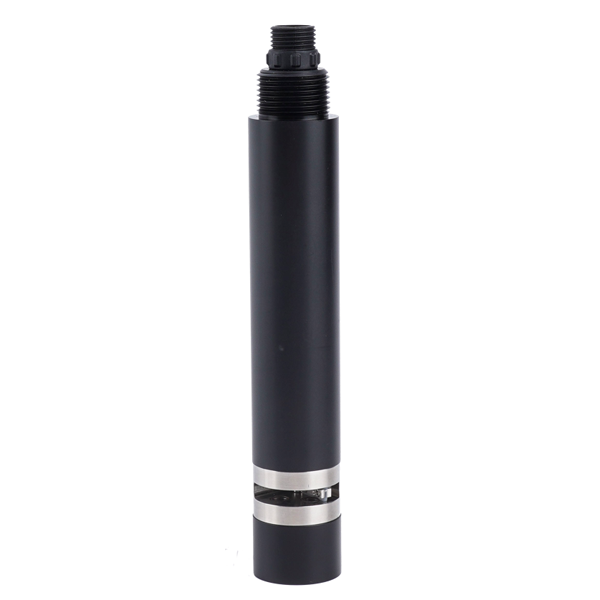
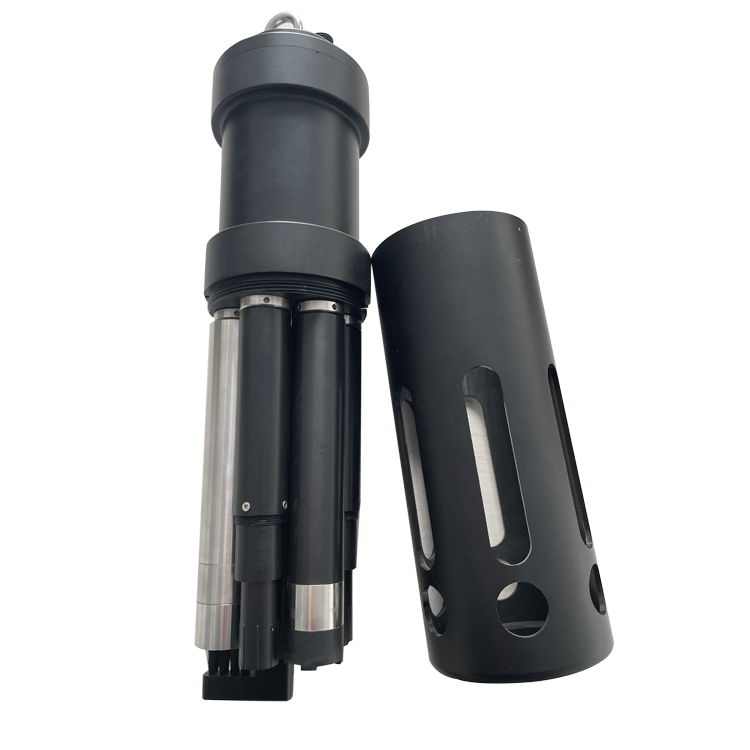
NiuBoL provides a full range of water quality online monitoring instruments covering all the above scenarios. The products support standard Modbus RTU/TCP protocol and 4-20mA output, and are compatible with the HJ/T 212 environmental protection communication protocol, facilitating system integration and platform docking.

Q1: Compared with manual monitoring, where are the cost advantages of water quality online monitoring systems?
A1: Although the initial investment is higher, long-term operation and maintenance labor costs are reduced by more than 60%, and continuous data can be obtained to avoid fines caused by missed pollution events.
Q2: What core equipment is needed for a new water source monitoring station?
A2: Water sampling unit, pretreatment unit, conventional five-parameter analyzer, COD analyzer, ammonia nitrogen analyzer, data acquisition and transmission terminal, video monitoring, and station house auxiliary systems.
Q3: What impact do high-turbidity or high-salinity water bodies have on online monitoring?
A3: Corresponding pretreatment units such as ultrasonic cleaning, filtration, or dilution modules are required. NiuBoL provides dedicated pretreatment solutions for harsh water quality.
Q4: How often does an automatic monitoring station need maintenance?
A4: Conventional stations are recommended to be inspected once a week to replace reagents and clean pipelines; equipment with automatic quality control functions can be extended to once every two weeks.
Q5: How to fuse remote sensing data with ground monitoring station data?
A5: Assimilation modeling of remote sensing inversion parameters and ground measured data through GIS platforms can generate large-scale water quality distribution maps.
Water quality monitoring is evolving from a discrete mode of manual sampling and laboratory analysis to a systematic engineering of online, automated, and three-dimensional approaches. For system integrators and engineering companies, grasping the technical characteristics of physical-chemical monitoring, automatic monitoring, and biological monitoring, and configuring reasonable solutions for different scenarios such as water sources, pollutant discharge units, and surface water sections, is the key to enhancing project competitiveness.
NiuBoL is committed to providing water quality online monitoring products that comply with national standard methods, support standard communication protocols, and adapt to harsh working conditions. If you need typical project configuration lists, technical specification sheets, or platform docking solutions, please contact the technical support team.
 NBL-WQ-CL Water Quality Sensor Online Residual Chlorine Sensor.pdf
NBL-WQ-DO Online Fluorescence Dissolved Oxygen Sensor.pdf
NBL-WQ-NHN Ammonia Nitrogen Water Quality Sensor.pdf
NBL-WQ-COD Online Water Quality COD Sensor.pdf
NBL-WQ-PH Online pH Water Quality Sensor.pdf
Related recommendations
Sensors & Weather Stations Catalog
Agriculture Sensors and Weather Stations Catalog-NiuBoL.pdf
Weather Stations Catalog-NiuBoL.pdf
Agriculture Sensors Catalog-NiuBoL.pdf
Water Quality Sensor Catalog-NiuBoL.pdf
Related products
 Combined air temperature and relative humidity sensor
 Soil Moisture Temperature sensor for irrigation|NBL-S-THR
 Soil pH sensor RS485 soil Testing instrument soil ph meter for agriculture |NBL-S-PH
 Wind Speed sensor Output Modbus/RS485/Analog/0-5V/4-20mA
 Tipping bucket rain gauge for weather monitoring auto rainfall sensor RS485/Outdoor/stainless steel
 Pyranometer Solar Radiation Sensor 4-20mA/RS485

Screenshot, WhatsApp to identify the QR code
WhatsApp number:+8615367865107
(Click on WhatsApp to copy and add friends)

