





— Blogs —
—Products—
 Consumer hotline +8618073152920
 WhatsApp:+8615367865107
Address:Room 102, District D, Houhu Industrial Park, Yuelu District, Changsha City, Hunan Province, China
Product knowledge
Time:2026-01-04 13:46:35 Popularity:717
In the grand background of new energy development and energy conservation and environmental protection, wind—this most dynamic variable in nature—its monitoring precision directly relates to production safety and energy efficiency. Whether in mine ventilation systems reaching thousands of meters deep or busy ports and airports, wind speed sensors (Anemometer) are indispensable core components.
As an expert in the smart monitoring field, NiuBoL is committed to converting complex air flow variables into precise digital signals. This article will take you deep into the application breadth of wind speed sensors and share how to extend equipment "combat power" through scientific maintenance.
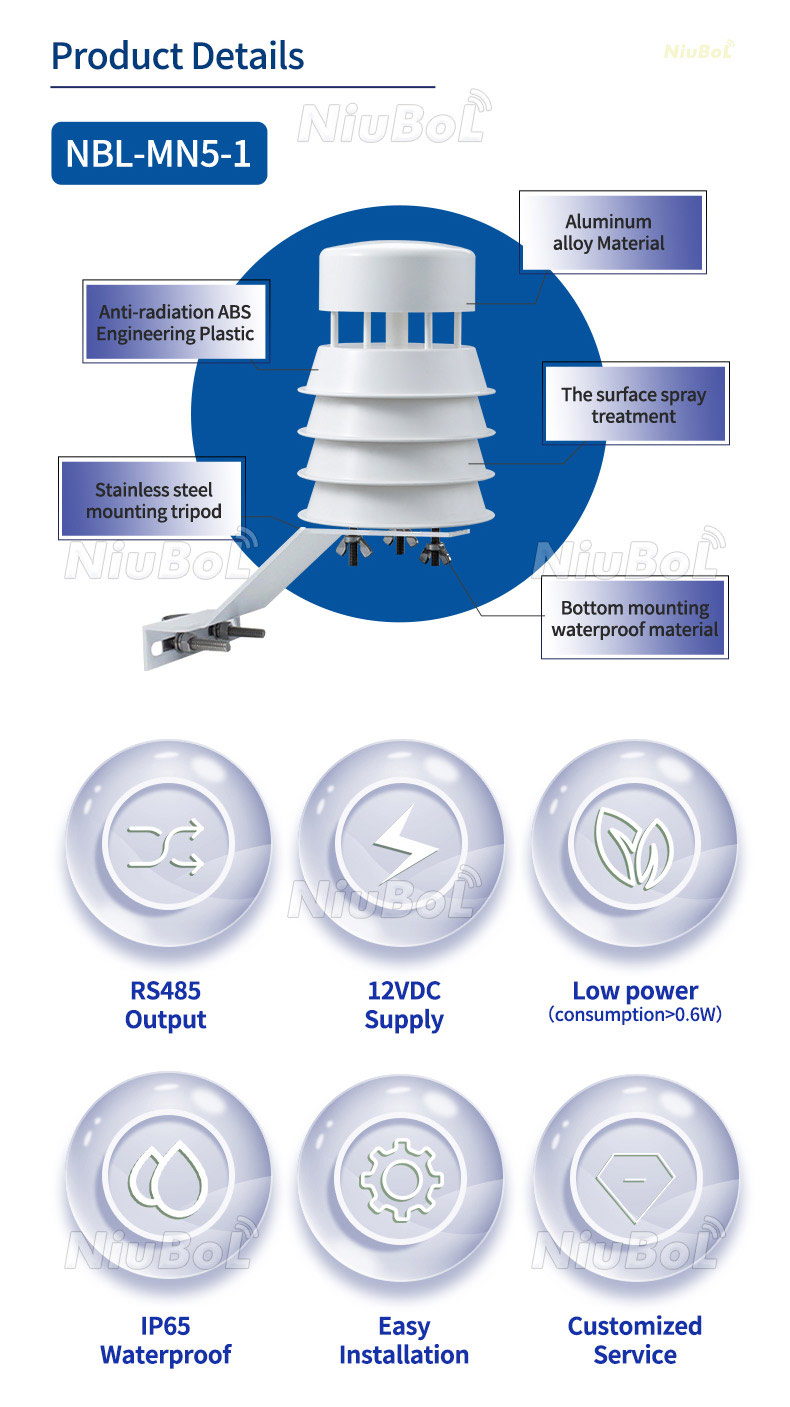
Wind speed sensors are not only tools for measuring wind speed; through conversion with cross-sectional area (air volume = wind speed x cross-sectional area), they are key indicators for measuring environmental circulation performance.
1.The "Eye of Life" for Mine Ventilation Safety
In environments with gas explosion risks such as underground coal mines, NiuBoL wind speed sensors play a crucial monitoring role. They are widely deployed in:
Key Nodes: Main return air lanes, air outlets, main wind measuring stations.
Operation Areas: Tunneling faces, coal mining faces, and fan shaft mouths.
The system monitors wind speed and air volume in real time, ensuring gas concentration is diluted and discharged in safe airflow, which is the core instrument for mine enterprise safety parameter measurement.
2.Meteorological Monitoring and Transportation Hubs
In airports, ports, and urban transportation fields, drastic wind speed changes directly threaten flight and navigation safety. NiuBoL wind speed and direction instruments can continuously record atmospheric movements, providing support for meteorological warnings.
3.Diversified Technical Routes
To address different environmental needs, NiuBoL provides multiple technical solutions:
Ultrasonic Wind Speed Sensors: Use time difference method for measurement, no mechanical wear, extremely high precision, especially suitable for extreme environments.
Three-Cup Sensors: Use carbon fiber materials, high strength and good starting wind speed, a classic choice for high cost-effectiveness.
Thermal and Differential Pressure Types: Designed for specific laboratory or industrial fluid environments.
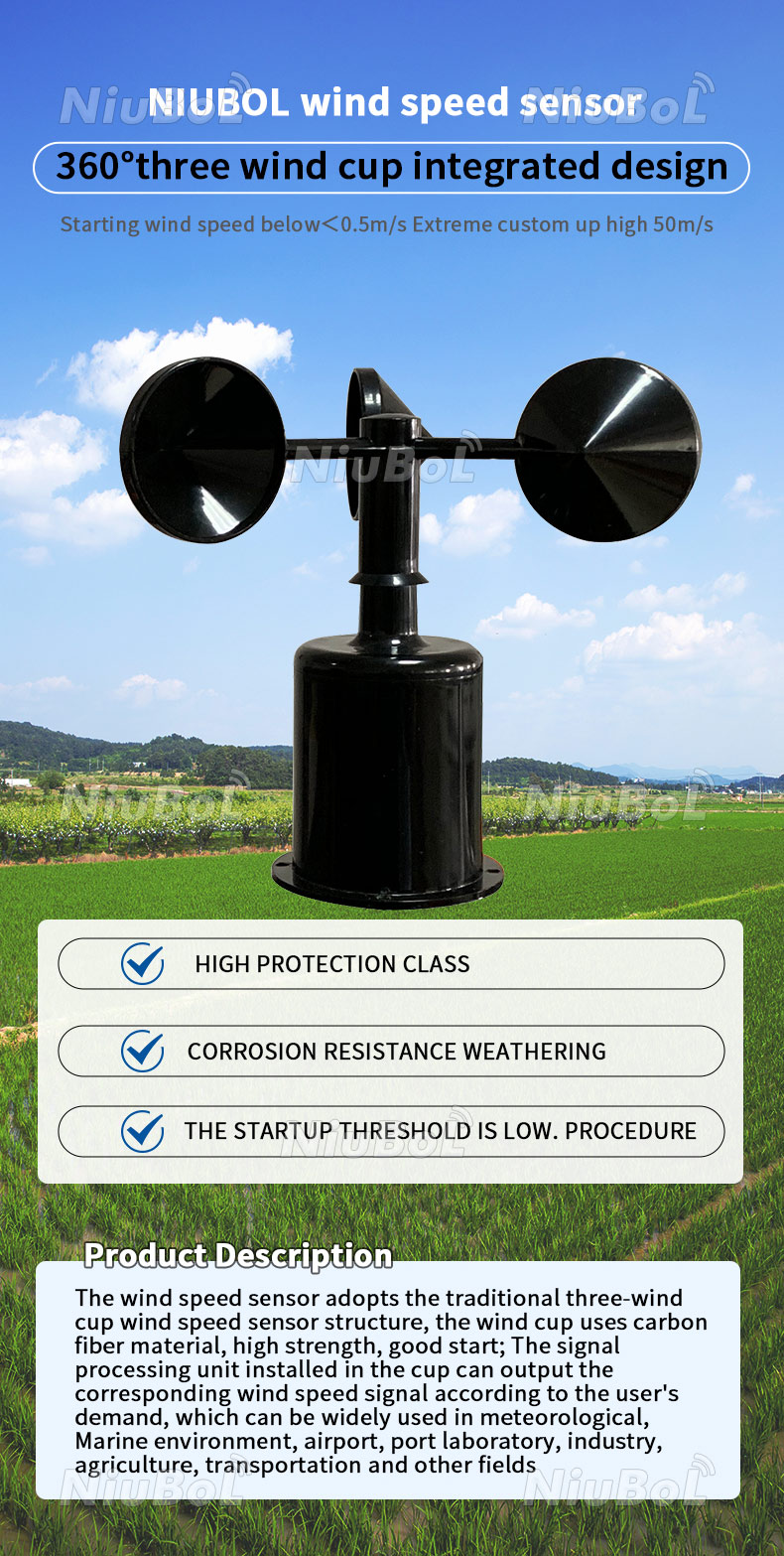
A complete wind speed monitoring system consists of wind speed sensors, wind direction sensors, and intelligent data collectors. NiuBoL demonstrates excellent industrial standards in system integration:
High-Performance Perception End
Wind Cup Sensors: Select high-strength carbon fiber, corrosion-resistant with small rotational inertia, capable of sensitively capturing breezes.
Wind Direction Sensors: Use low-inertia wind vanes with precision potentiometers, good linearity, fast dynamic response.
Intelligent Collection and Massive Storage
Data Storage: Built-in large-capacity FLASH storage chip, can automatically store up to 50,000 meteorological data entries, recording interval supports free setting from 1-240 minutes, ensuring at least one year's data continuity.
Communication Flexibility: Supports traditional RS232/RS485 wired connections, while optional GPRS/4G wireless modules. This means whether in remote wilderness or complex factory areas, users can remotely observe real-time wind conditions through host computer software.
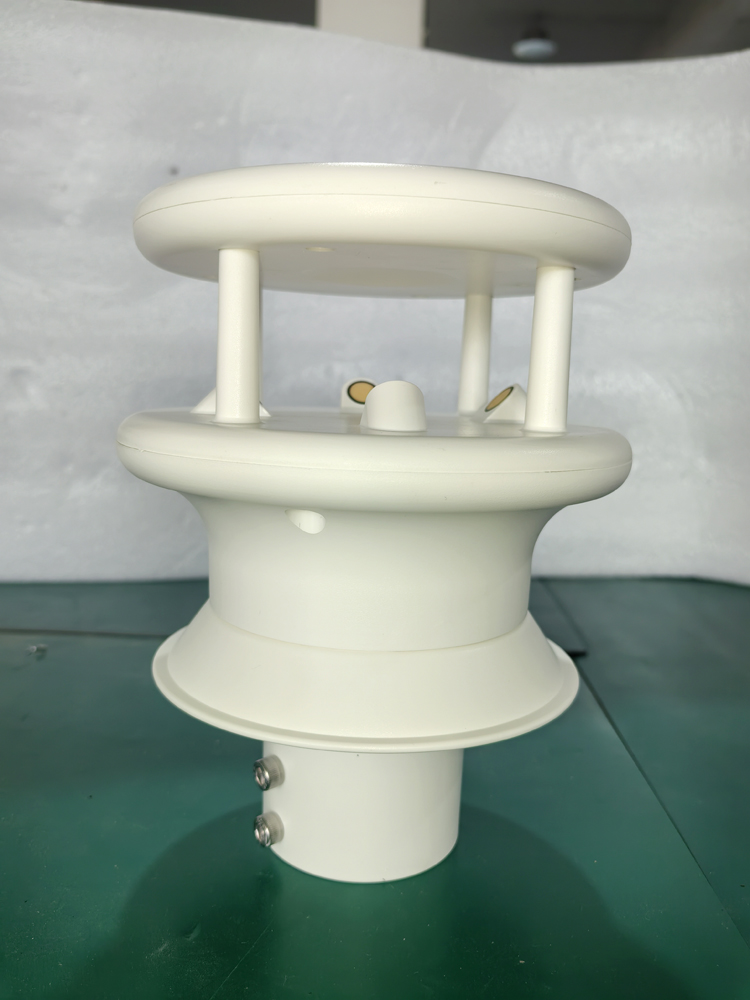
Wind speed sensors are precision instruments, their working environments often accompanied by dust, high humidity, or strong winds. If not operated according to standards, precision drift is easily caused. NiuBoL technical team summarizes the following maintenance essentials for you:
1.Two Strict Prohibitions
Strictly prohibit use in flammable gas environments (unless the equipment has specific explosion-proof certification).
Prohibit placing probes in flammable gases to prevent electrical sparks causing danger.
2.Seven "Don't" Procedures
Don't disassemble or modify: Unauthorized disassembly will invalidate calibration.
Don't expose to rain: Unless fully sealed model, probe parts should avoid rain.
Don't touch probe interior: Sensor sensitive parts are easily interfered by static electricity or fingerprint grease.
Don't place in extreme environments: Avoid high temperature, high humidity, dust, and direct sunlight to prevent shell aging.
Don't wipe with volatile liquids: Limited to using soft cloth with neutral cleaner.
Don't drop or heavily press: Minor deformation of mechanical structure will significantly increase friction.
Don't touch with electricity: Prevent instantaneous circuit damage.
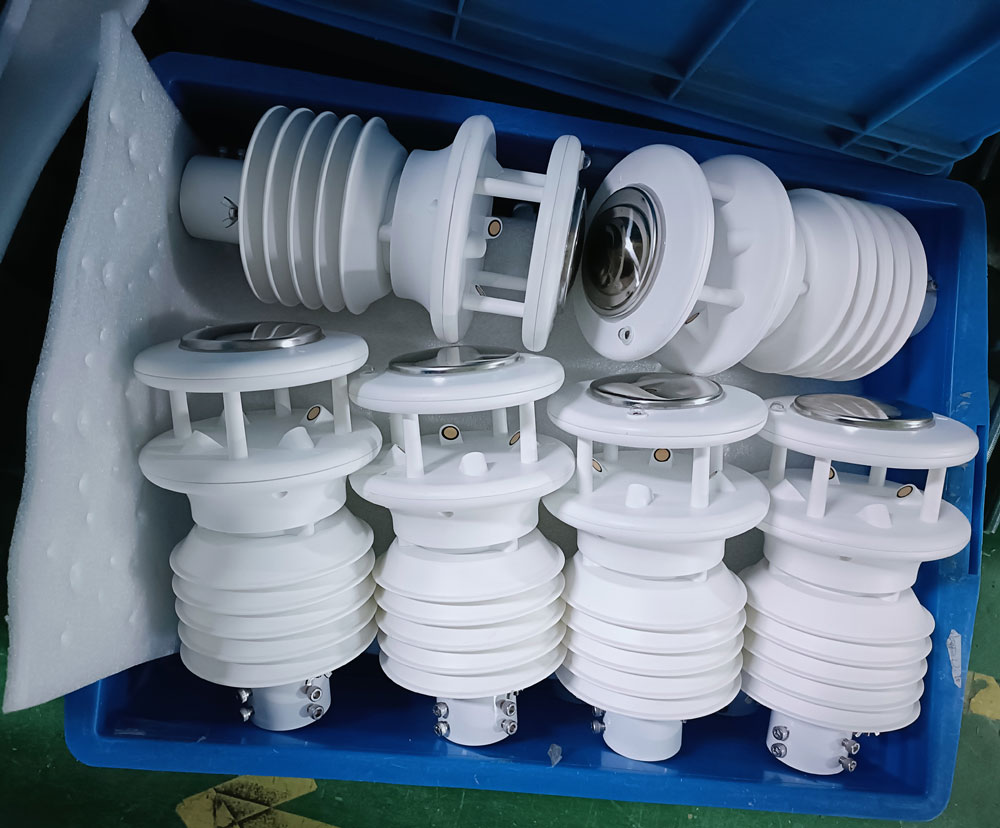
Q1: How to choose between three-cup wind speed sensors and ultrasonic types?
A: For conventional meteorological stations and agricultural monitoring, three-cup anemometers have extremely high cost-effectiveness and stability; for seaside, high salt fog, or low-temperature icing-prone environments, recommend NiuBoL ultrasonic anemometers because they have no mechanical rotating parts, lower maintenance frequency.
Q2: Why does my wind vane direction seem deviated?
A: Must perform "north calibration" during installation. Wind direction sensor shells usually have north marks; during installation, use compass to align the mark precisely with geographic true north, otherwise all data will have systematic errors.
Q3: How often do anemometers need recalibration?
A: Recommend annual calibration. Due to dust accumulation or bearing wear, starting wind speed may change; regular calibration ensures data authority.
Q4: Can 4G wireless modules be used in weak signal areas?
A: NiuBoL selected 4G modules have extremely strong signal capture capabilities, and collectors have local storage functions. Even if signal is temporarily interrupted, data will be stored locally and automatically retransmitted after signal recovery.
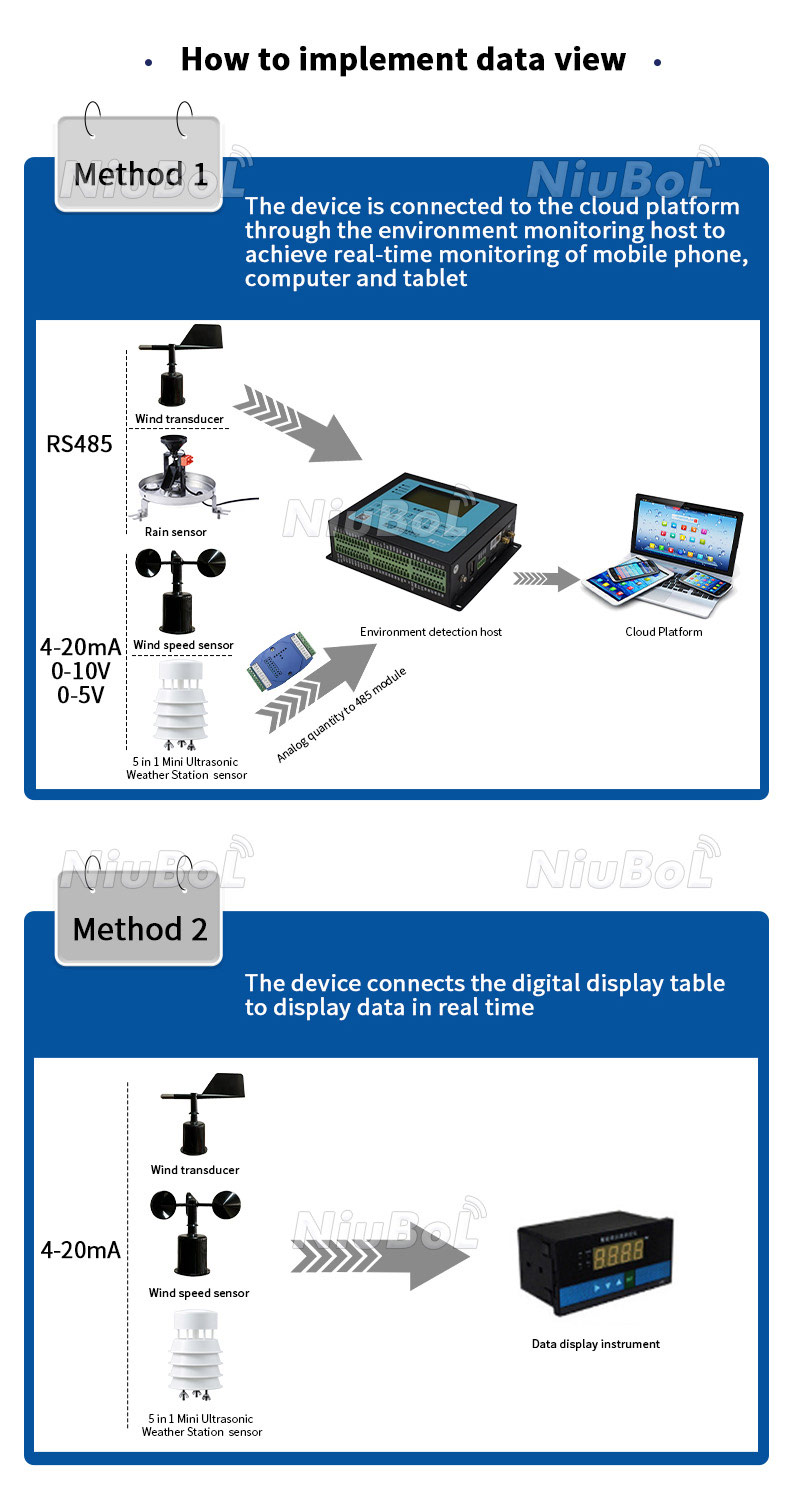
The applications of wind speed sensors have penetrated every corner of industrial and agricultural production. From ventilation monitoring ensuring miner life safety, to microclimate regulation in smart agriculture, and to navigation scheduling in ocean ports, data accuracy is the only consideration indicator.
NiuBoL is committed to providing scientific structure, convenient installation, high-precision wind speed monitoring solutions. Through scientific selection and rigorous maintenance, you can make anemometers your most reliable guardians. The accumulation of data assets is not only for current safety but also for achieving more efficient energy management and resource scheduling through long-term meteorological analysis.
Do you need to customize a wind speed and direction monitoring solution for your field? NiuBoL expert team is always ready to provide 1-on-1 technical support. Contact us—let precise wind data create more value for you!
 NBL-W-SS-Wind-Speed-Sensors-Instruction-Manual.pdf
NBL-W-DS-wind-direction-sensor-Manual.pdf
NBL-W-SDS Integrated wind speed and direction sensor User manual.pdf
Prev:Complete Operation Guide and In-Depth Principle Analysis of NiuBoL Pesticide Residue Rapid Detector
Next:Complete Process Guide for Standardized Installation of NiuBoL Wind Direction and Speed Sensors
Related recommendations
Sensors & Weather Stations Catalog
Agriculture Sensors and Weather Stations Catalog-NiuBoL.pdf
Weather Stations Catalog-NiuBoL.pdf
Agriculture Sensors Catalog-NiuBoL.pdf
Water Quality Sensor Catalog-NiuBoL.pdf
Related products
 Combined air temperature and relative humidity sensor
 TDR Soil Moisture & Temperature Sensor for irrigation| RS485 |4-20mA| NBL-S-THR
 Soil pH sensor RS485 soil Testing instrument soil ph meter for agriculture |NBL-S-PH
 Wind Speed sensor Output Modbus/RS485/Analog/0-5V/4-20mA
 Tipping bucket rain gauge for weather monitoring auto rainfall sensor RS485/Outdoor/stainless steel
 Pyranometer Solar Radiation Sensor 4-20mA/RS485

Screenshot, WhatsApp to identify the QR code
WhatsApp number:+8615367865107
(Click on WhatsApp to copy and add friends)

