





— Blogs —
—Products—
 Consumer hotline +8618073152920
WhatsApp:+8615367865107
Address:Room 102, District D, Houhu Industrial Park, Yuelu District, Changsha City, Hunan Province, China
Product knowledge
Time:2025-12-26 11:47:37 Popularity:976
Micro weather station storm readiness depends on the complete measurement chain: sensor operating limits, precipitation suitability, power reserve, mounting, communications and usable records. A weather station measures conditions at its location; it does not independently guarantee forecasts, uninterrupted alerts or survival in every severe-weather event. Check the weakest required component before relying on the system.
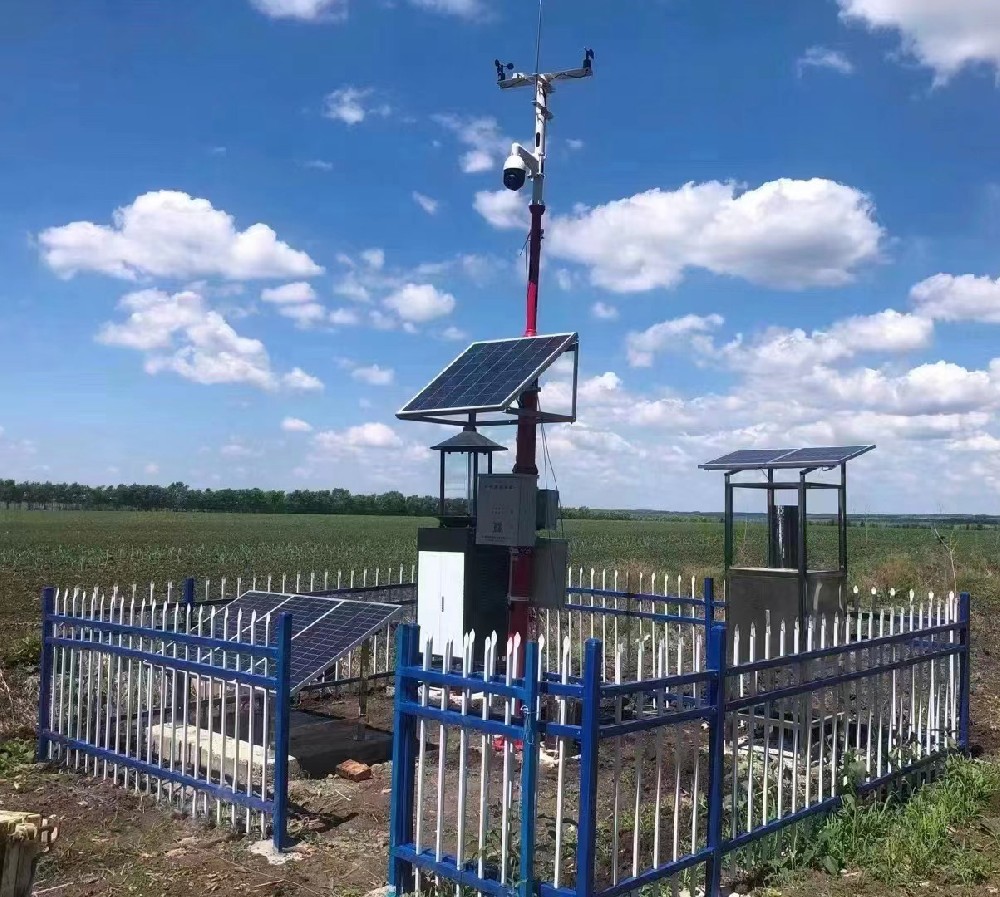
A farm, remote environmental site or small industrial installation may need local observations during a storm, but those requirements are not identical. One project needs a continuous local record for later analysis. Another needs a current measurement at a staffed control room. A third expects an automated notification. Each needs a different combination of sensing, storage, power and communication availability.
State the required measurement and destination first. Wind speed stored locally is useful for later review but cannot trigger a remote response if the communication path is unavailable. Conversely, a live dashboard without local recording may leave no recoverable history after an uplink interruption. Micro weather station storm readiness should be checked against that specific use, not against a claim that all stations operate without interruption.
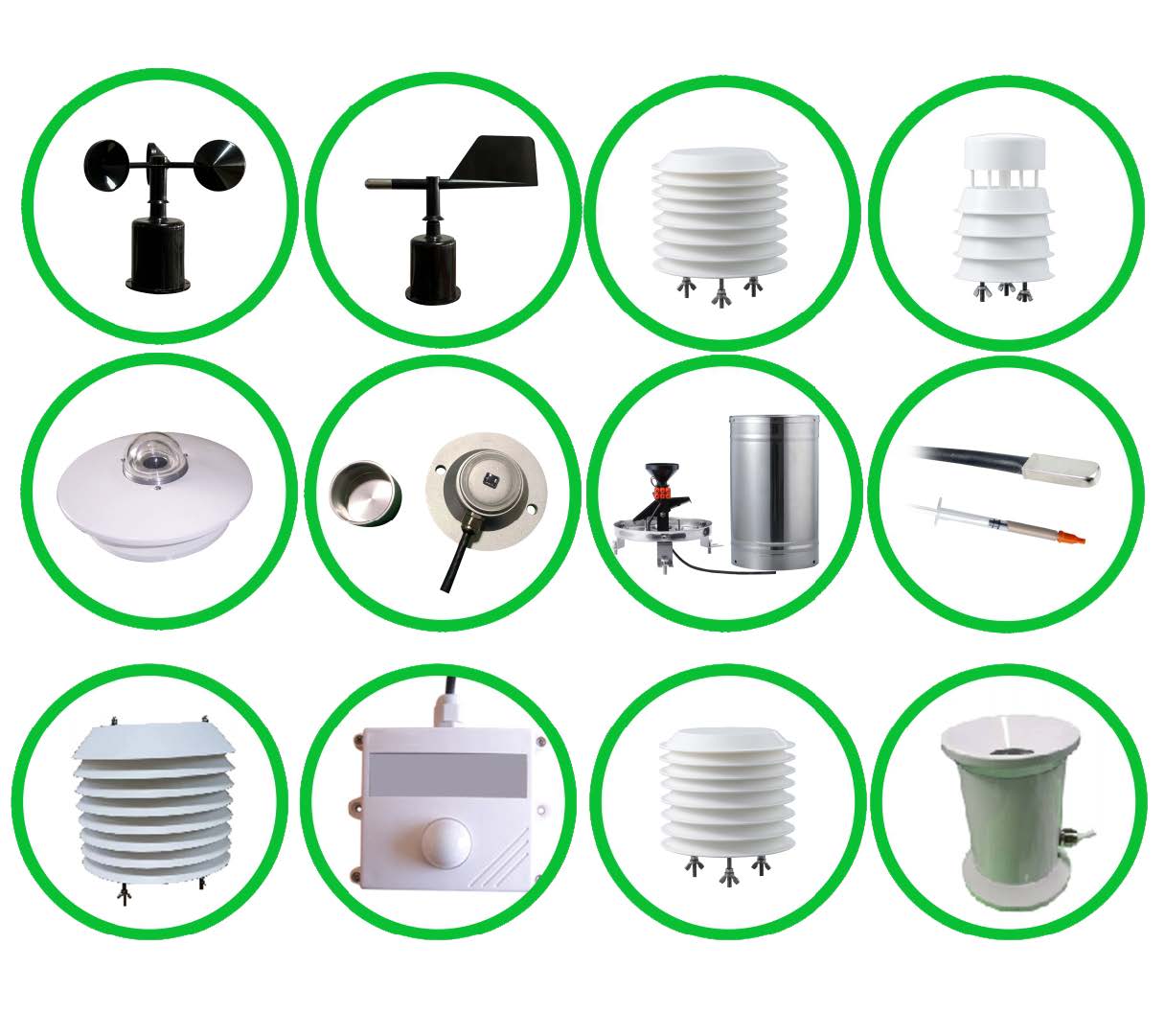
Outdoor equipment can have different temperature and exposure limits within the same installation. A station fitted with an ultrasonic wind sensor, atmospheric sensor and tipping-bucket gauge does not acquire the widest temperature range of any one component. Evaluate each measurement needed during the adverse condition.
| Selected NiuBoL component | Relevant specification | Readiness implication |
|---|---|---|
| NBL-W-21GUWS ultrasonic wind sensor | 0-60 m/s; 12-24 V DC; RS485 Modbus RTU; IP65; operating temperature -20 to 80 C | Check ambient limits and optional heating requirements; IP65 is not a no-icing guarantee |
| NBL-W-LBTH atmospheric sensor | Temperature measurement -40 to 80 C; humidity 0-100 %RH; pressure 10-1200 hPa | Protect representative exposure without enclosing the sensing air path |
| NBL-W-RS 0.5 mm tipping-bucket version | 0.5 mm per tip; intensity range 0-4 mm/min; working temperature 0-50 C | Do not specify this unheated configuration as a snowfall measurement solution |
| NBL-PH-1 data logger | RS485/RS232 and selected analog/counter acquisition; configurable recording | Confirm the delivered input allocation, retention and recovery behavior |
The rain gauge's storage temperature must not be substituted for its working temperature. An optional wind-sensor heater also does not establish the operating limits of the gauge, battery or modem. Where freezing precipitation is a required measurement condition, select and verify a suitable precipitation arrangement rather than assuming that a standard liquid-rain gauge covers it.
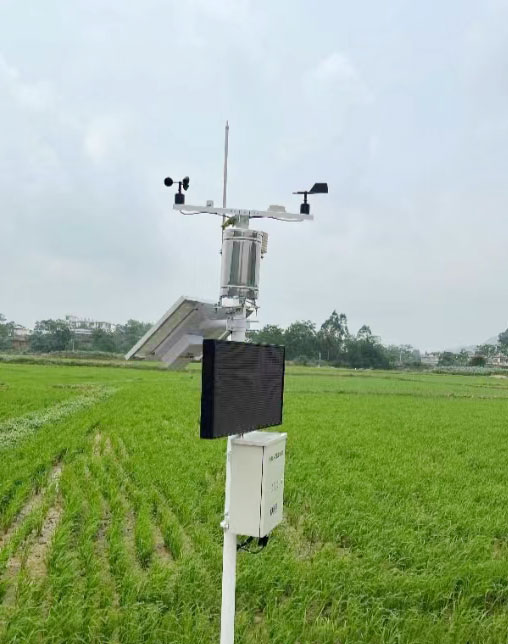
The optional NBL-W-21GUWS heater is specified at 3 W. If it operated continuously for eight hours, heater energy alone would be 24 Wh. That arithmetic is a load example, not a guarantee of heating performance or battery autonomy. The sensor, logger, modem and electrical losses still have to be included.
Ask how the heater is controlled in the delivered version and what duty cycle is expected in the design conditions. Check modem transmission peaks and battery usable energy at the relevant temperature. A battery's nominal Wh rating is not necessarily the energy that remains usable after aging, temperature effects and the permitted discharge limit.
For a solar-powered station, calculate reserve over the defined low-generation period. Do not promise a fixed number of sunless days without the selected panel, battery, load profile and installation conditions. Acceptance should include a safe, controlled loss-of-generation test and recovery check appropriate to the supplied power system, not an improvised battery-discharge experiment in the field.
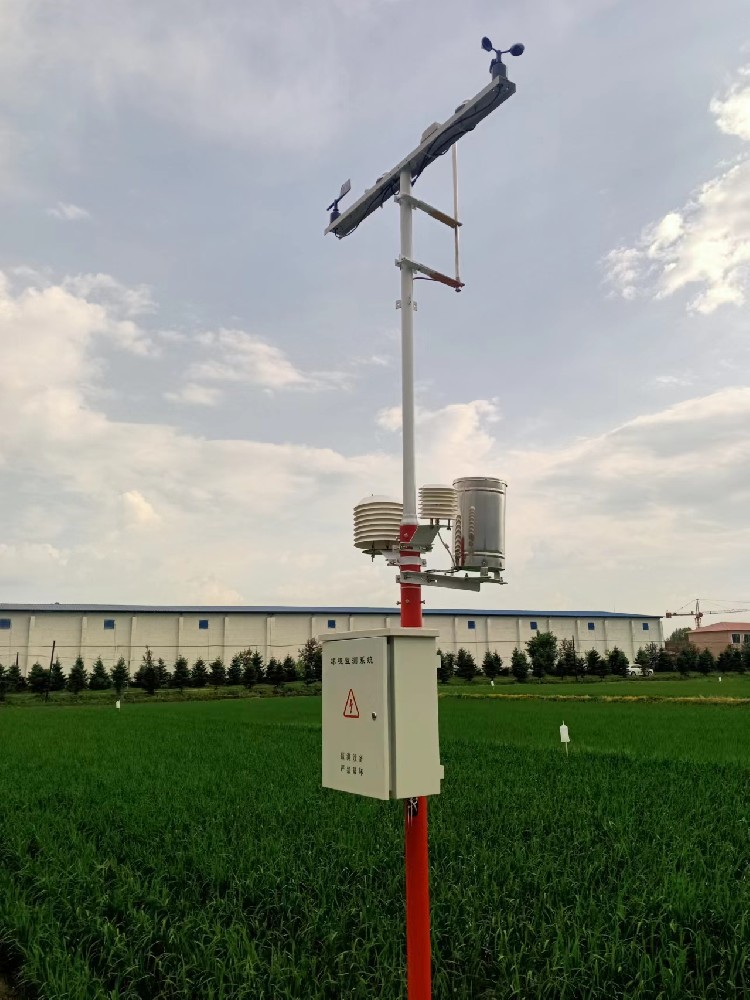
Loss of a sensor reply should not silently become zero wind speed or zero rain. Check the logger's timeout handling and the dashboard's age-of-data indication. An old reading displayed without its timestamp can be more misleading during severe weather than a clearly marked unavailable channel.
The NBL-PH-1 logger can be configured for acquisition and recording, but local memory alone does not establish automatic recovery of every missing cloud record. Confirm whether the delivered configuration supports automatic retransmission, manual export or another recovery procedure, and what happens when storage fills.
Check RS485 Modbus RTU devices individually before testing the combined station. A valid digital reply proves that communication works at that moment; it does not prove that an iced sensing path, obstructed rain funnel or displaced bracket is providing a representative observation. Retain communication status and engineering validity as separate concepts.
When access and weather conditions are safe, inspect cable entries, exposed connectors, enclosure seals, solar-panel mounting and sensor fasteners. Look for blocked rain-gauge openings, vegetation growth and new obstructions. Compare the installation with the approved drawing rather than adding wind-exposed accessories without checking the mast and bracket arrangement.
Lightning protection, bonding and electrical work require a site-appropriate design and qualified personnel. A protection device does not make an exposed mast safe to approach during a thunderstorm. Do not plan inspection, climbing or corrective work during hazardous conditions; restore access only under the site's safety procedures.
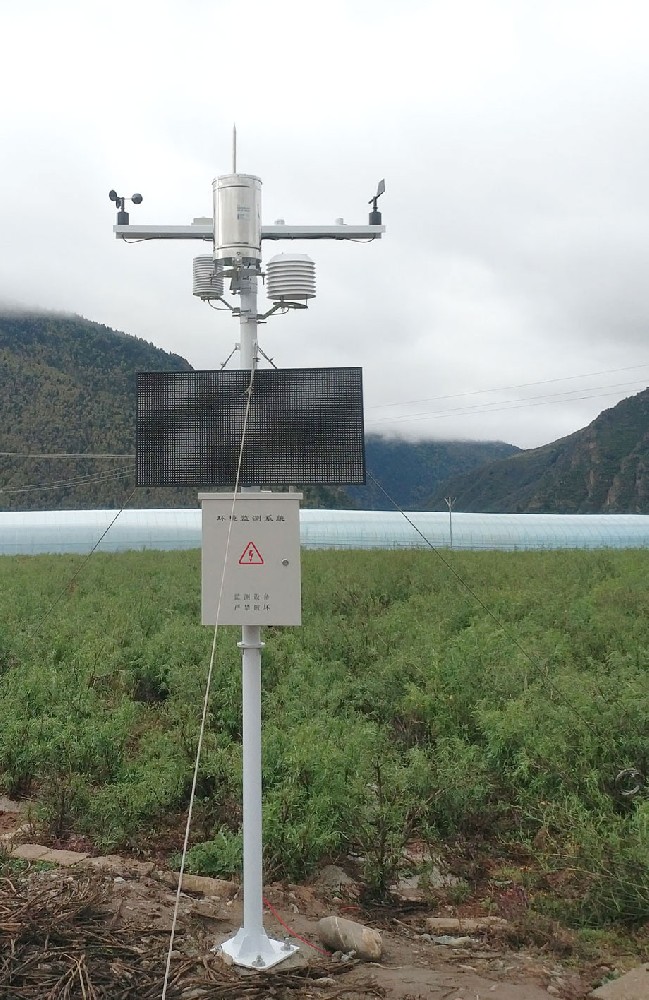
Look for time gaps, repeated values, supply-related resets and changes in the mounting or exposure. A rain channel that remains flat while its funnel is blocked needs a different response from a station-wide data gap. Keep the affected period identifiable rather than replacing missing observations with plausible numbers.
Inspect instruments after safe access is restored and record any physical correction separately from a logger reset. If a wind head or rain gauge was damaged or obstructed, establish when the record may have become unreliable. A dashboard returning online is not enough to establish that every channel has recovered its intended measurement.
For a readiness review, give NiuBoL the required channels, lowest site temperature, expected precipitation type, power arrangement, communication path and required local record duration. Those details determine whether component changes, power changes or data-handling changes are needed. Avoid specifying a generic extreme-weather package without these boundaries.
Not from the listed surface measurements alone. It provides local observations that may support a wider operational process. Forecasting and hazard warnings require suitable external information, methods and response arrangements; do not equate a sensor threshold with a complete forecasting service.
No. Removing cups and a vane removes their moving parts, but it does not make the acoustic path immune to environmental effects. Check the delivered operating range, optional heater and site conditions before relying on winter wind data.
The cited version has a 0-50 C working range. Do not use that configuration as evidence of valid frozen-precipitation measurement. Describe the required precipitation conditions before selecting an alternative arrangement.
Only if retention and recovery are supported and configured for the delivered logger and platform. Test a controlled uplink interruption, inspect local records and verify what reaches the destination after reconnection.
Demonstrate required-channel acquisition, recognizable missing-data behavior, suitable local retention, power-loss recovery and the agreed communication recovery method. Record the actual tested configuration; these results do not establish survival beyond the equipment's stated conditions.
Micro weather station storm readiness is a component-by-component availability assessment. Select instruments for the required conditions, budget the complete load and verify what happens when power or communications fail. This produces a more usable monitoring system than promising uninterrupted operation without defining how the observations will reach the people who need them.
Prev:Small Agricultural Weather Station System Configuration
Next:Complete Guide to Selecting Solar Radiation Monitoring Equipment for Photovoltaic Power Plants
Related recommendations
Sensors & Weather Stations Catalog
 Agriculture Sensors and Weather Stations Catalog-NiuBoL.pdf
Weather Stations Catalog-NiuBoL.pdf
Agriculture Sensors Catalog-NiuBoL.pdf
Water Quality Sensor Catalog-NiuBoL.pdf
Related products
 Combined air temperature and relative humidity sensor
 TDR Soil Moisture & Temperature Sensor for irrigation| RS485 |4-20mA| NBL-S-THR
 Soil pH sensor RS485 soil Testing instrument soil ph meter for agriculture |NBL-S-PH
 Wind Speed sensor Output Modbus/RS485/Analog/0-5V/4-20mA
 0.2mm Tipping Bucket Rain Gauge for Weather & Hydrology | NiuBoL
 Pyranometer Solar Radiation Sensor 4-20mA/RS485


Screenshot, WhatsApp to identify the QR code
WhatsApp number:+8615367865107
(Click on WhatsApp to copy and add friends)

