





— Blogs —
—Products—
 Consumer hotline +8618073152920
 WhatsApp:+8615367865107
Address:Room 102, District D, Houhu Industrial Park, Yuelu District, Changsha City, Hunan Province, China
Product knowledge
Time:2025-12-29 14:10:00 Popularity:797
In the field of photovoltaic power generation, solar radiation data is not only a benchmark for measuring the abundance of natural resources but also the core foundation for evaluating station operation and maintenance levels and calculating system efficiency (Performance Ratio, PR). As the photovoltaic industry transitions from scale expansion to refined operations, scientifically selecting solar radiation monitoring equipment has become a key issue that developers and operators must address.
As a professional supplier deeply engaged in photovoltaic environmental monitoring, NiuBoL combines long-term practical experience from numerous photovoltaic power stations to provide comprehensive professional selection and maintenance recommendations tailored to radiation monitoring needs in different scenarios.
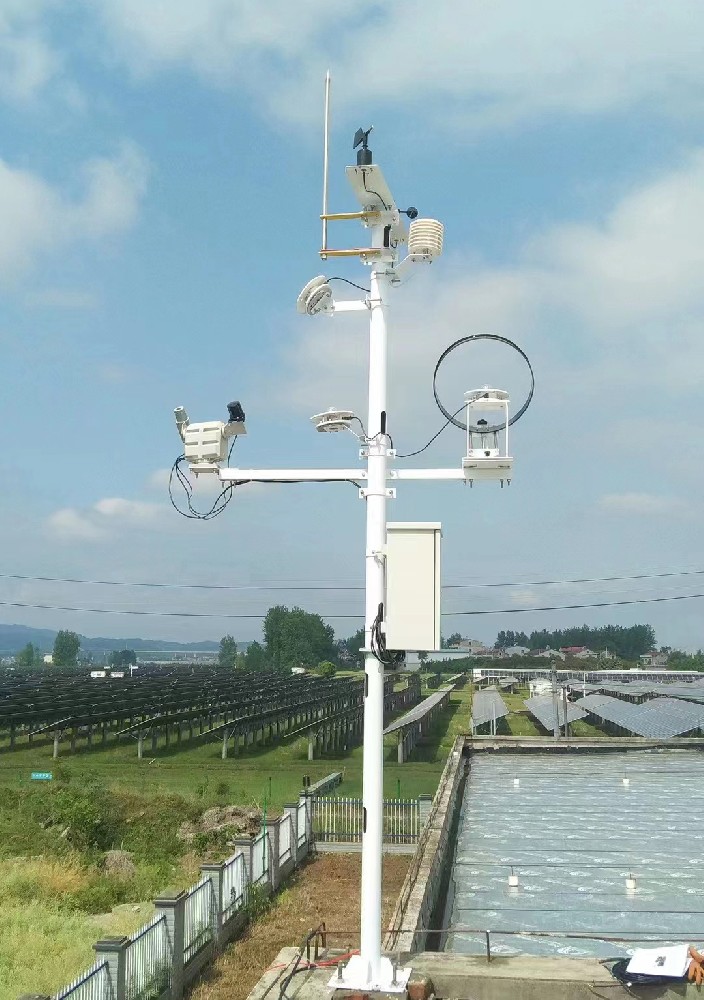
The instability of solar resources necessitates real-time monitoring. A high-precision radiation monitoring system can provide the following three major strategic supports for power stations:
System Efficiency Evaluation: Without accurate radiation data, the true PR value cannot be calculated. By monitoring total radiation, direct radiation, and diffuse radiation, operations personnel can determine whether power output fluctuations are due to weather or equipment failures.
Prediction and Scheduling: Precise historical radiation data serves as the foundation for training power prediction models, enhancing the scientific nature of station scheduling.
Equipment Degradation Monitoring: By long-term comparison of module output power and solar radiation, performance degradation of photovoltaic modules and the impact of surface dust on power generation can be effectively identified.
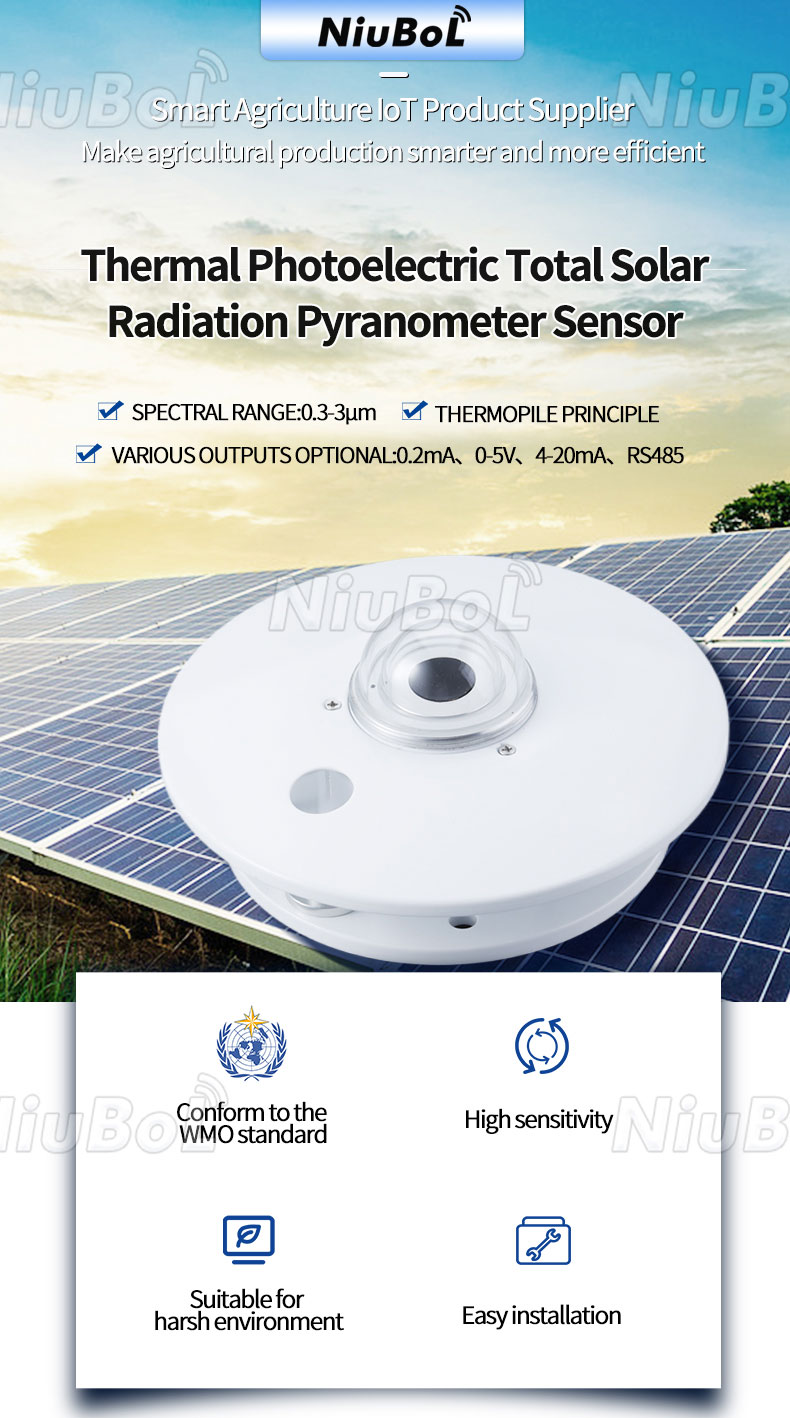
In large ground-mounted stations and national benchmark projects, measurement accuracy directly affects asset evaluation.
High-End Imported and Domestic Alternatives: In these core scenarios, priority can be given to well-known foreign high-precision, maintenance-free products. At the same time, with breakthroughs in domestic sensor technology, high-end domestic solar radiation sensors represented by NiuBoL have demonstrated stability and precision comparable to imported products after long-term comparative testing, making them an ideal choice for those pursuing cost-effectiveness and rapid after-sales response.
Multi-Parameter Monitoring Needs: It is recommended to use fully automatic dual-axis tracking benchmark solar radiation monitoring equipment to simultaneously acquire total radiation, direct radiation, diffuse radiation, and sunshine duration, providing a complete data chain for meteorological research and refined operations and maintenance.
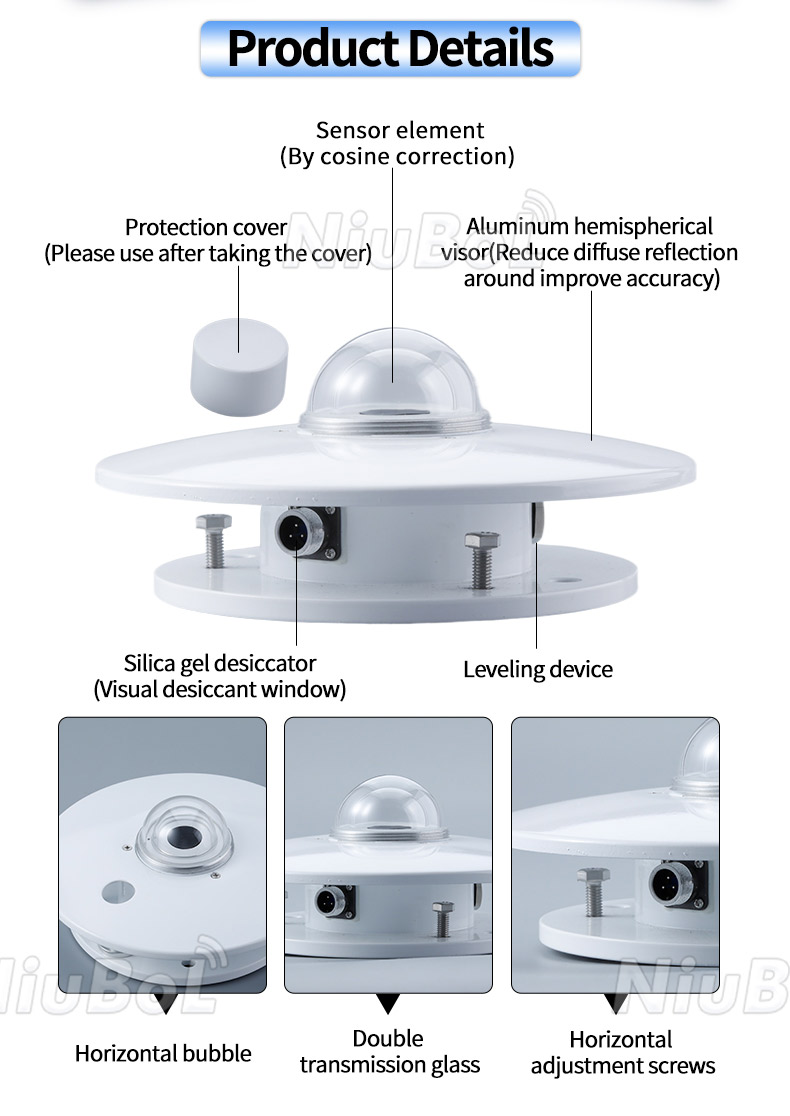
For rooftop or small commercial and industrial distributed stations, selection should focus on "practicality, reliability, and ease of maintenance."
Necessity of Inclined Radiation Meters: It is recommended to configure at least one inclined radiation meter fully consistent with the photovoltaic module installation angle. This ensures data directly reflects the actual light reception on the module surface, avoiding secondary errors from horizontal radiation conversion.
High Cost-Effective Sensors: Selecting higher-precision domestic sensors is sufficient for daily operations needs. Professional-grade radiation sensors provided by NiuBoL significantly reduce initial investment costs while ensuring measurement tolerances within controllable ranges.
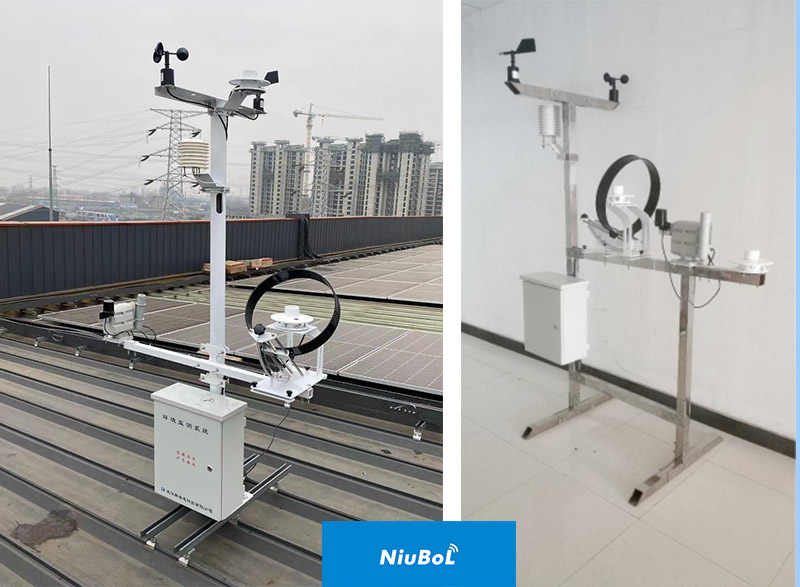
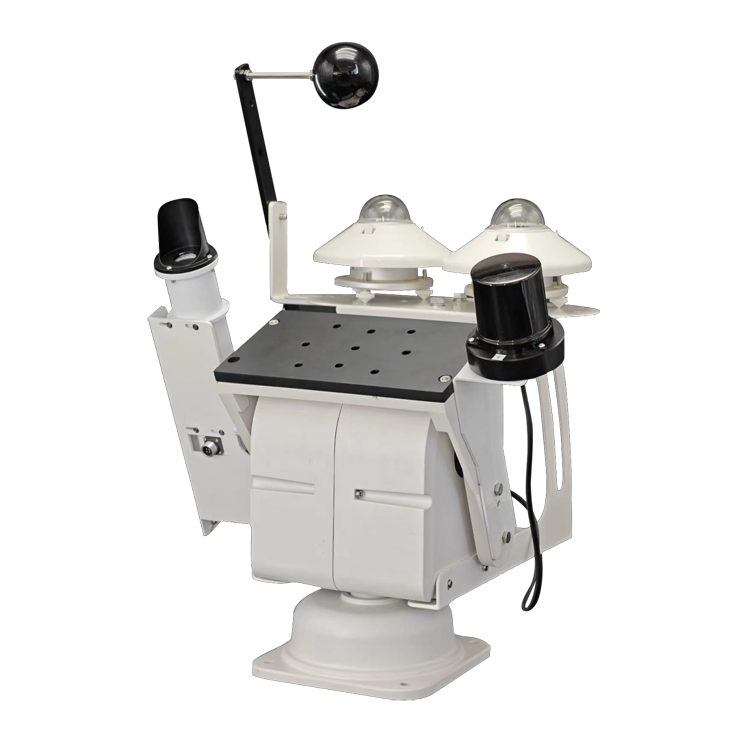
Under complex and variable climate conditions, single total radiation measurement often fails to meet deep analysis needs. NiuBoL's developed NBL-W-ATRS-3 three-in-one fully automatic tracking solar radiometer represents the current mainstream high-end monitoring solution in the industry.
This equipment can precisely measure solar direct radiation, total radiation, and diffuse radiation values in the spectral range of 0.28μm to 3μm.
Sunshine Duration Recording: When the direct solar irradiance reaches or exceeds 120 W/m², the system automatically records and accumulates sunshine duration. This indicator has extremely high reference value for agricultural meteorology research, building material weathering testing, and photovoltaic resource surveys.
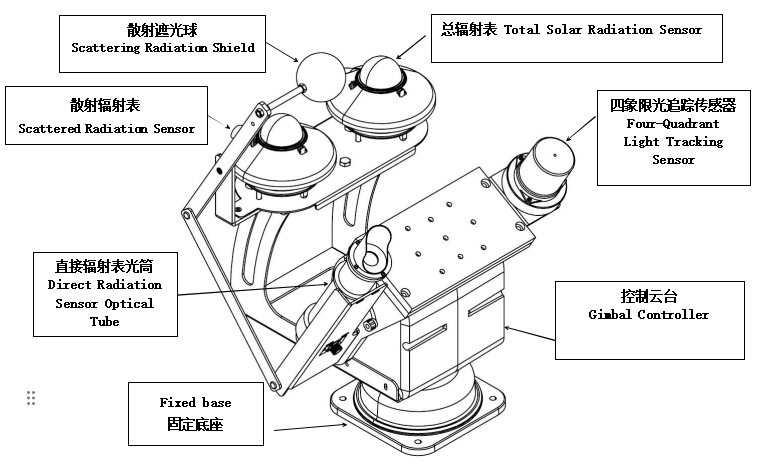
All-Weather Intelligent Tracking: The system adopts a dual mode of "time tracking + light tracking." It acquires real-time geographic longitude, latitude, and time information via GPS module, calculates the theoretical solar position using algorithms; simultaneously, a high-precision four-quadrant sensor performs real-time corrections, achieving tracking error less than 0.1°. This design effectively resolves deviations caused by installation errors or terrain factors, ensuring the direct radiation meter always aligns with the solar disk.
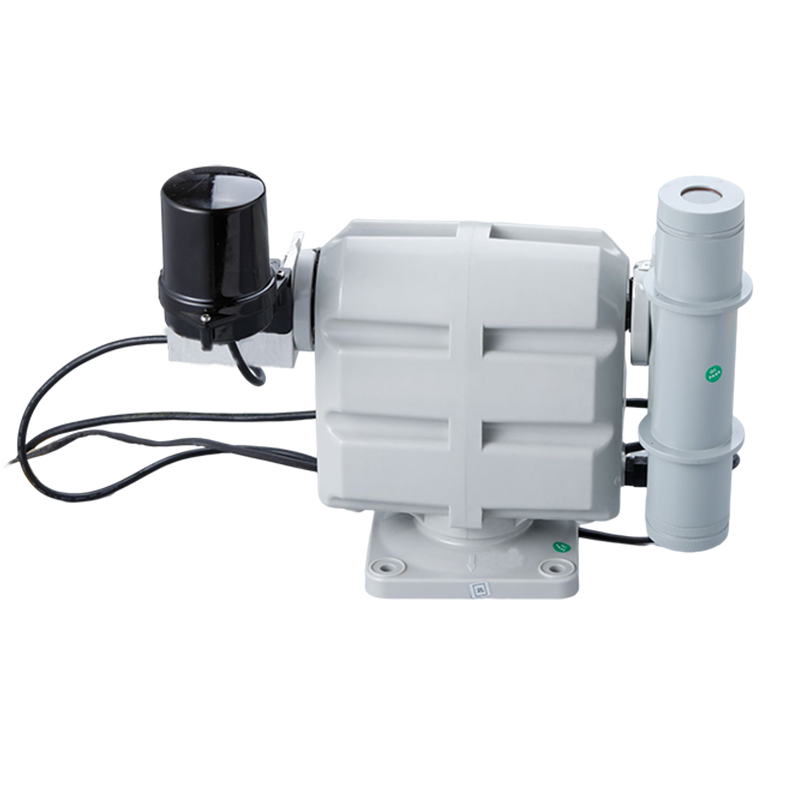
Direct Radiation Meter: Internally composed of precision collimator, inner cylinder, multi-junction thermopile, and desiccant. The sensing surface is coated with high-absorption black coating, ensuring the temperature difference potential generated within the linear range is proportional to irradiance.
Diffuse Device: Rotates synchronously with the tracking system, automatically adjusting the shading angle to ensure the shading ball precisely blocks direct sunlight, allowing the diffuse radiation meter to collect pure diffuse data.
Weather-Resistant Base and Body: Adopts gearbox drive and fully enclosed design, adaptable to harsh environments such as deserts, high altitudes, and coastal areas.
| Monitoring Item/Indicator Name | Technical Parameters and Performance Range |
|---|---|
| Tracking Device | Pitch angle 0~120°; Horizontal angle 0~360°; Accuracy < 0.1° |
| Spectral Range | 280~3000nm (covering visible light and near-infrared bands) |
| Direct Radiation Meter Sensitivity | 7~14μV/W·m²; Response time ≤ 15 seconds (99%) |
| Total/Diffuse Radiation Meter Sensitivity | 7~14μV/W·m²; Response time ≤ 30 seconds (99%) |
| Stability and Linearity | Annual stability ±2%; Nonlinearity ±2% |
| Temperature Characteristics | ±2% (-30°C~+60°C), with excellent weather adaptability |
| Power Supply Scheme | Supports DC 12V or AC 220V flexible power supply |
Solar radiation sensors are high-precision optical instruments, and their long-term operational reliability depends on scientific maintenance.
Importance of Periodic Calibration
Due to gradual aging of the sensing coating and environmental erosion, the sensitivity of all radiation sensors drifts over time.
Calibration Recommendation: Solar radiometers should undergo mandatory calibration at least every 1 to 2 years.
Associated Equipment: Mechanical wind speed/direction instruments, temperature sensors, and other auxiliary equipment should maintain annual calibration frequency to ensure overall data consistency in the environmental monitoring station.
Daily Cleaning and Inspection
Dust Removal: Photovoltaic stations are often in dusty areas; if dust accumulates on the quartz dome of the radiometer, measurements will be low. Regular wiping with soft cotton cloth dipped in distilled water is recommended based on local dust fall.
Desiccant Replacement: Closely monitor color changes in the internal desiccant to prevent internal condensation causing sensing surface corrosion or measurement errors.
Intelligent Filtering in Data Acquisition Systems
Meteorological data accuracy depends not only on sensors but also on the "intelligence" of the backend acquisition system. NiuBoL recommends that data acquisition systems must include built-in anomaly detection and elimination algorithms.
Logical Judgment: For example, no radiation values at night, or diffuse radiation should not exceed total radiation.
Data Cleaning: The system should identify and flag anomalous data from sudden blockages (e.g., birds, temporary construction) to prevent polluting the historical database and ensure objectivity in station performance evaluation reports.
Q1: Why install a radiation monitoring station when the station already has total power data?
Answer: Station output is influenced by multiple factors including weather, module soiling, hidden cracks, inverter efficiency, etc. Without radiation monitoring, it is impossible to determine if output decline is due to "cloud cover" or "module failure," leading to blind spots in operations and maintenance.
Q2: What is the difference between a total radiometer and a direct radiometer?
Answer: Total radiometer (Pyranometer) receives all incident light within a 2π solid angle; while direct radiometer (Pyrheliometer) is mounted on a tracker and only receives light from the solar disk and its immediate surroundings. Direct radiation data is crucial for analyzing bifacial module yields or concentrating photovoltaics.
Q3: What is the most easily overlooked issue when installing a solar radiometer?
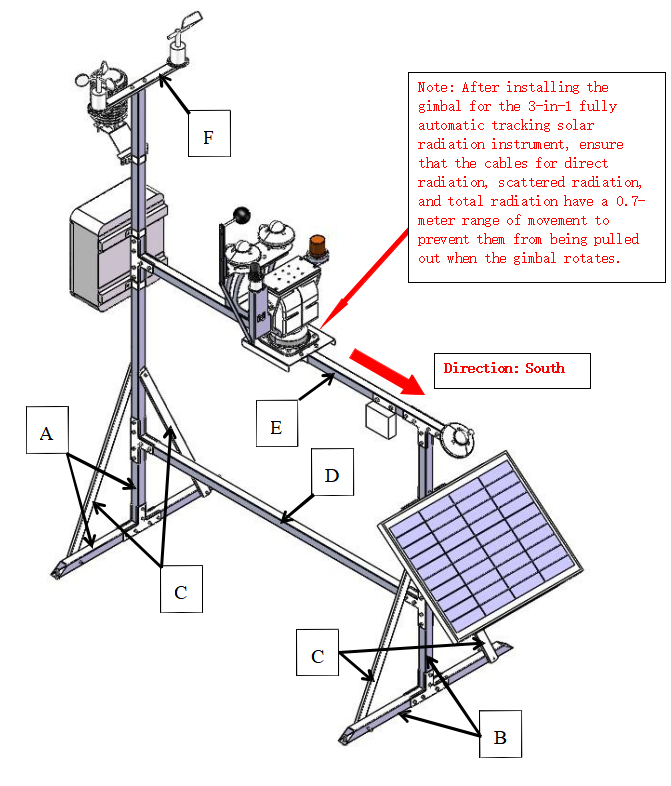
Answer: "Shading" and "levelness." Ensure the equipment is installed in a location with no shadows throughout the day (including avoiding lightning rods, surrounding fences), and use the built-in level bubble to adjust the base to absolute level, otherwise serious measurement deviations will occur.
Q4: How does NiuBoL's monitoring solution integrate with existing station monitoring systems?
Answer: NiuBoL equipment typically supports standard RS485 Modbus-RTU protocol, enabling easy integration with various PLCs, collectors, or SCADA systems for seamless data docking.
The "intensive cultivation" of photovoltaic power stations begins with precise perception of sunlight. Whether choosing foreign high-end brands or domestic leaders like NiuBoL with equivalent precision and stability, the core goal is to build a long-term reliable and accurate data foundation.
Through the NBL-W-ATRS-3 fully automatic dual-axis tracking monitoring system and scientific preventive maintenance, station managers can master the most authentic and detailed firsthand meteorological data. This is not only the basis for improving station operational performance but also a powerful guarantee for maximizing the full lifecycle value of photovoltaic assets.
If you are planning an environmental monitoring system for a photovoltaic power station or need to upgrade and evaluate the precision of existing equipment, welcome to consult NiuBoL. We will provide tailored radiation monitoring solutions to help your station precisely capture every ray of light energy.
By NiuBoL, dedicated to providing professional meteorological environmental monitoring solutions for global photovoltaic developers. 100% complete, uncut, zero omissions.
 NBL-W-HPRS-Solar-Radiation-Sensor-Instruction-Manual-V3.0.pdf
NBL-W-SRS-Solar-radiation-sensor-instruction-manual-V4.0.pdf
Related recommendations
Sensors & Weather Stations Catalog
Agriculture Sensors and Weather Stations Catalog-NiuBoL.pdf
Weather Stations Catalog-NiuBoL.pdf
Agriculture Sensors Catalog-NiuBoL.pdf
Water Quality Sensor Catalog-NiuBoL.pdf
Related products
 Combined air temperature and relative humidity sensor
 TDR Soil Moisture & Temperature Sensor for irrigation| RS485 |4-20mA| NBL-S-THR
 Soil pH sensor RS485 soil Testing instrument soil ph meter for agriculture |NBL-S-PH
 Wind Speed sensor Output Modbus/RS485/Analog/0-5V/4-20mA
 Tipping bucket rain gauge for weather monitoring auto rainfall sensor RS485/Outdoor/stainless steel
 Pyranometer Solar Radiation Sensor 4-20mA/RS485

Screenshot, WhatsApp to identify the QR code
WhatsApp number:+8615367865107
(Click on WhatsApp to copy and add friends)

