





— Blogs —
—Products—
 Consumer hotline +8618073152920
 WhatsApp:+8615367865107
Address:Room 102, District D, Houhu Industrial Park, Yuelu District, Changsha City, Hunan Province, China
Product knowledge
Time:2025-12-29 14:19:35 Popularity:738
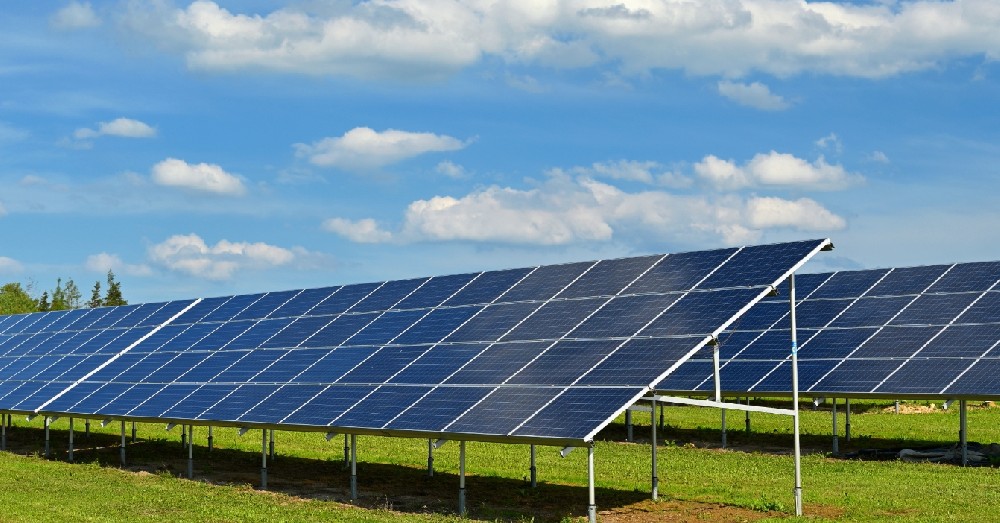
In the field of photovoltaic power generation, accurate Performance Ratio (PR) assessment is the core means to measure station operation quality, identify system losses, and safeguard investor returns. Due to the extremely strong linear correlation between photovoltaic power output and real-time meteorological conditions, the data accuracy provided by meteorological monitoring sensors directly determines the fairness of assessment results.
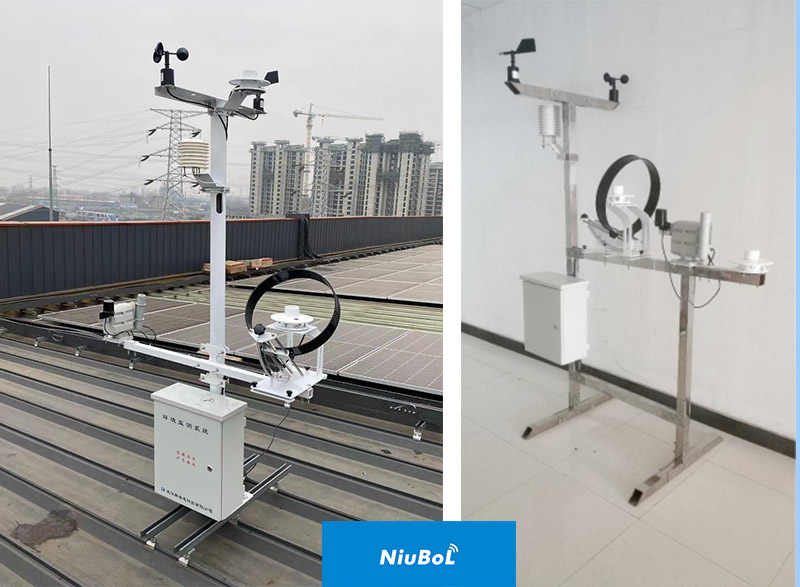
As a professional supplier of photovoltaic environmental monitoring solutions, NiuBoL is committed to providing high-precision sensors that comply with ISO and WMO measurement standards. This article will systematically elaborate on the application value of photovoltaic meteorological station sensors in power station performance assessment from three dimensions: technical principles, application logic, and selection recommendations.
In the performance assessment system of photovoltaic power stations, station efficiency (PR value) and equivalent full-load hours (Full Load Hours) are the most representative indicators.
In the PR value calculation formula, the numerator is the actual power generation, while the denominator is the theoretical power generation calculated based on reference radiation. The calculation of theoretical power generation highly depends on the plane-of-array (POA) total irradiance and the module temperature correction coefficient. If there is a 3% systematic error in radiation measurement, it will directly cause an equivalent deviation in PR value assessment, thereby affecting operation and maintenance decisions and asset value evaluation. Therefore, building a highly reliable meteorological monitoring station is a necessary condition for closed-loop management of photovoltaic projects.
Photovoltaic module power output has a significant negative temperature coefficient. Precise temperature data monitoring is to effectively separate the "environmental impact" from "equipment performance" in actual output.
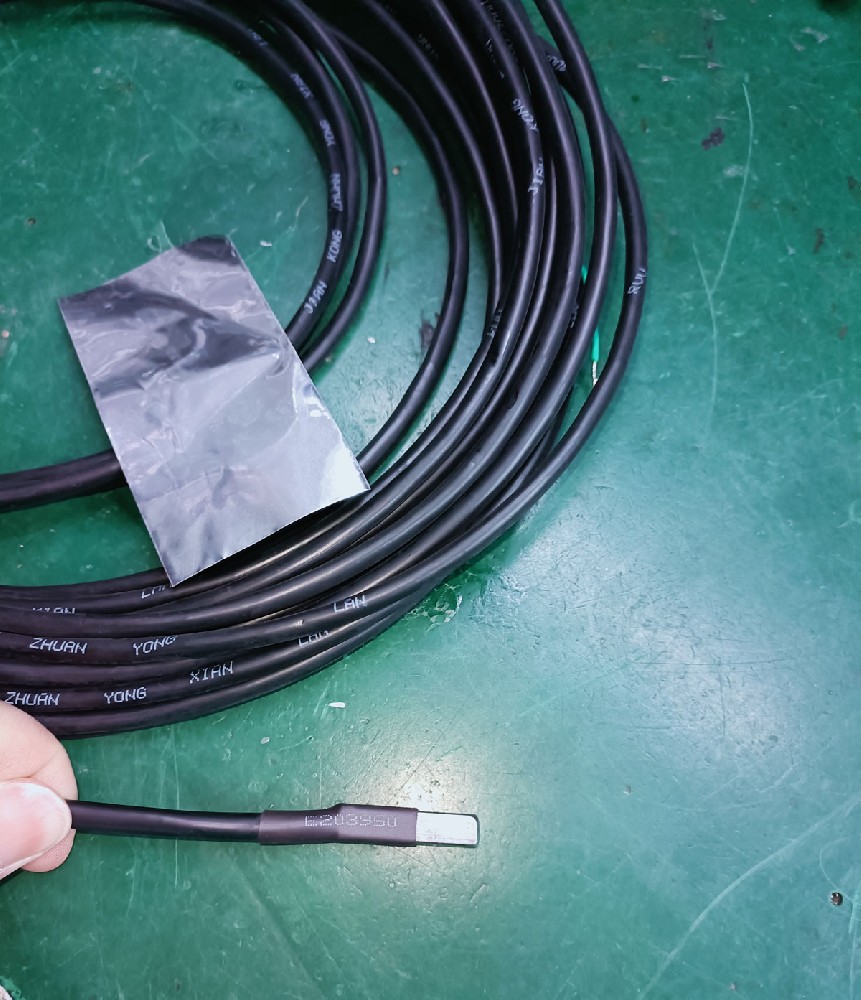
Back-of-Module Temperature Sensor (Back-of-Module Temperature/PV Module Temperature Sensor)
In station performance assessment, the internal cell temperature is key to calculating temperature rise losses. NiuBoL back-of-module temperature sensors are typically installed at the center of representative module backsheets in the array.
Physical Model Application: By measuring the backsheet temperature, combined with ambient temperature and instantaneous wind speed, the cell junction temperature can be accurately converted using heat exchange balance equations (such as the Faiman model).
Technical Advantages: NiuBoL sensors adopt high thermal conductivity encapsulation technology to minimize thermal resistance between the sensor and module backsheet, with short response time, enabling real-time reflection of temperature fluctuations caused by cloud shading.
Ambient Temperature and Wind Speed Monitoring
Ambient temperature sensors are used to monitor the background atmospheric temperature around the array. Wind speed sensors provide convective heat transfer parameters to assist in correcting temperature models. Together, they constitute the boundary conditions for station heat loss analysis.
The radiation received by photovoltaic arrays consists of three parts: direct radiation, sky diffuse radiation, and ground-reflected radiation.
Real-Time Compensation with Solar Radiation Inclination Sensors
In mountainous stations with complex terrain or stations using tracking brackets, minor deviations in sensor installation posture can lead to significant measurement errors.
Posture Correction Logic: Even a 1° installation angle deviation can produce significant irradiance differences at specific solar altitudes. NiuBoL incorporates solar radiation inclination sensors in the system to monitor the geometric posture (pitch and azimuth angles) of the radiometer in real time, performing spatial vector compensation on measurement data to ensure that the POA radiation used for PR calculation is highly consistent with the actual amount received by the array.
NBL-W-SRM Diffuse Radiation Measurement Application
Diffuse radiation is an important parameter for assessing bifacial module backside gain and cloudy day output characteristics.
Structural Design: The NBL-W-SRM diffuse radiometer adopts a precision shading ring structure with a ring width of 65mm and diameter of 400mm.
Working Principle: The scale is adjusted according to the geographic latitude of the observation site, using the shading ring to continuously block direct radiation from the solar disk, so that the sensing surface only receives sky diffuse light. This provides necessary data splitting for establishing more refined photovoltaic output models.
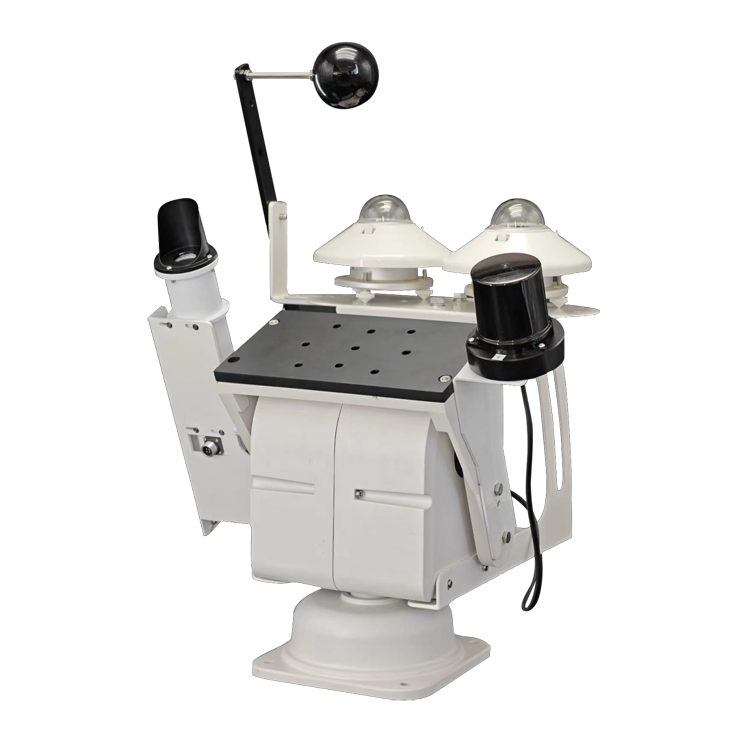
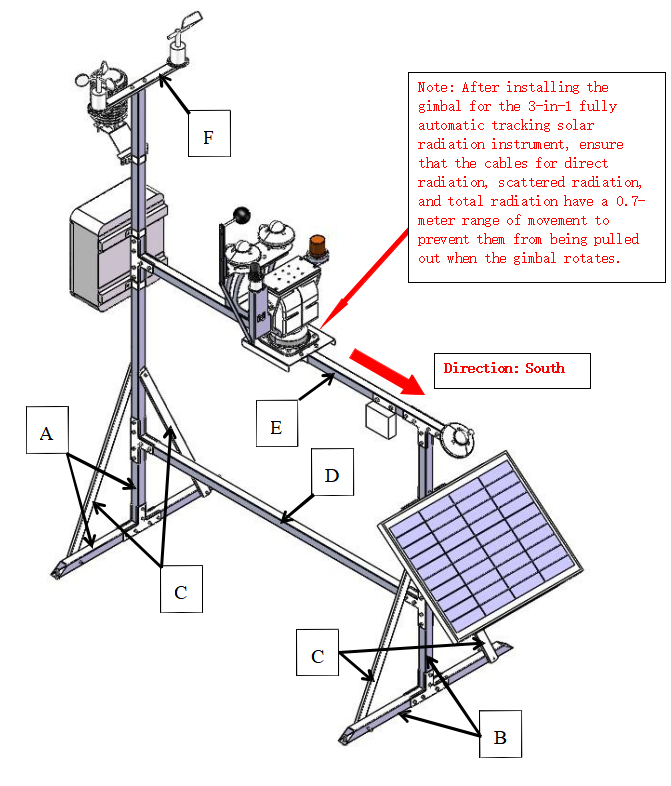
For national benchmark stations or projects requiring high-precision resource evaluation, NiuBoL recommends the NBL-W-ATRS-3 fully automatic dual-axis tracking monitoring system. This system integrates synchronous monitoring of direct normal irradiance (DNI), global horizontal irradiance (GHI), and diffuse horizontal irradiance (DHI).
Dual-Mode Tracking Technology and Precision Control
The system adopts a closed-loop tracking mode combining "time trajectory algorithm + high-precision optical sensor.
Positioning Compensation: The module has built-in GPS for automatic acquisition of longitude, latitude, and elevation. The controller calculates the solar declination angle in real time based on astronomical formulas.
Correction Mechanism: In the face of installation errors or minor foundation settlement, the high-precision four-quadrant sensor performs fine alignment, controlling tracking error within 0.1° to ensure the direct radiation meter (collimator tube) always faces the solar disk directly.
Detailed Description of Core Technical Indicators of Fully Automatic Tracking Radiation Monitoring Instrument
| Component Category | Parameter Name | Technical Specifications |
|---|---|---|
| Tracking Device | Rotation Range | Horizontal 0~360° / Pitch 0~120° |
| Static Accuracy | < 0.1° | |
| Direct Radiation Meter | Sensitivity | 7~14μV/W·m² |
| Spectral Range | 280~3000nm | |
| Stability | ±2% / year | |
| Total/Diffuse Meter | Response Time | ≤ 30 seconds (99%) |
| Non-linearity | ±2% | |
| Temperature Response | ±2% (-20℃~+40℃) |
Precise Definition and Measurement of Sunshine Duration
According to the WMO definition, sunshine duration is the total time when direct solar irradiance reaches or exceeds 120 W/m². The NiuBoL monitoring system directly outputs actual sunshine duration in minute units through high-speed sampling of direct radiation values, providing authoritative resource assessment data for meteorological stations.
The raw electrical signals collected by sensors must undergo rigorous digital processing. NiuBoL data acquisition systems fully consider the complexity of industrial sites in design:
Anomaly Processing: The system has built-in logical judgment algorithms to automatically eliminate physically impossible values (such as sudden nighttime radiation increases or diffuse values exceeding total radiation), preventing anomalous noise from interfering with statistical averages.
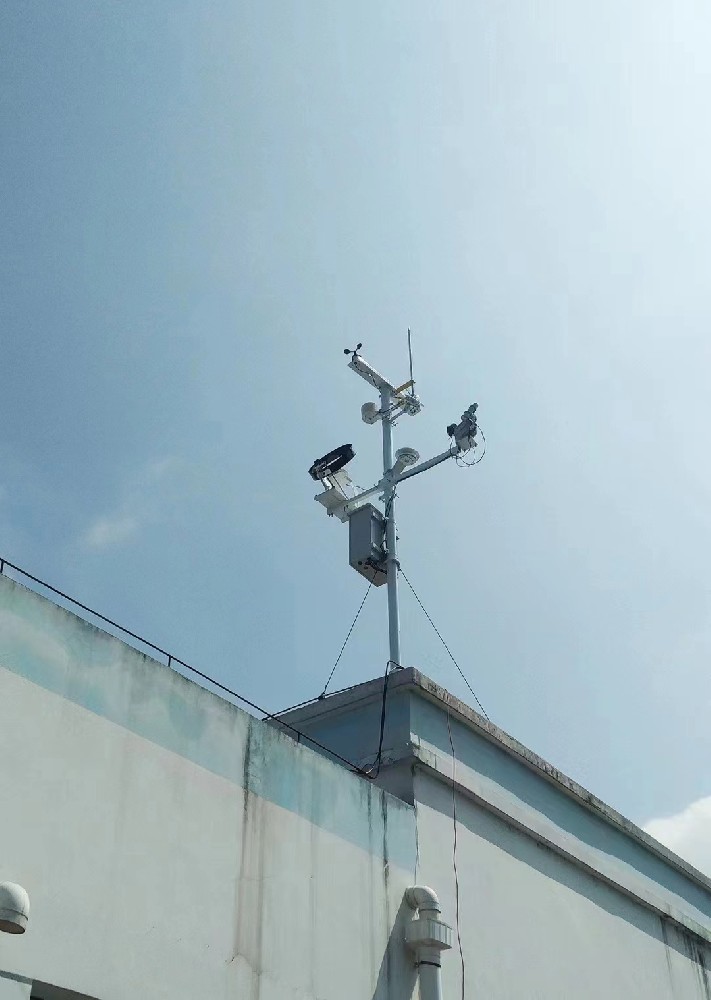
Environmental Tolerance: The equipment has excellent electromagnetic compatibility (EMC) and can operate stably in strong alternating electromagnetic fields in photovoltaic booster stations.
Q1: Why does high-performance assessment emphasize separate measurement of "direct radiation"?
Answer: Total radiometers include both direct and diffuse light. When analyzing module optical utilization, attenuation rates, and performing irradiance modeling in complex terrain, only by separating direct radiation (DNI) can the most accurate plane-of-array radiation data be obtained through projection conversion.
Q2: How to address meteorological station errors in high-pollution, dusty areas?
Answer: Dust coverage causes low radiometer readings. NiuBoL recommends including "sensor cleaning" in operation and maintenance procedures and regularly checking the internal desiccant status. For important stations, comparison algorithms in the data acquisition system can automatically trigger cleaning reminders when multiple devices show asynchronous deviations.
Q3: How do NiuBoL devices meet the digital needs of smart stations?
Answer: All sensors and fully automatic tracking systems support the standard RS485 Modbus-RTU communication protocol, enabling direct integration with SCADA systems or cloud platforms for real-time second-level data transmission and storage.
Q4: Why are humidity and pressure sensors not commonly used in station assessment?
Answer: Although they are meteorological elements, they have no direct linear correlation with the photovoltaic cell power generation physical model. The core of performance assessment lies in irradiance, temperature rise, and wind speed (heat dissipation), so parameters like humidity are usually recorded as auxiliary rather than essential for PR calculation.
Q5: How to choose between shading ring diffuse meter and fully automatic tracker?
Answer: Shading ring diffuse meters offer high cost-effectiveness and simple structure, suitable for fixed-bracket stations; while the three-in-one fully automatic tracker provides higher precision and direct radiation data, making it the preferred choice for concentrating photovoltaics or high-standard meteorological stations.
Q6: What is the maintenance frequency for NiuBoL sensors?
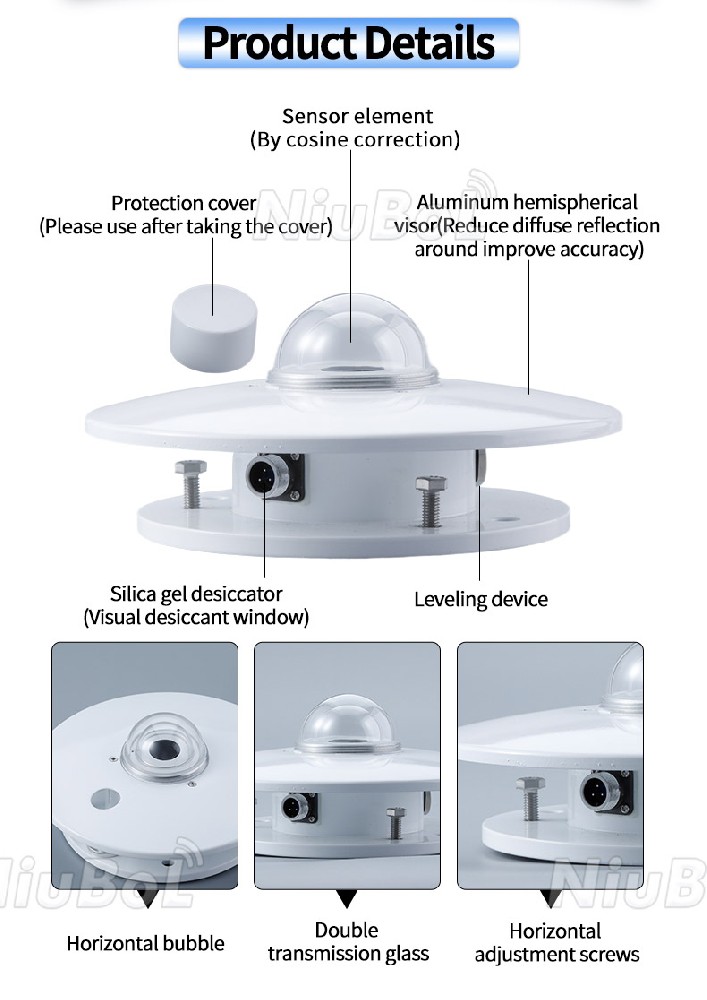
Answer: To ensure stability within 2%, we recommend calibrating total radiometers every 1-2 years. Daily operation and maintenance should focus on cleaning dust from the sensing dome to prevent falsely low data.
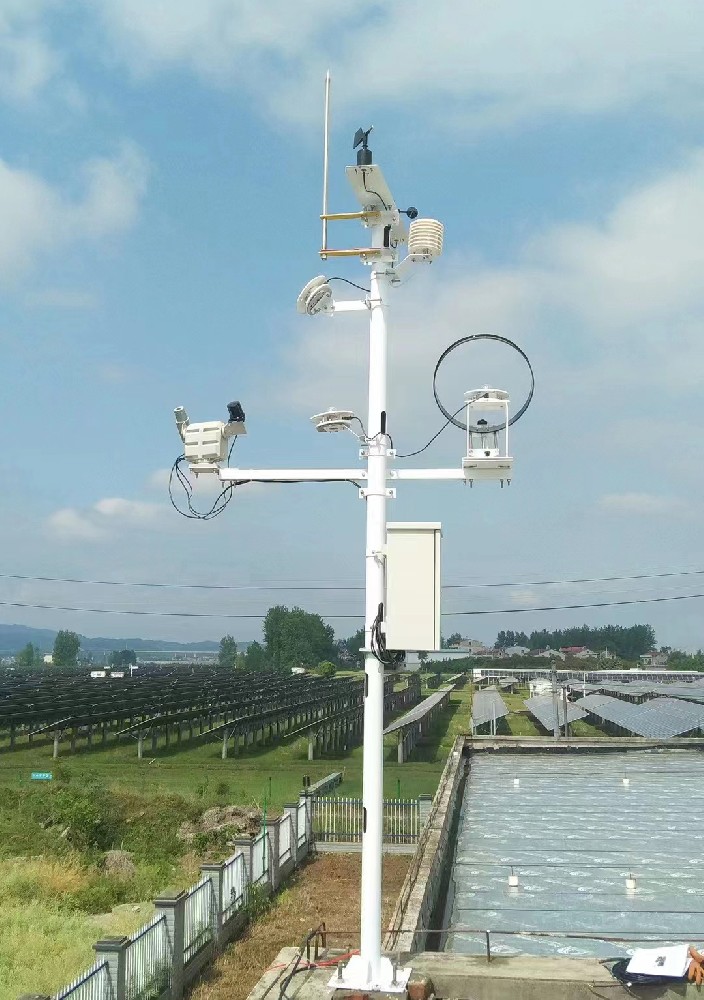
Photovoltaic meteorological station sensors are not only tools for measuring environmental parameters but also precise benchmarks for station asset performance assessment. From the NBL-W-SRM diffuse radiometer to the NBL-W-ATRS-3 fully automatic tracking system, NiuBoL provides a complete product matrix from basic monitoring to research-grade assessment.
By acquiring high-precision temperature, radiation, and posture data, station managers can eliminate environmental uncertainties and accurately identify the real causes affecting power generation. In today's photovoltaic industry transitioning deeply toward grid parity and digital operation and maintenance, choosing a professional meteorological monitoring solution means precise control over the full lifecycle value of the station.
[Technical Support and Protocol Description] NiuBoL full series sensors support the standard Modbus-RTU communication protocol, with industrial-grade RS485 interfaces for simple physical connections. All parameters and measurements comply with World Meteorological Organization (WMO) specifications, with uniform unit outputs of W/m² (irradiance), °C (temperature), and m/s (wind speed).
If you need a customized photovoltaic meteorological station solution, please contact the NiuBoL professional team immediately.
 NBL-W-HPRS-Solar-Radiation-Sensor-Instruction-Manual-V3.0.pdf
NBL-W-SRS-Solar-radiation-sensor-instruction-manual-V4.0.pdf
Related recommendations
Sensors & Weather Stations Catalog
Agriculture Sensors and Weather Stations Catalog-NiuBoL.pdf
Weather Stations Catalog-NiuBoL.pdf
Agriculture Sensors Catalog-NiuBoL.pdf
Water Quality Sensor Catalog-NiuBoL.pdf
Related products
 Combined air temperature and relative humidity sensor
 TDR Soil Moisture & Temperature Sensor for irrigation| RS485 |4-20mA| NBL-S-THR
 Soil pH sensor RS485 soil Testing instrument soil ph meter for agriculture |NBL-S-PH
 Wind Speed sensor Output Modbus/RS485/Analog/0-5V/4-20mA
 Tipping bucket rain gauge for weather monitoring auto rainfall sensor RS485/Outdoor/stainless steel
 Pyranometer Solar Radiation Sensor 4-20mA/RS485

Screenshot, WhatsApp to identify the QR code
WhatsApp number:+8615367865107
(Click on WhatsApp to copy and add friends)

