





— Blogs —
—Products—
 Consumer hotline +8618073152920
 WhatsApp:+8615367865107
Address:Room 102, District D, Houhu Industrial Park, Yuelu District, Changsha City, Hunan Province, China
Product knowledge
Time:2025-12-29 15:31:04 Popularity:770
In photovoltaic power station asset management, solar radiation data serves as the absolute benchmark for measuring the Performance Ratio (PR). As the "ruler" for photovoltaic operation and maintenance, the precision of solar radiation sensors directly impacts the scientific validity of power generation forecasting, equipment degradation analysis, and operation and maintenance decisions.
As the photovoltaic industry advances toward high-quality development, requirements for radiation monitoring equipment have shifted from "availability" to "precision, stability, and high-frequency." This article combines the global mainstream brand landscape to deeply explore the core technology of NiuBoL solar radiation monitoring solutions and their practical applications in the photovoltaic industry.
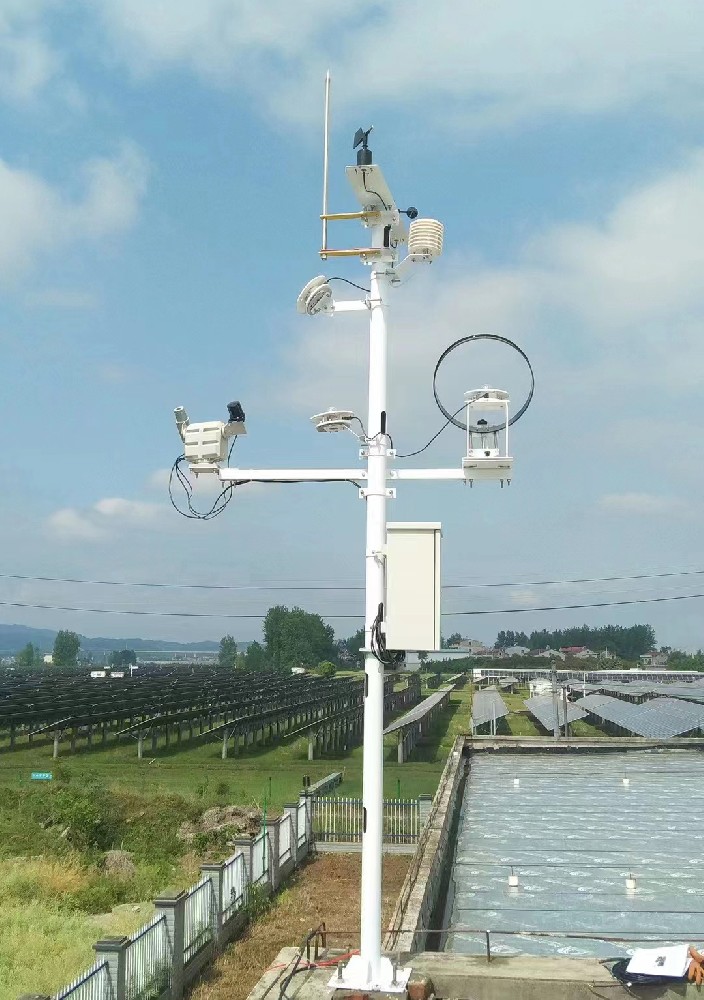
The global photovoltaic radiation monitoring market currently exhibits clear professional segmentation. Understanding the technical characteristics of international mainstream brands helps objectively evaluate the performance boundaries of monitoring systems.
Kipp & Zonen (Netherlands)
As a world-recognized expert in solar radiation measurement, Kipp & Zonen has over a century of technical accumulation. Its product line covers full-spectrum measurement from ultraviolet to far-infrared. Its quasi-first-class (Standard Class) and secondary standard total radiometers are standard equipment for global meteorological observation networks and high-end photovoltaic power stations, renowned for extremely high long-term stability and excellent temperature compensation capabilities.
EKO (Japan)
EKO has particularly deep research in the photovoltaic field, especially in photovoltaic module characteristic analysis and spectral distribution measurement. EKO products are known for high response speed and exquisite manufacturing craftsmanship, capable of capturing subtle instantaneous radiation changes, often used in high-precision research-oriented photovoltaic power stations.
Hukseflux (Netherlands)
Hukseflux excels in the field of heat flux sensors, with its radiometers emphasizing durability in harsh environments. Its products strictly comply with ISO 9060 standards and have numerous innovations in anti-fouling and ease of maintenance, making it one of the fastest-growing brands in global commercial photovoltaic power stations.
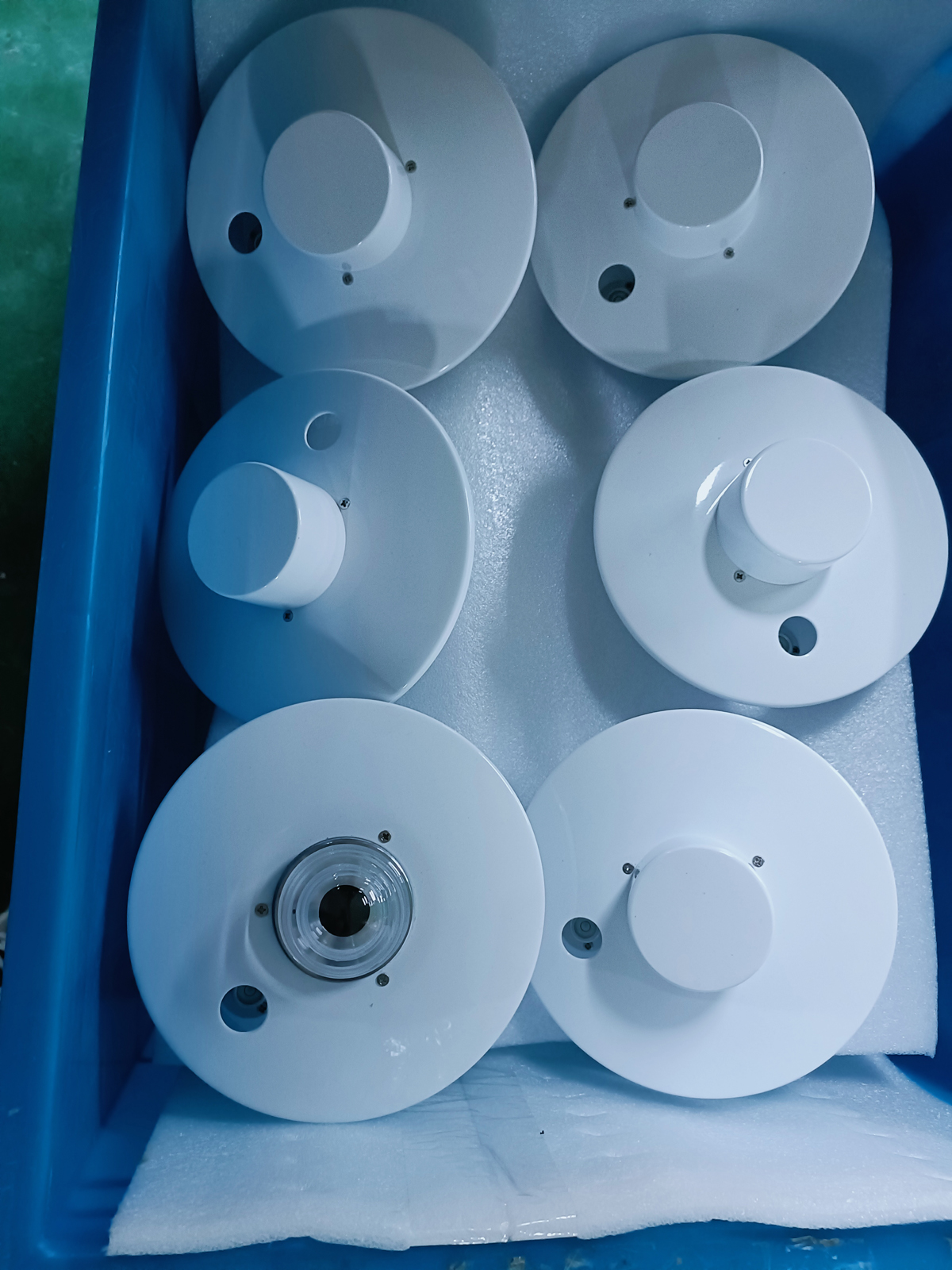
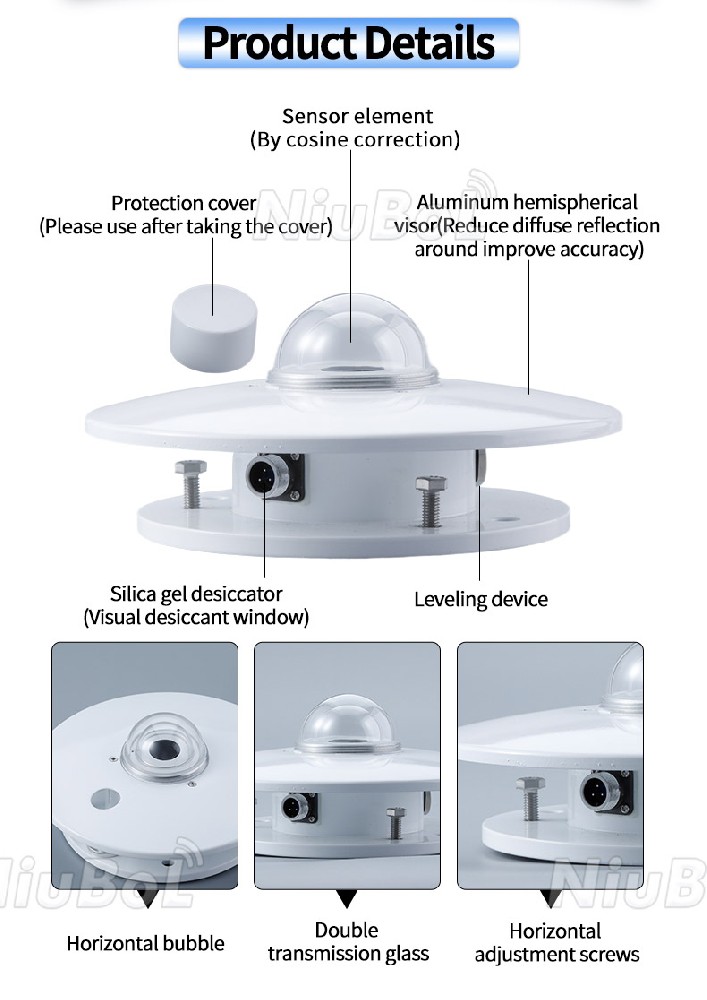
While benchmarking international high-end standards, NiuBoL has developed the NBL-W-HPRS series high-precision solar radiation sensors through continuous technological iteration, providing photovoltaic owners with higher cost-effectiveness and high-quality options.
Core Sensing Principle: Thermopile Technology
The NBL-W-HPRS adopts wire-wound electroplated multi-junction thermopile. Its surface is covered with a high-absorption black coating. When solar radiation irradiates the sensing surface, the hot junctions heat up, generating a temperature difference potential with the cold junctions inside the body.
Linearity Assurance: In the full spectral range of 0.3-3μm, the sensor's output signal is strictly proportional to irradiance.
Full-Spectrum Monitoring: Not only measures total radiation but can also measure diffuse radiation and ground-reflected radiation when equipped with shading devices or installed downward.
Double-Layer Quartz Glass Dome Structure
To cope with complex outdoor convective environments, the NBL-W-HPRS employs a double-layer precision quartz glass dome:
Reduce Convective Interference: The outer dome effectively blocks the impact of wind speed and temperature fluctuations on the thermal balance of the sensing surface.
Infrared Correction: The inner dome is specifically designed to intercept secondary infrared radiation from the outer dome, ensuring measurement purity and reducing system deviation.
Diversified Signal Output and Compatibility
To meet the digital integration needs of smart power stations, the NBL-W-HPRS provides multiple standard output interfaces:
Analog: 4~20mA, 0~5V, suitable for traditional PLC and data acquisition instruments.
Digital: RS485 (Modbus-RTU), supporting long-distance transmission with stronger anti-interference capability, the preferred choice for modern distributed and ground-mounted power stations.
| Technical Indicator | Parameter Performance |
|---|---|
| Sensing Principle | Thermal Induction (Thermopile) |
| Spectral Range | 0.3~3μm |
| Measurement Range | 0~2000W/m² |
| Sensitivity | 7~14μV/W·m⁻² |
| Response Time | ≤ 35s (99%) |
| Annual Stability | ≤ ±2% |
| Cosine Response | ≤ 7% (solar altitude angle 10°) |
| Azimuth Response Error | ≤ 5% (solar altitude angle 10°) |
| Temperature Characteristics | ±2% (-10℃~+40℃) |
| Operating Environment | -40℃~+50℃;0~100%RH |
NBL-W-HPRS Solar Radiation Sensor Technical Specifications Summary:
Principle: High absorption rate thermopile induction
Units: Irradiance (W/m²), Sensitivity (μV/W·m⁻²)
Protocol: RS485 Modbus-RTU / 4-20mA / 0-5V
Protection Level: IP65 industrial-grade waterproof
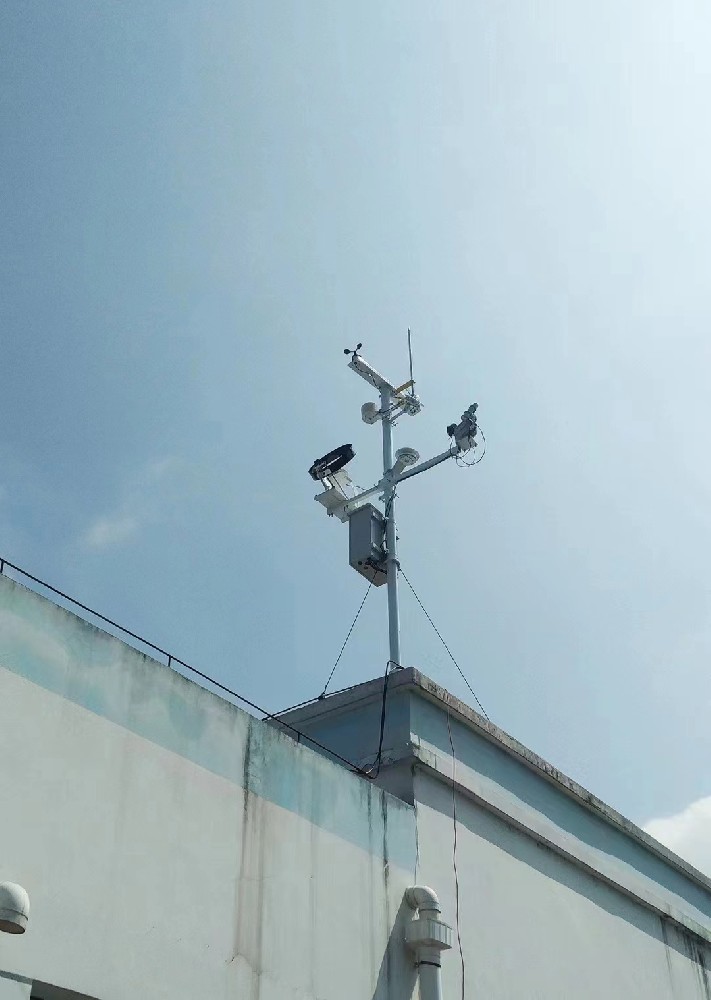
The accuracy of high-precision instruments highly depends on standardized on-site management.
Standardized Installation
Environmental Requirements: Must be installed in an open area with no obstructions above.
Azimuth Calibration: During installation, point the cable plug northward and use the level bubble to adjust the base to absolute level.
Physical Fastening: Must be firmly fixed on the mounting bracket to reduce vibration interference from strong winds.
Periodic Maintenance Plan
Optical Cleaning: Regularly wipe the glass dome with soft cloth or fur; strictly prohibit chemical agents to prevent damage to the optical filter dome.
Moisture-Proof Inspection: Closely monitor the color of silica gel in the desiccant. Replace immediately if it changes from blue to red or white to prevent internal condensation corroding the thermopile.
Extreme Climate Protection: For heavy rain, hail, or heavy snow, temporarily install a metal protective cover.
Factory Calibration: Recommend returning to factory or sending to metrology institution every two years for sensitivity recalibration to correct errors from long-term aging.
Q1: How to distinguish between first-class, second-class, and standard radiometers?
Answer: According to ISO 9060 standard, radiometers are divided into Secondary Standard, First Class, and Second Class (updated to Class A, B, C in 2018). Differences mainly lie in response time, zero offset, nonlinearity, and temperature characteristics. The NiuBoL NBL-W-HPRS series meets high-performance industrial-grade application standards in key indicators, sufficient for PR value assessment needs in most commercial power stations.
Q2: Do bifacial module power stations require additional radiation sensors?
Answer: Yes. Bifacial modules receive total radiation on the front and backside gains depend on ground albedo. Recommend installing one downward-facing NBL-W-HPRS radiation sensor in the array to measure reflected radiation, enabling precise calculation of backside gains and comprehensive station PR value.
Q3: Why do total radiometer measurements sometimes read low?
Answer: Common causes include: 1. Dust or frost on glass dome; 2. Desiccant failure causing inner dome fogging; 3. Levelness offset during installation; 4. Equipment reaching calibration cycle with sensitivity drift. NiuBoL's standardized maintenance effectively avoids these issues.
Q4: Can NiuBoL sensors directly connect to inverters or data acquisition gateways?
Answer: Yes. NBL-W-HPRS supports standard RS485 (Modbus-RTU) protocol, the most universal communication protocol in the photovoltaic industry. As long as the inverter or gateway has an RS485 interface, plug-and-play is possible for direct irradiance reading.
Q5: Why does NBL-W-HPRS use thermopile induction instead of photoelectric principle?
Answer: Photoelectric sensors (silicon photocells) have narrow spectral response range and are sensitive to spectral distribution, prone to systematic deviations. Thermopile induction has extremely wide spectral response (0.3-3μm), equally receiving all solar wavelength bands, with far superior measurement precision and long-term stability compared to photoelectric sensors.
Q6: In mountainous power stations, should sensors be installed horizontally or tilted?
Answer: Recommend both. Horizontal installation measures local meteorological benchmark total radiation; tilted installation (POA) must match photovoltaic module tilt angle exactly for direct calculation of module received light. NiuBoL mounting brackets allow flexible angle adjustment for various terrains.
In the full lifecycle operation of photovoltaic power stations, solar radiation monitoring is not auxiliary work but the core foundation for improving power generation efficiency and ensuring asset transparency. From the thermopile core technology of NBL-W-HPRS sensors to strict installation and calibration processes, NiuBoL consistently adheres to rigorous industrial standards, providing the photovoltaic industry with reliable data sources.
Choosing NiuBoL means choosing precision, stability, and long-term assurance.
If you need more selection solutions or technical support for NiuBoL solar radiation monitoring equipment, please contact our application experts.
 NBL-W-HPRS-Solar-Radiation-Sensor-Instruction-Manual-V3.0.pdf
NBL-W-SRS-Solar-radiation-sensor-instruction-manual-V4.0.pdf
Related recommendations
Sensors & Weather Stations Catalog
Agriculture Sensors and Weather Stations Catalog-NiuBoL.pdf
Weather Stations Catalog-NiuBoL.pdf
Agriculture Sensors Catalog-NiuBoL.pdf
Water Quality Sensor Catalog-NiuBoL.pdf
Related products
 Combined air temperature and relative humidity sensor
 TDR Soil Moisture & Temperature Sensor for irrigation| RS485 |4-20mA| NBL-S-THR
 Soil pH sensor RS485 soil Testing instrument soil ph meter for agriculture |NBL-S-PH
 Wind Speed sensor Output Modbus/RS485/Analog/0-5V/4-20mA
 Tipping bucket rain gauge for weather monitoring auto rainfall sensor RS485/Outdoor/stainless steel
 Pyranometer Solar Radiation Sensor 4-20mA/RS485

Screenshot, WhatsApp to identify the QR code
WhatsApp number:+8615367865107
(Click on WhatsApp to copy and add friends)

