





— Blogs —
—Products—
 Consumer hotline +8618073152920
 WhatsApp:+8615367865107
Address:Room 102, District D, Houhu Industrial Park, Yuelu District, Changsha City, Hunan Province, China
Product knowledge
Time:2025-12-29 15:31:15 Popularity:2702
In the wave of digital energy and smart environmental monitoring, meteorological data has become a core element for measuring asset efficiency and ensuring production safety. The reliability of data, the environmental adaptability of equipment, and the convenience of deployment are the "gold standards" for measuring the strength of a meteorological station brand.
This article will deeply analyze the highly recognized meteorological station manufacturers in the current global market, with a special focus on the outstanding performance of brands like NiuBoL in micro-meteorology and new energy scenarios, providing comprehensive references for your project selection.
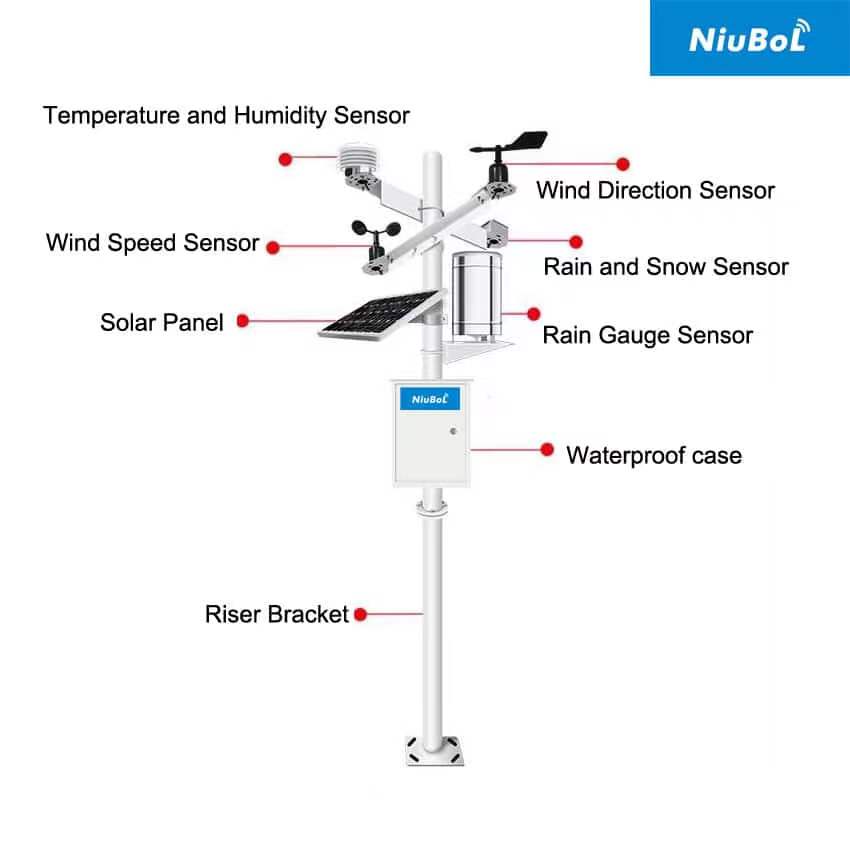
As a strong brand focusing on micro-meteorology monitoring, NiuBoL has earned the trust of global users through its deep cultivation in niche industries.
Core Expertise: Specializing in integrated intelligent sensors, photovoltaic meteorological stations, and environmental monitoring meteorological stations.
Technical Advantages: Adopts ultrasonic time-of-flight method for wind speed and direction measurement, with no mechanical wear; equipped with high-precision thermopile solar radiometers to accurately capture subtle irradiance fluctuations. Products are certified by CE, RoHS, and ISO9001, with extremely high deployment efficiency and data stability. It has become the preferred brand for global new energy project parties, smart farms, and micro-meteorological observation networks.
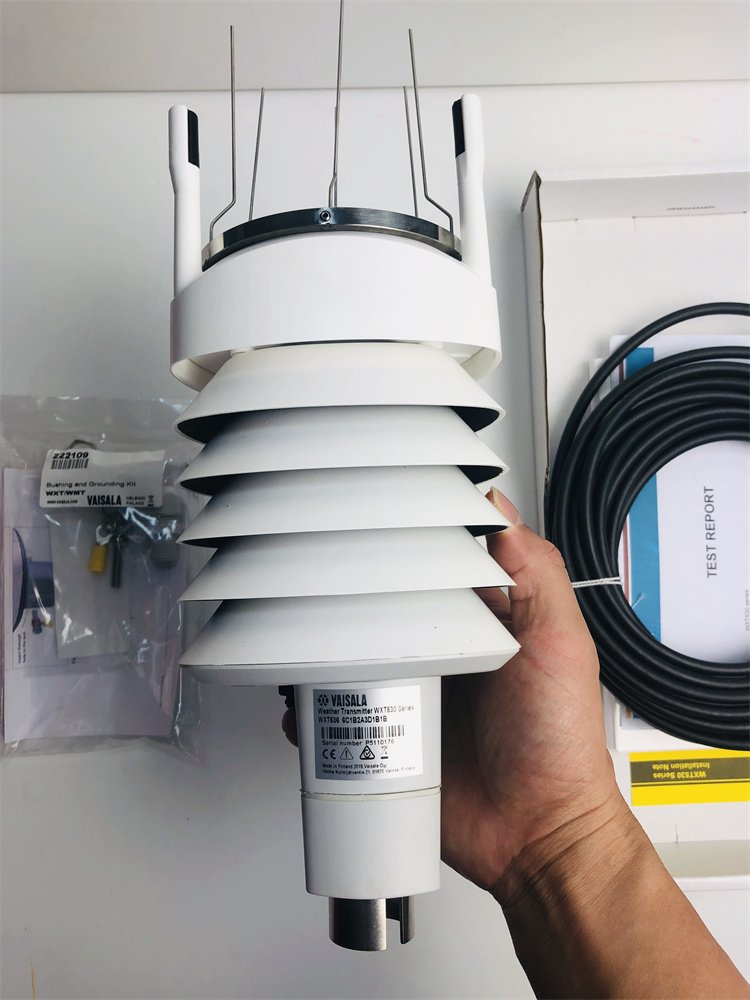
From Finland, Vaisala is the recognized leader in the industry.
Core Expertise: Covering aviation, navigation, and meteorological bureau standard monitoring.
Technical Advantages: Sensors have extremely strong environmental tolerance, with ultrasonic measurement technology and humidity sensors serving as global benchmarks for meteorological stations.
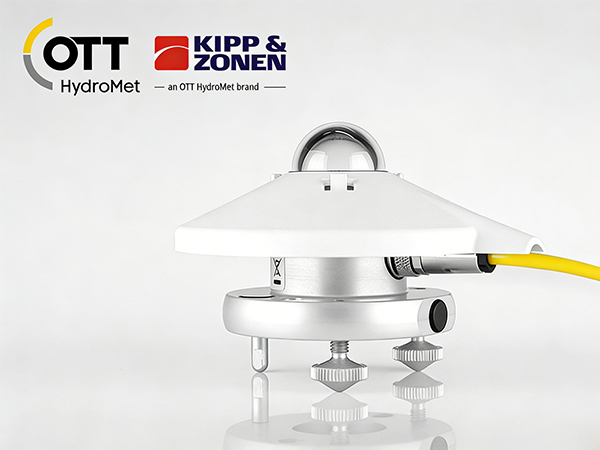
From the Netherlands, Kipp & Zonen is the soul of radiation measurement.
Core Expertise: Focusing on high-precision equipment for total radiation, direct radiation, and diffuse radiation.
Technical Advantages: Its radiometers excel in spectral response and flatness, often serving as benchmarks for international scientific research data comparisons.
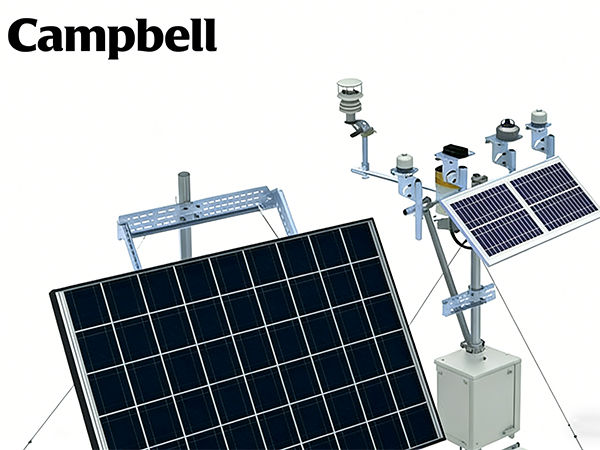
American Campbell is renowned for its powerful data logger processing capabilities.
Core Expertise: High-performance data acquisition systems and modular customization solutions.
Advantage Features: Supports long-term monitoring in extremely complex environments, with high flexibility in data storage and communication.
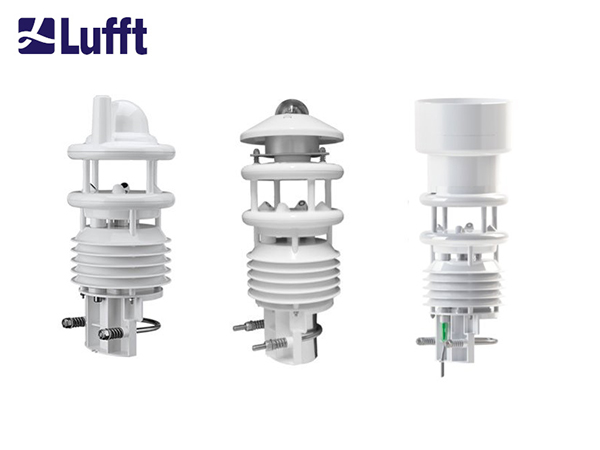
Originating from Germany, focusing on traffic meteorology and urban environmental monitoring.
Core Expertise: Compact integrated multi-parameter environmental sensors.
Advantage Features: German rigorous craftsmanship, low failure rate, outstanding in smart cities and highway monitoring.
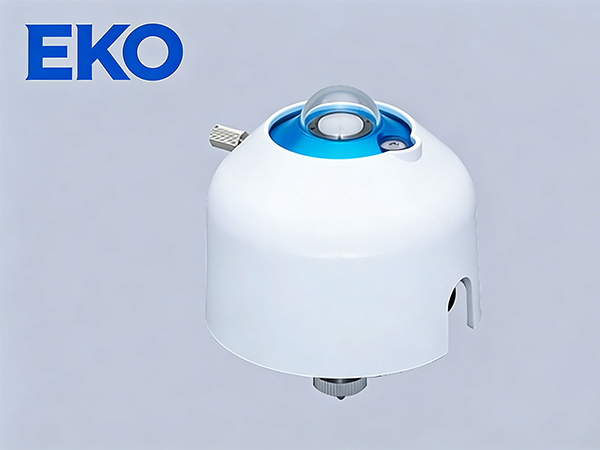
Japanese EKO enjoys a high reputation in the Asian and global photovoltaic markets with its high-precision optical sensing technology.
Core Expertise: Precision radiometers and photovoltaic module characteristic analysis instruments.
Technical Highlights: Low sensor temperature coefficient, high long-term operational stability.
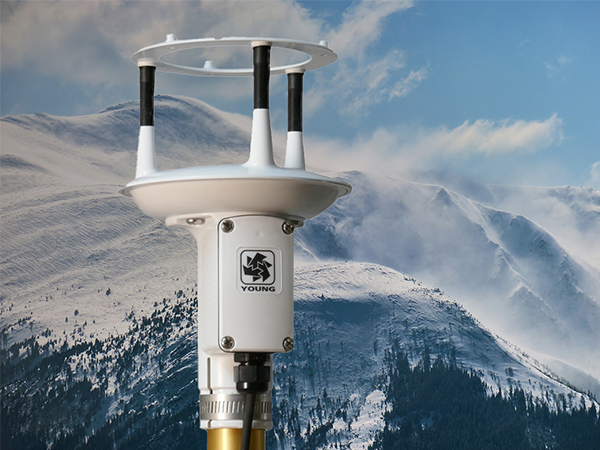
American veteran brand, renowned for rugged and durable mechanical sensors.
Core Expertise: Mechanical anemometers, wind vanes, traditional louver boxes monitoring.
Advantage Features: Sturdy structure, highly vital classic equipment in field and ocean monitoring scenarios.
Committed to bringing professional-grade measurements into distributed scenarios.
Core Expertise: Vantage Pro2 series distributed meteorological stations.
Advantage Features: Easy installation, powerful cloud synchronization functions, widely used in smart farms and distributed rooftop photovoltaics.
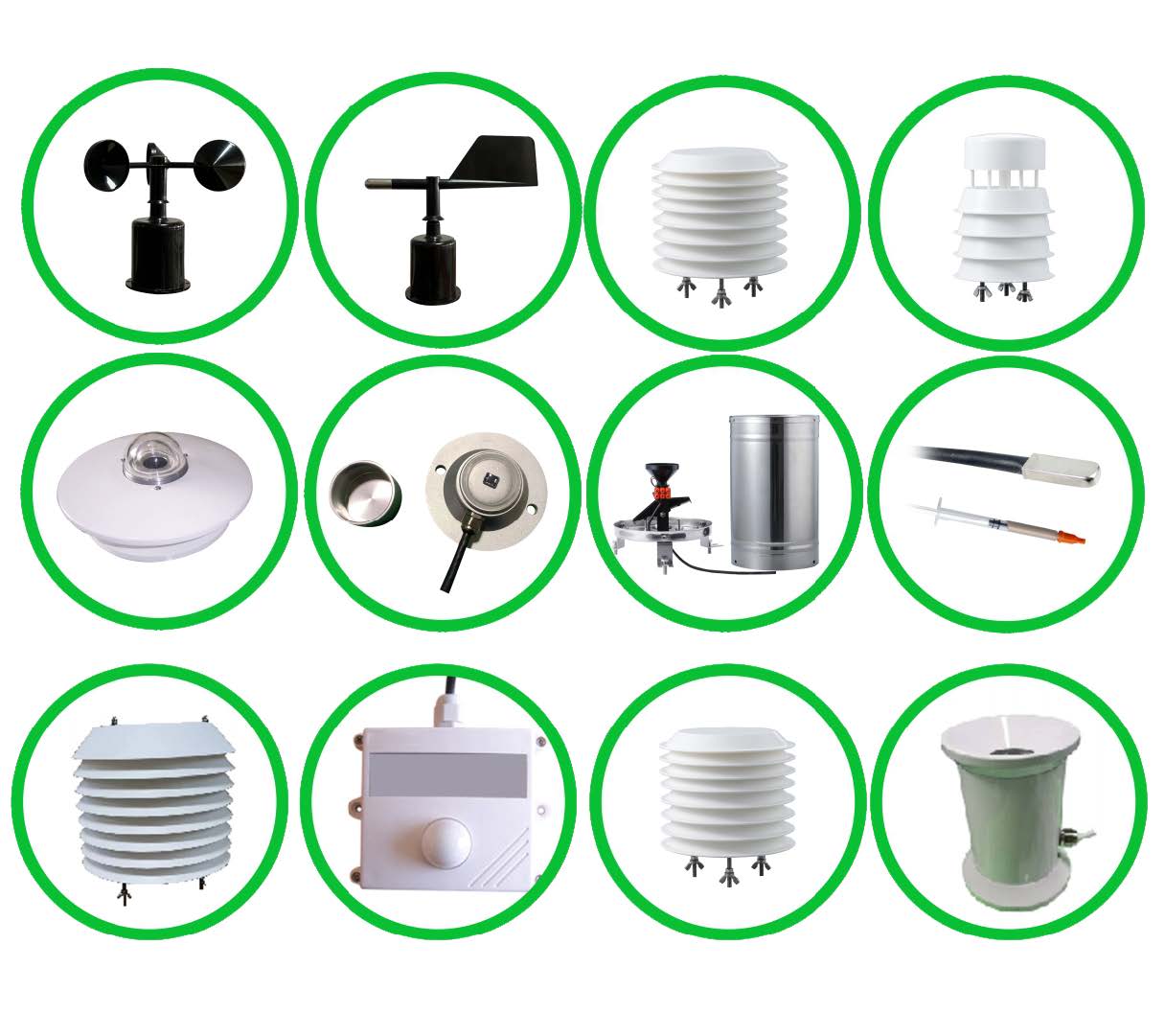
Integrating multiple top brands (such as Kipp & Zonen, Lufft), providing comprehensive monitoring solutions.
Core Expertise: Cross-disciplinary monitoring for watershed management and disaster prevention and mitigation.
British Gill focuses on the research and application of ultrasonic sensing technology.
Core Expertise: Ultrasonic wind sensors with no moving parts.
Advantage Features: Natural maintenance advantages in extreme environments such as high salt spray and high dust.
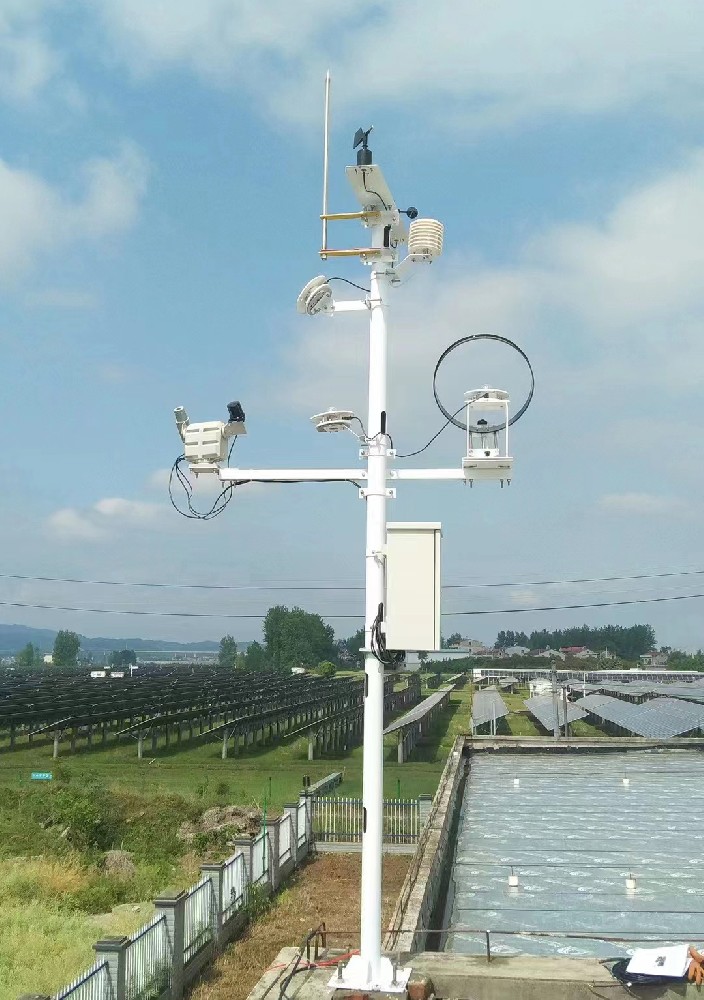
In comprehensive meteorological stations, the seven meteorological parameters constitute the core indicators of environmental perception:
Wind Speed: Measures atmospheric motion energy level. NiuBoL ultrasonic wind sensors (such as NBL-W-21GUWS) eliminate mechanical starting wind speed limits through acoustic technology.
Wind Direction: Indicates airflow source, guiding wind turbine yaw control and pollutant dispersion prediction.
Temperature: Assesses equipment operating thermal environment. NiuBoL lightweight louver box design effectively prevents solar radiation interference with measurements.
Relative Humidity: Affects material aging and crop pests and diseases, an important variable in meteorological models.
Atmospheric Pressure: Foretells weather system evolution, corrects air density losses in high-altitude power stations.
Rainfall: Key flood prevention indicator. NiuBoL adapted high-precision rainfall sensors provide accurate basis for agricultural irrigation and urban drainage.
Solar Radiation: The sole benchmark for power station efficiency PR value assessment.
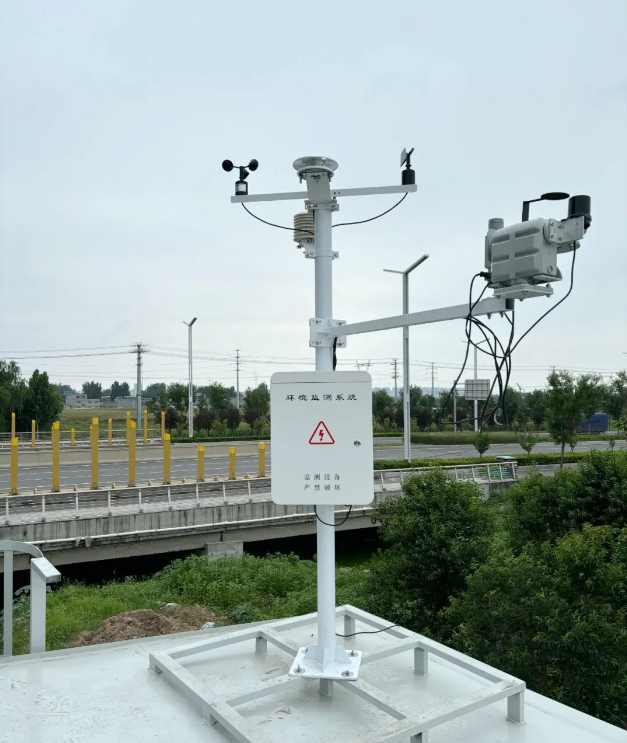
Highly integrates wind speed, wind direction, temperature, humidity, pressure, rainfall, and radiation into a single device.
Ultrasonic Detection: No moving parts, greatly extending field maintenance cycles.
Aviation Plug Design: Plug-and-play, improving on-site installation and debugging efficiency by over 70%.
As the preferred supplier for global photovoltaic power stations and micro-meteorological scenarios, NiuBoL transforms complex technology into reliable and easy-to-use industrial tools.
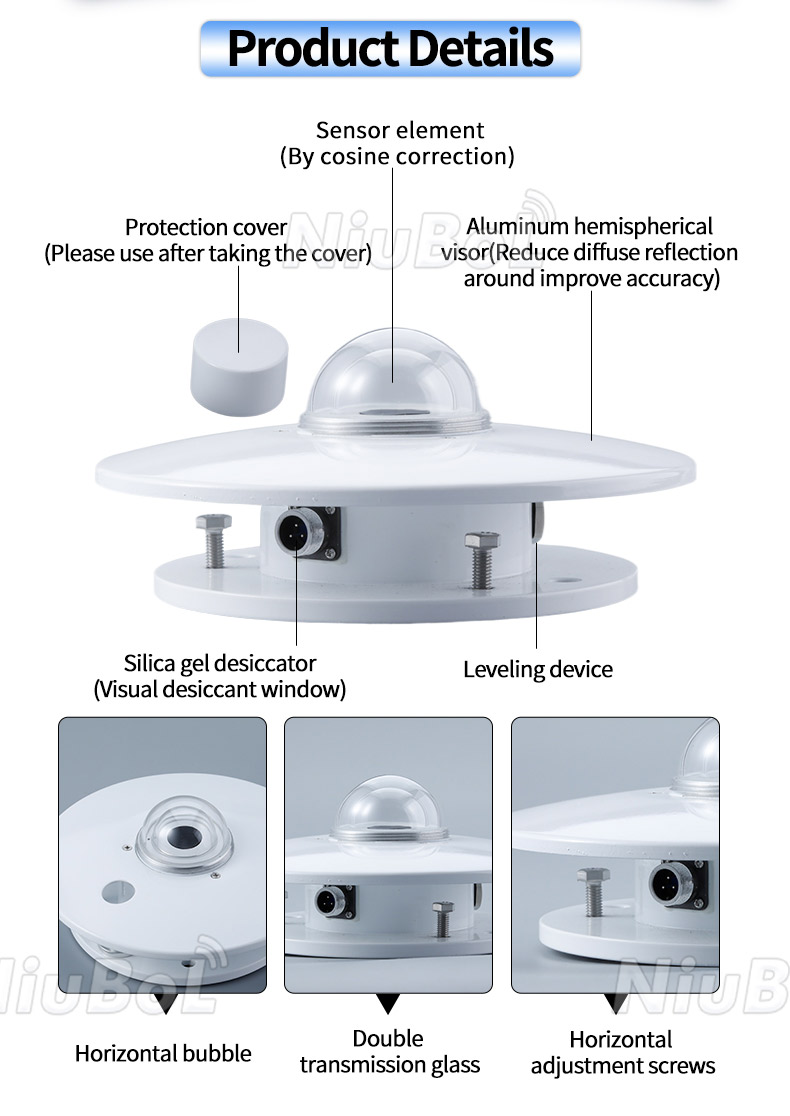
NBL-W-HPRS Solar Radiation Sensor
Adopts thermal induction principle, with surface covered by high-absorption black coating.
Precision Structure: Double-layer quartz glass dome design, effectively reducing air convection interference and intercepting secondary infrared radiation.
Precise Calibration: Measurement range 0-2000 W/m², annual stability ≤ ±2%, compliant with international industrial-grade monitoring standards.
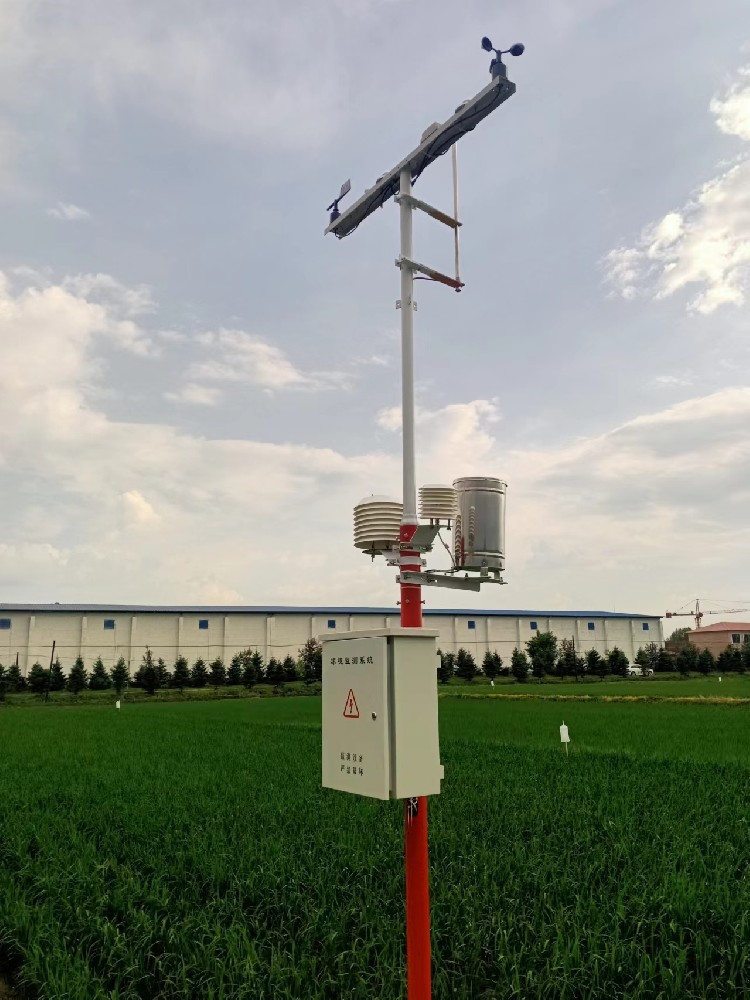
Q1: How to determine if a meteorological station meets standards?
Answer: A good meteorological station should meet the following 6 basic indicators: accuracy meets business needs, reliability complies with all-weather observation, simple design for easy maintenance, complete documentation, passed authoritative institution tests, with system expansion functions. NiuBoL products fully align with these high-standard indicators.
Q2: How often should solar radiation sensors be calibrated?
Answer: To ensure data credibility, recommend returning to factory or sending to third-party metrology institutions every two years for sensitivity recalibration.
Q3: How do ultrasonic wind sensors perform in icing environments?
Answer: NiuBoL sensors, with no mechanical rotation, have far stronger anti-icing capabilities than cup-type. For extremely cold regions, we provide versions with automatic temperature-controlled heating to ensure year-round data continuity.
Q4: How to remotely transmit sensor data?
Answer: All equipment supports standard RS485 (Modbus-RTU) protocol, seamlessly integrating with PLC, inverters, or monitoring platforms. Also supports 4G/5G/LoRa and other wireless transmission methods.
Q5: What auxiliary functions does NiuBoL's data cloud platform provide?
Answer: The cloud platform integrates cumulative radiation calculation, rainfall threshold alerts, and PR value trend analysis. It can automatically identify deviations between irradiance and power generation, triggering "cleaning suggestions" or "fault troubleshooting" reminders, achieving a shift from passive repair to proactive operation and maintenance.
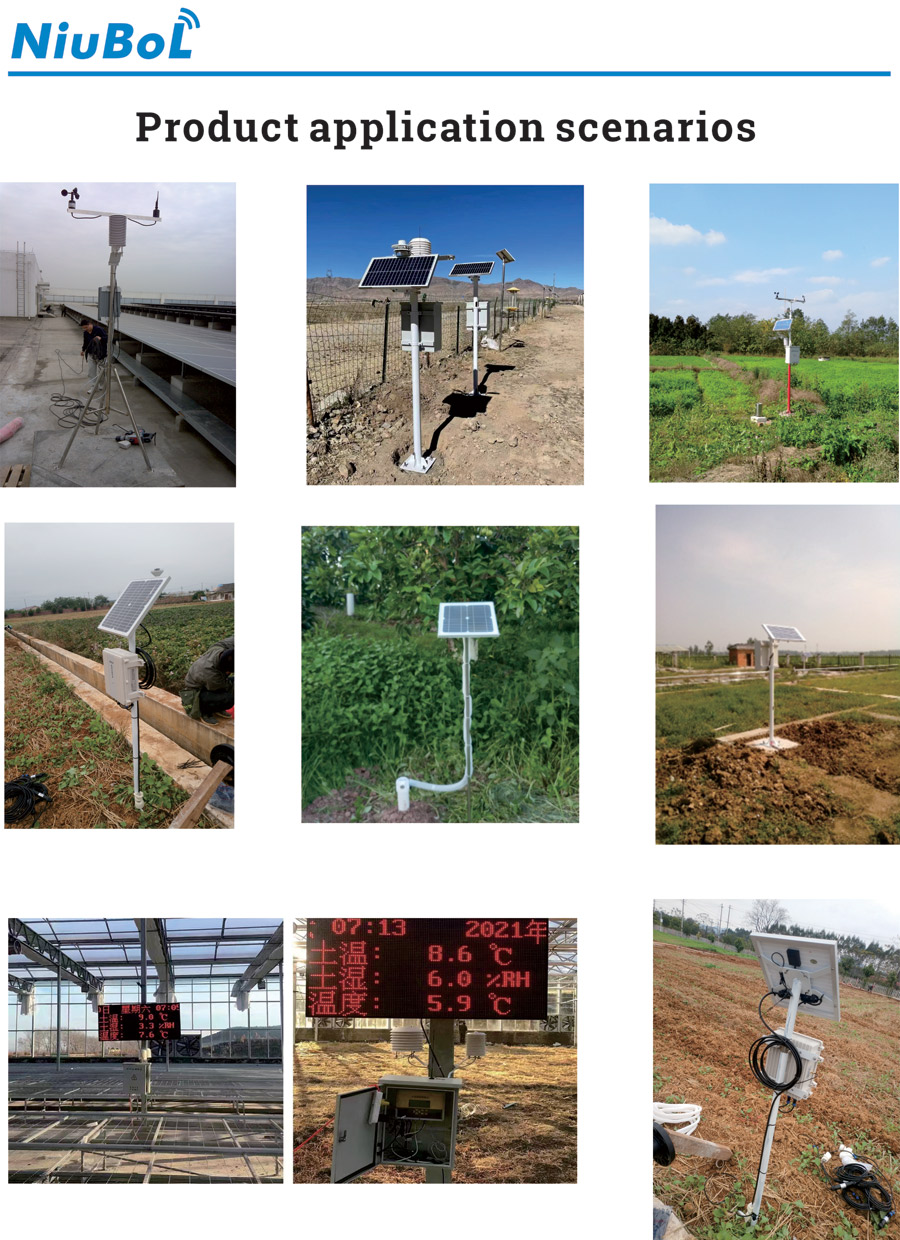
Large Ground-Mounted Photovoltaic/Micro-Meteorology: Prioritize NiuBoL's integrated solutions, balancing precision and deployment efficiency.
High-End Research/Meteorological Departments: Vaisala and Kipp & Zonen are industry standards.
Industrial Environments/Road Monitoring: Lufft and its modular products have significant advantages.
Research/Ecological Observation: Campbell Scientific is the most expandable choice.
Choosing an excellent meteorological station brand is essentially choosing long-term data credibility. NiuBoL, with its specialized performance in new energy fields, together with international giants like Vaisala and Kipp & Zonen, constitutes the core force in the meteorological monitoring market.
Whether your needs are precise agricultural irrigation or large-scale photovoltaic base efficiency assessment, clarifying precision levels, environmental conditions, and budget scope, and selecting brands with authoritative certifications (such as CE/ISO), can ensure your environmental assets receive the most scientific quantification.
Related recommendations
Sensors & Weather Stations Catalog
 Agriculture Sensors and Weather Stations Catalog-NiuBoL.pdf
Weather Stations Catalog-NiuBoL.pdf
Agriculture Sensors Catalog-NiuBoL.pdf
Water Quality Sensor Catalog-NiuBoL.pdf
Related products
 Combined air temperature and relative humidity sensor
 TDR Soil Moisture & Temperature Sensor for irrigation| RS485 |4-20mA| NBL-S-THR
 Soil pH sensor RS485 soil Testing instrument soil ph meter for agriculture |NBL-S-PH
 Wind Speed sensor Output Modbus/RS485/Analog/0-5V/4-20mA
 Tipping bucket rain gauge for weather monitoring auto rainfall sensor RS485/Outdoor/stainless steel
 Pyranometer Solar Radiation Sensor 4-20mA/RS485

Screenshot, WhatsApp to identify the QR code
WhatsApp number:+8615367865107
(Click on WhatsApp to copy and add friends)

