





— Blogs —
—Products—
 Consumer hotline +8618073152920
 WhatsApp:+8615367865107
Address:Room 102, District D, Houhu Industrial Park, Yuelu District, Changsha City, Hunan Province, China
Product knowledge
Time:2025-12-29 15:49:32 Popularity:852
In the process of building smart cities, modern agriculture, and renewable energy systems, the seven meteorological parameters (wind speed, wind direction, temperature, humidity, atmospheric pressure, rainfall, solar radiation) constitute the most complete and fundamental data foundation for environmental monitoring. These parameters not only describe the physical state of the atmosphere but also serve as key references for preventing natural disasters and optimizing production efficiency.
As an environmental monitoring solution provider, NiuBoL integrates originally dispersed monitoring instruments into intelligent integrated sensors through technological integration, empowering multi-field applications with higher precision and stability.
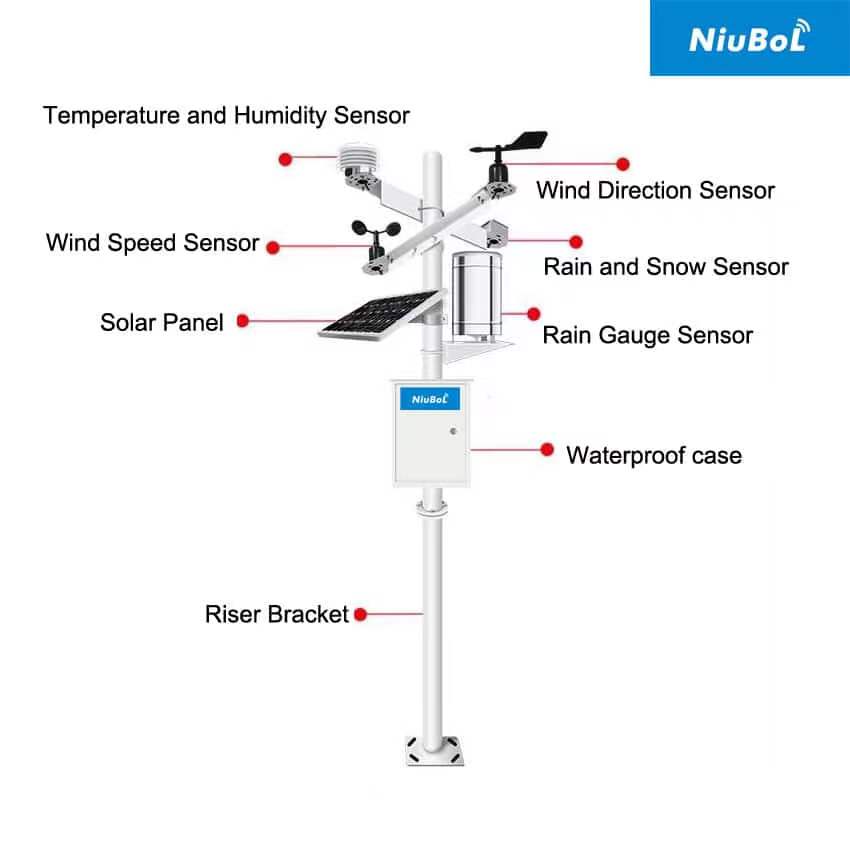
Wind Speed
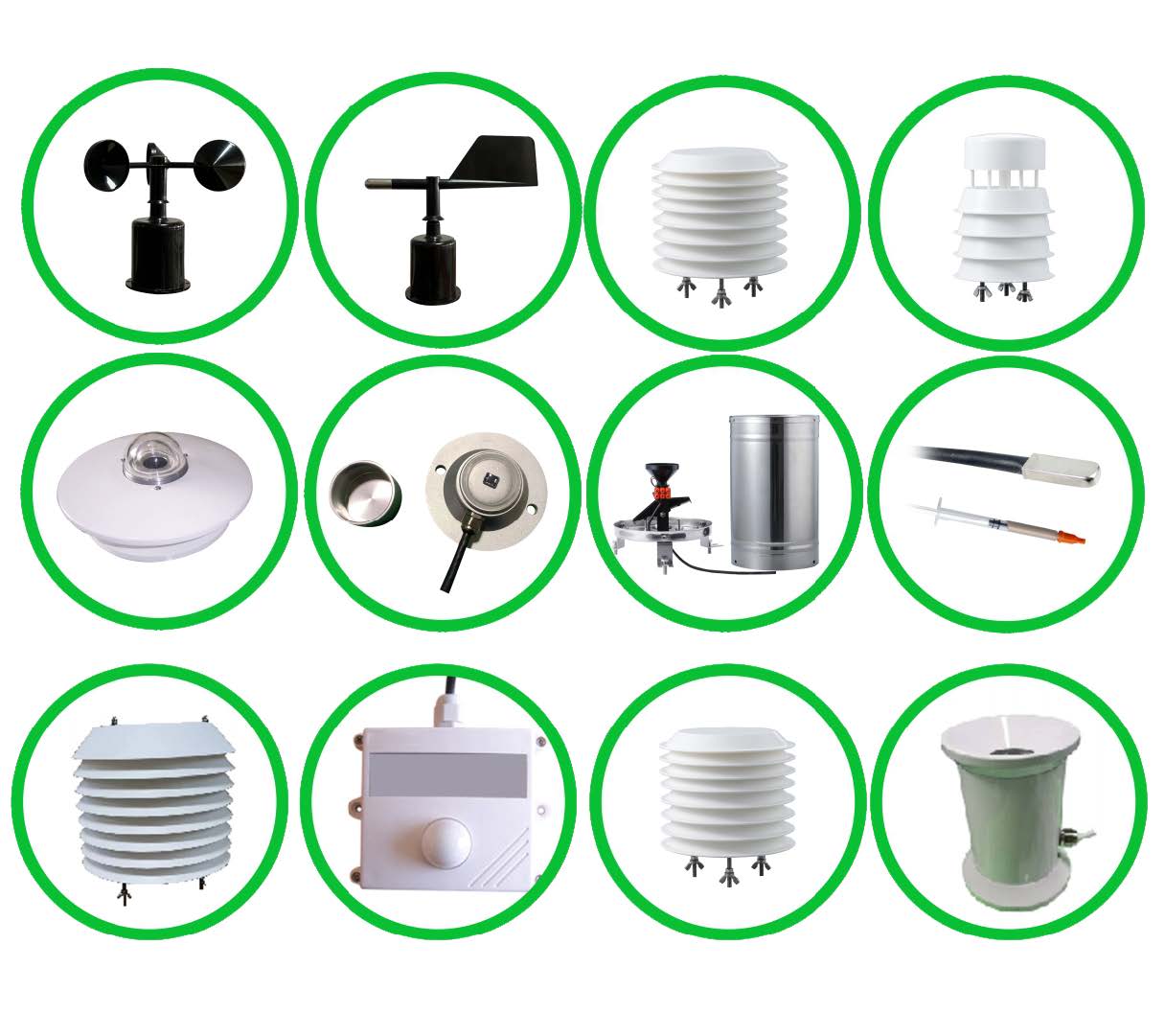
Refers to the rate of air movement relative to a fixed point on Earth, in units of m/s. Wind speed not only determines the destructive level of wind force but is also a core indicator for assessing wind energy density in wind power generation.
NiuBoL Technical Application: We abandon easily worn mechanical structures and adopt the ultrasonic time-of-flight method. The high-precision model NBL-W-21GUWS can capture extremely subtle wind speed changes, maintaining consistent performance even in extremely cold or dusty environments.
Wind Direction
Refers to the direction from which the wind blows, expressed in angles (1~360°) or 16 directions. In meteorology, wind direction shifts often foreshadow changes in weather systems; in environmental protection, it determines the path of atmospheric pollutant diffusion.
Temperature
Standard air temperature measured at 1.5 meters above ground in a louver box, in units of ℃. Temperature data not only affects crop phenological periods but is also an important monitoring item for the safe operation of power cables and outdoor electronic equipment.
Relative Humidity
The percentage of actual water vapor content in the air relative to the saturation content at the same temperature (%RH). Humidity levels are directly related to forest fire risk grades, the probability of crop fungal diseases, and yield control in precision industrial production.
Atmospheric Pressure
The weight pressure of the atmosphere per unit area, commonly in units of hPa. Sharp fluctuations in pressure are usually closely related to extreme weather such as typhoons and cold waves. In aviation and geographic mapping, pressure is also a key parameter for calculating altitude.
Rainfall
Rainfall refers to the total amount of precipitation falling on a horizontal surface over a specific period, accumulated depth without evaporation or infiltration, in units of mm.
Application Value: In water resource scheduling, rainfall data is the cornerstone of flood warnings; in precision agriculture, it directly guides the opening and closing of irrigation systems to prevent resource waste from excessive irrigation.
Solar Radiation
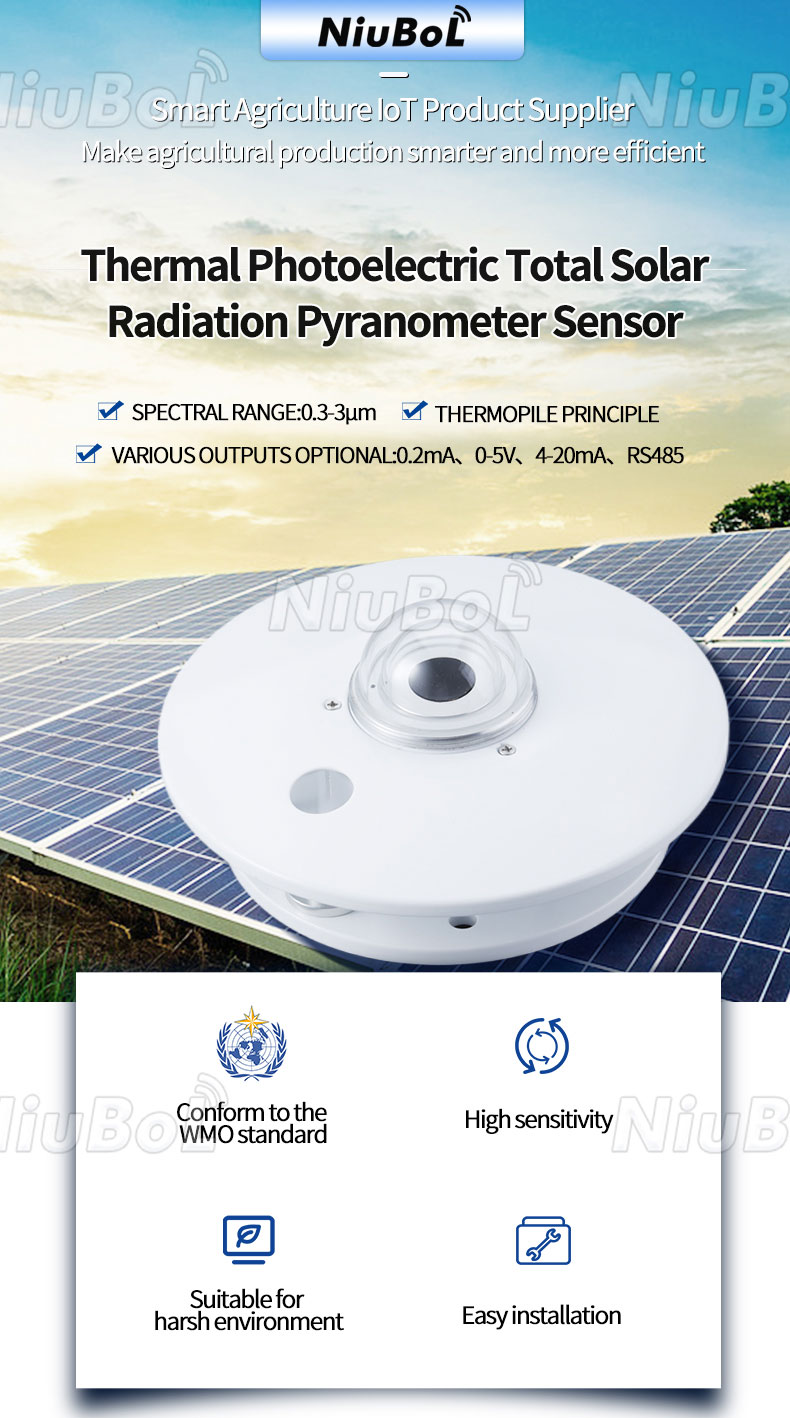
Refers to the electromagnetic wave energy emitted by the sun, in units of W/m².
Core Position: It is the energy source for all physical processes on Earth's surface. In the photovoltaic power generation industry, solar radiation monitors are the sole benchmark for assessing station PR value (system efficiency), directly related to the revenue accounting of station assets.
Smart Agriculture and Facility Horticulture
By integrating monitoring of the seven meteorological parameters, farmers can build automated greenhouse control systems. For example, when solar radiation is too strong and temperature exceeds limits, the system automatically links shading curtains; when humidity is too high, it activates ventilation systems, significantly reducing crop disease risks.
Wind Power and Photovoltaic Energy Operation & Maintenance
Wind farms use NiuBoL ultrasonic wind sensors for yaw control to ensure turbines are always at the optimal wind-receiving angle; photovoltaic stations precisely identify performance degradation caused by module dust accumulation or aging through real-time comparison of solar radiation and module temperature.
Smart Cities and Traffic Safety
On highways and cross-sea bridges, high-precision wind speed and direction monitoring can promptly trigger speed limit warnings; atmospheric pressure and rainfall monitoring provide firsthand on-site data for urban waterlogging prevention.
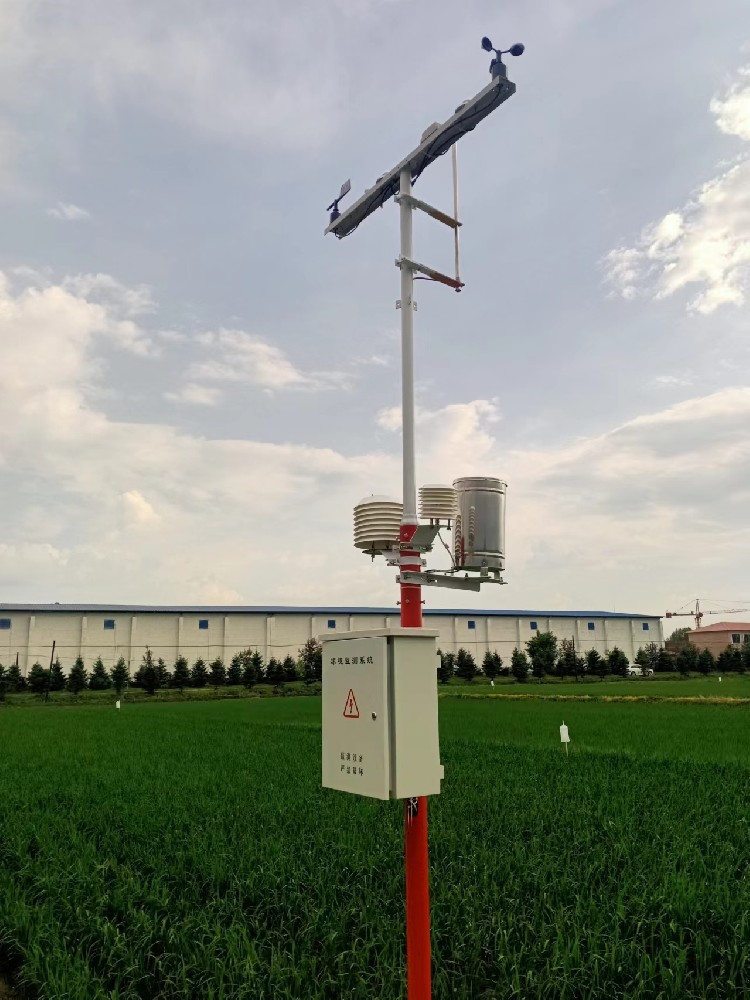
Most meteorological monitoring equipment needs to operate year after year in extreme environments. NiuBoL recommends evaluating existing equipment based on the following 6 basic indicators:
Business-Level Accuracy: Measurement errors must comply with WMO (World Meteorological Organization) or industry standards to ensure data authority.
All-Weather Reliability: Equipment must pass high/low temperature tests and protection level certifications to ensure uninterrupted operation in harsh natural conditions.
Minimal Maintenance Design: Integrated structure is superior to scattered components, reducing wiring complexity and later manual maintenance costs.
Complete Technical Documentation: Must include detailed calibration reports, installation manuals, and Modbus communication protocol descriptions.
Third-Party Testing Evaluation: Core sensors should undergo complete calibration by authoritative institutions such as national meteorological metrology centers.
System Scalability: Supports adding soil, visibility, or gas sensors based on future needs, with good modular interfaces.
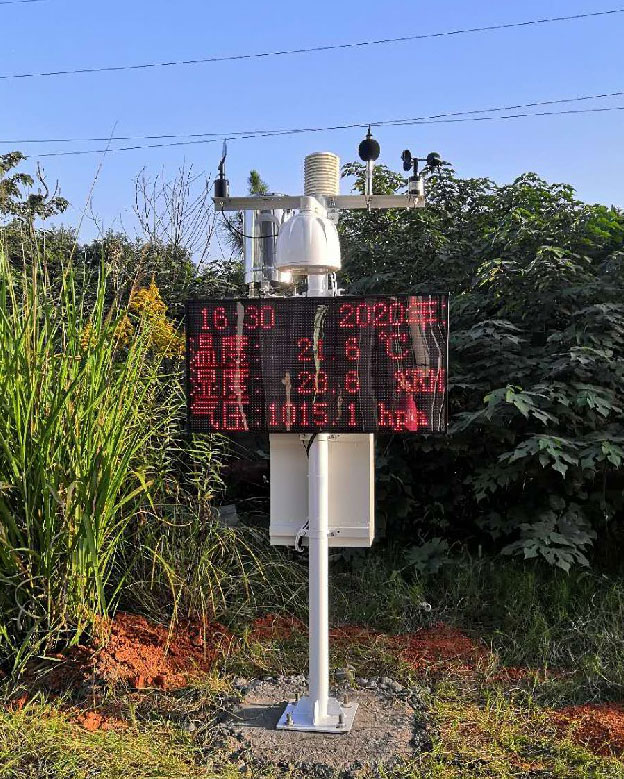
Q1: Why does NiuBoL intelligent meteorological station integrate wind speed/direction with radiation?
Answer: High integration not only significantly reduces procurement costs for mounting brackets and cables but, more importantly, ensures time synchronization of all meteorological parameters. In photovoltaic PR value calculation or wind power efficiency analysis, synchronized data streams can more realistically restore the impact of the environment on power generation equipment.
Q2: Will ultrasonic wind sensors be affected by icing in severe winter cold regions?
Answer: NiuBoL high-precision ultrasonic wind sensors adopt a no-moving-parts design, with stronger anti-icing capability than traditional cup-type sensors. For extremely cold regions, we provide customized versions with automatic heating functions to ensure uninterrupted monitoring data in icy and snowy weather.
Q3: Does atmospheric pressure data have practical role in distributed photovoltaic station assessment?
Answer: Although pressure does not directly affect power generation efficiency, it is an important variable in meteorological models. In high-altitude stations, changes in pressure and air density affect heat dissipation coefficients. Additionally, pressure monitoring helps operation and maintenance teams predict short-term severe convective weather and prepare for wind and lightning protection in advance.
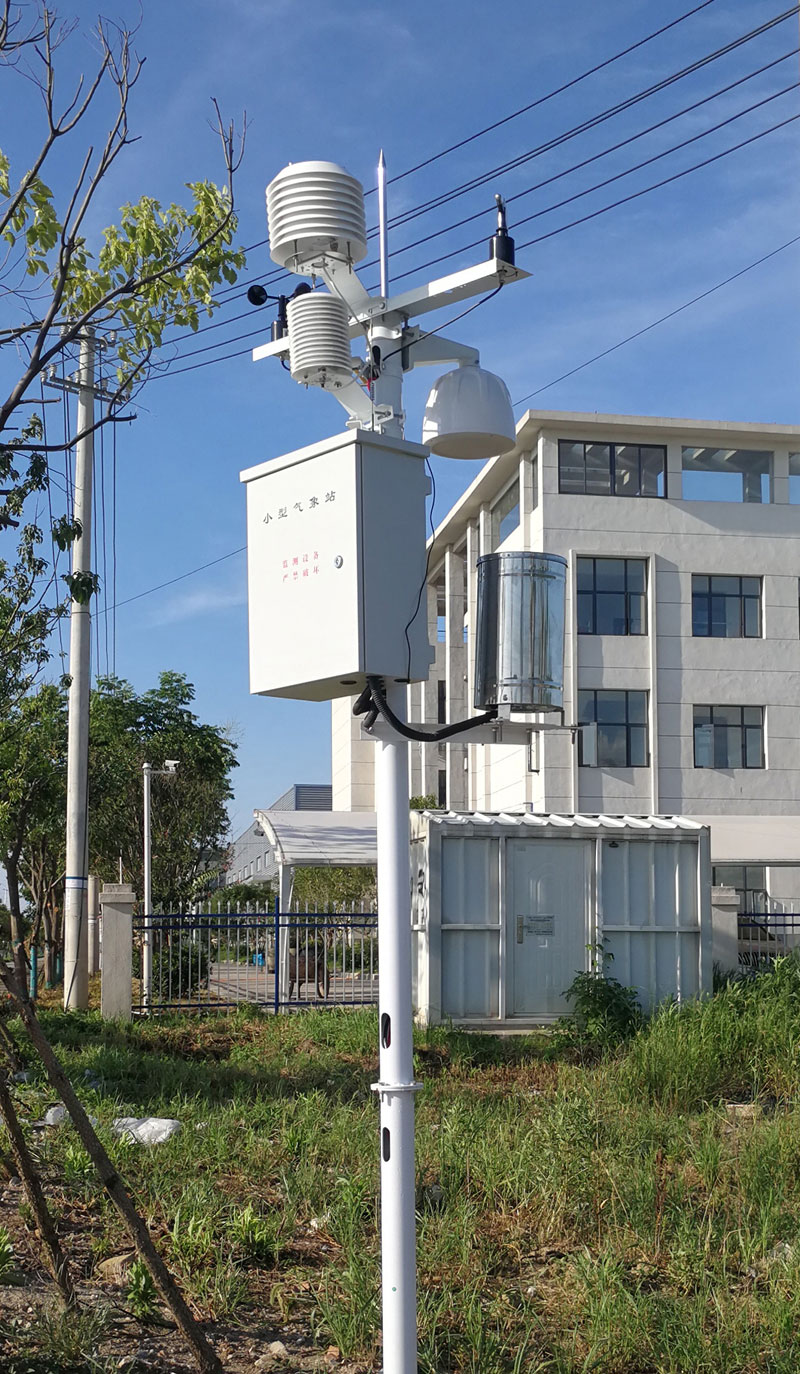
Q4: How is the rainfall measurement accuracy of NiuBoL integrated sensors ensured?
Answer: Our integrated sensors can adapt to high-precision piezoelectric or tipping bucket rain gauges. Before leaving the factory, each device undergoes strict rain simulation testing to ensure measurement errors under different rainfall intensities are at industry-leading levels.
Q5: How to upload data from these sensors to my monitoring platform?
Answer: All NiuBoL intelligent meteorological sensors support the standard RS485 (Modbus-RTU) communication protocol. This means seamless integration with most PLCs, RTUs, DTUs, gateways, and smart cloud platforms on the market. We provide detailed register address tables for quick integration by your software engineers.
Q6: How to consider lightning protection measures for integrated meteorological stations?
Answer: Meteorological stations are usually installed in open areas and highly susceptible to induced lightning. NiuBoL recommends ensuring good grounding of the bracket during installation and adding suitable surge protectors on communication and power lines to protect core sensors.
Q7: How to verify the accuracy of solar radiation data from a meteorological station?
Answer: The most direct method is field comparison testing, using a calibrated high-precision total radiometer (such as NBL-W-HPRS) for synchronous measurement with the equipment in service. If the error exceeds ±5%, it indicates the equipment may need cleaning or recalibration due to optical dome contamination or sensor drift.
Precise meteorological data is the "eyes" for scientific industry operation. From single wind speed measurement to intelligent integration of the seven meteorological parameters, NiuBoL consistently adheres to the product philosophy of "high accuracy, high reliability, low maintenance cost." Through rigorous monitoring of these key indicators, we help users take the initiative in unpredictable natural environments. Is your monitoring equipment up to standard? Choose NiuBoL—let every set of meteorological data become a tool for creating value.
Technical Specifications Summary:
Communication Standard: RS485 (Modbus-RTU)
Core Parameters: Wind speed (m/s), Wind direction (1-360°), Temperature (℃), Humidity (%RH), Pressure (hPa), Rainfall (mm), Radiation (W/m²)
Protection Standard: IP65 industrial-grade waterproof and dustproof
Power Supply Voltage: DC 12V - 24V
If you need to request the detailed selection manual or communication protocol for NiuBoL intelligent meteorological sensors, please contact our technical experts.
Prev:Top 10 Global Meteorological Station Brands and In-Depth Selection Guide
Next:Components, Technical Principles, and Professional Installation of Small Weather Stations
Related recommendations
Sensors & Weather Stations Catalog
 Agriculture Sensors and Weather Stations Catalog-NiuBoL.pdf
Weather Stations Catalog-NiuBoL.pdf
Agriculture Sensors Catalog-NiuBoL.pdf
Water Quality Sensor Catalog-NiuBoL.pdf
Related products
 Combined air temperature and relative humidity sensor
 TDR Soil Moisture & Temperature Sensor for irrigation| RS485 |4-20mA| NBL-S-THR
 Soil pH sensor RS485 soil Testing instrument soil ph meter for agriculture |NBL-S-PH
 Wind Speed sensor Output Modbus/RS485/Analog/0-5V/4-20mA
 Tipping bucket rain gauge for weather monitoring auto rainfall sensor RS485/Outdoor/stainless steel
 Pyranometer Solar Radiation Sensor 4-20mA/RS485

Screenshot, WhatsApp to identify the QR code
WhatsApp number:+8615367865107
(Click on WhatsApp to copy and add friends)

