

— Blogs —
—Products—
 Consumer hotline +8618073152920
WhatsApp:+8615367865107
Address:Room 102, District D, Houhu Industrial Park, Yuelu District, Changsha City, Hunan Province, China
Product knowledge
Time:2026-04-07 20:43:48 Popularity:783
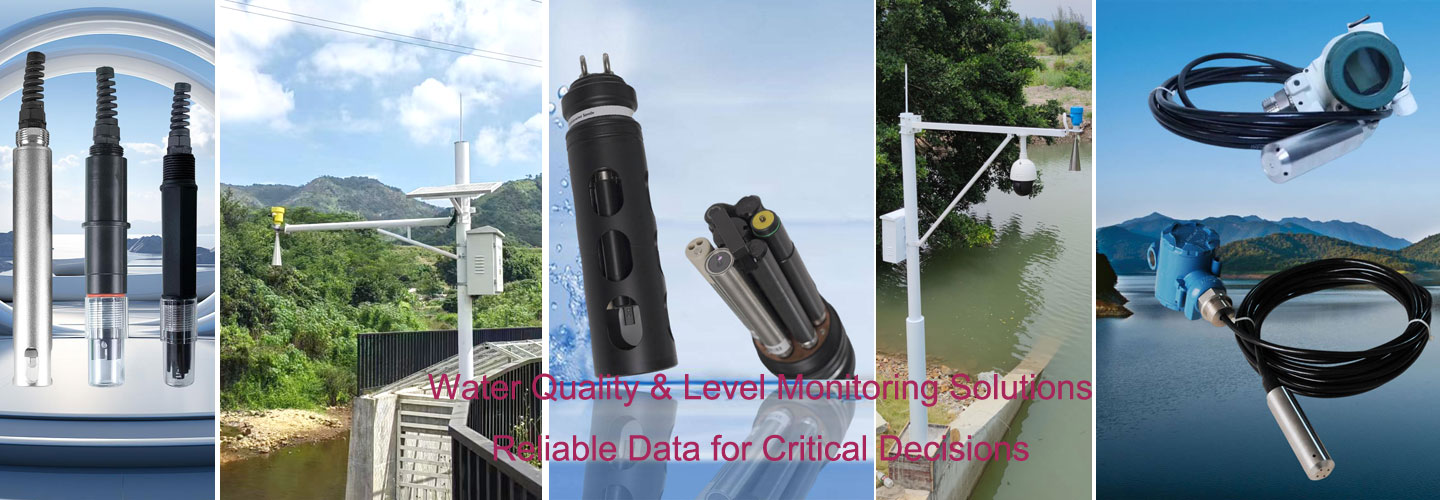
A radar water level gauge configuration should be traceable from the offered specification to the delivered instrument and its setup. A horn-shaped head, lens radar and combined flow instrument may all appear in a water-monitoring proposal without sharing the same range, power or outputs. Confirm the actual configuration before accepting a generic radar series description.
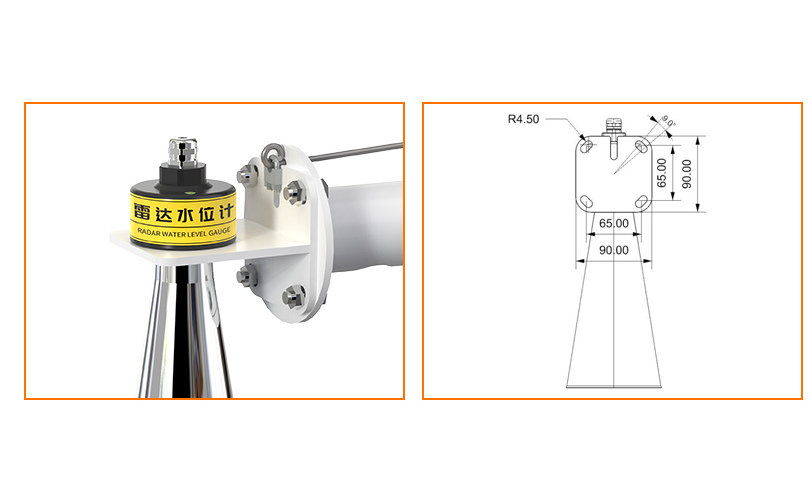
Ask for the ordered model or configuration identifier, antenna arrangement, drawing revision, supply version and protocol document. Keep those references with the quotation. A photograph is useful for checking appearance and mounting, but it does not establish the instrument's internal measurement method or optional capabilities.
Do not select different attractive figures from several configurations and combine them into one specification. A range from one radar, beam angle from another and operating temperature from a third do not describe a deliverable unit. The enquiry should require one internally consistent set of parameters for the proposed instrument.
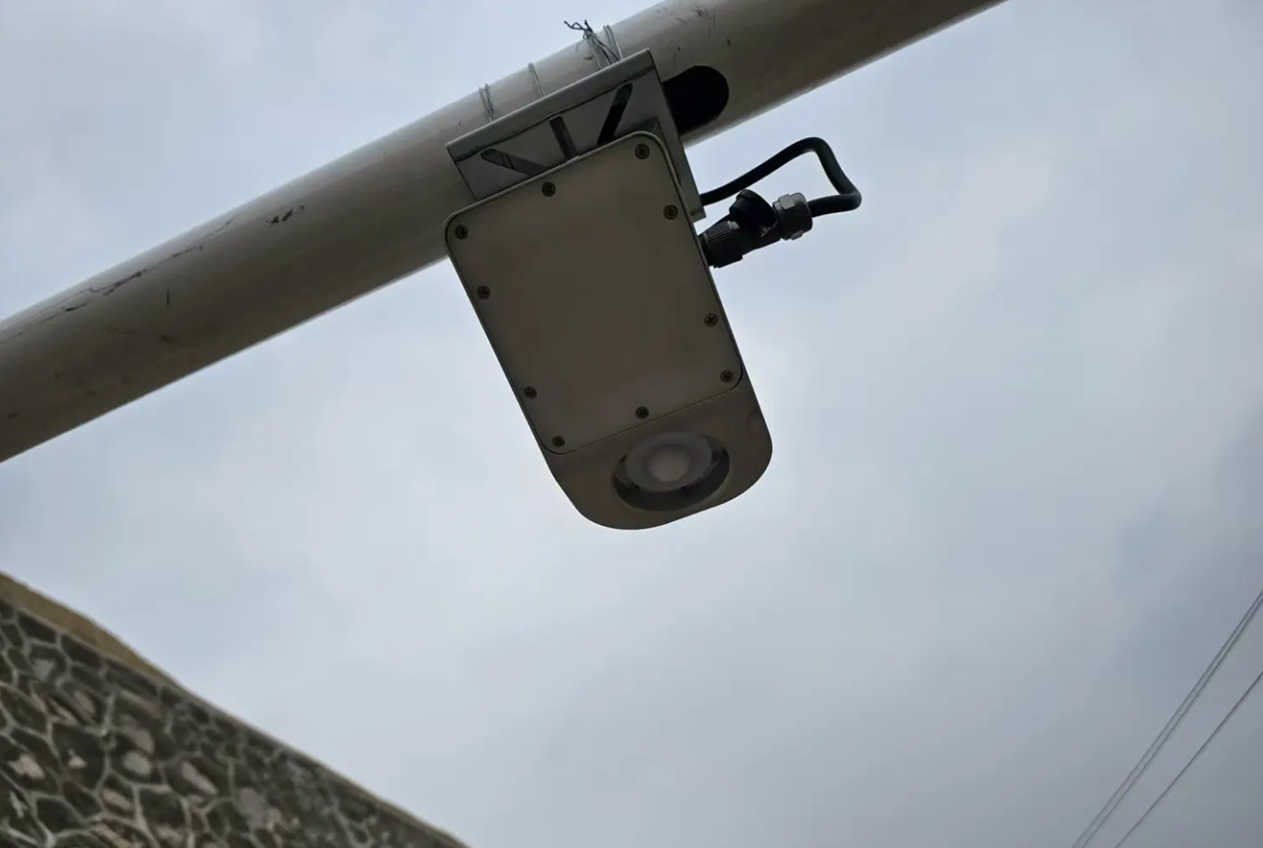
The following values apply to the linked NiuBoL high-frequency radar level configuration. They must not automatically be assigned to every instrument pictured on this page. Confirm the supplied revision and the conditions attached to its accuracy statement.
| Item | Configuration specification | Detail to keep with the order |
|---|---|---|
| Measurement method | FMCW; 76-81 GHz | Do not substitute a generic pulse-timing description |
| Range | 0.1-65 m; extended range by configuration | Ordered span and nearest valid target distance |
| Stated accuracy | +/-1 mm | Applicable test conditions and acceptance method |
| Beam and blind zone | 6 degrees; 0.1 m | Actual antenna and installation geometry |
| Power | 10-30 VDC; less than 0.2 W | Sensor load, not total station demand |
| Output | RS485 Modbus RTU | Supplied register map and serial settings |
| Environment | -40 to 60 C; up to 95% RH, non-condensing; IP67 | Separate cable, connector and enclosure requirements |
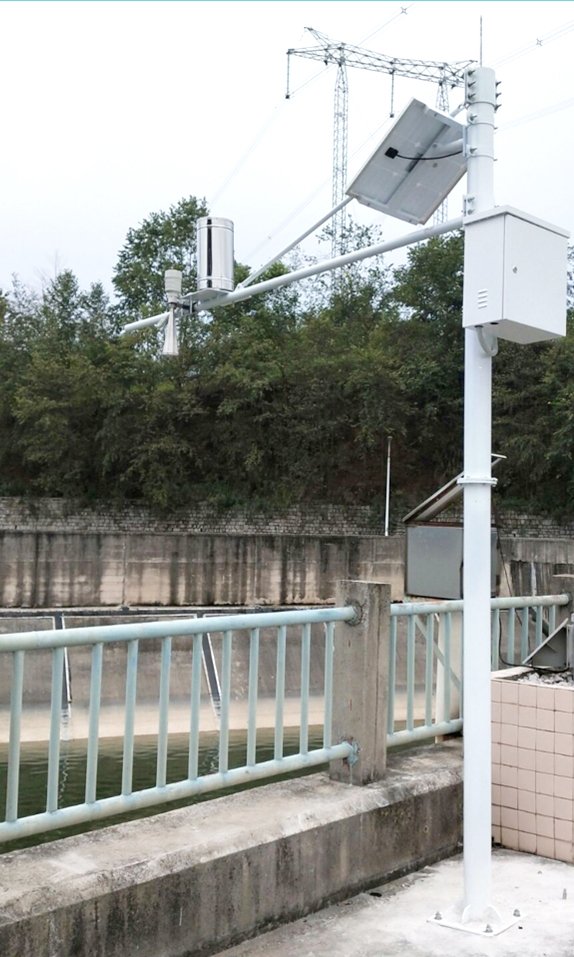
A level gauge measures its defined distance or derived water level. A combined radar flow instrument includes a different measurement task and configuration. Do not infer surface velocity from a level-only register or expect a level head to supply discharge merely because flow equipment appears in the same catalogue.
Where discharge is requested, identify the velocity measurement, section geometry and conversion or validation needed by the project. Where only level is needed, avoid adding flow hardware without a defined purpose. Confirming that distinction can change mounting, power demand, data channels and the quotation substantially.
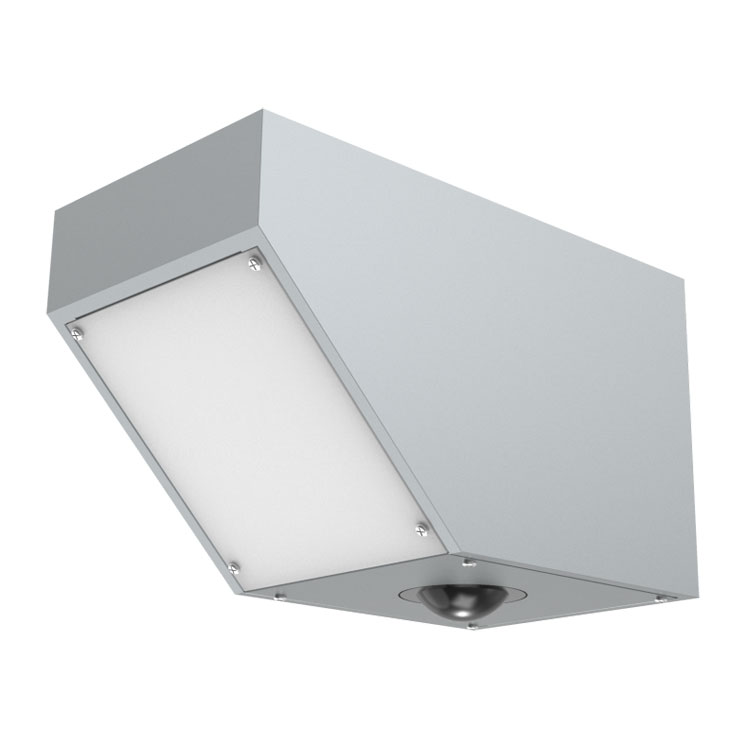
Review the actual mounting thread, flange or nut arrangement and the antenna reference plane. A bracket built for one horn assembly may not suit a compact lens head. Check dimensions and access before fabrication rather than accepting a generic pole photograph as the mechanical interface drawing.
Use the nearest high-water and farthest low-water distances when reviewing the ordered span. Check the relevant sensing region for obstructions and site changes, not only the centreline at one water level. Non-contact installation reduces immersion-related problems but does not make floating objects, structures or antenna contamination irrelevant to measurement.
Establish whether the delivered register reports distance, calculated level or another configured result. Record the reference and unit conversion applied by the sensor or logger. An offset entered twice can produce an incorrect water-level record even when the radar's distance measurement is consistent.
Save available settings and any applicable firmware or configuration revision at commissioning. Do not assume every unit exposes an echo curve, suppression map or remotely adjustable filter. Request the actual supported functions needed by the project, then preserve their settings so a replacement can be evaluated against the original arrangement.
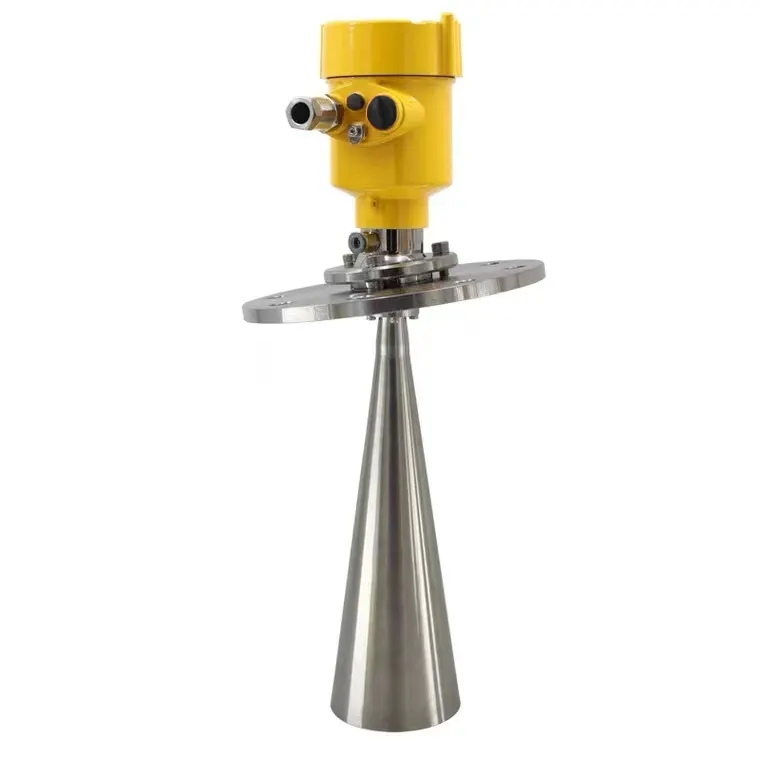
Compare the instrument identification and mechanical dimensions with the order before installation. Read the selected output through the intended data logger and check its meaning at a suitable known reference. Use test conditions and tolerances appropriate to the agreed acceptance method, rather than claiming a field check proves every part of a laboratory accuracy specification.
Confirm that communication failure or an invalid target is distinguishable from a valid level. Then inspect the exported record and the receiving display. Do not accept a changing screen alone as evidence that the correct channel, unit and reference are being stored.
For a NiuBoL enquiry, send the measuring distances, proposed mounting drawing, supply, receiving interface and required result. State any extra environmental or reporting requirement explicitly. The response should identify the offered configuration and documentation instead of relying on a broad promise that every radar has the same capabilities.
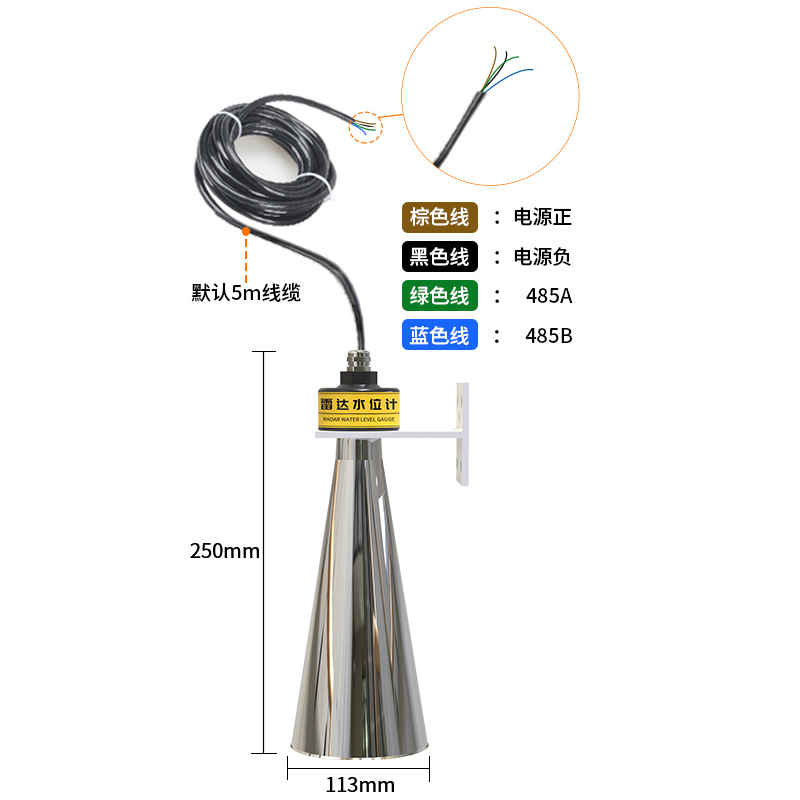
No. Use the supplied configuration identifier and documentation. Similar housings may contain different electronics or options, while different antennas can change mounting and sensing geometry.
No. It must be an identified ordered configuration. Confirm its associated parameters and acceptance requirements before treating it as part of the delivery.
No. Define any velocity measurement and discharge calculation separately. A level-only instrument should not be selected on an assumed flow output.
Keep the model and revision, drawing, protocol, configuration, reference and commissioning results. Those details allow a replacement to be checked without silently changing the historical record.
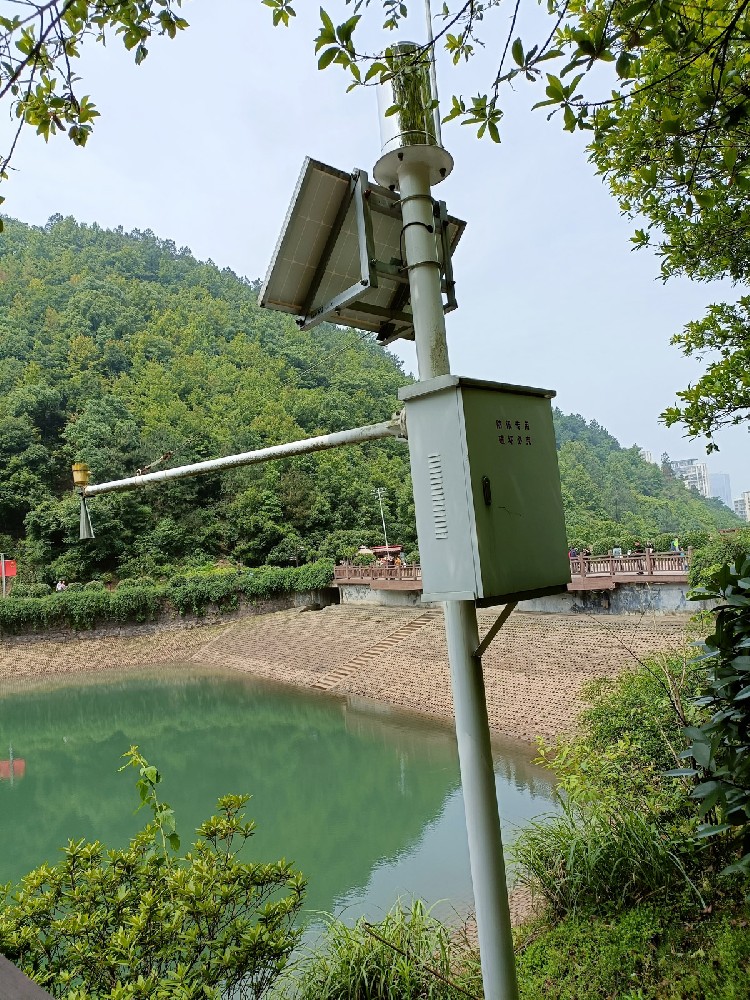
A defensible radar water level gauge configuration is one that the supplier can identify and the project can verify on delivery. Keep antenna, range, environment, power and output consistent with the actual NiuBoL unit. Confirm that setup in the stored data rather than accepting a mixture of series-level claims.
Prev:Water Environment Monitoring Plans for Rivers and Lakes
Next:Pond Water Colour vs Water Quality: What Online Sensors Can Confirm
Related recommendations
Sensors & Weather Stations Catalog
 Agriculture Sensors and Weather Stations Catalog-NiuBoL.pdf
Weather Stations Catalog-NiuBoL.pdf
Agriculture Sensors Catalog-NiuBoL.pdf
Water Quality Sensor Catalog-NiuBoL.pdf
Related products
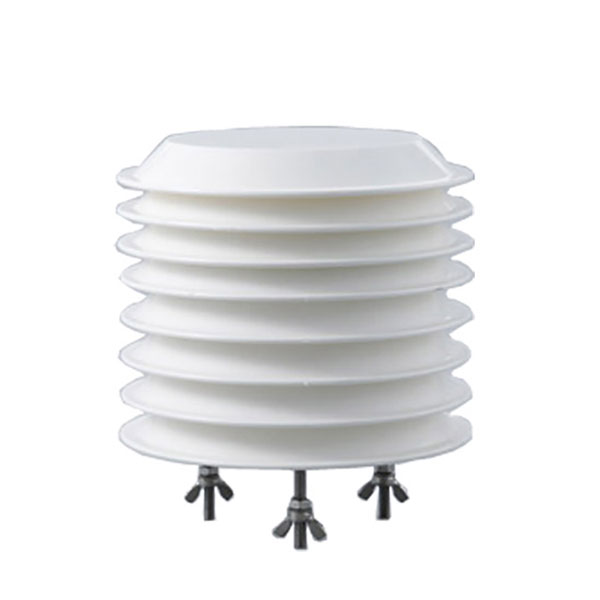 Combined air temperature and relative humidity sensor
 TDR Soil Moisture & Temperature Sensor for irrigation| RS485 |4-20mA| NBL-S-THR
 Soil pH sensor RS485 soil Testing instrument soil ph meter for agriculture |NBL-S-PH
 Wind Speed sensor Output Modbus/RS485/Analog/0-5V/4-20mA
 Tipping bucket rain gauge for weather monitoring auto rainfall sensor RS485/Outdoor/stainless steel
 Pyranometer Solar Radiation Sensor 4-20mA/RS485

Screenshot, WhatsApp to identify the QR code
WhatsApp number:+8615367865107
(Click on WhatsApp to copy and add friends)