— Blogs —
—Products—
 Consumer hotline +8618073152920
 WhatsApp:+8615367865107
Address:Room 102, District D, Houhu Industrial Park, Yuelu District, Changsha City, Hunan Province, China
Product knowledge
Time:2026-06-30 11:16:25 Popularity:179
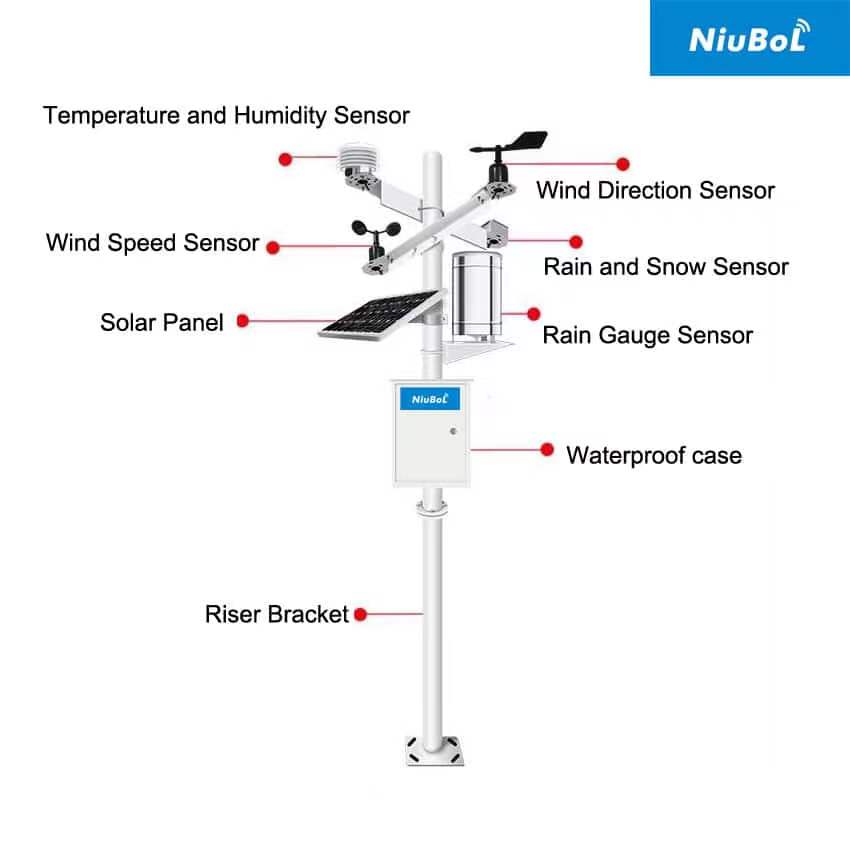
An integrated micro weather sensor is selected when a project needs several weather or environmental variables from one compact device. The typical buyer is not looking for a decorative instrument. The buyer needs stable field data, a clear communication interface, low maintenance, and a device that can be installed on poles, masts, smart lighting cabinets, road monitoring points, industrial sites, scenic areas, ports, airports, farms, and construction dust-monitoring locations.
Compared with a traditional multi-instrument weather station, the integrated structure reduces separate brackets, moving parts, cable routes, and cabinet terminals. For system integrators, that means faster deployment and a smaller field failure surface. For owners, it means easier maintenance and more consistent data naming across multiple sites.
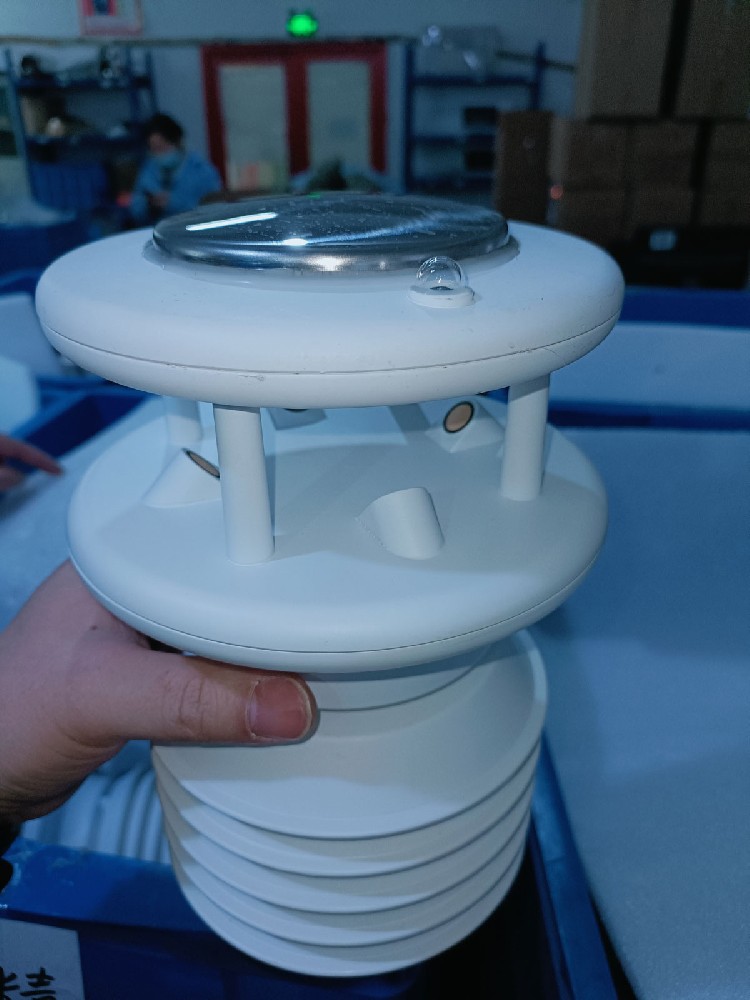
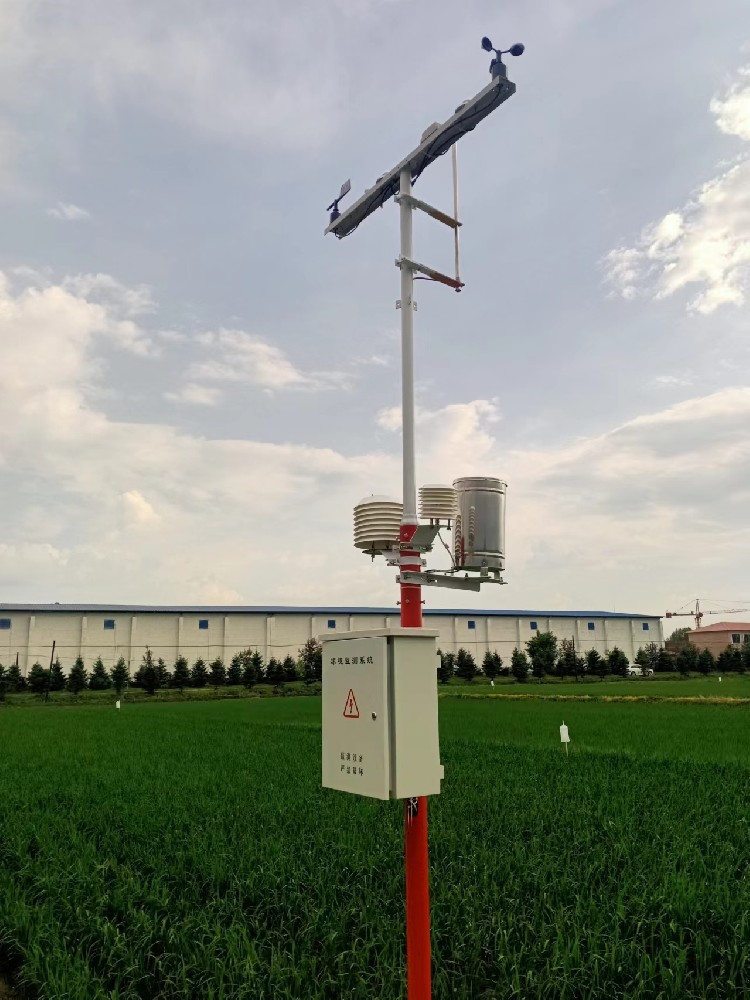
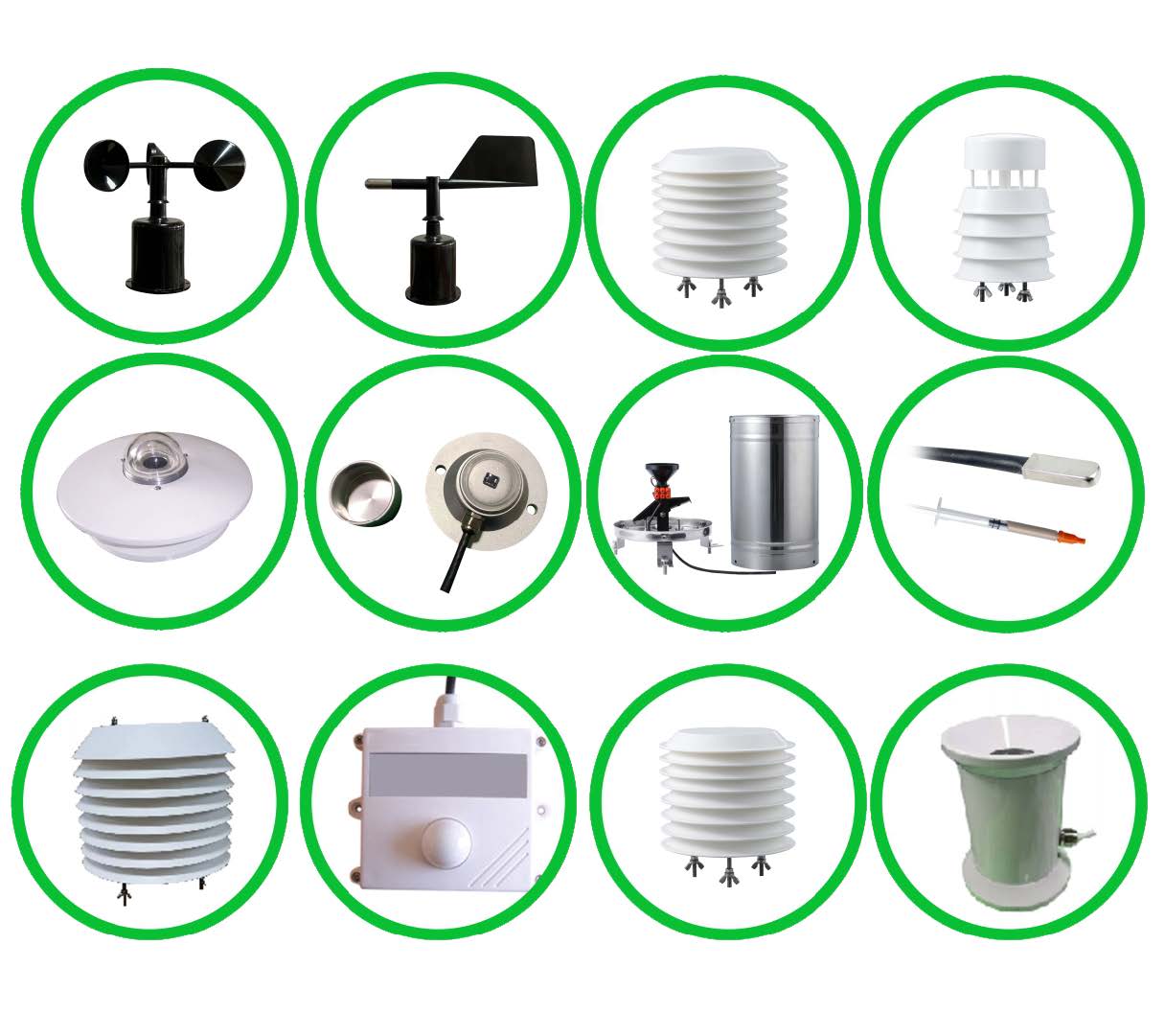
The sensor is the field data layer. It measures wind speed, wind direction, air temperature, relative humidity, atmospheric pressure, rainfall, light, radiation, noise, or particulate matter depending on the selected model. The values are sent through RS485 using the standard Modbus protocol to a data logger, pole controller, PLC, RTU, gateway, or cloud terminal.
The NBL-W-10GUWS type is described as a fully digital multi-parameter ultrasonic sensor. It can detect wind speed, wind direction, temperature, humidity, pressure and optional PM2.5, PM10, noise, radiation and rainfall. The compact high-strength housing is intended for harsh outdoor use where maintenance access may be limited.
| Item | Typical Specification | Procurement Meaning |
|---|---|---|
| Supply voltage | DC 9-24 V or DC 12-24 V by model | Matches common outdoor collectors and solar systems |
| Output | RS485 | Integrates with RTU, PLC, gateway and data logger systems |
| Protocol | Standard Modbus protocol | Supports register-based third-party integration |
| Baud rate | 9600 bps | Common commissioning setting for field projects |
| Average power | 0.4 W without dust sensor; about 1 W with dust sensor | Useful for solar battery sizing |
| Operating temperature | -40 to 80 C | Covers most outdoor installations |
| Operating humidity | 0 to 95% RH | Suitable for humid and exposed sites |
| Protection grade | IP65 | Outdoor installation with correct mounting and cable sealing |
| Wind speed | 0-60 m/s, ±0.3 + 3% FS, 0.01 m/s resolution | Suitable for compact weather and environmental stations |
| Wind direction | 0-359 degrees, ±3 degrees, 1 degree resolution | Supports wind rose and pollution direction analysis |
| Temperature | -40 to 80 C, ±0.5 C, 0.1 C resolution | Supports local microclimate monitoring |
| Pressure | 10-1100 hPa, ±1.5 hPa, 0.1 hPa resolution | Supports weather trend and station records |
Wind speed and direction are measured by comparing ultrasonic travel time between opposite transducers. When wind comes from one direction, the sound travel time in that direction changes compared with the opposite direction. The device calculates wind speed and direction from the time difference. This design avoids mechanical cups and vanes, so there is no startup wind threshold caused by bearing friction and no exposed rotating component to replace.
The rainfall option uses a piezoelectric kinetic principle. Rain drops strike the sensing surface and the impact signal is used to estimate rainfall. This is practical for compact stations where a tipping-bucket rain gauge is not suitable, but the project should still define whether the goal is warning, local trend monitoring, or formal precipitation measurement.
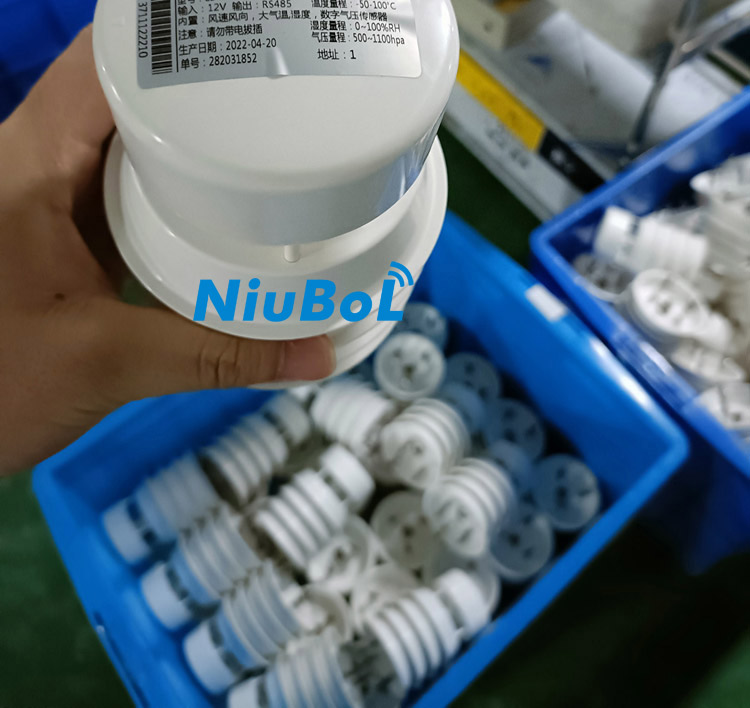
For RS485 Modbus RTU integration, the commissioning document should record device address, baud rate, parity, register table, unit conversion, cable length, power source and gateway mapping. Integrators should test each register on site, not only confirm that the device is online. A platform value named simply wind may not be enough; it should identify wind speed, wind direction, unit, averaging method and device location.
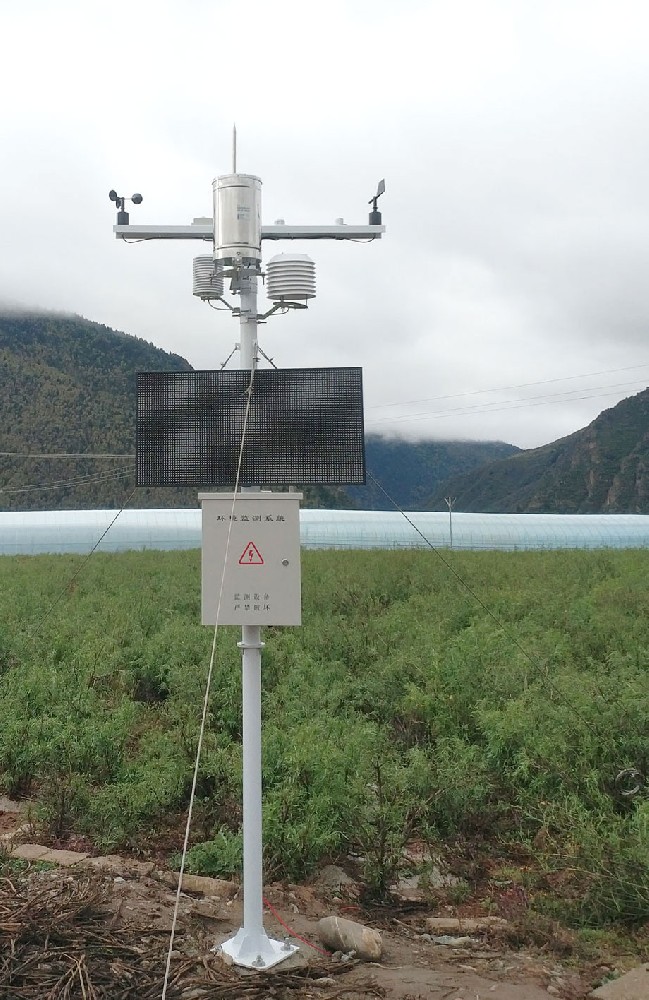
Industrial compatibility also depends on installation. The sensor should be kept away from radar scanners, radio transmitters, strong vibration, large motors and nearby structures that create turbulent airflow. The cable shield should be terminated according to the wiring guide. Continuous power should be guaranteed because intermittent power can create gaps in weather trend records.
Field environment challenge: Urban poles often have limited space, shared power cabinets and mixed communication equipment.
System integration scheme: Use one integrated weather and air quality sensor on selected poles, connect through RS485 to the pole controller and upload data to the city platform.
User value: The city gains distributed microclimate and air quality records without building a full weather enclosure at every point.
Field environment challenge: Wind, rain, pressure, visibility-related variables and road microclimate can change across bridges, open road sections and tunnels.
System integration scheme: Install compact ultrasonic sensors on road gantries or roadside masts and integrate them into traffic weather platforms.
User value: Operators receive local weather data for warning, operation review and maintenance planning.
Field environment challenge: Dust, wind direction and weather conditions affect environmental compliance records and response decisions.
System integration scheme: Select PM, wind and optional noise variables, then upload readings through a rugged field gateway.
User value: Owners can correlate dust events with wind conditions and maintain traceable site records.
Field environment challenge: Small farms and research plots may not have room or budget for many separate instruments.
System integration scheme: Use a micro weather sensor with soil or crop sensors on the same platform.
User value: The project receives weather context for irrigation, disease risk and experiment records.
Select variables according to decisions, not according to the longest parameter list. If the project is road weather, wind, temperature, humidity, pressure and rainfall may be necessary. If the project is air-quality grid monitoring, PM2.5, PM10 and gas modules may matter more. If the project is agriculture, light or radiation may be more useful than noise.
The quotation should state supply voltage, RS485 Modbus register map, selected variables, cable length, mounting method, expected power consumption and platform integration method. For solar projects, power consumption with optional dust sensors must be included in the battery calculation.
For a single test point, a basic communication test may be enough to start. For a batch deployment, acceptance should be stricter. Each device should have a location code, installation photo, north-alignment record, Modbus address, cable route, power source and platform name. The platform should show real-time values and historical records for every parameter ordered, not only a successful online status.
Data review should include at least one period with changing wind, temperature or humidity conditions. If every value remains flat for many hours, the integrator should check register mapping, unit conversion and polling interval. If optional PM or noise modules are installed, those channels should be reviewed separately because they have different maintenance and calibration considerations from basic weather variables.
Many buyers search for an integrated micro weather sensor because they already know the device category but do not know how to compare models. The practical comparison is parameter set, Modbus compatibility, power budget, mounting condition, field interference and acceptance method. These points help the reader move from a product name to a purchase decision.
For a multi-site project, register mapping should be stored in the project archive. If the platform or gateway is replaced later, the maintenance team can restore the data connection without reverse-engineering the device. The archive should include raw register, engineering unit, decimal position, polling interval and parameter name.
Maintenance should be simple but scheduled. Inspect the housing, mounting screws, cable strain relief, connector sealing and nearby obstructions. In dusty or coastal environments, surface cleaning and corrosion inspection should be added. These tasks are low-cost compared with losing data during a weather event or compliance inspection.
A: It is a compact outdoor sensor that combines several weather or environmental measurements in one housing and sends data to a collector or platform through an industrial communication interface.
A: RS485 Modbus RTU allows the sensor to be integrated with data loggers, PLCs, RTUs, gateways and third-party platforms using documented registers and stable field wiring.
A: Yes, depending on configuration. Weather variables such as wind, temperature, humidity and pressure can be combined with PM2.5, PM10, noise, radiation or rainfall modules.
A: It should be mounted on a vertical pipe or mast, level with the measuring plane, aligned to north when required, and kept away from obstructions, radar, radio transmitters and vibration sources.
A: It has no exposed rotating cups or vanes, so mechanical wear is lower. The site should still be inspected for dirt, bird contamination, cable damage and mounting looseness.
A: The difference is the parameter set. A 5-in-1 sensor usually covers wind, temperature, humidity and pressure. Higher configurations may add rainfall, light, radiation, PM or noise depending on model.
A: Yes, but the power budget must include optional modules such as dust sensors because power consumption increases when additional sensing modules are installed.
A: Test power stability, Modbus communication, address, baud rate, north alignment, each parameter value, platform unit mapping and data continuity over several upload cycles.
A: It is suitable for many automatic monitoring and project stations. Formal observation projects should check local siting and instrument requirements before selection.
A: Send required variables, installation site, mounting height, power method, communication method, platform requirement, cable length and quantity.
An integrated micro weather sensor is valuable when a project needs compact installation, RS485 Modbus compatibility and multiple weather or environmental variables from one outdoor device. The strongest procurement decision comes from matching parameters to project decisions, confirming protocol details, planning power and mounting, and defining acceptance tests before field deployment.
Prev:Greenhouse Automatic Control System Configuration Guide for Monitoring and Actuator Integration
Next:Aquaculture Greenhouse Construction and Environmental Monitoring Design Guide
Related recommendations
Sensors & Weather Stations Catalog
 Agriculture Sensors and Weather Stations Catalog-NiuBoL.pdf
Weather Stations Catalog-NiuBoL.pdf
Agriculture Sensors Catalog-NiuBoL.pdf
Water Quality Sensor Catalog-NiuBoL.pdf
Related products
 Combined air temperature and relative humidity sensor
 TDR Soil Moisture & Temperature Sensor for irrigation| RS485 |4-20mA| NBL-S-THR
 Soil pH sensor RS485 soil Testing instrument soil ph meter for agriculture |NBL-S-PH
 Wind Speed sensor Output Modbus/RS485/Analog/0-5V/4-20mA
 Tipping bucket rain gauge for weather monitoring auto rainfall sensor RS485/Outdoor/stainless steel
 Pyranometer Solar Radiation Sensor 4-20mA/RS485

Screenshot, WhatsApp to identify the QR code
WhatsApp number:+8615367865107
(Click on WhatsApp to copy and add friends)