— Blogs —
—Products—
 Consumer hotline +8618073152920
 WhatsApp:+8615367865107
Address:Room 102, District D, Houhu Industrial Park, Yuelu District, Changsha City, Hunan Province, China
Product knowledge
Time:2026-06-30 11:16:25 Popularity:200
Aquaculture greenhouse projects are built for a different operating logic than ordinary crop greenhouses. The structure must support temperature retention, ventilation, humidity control, water management and routine disinfection while keeping construction cost and maintenance practical. For project buyers, the decision is not only which covering material looks good. It is whether the greenhouse can maintain a stable breeding environment, reduce energy use and support later monitoring or control upgrades.
The source project information focuses on polycarbonate panel greenhouses, multi-span structures and the difference between indoor and outdoor aquaculture sheds. Polycarbonate panel greenhouses are often selected because they provide higher light transmission than many plastic multi-span structures, good insulation and lower structural weight than glass greenhouses.
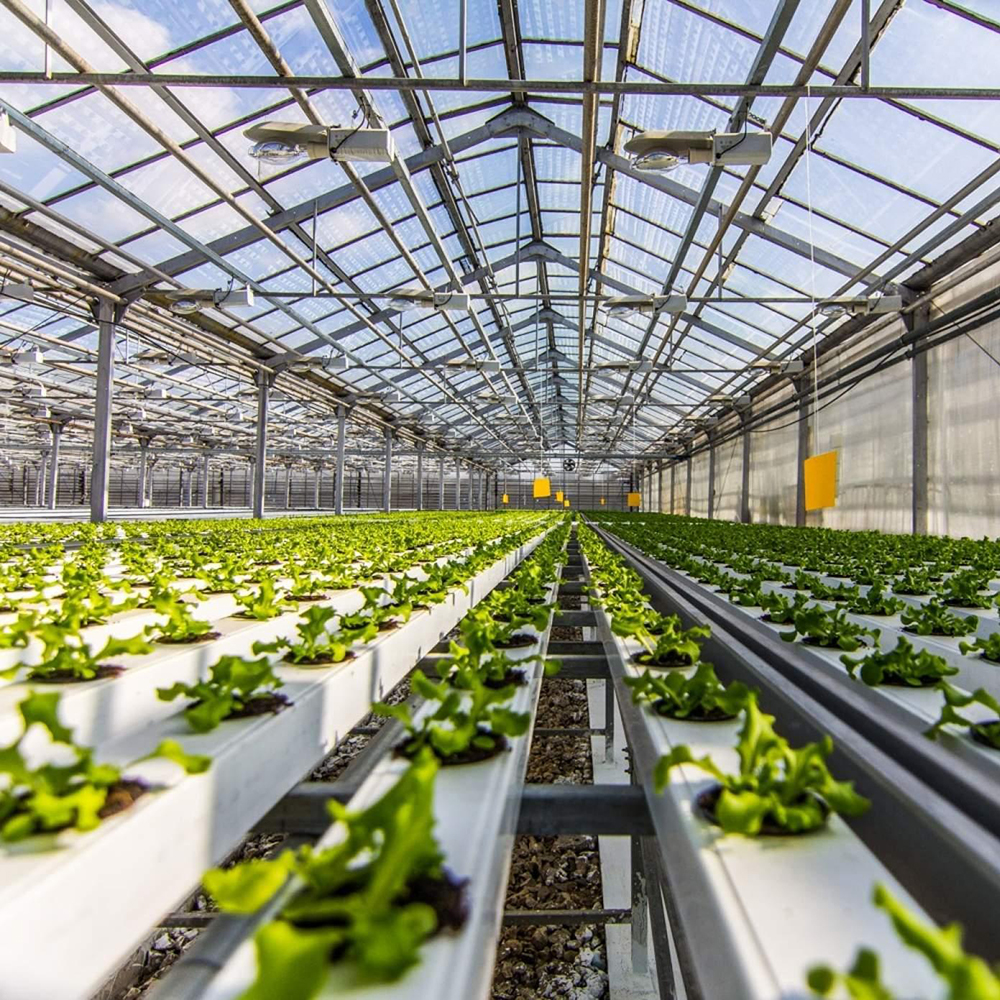
Indoor aquaculture greenhouses are commonly used for seedlings, temporary breeding, seed conservation and small-scale controlled production. Before stocking, the greenhouse and tanks normally require disinfection, cleaning and water-quality preparation. Outdoor solar aquaculture greenhouses are used more often for production-scale breeding, where solar heat and enclosure insulation help shorten the growth cycle of species such as crab, turtle or soft-shelled turtle under suitable management conditions.
The greenhouse design should therefore begin with species, water area, target temperature, production cycle, ventilation method, water source, drainage and energy budget. A structure that is acceptable for temporary seedling protection may not be sufficient for continuous year-round production.
| Design Item | Typical Reference From Project Material | Engineering Meaning |
|---|---|---|
| Light transmission | Multi-span plastic greenhouse often about 50-60%; solar or polycarbonate panel greenhouse can be above 80% by material and design | Affects water temperature, lighting and energy balance |
| Insulation | Hollow polycarbonate panels provide better insulation than many single-layer coverings | Reduces heating load and temperature fluctuation |
| Service life | Panel greenhouse warranty may be about 10 years; use life can reach around 15 years under suitable conditions | Affects total project cost and replacement planning |
| Common span | 6-12 m | Matches tank layout, service aisle and structural cost |
| Bay spacing | About 4 m | Affects frame density and covering support |
| Eave height | 3-4 m | Supports ventilation volume and operation access |
| Natural ventilation width | Preferably around 30 m, generally not more than about 50 m | Ventilation becomes difficult in very wide naturally ventilated houses |
| Mechanical ventilation width | Can extend to about 60 m, usually controlled near 50 m | Requires fan, inlet and power planning |
| Length | Often controlled around 100 m by project design | Affects management, air distribution and drainage planning |
| Main structure | Hot-dip galvanized steel pipe, factory-produced and site-installed | Improves corrosion resistance and construction consistency |
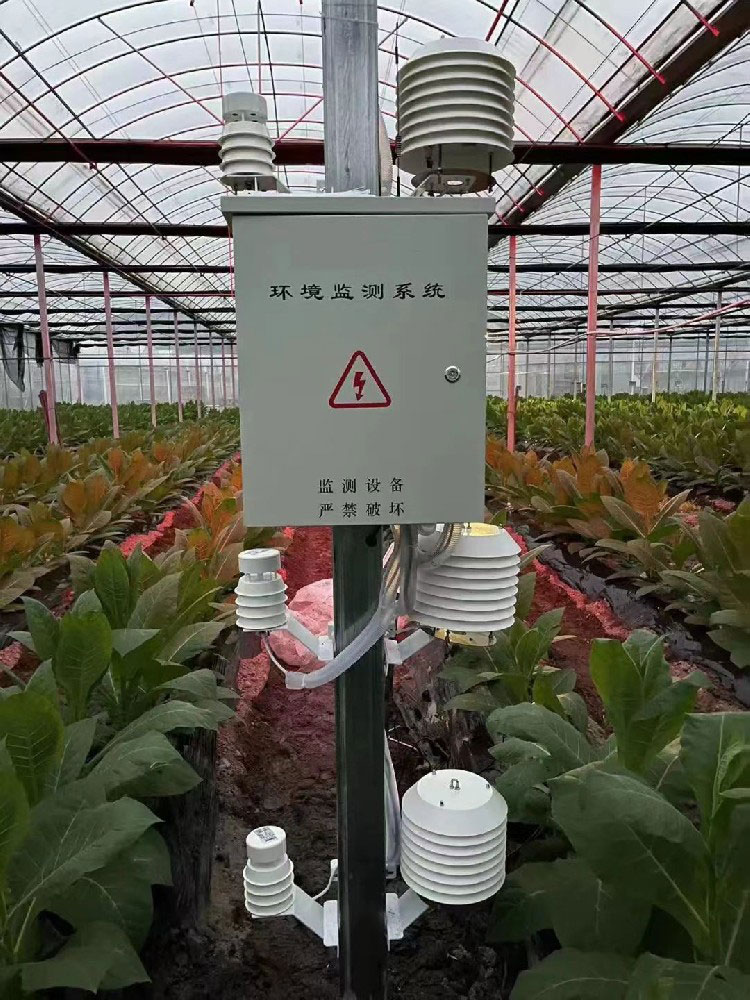
Aquaculture greenhouse monitoring should not copy a crop greenhouse system without review. Air temperature and humidity are still useful, but water temperature, water level, water quality, ventilation status and power reliability may be equally important. If the greenhouse is used for constant-temperature breeding, the monitoring system should log both environmental and equipment status so managers can understand why temperature changes happened.
NiuBoL greenhouse monitoring equipment can provide temperature and humidity sensing, illuminance sensing, RS485 Modbus communication, cloud records and alarm functions. For aquaculture projects, those devices can be combined with water quality sensors or customized monitoring points when the owner needs a fuller system.
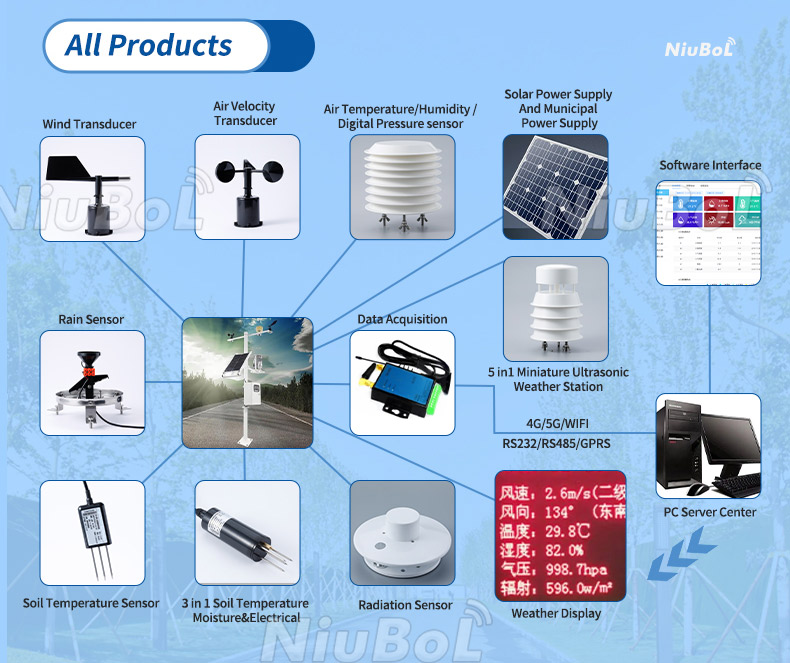
A practical aquaculture greenhouse design includes structure, covering material, ventilation, drainage, water treatment, disinfection workflow, power supply and monitoring. The structural team should confirm wind and snow load. The aquaculture team should confirm water system and breeding density. The integration team should confirm sensor position, communication route, alarm method and platform access.
For natural ventilation houses, side windows and ridge windows should be considered together. For mechanically ventilated houses, fan capacity, air inlet position and humidity discharge should be calculated. High humidity and water splash conditions also require careful cable protection, waterproof junctions and corrosion-resistant mounting hardware.
Field environment challenge: The site needs stable temperature and high hygiene standards before stocking.
System integration scheme: Use a smaller greenhouse with easy cleaning, air temperature and humidity monitoring, and alarms for abnormal temperature.
User value: Managers can reduce early-stage stress and document environmental conditions during seedling protection.
Field environment challenge: The project relies on solar heat and enclosure insulation while maintaining ventilation and water system access.
System integration scheme: Use polycarbonate or suitable covering, hot-dip galvanized frame and monitoring for air and water-related conditions.
User value: The farm can shorten production cycle under controlled conditions and reduce blind manual inspection.
Field environment challenge: Wide houses may suffer from uneven ventilation, humidity accumulation and difficult maintenance access.
System integration scheme: Plan span, bay spacing, service aisles, mechanical ventilation and distributed monitoring points during design.
User value: The owner receives a facility that can be operated in zones rather than one uncontrolled large space.
Field environment challenge: Project owners need visible data, traceable records and repeatable environmental settings.
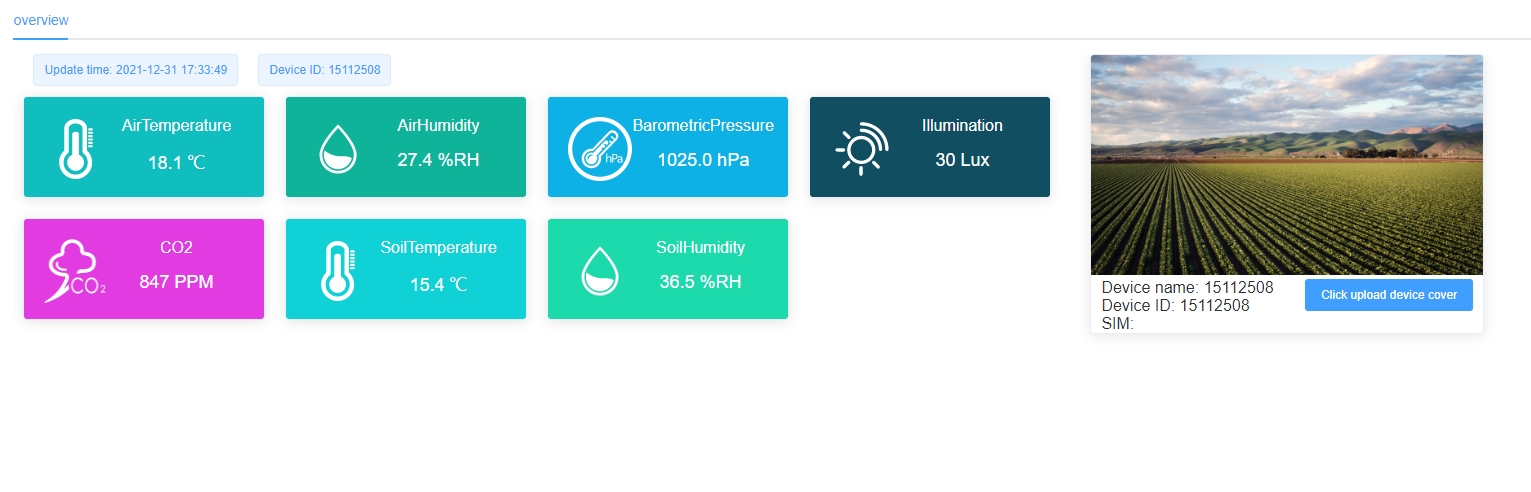
System integration scheme: Connect sensors to a cloud platform with historical curves, map view and alarm records.
User value: The project supports reporting, training and production comparison.
Do not evaluate the greenhouse only by covering price; compare insulation, light transmission, durability and frame load capacity.
Confirm local wind, snow, rainfall and corrosion conditions before selecting frame and covering.
For year-round use, include equipment weight, hanging load, maintenance load and water-system access in the structural discussion.
Plan monitoring points before construction so cable routes and cabinet locations are not improvised later.
Separate wet-zone cable routing from high-power equipment and protect junctions against humidity and splash.
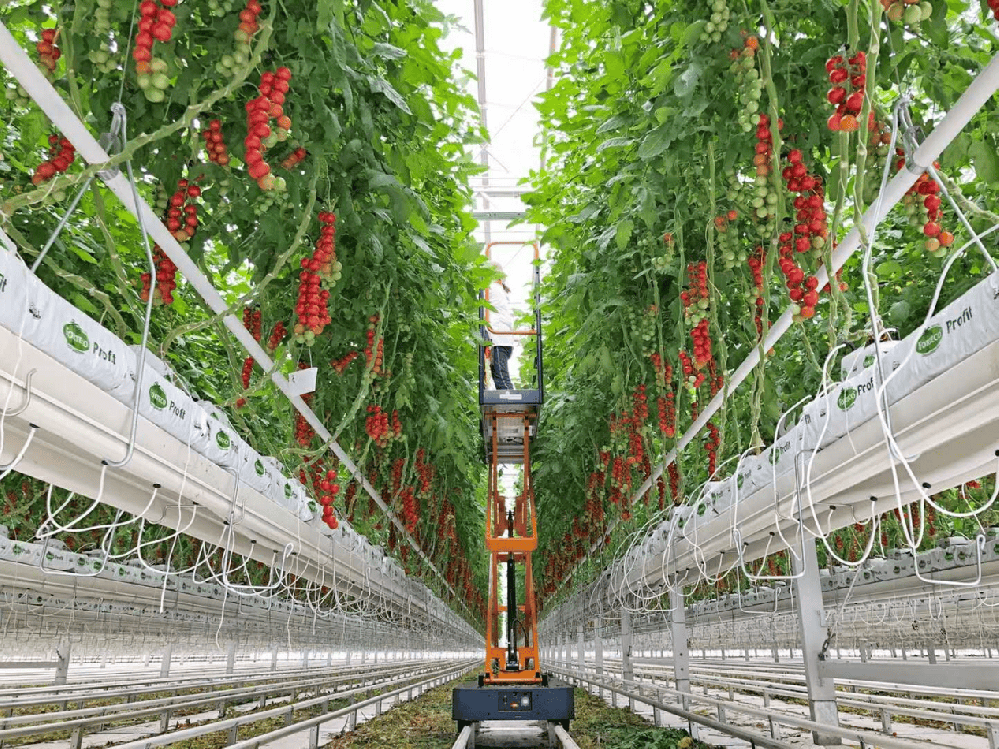
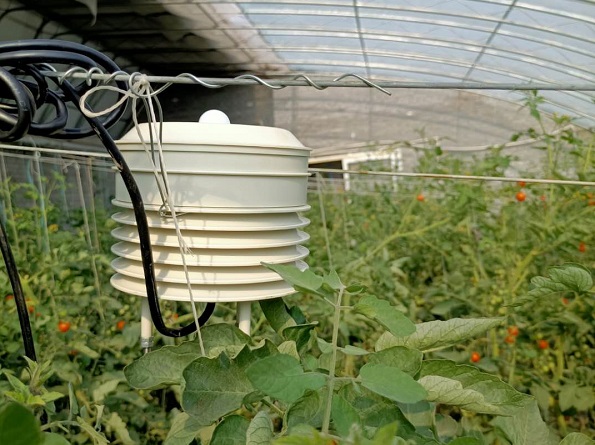
A useful monitoring layout separates structural zones from production zones. Structural zones include doors, ridge windows, side windows, fans and power cabinets. Production zones include tanks, seedling areas, temporary breeding areas and water-treatment areas. Air temperature and humidity sensors should be placed where they represent the breeding area, not directly beside doors or fans. Water-related sensors should be installed where maintenance access is safe and cable routing is protected from splash.
For larger houses, one sensor point is rarely enough. The design can divide the greenhouse into front, middle and rear areas, or into left and right production zones. This makes it possible to identify ventilation imbalance or local temperature differences. The platform should use names that operators understand, such as House 2 middle tank zone air temperature, rather than device 01.
A complete quotation should include greenhouse structure, covering, ventilation equipment, monitoring points, sensor brackets, cable length, collector, communication method, platform account and installation support. If the buyer later adds monitoring after the greenhouse is finished, cable routing and sensor placement may become more difficult. Reserving these items during design reduces rework and keeps the site easier to maintain.
Heating and ventilation cost should be considered together. A greenhouse with good insulation but poor ventilation may save heat while creating high humidity and disease risk. A greenhouse with strong ventilation but poor insulation may consume too much energy in winter. Monitoring helps operators see these tradeoffs because temperature and humidity curves show how the house responds after fans, windows or heaters operate.
For aquaculture, the water body itself adds thermal mass. The design team should consider tank volume, water exchange, heating method and air ventilation at the same time. This is why greenhouse structure, water system and sensor platform should be discussed in one project meeting rather than purchased separately.
For a production greenhouse, operation records are part of the facility value. Temperature, humidity, ventilation events, equipment faults and abnormal alarms should be stored so the farm can review what happened before a breeding problem. These records also help compare different batches and refine operation procedures over time.
If the greenhouse will be managed by several workers, the platform should support user roles or at least clear operation responsibility. When alarms occur at night or during holidays, the project should define who receives messages and who has authority to operate equipment.
A: It is a protected structure used to create a more stable environment for aquatic breeding, seedling protection, temporary culture or production-scale farming.
A: Polycarbonate panels provide good light transmission, improved insulation compared with many single-layer coverings and lower structural weight than glass.
A: Many projects use spans around 6-12 m and bay spacing around 4 m, but final dimensions should match tanks, aisles, ventilation and local load requirements.
A: Yes. Planning sensor locations, cable routes and cabinet positions during construction reduces later rework and improves monitoring reliability.
A: Air temperature, humidity and light are common. Aquaculture projects may also need water temperature, water quality, water level, power status and ventilation status depending on system design.
A: It depends on greenhouse width, climate, species and stocking density. Wide or humid houses often require mechanical ventilation to maintain stable conditions.
A: Frame material, anti-corrosion treatment, covering aging resistance, wind and snow load design, installation quality and maintenance all affect durability.
A: Yes. RS485 Modbus sensors can connect temperature, humidity, light or other transmitters to a collector, gateway or platform.
A: Provide site location, species, greenhouse size, covering preference, wind and snow conditions, ventilation method, water system and monitoring requirements.
A: It records environmental trends, sends alarms, supports equipment review and helps managers respond before abnormal temperature or humidity affects production.
Aquaculture greenhouse construction should connect structure, covering, ventilation, water system and monitoring into one project plan. Polycarbonate panel and hot-dip galvanized steel structures can provide practical durability and insulation when correctly designed. For modern farms, adding environmental monitoring and RS485-compatible sensor interfaces during construction improves future operation, alarms and project traceability.
Prev:Integrated Micro Weather Sensor for Urban, Road, and Environmental Monitoring Projects
Next:Weather Station Equipment List: Sensors, Power, Communication, and Selection Criteria
Related recommendations
Sensors & Weather Stations Catalog
 Agriculture Sensors and Weather Stations Catalog-NiuBoL.pdf
Weather Stations Catalog-NiuBoL.pdf
Agriculture Sensors Catalog-NiuBoL.pdf
Water Quality Sensor Catalog-NiuBoL.pdf
Related products
 Combined air temperature and relative humidity sensor
 TDR Soil Moisture & Temperature Sensor for irrigation| RS485 |4-20mA| NBL-S-THR
 Soil pH sensor RS485 soil Testing instrument soil ph meter for agriculture |NBL-S-PH
 Wind Speed sensor Output Modbus/RS485/Analog/0-5V/4-20mA
 Tipping bucket rain gauge for weather monitoring auto rainfall sensor RS485/Outdoor/stainless steel
 Pyranometer Solar Radiation Sensor 4-20mA/RS485

Screenshot, WhatsApp to identify the QR code
WhatsApp number:+8615367865107
(Click on WhatsApp to copy and add friends)