





— Blogs —
—Products—
 Consumer hotline +8618073152920
 WhatsApp:+8615367865107
Address:Room 102, District D, Houhu Industrial Park, Yuelu District, Changsha City, Hunan Province, China
Product knowledge
Time:2026-04-22 16:35:08 Popularity:413
In modern industrial processes, environmental monitoring, and chemical reaction control, real-time and accurate monitoring of pH value is a core link to ensure process stability and compliance with discharge regulations. For system integrators (SIs) and project contractors, selecting a suitable pH control and sensor system not only affects measurement accuracy but also directly influences the long-term operation and maintenance costs of the entire automation system.
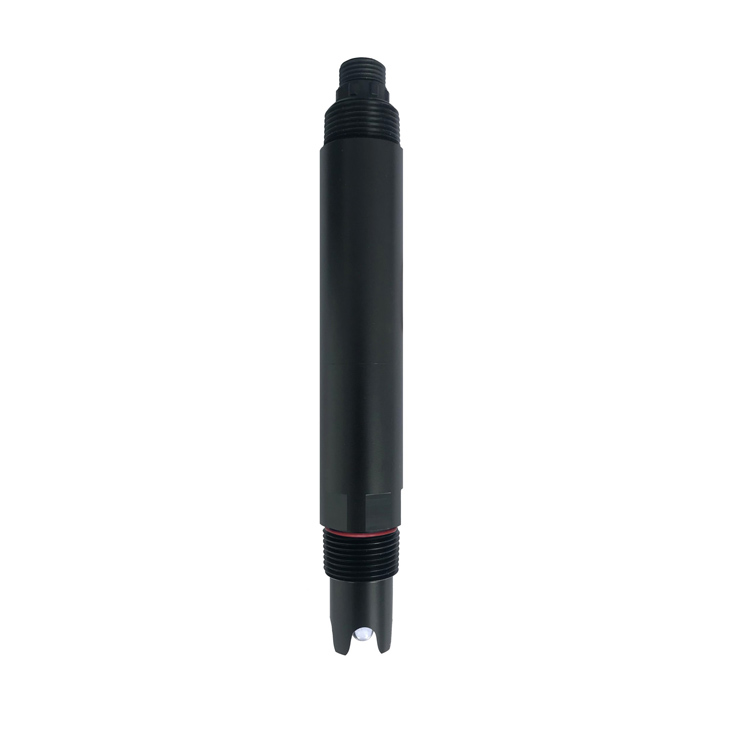
Depending on the application environment and technical architecture, pH instruments are mainly divided into three major categories: portable, laboratory-grade, and industrial-grade. For engineering projects, understanding the technical parameter boundaries of each level is the first step in selection.
Portable pH Controller: Focuses on field and on-site random testing. Core requirements are light weight and high response speed. Typically used as a supplementary verification tool for online monitoring systems.
Laboratory-grade pH Controller: Belongs to desktop high-precision analytical instruments. Functions include complex data processing, print output, and multi-point calibration. Its accuracy is typically at the 0.01 level or even higher, serving as the final standard for R&D and quality inspection.
Industrial-grade Online pH Meter: Designed specifically for industrial processes, emphasizing continuous measurement, alarm control, and high environmental resistance. Needs to integrate industrial bus protocols like RS-485 and possess capabilities for pressure resistance, interference immunity, and self-cleaning expansion.
The industry defines equipment by accuracy levels: 0.2 grade, 0.1 grade, 0.01 grade, and 0.001 grade. A smaller number represents higher accuracy. In most industrial online monitoring projects, 0.01 grade accuracy has become the standard configuration for automated process control.
With the evolution of embedded technology, pH instruments have completely shifted from early transistor-based and integrated circuit-based to single-chip microcomputer-based. The NiuBoL series products optimize algorithms through microcomputer chips, not only significantly reducing hardware power consumption (as low as 0.2W) but also achieving intelligent temperature compensation and signal linearization processing.
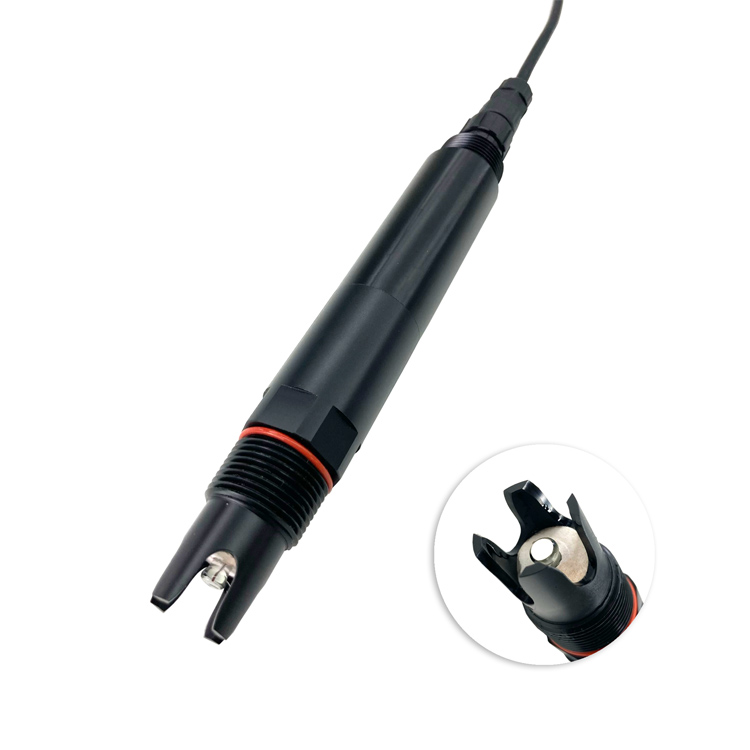
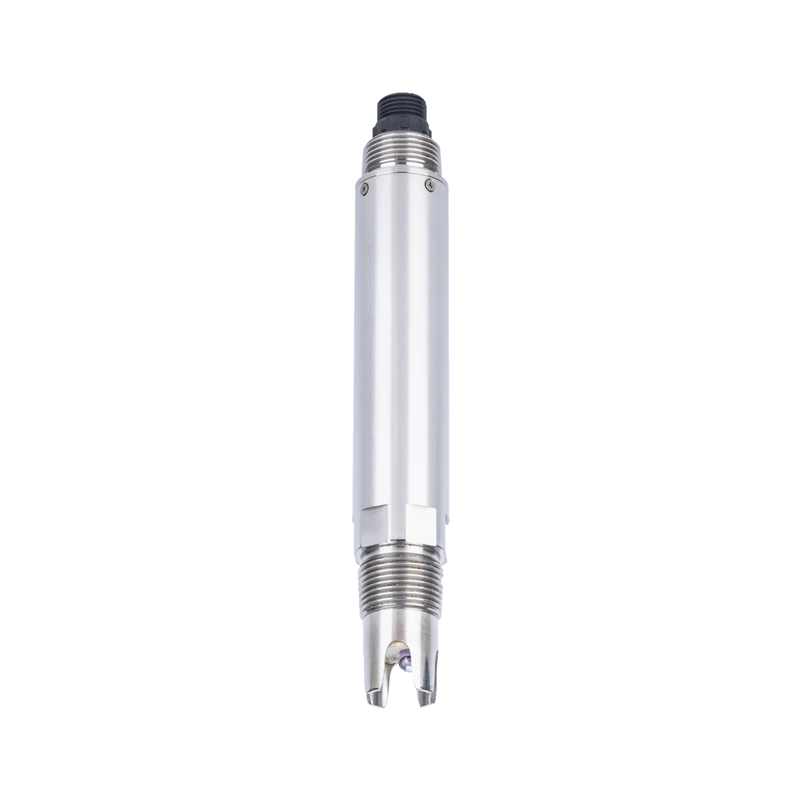
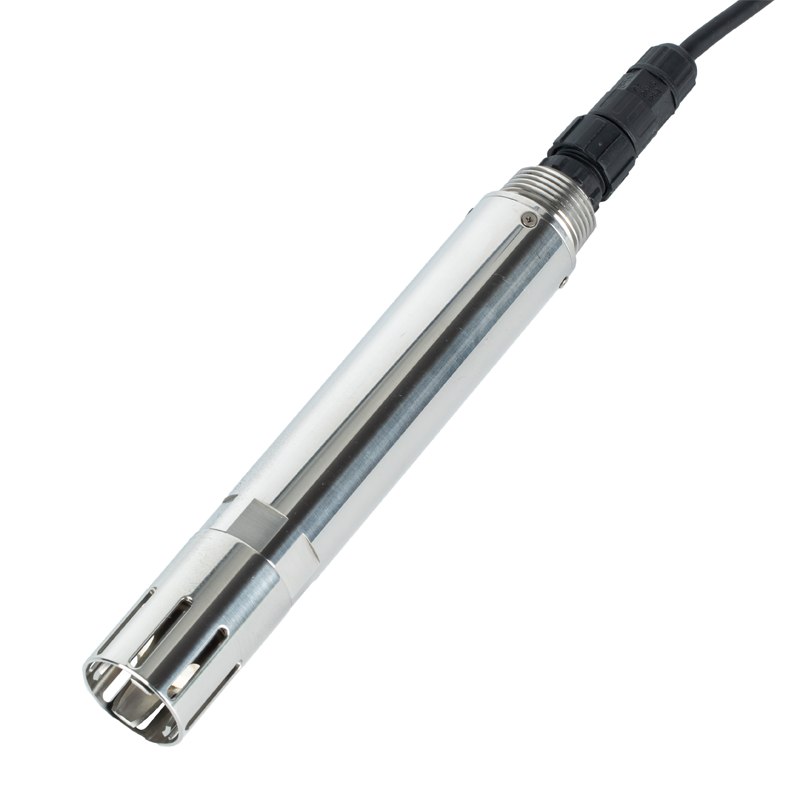
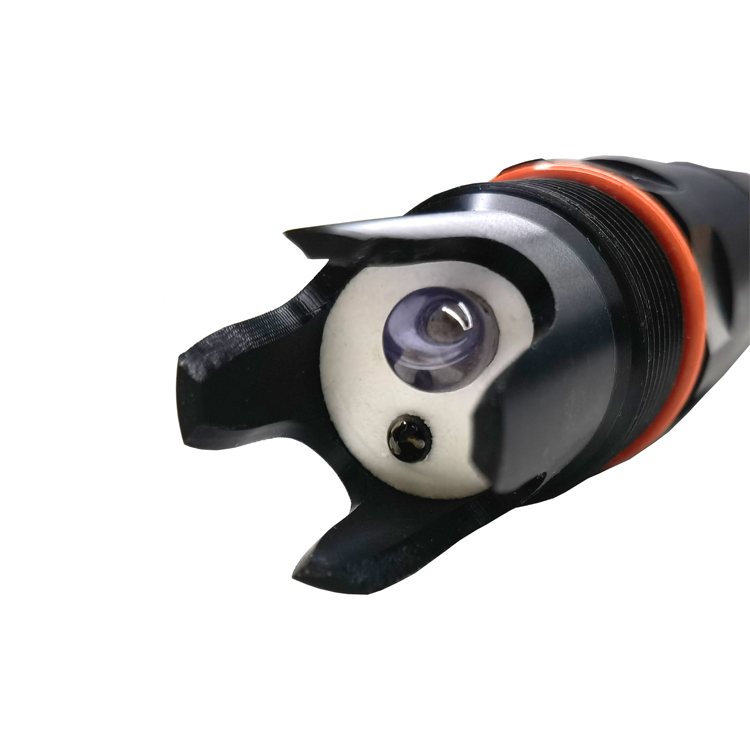
Targeting high-salt, strong acid, strong alkali, and complex electromagnetic interference environments in engineering projects, NiuBoL has developed several online pH sensors. Their technical core lies in the patented reference system and differential amplification architecture.
| Technical Indicator | NBL-PHG-206 (General Purpose) | NBL-PHG-406-A (Engineering Type) | NBL-PHG-406-S (Special Application) |
|---|---|---|---|
| Housing Material | ABS/PC Alloy | POM and ABS | POM and 316L Stainless Steel |
| Measurement Principle | Glass Electrode Method | Glass Electrode Method | Glass Electrode Method |
| Measurement Range | 0.00 ~ 14.00 pH | 0.00 ~ 14.00 pH | 0.00 ~ 14.00 pH |
| Resolution / Accuracy | 0.01 / ±0.1 pH | 0.01 / ±0.1 pH | 0.01 / ±0.1 pH |
| Response Time (T90) | <30s | <30s | <30s |
| Communication Output | RS-485 (Modbus RTU) | RS-485 / 4-20mA (Optional) | RS-485 (Modbus RTU) |
| Temperature Compensation | Pt1000 Automatic Compensation | Pt1000 Automatic Compensation | Pt1000 Automatic Compensation |
| Operating Conditions | 0-50℃,≤0.2MPa | 0-50℃,≤0.2MPa | 0-50℃,≤0.2MPa |
| Protection Rating | IP68 | IP68 | IP68 |
| Installation Method | 3/4 NPT Immersion / Piping | 3/4 NPT Immersion / Piping | 3/4 NPT Immersion / Piping |
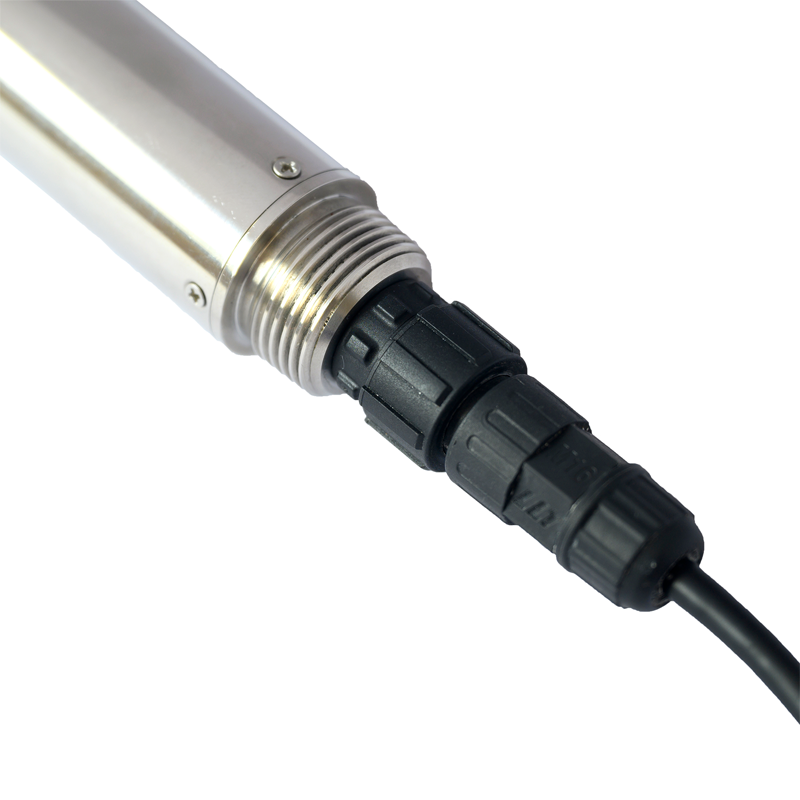
In IoT solution design, the pH sensor is a key node in the perception layer. NiuBoL sensors simplify the path from bottom-layer acquisition to top-level decision-making through digital output.
Industrial Wastewater Treatment: Real-time monitoring of pH fluctuations during chemical precipitation and neutralization reactions, linking with dosing pumps to achieve closed-loop control.
Desulfurization/Denitrification Process Monitoring: Monitoring slurry pH in chemical towers, utilizing dual high-impedance differential amplifiers to withstand industrial electromagnetic interference.
Environmental Water Quality Automatic Monitoring Station: Combining data collectors and wireless transmission modules to achieve cross-regional, remote water quality data aggregation.
Pharmaceutical and Food Fermentation: Utilizing patented positive-pressure seepage technology for the reference solution to ensure stable sensor operation for over 20 months under 1 Bar pressure.
All NiuBoL sensors use the RS-485 (Modbus RTU) industrial protocol. Integrators can directly connect them to PLCs (e.g., Siemens S7-1200/1500), DCS systems, paperless recorders, or HMI touchscreens. Their IP68 protection rating supports long-term immersion installation, greatly expanding engineering adaptability.
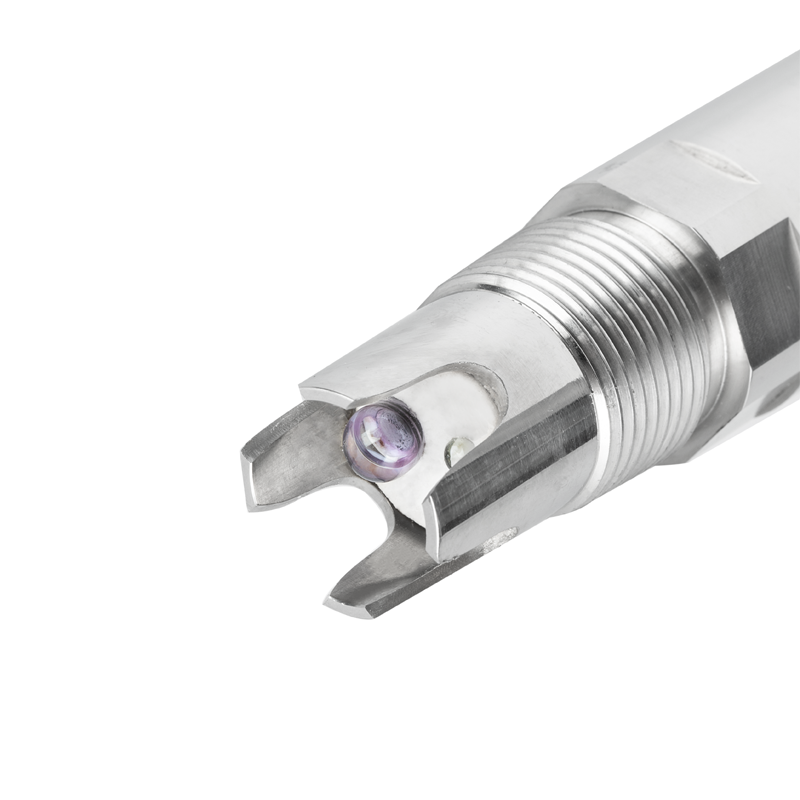
Medium Chemical Properties: For media containing strong organic solvents, the NBL-PHG-406-S (316L/POM) model is recommended to enhance housing corrosion resistance.
Communication Distance: Digital signals (RS-485) are superior to traditional analog signals, with an effective transmission distance of up to 1200 meters and significantly enhanced interference immunity.
Installation Pressure: Process pipeline pressure needs to be considered. NiuBoL sensors support working environments of ≤0.2MPa.
Inversion Prohibited: The sensor installation angle should maintain at least a 15-degree tilt. Horizontal or inverted installation is strictly prohibited to ensure effective coverage of the electrolyte.
Dry Running Strictly Prohibited: The pH-sensitive membrane must remain moist. In the system logic, a water-cut-off alarm should be set to prevent the sensor from being exposed to air for a long time, which could lead to failure.
To ensure the long-term reliability of industrial systems, operation and maintenance personnel must follow these specifications:
Activation and Soaking: Before commissioning, the sensor should be soaked in 3mol/L KCl solution to prevent the sensitive membrane from drying out.
Cleaning Protocol: For attached deposits, dilute hydrochloric acid can be used for washing. Contact of the sensor surface with silicone grease is strictly prohibited.
Failure Determination: When the two-point calibration slope falls below 85% or the response time is significantly delayed (>60s), sensor replacement should be considered.
Q1: Why is the electrode life of NiuBoL sensors longer than that of ordinary industrial electrodes?
A1: NiuBoL uses a patented reference system where the internal reference solution slowly seeps out through a microporous salt bridge under positive pressure. This design effectively prevents reverse infiltration of external contaminants, multiplying the electrode's lifespan in complex working conditions.
Q2: Does this sensor support direct connection to a 4-20mA analog system?
A2: The NBL-PHG-406-A model supports an optional 4-20mA current output, facilitating integration into older secondary instruments or specific analog control loops.
Q3: How is the stability of the RS-485 signal ensured over long-distance transmission?
A3: The use of shielded twisted pair cables is recommended, and a 120-ohm termination resistor should be connected at the end of the bus. The NiuBoL sensor has a built-in differential amplification circuit with excellent electromagnetic compatibility (EMC) performance.
Q4: Does the sensor have an automatic cleaning function?
A4: The current NBL series provides standard IP68 encapsulation and does not integrate a physical brush. For conditions prone to scaling, system integrators can use the 3/4 NPT threaded interface to connect external water flushing or ultrasonic cleaning devices.
Q5: Will fluctuations in the power supply voltage affect measurement accuracy?
A5: The sensor supports a wide voltage supply of 12~24V DC. Due to the integrated precision voltage regulation and digital processing unit inside, reasonable fluctuations in the supply voltage will not affect the 0.01 grade measurement accuracy.
Q6: How to solve the problem of on-site pH measurement data jumping?
A6: This is usually caused by ground potential differences or inverter interference. The NiuBoL dual high-impedance differential amplification design is specifically made for this. During installation, it is recommended to reliably ground the cable shield layer.
Q7: What exactly does the sensor's protection rating IP68 represent?
A7: This means the sensor can work continuously while immersed in water deeper than 1 meter. It is completely dust-tight and has continuous submersible capability, making it very suitable for submerged sewage tank monitoring.
Q8: For special chemical reaction processes, what is the sensor's tolerable temperature?
A8: The standard operating range is 0~50℃. If continuous monitoring is required at higher temperatures, it is recommended to consult the NiuBoL technical team for customized solutions.
In the evolution of Industry 4.0, digital pH monitoring is no longer just a simple numerical reading; it is the cornerstone for building intelligent fluid control systems. Leveraging microcomputer single-chip technology, a highly reliable patented reference system, and the RS-485 Modbus RTU standard protocol, NiuBoL provides system integrators with a high-performance, easy-to-maintain perception layer choice. Through scientific selection and standardized integration, engineering contractors can significantly reduce the post-project operation and maintenance costs and enhance the intelligence level of the entire environmental protection or production system.
 NBL-WQ-PH Online Water Quality pH Sensor.pdf
Prev:Seven Key Details and Engineering Practices for Surface Water Monitoring
Next:Future Insights: Trends & Tech Solutions in Water Treatment
Related recommendations
Sensors & Weather Stations Catalog
Agriculture Sensors and Weather Stations Catalog-NiuBoL.pdf
Weather Stations Catalog-NiuBoL.pdf
Agriculture Sensors Catalog-NiuBoL.pdf
Water Quality Sensor Catalog-NiuBoL.pdf
Related products
 Combined air temperature and relative humidity sensor
 Soil Moisture Temperature sensor for irrigation|NBL-S-THR
 Soil pH sensor RS485 soil Testing instrument soil ph meter for agriculture |NBL-S-PH
 Wind Speed sensor Output Modbus/RS485/Analog/0-5V/4-20mA
 Tipping bucket rain gauge for weather monitoring auto rainfall sensor RS485/Outdoor/stainless steel
 Pyranometer Solar Radiation Sensor 4-20mA/RS485

Screenshot, WhatsApp to identify the QR code
WhatsApp number:+8615367865107
(Click on WhatsApp to copy and add friends)

