





— Blogs —
—Products—
 Consumer hotline +8618073152920
 WhatsApp:+8615367865107
Address:Room 102, District D, Houhu Industrial Park, Yuelu District, Changsha City, Hunan Province, China
Product knowledge
Time:2026-04-22 16:32:06 Popularity:359
Surface water monitoring is the foundation of environmental management decisions. However, the value of data is not inherent—it depends on every technical detail from sampling, preservation, transportation, to analysis. For system integrators, engineering companies, and solution providers responsible for designing, deploying, and operating monitoring networks, mastering and standardizing these details is the core competitiveness for successful project delivery, acceptance approval, and long-term customer trust. This article focuses on seven key engineering pain points affecting data quality and provides professional solutions.
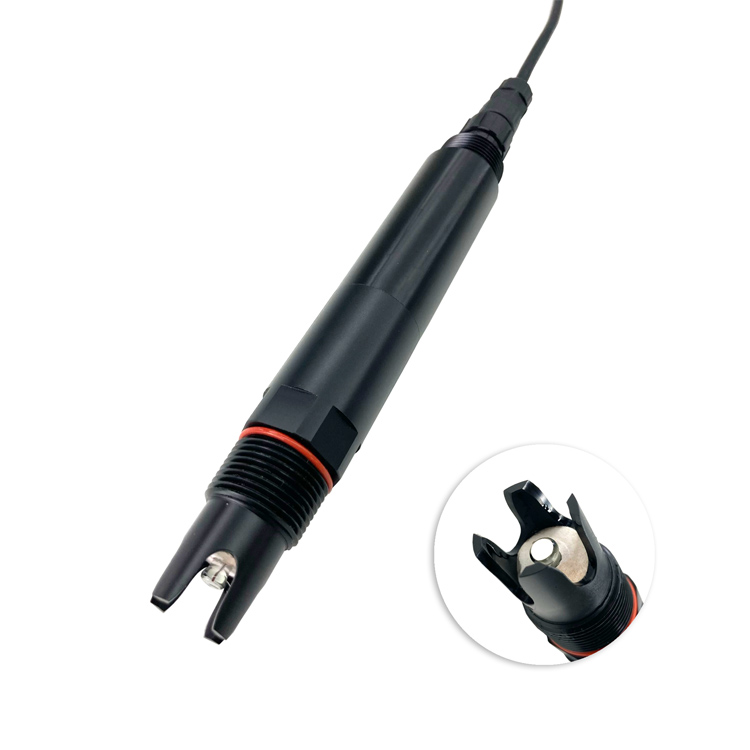
Problem: In rivers or lakes where width and depth vary significantly with seasons, mechanically applying fixed-point sampling plans leads to poor spatial representativeness of samples.
Solution:
1. Dynamic point layout design: Based on historical hydrological data, develop sampling vertical and stratification plans for dry, normal, and flood seasons. Before each sampling, use portable flow meters or ADCP for on-site verification and dynamic adjustment.
2. Mandatory stratified sampling: For sections deeper than 5 meters or with potential thermoclines/density layers, professional layered samplers must be used to accurately obtain water samples at different depths and reflect vertical distribution of parameters such as dissolved oxygen and nutrients.
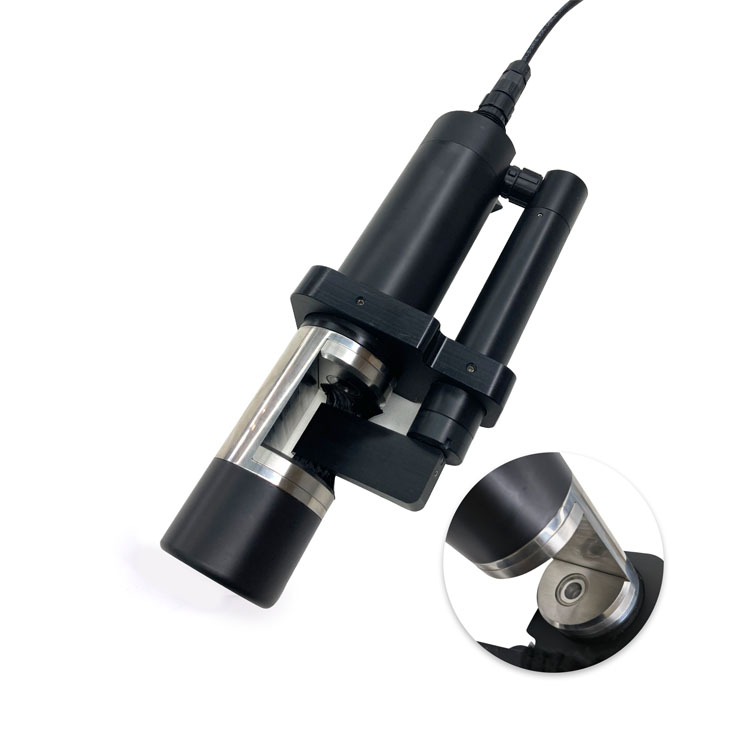
Problem: Petroleum sampling is prone to volatilization loss or external contamination due to improper operation (overfilling containers, contamination of bottle mouths, repeated sampling), making it a high-risk area for data distortion.
Solution:
1. Dedicated equipment: Use deep-water amber glass samplers to ensure one-time filling with a slight headspace, and keep bottle threads absolutely clean.
2. “One-time success” SOP: Prohibit rinsing sample bottles with sample water. Immediately add hydrochloric acid preservative after sampling and seal. Collect transport blank samples to monitor contamination risk throughout the process.
Problem: Dissolved heavy metal analysis (Cu, Pb, Zn, Cd, etc.) requires immediate filtration using a 0.45μm membrane. Delayed processing or improper aeration during BOD5 sampling leads to adsorption or transformation, causing severe data distortion.
Solution:
1. Rapid on-site filtration: Equip portable vacuum pumps or disposable syringe filters. Filtration and acid preservation must be completed within 30 minutes after sampling.
2. Standardized sedimentation and aliquoting: Samples requiring sedimentation should be kept dust-free. Parallel samples must be split alternately in equal volumes, not filled sequentially.
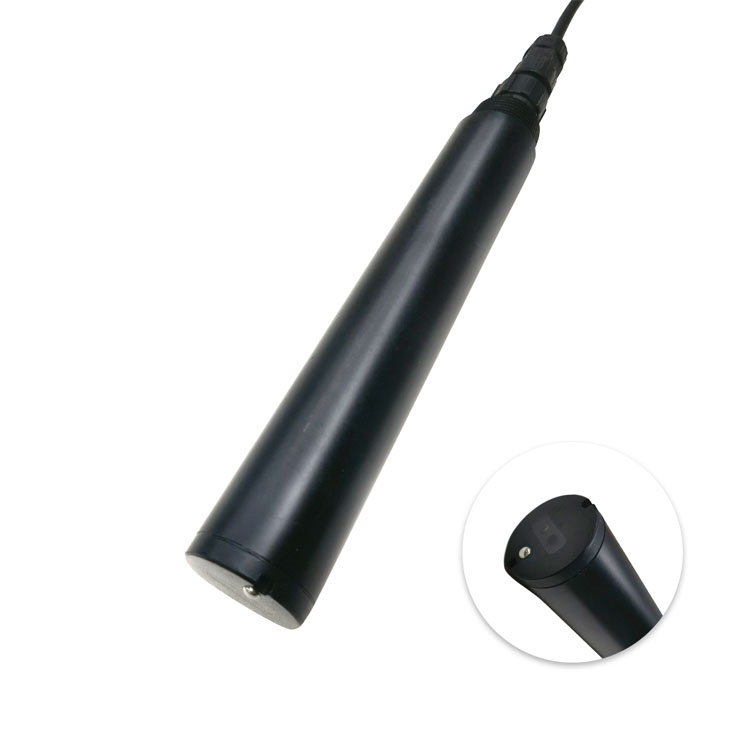
Problem: Placing thermometers close to ice packs does not reflect the average temperature inside the cooler, potentially leading to temperature exceedance and sample invalidation.
Solution:
1. Independent temperature monitoring: Use transport boxes with independent digital temperature loggers. Place the probe at the geometric center and record the full temperature curve.
2. Standardized packaging: Use pre-frozen ice packs to stabilize bottles and maintain 4±2℃ throughout the maximum transport duration.
Problem: Over-reliance on electronic data while neglecting standardized, timely, and complete field records leads to broken data chains and loss of traceability.
Solution:
1. Digital field operations: Equip personnel with rugged terminals featuring GPS, timestamps, and offline input. Bind key data with sample bottle QR codes.
2. Blockchain-based verification: Use blockchain hashing for key monitoring data to ensure immutability and enhance legal credibility.
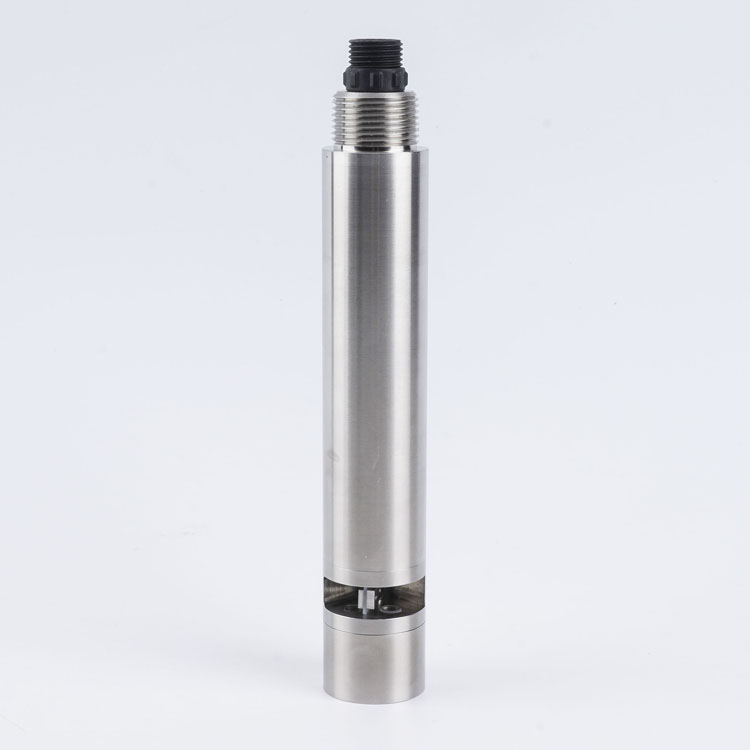
Problem: Conductivity is highly temperature-dependent. Measuring without automatic temperature compensation or correction to 25℃ leads to incomparable data.
Solution:
1. Equipment standardization: Ensure multiparameter meters have automatic temperature compensation enabled by default.
2. Mandatory SOP: Always verify compensation settings before measurement. If unavailable, manually correct values and record water temperature.
Problem: Filling one bottle completely before another leads to non-homogeneous parallel samples, making quality control meaningless.
Solution:
• Strict “alternate filling” method: Use the same source water and alternately fill both bottles with equal volumes to ensure identical representation.
Q1: How to economically ensure sampling representativeness under changing hydrological conditions?
A: Use a “fixed section + dynamic vertical” strategy. Measure depth and flow before each sampling and adjust vertical layout dynamically.
Q2: What is the most critical point in petroleum sampling?
A: Do not rinse sample bottles, and ensure full filling with slight headspace and completely clean threads.
Q3: How to improve complex on-site filtration operations?
A: Use disposable pre-packaged syringe filters to reduce contamination and improve efficiency, especially in harsh environments.
The essence of surface water monitoring is the faithful transformation of information. Mastery of these seven critical details directly determines the intrinsic quality and long-term value of delivered projects. Future competition will increasingly focus on deep understanding of standards, refined process management, and full lifecycle responsibility for data. Integrating standardized field practices with intelligent, traceable data management tools is the inevitable path to building a sustainable competitive advantage in environmental monitoring.
 NBL-NHN-302 Online Ammonia Nitrogen Sensor.pdf
NBL-RDO-206 Online Fluorescence Dissolved Oxygen Sensor.pdf
NBL-COD-208 Online COD Water Quality Sensor.pdf
NBL-CL-206 Water Quality Sensor Online Residual Chlorine Sensor.pdf
Related recommendations
Sensors & Weather Stations Catalog
Agriculture Sensors and Weather Stations Catalog-NiuBoL.pdf
Weather Stations Catalog-NiuBoL.pdf
Agriculture Sensors Catalog-NiuBoL.pdf
Water Quality Sensor Catalog-NiuBoL.pdf
Related products
 Combined air temperature and relative humidity sensor
 Soil Moisture Temperature sensor for irrigation|NBL-S-THR
 Soil pH sensor RS485 soil Testing instrument soil ph meter for agriculture |NBL-S-PH
 Wind Speed sensor Output Modbus/RS485/Analog/0-5V/4-20mA
 Tipping bucket rain gauge for weather monitoring auto rainfall sensor RS485/Outdoor/stainless steel
 Pyranometer Solar Radiation Sensor 4-20mA/RS485

Screenshot, WhatsApp to identify the QR code
WhatsApp number:+8615367865107
(Click on WhatsApp to copy and add friends)

