





— Blogs —
—Products—
 Consumer hotline +8618073152920
 WhatsApp:+8615367865107
Address:Room 102, District D, Houhu Industrial Park, Yuelu District, Changsha City, Hunan Province, China
Product knowledge
Time:2026-04-22 16:28:27 Popularity:462
Industrial wastewater refers to the wastewater, sewage, and waste liquids generated during industrial production processes, containing production materials, intermediate products, products, and pollutants that are lost with the water. As industrial scale continues to expand, the types and discharge volumes of wastewater are growing rapidly, increasing the scope and severity of pollution to water environments, directly threatening ecological balance and public health.
Therefore, against the backdrop of increasingly strict environmental protection requirements, the classification and treatment of industrial wastewater have become indispensable key links in engineering projects. For system integrators, IoT solution suppliers, project contractors, and engineering companies, mastering scientific classification methods and treatment principles can not only ensure project compliance but also achieve a win-win situation of economic and environmental benefits through resource recovery.
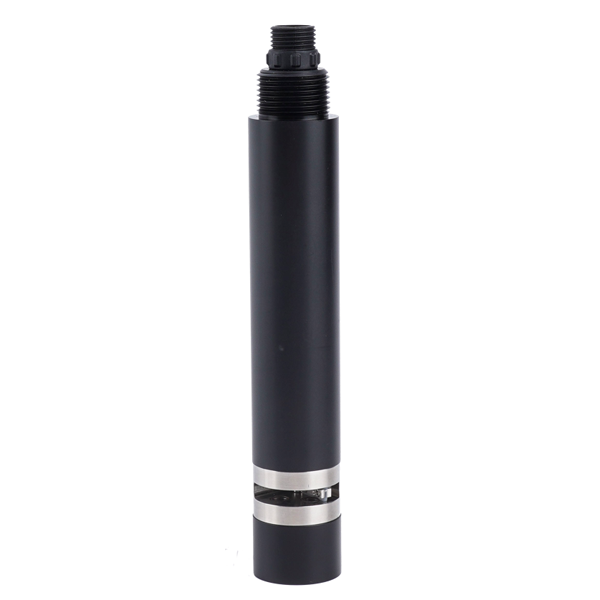
NiuBoL, as a manufacturer focused on industrial wastewater treatment technology, is committed to providing partners with modular monitoring and control solutions, helping engineering teams achieve precise classification, stable treatment, and closed-loop circulation during the project design, implementation, and operation phases. This article systematically organizes the basic principles of industrial wastewater classification and treatment, and discusses them in combination with engineering practice, providing a technical framework that can be directly referenced for your project.
Industrial wastewater classification is a prerequisite for formulating targeted treatment solutions. According to actual engineering needs, there are three main classification methods, each with different emphases, which can be used in combination.
This classification is based on the nature of the main pollutants in the wastewater, divided into inorganic wastewater and organic wastewater.
Inorganic wastewater mainly contains inorganic pollutants, such as heavy metal ions, acids, alkalis, and salts. Typical sources include electroplating process wastewater, mineral processing wastewater, and metal pickling wastewater. This type of wastewater has large pH fluctuations, persistent toxicity, and requires a focus on heavy metal removal and neutralization treatment.
Organic wastewater is mainly composed of organic pollutants, such as carbohydrates, proteins, fats, oils, and petroleum compounds, commonly found in the food processing, petroleum refining, and pharmaceutical industries. This type of wastewater has high COD and BOD values and is suitable for biological degradation processes.
This classification is concise and clear, facilitating a quick judgment of the treatment process direction in the early stages of a project.
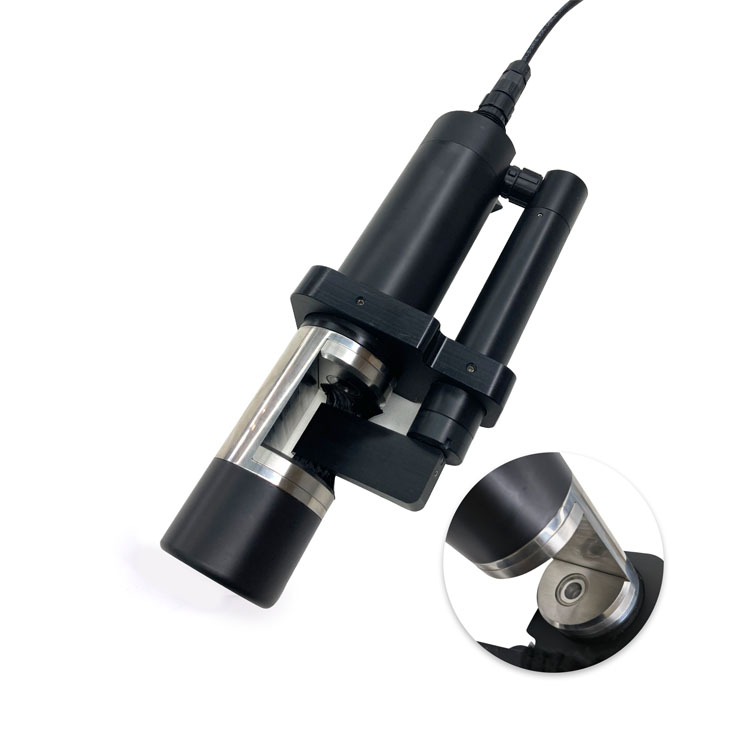
This method is closely integrated with production process characteristics, named by industry, such as metallurgical wastewater, papermaking wastewater, coking gas wastewater, chemical fertilizer wastewater, textile dyeing wastewater, dye wastewater, tanning wastewater, pesticide wastewater, and power plant wastewater.
Its advantage is that it can be directly associated with specific production processes, making it easy for engineering companies to quickly match treatment units with the client's process drawings during the project bidding stage. For example, textile dyeing wastewater often contains high color and difficult-to-degrade dyes, requiring combined oxidation-flocculation processes; while power plant wastewater is mainly composed of suspended solids and low-concentration acids and bases, and physical sedimentation can meet most of the demand.
This classification is widely used in projects, helping system integrators quickly form preliminary solutions.
This classification directly points to the types of pollutants, clearly reflecting the degree of harm and treatment difficulty, and is the most operational method in engineering design. Main types include: acidic wastewater, alkaline wastewater, cyanide-containing wastewater, chromium-containing wastewater, cadmium-containing wastewater, mercury-containing wastewater, phenol-containing wastewater, aldehyde-containing wastewater, oil-containing wastewater, sulfur-containing wastewater, organic phosphorus-containing wastewater, and radioactive wastewater.
Compared with the previous two classifications, this method clearly indicates the main pollutant components and can directly guide the selection of dedicated treatment units. For example, chromium-containing wastewater needs to reduce Cr⁶⁺ to Cr³⁺ first and then remove it by precipitation; cyanide-containing wastewater requires alkaline chlorination or electrolytic oxidation to achieve harmless treatment. In engineering practice, this classification can effectively avoid cross-contamination and improve recovery efficiency.
The three classification methods have different emphases. The first two do not directly reflect pollutant components and hazards, while the third classification provides a clear technical path for subsequent treatment. In actual projects, engineering teams usually combine the three methods to form a comprehensive classification list, ensuring the solution is comprehensive and feasible.
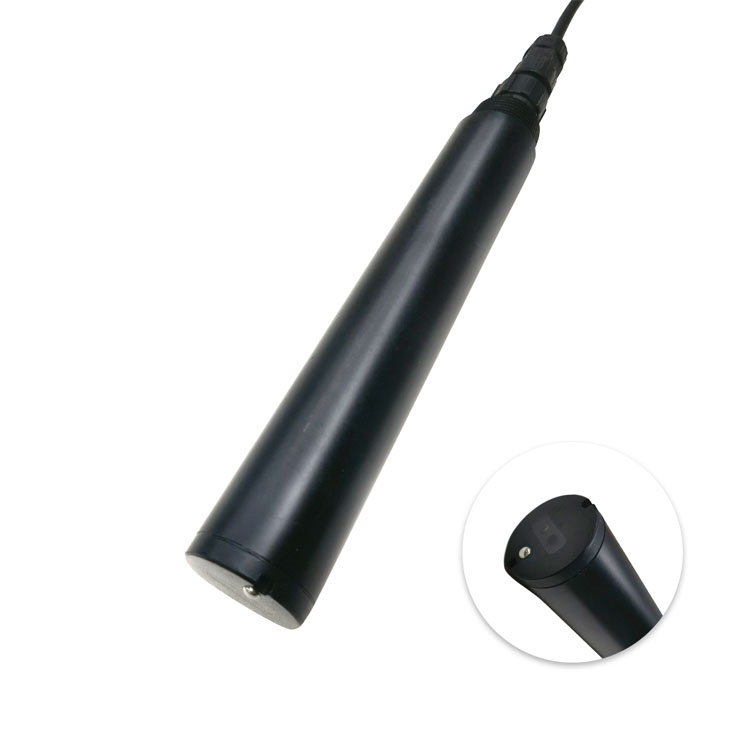
The core of industrial wastewater treatment lies in "source control, classified treatment, resource recovery, and compliant discharge." The following seven principles are the guiding principles commonly followed in engineering practice:
1. Priority Selection of Cleaner Production Processes
Reduce or eliminate the generation of toxic and harmful wastewater at the source by reforming outdated production processes. For example, replacing traditional processes with low-cyanide electroplating processes can reduce cyanide-containing wastewater generation by more than 70%. This principle directly reduces subsequent treatment costs and is the preferred solution for engineering companies to achieve long-term benefits for the owner.
2. Strict Operation Management to Reduce Leaks and Spills
Complete sealing equipment, online monitoring instruments, and operating procedures are required for links that use toxic raw materials or produce toxic intermediates. NiuBoL's IoT monitoring modules can collect flow, pH, and key pollutant concentration data in real time, and access the host system via Modbus TCP or MQTT protocol to achieve remote warning and linkage control.
3. Separate Treatment of Highly Toxic Wastewater
Wastewater containing heavy metals, radioactive substances, high concentrations of phenol, and cyanide must be separated from other wastewater to facilitate dedicated recovery and treatment, while avoiding contamination of conventional treatment units. This principle is a core requirement for project safety design.
4. Recycling of High-Flow, Low-Concentration Wastewater
After proper treatment, recycling and reuse can significantly reduce the load on urban sewage treatment plants while saving water resources. In engineering practice, the online monitoring system provided by NiuBoL ensures stable and compliant quality of recycled water, supporting closed-loop circulation design.
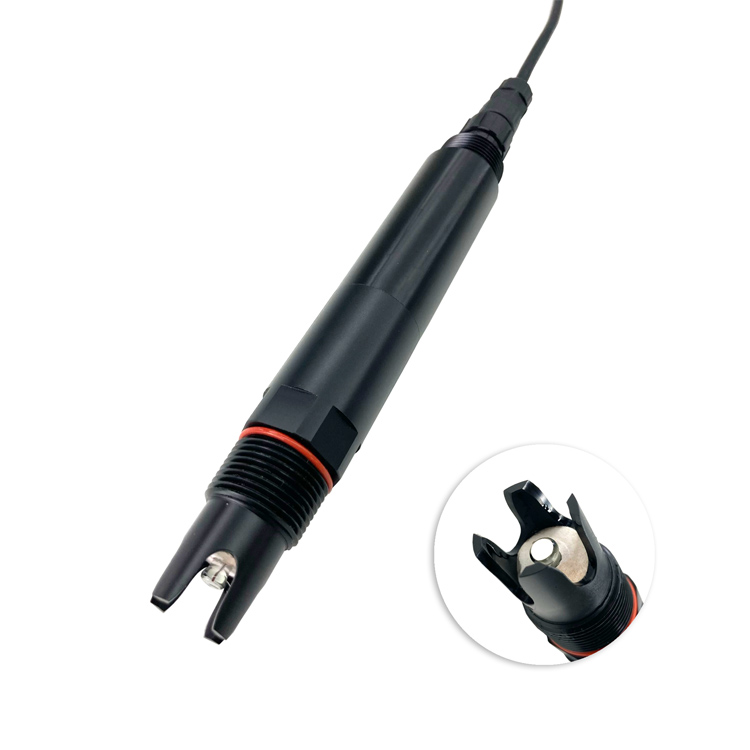
5. Connection of Organic Wastewater Similar to Municipal Sewage to the Municipal System
Organic wastewater with moderate organic loads, such as food processing wastewater, sugar-making wastewater, and papermaking wastewater, can be discharged into the urban sewage pipe network after pretreatment, further reducing project investment.
6. Pretreatment of Biodegradable Toxic Wastewater Before Connection
Phenol and cyanide-containing wastewater need to first pass through dedicated pretreatment units to reduce toxicity, and then be connected to the municipal system for biochemical treatment according to discharge standards. This process maximizes the use of existing municipal facilities.
7. Separate Treatment of Non-Biodegradable Toxic Wastewater
Such wastewater is strictly prohibited from being directly discharged into urban sewers and must be rendered harmless using dedicated processes. The development trend of industrial wastewater treatment is to recover wastewater and pollutants as resources or implement closed-loop circulation to achieve zero-discharge goals.
The above principles are interrelated and together form a complete system of "prevention first, combining prevention and control." In engineering projects, strictly following these principles can effectively control risks, reduce operation and maintenance costs, and reserve space for subsequent expansion.
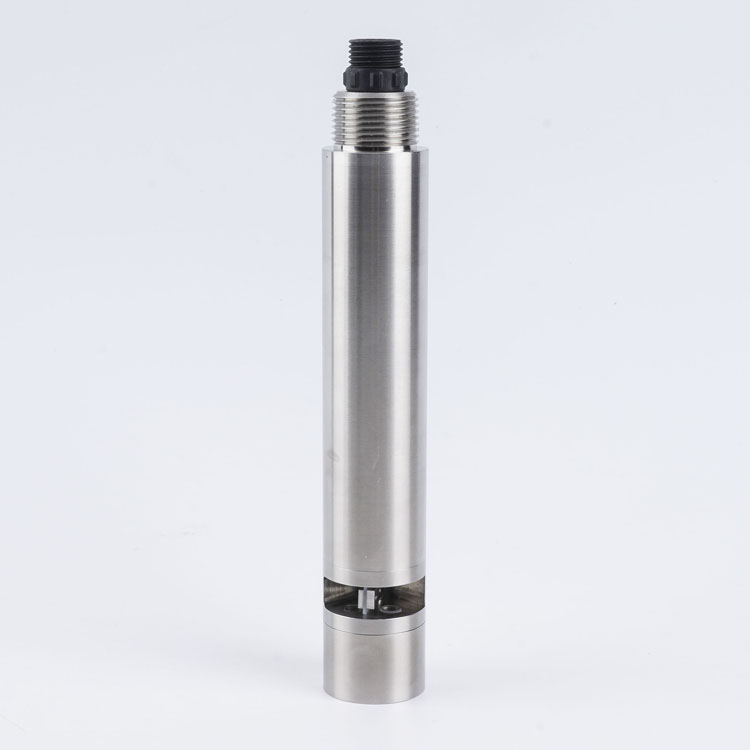
Based on the above classification and principles, current mainstream treatment technologies include physical methods (sedimentation, flotation, filtration), chemical methods (neutralization, redox, flocculation), biological methods (activated sludge, anaerobic-aerobic combination, MBR membrane bioreactor), and advanced oxidation processes (Fenton, ozone catalysis, photocatalysis).
Resource utilization has become an important direction. For example, oil-containing wastewater achieves oil-water recovery through demulsification-flotation-membrane separation, and heavy metal-containing wastewater achieves metal salt recovery through ion exchange or electrolysis. NiuBoL's intelligent control system supports flexible combination of multiple process modules and can automatically switch operation modes based on on-site water quality data to ensure stable treatment effects.
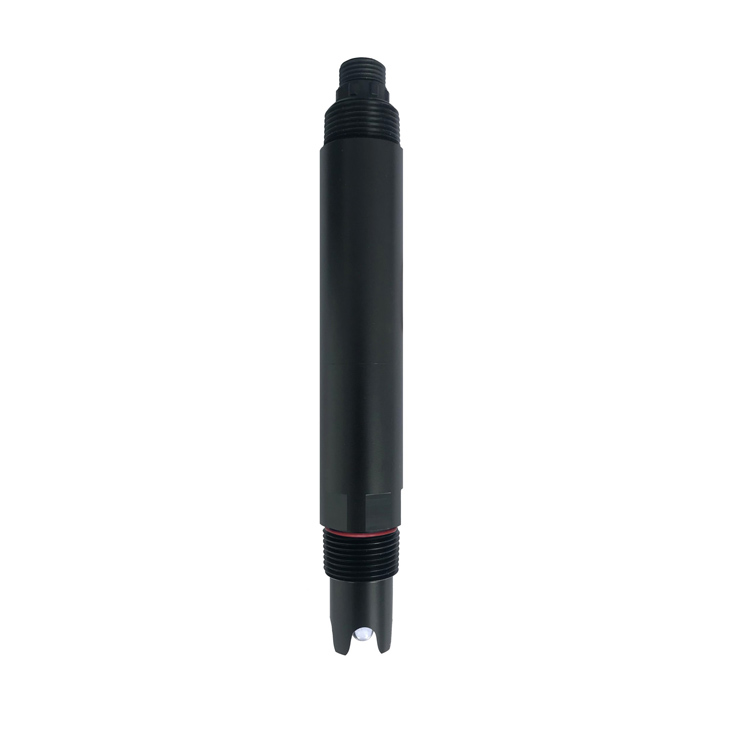
To meet the project needs of system integrators and engineering companies, NiuBoL has developed a series of standardized and customized products. Among them, the WB series industrial wastewater online monitoring and control system enables real-time collection of key parameters and supports remote operation and maintenance and data cloud upload.
The following are the main technical parameters of the multi-parameter wastewater monitor:
| Parameter | Measurement Range | Resolution | Communication Protocol | Operating Temperature |
|---|---|---|---|---|
| pH Value | 0~14 | 0.01 | Modbus TCP / MQTT | 0~60℃ |
| COD | 0~1000 mg/L (expandable) | 1 mg/L | RS485 / 4-20mA | 0~50℃ |
| Heavy Metals (e.g., Cr⁶⁺) | 0~5 mg/L | 0.01 mg/L | OPC UA | 0~45℃ |
| Turbidity | 0~1000 NTU | 0.1 NTU | Ethernet | 0~60℃ |
| Flow | 0~5000 m³/h | 0.1 m³/h | Profibus DP | -10~60℃ |
The system supports seamless integration with PLC, DCS, and SCADA and is suitable for various industrial park wastewater treatment station projects. Engineering companies can select different probe combinations according to actual water quality to achieve classified monitoring and split-stream control.
In the project design phase, it is recommended to prioritize the completion of a comprehensive wastewater quality analysis report and formulate the treatment flow chart in combination with the three classification methods. The construction phase needs to focus on pipeline separation, corrosion-resistant material selection, and instrument calibration. The operation and maintenance phase uses the IoT platform to achieve predictive maintenance and reduce the risk of unplanned downtime. NiuBoL can provide partners with technical training, solution review, and on-site debugging support to ensure the project meets standards on schedule.
Q1: What is the practical role of industrial wastewater classification in the engineering bidding stage?
A1: The classification results directly determine the selection of treatment processes and investment estimates, serving as an important basis for preparing technical solutions and budgets, helping engineering companies respond quickly to bidding requirements.
Q2: What are the main differences in treatment processes between inorganic and organic wastewater?
A2: Inorganic wastewater focuses on chemical precipitation and ion removal, while organic wastewater prioritizes biological degradation or advanced oxidation. The two types of wastewater usually need to be treated separately to avoid mutual interference.
Q3: What is the core difficulty in treating heavy metal-containing wastewater?
A3: Heavy metal ions have complex forms and persistent toxicity. They need to be transformed first through reduction or complexation, then removed by precipitation or adsorption, while achieving metal resource recovery.
Q4: Can industrial wastewater be directly connected to a municipal wastewater treatment plant?
A4: It depends on the water quality. Low-toxicity organic wastewater similar to municipal sewage can be connected after pretreatment; highly toxic or difficult-to-degrade wastewater must be treated separately to meet standards before discharge.
Q5: What are the specific applications of IoT technology in industrial wastewater treatment?
A5: It enables online monitoring of parameters such as flow, pH, and COD, automatic control of dosing amounts and aeration intensity, supports remote operation and maintenance and data traceability, and enhances the intelligence level of the system.
Q6: How to judge whether a wastewater treatment system has achieved resource utilization?
A6: Main indicators include water reuse rate, pollutant recovery rate, and energy consumption level. The goal is to convert wastewater into production water or salable by-products, achieving an economic closed loop.
Q7: What are the special requirements for radioactive wastewater treatment?
A7: Dedicated processes such as concentration, ion exchange, or evaporation crystallization are required, and radiation protection regulations must be strictly followed. The treated residue must be disposed of as hazardous waste.
Q8: How does the NiuBoL solution help project contractors reduce operation and maintenance costs?
A8: Through modular design and remote diagnostic functions, on-site inspection frequency is reduced, while optimizing chemical dosing and energy consumption, achieving life-cycle cost control.
The basic principles of industrial wastewater classification and treatment are the foundation for successful engineering projects. Through scientific classification, strict adherence to treatment principles, and the use of IoT monitoring and control technology, pollutant reduction, resource recovery, and compliant discharge can be effectively achieved. NiuBoL continues to provide reliable technical products and engineering support for system integrators, IoT solution suppliers, project contractors, and engineering companies, helping more industrial parks and enterprise projects to be implemented efficiently.
If you need solution design based on specific water quality data or technical parameter consultation, please feel free to contact the NiuBoL technical team. We will provide professional and pragmatic engineering solutions.
 NBL-NHN-302 Online Ammonia Nitrogen Sensor.pdf
NBL-RDO-206 Online Fluorescence Dissolved Oxygen Sensor.pdf
NBL-COD-208 Online COD Water Quality Sensor.pdf
NBL-CL-206 Water Quality Sensor Online Residual Chlorine Sensor.pdf
Related recommendations
Sensors & Weather Stations Catalog
Agriculture Sensors and Weather Stations Catalog-NiuBoL.pdf
Weather Stations Catalog-NiuBoL.pdf
Agriculture Sensors Catalog-NiuBoL.pdf
Water Quality Sensor Catalog-NiuBoL.pdf
Related products
 Combined air temperature and relative humidity sensor
 Soil Moisture Temperature sensor for irrigation|NBL-S-THR
 Soil pH sensor RS485 soil Testing instrument soil ph meter for agriculture |NBL-S-PH
 Wind Speed sensor Output Modbus/RS485/Analog/0-5V/4-20mA
 Tipping bucket rain gauge for weather monitoring auto rainfall sensor RS485/Outdoor/stainless steel
 Pyranometer Solar Radiation Sensor 4-20mA/RS485

Screenshot, WhatsApp to identify the QR code
WhatsApp number:+8615367865107
(Click on WhatsApp to copy and add friends)

