





— Blogs —
—Products—
 Consumer hotline +8618073152920
 WhatsApp:+8615367865107
Address:Room 102, District D, Houhu Industrial Park, Yuelu District, Changsha City, Hunan Province, China
Product knowledge
Time:2026-04-22 16:21:33 Popularity:367
In modern environmental engineering and smart industrial systems, online water quality monitoring is no longer an optional auxiliary tool but a rigid requirement strictly regulated by laws. For system integrators, IoT solution providers, and environmental engineering companies, a deep understanding of "which locations must be equipped" and "what standard equipment to install" is core to ensuring project compliance and technological leadership.
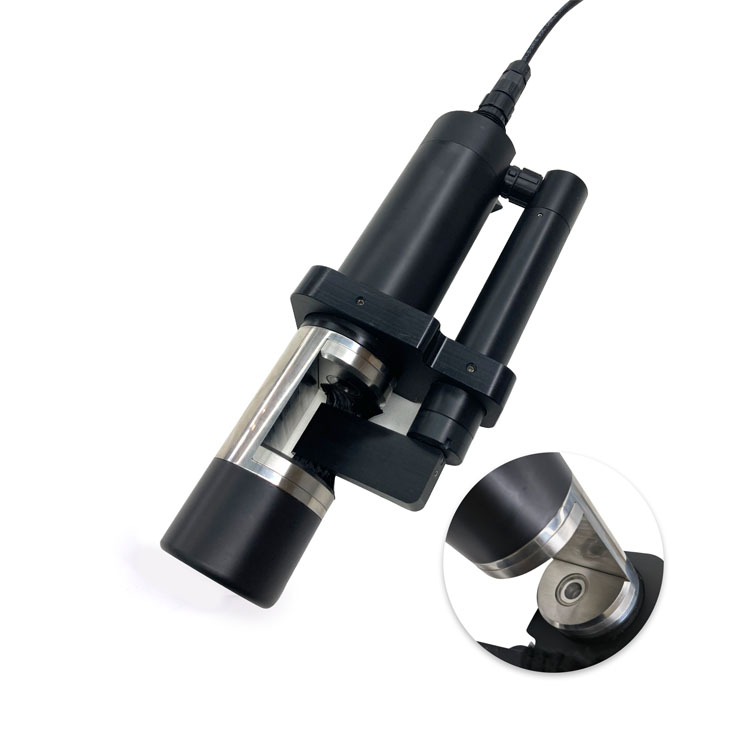
According to the strict regulations of environmental protection administrative departments, the deployment of water quality online monitoring equipment has clear legal red lines. The following locations must complete the closed-loop construction of an automated monitoring system according to the regulations:
Enterprises listed in the "Key Pollutant Discharging Units Directory" by municipal (prefectural) level or higher environmental protection departments are the core of supervision.
Mandatory Installation Items: Must be equipped with Total Organic Carbon (TOC), Chemical Oxygen Demand (COD), and pH online monitors.
Supporting Facilities: Sewage flow meters, pollution control facility operation recorders.
Application Scenarios: Chemical plants, paper mills, printing and dyeing factories, and large electroplating industrial parks.
Discharge outlets located around environmentally sensitive areas such as nature reserves, drinking water source protection zones, and prime farmland protection zones.
Core Logic: Even if the discharge volume does not meet large-scale standards, due to the sensitivity of the geographical location, 24-hour data upload must be implemented to ensure zero-accident discharge.
For non-key monitored units that have a certain discharge scale, the law also sets quantitative thresholds:
Water Volume Threshold: Units discharging over 100 tons of wastewater per day.
Load Threshold: Units discharging over 30 kilograms of Chemical Oxygen Demand (COD) per day.
Installation Requirements: Should at least install sewage flow meters and pollution control facility operation recorders to ensure the authenticity and traceability of discharge data.
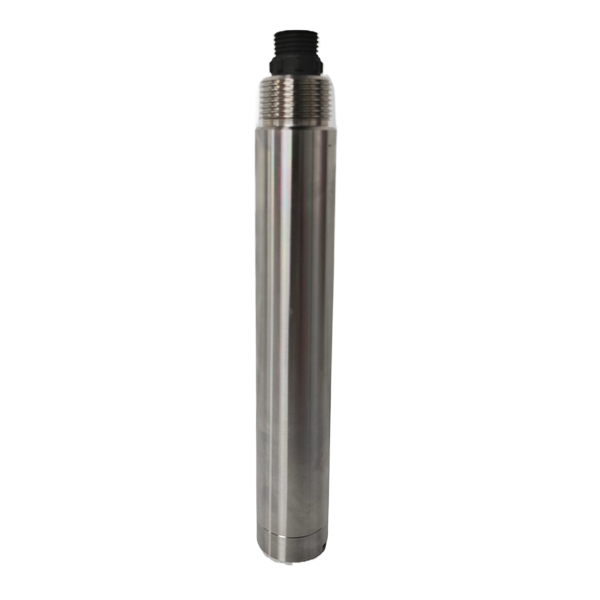
A highly reliable online monitoring system is the crystallization of precision sensor technology and automation control technology. NiuBoL is committed to providing integrators with modular, easy-to-integrate underlying hardware, supporting the construction of the following closed-loop system:
This is the cornerstone of system operation. Due to the complex composition of industrial wastewater containing large amounts of suspended solids, oils, or chemical precipitates, the pretreatment system needs to complete impurity removal, temperature stabilization, and pressure stabilization to protect expensive analytical instruments from physical damage.
The perception layer is the source of data. NiuBoL provides a full range of sensors covering physical, chemical, and biological dimensions, supporting the standard Modbus RTU communication protocol, making it easy to integrate into various PLC or RTU systems.
The system transmits data in real-time to a remote management center via industrial gateways, ensuring that environmental protection departments or enterprise control rooms can respond immediately to abnormal fluctuations.
In modern smart water projects, monitoring only COD or pH is no longer sufficient to address complex biochemical safety challenges. Biotoxicity monitoring is becoming a key indicator for assessing the degree of damage industrial wastewater causes to ecosystems.
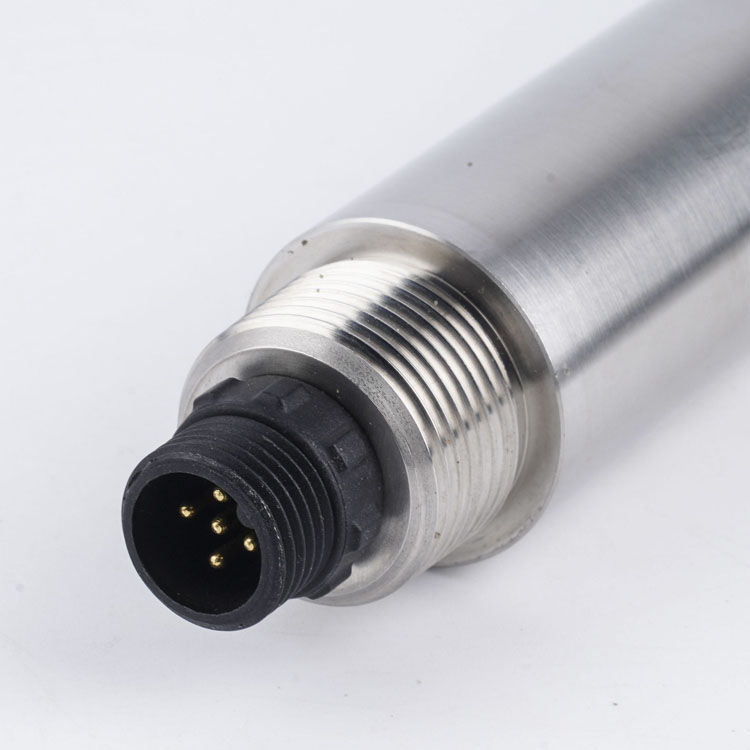
In engineering solution design, the following three biotoxicity effects need to be considered:
1. Acute and Chronic Toxicity:
Acute Toxicity: Rapid poisoning reaction of organisms after short-term exposure to high concentrations of pollutants.
Chronic Toxicity: Delayed effects caused by long-term accumulation of low-concentration pollutants, posing a stronger hidden threat to ecosystems.
2. Genetic Mutation Characteristics: Refers to pollutants in wastewater causing pathological changes in the genetic genes or chromosomes of organisms, resulting in irreversible genetic loss.
Endocrine Disruption Characteristics: Chemical components interfere with the endocrine system of organisms, leading to abnormal secretion affecting growth, development, and reproductive functions.
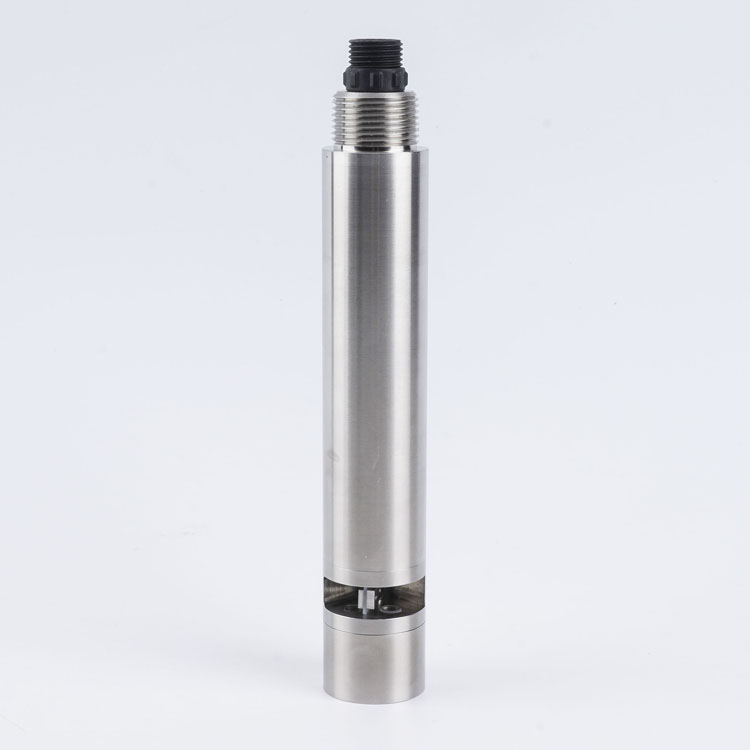
To facilitate equipment selection by engineering units, the following table lists the technical specifications of commonly used NiuBoL industrial water quality monitoring modules:
| Monitoring Parameter | Measurement Principle | Measurement Range | Resolution | Output Signal |
|---|---|---|---|---|
| COD (Chemical Oxygen Demand) | UV Spectrophotometry | 0 - 1000 mg/L | 0.1 mg/L | RS485 (Modbus RTU) |
| TOC (Total Organic Carbon) | UV Persulfate Oxidation-NDIR | 0 - 500 mg/L | 0.01 mg/L | 4-20mA / RS485 |
| pH Value | Combination Electrode Method | 0 - 14 pH | 0.01 pH | RS485 (Modbus RTU) |
| Ammonia Nitrogen (NH3-N) | Ion Selective Electrode | 0 - 100 mg/L | 0.01 mg/L | RS485 |
| Suspended Solids (SS) | 90° Scattered Light / Infrared Absorption | 0 - 1000 mg/L | 1 mg/L | RS485 |
| Ultrasonic Flow Meter | Time Difference / Doppler Method | 0 - 10 m/s | 0.001 m/s | RS485 / Pulse |
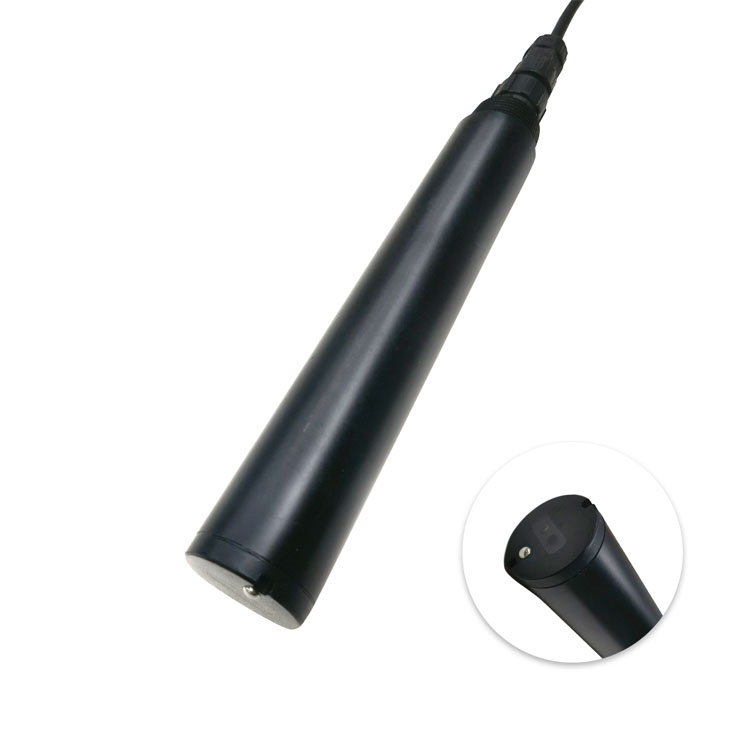
NiuBoL deeply understands procurement pain points. Our equipment is designed from the ground up around "integration-friendliness":
Standardized Protocols: Full product line supports Modbus protocol for seamless integration with major brand PLCs and edge computing gateways.
Low-Maintenance Design: Built-in automatic cleaning brush function (some models) reduces on-site manual maintenance frequency and lowers project operational costs.
Anti-Interference Capability: Uses industrial-grade isolation circuits, suitable for strong electromagnetic interference environments like electroplating and papermaking.
Rapid Delivery: To address tight engineering bidding cycles, we maintain stock of core sensors.
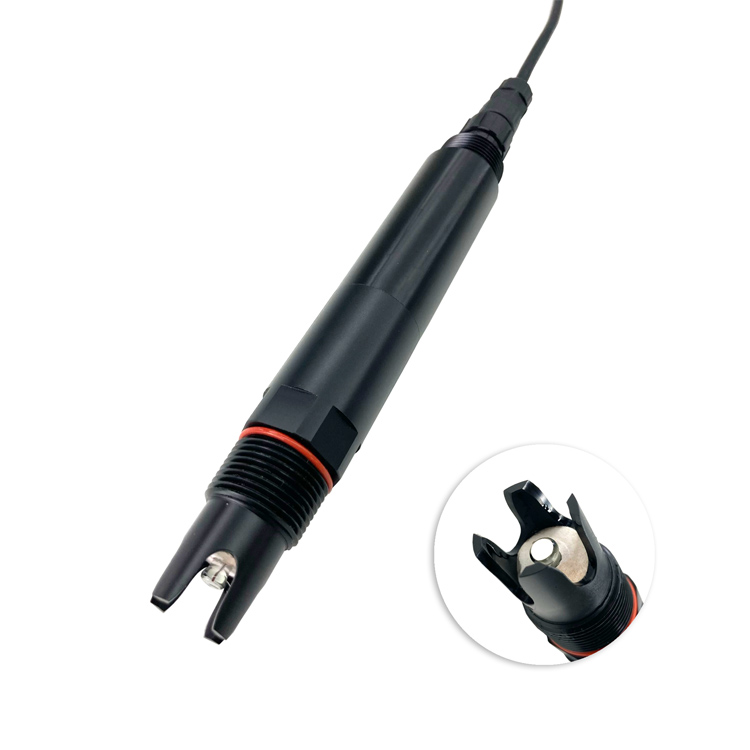
Q1: Must the installation of water quality online monitoring equipment undergo environmental protection acceptance?
A1: Yes, all units within the key monitoring scope must undergo acceptance monitoring by qualified units after installation and complete networking with the environmental protection bureau's platform.
Q2: If a company's daily discharge is exactly 100 tons, can it avoid installation?
A2: Installation is recommended. The law states "daily wastewater discharge exceeding 100 tons." However, in practical engineering, to prevent legal risks from peak overflows, system integrators typically recommend configuring online monitoring.
Q3: Do NiuBoL sensors support third-party DTU access?
A3: Yes. NiuBoL sensors use the standard Modbus communication protocol and are compatible with over 99% of industrial gateways on the market.
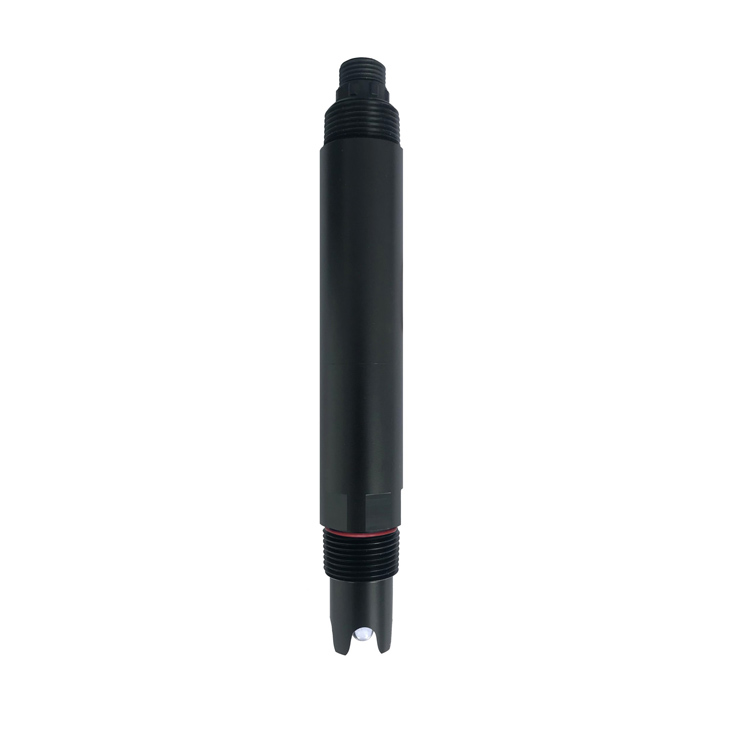
Q4: What is the maintenance cycle for a biotoxicity monitor?
A4: This depends on the specific detection method (e.g., luminescent bacteria method). Typically, it is recommended to perform bacterial strain replenishment or calibration every 15-30 days.
Q5: Can COD and TOC online analyzers be used interchangeably?
A5: No. Although both reflect organic pollution, their chemical significance and measurement principles are different. Environmental protection directives usually specify the monitoring item clearly.
Q6: What is the maximum transmission distance for RS485 communication?
A6: The standard transmission distance is approximately 1200 meters without a repeater. It is recommended to use shielded twisted pair cables in complex industrial sites.
Q7: How are sensors protected against highly corrosive wastewater?
A7: NiuBoL provides PTFE (Polytetrafluoroethylene) or titanium alloy housing customization to handle strong acid, strong alkali, or high-salt environments.
Q8: How to obtain the complete integration solution manual for NiuBoL products?
A8: Please contact our technical engineers. We will provide detailed wiring diagrams, register address tables, and installation drawings to fully support your project bidding.
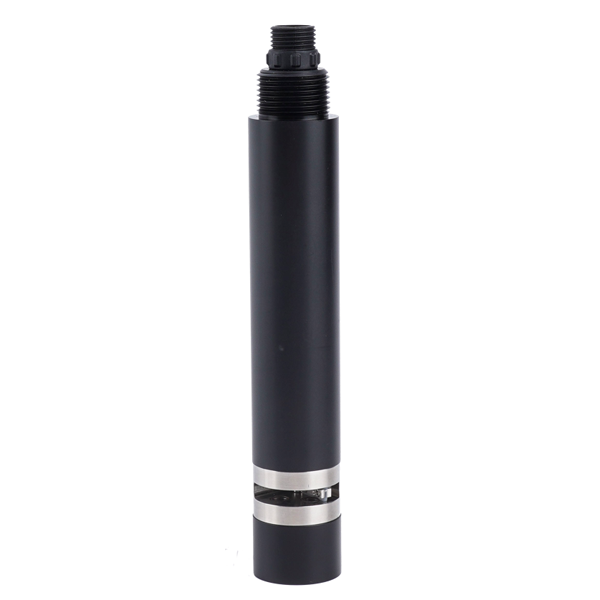
Water quality online monitoring is the "eyes" of environmental protection and the baseline for compliant operation of industrial enterprises. For system integrators committed to deepening their presence in the IoT environmental field, choosing hardware with high stability and high integration is the guarantee for successful project delivery.
NiuBoL always stands from the manufacturer's perspective, providing global partners with comprehensive technical support from flow monitoring to biotoxicity early warning. Facing increasingly strict environmental supervision, our solution lies not only in providing data but also in providing reliability and certainty.
 NBL-NHN-302 Online Ammonia Nitrogen Sensor.pdf
NBL-RDO-206 Online Fluorescence Dissolved Oxygen Sensor.pdf
NBL-COD-208 Online COD Water Quality Sensor.pdf
NBL-CL-206 Water Quality Sensor Online Residual Chlorine Sensor.pdf
Related recommendations
Sensors & Weather Stations Catalog
Agriculture Sensors and Weather Stations Catalog-NiuBoL.pdf
Weather Stations Catalog-NiuBoL.pdf
Agriculture Sensors Catalog-NiuBoL.pdf
Water Quality Sensor Catalog-NiuBoL.pdf
Related products
 Combined air temperature and relative humidity sensor
 Soil Moisture Temperature sensor for irrigation|NBL-S-THR
 Soil pH sensor RS485 soil Testing instrument soil ph meter for agriculture |NBL-S-PH
 Wind Speed sensor Output Modbus/RS485/Analog/0-5V/4-20mA
 Tipping bucket rain gauge for weather monitoring auto rainfall sensor RS485/Outdoor/stainless steel
 Pyranometer Solar Radiation Sensor 4-20mA/RS485

Screenshot, WhatsApp to identify the QR code
WhatsApp number:+8615367865107
(Click on WhatsApp to copy and add friends)

