





— Blogs —
—Products—
 Consumer hotline +8618073152920
 WhatsApp:+8615367865107
Address:Room 102, District D, Houhu Industrial Park, Yuelu District, Changsha City, Hunan Province, China
Product knowledge
Time:2026-04-22 16:20:28 Popularity:441
In modern industrial production, fluoride is widely used, but the environmental pressure and health risks it brings cannot be ignored. For system integrators, environmental engineering contractors, and IoT solution providers, building a closed-loop system of “treatment + monitoring” for high-fluoride industries such as electroplating, glass manufacturing, and metal processing is not only a compliance requirement but also a key factor in enhancing project delivery value.
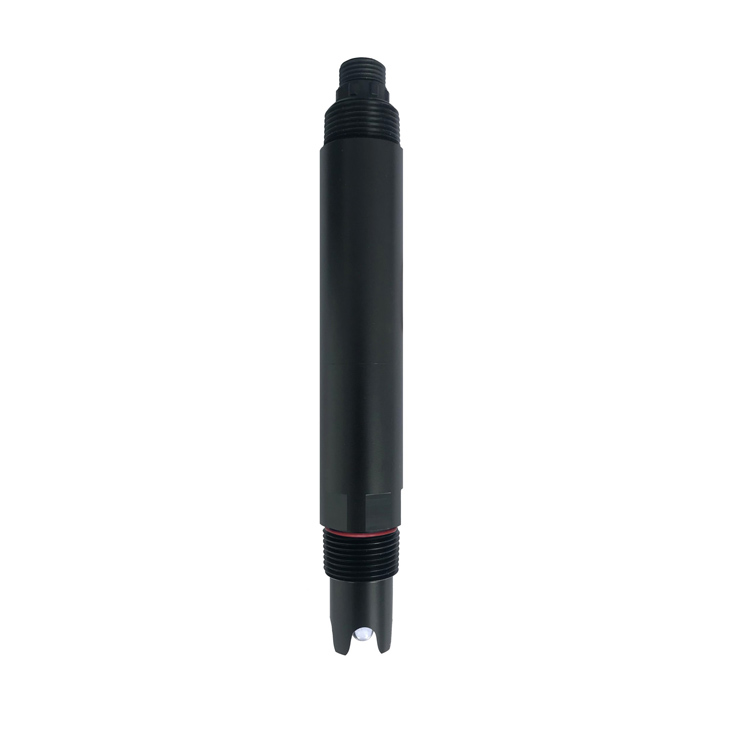
Fluoride refers to inorganic or organic compounds containing negatively charged fluorine. In water treatment engineering, the primary concern is fluoride ions dissolved in water. While trace amounts of fluoride can be beneficial to humans, excessive concentrations can accumulate through the food chain and cause severe physiological damage.
1. Human Health Risks
Bone accumulation: Fluoride has a strong affinity for bones. Long-term intake can lead to bone pain, fractures, and even increased cancer risk.
Developmental toxicity: For infants, excessive fluoride can cause dental fluorosis or enamel discoloration. A Harvard University meta-analysis shows a significant correlation between increased fluoride concentration in drinking water and reduced IQ.
Acute toxicity: High concentrations of fluoride can cause vomiting, organ damage, and even death.
2. Industrial Discharge Risks
Fluoride is a typical persistent pollutant. If discharged directly into natural water bodies without treatment, it can poison aquatic life and damage soil structure, affecting agricultural irrigation safety.
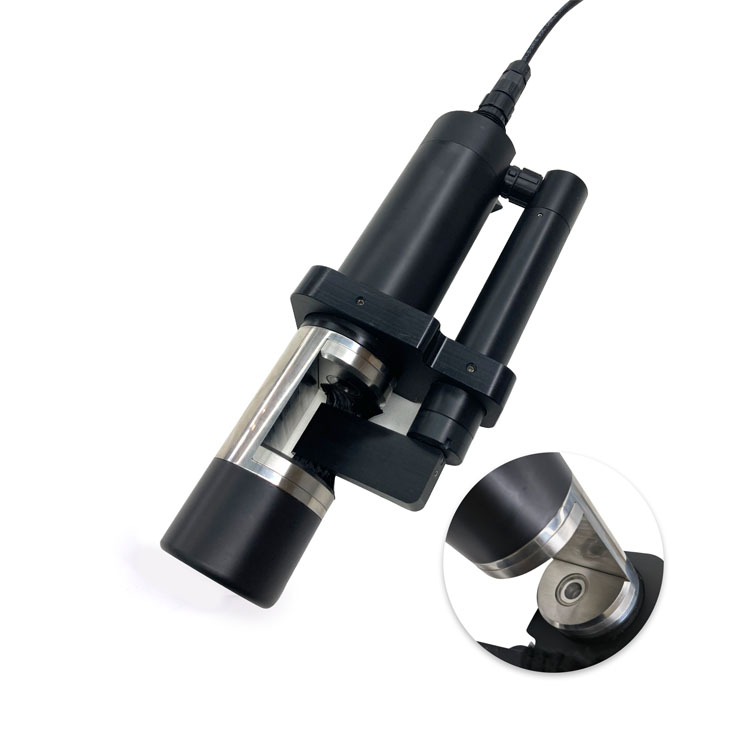
Understanding pollution sources is the first step in developing treatment solutions. Fluoride-containing products inevitably generate fluoride wastewater during production. The following industries are key areas for water quality monitoring and treatment:
Electroplating and metal processing: Use of hydrofluoric acid for surface cleaning or chemical polishing.
Glass and silicate industry: Emissions from glass etching and ceramic production additives.
Wood preservation: Loss of fluoride salts used as preservatives.
Semiconductor and electronics manufacturing: High-concentration fluoride wastewater from chip cleaning processes.
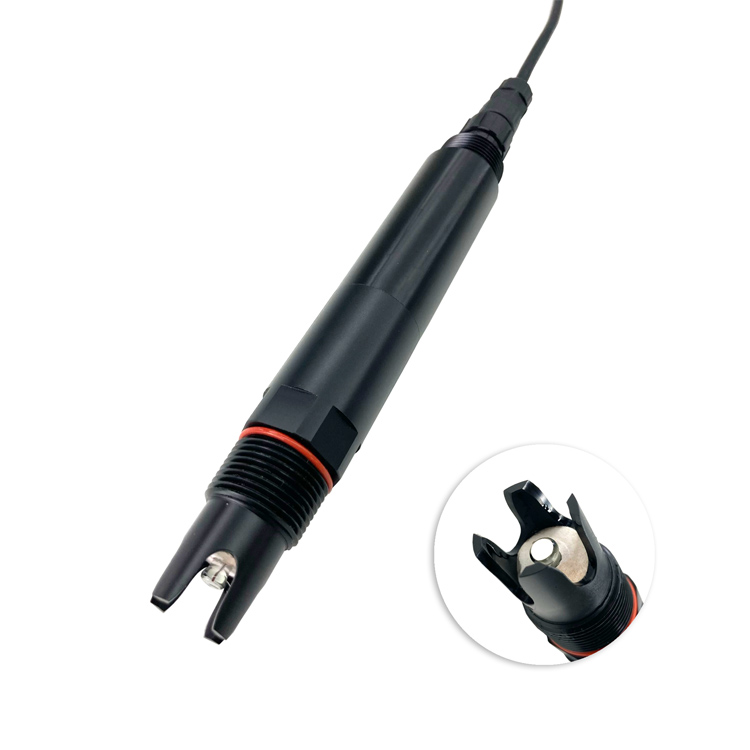
In practical engineering applications, system integrators usually select or combine the following two mainstream processes based on initial wastewater concentration, treatment capacity, and cost budget:
1. Chemical Precipitation (Suitable for High Concentration Wastewater)
When the initial fluoride concentration is high (typically >100 mg/L), precipitation is preferred. Chemical agents are added to convert fluoride ions into insoluble precipitates.
Common agents: Lime (milk of lime), dolomite, calcium chloride.
Reaction principle: Ca2+ + 2F− → CaF2↓
Limitations: Calcium salt precipitation alone often cannot achieve very low discharge standards (e.g., <1 mg/L), so it is usually used as primary pretreatment.
2. Physical Adsorption (Suitable for Low Concentration or Advanced Treatment)
When wastewater concentration is low (<20 mg/L) or as a secondary treatment after precipitation, adsorption is used.
Common adsorbents: Activated alumina, bone char, synthetic resins.
Core advantages: Thorough treatment and high-quality effluent.
Integration suggestion: In IoT systems, real-time monitoring of inlet and outlet concentration differences in adsorption tanks is required to determine adsorbent saturation and trigger automatic regeneration.
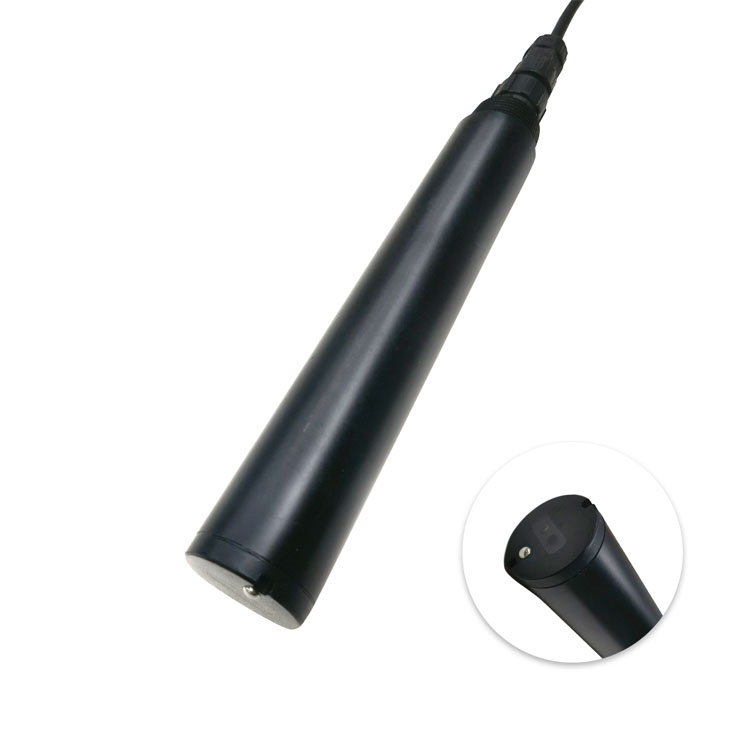
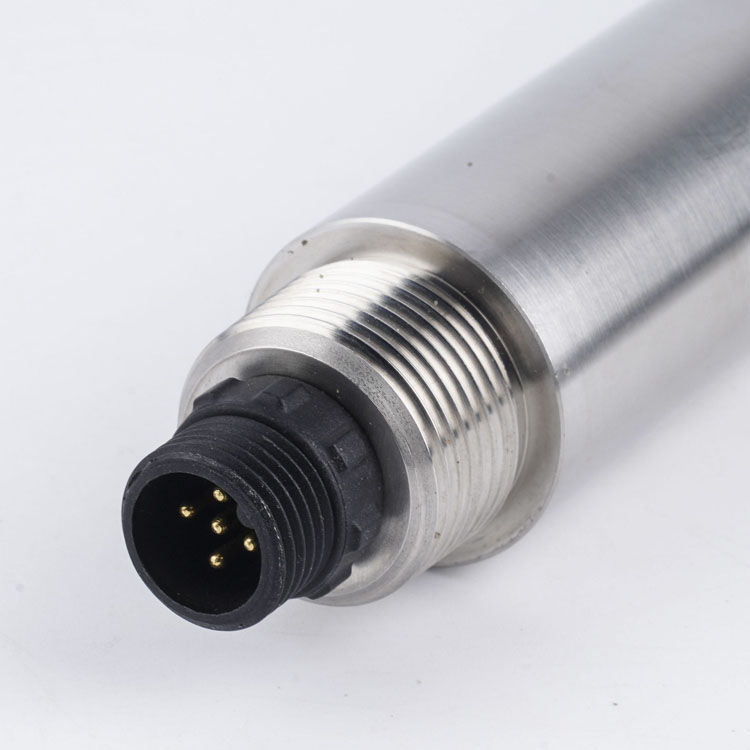
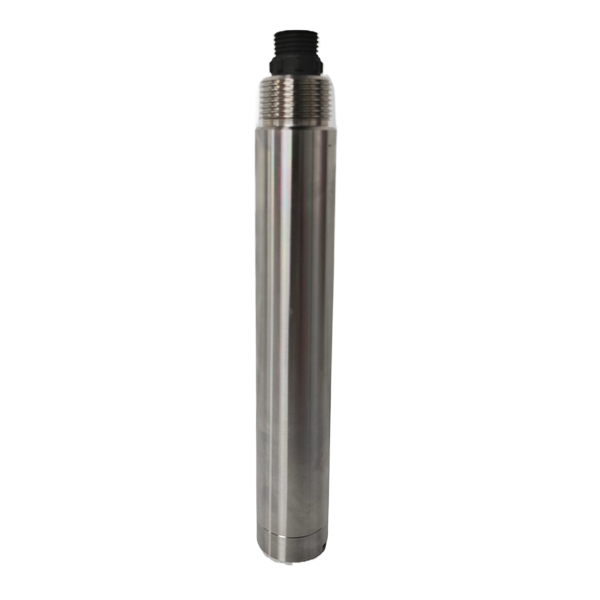
Regardless of the treatment process used, real-time monitoring is the only way to ensure compliant discharge. NiuBoL provides high-reliability fluoride ion online analyzers and related water quality sensors to support system integration.
| Parameter | Specification |
|---|---|
| Measurement Principle | Ion Selective Electrode (ISE) |
| Measurement Range | 0.1 - 1000 mg/L (customizable) |
| Resolution | 0.01 mg/L |
| Accuracy | ±5% F.S. |
| Response Time (T90) | < 60 seconds |
| Communication Interface | RS485 |
| Protocol | Standard Modbus RTU |
| Power Supply | DC 12-24V |
| Operating Temperature | 0 - 50°C |
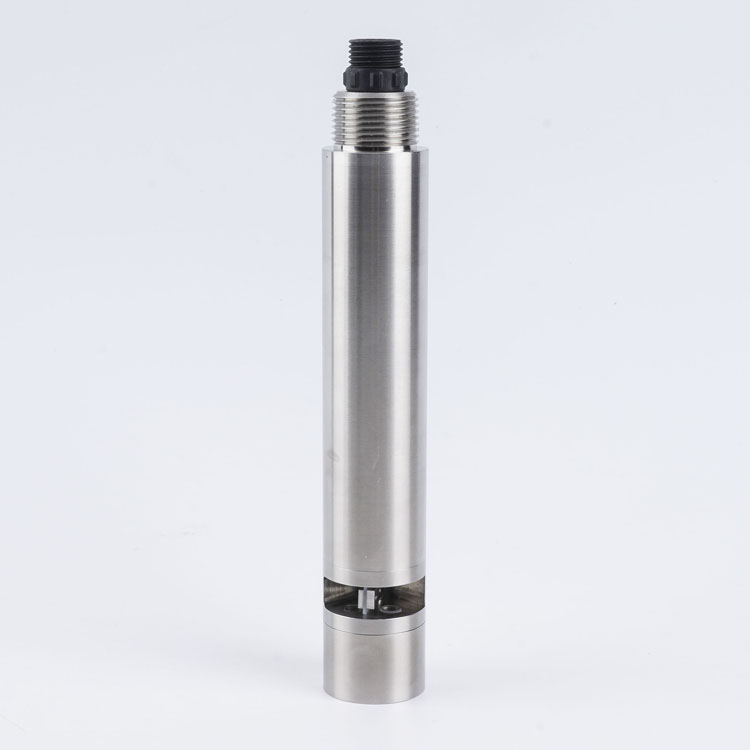
1. Modbus RTU compatibility: Seamless integration with PLC, SCADA systems, or IoT gateways without complex protocol conversion.
2. Automatic compensation: Built-in temperature compensation ensures accurate measurements under fluctuating industrial temperatures.
3. Corrosion-resistant design: Special housing materials extend service life in highly corrosive fluoride wastewater environments.
Q1: What are the typical discharge standards for fluoride in industrial wastewater?
China’s “Integrated Wastewater Discharge Standard” (GB 8978-1996) generally requires fluoride ≤ 10 mg/L for primary standards, while certain sensitive regions may require below 1 mg/L.
Q2: Why is online monitoring needed after precipitation treatment?
Precipitation is highly affected by pH, chemical dosage, and reaction time, causing fluctuations. Online monitoring provides real-time feedback and enables automatic recirculation if limits are exceeded.
Q3: Does the fluoride ion electrode require frequent maintenance?
Typically, monthly calibration is recommended. NiuBoL sensors are optimized for longer membrane life and reduced maintenance frequency.
Q4: Do interfering ions (e.g., chloride, sulfate) affect accuracy?
NiuBoL sensors use high-selectivity membranes with strong anti-interference capability. In extremely high salinity, pretreatment is recommended.
Q5: How should sludge from fluoride removal be handled?
CaF2 sludge is generally classified as industrial solid waste, but certain industries may require hazardous waste handling by certified companies.
Q6: What is the maximum transmission distance of the sensor?
Using RS485 communication, transmission distance can reach up to 1200 meters with shielded twisted pair cables.
Q7: How to determine adsorbent saturation in adsorption systems?
By comparing real-time inlet and outlet data. When outlet concentration approaches the threshold, regeneration should be triggered.
Q8: Does low temperature affect fluoride removal efficiency?
Yes. Low temperature slows reaction and settling. Real-time monitoring is critical for adjusting parameters during winter operation.
Fluoride pollution control is a systematic project, from hazard identification to process selection and final compliance monitoring. For system integrators, combining efficient treatment processes with high-precision online monitoring from NiuBoL is the optimal path to building competitive environmental solutions.
We not only provide sensors but also aim to be your technical partner in industrial water quality monitoring projects. Ensuring every drop of discharged water meets standards is the shared vision of NiuBoL and all engineering partners.
 NBL-NHN-302 Online Ammonia Nitrogen Sensor.pdf
NBL-RDO-206 Online Fluorescence Dissolved Oxygen Sensor.pdf
NBL-COD-208 Online COD Water Quality Sensor.pdf
NBL-CL-206 Water Quality Sensor Online Residual Chlorine Sensor.pdf
Prev:Industrial Online pH Sensor: A System Integrator's Guide to Selection, Integration, and Maintenance
Related recommendations
Sensors & Weather Stations Catalog
Agriculture Sensors and Weather Stations Catalog-NiuBoL.pdf
Weather Stations Catalog-NiuBoL.pdf
Agriculture Sensors Catalog-NiuBoL.pdf
Water Quality Sensor Catalog-NiuBoL.pdf
Related products
 Combined air temperature and relative humidity sensor
 Soil Moisture Temperature sensor for irrigation|NBL-S-THR
 Soil pH sensor RS485 soil Testing instrument soil ph meter for agriculture |NBL-S-PH
 Wind Speed sensor Output Modbus/RS485/Analog/0-5V/4-20mA
 Tipping bucket rain gauge for weather monitoring auto rainfall sensor RS485/Outdoor/stainless steel
 Pyranometer Solar Radiation Sensor 4-20mA/RS485

Screenshot, WhatsApp to identify the QR code
WhatsApp number:+8615367865107
(Click on WhatsApp to copy and add friends)

