





— Blogs —
—Products—
 Consumer hotline +8618073152920
 WhatsApp:+8615367865107
Address:Room 102, District D, Houhu Industrial Park, Yuelu District, Changsha City, Hunan Province, China
Product knowledge
Time:2026-04-22 16:12:52 Popularity:438
In the fields of industrial process control and environmental monitoring, pH value is a critical process parameter. From precise control of chemical reactions and compliant discharge of wastewater treatment to ultrapure water preparation in semiconductors, the reliability and accuracy of industrial online pH meters are directly related to production efficiency, product quality, and regulatory compliance. However, many integration projects encounter issues such as measurement drift, signal interference, and short electrode lifespan after acceptance, often stemming from a one-sided understanding of "reliability"—focusing only on initial accuracy while neglecting the system-level support required for long-term stable operation.
For system integrators, engineering contractors, and automation solution providers, choosing a "reliable" online pH meter means it must be comprehensively evaluated from four dimensions: the instrument's own performance, on-site environmental adaptability, system integration compatibility, and total lifecycle maintenance costs. This article will delve into these key points and provide practical guidance based on NiuBoL industrial online pH meter products.
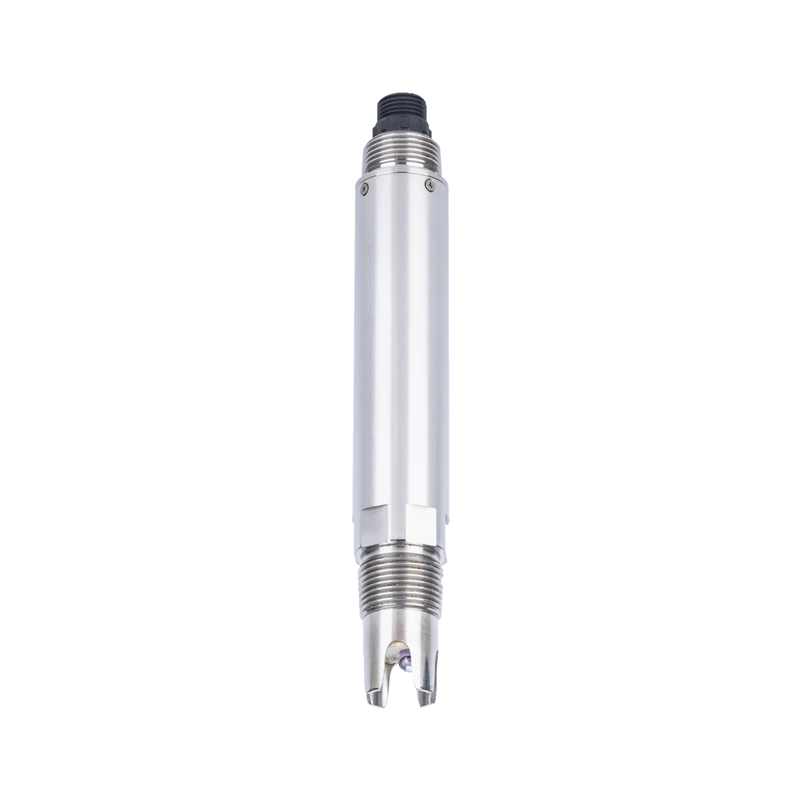
True industrial-grade reliability is reflected in the instrument's "resilience" in coping with complex field environments.
Industrial sites are filled with electromagnetic interference (EMI) from variable frequency drives, high-power motors, wireless devices, and common-mode interference caused by differences in ground potentials. These are common culprits for pH signal (high-impedance weak voltage signal) fluctuations and erratic readings.
• NiuBoL Solution Practice: The NiuBoL PHG series adopts three-port isolation technology (input, output, power) and a dual high-impedance differential amplification circuit. This design effectively suppresses common-mode interference up to several thousand volts, ensuring that pH signal acquisition and conversion remain pure and stable even in strong electromagnetic environments. Integrated lightning surge protection circuits provide additional security for instrument applications outdoors or in areas prone to thunderstorms.
The electrode is the "heart" of pH measurement, and its failure is the primary cause of instrument downtime. In traditional electrodes, reference electrolyte that leaks out too quickly can cause contamination, while leaking too slowly can cause clogging, leading to slow response, significant drift, and short lifespan.
• NiuBoL Solution Practice: Its patented electrode employs constant-pressure microporous dialysis technology. The internal reference electrolyte continuously and slowly seeps out under constant low pressure (approximately 100 kPa), a process that can be sustained for over 20 months. This design ensures an unobstructed salt bridge, significantly reducing the risk of reference electrode scaling, poisoning, and KCl back-diffusion. It performs particularly robustly in complex water samples containing proteins, sulfides, or heavy metal ions, notably extending the electrode's Mean Time Between Failures (MTBF).
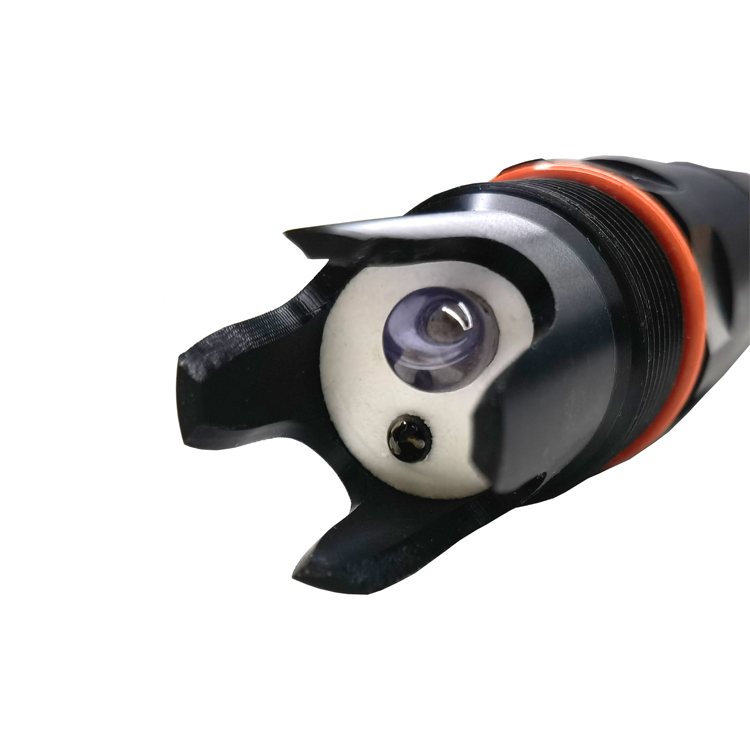
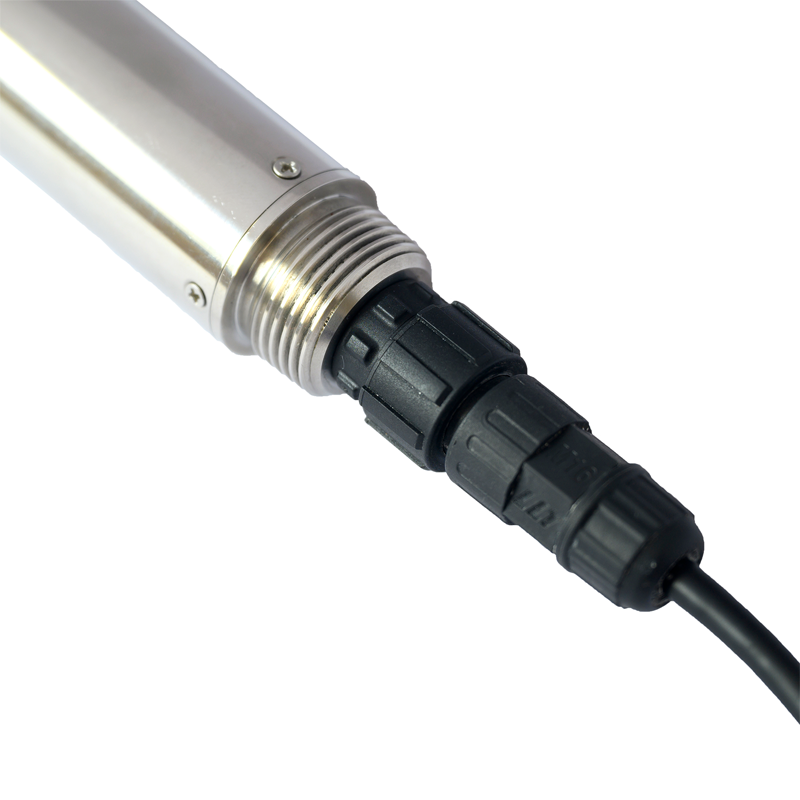
Modern industrial projects require instruments to easily integrate into PLC, DCS, SCADA, or IoT platforms, minimizing the need for additional signal converters and programming costs.
• NiuBoL Solution Practice: Offers dual output options: 4-20mA analog output and RS-485 digital communication (standard Modbus RTU protocol). The 4-20mA output supports user-defined ranges and can directly drive or connect to controllers. The RS-485 interface supports multi-point networking, allowing remote reading of pH value, temperature value, and instrument status, and supports remote calibration commands, greatly facilitating system integration and centralized monitoring.
Factors like installation environment pressure, corrosion, and fouling directly affect instrument lifespan.
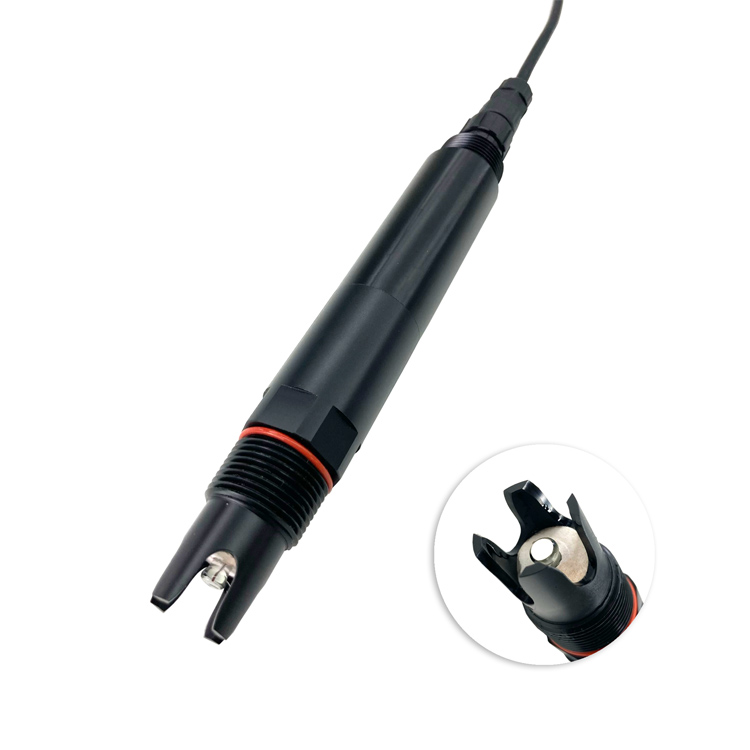
• NiuBoL Solution Practice: The sensor offers multiple wetted material options including ABS/PC alloy, POM, and 316L stainless steel to suit different corrosive conditions. The standard IP68 protection rating ensures reliability for long-term immersion. The standard 3/4" NPT pipe thread is compatible with mainstream immersion mounting brackets, facilitating deployment in pipelines, tanks, or open water.
• Challenge: Inlet pH fluctuates violently, requiring automatic acid/alkali dosing for neutralization. High control accuracy is needed. The environment is humid and corrosive.
• Integration Solution: Install the NiuBoL pH sensor at the outlet of the neutralization reaction tank. The 4-20mA signal is directly connected to a PID controller or a variable frequency drive (VFD) with PID function to control the dosing pump's on/off status or frequency. The RS-485 interface uploads data to the central control room for remote monitoring and alarm. The electrode's strong anti-fouling capability reduces maintenance frequency caused by coating or poisoning.
• Value: Achieves precise automatic control, saves chemicals, ensures stable and compliant effluent discharge, and reduces manual intervention and maintenance costs.
• Challenge: pH in the reactor is a key process parameter, requiring real-time, accurate monitoring. The signal must be seamlessly integrated into the DCS. The instrument's long-term stability is critical.
• Integration Solution: Install the sensor with a 316L stainless steel housing via a flange or extension rod into the reactor or pipeline. Using the Modbus RTU protocol, integrate the pH and temperature values directly into the plant's DCS system as input variables for Advanced Process Control (APC). The instrument's anti-EMI capability ensures signal stability in workshops densely packed with power equipment.
• Value: Ensures reaction process consistency, improves product quality and yield, and provides a continuous, reliable data foundation for process optimization.
• Challenge: Decentralized deployment, harsh environment (large temperature differences, potential flooding), requires solar power supply, data needs wireless long-distance transmission to the cloud platform.
• Integration Solution: Use a NiuBoL pH sensor paired with a low-power data acquisition terminal. The sensor's IP68 rating suits the field environment. Data is transmitted via RS-485 to the acquisition terminal, which then uploads it to the cloud platform via 4G. The instrument's low power consumption (0.2W) effectively reduces the configuration cost of the solar power system.
• Value: Enables unmanned, continuous monitoring of water quality over a wide area, with real-time data visualization, meeting environmental supervision and river/lake management needs.
1. Medium Characteristics: Is it highly corrosive? Is it prone to scaling, containing oils/grease, or solid particles? Select POM, ABS, or 316L housing accordingly, and assess electrode anti-fouling requirements.
2. Process Requirements: Is the measurement range for strong acid/base or near neutral? What is the required control accuracy? This determines the instrument's accuracy class and output resolution needs.
3. Installation Method: Is it immersion, flow-through, or insertion type? What is the working pressure? Confirm the sensor's process connection interface (e.g., 3/4" NPT) and pressure rating (e.g., ≤0.2 MPa).
4. System Interface: Is the host system a PLC (commonly uses 4-20mA) or SCADA/DCS (commonly uses Modbus)? What is the transmission distance? Determine the output signal type and communication protocol.
5. Environment and Maintenance: Ambient temperature/humidity, explosion-proof requirements? Expected calibration/maintenance cycle? Evaluate protection rating, cable length, and local support convenience.
Installation Location: Choose a representative point with good flow, avoiding dead zones. For immersion installation, ensure the electrode bulb is completely submerged and avoid direct impact from bubbles.
Cable Routing: pH sensor signal cables should be routed separately from power cables. If parallel routing is unavoidable, maintain a distance greater than 0.5 meters, or use metallic conduit for shielding.
Grounding and Equipotential Bonding: Ensure the transmitter is properly grounded. In multi-instrument RS-485 networks, single-point grounding must be ensured to avoid ground loops.
Initial Power-Up and Calibration: After dry storage, the sensor must be soaked and activated in 3 mol/L KCl solution for at least 24 hours before use. After on-site installation, two-point calibration using standard buffer solutions is mandatory.
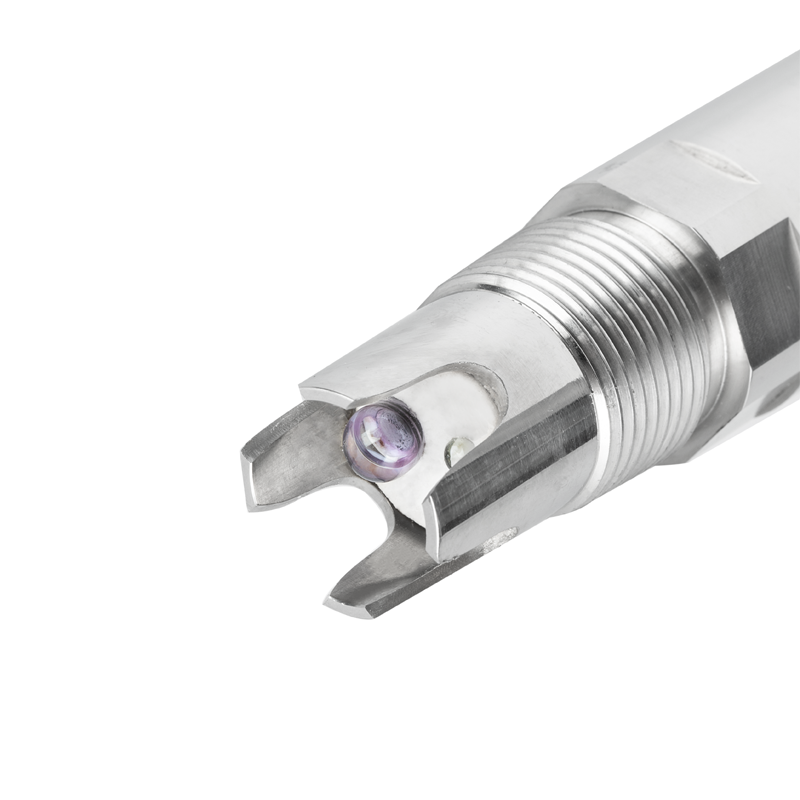
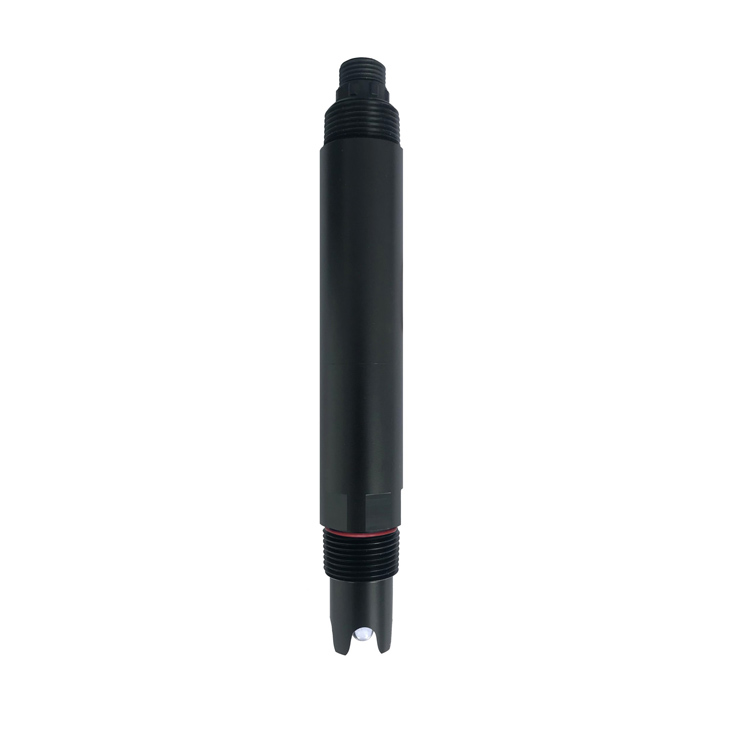
| Characteristic Parameter | NBL-PHG-206 | NBL-PHG-406-A | NBL-PHG-406-S |
|---|---|---|---|
| Main Housing Material | ABS/PC Alloy | POM + ABS | POM + 316L Stainless Steel |
| Suitable Media | General Industrial Wastewater, Circulating Water | Ordinary Water, Weakly Corrosive Solutions | Highly Corrosive Conditions, Food/Pharmaceutical Industries |
| Output Signal | RS-485 (Modbus RTU) | RS-485 + 4-20mA (Optional) | RS-485 + 4-20mA (Optional) |
| Core Electrode Technology | General-purpose Industrial Electrode | Patented Constant-Pressure Microporous Dialysis Electrode | Patented Constant-Pressure Microporous Dialysis Electrode |
| Typical Application Scenarios | Cost-Sensitive Projects, Remote Data Acquisition | Most Industrial Process Control & Monitoring | Demanding Chemical Processes, Sanitary/Hygienic Requirements |
| Protection Rating | IP68 | IP68 | IP68 |
| Core Advantages | High Cost-Effectiveness, Strong Anti-interference | Long Electrode Life, Flexible Output, High Cost-Effectiveness | Extreme Corrosion Resistance, Long Electrode Life, Sanitary Design |
1. Daily Maintenance: Regularly (e.g., monthly) check the cleanliness of the electrode bulb. Clean attachments with a soft cloth and clean water. For grease or organic contamination, soak briefly in dilute hydrochloric acid or a neutral detergent for cleaning.
2. Calibration Management: Establish a periodic calibration system (frequency depends on process stability, typically 1-3 months). Two-point calibration using pH 4.00, 6.86/7.00, 9.18 standard buffer solutions is mandatory. Always clean the electrode before calibration.
3. Long-Term Storage: When the instrument is out of service, rinse the electrode clean and insert it into a protective sleeve filled with 3 mol/L KCl solution. Never store it dry or soak it in pure water.
4. Troubleshooting: If response becomes sluggish or readings are unstable, first check if the reference electrolyte is depleted or the liquid junction is clogged (try soaking and activating in KCl solution). If calibration is impossible, the electrode may have failed and needs replacement.
Q1: How to choose between Modbus RTU and 4-20mA output in a project?
A1: 4-20mA is suitable for point-to-point, longer distance, simpler system (direct connection to PLC AI module) scenarios. It has good anti-interference but can only transmit a single primary variable. Modbus RTU is suitable for multi-point networking scenarios requiring simultaneous acquisition of multiple parameters (pH, temperature, status) or remote configuration. It saves wiring costs but requires controller support for the protocol. The NiuBoL 406 series offers optional dual output for maximum flexibility.
Q2: Can the advertised 20-month electrode lifespan be achieved in actual strong acid/alkali conditions?
A2: The 20-month figure is based on laboratory test data under typical industrial water conditions. In media with extreme pH (<2 or="">12), high temperature, high fluoride concentration, or high viscosity, the lifespan of all glass electrodes will be shortened. However, in most industrial wastewater, circulating water, and general chemical processes, the advantages of its constant-pressure reference system can significantly extend lifespan, outperforming traditional electrodes.
Q3: Can the sensor cable be cut or extended?
A3: Cutting is strictly prohibited. The high-impedance signal of the pH electrode is sensitive to cable capacitance. Cutting alters electrical characteristics, causing measurement errors. If a longer cable is needed, specify it when ordering. To extend transmission distance, it is recommended to extend via the transmitter's RS-485 or 4-20mA signal output.
Q4: How to determine if on-site interference is high, and how to resolve it?
A4: Identification: Readings jump erratically and irregularly, inconsistent with process changes. Resolution: First, check if grounding is proper and if signal cables are isolated from power cables. Confirm the "three-port isolation" function of the NiuBoL instrument is enabled. If necessary, configure an isolated safety barrier for the transmitter or use shielded cable with the shield grounded at a single point.
Q5: pH meters require temperature compensation. Is the Pt1000 temperature sensor reliable?
A5: Pt1000 is an industrial-grade platinum resistance thermometer (PRT) with high accuracy and stability. NiuBoL uses a built-in Pt1000, integrally designed with the pH electrode for consistent measurement point and more accurate compensation. Its reliability is far superior to traditional NTC thermistors, especially suitable for occasions with large temperature variations.
Q6: Can it be used in media containing Hydrofluoric Acid (HF)?
A6: Absolutely not. Hydrofluoric acid corrodes the glass electrode membrane, causing permanent damage. Measuring fluoride-containing media requires special antimony electrodes or ion-selective electrodes resistant to HF. NiuBoL can provide corresponding customized solutions.
Q7: As an integrator, how to reduce the overall maintenance cost of the project?
A7: The core is to reduce on-site service frequency. Choose products with long electrode life and high stability like the NiuBoL PHG-406 to reduce replacement frequency. Utilize its Modbus function for remote diagnostics and condition monitoring to predict faults. Provide customers with standardized maintenance training and advise them to establish regular replacement and inventory management for buffer solutions and KCl.
Q8: Compared to other brands on the market, what is the core differentiating advantage of NiuBoL pH meters?
A8: The core advantage lies in the balance between "long-term stability" and "integration-friendliness". Its patented electrode technology provides superior long-term stability compared to similar products, reducing hidden operational costs. Simultaneously, industrial-grade signal processing (three-port isolation, lightning surge protection) and flexible dual-output design ensure reliable and convenient integration into customer control systems in various complex industrial sites, reducing engineering debugging risks and post-project modification hassles.
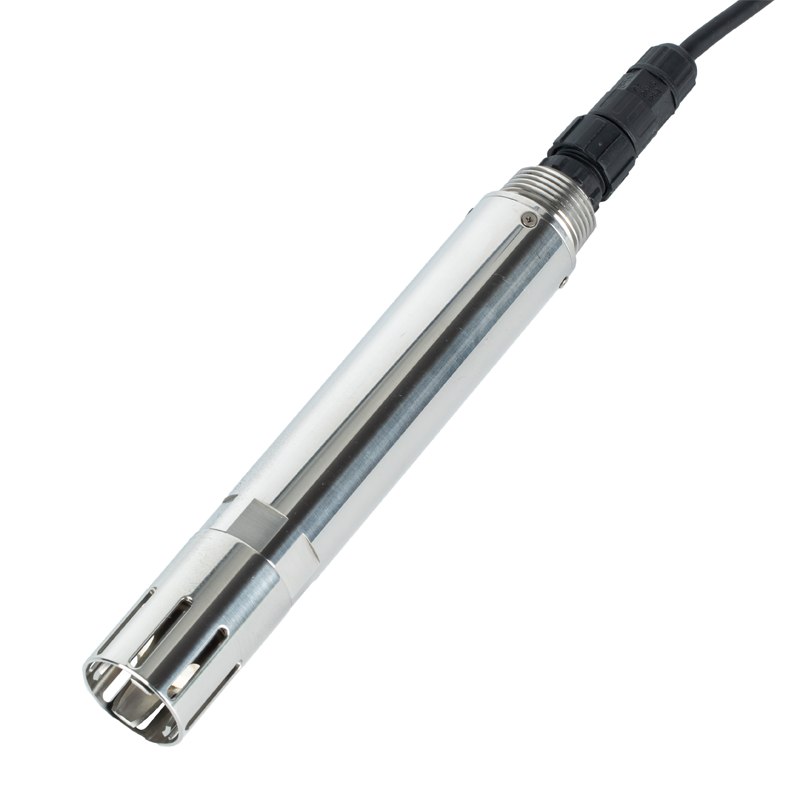
Choosing a reliable industrial online pH meter is a systems engineering decision. It should not stop at the accuracy parameters on the product datasheet but should deeply evaluate its signal stability in real harsh industrial environments, the long-lasting design of its core sensing element, its ability to seamlessly interface with modern control systems, and the resulting optimization of the total cost of ownership over its full lifecycle.
For system integrators, a product like the NiuBoL PHG series, which is thoughtfully designed in terms of electrical protection, electrode technology, and output compatibility, means less on-site debugging hassle, lower long-term maintenance burden, and higher customer satisfaction. In your next project, it is recommended to re-evaluate your pH measurement solution starting from the above dimensions and scenarios. It will be not just a measurement point, but the reliable and efficient cornerstone of the entire process control system.
 NBL-WQ-PH Online Water Quality pH Sensor.pdf
Prev:Pollution Discharge Units Meeting Any of Ten Situations Must Install Online Monitoring Equipment
Related recommendations
Sensors & Weather Stations Catalog
Agriculture Sensors and Weather Stations Catalog-NiuBoL.pdf
Weather Stations Catalog-NiuBoL.pdf
Agriculture Sensors Catalog-NiuBoL.pdf
Water Quality Sensor Catalog-NiuBoL.pdf
Related products
 Combined air temperature and relative humidity sensor
 Soil Moisture Temperature sensor for irrigation|NBL-S-THR
 Soil pH sensor RS485 soil Testing instrument soil ph meter for agriculture |NBL-S-PH
 Wind Speed sensor Output Modbus/RS485/Analog/0-5V/4-20mA
 Tipping bucket rain gauge for weather monitoring auto rainfall sensor RS485/Outdoor/stainless steel
 Pyranometer Solar Radiation Sensor 4-20mA/RS485

Screenshot, WhatsApp to identify the QR code
WhatsApp number:+8615367865107
(Click on WhatsApp to copy and add friends)

