





— Blogs —
—Products—
 Consumer hotline +8618073152920
 WhatsApp:+8615367865107
Address:Room 102, District D, Houhu Industrial Park, Yuelu District, Changsha City, Hunan Province, China
Product knowledge
Time:2026-04-18 11:15:18 Popularity:454
As a core instrument in industrial process control, the online pH meter undertakes the task of precise real-time pH monitoring in water treatment, chemical, pharmaceutical, and environmental protection projects. NiuBoL NBL-WQ-PH industrial online pH meter provides stable and reliable pH measurement solutions for system integrators, IoT solution providers, project contractors, and engineering companies with its patented glass electrode technology, RS-485 Modbus RTU communication protocol, and IP68 protection rating. This article systematically sorts out common problems in the use of online pH meters, maintenance points, application scenarios, and technical specifications to help engineering teams quickly troubleshoot faults, optimize selection, and achieve efficient project delivery.
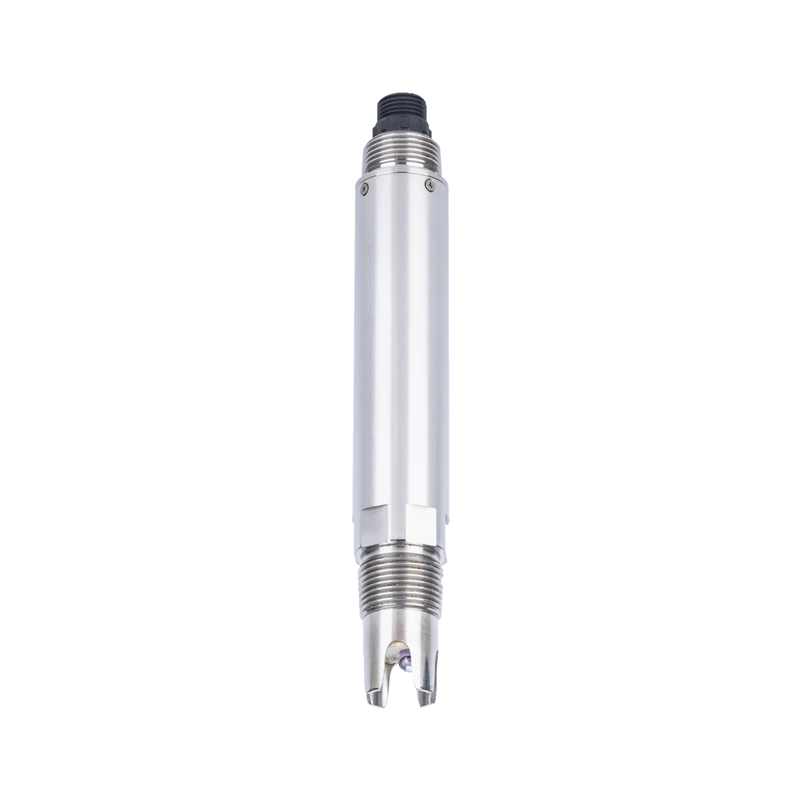
In industrial production, pH value directly affects reaction efficiency, equipment corrosion degree, and discharge compliance. Traditional laboratory pH meters cannot meet the needs of continuous online monitoring, while industrial online pH meters achieve real-time detection in the 0~14.00 range through the glass electrode method and support automatic temperature compensation to effectively eliminate the interference of temperature fluctuations on measurement accuracy.
NiuBoL NBL-WQ-PH adopts a dual high-impedance differential amplifier design with strong anti-interference ability and a response time of less than 30 seconds, making it particularly suitable for integration with third-party equipment such as PLC, DCS, industrial control computers, and paperless recorders.
For system integrators, the instrument supports the Modbus RTU protocol and can be directly connected to existing SCADA systems to achieve remote data acquisition and alarm linkage. Project contractors can rely on the 3/4 NPT standard interface to quickly complete submersible or pipeline installation, reducing on-site construction costs.
Compared with ordinary industrial pH meters, NiuBoL’s patented reference system continuously and slowly seeps out reference solution under 1Bar pressure, significantly extending service life and reducing the downtime and maintenance pressure caused by frequent electrode replacement.
During long-term operation, the online pH meter may experience measurement deviations due to wiring, contamination, or electrode aging. The following provides targeted troubleshooting solutions for high-frequency problems on engineering sites, facilitating engineering technicians to quickly locate and resolve issues.
It indicates that the pH value is beyond the 0~14.00 range. The main cause is disconnected or poor contact of the indicating electrode wiring. It is recommended to immediately check the shielded cable connection between the electrode and the transmitter, ensure the plug is not loose or oxidized, and use a multimeter to verify circuit continuity.
Usually caused by leakage at the reference wiring or excessively high humidity. The solution is to turn off the power, wipe the wiring terminals with anhydrous alcohol, thoroughly dry them, reconnect the wiring, and ensure the humidity at the wiring meets technical specifications to avoid short circuits caused by condensation.
First confirm whether the transmitter screen is in normal measurement mode. If it is in calibration or setting interface, exit to the main display interface. Check whether the output circuit wiring is correct and confirm that the RS-485 communication parameters (baud rate, address) match the host computer.
Remove the electrode from the installation position and perform cleaning and two-point calibration according to the manual. If the reading cannot be stabilized during calibration, it is recommended to replace the electrode with a new one. In engineering practice, regularly verifying instrument accuracy with standard buffer solutions can effectively avoid accumulated errors.
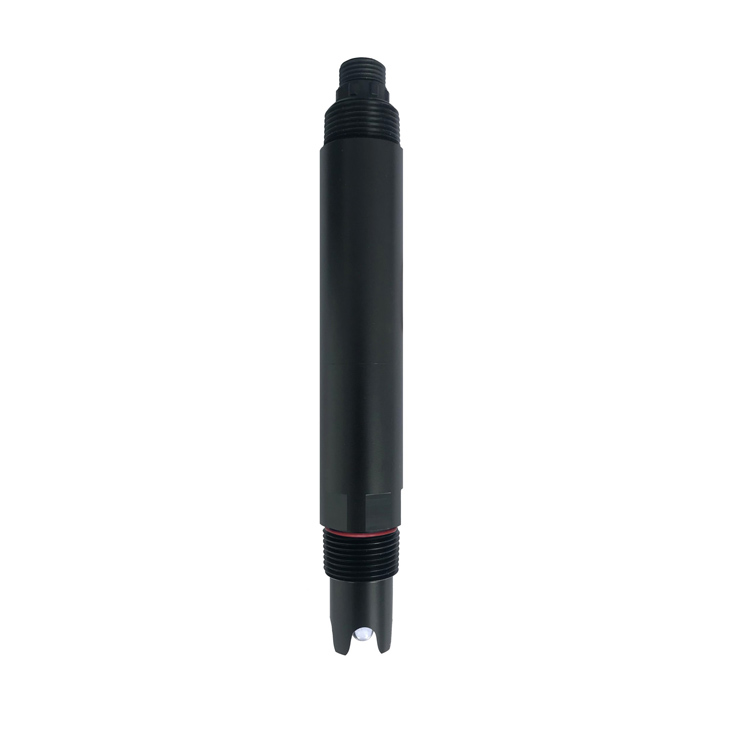
In low-temperature environments, increased electrode internal resistance leads to slow response; contamination on the bulb surface or liquid junction can also significantly prolong response time. It is recommended to soak the electrode with a special cleaning agent, rinse thoroughly, and recalibrate. If there is still no improvement, evaluate whether the electrode has reached its replacement cycle.
The main causes are broken glass bulb, detached wiring, or internal cable breakage. First turn off the power and check whether the wiring is secure. If necessary, replace the complete cable assembly. If visible cracks or deformation are seen on the bulb, the electrode must be replaced immediately to avoid measurement failure.
Temperature fluctuations or chemical reactions in the sample itself are the main causes. During engineering installation, instruments with Pt1000 temperature compensation should be prioritized, and sampling point temperature should be kept stable. For easily reactive samples, shorten the measurement interval or adopt continuous flow sampling.
Caused by different calibration times or buffer batches. Standardized operation requires using the same batch of standard buffer solution and performing two-point calibration on multiple instruments synchronously within the same time window to ensure system consistency.
The electrode is not actually connected to the transmitter. The processing steps are to turn off the power first, re-plug the electrode and instrument interface, and confirm it is securely locked. If the connection is confirmed correct but there is still no response, the electrode is damaged and must be replaced promptly.
Electrode aging is the primary cause. Test the response time in standard buffer solution. If it exceeds 1 minute, it is recommended to perform activation treatment or directly replace the electrode with a new one. If the buffer response is normal but the sample measurement is unstable, re-selection should be made according to the characteristics of the measured medium to avoid mismatch between electrode material and sample.
The instrument displays the actual pH value at the current temperature. The temperature compensation function of the acidity meter only offsets the effect of temperature on electrode potential and cannot automatically convert the pH value at any temperature to the 25℃ standard value. If the project requires a 25℃ reference value, the sample temperature must be adjusted to 25℃ before measurement.
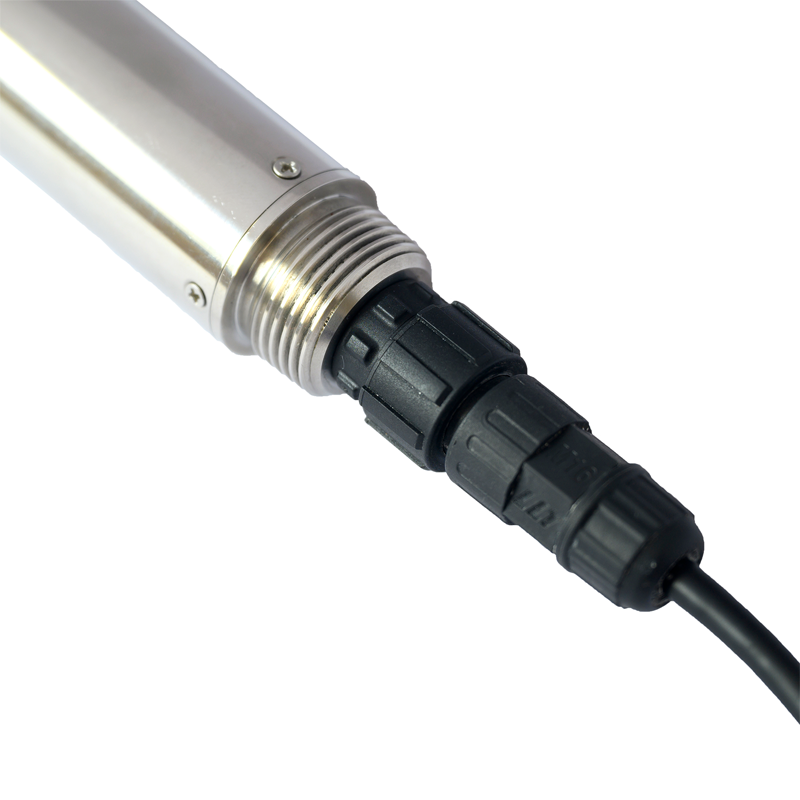
To extend electrode service life and maintain measurement accuracy, engineering teams need to establish standardized maintenance procedures. Before measurement, the sensor should first be cleaned in distilled water or deionized water and blotted dry with filter paper to avoid contaminating the measured medium with impurities. The immersion depth of the sensor should ensure that the bulb and liquid junction are fully immersed in the solution (approximately 1/3 of the total sensor length).
When storing during shutdown, the sensor must be cleaned thoroughly and inserted into a protective sleeve or dedicated container containing 3mol/L potassium chloride solution to prevent the glass membrane from drying and cracking. Regularly check the dryness of the wiring terminals. If there is dirt, wipe with anhydrous alcohol and blow dry. Avoid long-term immersion of the sensor in pure water or protein solutions, and prohibit contact with organic silicone grease.
After prolonged use, if the glass membrane becomes semi-transparent or deposits appear, it can be soaked and cleaned with dilute hydrochloric acid solution and then thoroughly rinsed with deionized water. Regular calibration with the instrument is the key to maintaining accuracy. When the above maintenance still cannot achieve stable calibration, it indicates that the sensor has failed and should be replaced promptly to ensure process continuity.
NiuBoL NBL-WQ-PH is widely suitable for environmental water quality monitoring, acid-alkali-salt solution treatment, chemical reaction processes, and various industrial production links, meeting the high-reliability pH measurement needs of system integrators.
In wastewater treatment plants and environmental monitoring stations, the instrument can monitor influent and effluent pH values in real time and support linkage with PLC to achieve automatic dosing control and ensure compliant discharge. In chemical production, it is used for precise pH control in acid-alkali neutralization reaction tanks to avoid safety hazards caused by uncontrolled reactions. In the pharmaceutical and fine chemical fields, the instrument’s IP68 protection rating adapts to humid and high-temperature-difference environments, and the patented reference system ensures long-term stable output.
For IoT solution providers, the RS-485 Modbus RTU output method facilitates access to remote monitoring platforms for multi-point distributed pH data acquisition and cloud analysis. In pipeline installation scenarios, the 3/4 NPT interface supports quick access to existing process pipelines and is suitable for projects such as electroplating wastewater treatment, papermaking black liquor neutralization, and circulating cooling water systems. The design with operating temperature 0~50℃ and pressure resistance ≤0.2MPa covers most industrial site conditions and significantly reduces engineering implementation difficulty.
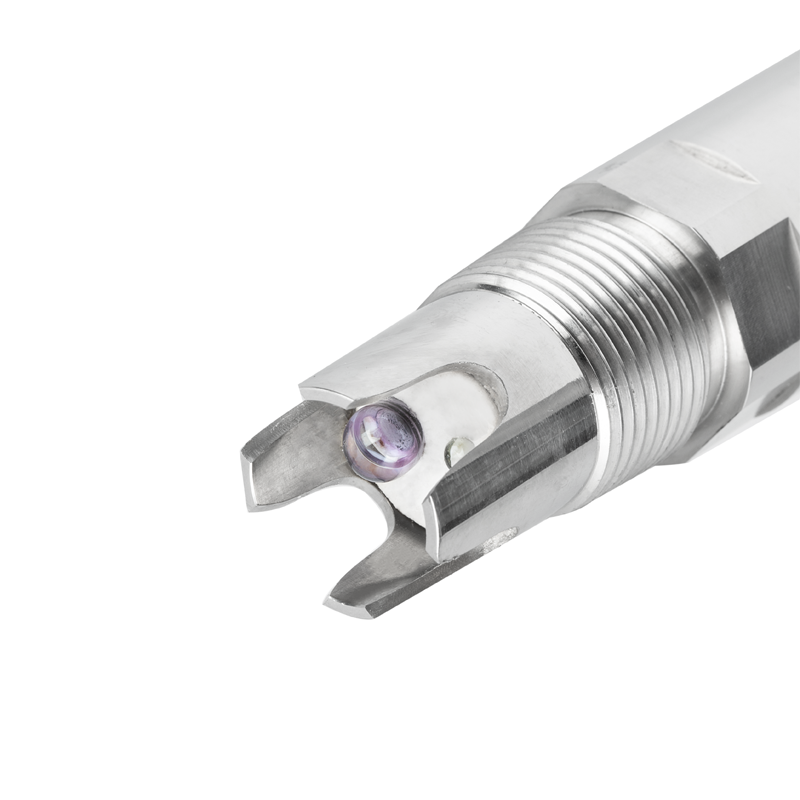
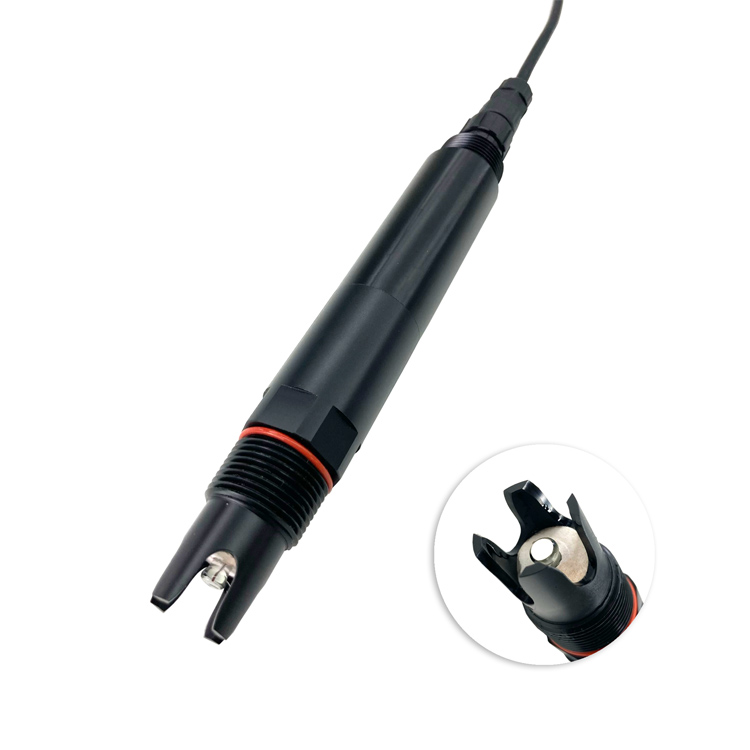
NiuBoL NBL-WQ-PH adopts an ABS/PC alloy housing with a lightweight design that facilitates on-site installation. The measurement principle is the mature and reliable glass electrode method, with a range of 0~14.00, resolution of 0.01, and accuracy of ±0.1 pH (±0.3℃). The response time T90 is less than 30 seconds, the calibration method is two-point calibration, and it supports automatic temperature compensation (Pt1000).
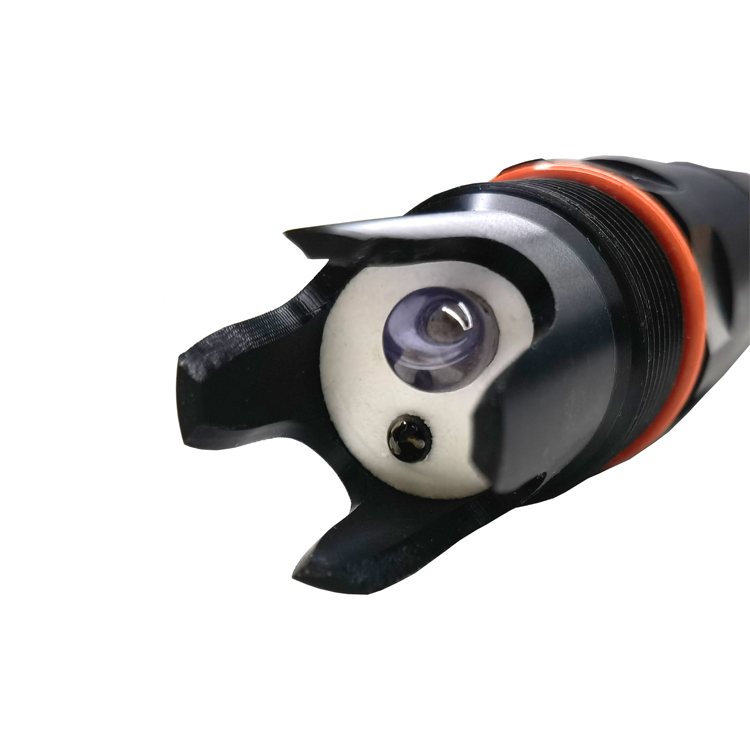
The outstanding advantage lies in the patented pH electrode: the internal reference solution seeps out extremely slowly through a microporous salt bridge under pressure ≥100kPa. Positive seepage can last more than 20 months, and the reference system stability far exceeds that of ordinary industrial electrodes, with service life doubled. The dual high-impedance differential amplifier design further enhances anti-interference ability, making it suitable for industrial sites with strong electromagnetic interference.
Communication adopts the RS-485 Modbus RTU protocol, power supply is 12~24V DC, and power consumption is only 0.2W@12V. The standard 5-meter cable supports customized lengths. Installation methods include submersible or pipeline type, with IP68 protection rating, allowing long-term immersion use.
| Parameter | Specification |
|---|---|
| Model | NBL-WQ-PH |
| Housing Material | ABS/PC Alloy |
| Measurement Principle | Glass Electrode Method |
| Range | 0~14.00 |
| Resolution | 0.01 |
| Accuracy | ±0.1 pH,±0.3℃ |
| Response Time (T90) | <30s |
| Calibration Method | Two-point Calibration |
| Temperature Compensation | Automatic Temperature Compensation (Pt1000) |
| Output Method | RS-485 (Modbus RTU) |
| Operating Temperature | 0~50℃ |
| Operating Pressure | ≤0.2MPa |
| Installation Method | Submersible Installation, 3/4 NPT |
| Power Supply Voltage | 12~24V DC |
| Power Consumption | 0.2W@12V |
| Protection Rating | IP68 |
| Cable Length | 5 meters (customizable) |
| Storage Temperature | -5~65℃ |
Before installation, confirm that there is no strong magnetic field interference at the installation location. The electrode bulb must be fully immersed in the flowing sample to avoid measurement lag caused by dead zones. For submersible installation, use the supporting bracket for fixation. For pipeline installation, it is recommended to install in the middle of a straight pipe section to avoid the influence of turbulence at elbows. During wiring, strictly distinguish signal ground from power ground, and ground the shield at one end only to suppress interference.
For integration, the Modbus RTU protocol supports standard function codes to read pH value, temperature, and equipment status. Engineering companies can directly map them to PLC registers to achieve closed-loop control. It is recommended to reserve spare addresses for future expansion of multi-point monitoring networks.
A: It is suitable for industrial scenarios such as environmental water treatment, chemical reactions, pharmaceutical intermediate control, circulating water systems, and electroplating wastewater treatment, especially for engineering projects that need to be integrated with PLC/DCS.
A: Test the response time in standard buffer solution. If it exceeds 1 minute or calibration cannot be stabilized, replacement is recommended. The normal seepage cycle of the patented reference system exceeds 20 months. In actual use, evaluate it in combination with maintenance records.
A: The instrument’s default baud rate and address can be configured through host computer software. It supports the standard Modbus RTU protocol and can be directly connected to most PLC brands without additional conversion modules.
A: The built-in Pt1000 automatic temperature compensation function can correct electrode potential deviation in real time, but the final pH value is still based on the current temperature. In engineering design, temperature control links can be set in combination with process requirements.
A: First clean the electrode in distilled water, blot dry, immerse it in the medium to be measured, complete two-point calibration using the same batch of buffer solution, and put it into operation only after confirming stable readings.
A: Yes, both the electrode and housing are resistant to strong acids and alkalis. The liquid junction design ensures reference system stability, but the housing seal should be checked regularly to avoid mechanical damage.
A: Use the same batch of buffer solution for synchronous calibration within the same time window and perform regular cross-verification to effectively eliminate individual differences.
A: Mainly include measured medium composition, temperature range, installation method (submersible/pipeline), communication protocol, and cable length requirements. The engineering team can obtain the optimal selection recommendation based on this.
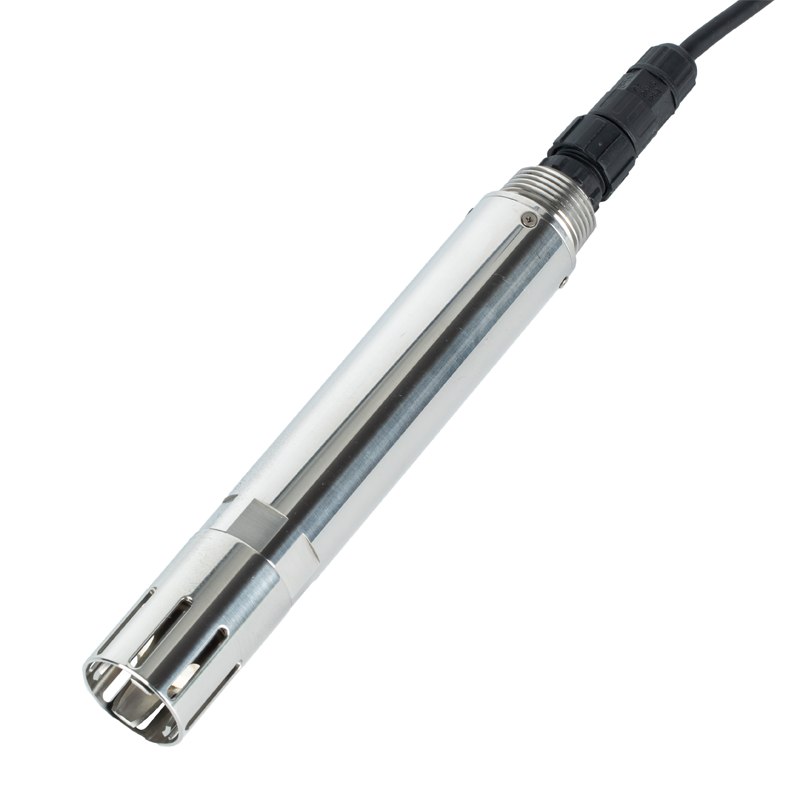
NiuBoL NBL-WQ-PH online pH meter (pH sensor) provides a mature and reliable solution for industrial pH measurement projects with its high-stability electrode technology, convenient Modbus RTU integration method, and rigorous IP68 protection. Standardized fault troubleshooting, daily maintenance, and correct selection can significantly improve system operation stability and reduce full life cycle maintenance costs. System integrators and engineering companies can flexibly configure according to actual working conditions to achieve precise process control and intelligent upgrading. For products, customized solutions, or technical support, please contact the NiuBoL professional team to jointly promote efficient project implementation.
 NBL-WQ-PH Online Water Quality pH Sensor.pdf
Related recommendations
Sensors & Weather Stations Catalog
Agriculture Sensors and Weather Stations Catalog-NiuBoL.pdf
Weather Stations Catalog-NiuBoL.pdf
Agriculture Sensors Catalog-NiuBoL.pdf
Water Quality Sensor Catalog-NiuBoL.pdf
Related products
 Combined air temperature and relative humidity sensor
 Soil Moisture Temperature sensor for irrigation|NBL-S-THR
 Soil pH sensor RS485 soil Testing instrument soil ph meter for agriculture |NBL-S-PH
 Wind Speed sensor Output Modbus/RS485/Analog/0-5V/4-20mA
 Tipping bucket rain gauge for weather monitoring auto rainfall sensor RS485/Outdoor/stainless steel
 Pyranometer Solar Radiation Sensor 4-20mA/RS485

Screenshot, WhatsApp to identify the QR code
WhatsApp number:+8615367865107
(Click on WhatsApp to copy and add friends)

