





— Blogs —
—Products—
 Consumer hotline +8618073152920
 WhatsApp:+8615367865107
Address:Room 102, District D, Houhu Industrial Park, Yuelu District, Changsha City, Hunan Province, China
Product knowledge
Time:2026-04-18 11:10:46 Popularity:425
The online pH meter is an automated analytical instrument used in industrial process control to continuously and real-time monitor the hydrogen ion concentration (pH value) in aqueous solutions. It consists of a pH sensor (electrode) and a transmitter. Through the glass electrode method, it converts the acidity or alkalinity of the solution into a processable electrical signal and supports integration with PLC, DCS, and other systems. NiuBoL NBL-PHG-206 industrial online pH meter adopts a patented long-life reference system, RS-485 Modbus RTU digital output, and IP68 protection rating. It provides stable and reliable pH online measurement solutions for system integrators, IoT solution providers, project contractors, and engineering companies. This article systematically introduces the working principle, functional features, application scenarios, selection guide, and integration & maintenance points of the online pH meter, helping engineering teams efficiently implement process control projects and reduce operation and maintenance costs.
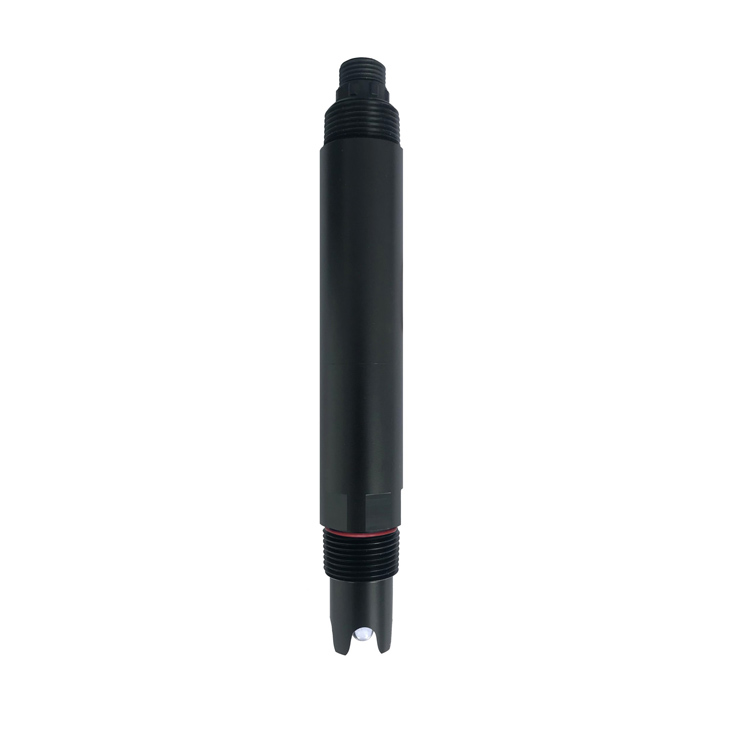
The online pH meter is based on the potentiometric measurement principle. Two electrodes are inserted into the measured solution: one is the working electrode (glass electrode), whose potential changes with the hydrogen ion concentration in the solution; the other is the reference electrode (usually a fixed potential electrode), which provides a stable reference potential. Together they form a galvanic cell, and the generated potential difference conforms to the Nernst equation and has a linear relationship with the pH value of the solution. The transmitter is responsible for signal amplification, temperature compensation, and digital processing, and finally outputs standard signals for use by the host system.
NiuBoL NBL-PHG-206 water quality pH sensor adopts the glass electrode method measurement principle, with a built-in dual high-impedance differential amplifier that effectively suppresses electromagnetic interference in industrial sites. The response time T90 is less than 30 seconds, ensuring real-time monitoring requirements. Compared with traditional analog output instruments, the digital RS-485 interface reduces signal attenuation and supports long-distance transmission, making it suitable for complex process pipeline layouts.
NiuBoL NBL-PHG-206 industrial online pH meter features a microcomputerized design and integrates a high-performance processing unit to achieve multi-parameter measurement, automatic range conversion, instrument self-diagnosis, and Pt1000 automatic temperature compensation. The anti-interference design adopts optocoupler isolation technology, and the current output and alarm relay have good isolation performance, supporting reliable remote transmission.
Key functions include:
Automatic alarm: Upper and lower limits can be set arbitrarily, with hysteresis cancellation mechanism, and isolated output of alarm signals.
Network communication: RS-485 Modbus RTU interface for easy access to industrial control networks; current output upper and lower limits can be flexibly configured.
Intelligent calibration assistance: Automatically identifies incorrect calibration operations to reduce human errors.
High reliability: Simplified operation interface without complex function knobs, improving long-term operational stability.
The patented pH electrode is a highlight. The internal reference solution seeps out extremely slowly through a microporous salt bridge under pressure ≥100kPa (1Bar). Positive seepage can last more than 20 months, significantly improving the stability of the reference system, and the electrode life is doubled compared to ordinary industrial electrodes. The IP68 protection rating combined with an ABS/PC alloy housing adapts to humid and corrosive industrial environments.
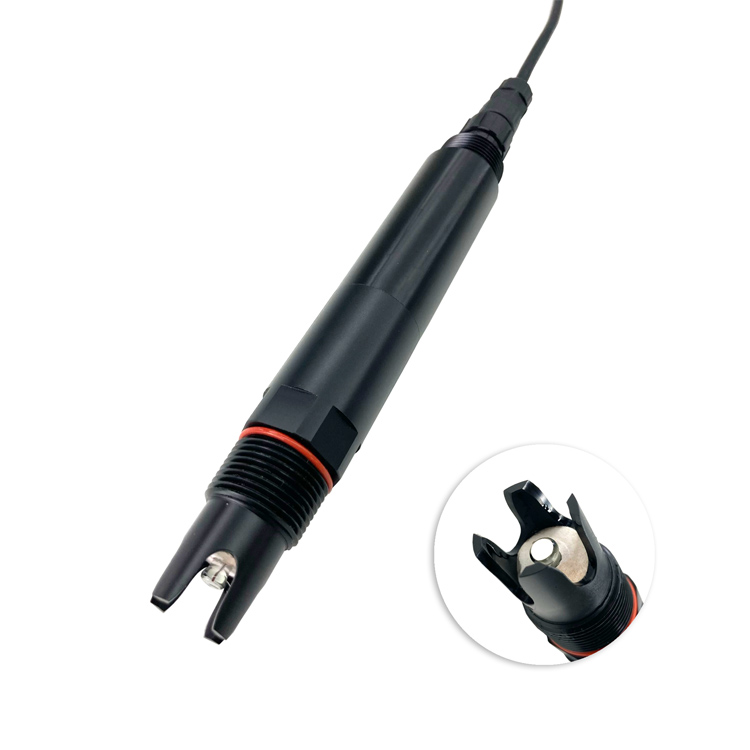
NiuBoL NBL-PHG-206 water quality pH sensor is widely used in environmental water quality monitoring, acid/alkali/salt solution treatment, chemical reaction processes, and various industrial production links, providing data support for process optimization and compliant discharge.
In wastewater treatment and environmental protection projects, the instrument monitors influent and effluent pH values in real time and supports linkage with dosing systems to ensure compliance with discharge standards. In the chemical production field, it is used for pH control in acid-alkali neutralization reaction tanks, fermentation processes, and electroplating solutions to avoid uncontrolled reactions or product quality fluctuations. In the food and pharmaceutical industries, pH value directly affects product safety and process stability. The instrument supports continuous monitoring and integration into SCADA systems for batch traceability.
In circulating cooling water systems, boiler feedwater treatment, and metallurgical processes, online pH meters help prevent equipment corrosion and scaling. IoT solution providers can rely on the Modbus RTU protocol to connect multi-point pH data to cloud platforms for remote monitoring and predictive maintenance. Project contractors benefit from the 3/4 NPT standard interface in new or renovation projects, facilitating quick submersible or pipeline installation and reducing on-site construction difficulty.
Typical working conditions include wastewater treatment plants, environmental monitoring stations, fermentation tanks, food production lines, and tap water plants. The design with operating temperature 0~50℃ and pressure resistance ≤0.2MPa covers most industrial site requirements.
Selection must comprehensively evaluate the characteristics of the measured medium, installation environment, integration requirements, and maintenance cycle.
Measurement range and accuracy: NBL-PHG-206 covers 0~14.00 pH, with resolution 0.01 and accuracy ±0.1 pH, meeting the requirements of most industrial processes. For strong acid, strong alkali, or highly polluted media, electrode compatibility should be evaluated.
Output and communication: Prioritize RS-485 Modbus RTU models for digital integration; if analog output is required, 4-20mA signals can be configured with a transmitter.
Installation method: The 3/4 NPT interface supports submersible installation (suitable for tanks or open liquid surfaces) or pipeline installation. Flow cell installation is suitable for occasions with strict flow velocity control.
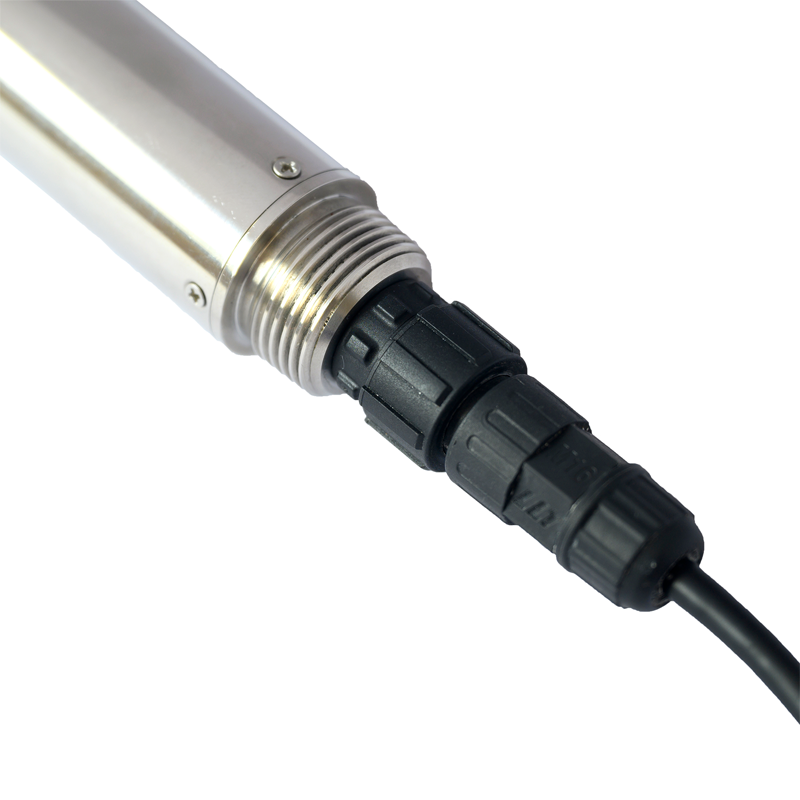
Environmental adaptability: IP68 protection is suitable for long-term immersion; Pt1000 temperature compensation eliminates the influence of temperature fluctuations. The standard cable length is 5 meters and supports customization to match on-site distances.
System expansion: For multi-parameter monitoring projects, it can be combined with other water quality sensors (such as residual chlorine and turbidity) to form a complete monitoring node. Engineering teams need to confirm compatibility of Modbus address space and baud rate.
Recommended scenarios: Standard configuration for conventional water treatment; projects with high reliability requirements can rely on the patented reference system to reduce replacement frequency. Before purchase, provide information such as medium composition, temperature and pressure range, communication protocol, and installation location to obtain precise configuration recommendations.
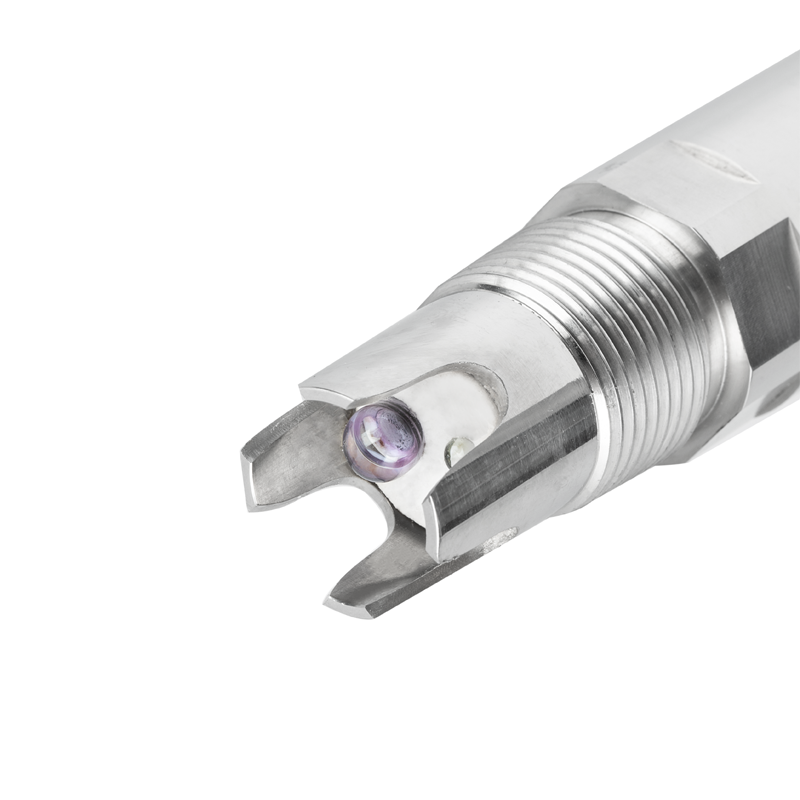
Before installation, confirm that the water flow at the sampling point is stable to avoid the influence of bubbles, dead zones, or strong turbulence on measurement. During submersible installation, immerse 1/3 of the sensor in the solution to ensure full contact between the glass bulb and the liquid junction. For pipeline installation, it is recommended to use straight pipe sections to avoid flow field disturbance at elbows.
For integration, the RS-485 bus should use shielded cables with single-end grounding to suppress interference. When the bus length is long, consider using repeaters or adjusting the baud rate. Separate the power supply circuit from the signal circuit. The low-power design (0.2W@12V) of 12~24V DC reduces system energy consumption. The Modbus RTU protocol supports standard function codes to read pH value, temperature, and diagnostic information, which can be directly mapped to PLC registers or DCS tags.
Before initial commissioning, clean the sensor in distilled water, blot dry with filter paper, and complete two-point calibration. During system debugging, verify alarm thresholds and linkage logic to ensure timely response when limits are exceeded. Avoid installing the instrument in high temperature, high humidity, corrosive, or direct sunlight environments. The power supply should be kept away from surge interference sources.
Standardized maintenance is the key to ensuring measurement accuracy and extending service life. Before measurement, clean the sensor in distilled water or deionized water and blot dry to prevent impurity contamination. When not in use, clean it thoroughly and store it in a protective sleeve or container containing 3mol/L potassium chloride solution.
Regularly check the dryness of the wiring terminals. If there is dirt, wipe with anhydrous alcohol and blow dry. Avoid long-term immersion in pure water or protein solutions, and prohibit contact with organic silicone grease. When the glass membrane becomes semi-transparent or deposits appear, wash with dilute hydrochloric acid and then rinse thoroughly. After a period of use, perform calibration with the instrument. If the reading is still unstable, the sensor has failed and should be replaced in time.
The patented reference system reduces the need for frequent maintenance. It is recommended to establish a periodic calibration plan in engineering projects, optimize the replacement cycle based on historical data, and reduce overall operation and maintenance costs.
| Parameter | Specification |
|---|---|
| Model | NBL-PHG-206(PHG-206) |
| Housing Material | ABS/PC Alloy |
| Measurement Principle | Glass Electrode Method |
| Range | 0~14.00 pH |
| Resolution | 0.01 pH |
| Accuracy | ±0.1 pH,±0.3℃ |
| Response Time (T90) | <30s |
| Minimum Detection Limit | 0.1 |
| Calibration Method | Two-point Calibration |
| Temperature Compensation | Automatic Temperature Compensation(Pt1000) |
| Output Method | RS-485(Modbus RTU) |
| Operating Temperature | 0~50℃ |
| Operating Pressure | ≤0.2MPa |
| Installation Method | Submersible Installation, 3/4 NPT |
| Power Supply Voltage | 12~24V DC |
| Power Consumption | 0.2W@12V |
| Protection Rating | IP68 |
| Cable Length | 5 meters(customizable) |
| Storage Temperature | -5~65℃ |
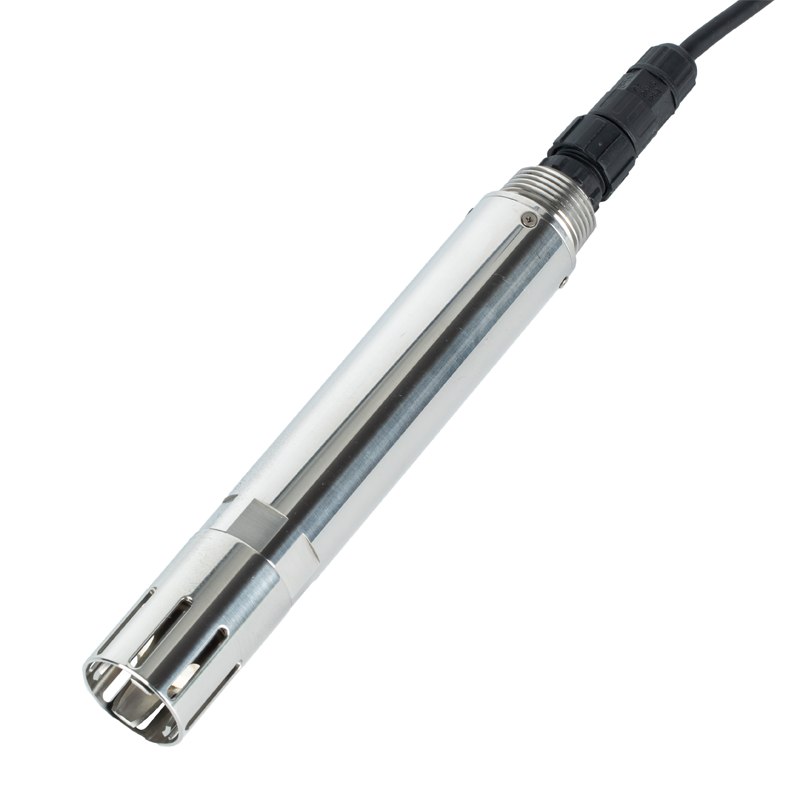
A: Online pH meters support continuous real-time monitoring and integration with industrial control systems, featuring IP68 protection and digital output; laboratory pH meters are mostly portable and suitable for intermittent sampling.
A: It is suitable for environmental water quality, acid-alkali-salt solutions, chemical reactions, and production process monitoring, meeting most industrial online pH measurement needs.
A: Data is read through standard Modbus function codes, supporting address configuration and baud rate matching. It can be directly connected to most PLC brands without additional protocol conversion.
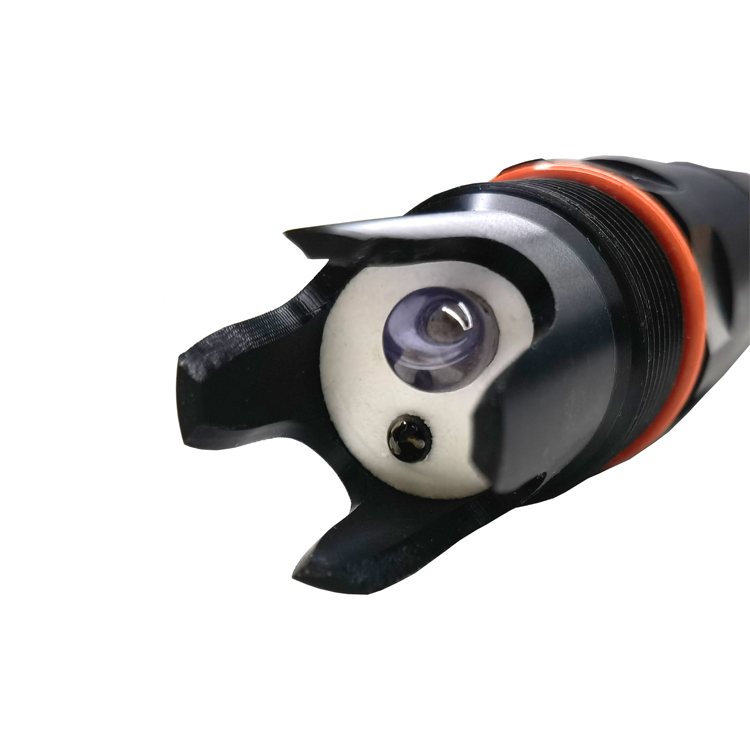
A: The slow seepage of reference solution lasts more than 20 months, significantly improving stability. The electrode life is doubled compared to ordinary products, reducing replacement frequency.
A: Clean the sensor, complete two-point calibration, confirm correct wiring and check for no interference sources, and verify reading stability before putting into operation.
A: Pt1000 automatic temperature compensation corrects electrode potential deviation, and finally displays the actual pH value at the current temperature. In engineering, it can be optimized by combining with temperature control links.
A: Test the response time and calibration stability in standard buffer solution. If it cannot meet the technical specifications or still has large deviation after maintenance, replacement is recommended.
A: Measured medium characteristics, temperature and pressure range, installation method, communication protocol, cable length, and system integration requirements to facilitate matching the optimal configuration.
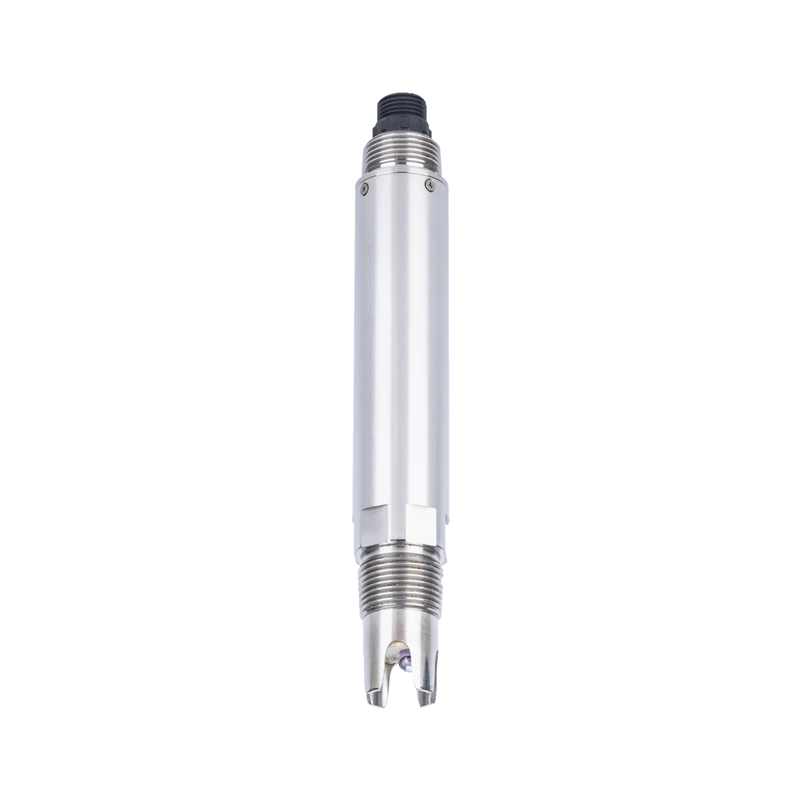
NiuBoL NBL-PHG-206 industrial online pH meter takes the glass electrode method as the core, combined with long-life reference technology, Modbus RTU communication, and high-protection design, providing a mature and reliable engineering solution for industrial process pH monitoring. Standardized selection, installation, integration, and maintenance can significantly improve system stability and help system integrators and project contractors achieve precise control and efficient operation & maintenance. Whether in wastewater treatment, chemical reaction, or environmental monitoring projects, this instrument can effectively reduce manual intervention and ensure process continuity and compliance. For technical specification confirmation, prototype verification, or customized integration solutions, please contact the NiuBoL professional team to jointly promote high-quality project implementation.
 NBL-WQ-PH Online Water Quality pH Sensor.pdf
Related recommendations
Sensors & Weather Stations Catalog
Agriculture Sensors and Weather Stations Catalog-NiuBoL.pdf
Weather Stations Catalog-NiuBoL.pdf
Agriculture Sensors Catalog-NiuBoL.pdf
Water Quality Sensor Catalog-NiuBoL.pdf
Related products
 Combined air temperature and relative humidity sensor
 Soil Moisture Temperature sensor for irrigation|NBL-S-THR
 Soil pH sensor RS485 soil Testing instrument soil ph meter for agriculture |NBL-S-PH
 Wind Speed sensor Output Modbus/RS485/Analog/0-5V/4-20mA
 Tipping bucket rain gauge for weather monitoring auto rainfall sensor RS485/Outdoor/stainless steel
 Pyranometer Solar Radiation Sensor 4-20mA/RS485

Screenshot, WhatsApp to identify the QR code
WhatsApp number:+8615367865107
(Click on WhatsApp to copy and add friends)

