





— Blogs —
—Products—
 Consumer hotline +8618073152920
 WhatsApp:+8615367865107
Address:Room 102, District D, Houhu Industrial Park, Yuelu District, Changsha City, Hunan Province, China
Product knowledge
Time:2026-04-18 11:05:29 Popularity:414
On the basis of ensuring measurement performance, the online pH meter simplifies non-essential functions and significantly improves cost-effectiveness, becoming the preferred instrument for continuous pH monitoring of solvents in industries such as thermal power, chemical, fertilizer, metallurgy, environmental protection, pharmaceutical, biochemical, food, and tap water. The clear display interface, simple operation mode, and excellent test performance make it widely used in engineering projects.
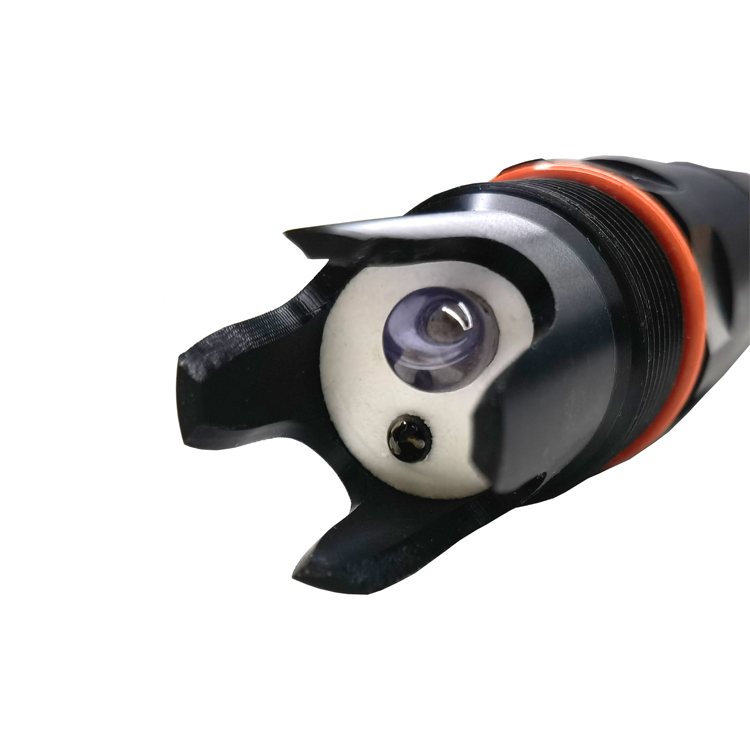
NiuBoL NBL-WQ-PH industrial online pH meter adopts the glass electrode method, equipped with a patented long-life reference system, RS-485 Modbus RTU output, and IP68 protection rating. It provides stable and reliable pH online monitoring solutions for system integrators, IoT solution providers, project contractors, and engineering companies. This article focuses on sorting out the cleaning, maintenance points, and usage precautions of glass electrodes, combined with actual engineering scenarios, to help engineering teams extend electrode life, reduce maintenance costs, and ensure measurement accuracy.
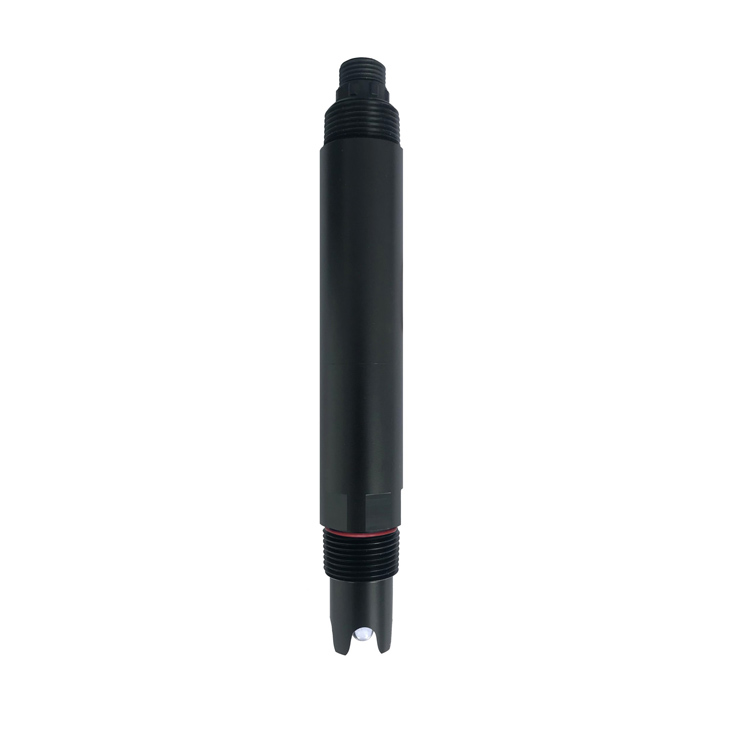
In industrial process control, pH value directly affects reaction efficiency, equipment corrosion protection, and discharge compliance. The online pH meter replaces intermittent sampling analysis through continuous real-time monitoring, supports linkage with PLC and DCS systems, and realizes automatic dosing or process adjustment. NiuBoL NBL-WQ-PH retains core measurement performance while simplifying operation, and is suitable for a variety of solvent media. It is widely used in scenarios such as thermal power desulfurization, chemical neutralization, metallurgical pickling, environmental wastewater treatment, pharmaceutical purified water, food fermentation, and tap water plants.
The instrument adopts a dual high-impedance differential amplifier design with strong anti-interference ability, response time T90 < 30s, and Pt1000 automatic temperature compensation to ensure accuracy. The 3/4 NPT standard interface facilitates submersible or pipeline installation. The Modbus RTU protocol supports remote data transmission and multi-point networking, significantly reducing engineering implementation and operation & maintenance difficulty.
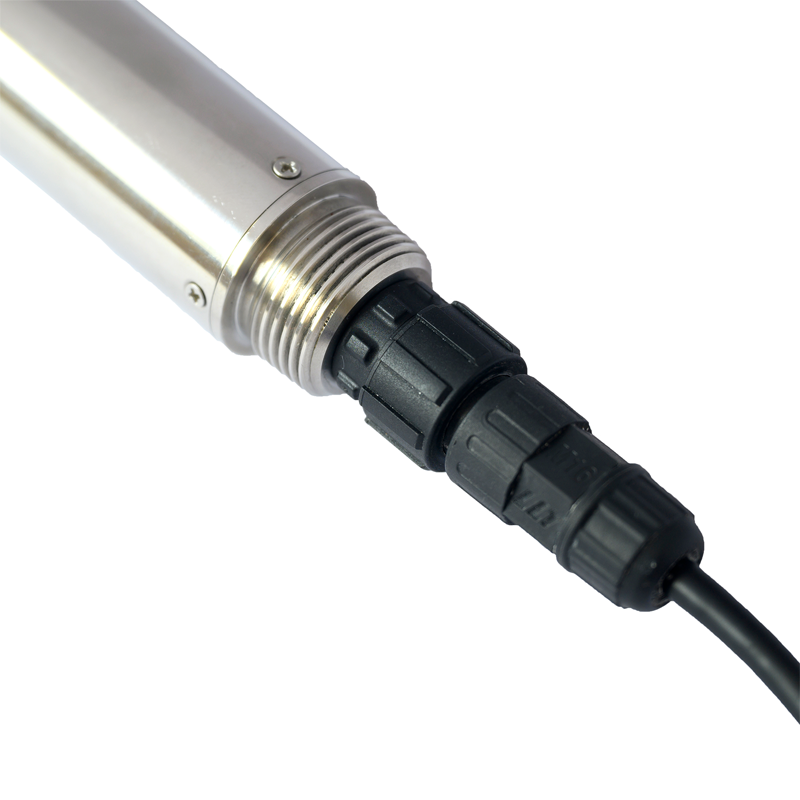
The glass electrode is the core sensitive element of the online pH meter, and its surface condition directly determines measurement accuracy and response speed. Cleaning is required in the following situations:
Place the glass electrode and reference electrode together in pH 7.00 standard buffer solution:
When using a calomel reference electrode, the millivolt reading should be 0 ± 30 mV;
When using an Ag/AgCl reference electrode, the reading should be 0 ± 80 mV.
When placed in pH 4.00 buffer solution, the reading should be > 160 mV.
At 25℃, the theoretical potential difference change is approximately 59 mV for every 1 pH unit change. If the reading exceeds the above range, it indicates that the electrode needs cleaning.
After routine measurement: Immediately rinse with distilled water and blot dry with filter paper to avoid cross-contamination.
Oil-contaminated or floating oil samples: First clean with CCl₄ (carbon tetrachloride) or acetone, then rinse with 1.2 mol/L hydrochloric acid, finally rinse thoroughly with distilled water, and soak in distilled water for one day and night to equilibrate.
Turbid liquid samples: Rinse thoroughly with distilled water immediately after measurement.
Emulsified samples: Clean with detergent and distilled water, then soak in distilled water.
Air bubbles inside the glass bulb: Gently shake the electrode to allow the bubbles to escape.
New electrodes must be soaked in distilled water for 24 hours (or in 3 mol/L KCl solution for 2–10 hours according to the manual) before first use to form a good hydration layer and improve response performance.
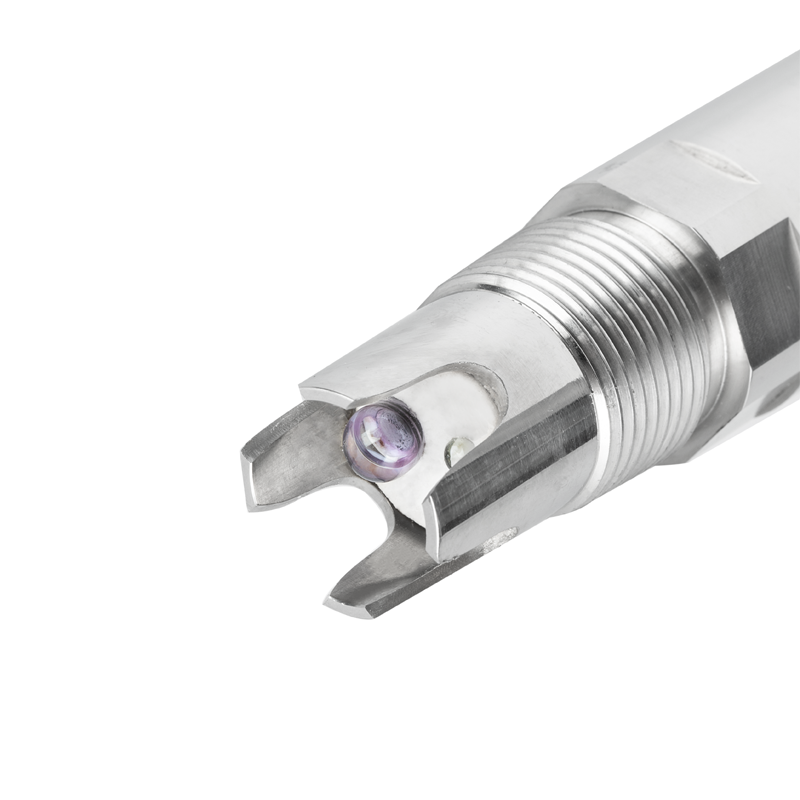
Regular maintenance can significantly extend electrode service life and reduce the full life cycle cost of the project.
Gently wipe the electrode surface with cotton soaked in CCl₄ or acetone, then immerse in 0.1 mol/L HCl solution for 12 hours, and rinse repeatedly with distilled water.
Short-term storage: Place in pH 4.00 buffer solution or distilled water.
Long-term storage: Place in pH 7.00 buffer solution, or cover with a rubber cap and place in the original packaging box to prevent the glass membrane from drying and cracking.
Timely cleaning after use is the key to ensuring the accuracy of the next measurement. Maintenance must be “symptomatic” according to the characteristics of the medium: clean immediately after use in highly polluted media, and establish a periodic maintenance plan for high-frequency measurement scenarios.
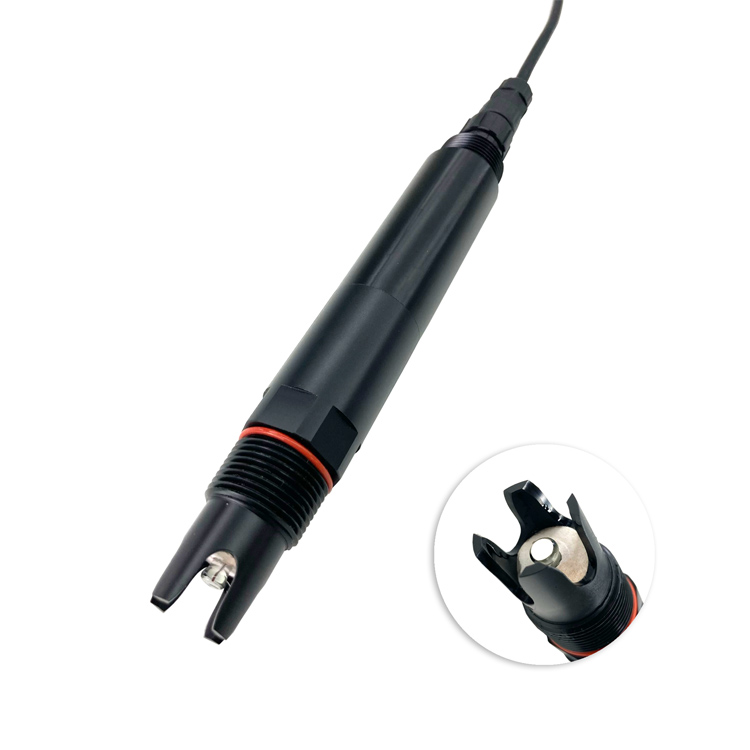
To avoid electrode damage and measurement errors, the following points must be strictly observed in engineering operations:
1. The spherical thin film at the lower end of the glass electrode is extremely thin; never collide it with hard objects. Once the bulb is broken, the electrode is scrapped.
2. Before first use or after long-term storage, be sure to soak in distilled water for 24 hours (or as required by the manual) to simplify subsequent calibration procedures.
3. The electrode outer shell (plexiglass tube) has good insulation performance; it is strictly prohibited to contact chemical reagents or oil stains.
4. When the glass bulb is stained with oil, clean it sequentially with alcohol, ether, or carbon tetrachloride, then rinse with distilled water and soak.
5. When measuring strong alkaline solutions, complete the operation as quickly as possible. After measurement, immediately rinse with distilled water to prevent long-term corrosion of the glass membrane by alkali.
6. Avoid long-term immersion in pure water or protein solutions, and prohibit contact with organic silicone grease.
7. When the glass membrane becomes semi-transparent or deposits appear after long use, it can be washed with dilute hydrochloric acid and then thoroughly rinsed.
Combining standardized operation with timely maintenance can extend electrode life to several times that of ordinary industrial electrodes and significantly reduce replacement frequency.
NiuBoL NBL-WQ-PH retains core performance while simplifying functions. The patented pH electrode internal reference solution slowly seeps out through a microporous salt bridge under pressure ≥100kPa, with positive seepage lasting more than 20 months, greatly improving long-term stability. The IP68 protection rating adapts to harsh industrial site environments. The dual high-impedance differential amplifier has strong anti-interference ability and is suitable for continuous online monitoring.
The instrument supports two-point calibration and automatic temperature compensation, with RS-485 Modbus RTU protocol output for easy system integration. The low-power design (0.2W@12V) is suitable for distributed monitoring nodes, and the 3/4 NPT installation interface reduces construction difficulty.
| Parameter | Specification |
|---|---|
| Model | NBL-WQ-PH |
| Housing Material | ABS/PC |
| Measurement Principle | Glass Electrode Method |
| Range | 0~14.00 pH |
| Resolution | 0.01 pH |
| Accuracy | ±0.1 pH, ±0.3℃ |
| Response Time (T90) | <30s |
| Calibration Method | Two-point Calibration |
| Temperature Compensation | Automatic Temperature Compensation (Pt1000) |
| Output Method | RS-485 (Modbus RTU) |
| Operating Temperature | 0~50℃ |
| Operating Pressure | ≤0.2MPa |
| Installation Method | Submersible Installation, 3/4 NPT |
| Power Supply Voltage | 12~24V DC |
| Power Consumption | 0.2W@12V |
| Protection Rating | IP68 |
| Cable Length | 5 meters (customizable) |
When selecting, focus on the corrosiveness of the measured medium, temperature and pressure range, and system communication requirements. For strong acid, strong alkali, or highly polluted scenarios, prioritize patented long-life electrodes. During integration, use shielded cables with single-end grounding. The Modbus RTU protocol directly connects to PLC or SCADA systems. Complete two-point calibration before initial commissioning and verify reading stability.
A: Judge according to the standard buffer solution calibration method. If it exceeds the normal range, perform targeted cleaning immediately.
A: First clean with CCl₄ or acetone, then rinse with 1.2 mol/L hydrochloric acid, and finally soak in distilled water for one day and night.
A: Generally soak in distilled water for 24 hours, or in 3 mol/L KCl solution for 2–10 hours according to the manual.
A: Complete the measurement as quickly as possible. After completion, immediately rinse with distilled water to prevent alkali from corroding the glass membrane.
A: Place in pH 7.00 buffer solution or cover with a rubber cap and place in a dry box to avoid drying of the glass membrane.
A: It is suitable for continuous pH monitoring in industries such as thermal power, chemical, metallurgy, environmental protection, pharmaceutical, food, and tap water.
A: Standardized cleaning, timely maintenance, avoiding mechanical damage and improper storage. Combined with the patented reference system, the service life can be significantly extended.
A: Use shielded cables, correct grounding, regular calibration, and set a reasonable maintenance cycle according to process characteristics.
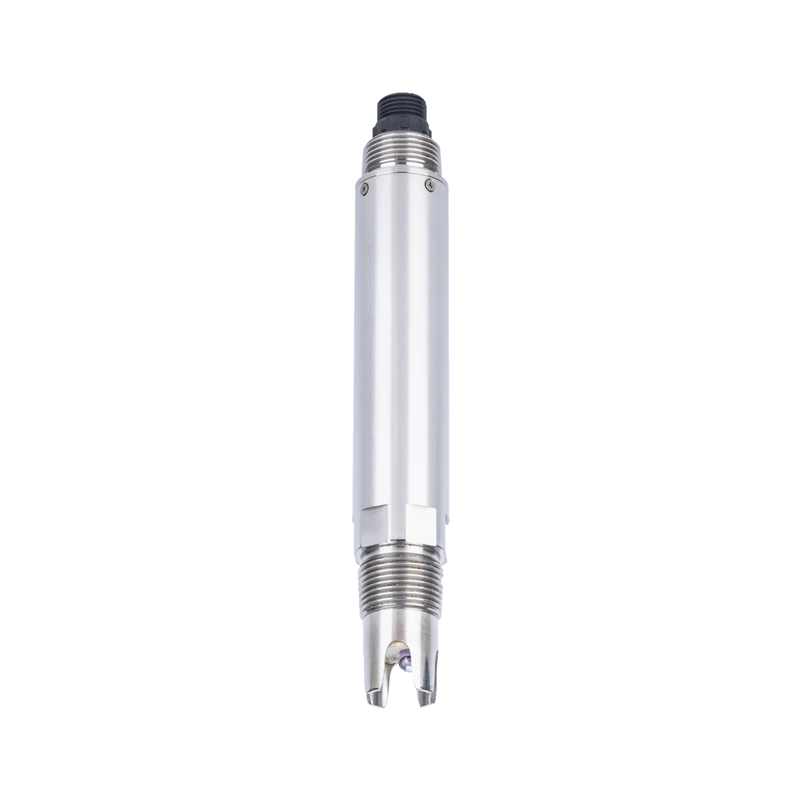
The online pH meter meets the needs of continuous industrial process pH monitoring with its cost-effective advantages, while the correct cleaning, maintenance, and use of glass electrodes is the key to ensuring performance stability. NiuBoL NBL-WQ-PH industrial online pH meter combines glass electrode technology, simple operation, and reliable integration features to provide mature solutions for engineering projects. Standardized maintenance can not only extend electrode life and reduce costs, but also ensure the accuracy of measurement data, helping process optimization and discharge compliance.
System integrators and project contractors can flexibly configure according to actual working conditions to achieve an efficient and reliable pH monitoring system. For technical support, prototype verification, or customized solutions, please contact the NiuBoL professional team to jointly promote high-quality project implementation.
 NBL-WQ-PH Online Water Quality pH Sensor.pdf
Related recommendations
Sensors & Weather Stations Catalog
Agriculture Sensors and Weather Stations Catalog-NiuBoL.pdf
Weather Stations Catalog-NiuBoL.pdf
Agriculture Sensors Catalog-NiuBoL.pdf
Water Quality Sensor Catalog-NiuBoL.pdf
Related products
 Combined air temperature and relative humidity sensor
 Soil Moisture Temperature sensor for irrigation|NBL-S-THR
 Soil pH sensor RS485 soil Testing instrument soil ph meter for agriculture |NBL-S-PH
 Wind Speed sensor Output Modbus/RS485/Analog/0-5V/4-20mA
 Tipping bucket rain gauge for weather monitoring auto rainfall sensor RS485/Outdoor/stainless steel
 Pyranometer Solar Radiation Sensor 4-20mA/RS485

Screenshot, WhatsApp to identify the QR code
WhatsApp number:+8615367865107
(Click on WhatsApp to copy and add friends)

