





— Blogs —
—Products—
 Consumer hotline +8618073152920
 WhatsApp:+8615367865107
Address:Room 102, District D, Houhu Industrial Park, Yuelu District, Changsha City, Hunan Province, China
Product knowledge
Time:2026-04-18 11:00:08 Popularity:442
Sugar industry wastewater mainly comes from sugar extraction production of beet or sugarcane, chute wastewater, distillation process, and ground flushing. Since this type of wastewater mixes a large amount of organic matter, sugar, and residual by-products, it has the typical characteristics of high COD, high BOD, and high color.
For system integrators (SI) and project contractors, the core of sugar wastewater treatment lies in utilizing its good “biodegradability” to achieve organic matter degradation through efficient biochemical combined processes (such as UASB + SBR). NiuBoL is committed to providing precise sensing layer data for this process chain, helping engineering projects achieve automated control and energy consumption optimization.
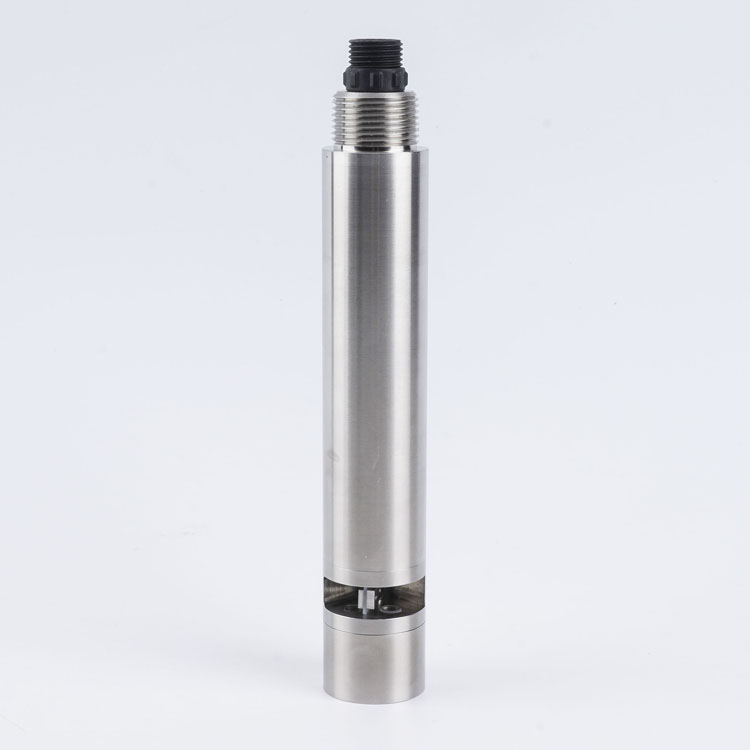
Sugar wastewater is a typical high-concentration organic wastewater, and its main challenges are:
High organic load: Extremely high COD and BOD. If discharged directly, it will cause severe hypoxia in the receiving water body.
Eutrophication risk: Nutrients in the wastewater will lead to explosive growth of algae (water bloom phenomenon), destroying the water ecological balance.
Color interference: Complex organic components make the water body appear dark, affecting photosynthesis and landscape.
Before entering the core biochemical tank, pretreatment by physicochemical methods must be carried out to reduce suspended solids (SS) and regulate water quality.
Common methods: Coagulation sedimentation, adsorption, diffusion dialysis, etc.
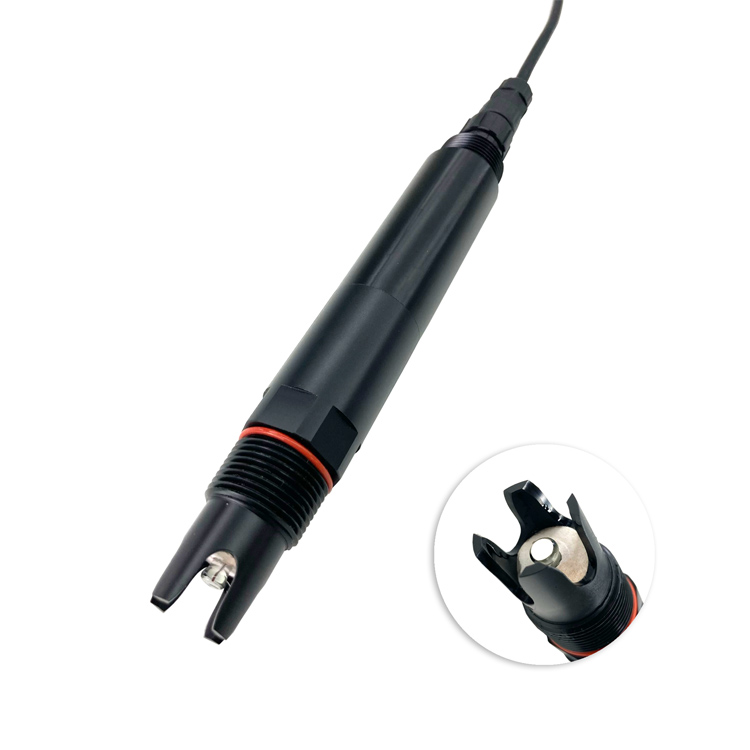
Integration points: Use NiuBoL flowmeter and pH sensor to monitor influent flow and acidity/alkalinity in real time, ensuring the accuracy of coagulant dosing.
Upflow Anaerobic Sludge Blanket (UASB) is a representative technology for sugar wastewater treatment, especially suitable for high-concentration organic wastewater.
Mechanism: Wastewater enters uniformly from the bottom and fully contacts methanogenic bacteria in the sludge bed, converting organic matter into biogas.
Engineering performance: When treating beet wastewater, the volumetric load can reach 20.7 kgCOD/(m³·d), with a removal rate of approximately 82%.
Monitoring key points: Need to monitor influent suspended solids concentration to prevent clogging, and use ORP to monitor the stability of the anaerobic environment.
Since anaerobic effluent is usually difficult to meet discharge standards directly, aerobic processes are needed for further purification.
SBR (Sequencing Batch Reactor Activated Sludge Process): Completes influent, reaction, sedimentation, and decanting in the same tank. It has the advantages of strong shock load resistance and low sludge bulking rate.
CASS (Cyclic Activated Sludge System): Improves the selector design with more flexible operation.
Biofilm/Activated Sludge Combined Process: Combines the advantages of high load of biofilm and sufficient solid-liquid contact of activated sludge.
This is currently the mainstream choice for high-concentration sugar wastewater treatment.
Logic: The anaerobic stage is responsible for “heavy load reduction” and energy recovery (biogas); the aerobic stage is responsible for “refined compliance”.
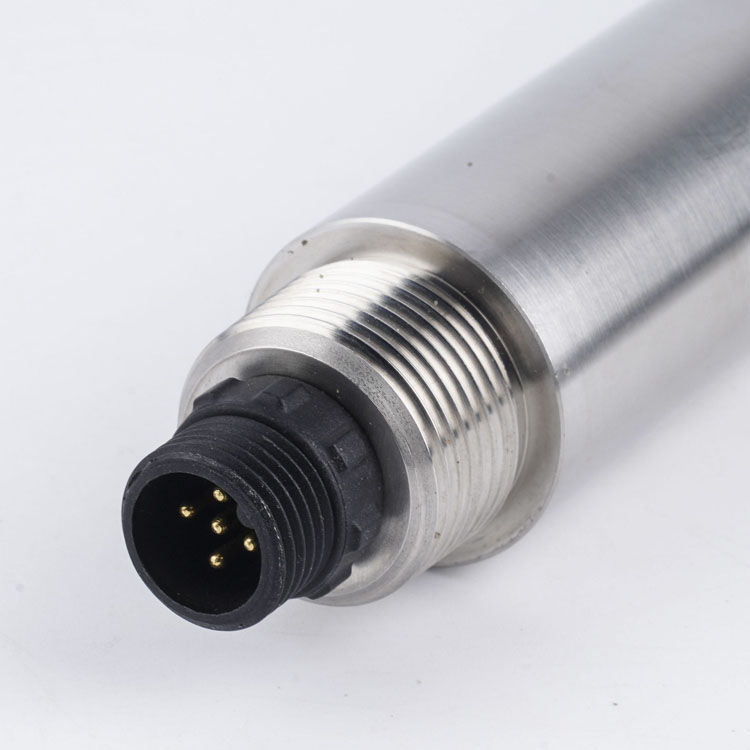
In sugar wastewater treatment projects, real-time data feedback is the key to ensuring microbial activity.
| Monitoring Points | Monitoring Parameters | Sensor Types | Application Value |
|---|---|---|---|
| Inlet | COD / Flow | UV254 / Ultrasonic | Real-time assessment of total load to guide pretreatment dosing |
| Anaerobic Tank (UASB) | Temperature / ORP | Industrial-grade Electrode | Monitor anaerobic methanogenic environment to prevent system “acidification” |
| Aerobic Tank (SBR) | Dissolved Oxygen (DO) / pH | Fluorescence Method / Composite Electrode | Linkage with fan aeration to optimize energy consumption and control sludge bulking |
| Middle Section of Biochemical Tank | Sludge Concentration (MLSS) | Infrared Scattering Method | Monitor biomass and guide excess sludge discharge |
| Final Outlet | COD / Ammonia Nitrogen / Turbidity | Combined Analyzer | Ensure effluent meets environmental discharge standards and prevent accident risks |
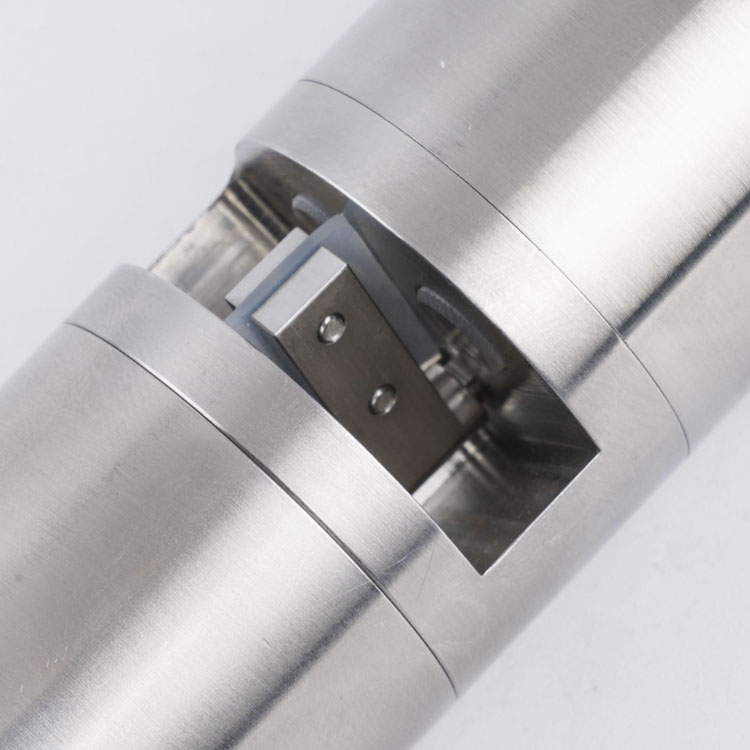
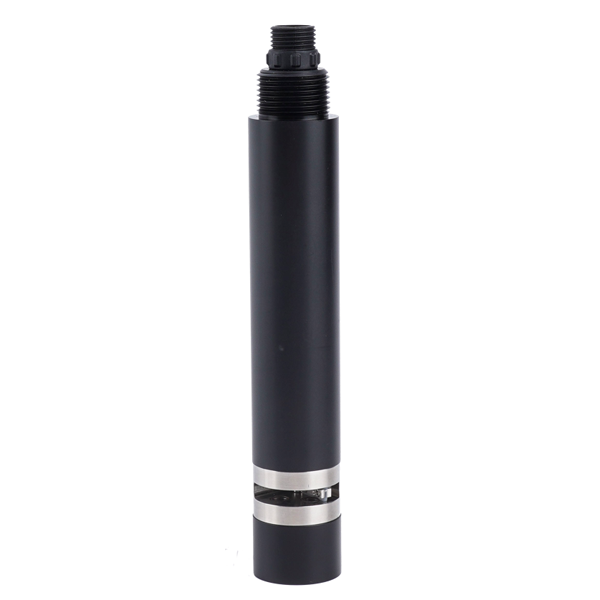
Integrators should use NiuBoL DO sensors to feed back 4–20mA or Modbus signals to the PLC. In the SBR reaction stage, when DO reaches the preset threshold, the fan frequency is automatically reduced, which can save 10%–20% of electricity costs for sugar factories.
Use NiuBoL MLSS sensors to monitor sludge concentration in real time and combine with UASB operation data. If sludge loss is detected, the system should automatically issue an alarm and link to adjust the influent upflow velocity.
Sugar production is seasonal. When designing the scheme, integrators should consider system maintenance during downtime periods. By monitoring pH and ORP changes, ensure the biochemical system can start up quickly when production resumes.
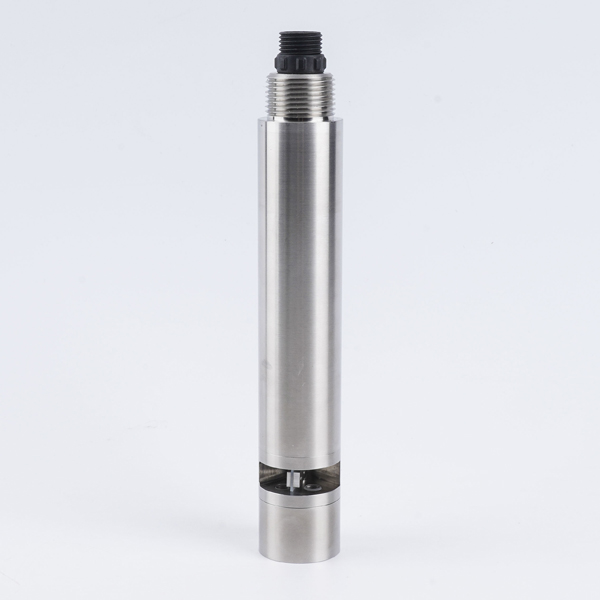
High concentrations of suspended solids will occupy the sludge bed space, and may even cause clogging of the water distribution system and short-circuiting, reducing COD removal efficiency. Online turbidity meters can be used to monitor the SS status after pretreatment.
When the pH value continues to drop and ORP fluctuates dramatically, it usually indicates that methanogenic bacteria are inhibited. At this time, alkali dosing should be immediately adjusted through linkage.
Sugar wastewater has high sugar content and is prone to induce filamentous bacteria bulking. By maintaining a reasonable dissolved oxygen gradient with NiuBoL DO sensors and using the selector zone for load control, bulking can be effectively suppressed.
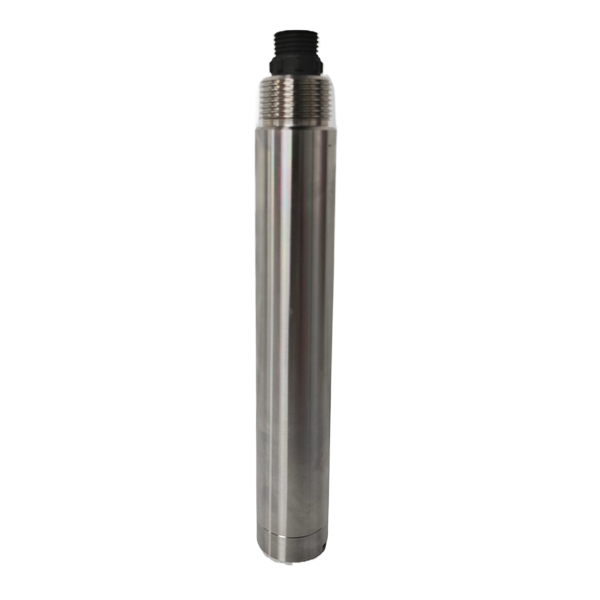
It mainly comes from pigments and polyphenols in the raw materials (sugarcane/beet) and melanoidins produced by heating of sugar components. These components require anaerobic-aerobic combined processes combined with later physicochemical decolorization treatment.
NiuBoL sensors use digital signal output with built-in anti-interference filters. Integrators should use industrial-grade shielded twisted-pair cables and ensure good bus grounding.
Use the product of online flowmeter and COD index to calculate the total organic load. The PLC automatically adjusts the stroke of PAC or PAM metering pumps according to the preset curve.
It greatly reduces the volume of structures (lowering CAPEX) while providing more stable effluent quality (reducing compliance risks), making it very suitable for capacity expansion and renovation of old plants.
Our UV254 sensor can be optionally equipped with an automatic self-cleaning system (brush head or air purge), which can effectively cope with biological fouling caused by high sugar residues and extend the maintenance cycle to 3-6 months.
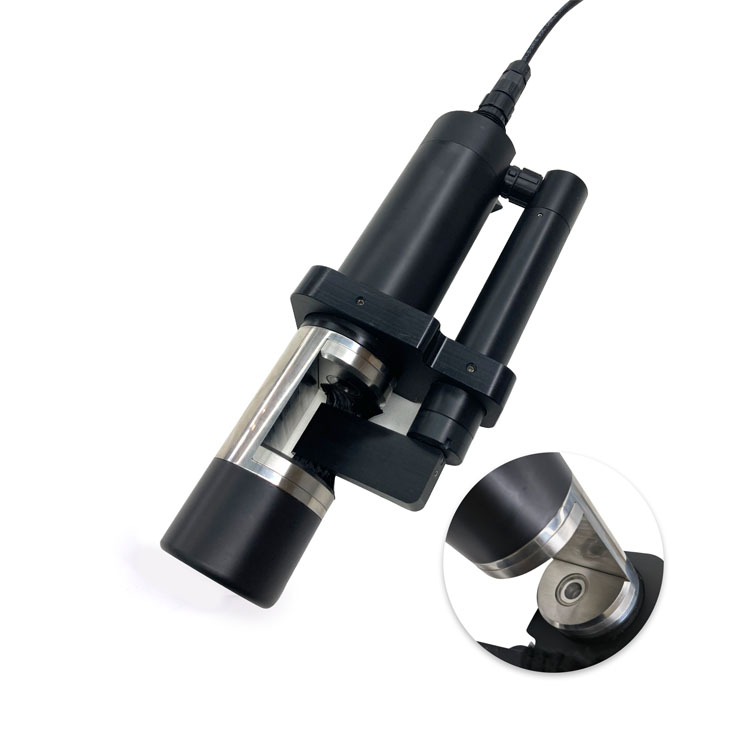
The treatment of sugar industry wastewater is a dynamic process from physical interception to microbial transformation. By scientifically deploying anaerobic-aerobic combined processes and integrating NiuBoL industrial-grade water quality monitoring systems, system integrators can build a quantifiable, controllable, and highly efficient green recycling system for sugar factories. While pursuing high-efficiency output, precise water quality monitoring will help enterprises perfectly fulfill their environmental responsibilities and achieve sustainable utilization of water resources.
 NBL-NHN-302 Industrial-grade Multi-parameter Online Ammonia Nitrogen Sensor.pdf
NBL-RDO-206 Online Fluorescence Dissolved Oxygen Sensor.pdf
NBL-COD-208 Online COD Water Quality Sensor.pdf
NBL-CL-206 Water Quality Sensor Online Residual Chlorine Sensor.pdf
Related recommendations
Sensors & Weather Stations Catalog
Agriculture Sensors and Weather Stations Catalog-NiuBoL.pdf
Weather Stations Catalog-NiuBoL.pdf
Agriculture Sensors Catalog-NiuBoL.pdf
Water Quality Sensor Catalog-NiuBoL.pdf
Related products
 Combined air temperature and relative humidity sensor
 Soil Moisture Temperature sensor for irrigation|NBL-S-THR
 Soil pH sensor RS485 soil Testing instrument soil ph meter for agriculture |NBL-S-PH
 Wind Speed sensor Output Modbus/RS485/Analog/0-5V/4-20mA
 Tipping bucket rain gauge for weather monitoring auto rainfall sensor RS485/Outdoor/stainless steel
 Pyranometer Solar Radiation Sensor 4-20mA/RS485

Screenshot, WhatsApp to identify the QR code
WhatsApp number:+8615367865107
(Click on WhatsApp to copy and add friends)

