





— Blogs —
—Products—
 Consumer hotline +8618073152920
 WhatsApp:+8615367865107
Address:Room 102, District D, Houhu Industrial Park, Yuelu District, Changsha City, Hunan Province, China
Product knowledge
Time:2026-04-18 11:22:24 Popularity:530
The swimming pool water quality online monitoring system realizes automatic data collection, wireless transmission, cloud analysis, and linkage control by collecting key parameters such as residual chlorine, pH value, and temperature in real time. It provides reliable engineering-grade water quality management solutions for system integrators, IoT solution providers, project contractors, and engineering companies.
NiuBoL NBL-WQ-PH pH sensor and NBL-WQ-CL residual chlorine sensor adopt the RS-485 Modbus RTU protocol and support seamless integration with PLC, DCS, and SCADA systems, meeting the continuous online monitoring needs of swimming venues, hotel swimming pools, and public swimming facilities. This article focuses on commercial procurement and project implementation points, detailing product technical specifications, application scenarios, selection guide, integration precautions, and maintenance specifications to help engineering teams optimize system design and reduce full life cycle costs.
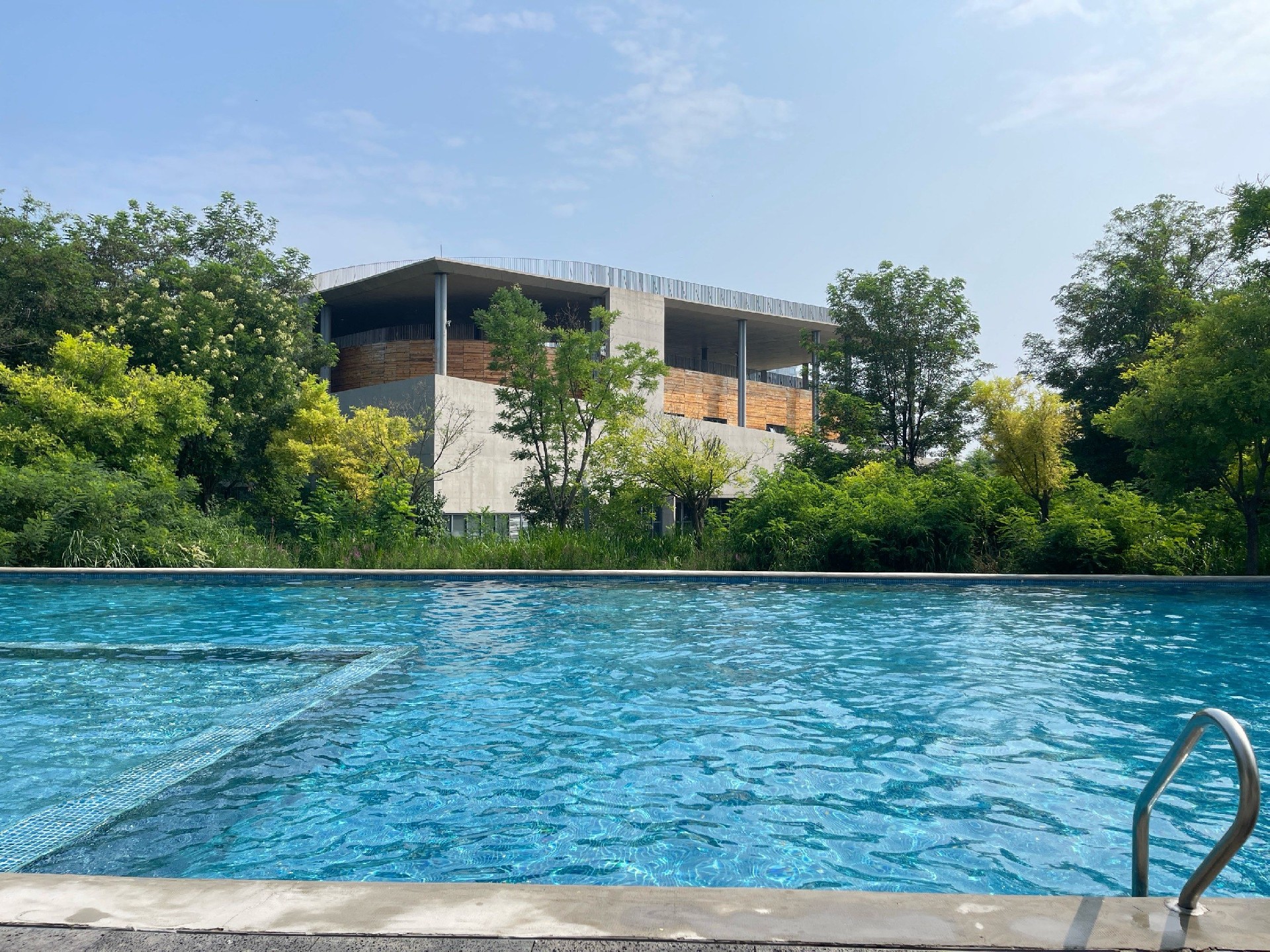
As a high-frequency public place, the water quality of swimming pools is directly related to hygiene safety and operational compliance. According to relevant national standards, swimming pool water quality must strictly control free residual chlorine at 0.3~1.0 mg/L, maintain pH value in the range of 7.0~7.8, and pay attention to parameters such as temperature and turbidity.
Traditional manual sampling detection has problems such as time lag and discontinuous data, while the online monitoring system can achieve 24/7 real-time monitoring through pipeline circulation sampling, support automatic over-limit warning and dosing linkage, effectively improving hygiene supervision efficiency and reducing the management burden of venues.
For system integrators, this type of system can be quickly integrated into existing building automation or IoT platforms to achieve remote data visualization and unified management of multiple venues. Project contractors benefit from standardized interface design, shortening on-site construction cycles. The NiuBoL sensor series features IP68 protection rating and low-power characteristics, adapting to the complex working conditions of indoor and outdoor swimming pools and ensuring long-term stable operation.
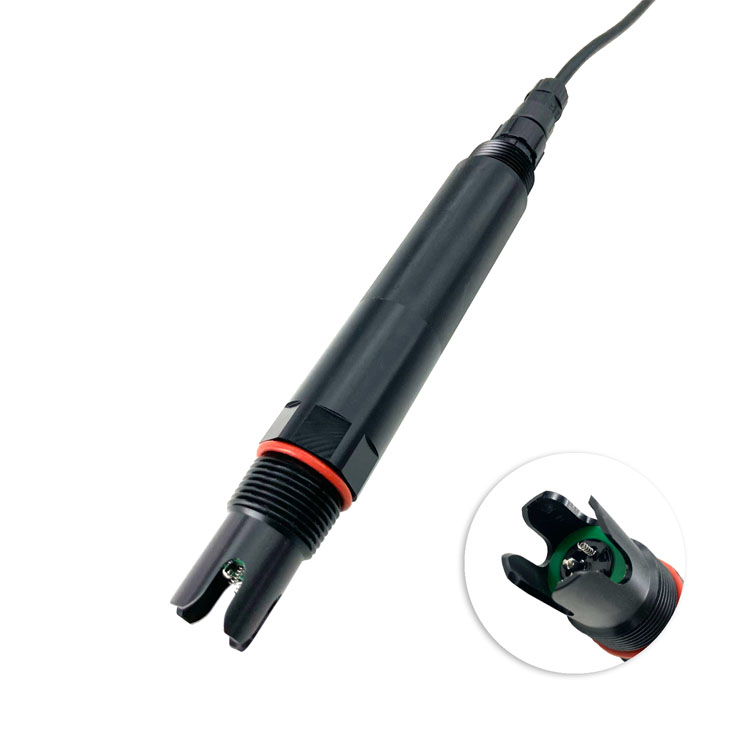
NiuBoL has launched the NBL-WQ-PH online pH sensor and NBL-WQ-CL online residual chlorine sensor for swimming pool applications. Both support Modbus RTU digital output, facilitating multi-parameter system integration. Both adopt ABS/PC alloy housing with excellent corrosion resistance and are equipped with Pt1000 automatic temperature compensation to eliminate the influence of temperature fluctuations on measurement accuracy.
The NBL-WQ-PH pH sensor is suitable for environmental water quality monitoring and continuous measurement of acid-alkali solutions. The patented glass electrode technology allows the internal reference solution to seep out slowly through a microporous salt bridge under pressure ≥100kPa, with positive seepage lasting more than 20 months, significantly extending electrode life. The dual high-impedance differential amplifier design enhances anti-interference ability, with a response time T90 of less than 30 seconds, making it suitable for high-frequency monitoring needs of swimming pool circulation water systems.
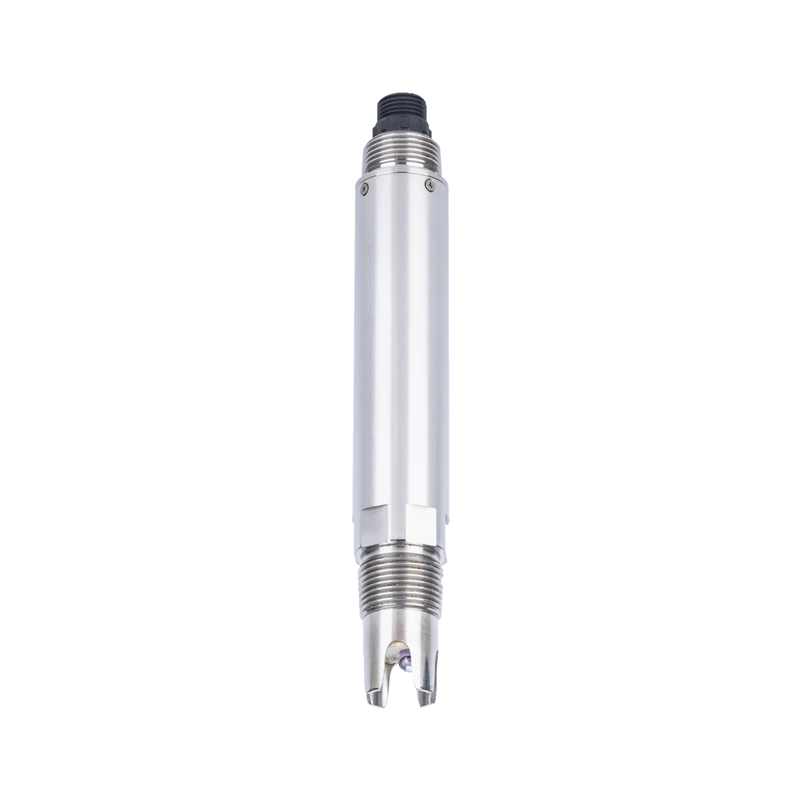
The NBL-WQ-CL residual chlorine sensor adopts the constant voltage method measurement principle and is specially designed for drinking water treatment, swimming pools, and cooling circulation water. The range covers 0~2.000 mg/L (calculated as HClO), with resolution of 0.001 mg/L and accuracy of ±5% or ±0.05 mg/L. Operating conditions are pH 4~9, with response time T90 less than 90 seconds, suitable for precise control of swimming pool disinfection effect.
Both sensors support submersible or flow cell installation. The 3/4 NPT standard interface facilitates connection with existing pipeline systems. Power supply is 12~24V DC, with power consumption as low as 0.2W@12V, reducing overall system energy consumption.
NiuBoL sensors are widely used in online water quality monitoring projects for indoor and outdoor swimming pools, warm water swimming pools, and commercial swimming pool facilities such as hotels and fitness centers.
In large swimming venues, the system sends pool water to sensors installed in flow cells through pipeline pumping to achieve synchronous continuous detection of residual chlorine and pH value. Once free residual chlorine falls below 0.3 mg/L or pH value deviates from 7.0~7.8, the system can link with dosing pumps for automatic adjustment to ensure disinfection efficacy and human comfort. IoT solution providers can further access cloud platforms to support remote viewing of real-time data, historical trends, and alarm records via mobile phones or computers, improving unified operation and maintenance efficiency across multiple venues.
For engineering contracting projects, such as new swimming centers or renovation of existing swimming pools, NiuBoL sensors can be combined with turbidity sensors and temperature sensors to form multi-parameter monitoring nodes. Submersible installation is suitable for balance tanks or main circulation pipelines, while flow cell installation is suitable for precise sampling requirements. Typical scenarios also include children’s swimming pools (requiring stricter pH control to reduce skin irritation) and competition swimming pools (requiring rapid response to disinfection changes under high-frequency use).
In high-temperature and high-humidity indoor swimming pool environments, the IP68 protection rating ensures long-term immersion operation of sensors. For outdoor swimming pool projects, the RS-485 bus can be used for long-distance data transmission, reducing wiring complexity.
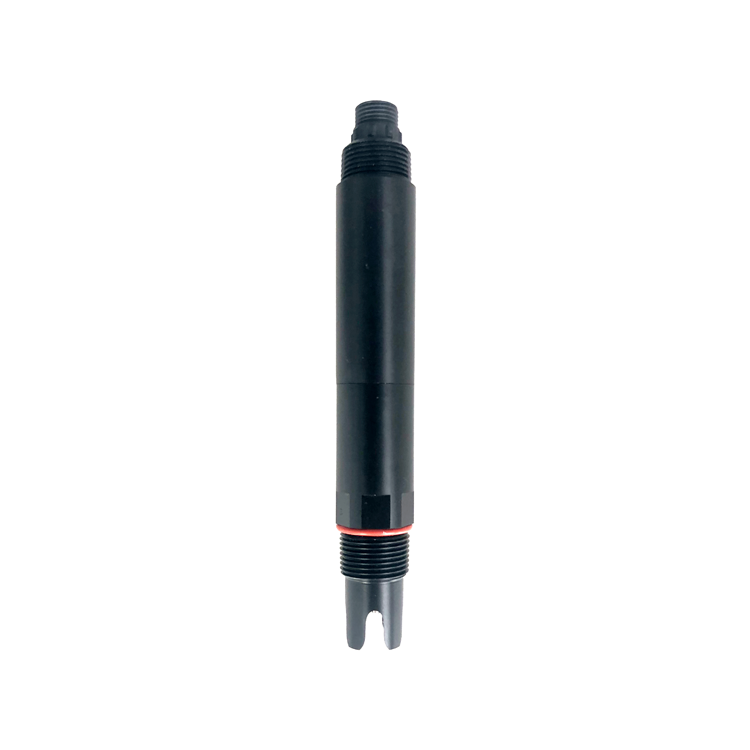
Selection must comprehensively consider swimming pool water quality conditions, system integration requirements, and maintenance convenience.
pH measurement prioritizes NBL-WQ-PH: Suitable for standard swimming pool circulation water (pH 7.0~7.8). The wide 0~14.00 range covers possible extreme deviations. The patented reference system is suitable for long-term continuous operation scenarios.
Residual chlorine measurement prioritizes NBL-WQ-CL: Targeted at free residual chlorine control requirements of 0.3~1.0 mg/L. The constant voltage method works stably in the pH 4~9 range. Flow cell installation ensures stable flow velocity (recommended 30-60 L/h).
Multi-parameter system integration: Both support the Modbus RTU protocol and can be connected with third-party controllers or data acquisition units to achieve simultaneous collection of residual chlorine, pH, and temperature. If the project needs to expand turbidity or ORP monitoring, it is recommended to reserve RS-485 address space.
Environmental adaptability: Operating temperature 0~50℃ (pH) / 5~50℃ (residual chlorine), pressure resistance ≤0.2 MPa, suitable for most swimming pool circulation systems. Standard cable length is 5 meters and supports customization to match on-site wiring distance.
Engineering teams can evaluate the number of sensors and installation locations based on pool volume, circulation flow rate, and regulatory requirements. Usually, 1-2 monitoring points are set on the main circulation pipeline, and auxiliary water tanks can add independent nodes.
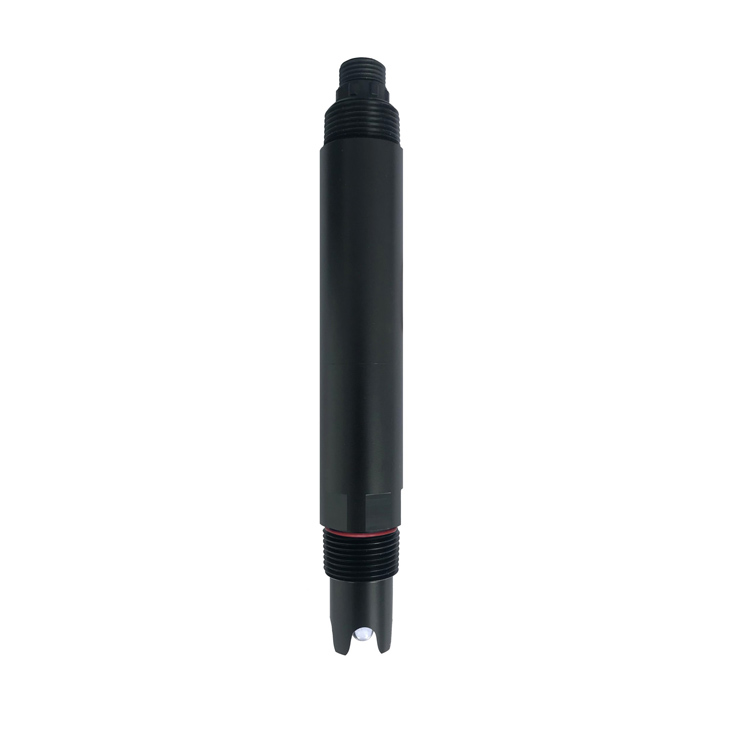
Before installation, confirm that the water flow at the sampling point is stable to avoid the influence of bubbles or dead zones on measurement. NBL-WQ-PH supports submersible installation, with 1/3 of the sensor immersed in the solution. NBL-WQ-CL is recommended to be installed with a flow cell, with the measurement part close to the water inlet and flow velocity controlled at 30-60 L/h to ensure measurement stability.
For integration, the RS-485 Modbus RTU protocol supports standard function codes to read real-time values, temperature compensation data, and equipment status. It is recommended to use shielded cables with single-end grounding to suppress electromagnetic interference. When the bus length exceeds 100 meters, consider using repeaters or reducing the baud rate. Separate the power supply circuit from the signal circuit to avoid common ground interference.
During system integration, sensor data can be mapped to PLC analog quantities or registers to achieve linkage control with dosing pumps and circulation pumps. Cloud platform access requires configuration of a Modbus gateway and supports wireless transmission methods such as 4G/WiFi for convenient remote operation and maintenance. Before initial commissioning, perform two-point calibration on the pH sensor using standard buffer solution, and complete two-point calibration on the residual chlorine sensor according to the manual to ensure accurate baseline.
To maintain measurement accuracy, sensor maintenance must be incorporated into the daily operation and maintenance plan. Before measurement, clean the sensor in distilled water or deionized water and blot dry with filter paper to avoid bringing impurities into the pool water. When not in use, clean it thoroughly and store it in a protective sleeve containing 3mol/L potassium chloride solution.
Regularly check the dryness of the wiring terminals. If there is dirt, wipe with anhydrous alcohol and blow dry. Avoid long-term immersion in pure water or protein solutions and prevent contact with organic silicone grease. When deposits appear on the glass membrane, wash with dilute hydrochloric acid and rinse thoroughly. After a period of use, perform calibration with the instrument. If stable calibration still cannot be achieved, the sensor needs to be replaced.
When installing NBL-WQ-CL in a flow cell, regularly check the flow velocity and pipeline cleanliness to prevent microbial attachment from affecting response time. Standardized maintenance can extend electrode life to several times that of ordinary industrial sensors and reduce project maintenance costs.
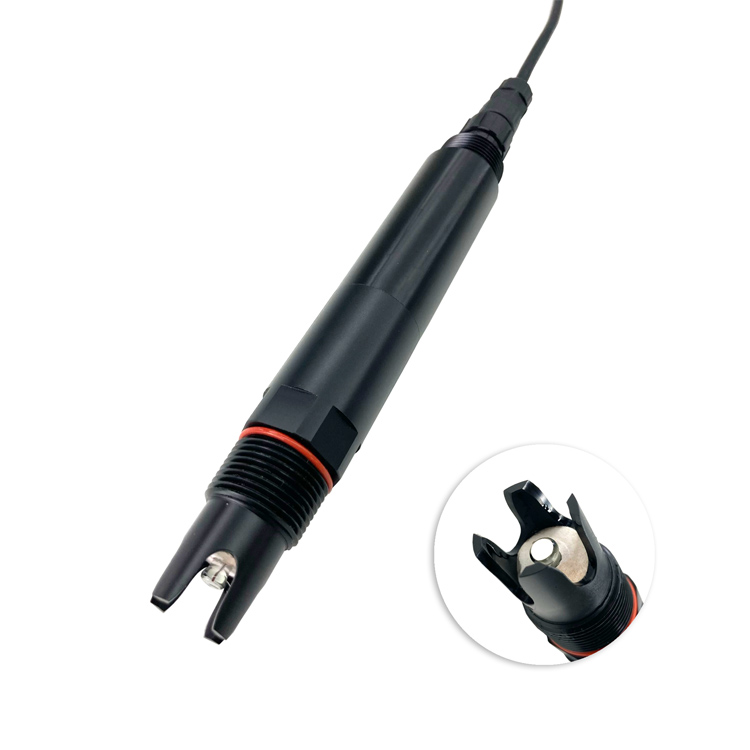
| Parameter | Specification |
|---|---|
| Model | NBL-WQ-PH |
| Housing Material | ABS/PC Alloy |
| Measurement Principle | Glass Electrode Method |
| Range | 0~14.00 |
| Resolution | 0.01 |
| Accuracy | ±0.1 pH,±0.3℃ |
| Response Time (T90) | <30s |
| Calibration Method | Two-point Calibration |
| Temperature Compensation | Automatic Temperature Compensation (Pt1000) |
| Output Method | RS-485 (Modbus RTU) |
| Operating Temperature | 0~50℃ |
| Operating Pressure | ≤0.2MPa |
| Installation Method | Submersible Installation, 3/4 NPT |
| Power Supply Voltage | 12~24V DC |
| Power Consumption | 0.2W@12V |
| Protection Rating | IP68 |
| Cable Length | 5 meters (customizable) |
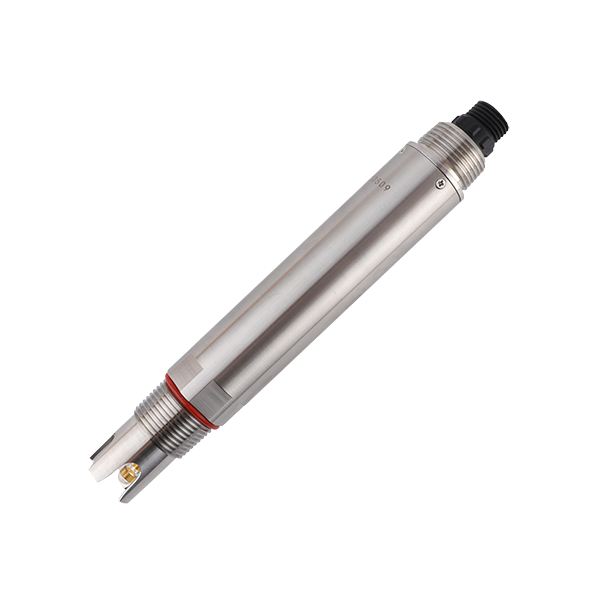
| Parameter | Specification |
|---|---|
| Model | NBL-WQ-CL |
| Housing Material | ABS/PC Alloy |
| Measurement Principle | Constant Voltage Method |
| Range | 0~2.000 mg/L (HClO) |
| Resolution | 0.001 mg/L |
| Accuracy | ±5% or ±0.05 mg/L,±0.3℃ |
| Response Time (T90) | <90s |
| Calibration Method | Two-point Calibration |
| Temperature Compensation | Automatic Temperature Compensation (Pt1000) |
| Output Method | RS-485 (Modbus RTU) |
| Operating Temperature | 5~50℃ |
| Operating Pressure | ≤0.2MPa |
| pH Operating Range | 4~9 |
| Installation Method | Flow Cell Installation, 3/4 NPT |
| Power Supply Voltage | 12~24V DC |
| Power Consumption | 0.2W@12V |
| Protection Rating | IP68 |
| Cable Length | 5 meters (customizable) |
A: Core parameters include free residual chlorine (0.3~1.0 mg/L), pH value (7.0~7.8), temperature, and optional turbidity. NiuBoL NBL-WQ-PH and NBL-WQ-CL can be combined to cover the main requirements.
A: Flow cell installation is recommended. The sensor measurement part should be close to the water inlet, with flow velocity controlled at 30-60 L/h to ensure measurement stability.
A: Direct connection is achieved through the RS-485 Modbus RTU protocol. It supports standard function codes to read pH, residual chlorine, and temperature data. Independent addresses can be configured in engineering to avoid conflicts.
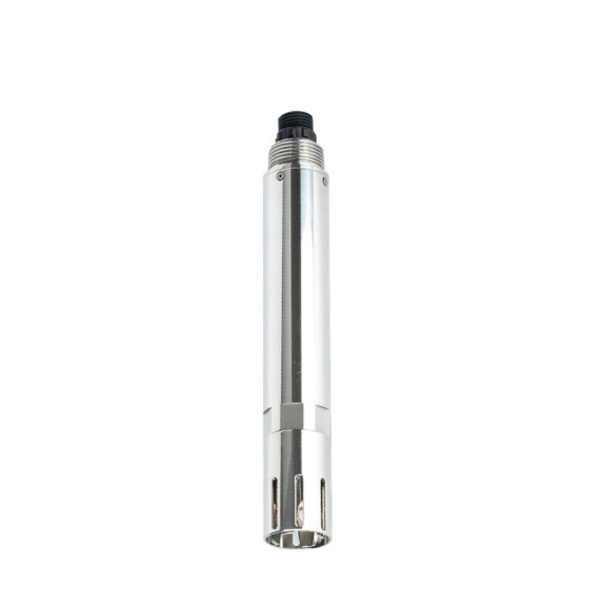
A: The patented reference system has positive seepage lasting more than 20 months. With standardized maintenance, the service life is significantly better than that of ordinary industrial electrodes.
A: After sensor data is connected to the controller, thresholds can be set to trigger relay output, linking with dosing pumps to adjust residual chlorine or pH value.
A: Use the same batch of standard buffer solution to complete two-point calibration within the same time window to ensure consistency of readings across multiple sensors.
A: The built-in Pt1000 temperature compensation can correct electrode potential deviation, but the final displayed value is the actual value at the current temperature. In engineering design, temperature control links can be set according to process requirements.
A: Provide parameters such as pool volume, circulation flow rate, installation location (submersible/flow cell), communication requirements, and cable length to facilitate matching the optimal configuration.
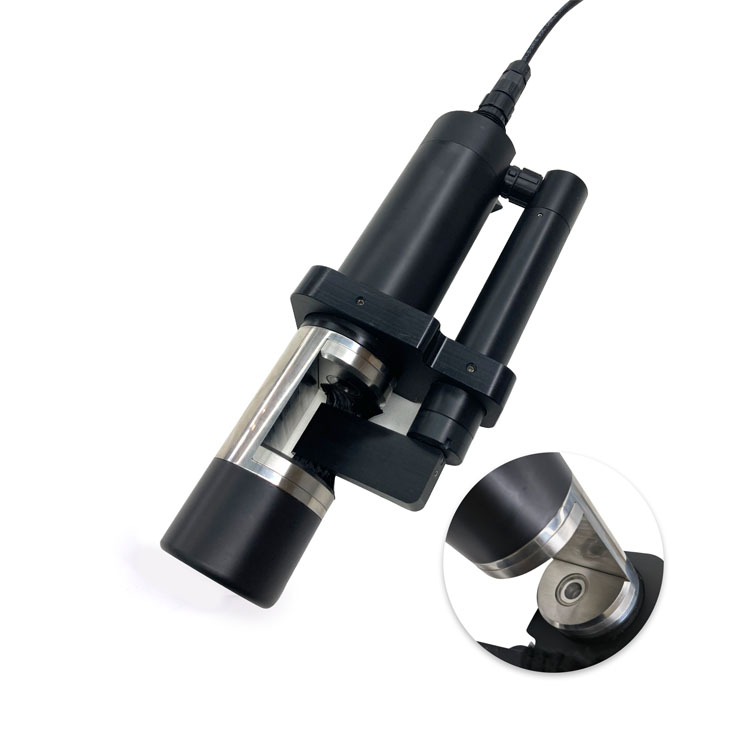
NiuBoL NBL-WQ-PH pH sensor and NBL-WQ-CL residual chlorine sensor provide stable and easy-to-integrate engineering solutions for swimming pool water quality online monitoring projects. Through Modbus RTU digital output, IP68 protection, and patented electrode technology, they can effectively ensure precise control of free residual chlorine and pH value, helping system integrators and engineering companies achieve efficient and compliant water quality management. Standardized installation, regular calibration, and maintenance are the key to ensuring long-term reliable operation of the system. For technical parameter confirmation, prototype testing, or customized integration solutions, please contact the NiuBoL professional team to jointly promote high-quality implementation of swimming pool water quality monitoring projects.
 NBL-WQ-CL Water Quality Sensor Online Residual Chlorine Sensor.pdf
NBL-WQ-CL-4A Industrial-grade Online Residual Chlorine Sensor.pdf
NBL-WQ-CL-4S Series Online Water quality Residual Chlorine Sensor.pdf
NBL-WQ-PH Online Water Quality pH Sensor.pdf
Related recommendations
Sensors & Weather Stations Catalog
Agriculture Sensors and Weather Stations Catalog-NiuBoL.pdf
Weather Stations Catalog-NiuBoL.pdf
Agriculture Sensors Catalog-NiuBoL.pdf
Water Quality Sensor Catalog-NiuBoL.pdf
Related products
 Combined air temperature and relative humidity sensor
 Soil Moisture Temperature sensor for irrigation|NBL-S-THR
 Soil pH sensor RS485 soil Testing instrument soil ph meter for agriculture |NBL-S-PH
 Wind Speed sensor Output Modbus/RS485/Analog/0-5V/4-20mA
 Tipping bucket rain gauge for weather monitoring auto rainfall sensor RS485/Outdoor/stainless steel
 Pyranometer Solar Radiation Sensor 4-20mA/RS485

Screenshot, WhatsApp to identify the QR code
WhatsApp number:+8615367865107
(Click on WhatsApp to copy and add friends)

