





— Blogs —
—Products—
 Consumer hotline +8618073152920
 WhatsApp:+8615367865107
Address:Room 102, District D, Houhu Industrial Park, Yuelu District, Changsha City, Hunan Province, China
Product knowledge
Time:2026-05-25 10:50:06 Popularity:445
In industrial process automation and environmental monitoring projects, real-time online monitoring of pH value is the core link to ensure process compliance, improve product yield and protect back-end equipment. When system integrators, IoT solution providers and engineering contractors design water quality monitoring EPC solutions, pH sensors are often the nodes with the harshest operating environments and the highest maintenance frequency.
Traditional pH measurement systems often face the following technical pain points in industrial sites:
1. High impedance signal is extremely susceptible to interference: The millivolt signal output by pH glass electrodes usually has an impedance as high as above 10^9 ohms. In industrial workshops filled with large frequency converters, water pumps and power cables, analog signals are easily distorted, and transmission distances exceeding 10 meters will cause reading drift.
2. Reference system is prone to poisoning and blockage: Traditional liquid electrolyte has uncontrollable seepage speed. When facing wastewater with high suspended solids, easy scaling or sulfide content, the liquid junction (salt bridge) is easily polluted or reversely permeated, resulting in slow electrode response or failure.
3. High on-site mechanical damage rate: The sensitive glass bulb structure is fragile. Solid particles in the fluid or collisions during manual maintenance can easily cause the bulb to break, resulting in unplanned downtime of the production line.
In order to solve these practical engineering problems, understanding the internal structure, scientific classification and common fault diagnosis and solutions of Industrial pH Electrode is the essential foundation for engineering technicians in equipment selection and system integration.
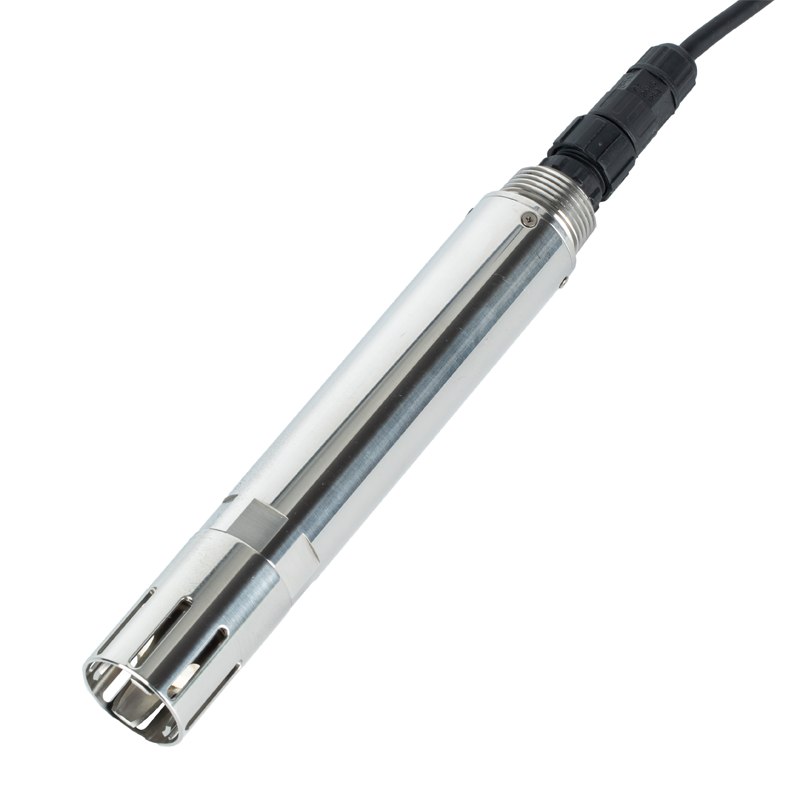
A complete industrial online pH measurement system usually consists of four parts: pH sensor (electrode), pH transmitter, electrode protection sleeve and cable. Among them, the pH electrode is an electrochemical sensor that directly contacts the measured sample, and its potential measurement is based on the Nernst Equation. A standard industrial pH probe internally contains the following three underlying core structures:
The indicator electrode is a component that has a special response to the hydrogen ion activity ([H+]) in the solution. The most commonly used indicator electrode in industry is the glass electrode. It is made by fusing a highly insulating glass rod with a hydrogen ion sensitive glass membrane of special composition (usually made by melting and blowing lithium glass, with a membrane thickness of about 0.1 to 0.2mm). The inside of the bulb is filled with an internal reference solution of known pH value, and a silver/silver chloride (Ag/AgCl) internal reference electrode is inserted, leading out the wire through the electrode cap seal. When the sensitive glass membrane contacts the aqueous solution, a potential difference linearly related to the solution pH value is generated between the outer and inner sides of the membrane.
The reference electrode is an electrode that has no response to the hydrogen ion activity in the solution and has a known and constant electrode potential. Common reference systems include calomel electrodes and silver/silver chloride (Ag/AgCl) electrodes. The reference electrode is connected to the external measured solution through a liquid junction (such as ceramic micropores, Teflon or fiber). Its core function is to provide and maintain a fixed reference potential for the entire measurement cell that does not change with sample composition. Engineering requirements for the reference electrode include stable potential, good reproducibility, small temperature coefficient, and small polarization potential when weak current passes through.
Since both the ion activity of the solution and the potential response of the glass sensitive membrane are affected by temperature changes (Nernst slope changes with temperature), industrial-grade pH electrodes usually integrate a thermistor (such as Pt100, Pt1000 or NTC10K) inside. The real-time temperature data collected by the temperature electrode is directly transmitted to the transmitter or internal MCU for automatic temperature compensation (ATC), thereby eliminating measurement errors caused by temperature fluctuations.
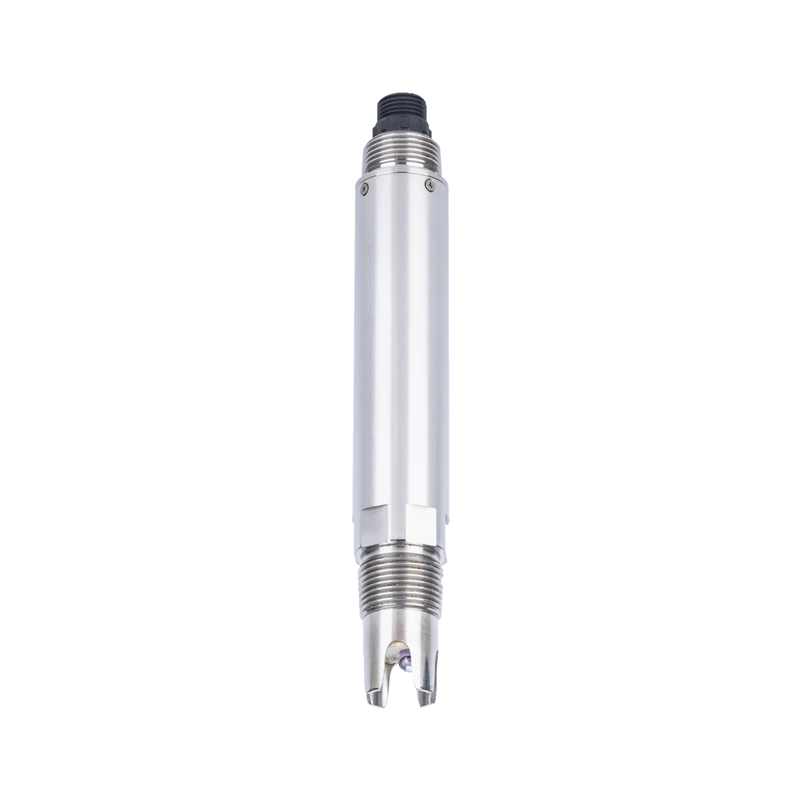
In B2B procurement and engineering design, Online pH Sensor Structure has different naming and classification rules according to different shell materials, integration levels and electrolyte forms.
Glass Body Electrode: The electrode shell is entirely made of glass. Due to glass's extremely high chemical resistance, glass body electrodes can withstand erosion from high temperature, high pressure, strong acid, strong alkali and strong oxidizing media. Widely used in high corrosive chemical process flows such as Chemical Process Control.
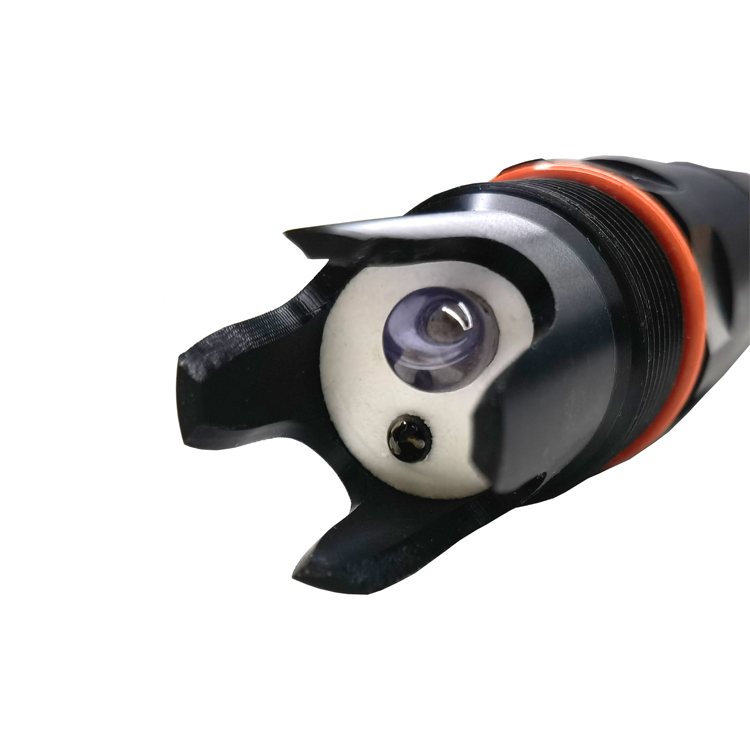
Plastic Body Electrode: The electrode shell is wrapped with high-strength plastic (such as polycarbonate PC, ABS or polyphenylene sulfide PPS), and the sensitive glass bulb is protected in a plastic guard. Plastic body electrodes have extremely strong mechanical impact resistance, explosion-proof and crack-proof, and are mostly used in Industrial Wastewater Treatment stages with complex site environments.
2-in-1 Composite Electrode (2-in-1 pH Probe): The design combines the pH glass measuring electrode and reference electrode in the same probe housing. This is currently the most basic electrode form in industrial online monitoring.
3-in-1 Composite Electrode (3-in-1 pH Probe for PLC): On the basis of the 2-in-1 electrode, the temperature sensor (thermistor) is further encapsulated inside the probe. This structure not only saves on-site installation space (only one installation hole is needed), but also ensures that the temperature collection point is completely consistent with the pH measurement point, greatly improving the accuracy of automatic temperature compensation.
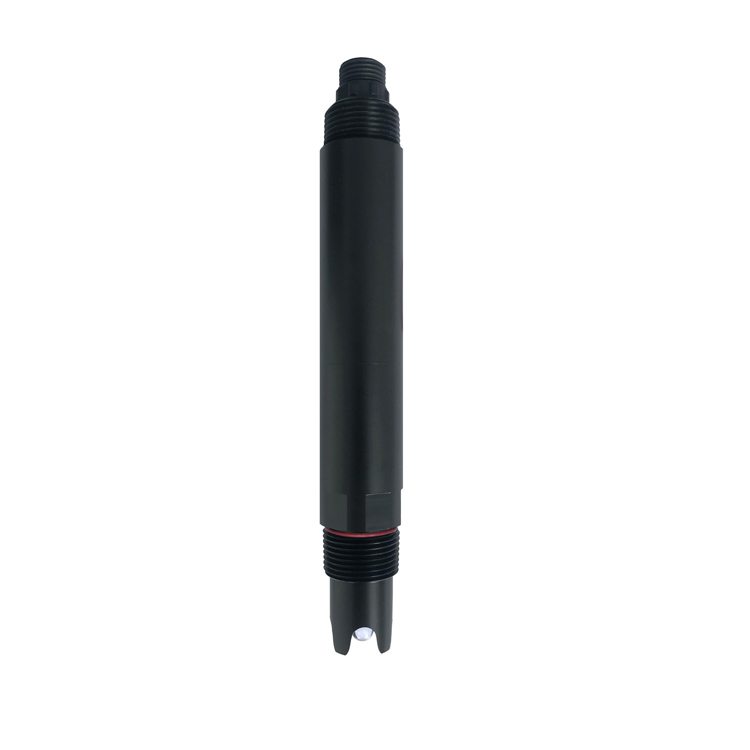
Traditional Liquid Electrode (Liquid-filled): Internally filled with flowable 3mol/L potassium chloride (KCl) liquid. It requires regular addition of filling liquid inside the electrode, and when installed in pressurized pipelines, an external side pressure system is required.
Gel Electrode (Gel Electrolyte): The electrolyte in the reference system is not fluid, but solid or semi-solid KCl gel. This design does not require manual filling maintenance, and the electrolyte seeps out extremely slowly and is pressure resistant. Gel Electrolyte pH Sensor Calibration cycle is long, very suitable for long-cycle unattended sites and field water quality data collection solutions.
Special electrodes customized according to specific industrial applications also include:
Pure water electrode: Specially used for low ionic strength water quality measurement, such as desalinated water, ultrapure water and RO permeate water systems.
Desulfurization/sewage electrode: Uses large-area, anti-pollution annular Teflon liquid junction to prevent solid particles and suspended matter scaling.
High temperature/low temperature electrode: Special hydrogen ion sensitive glass membranes customized for extreme working conditions below 0°C or above 100°C.
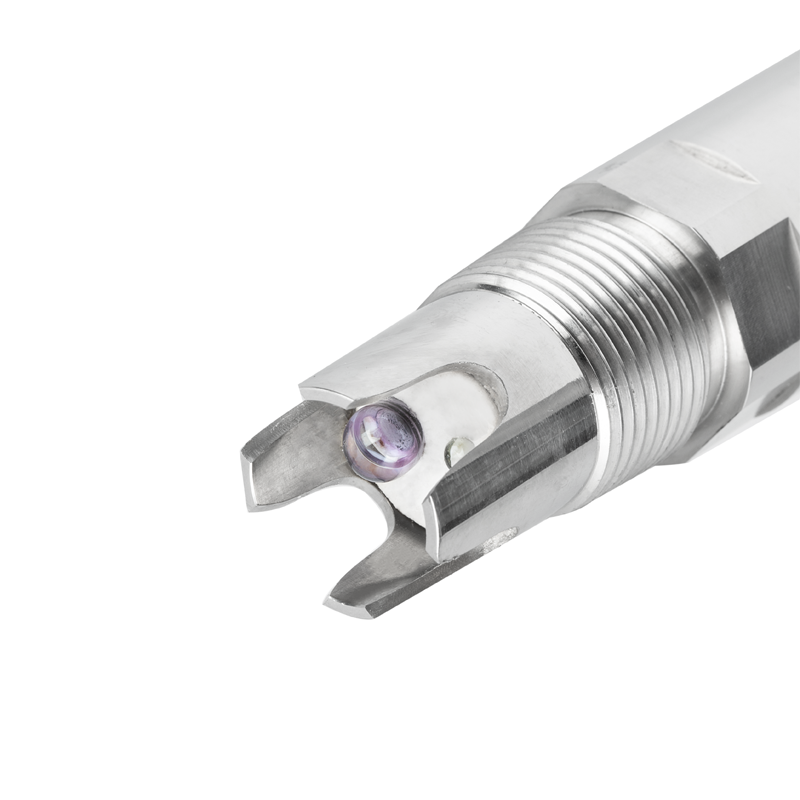
| Technical Parameter | Industrial Grade Specification |
|---|---|
| Equipment Brand | NiuBoL |
| Measurement Principle | Glass electrode method (combined with dual high impedance differential amplification technology) |
| Measurement Range | 0 to 14.00 pH |
| Resolution & Accuracy | Resolution: 0.01 pH; Accuracy: ±0.1 pH |
| Temperature Compensation Range | 0 to 50℃; Full automatic temperature compensation (built-in Pt1000 platinum resistance) |
| Signal Output Interface | RS-485 bus interface (standard Modbus RTU communication protocol) |
| Working Power Configuration | 12 to 24V DC safe power supply |
| Whole Machine Operating Power Consumption | ≤ 0.2 W |
| Working Environment Pressure Resistance | ≤0.2 MPa (Max 2 Bar) |
| Housing Protection Rating | IP68 waterproof level (supports full submersible long-term immersion operation) |
| Mechanical Installation Interface | Standard 3/4 NPT tapered pipe thread (convenient for pipeline or flow cell installation) |
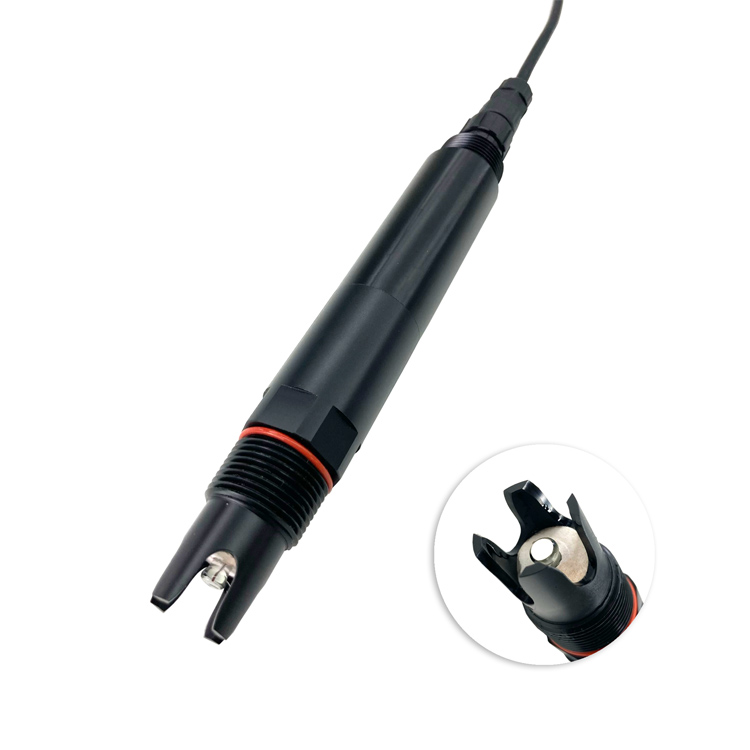
Site environment challenges: Neutralization tanks and regulating tanks contain a large amount of surfactants, waste oil and suspended metal hydroxides. Traditional analog electrodes are prone to electromagnetic drift, and glass bulbs are easily covered by oil stains, causing excessive acid and alkali dosing in automatic dosing systems.
System integration solution: Select plastic shell 3-in-1 digital pH sensor with RS-485 Modbus RTU output. Use submersible installation, add PVC extension sheath rod to fix the cable, and the sensor is directly connected to the on-site PLC via the bus.
Engineering value achieved: Digital signal eliminates strong electromagnetic interference, and the long-life gel reference system reduces salt bridge blockage frequency. Combined with PLC internal PID dosing algorithm, it greatly saves acid and alkali reagent consumption.
Site environment challenges: Pure water or deionized water has extremely low ion concentration and poor solution conductivity. Traditional electrodes have extremely high loop resistance when measuring in them, which is prone to static interference, resulting in unstable readings and slow response.
System integration solution: Use dedicated digital pure water electrode, paired with stainless steel sealed flow cell for bypass installation, strictly control inlet flow rate to prevent potential instability caused by flow rate fluctuations.
Engineering value achieved: Through dedicated low-impedance reference liquid junction design, precise measurement in ultra-low conductivity water is achieved, providing reliable pure water quality safety assurance for power plants and semiconductor workshop boiler feedwater systems.
Senior application engineers must strictly implement the following engineering specifications during on-site wiring and system integration to avoid common systemic failures:
6.1 Glass bulb physical damage prevention: The pressure resistance of glass sensitive bulbs is usually ≤ 0.2 MPa. In actual operation, it is strictly prohibited to use pH electrodes directly as stirring rods. During on-site installation, avoid areas where solid impurities or fluid particles directly impact at high speed. If necessary, install a protective mesh cover outside the probe. Once the bulb is broken, the entire electrode will completely fail and cannot be repaired by any means. A new probe must be replaced.
6.2 First use and shutdown activation: After transportation or dry storage, the glass sensitive membrane of pH electrodes will dehydrate. Before first power-on debugging or system calibration, the electrode must be soaked in 3mol/L potassium chloride (KCl) solution for more than 24 hours to fully activate the sensitive membrane potential. Direct calibration in dry state will cause severe reading drift and data distortion.
6.3 Sensitive bulb bubble removal: Before use or installation, carefully observe whether the inside of the sensitive bulb is completely filled with solution. If air bubbles remain inside the bulb due to bumpy transportation, it will cause the measurement circuit to open or abnormal resistance. At this time, the bulb must be facing down and gently shaken a few times like a thermometer to use centrifugal force to drive the bubbles to the upper part of the electrode.
6.4 Storage taboos: When the sensor is temporarily not in use, it must be cleaned and inserted into a protective sleeve with 3mol/L potassium chloride solution. It is strictly prohibited to soak pH electrodes in distilled water, deionized water or protein solutions for a long time, otherwise it will cause a large amount of internal reference liquid to seep out, making the sensor completely lose measurement activity.
If the pH electrode bulb or diaphragm on industrial sites is blocked or polluted by solids, grease and other foreign matter, the system will show extremely slow response and large measurement errors. Before recalibrating with the instrument, corresponding chemical reagents should be used to clean different on-site pollutants:
| On-site Pollutant Type | Recommended Dedicated Chemical Cleaning Reagent |
|---|---|
| Grease, organic oily pollutants | Use neutral surfactants (such as household detergents) or alcohol for careful cleaning |
| Calcium precipitates, metal hydroxide scale | Use 10% dilute hydrochloric acid (HCl) for short-time immersion washing, then rinse with pure water |
| Sulfide precipitates (common in sewage treatment) | Use 10% dilute hydrochloric acid (HCl) mixed with saturated thiourea solution for immersion cleaning |
| Protein attachments (food, pharmaceutical industry) | Use 10% dilute hydrochloric acid (HCl) saturated pepsin mixed solution for cleaning |
| Extremely aged sensitive membrane, slow response regeneration | Use 10% nitric acid (HNO3) and ammonium fluoride (NH4F, 50g/L) mixture for very short time treatment (requires original factory engineer guidance) |
Q1: Why can't the pH electrode glass bulb be repaired after it is broken?
A: The measurement basis of pH glass electrodes is the amorphous sensitive glass film made by melting and blowing special components (such as lithium glass). This film has a very special internal ion exchange layer structure with a thickness of only 0.1 to 0.2mm. Once physical cracks or breakage occur due to collision or extrusion, the internal reference filling liquid will immediately leak out, the internal potential balance will completely collapse, and due to process limitations it cannot be partially repaired or re-fused. Therefore, the entire electrode can only be scrapped and replaced.
Q2: What are the benefits of the built-in dual high impedance differential amplifier for daily integration of PLC/DCS systems?
A: Traditional analog pH electrodes output extremely high impedance weak mV signals. When directly connected to PLC analog modules, they are very susceptible to common mode loop voltage interference from power cables, large motors and multi-point grounding, causing reading jumps. The built-in dual high impedance differential amplifier directly amplifies the weak signal at the front end inside the probe and converts it into RS-485 digital signal. What is transmitted to the control system is a pure digital bus signal with extremely strong anti-electromagnetic interference performance, simplifying wiring and safety isolation difficulty.
Q3: Why can't electrodes be stored in distilled water or deionized water?
A: The reference system of pH electrodes relies on the internal 3mol/L high concentration KCl solution to maintain a constant reference potential. If the electrode is placed in zero ion concentration distilled water or deionized water for a long time, according to the concentration osmotic pressure principle, the internal KCl salt bridge components will undergo extremely high speed reverse large area seepage, resulting in rapid dilution and loss of internal electrolyte, large drift of liquid junction potential, and ultimately complete failure of the sensor.
Q4: How to prevent pH electrodes from freezing and cracking in outdoor projects running in northern winters?
A: The standard storage temperature range of industrial pH sensors is usually -5 to 65℃. If the outdoor ambient temperature is below -5℃ and the water body is stationary, the huge squeezing expansion force generated by water freezing will directly crush the fragile glass bulb and alloy housing. When system integrators construct in winter, they should add antifreeze insulation cotton or heating cables on outdoor measurement pipelines, or adopt bypass uninterrupted circulating flow antifreeze integrated design to ensure the medium temperature is always maintained above 0℃.
Q5: How to determine that the pH sensor has completely failed and needs to be purchased and replaced according to site conditions?
A: When the system shows the following conditions and there is still no improvement after dilute hydrochloric acid cleaning and 3mol/L KCl solution immersion activation for 24 hours, the sensor can be judged as failed:
During Gel Electrolyte pH Sensor Calibration in standard buffer solution, the transmitter or PLC frequently prompts "electrode slope too low" or calibration error.
Placed in a buffer solution of known pH value, the reading response time (T90) far exceeds 2 minutes, and the reading drifts indefinitely for a long time.
The reading is stuck at a fixed value for a long time (such as 7.00 or 14.00), and there is no potential change at all in response to drastic changes in acid and alkali concentration.
Q6: What precautions should be taken when mechanically installing and tightening the 3/4 NPT threaded interface?
A: 3/4 NPT is a standard 60-degree industrial tapered pipe thread that achieves good mechanical sealing by the taper deformation of the thread itself. When screwing and installing on-site pipelines or flow cells, sufficient polytetrafluoroethylene (PTFE) raw tape must be wound clockwise on the sensor housing thread, and then screwed into the matching interface with a pipe wrench. Special attention: Since most plastic shell sensor housings are made of ABS or PC plastic alloy materials, the engineering torque must be controlled when tightening. It is strictly prohibited to use excessive force, otherwise it is easy to cause cracking at the root of the sensor thread and physical leakage.
Q7: What is the standard delivery time for NiuBoL brand? What original factory technical documents are provided with the goods?
A: For standard 5-meter cable configuration, NiuBoL has sufficient finished product inventory and can complete original factory shipment within 48 hours after receiving purchase intention and confirming the order. For large-scale engineering procurement or special cable length customization (such as 20 meters, 50 meters tensile shielded cables), the delivery cycle is generally 3 to 5 working days. Each delivered online sensor has passed high-precision standard calibration and multi-point aging tests, and is accompanied by the original factory certificate, paper user manual and complete Modbus register communication protocol manual.
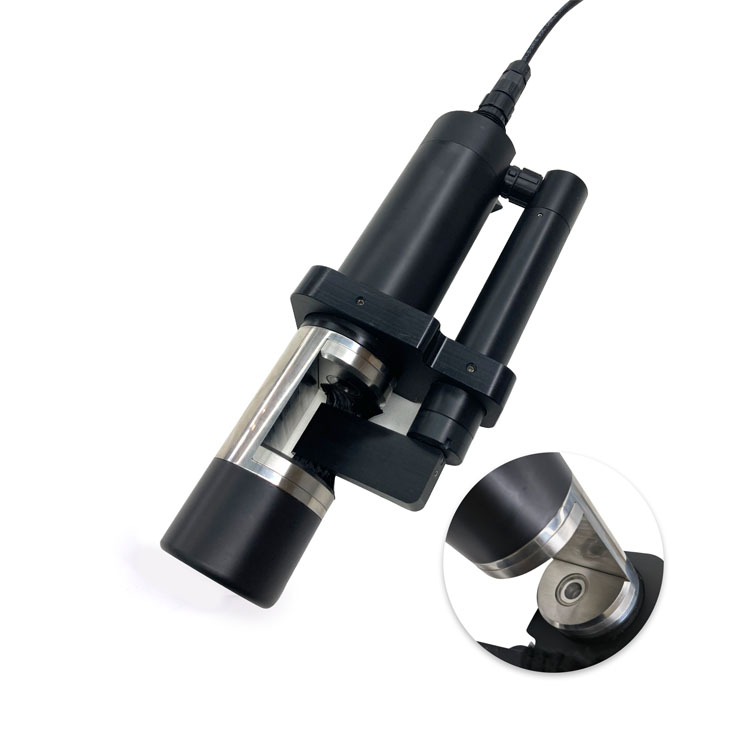
Deeply understanding the internal indicator and reference structure of pH electrodes, mastering different product naming classifications, and strictly implementing operation and maintenance specifications such as physical anti-breakage and targeted chemical cleaning at the integration site are the cornerstones to ensure long-term stability of industrial online water quality monitoring systems and smooth overall acceptance. NiuBoL intelligent digital pH sensor effectively solves the technical obstacles of traditional analog sensors that are susceptible to interference and high maintenance frequency with its built-in high impedance differential amplifier, full automatic temperature compensation and long-life reference design.
Procurement Support: NiuBoL provides complete technical chain docking for global system integrators and EPC contractors. If you need detailed dimensional drawings, product manuals or bulk procurement tiered quotation lists for your project, please feel free to contact our original factory application engineer team. We will provide professional and detailed engineering solution replies within 24 hours.
 NBL-WQ-PH Online Water Quality pH Sensor.pdf
Related recommendations
Sensors & Weather Stations Catalog
Agriculture Sensors and Weather Stations Catalog-NiuBoL.pdf
Weather Stations Catalog-NiuBoL.pdf
Agriculture Sensors Catalog-NiuBoL.pdf
Water Quality Sensor Catalog-NiuBoL.pdf
Related products
 Combined air temperature and relative humidity sensor
 TDR Soil Moisture & Temperature Sensor for irrigation| RS485 |4-20mA| NBL-S-THR
 Soil pH sensor RS485 soil Testing instrument soil ph meter for agriculture |NBL-S-PH
 Wind Speed sensor Output Modbus/RS485/Analog/0-5V/4-20mA
 Tipping bucket rain gauge for weather monitoring auto rainfall sensor RS485/Outdoor/stainless steel
 Pyranometer Solar Radiation Sensor 4-20mA/RS485

Screenshot, WhatsApp to identify the QR code
WhatsApp number:+8615367865107
(Click on WhatsApp to copy and add friends)

