





— Blogs —
—Products—
 Consumer hotline +8618073152920
 WhatsApp:+8615367865107
Address:Room 102, District D, Houhu Industrial Park, Yuelu District, Changsha City, Hunan Province, China
Product knowledge
Time:2026-05-25 10:42:13 Popularity:307
In industrial projects such as sewage treatment, chemical process control and pharmaceutical fermentation, pH measurement stability directly affects process parameter control and system operation reliability. System integrators often face problems such as high temperature erosion, low temperature internal resistance increase, non-aqueous solution liquid junction potential instability, colloid pollution and electrode drift under high acid and high alkali conditions. These factors will lead to increased measurement errors, increased calibration frequency, and even cause unplanned downtime.
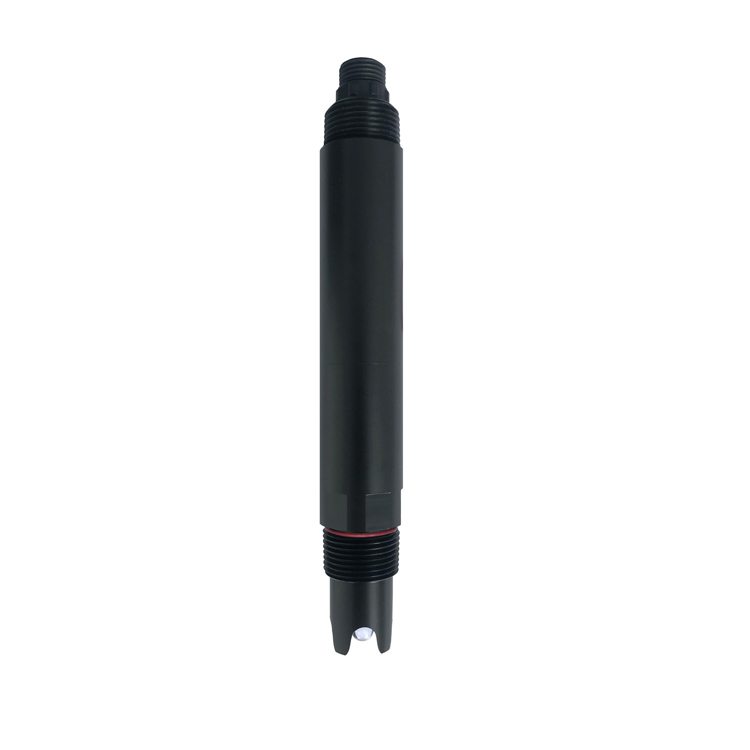
NiuBoL NBL-WQ-PH industrial online pH sensor adopts glass electrode method and patented microporous salt bridge reference system, providing engineered solutions for the above site conditions, supporting RS-485 Modbus RTU output, convenient for connecting to PLC and DCS systems.
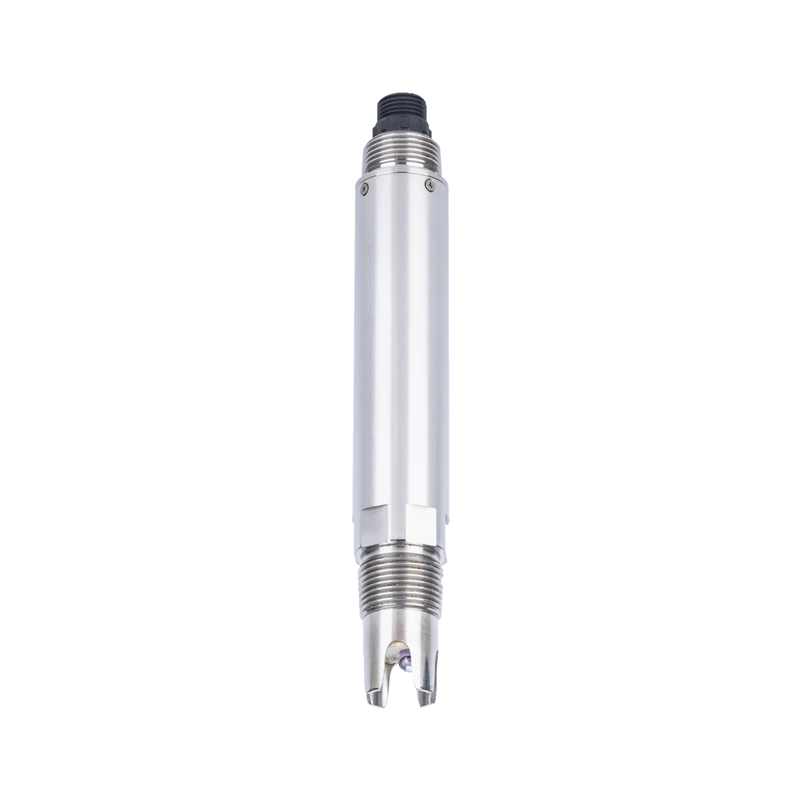
When the aqueous solution temperature reaches above 60℃, the glass electrode is significantly enhanced by alkaline medium erosion, leading to electrode potential drift and performance degradation. In microbial propagation tanks in pharmaceutical, fermentation and food industries, electrodes need to withstand 120-130℃ high temperature sterilization processes.
Main technical challenges:
Accelerated glass membrane erosion;
Increased risk of AgCl dissolution in reference electrode.
Engineering countermeasures:
Use thickened AgCl layer or solid AgCl reference structure, or place the reference electrode outside the high temperature zone through external salt bridge.
NiuBoL NBL-WQ-PH has good stability within the standard operating range of 0~50℃. For higher temperature scenarios, it is recommended to use with external cooling sampling system.
In low temperature environments, the internal resistance of glass electrodes rises sharply, affecting response speed and measurement accuracy. Solutions include selecting low internal resistance glass electrodes and adding organic solvents to the internal solution to lower the freezing point.
NiuBoL NBL-WQ-PH has a built-in Pt1000 automatic temperature compensation element, which can correct the effect of temperature on electrode potential in real time within 0~50℃, reducing measurement deviation under low temperature conditions.
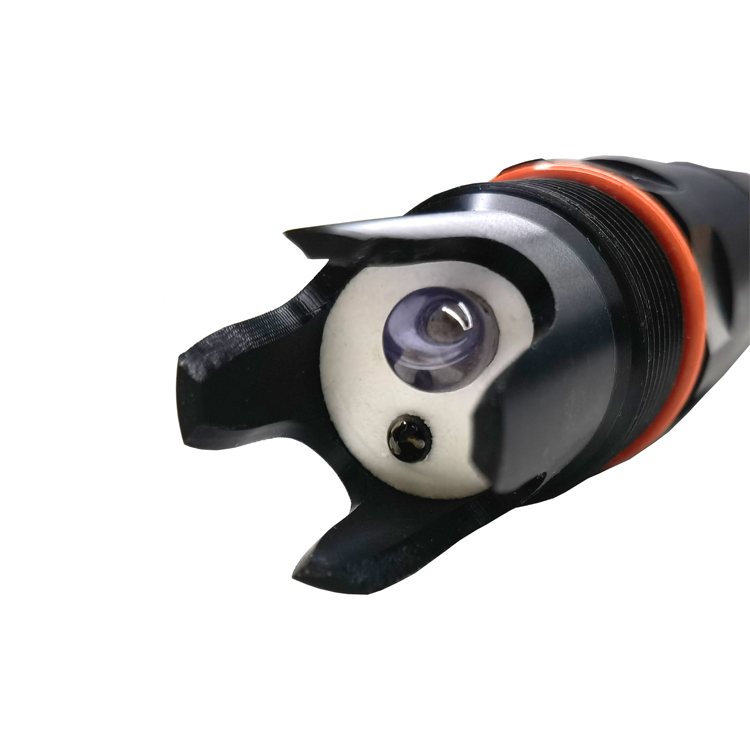
Non-aqueous solutions (including ethanol, methanol, formamide, acetonitrile and other organic solvent systems) have significantly different dielectric constants from water, leading to changes in pH range and neutral point. For example:
Water: pH range 0-14, neutral point 7.00 (25℃);
Acetonitrile: pH range up to 28, neutral point 14.
Main measurement difficulties:
Poor conductivity, large and unstable liquid junction potential;
Difficult formation of glass electrode hydration gel layer.
Engineering suggestions:
Prefer lithium glass electrodes (non-sodium glass), use composite electrodes to shorten the distance between indicator and reference electrodes, and increase KCl seepage.
Soak in 0.1mol/L HCl after measurement to restore electrode response.
For water-alcohol systems, use buffer solutions prepared with corresponding solvents for calibration to obtain relative pH values (apparent pH values).
During online measurement, strictly control laminar flow velocity to avoid turbulence.
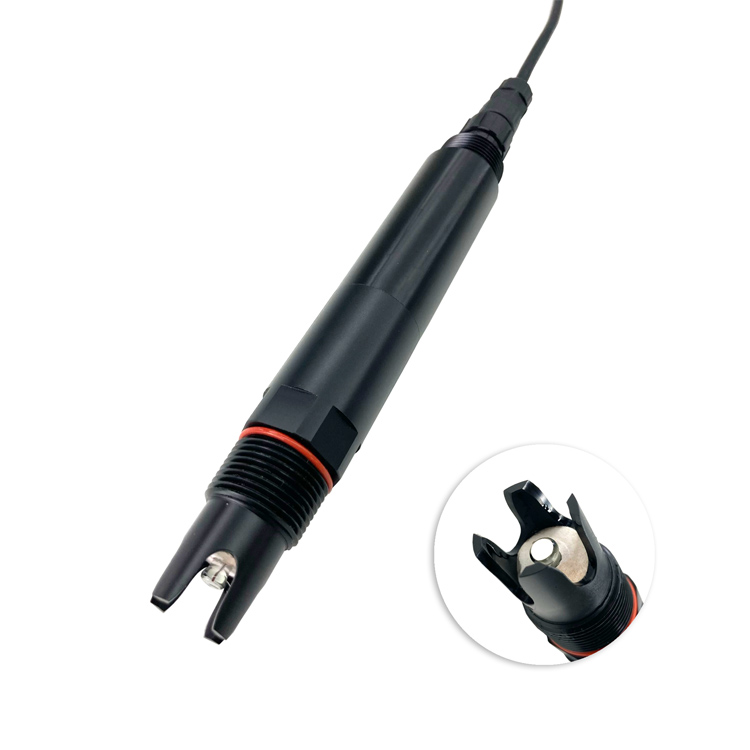
In colloids and turbid liquids, the reference electrode liquid junction is easily affected by charged particles, leading to unstable potential. The main solution is to increase the salt bridge solution seepage speed and reduce pollutant blockage.
NiuBoL NBL-WQ-PH patented reference system achieves microporous slow seepage under ≥100kPa pressure, maintaining stable flow rate for more than 20 months, effectively reducing drift caused by such pollution.
High alkali conditions (pH>10):
Lithium glass electrodes can reduce alkali error.
When pH>12, long-term immersion will cause potential drift and slow response. It is recommended to rinse with water after measurement and soak in 0.1mol/L HCl for 24 hours to restore.
Use buffer solutions close to the measured pH value during calibration, and pay attention to the influence of CO₂ on alkaline standard solutions.
High acid conditions (pH<2):
Acid error may occur. The electrode can usually be restored after immersion in distilled water.
When fluoride concentration >10⁻⁶ mol/L, it will seriously corrode glass electrodes. In engineering, fast measurement method can be used or metal antimony electrodes can be used instead.
NBL-WQ-PH adopts RS-485 physical layer and Modbus RTU protocol, supports 12~24V DC power supply, power consumption only 0.2W@12V. Differential signal transmission has strong anti-interference ability, transmission distance up to 1200 meters, suitable for distributed monitoring in large sewage treatment plants and chemical plants.
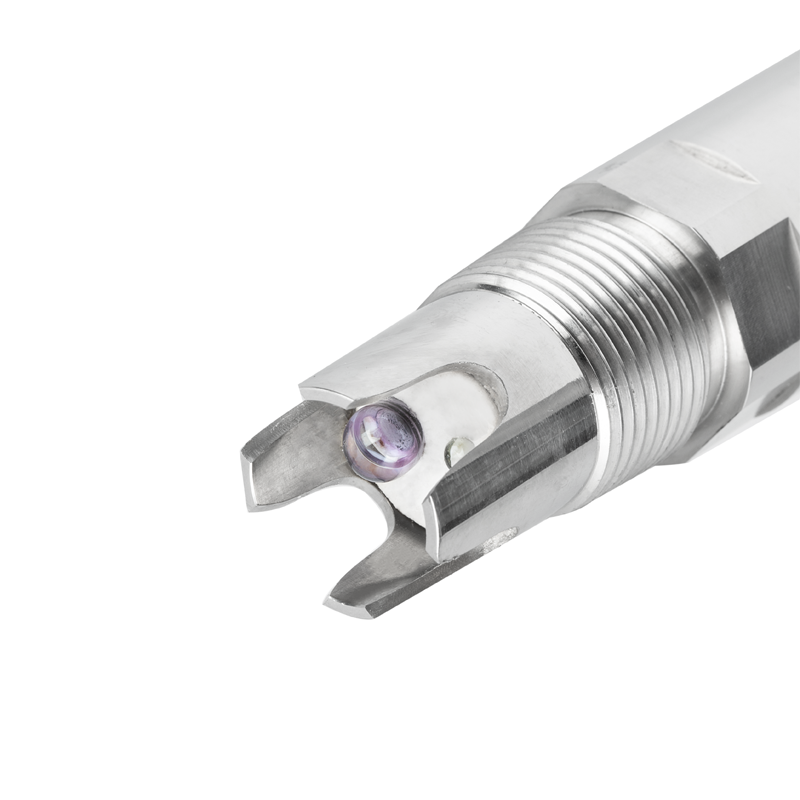
| Parameter | Specification | Remarks |
|---|---|---|
| Model | NBL-WQ-PH | Industrial online pH sensor |
| Measurement Principle | Glass electrode method | Lithium glass membrane optional |
| Measurement Range | 0~14.00 pH | Resolution 0.01 |
| Measurement Accuracy | ±0.1 pH, ±0.3℃ | Under calibration conditions |
| Response Time (T90) | <30s | - |
| Temperature Compensation | Automatic (Pt1000) | 0~50℃ |
| Output Signal | RS-485 (Modbus RTU) | Digital bus |
| Power Supply Voltage | 12~24V DC | Power consumption 0.2W@12V |
| Protection Rating | IP68 | Full immersion type |
| Operating Pressure | ≤0.2 MPa | - |
| Installation Method | 3/4 NPT submersible | Pipeline/tank |
Technical Support Tip: If you need application cases and selection suggestions for NiuBoL NBL-WQ-PH in high temperature or non-aqueous solution scenarios, please contact engineers to obtain detailed information.
Glass electrodes must be soaked in distilled water for more than 24 hours before first use;
Restore electrode with 0.1mol/L HCl in time after non-aqueous solution measurement;
RS-485 bus uses shielded twisted pair, pay attention to A/B line polarity;
Regularly check and clean liquid junction in high alkali environment;
Add reasonableness filtering and drift alarm functions in PLC program.
Q1: What is the main cause of pH electrode drift at high temperature?
A: Glass membrane is eroded by alkaline medium and AgCl dissolution in reference electrode leads to potential instability.
Q2: Why are lithium glass electrodes needed for pH measurement in non-aqueous solutions?
A: Lithium glass electrodes have lower water requirements and more easily form stable hydration gel layers in organic solvents.
Q3: How to solve unstable reference electrode liquid junction in colloid solutions?
A: Increase KCl solution seepage speed or adopt patented microporous salt bridge structure to reduce pollutant influence.
Q4: Does NBL-WQ-PH support high temperature sterilization environments?
A: Standard type is suitable for 0~50℃. For special high temperature scenarios, it is recommended to use with external sampling cooling system.
Q5: How to restore the electrode after high alkali solution measurement?
A: Rinse with water and then immerse in 0.1mol/L HCl for 24 hours to basically restore response characteristics.
Q6: Can glass electrodes be used in HF-containing solutions?
A: Low concentration and short time measurement is feasible. For long time or high concentration, it is recommended to switch to metal antimony electrodes.
Q7: How to integrate NiuBoL pH sensor with PLC?
A: Directly read through standard Modbus RTU protocol, supports mainstream PLCs such as Siemens and Schneider.
Q8: What should be noted for non-aqueous solution calibration?
A: Perform two-point calibration using buffer solutions prepared with corresponding solvents to obtain relative pH values.
Industrial pH measurement has many technical challenges in high temperature, low temperature, non-aqueous solution, colloid and high acid-base environments. Correctly understanding the causes of these problems and taking targeted measures can significantly improve system stability and measurement accuracy. NiuBoL NBL-WQ-PH industrial online pH sensor provides system integrators with reliable engineering choices with its stable reference system and digital bus output.
If you need to request NiuBoL official product manual, Modbus register mapping table or selection support for specific working conditions, please contact our engineer team. We will provide technical documents and project solutions within 24 hours.
 NBL-WQ-PH Online Water Quality pH Sensor.pdf
Related recommendations
Sensors & Weather Stations Catalog
Agriculture Sensors and Weather Stations Catalog-NiuBoL.pdf
Weather Stations Catalog-NiuBoL.pdf
Agriculture Sensors Catalog-NiuBoL.pdf
Water Quality Sensor Catalog-NiuBoL.pdf
Related products
 Combined air temperature and relative humidity sensor
 TDR Soil Moisture & Temperature Sensor for irrigation| RS485 |4-20mA| NBL-S-THR
 Soil pH sensor RS485 soil Testing instrument soil ph meter for agriculture |NBL-S-PH
 Wind Speed sensor Output Modbus/RS485/Analog/0-5V/4-20mA
 Tipping bucket rain gauge for weather monitoring auto rainfall sensor RS485/Outdoor/stainless steel
 Pyranometer Solar Radiation Sensor 4-20mA/RS485

Screenshot, WhatsApp to identify the QR code
WhatsApp number:+8615367865107
(Click on WhatsApp to copy and add friends)

