





— Blogs —
—Products—
 Consumer hotline +8618073152920
 WhatsApp:+8615367865107
Address:Room 102, District D, Houhu Industrial Park, Yuelu District, Changsha City, Hunan Province, China
Product knowledge
Time:2026-05-25 10:30:20 Popularity:332
System integrators in wastewater treatment, chemical process control, and environmental monitoring projects often encounter problems such as difficulty in accurately controlling the redox state, rapid drift of traditional ORP electrodes, and complex integration with PLC/DCS. These pain points lead to process adjustment lag, excessive or insufficient chemical dosing, directly affecting treatment efficiency and operating costs.
Traditional ORP measurement mostly uses analog output, which is susceptible to electromagnetic interference in complex industrial environments. Moreover, electrode surface contamination leads to poor potential stability and high maintenance frequency. At the same time, most projects require simultaneous monitoring of pH and ORP parameters, but purchasing sensors from different brands increases system compatibility and spare parts management difficulty.
The NiuBoL NBL-WQ-ORP industrial online ORP sensor is developed to address the above system requirements. Using the platinum electrode method and microporous salt bridge reference system, it provides RS-485 Modbus RTU digital output and can be integrated on the same platform as NiuBoL pH sensors, reducing system integration complexity and improving long-term operational stability.
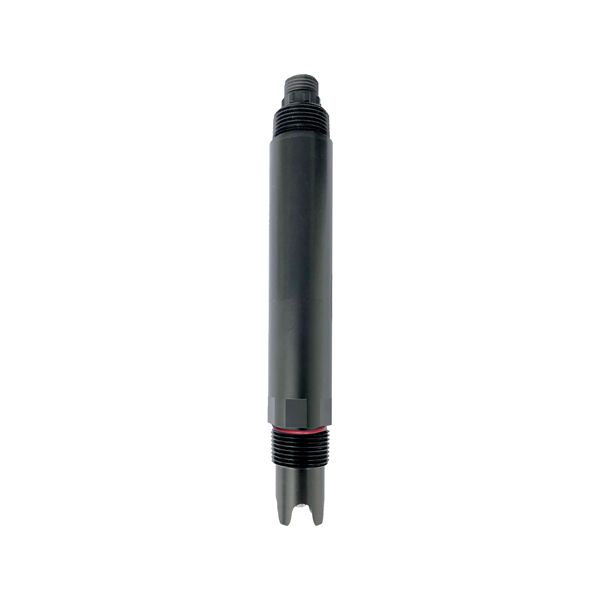
A pH meter is used to measure the acidity or alkalinity of a solution (negative logarithm of hydrogen ion concentration), using the glass electrode method, with automatic temperature compensation, and the measurement result is quantitative. An ORP meter (Oxidation-Reduction Potential) reflects the redox capacity of a solution, in mV, using an inert metal electrode (usually platinum electrode), no temperature compensation, and the measurement result reflects the mixed potential, mainly used for qualitative judgment of the solution's oxidation or reduction state.
Main differences are as follows:
Measurement Principle: pH meter is based on hydrogen ion concentration, ORP meter is based on the electron transfer tendency of redox couples in solution.
Electrode Type: pH uses a glass sensitive membrane electrode, ORP uses a platinum or gold inert metal electrode.
Temperature Effect: pH requires automatic Pt1000 compensation, ORP temperature coefficient is variable, generally no compensation.
Application Focus: pH is used for precise acid/base control, ORP is used for qualitative indicators such as judging the progress of redox reactions and sanitation levels.
Calibration Method: pH usually uses two-point calibration, ORP mostly uses one-point calibration or direct verification with standard solution.
Compatibility: Some pH meters can switch to mV range to measure ORP, but require replacement with a dedicated ORP electrode.
The two can share a display instrument, but electrodes are not interchangeable. NiuBoL provides both NBL-WQ-PH and NBL-WQ-ORP, forming a complete set of solutions.
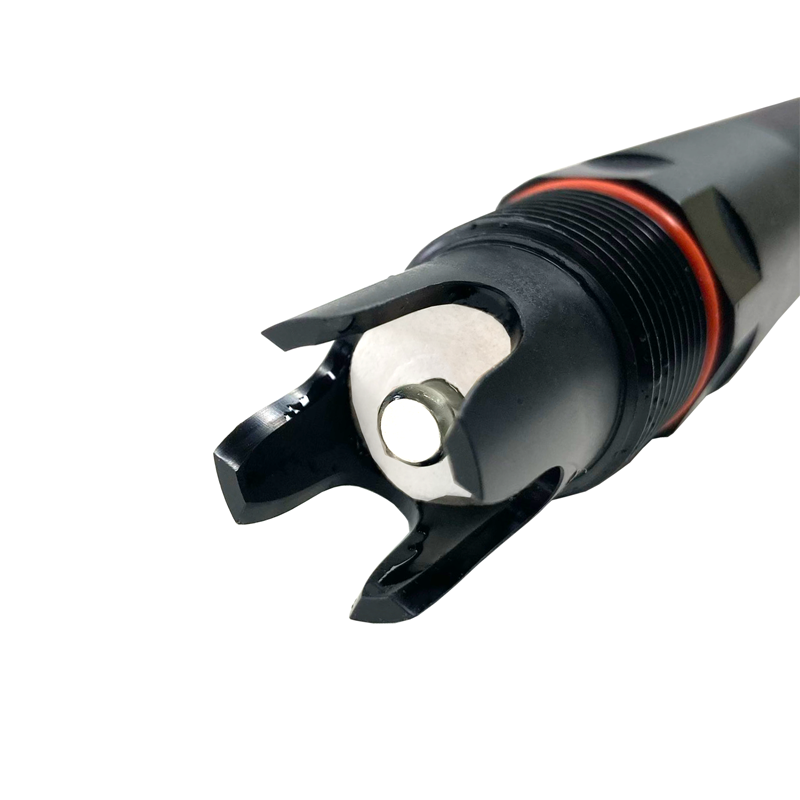
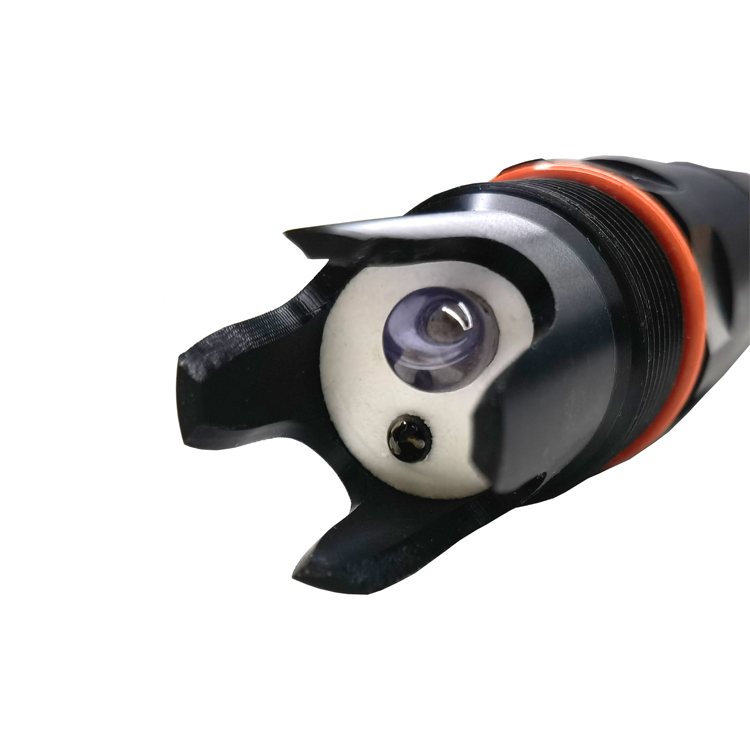
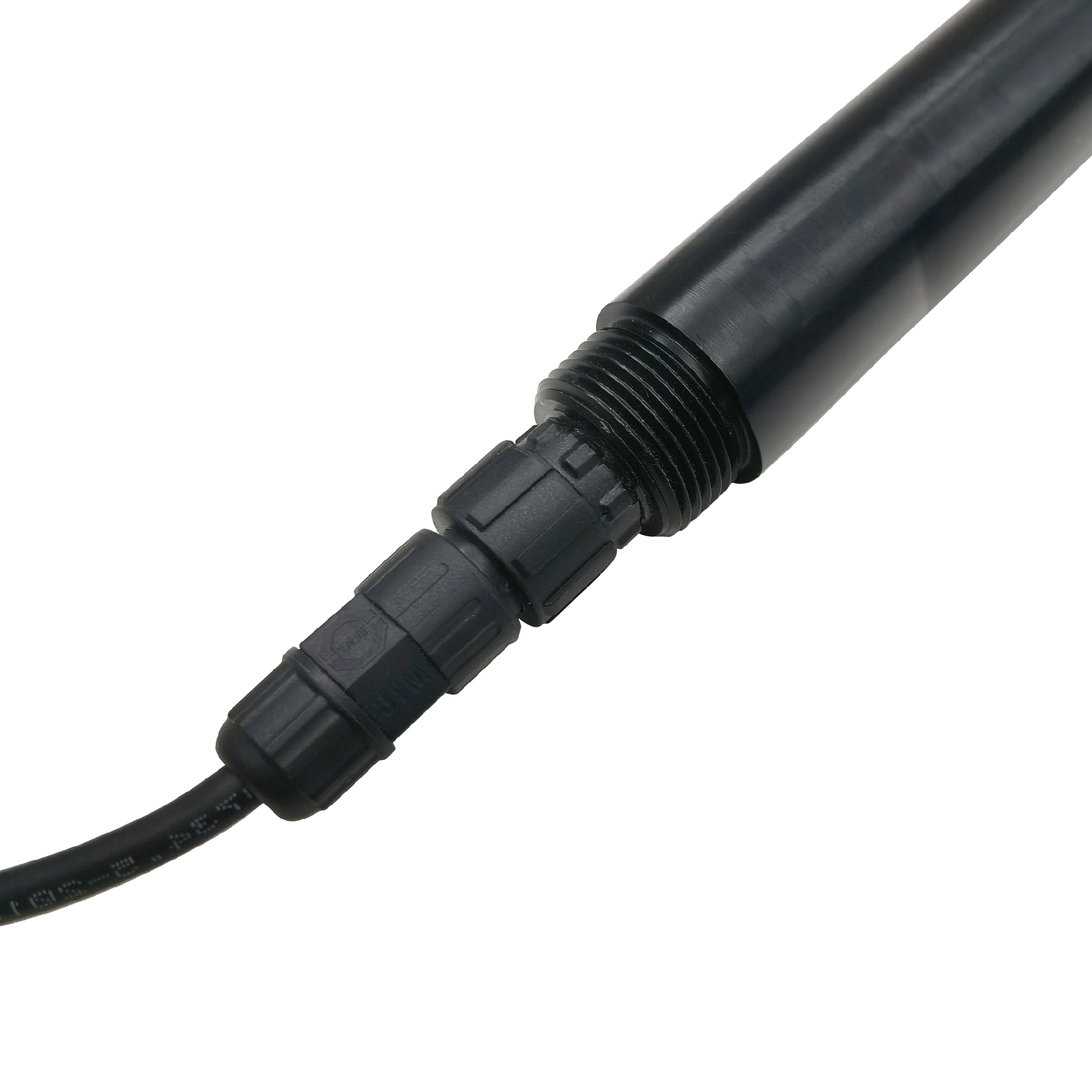
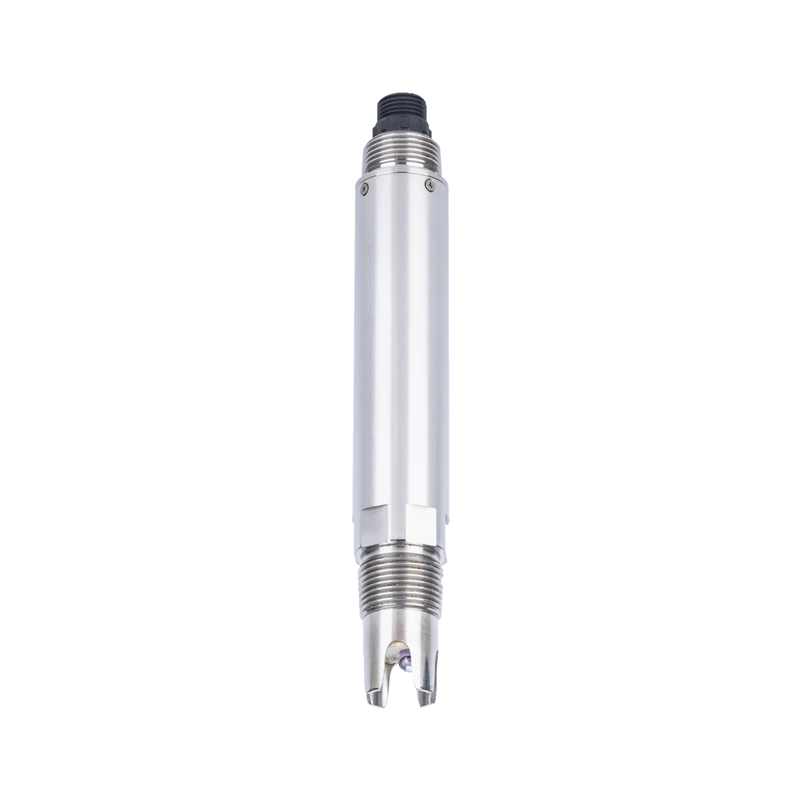
The NBL-WQ-ORP is a submersible industrial online oxidation-reduction potential sensor developed by NiuBoL. The housing is made of ABS/PC alloy, with IP68 protection rating, supporting long-term submersible installation. Its core uses a high-purity platinum electrode combined with a stable reference system, suitable for industrial scenarios requiring continuous monitoring of redox state.
The sensor focuses on solving electrode contamination and signal transmission problems in industrial environments. Dual high-impedance differential amplifiers enhance anti-interference capability. The patented slow seepage design of the reference solution significantly extends electrode life. The 3/4 NPT interface facilitates quick integration into existing pipeline or tank systems.
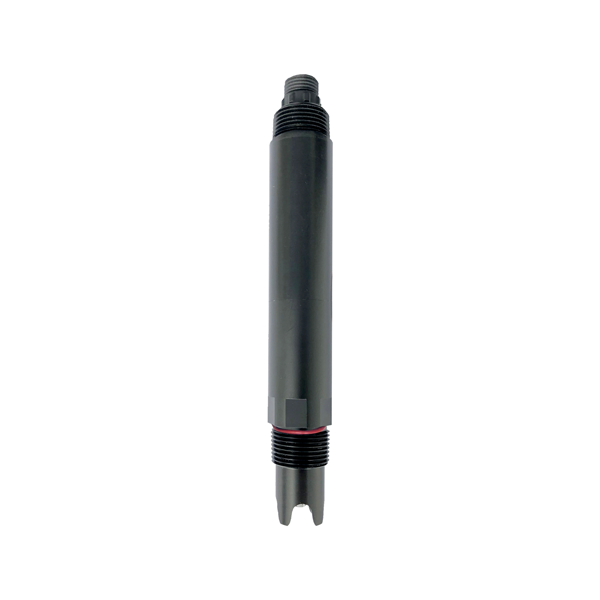
The NBL-WQ-ORP uses an RS-485 physical layer and Modbus RTU protocol, supporting seamless integration with mainstream industrial control systems.
Physical layer characteristics:
Wide voltage power supply 12-24V DC, adapting to different field power environments.
Differential signal transmission, strong anti-interference ability, suitable for areas with high density of frequency converters and motors.
Transmission distance up to 1200 meters at standard baud rate, meeting distributed monitoring needs of large plants.
Protocol compatibility:
Supports standard Modbus RTU function codes, can be directly connected to Siemens, Schneider, Mitsubishi PLCs, as well as DCS and industrial IoT gateways. System integrators can simultaneously collect pH and ORP data through the same bus, achieving parameter linkage control, reducing wiring and the number of gateways.
This design significantly improves system scalability, facilitating future upgrades to larger-scale remote monitoring networks.
| Parameter | Specification | Remarks |
|---|---|---|
| Model | NBL-WQ-ORP | Submersible industrial online ORP sensor |
| Measuring Principle | Platinum Electrode Method | Inert metal electrode |
| Measuring Range | -1500~+1500 mV | Resolution 1mV |
| Accuracy | ±20 mV | Under laboratory calibration conditions |
| Response Time (T90) | <30s | - |
| Temperature Compensation | None | ORP temperature coefficient is variable |
| Calibration Method | One-point Calibration | Supports standard solution verification |
| Output Signal | RS-485 (Modbus RTU) | Digital bus output |
| Power Supply Voltage | 12~24V DC | Power consumption 0.2W@12V |
| Protection Rating | IP68 | Fully submersible protection |
| Operating Temperature | 0~50℃ | Storage temperature -5~65℃ |
| Operating Pressure | ≤0.2 MPa | - |
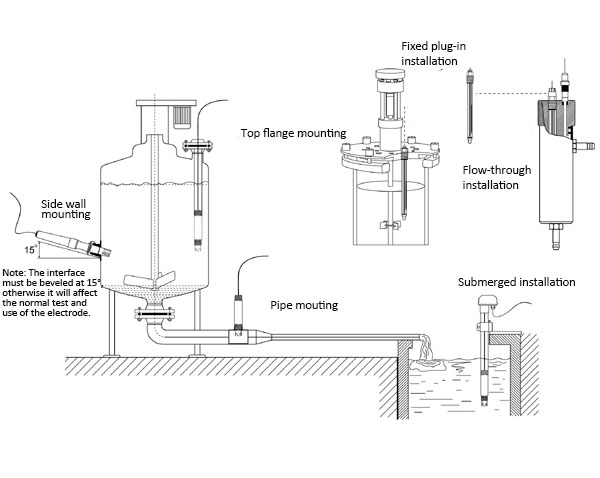
| Installation Method | 3/4 NPT Submersible | Pipeline/tank compatible |
| Cable Length | Standard 5 meters (customizable) | - |
| Housing Material | ABS/PC Alloy | Corrosion-resistant industrial grade |
Technical Support Tip: For the complete NiuBoL NBL-WQ-ORP datasheet, Modbus register address mapping table, or integrated solutions with pH sensors, please contact our engineers. We will provide technical documentation within 24 hours.
1. Biological Treatment Section of Wastewater Treatment Plants
On-site environmental challenges: High organic load, drastic changes in dissolved oxygen and nitrate nitrogen, complex and variable redox state.
System integration solution: NBL-WQ-ORP submerged in aeration tank or anoxic tank, connected to PLC via RS-485 bus, linked with dissolved oxygen meter and pH sensor to control blowers and internal reflux.
User value: Real-time reflection of redox process, optimized aeration volume, 15%-25% energy consumption reduction.
2. Chemical Production Oxidation-Reduction Reactor
On-site environmental challenges: Strong oxidizability/reducibility of reactants, electrodes prone to contamination, strict process window requirements.
System integration solution: Installed in the reactor circulation pipeline, Modbus RTU signal directly enters DCS for closed-loop control.
User value: Accurately determine reaction endpoint, reduce by-product formation, improve product yield.
3. Environmental Water Quality Automatic Monitoring Station
On-site environmental challenges: Natural water body redox mixing system, large seasonal temperature changes, long-term unattended operation.
System integration solution: IP68 sensor paired with solar RTU terminal, upload to environmental protection platform via RS-485.
User value: Continuous monitoring of water self-purification capacity and pollution level, supporting data traceability analysis.
4. Electroplating Wastewater Treatment System
On-site environmental challenges: Heavy metal ions and high salinity environment, processes such as Cr6+ reduction require strict potential control.
System integration solution: Combined with dosing system, ORP value used as feedback signal for adding oxidizing/reducing agents.
User value: Achieve precise dosing, reduce chemical costs, and ensure compliant discharge.
5. Food & Beverage and Pharmaceutical Process Water Treatment
On-site environmental challenges: Need to control redox state related to microbial growth, sensitive to contamination.
System integration solution: Installed together with pH sensor in purified water pipeline, uniformly connected to GMP monitoring system.
User value: Enhance process control reliability, simplify validation work.
Accuracy and Cost Balance: ±20mV accuracy is suitable for most wastewater treatment and chemical process control. For high-precision projects, stability can be maintained through frequent one-point calibration. NBL-WQ-ORP offers a cost-effective solution.
Communication and Transmission Distance: RS-485 supports 1200 meters transmission. In practical engineering, consider repeaters or opto-isolation every 800 meters to improve system reliability.
Installation Environment Adaptation: The 3/4 NPT interface supports submersible, bypass, and other methods. During selection, evaluate the medium's suspended solids content and flow rate to avoid the influence of bubbles or strong stirring on the electrode surface.
Power Supply System Quota: Single unit power consumption 0.2W@12V, suitable for batch deployment. It is recommended to unify power supply planning with pH sensors and ensure proper grounding protection.
Selection Suggestion: For joint pH/ORP selection for specific working conditions, please provide medium composition, temperature range, and control objectives. Our engineers can output a complete technical solution.
Clean and soak the ORP electrode in distilled water to activate before first use.
Ensure the platinum sensitive layer is completely submerged during installation, avoiding surface bubble adhesion.
RS-485 bus must use shielded twisted pair, with A/B wire polarity correct, and it is recommended to add a matching resistor at the bus end.
Regularly check the brightness of the electrode surface. If contaminated, clean with dilute hydrochloric acid and then rinse.
It is recommended to add ORP value rationality filtering in the PLC program to prevent misoperation caused by instantaneous interference.
When not in use for a long time, store in 3mol/L KCl solution, avoiding dry storage or long-term immersion in distilled water.
When used simultaneously with pH sensors, it is recommended to calibrate separately and independently calibrate each parameter.
Technical Questions
Q1: Does pH significantly affect ORP value?
A: Yes, pH changes affect the potential of redox couples. Monitoring both pH and ORP simultaneously in the same system is more meaningful.
Q2: Why does the NBL-WQ-ORP have no temperature compensation?
A: The ORP temperature coefficient is a complex variable that is difficult to correct universally. Therefore, industrial applications generally do not set temperature compensation, but instead stabilize temperature through process control.
Q3: How to determine if an ORP electrode is invalid?
A: Use a standard solution around 225mV for verification. If the deviation exceeds ±30mV, it is recommended to clean or replace the electrode.
Selection Questions
Q4: Can the NBL-WQ-ORP and pH sensor share the same bus?
A: Yes, they can be distinguished by different Modbus addresses, achieving multi-parameter acquisition on the same RS-485 bus.
Q5: Is it suitable for high concentration salt solution environments?
A: Suitable for most high salinity media, but for extremely corrosive scenarios, it is recommended to provide samples in advance for compatibility testing.
Q6: How difficult is it to integrate with Schneider PLC?
A: Standard Modbus RTU protocol, can be read directly using the PLC's own function blocks.
Procurement and Project Questions
Q7: Do you support batch joint procurement of pH and ORP sensors?
A: Yes, we provide combined quotes and technical integration guidance.
Q8: What is the product warranty period and spare parts supply cycle?
A: Standard warranty is 12 months, wearing parts such as electrodes can be supplied long-term.
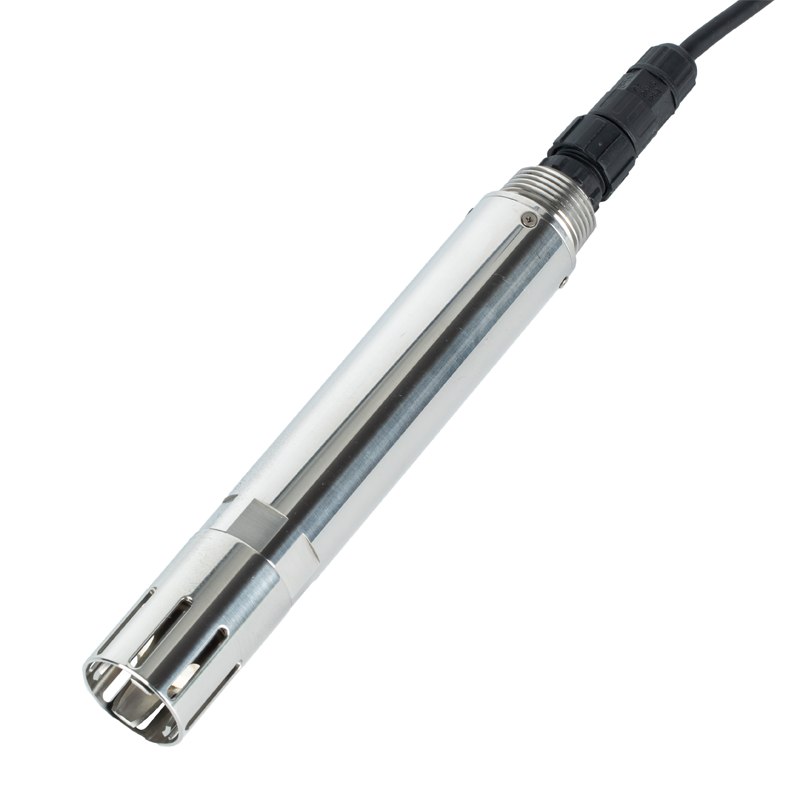
The NiuBoL NBL-WQ-ORP industrial online ORP sensor, with stable platinum electrode technology and reliable RS-485 Modbus RTU communication, provides system integrators with a mature oxidation-reduction potential monitoring solution. In fields such as wastewater treatment, chemical reaction control, and environmental monitoring, its use in conjunction with pH sensors can form a complete process parameter monitoring system.
Correctly understanding the difference between pH meters and ORP meters and selecting the appropriate products can effectively improve project control levels and operational efficiency. To obtain official NiuBoL product specifications, ORP sensor datasheets, pH/ORP joint selection manuals, or quotes for large projects, please contact our application engineers. We will provide comprehensive technical support and customized solutions within 24 hours.
 NBL-WQ-PH Online Water Quality pH Sensor.pdf
NBL-WQ-PH-4S online Water Quality pH Sensor.pdf
NBL-WQ-PH-4A online Water Quality pH Sensor.pdf
NBL-WQ-ORP Industrial-grade High-stability Online ORP Sensor.pdf
Related recommendations
Sensors & Weather Stations Catalog
Agriculture Sensors and Weather Stations Catalog-NiuBoL.pdf
Weather Stations Catalog-NiuBoL.pdf
Agriculture Sensors Catalog-NiuBoL.pdf
Water Quality Sensor Catalog-NiuBoL.pdf
Related products
 Combined air temperature and relative humidity sensor
 TDR Soil Moisture & Temperature Sensor for irrigation| RS485 |4-20mA| NBL-S-THR
 Soil pH sensor RS485 soil Testing instrument soil ph meter for agriculture |NBL-S-PH
 Wind Speed sensor Output Modbus/RS485/Analog/0-5V/4-20mA
 Tipping bucket rain gauge for weather monitoring auto rainfall sensor RS485/Outdoor/stainless steel
 Pyranometer Solar Radiation Sensor 4-20mA/RS485

Screenshot, WhatsApp to identify the QR code
WhatsApp number:+8615367865107
(Click on WhatsApp to copy and add friends)

