





— Blogs —
—Products—
 Consumer hotline +8618073152920
 WhatsApp:+8615367865107
Address:Room 102, District D, Houhu Industrial Park, Yuelu District, Changsha City, Hunan Province, China
Product knowledge
Time:2026-05-25 11:09:17 Popularity:285
In sewage treatment plants, chemical production processes and environmental water quality monitoring projects, pH value is a core process control parameter. System integrators need to accurately master pH value definition, scale system, buffer solution usage specifications and electrode operation methods to ensure the reliability and traceability of measurement data.
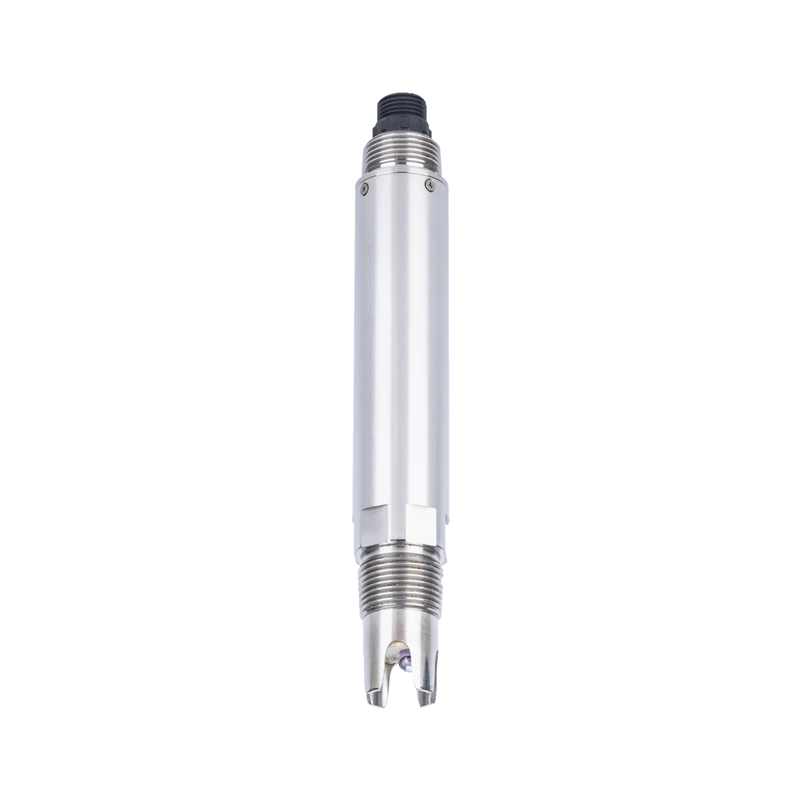
NiuBoL NBL-WQ-PH industrial online pH sensor adopts glass electrode method, equipped with patented microporous salt bridge reference system and RS-485 Modbus RTU digital output, which can be directly connected to PLC or DCS systems to achieve continuous and stable monitoring.
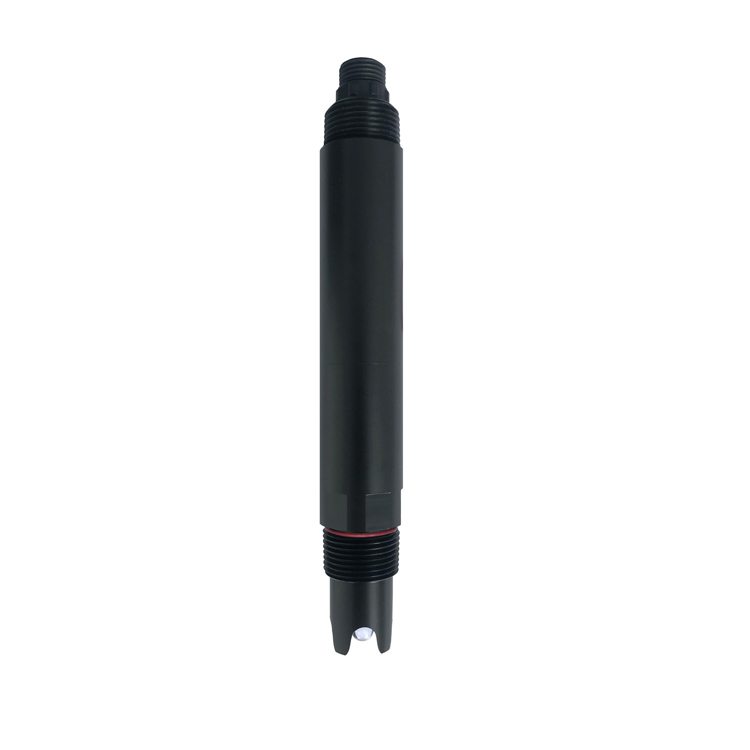
pH value is one of the most important physicochemical parameters of aqueous solutions, representing the negative logarithm of hydrogen ion activity in water, defined as:
pH = -lg aH+
Due to the small value of hydrogen ion activity, direct use is inconvenient. pH value is widely used as an acid-base judgment indicator:
Neutral aqueous solution: pH = 7 (at 25℃)
Acidic aqueous solution: pH < 7, the smaller the value, the stronger the acidity
Alkaline aqueous solution: pH > 7, the larger the value, the stronger the alkalinity
pH value has direct influence in industrial production, environmental protection discharge, agricultural irrigation and medical fields. For example, in sewage treatment, pH value affects microbial activity; in chemical reactions, pH value determines reaction direction and efficiency.
pH measurement is a relative measurement and requires calibration with standard buffer solutions. To ensure the uniformity of values between different instruments and laboratories, the pH scale range is established as 0~14 pH. China adopts multiple primary pHs scales, with fixed points determined by the pHs values of primary buffer solutions.
In actual engineering applications, all electrode method pH measuring instruments must be periodically calibrated, otherwise the data cannot be used as the basis for process control.
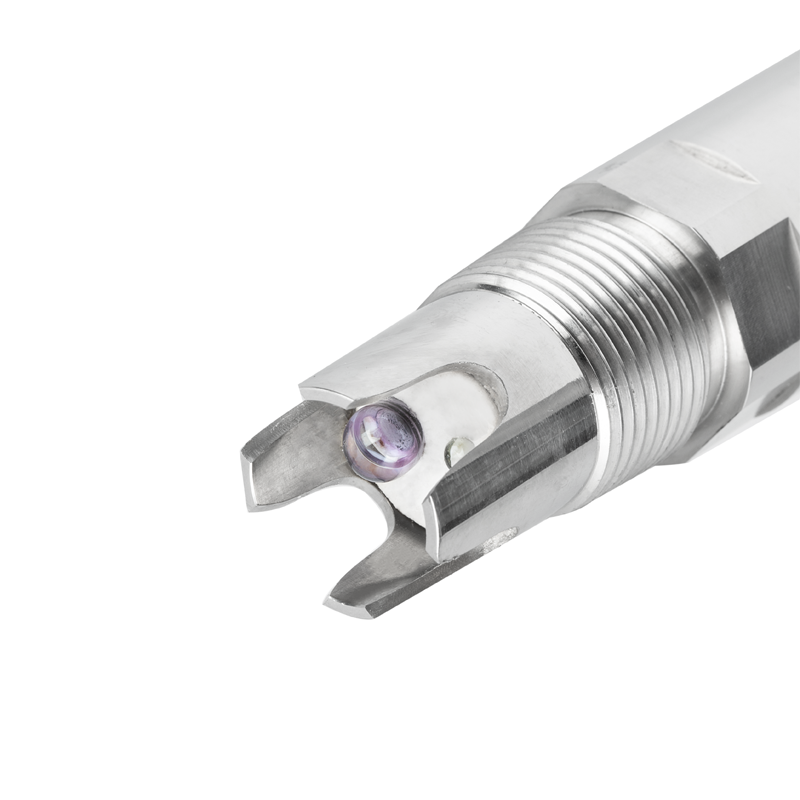
Colorimetric methods (test paper or colorimetry) do not require calibration, but industrial online measurement generally adopts the electrode method, which must be calibrated. The electrode method essentially compares an unknown solution with a standard solution of known pHs value in a measuring cell, which is determined by its "operational definition".
NiuBoL NBL-WQ-PH supports two-point calibration and recommends using pH 4.00, 6.86 and 9.18 standard buffer solutions.
pH buffer solutions can resist pH changes caused by the addition of small amounts of acid or alkali or dilution. Preparation method: Use deionized water boiled for 15~30 minutes (to remove CO₂), dissolve the buffer reagent, make up to volume in a 250ml volumetric flask and shake well.
Storage and usage specifications:
Alkaline buffer solutions (pH 9.18, 10.01, etc.) should be stored in polyethylene bottles at low temperature 5~10℃, with a validity period of about two months;
When using, dispense into 50ml small bottles, use after temperature equilibrium, and do not pour back into the large bottle after use;
Discard immediately if turbidity, mold or precipitation appears.
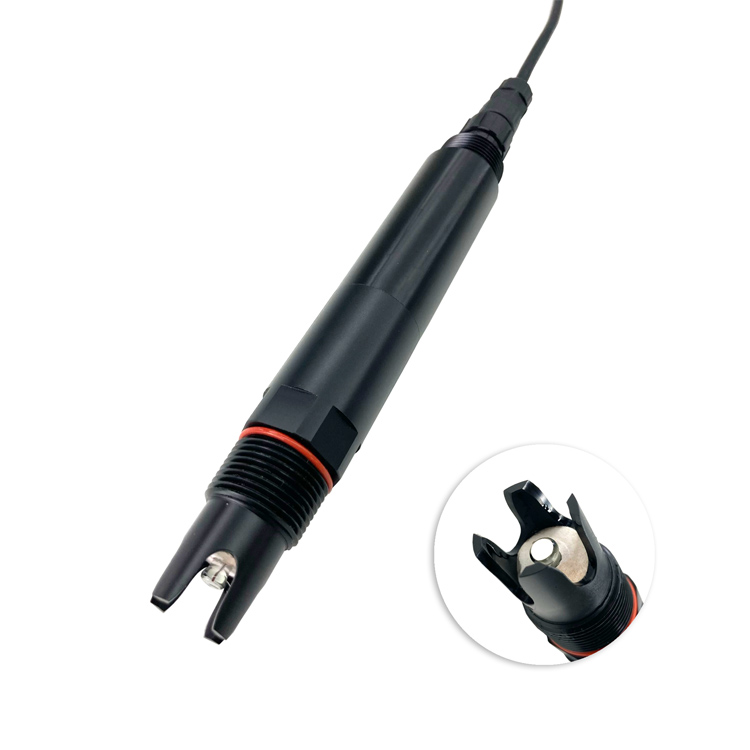
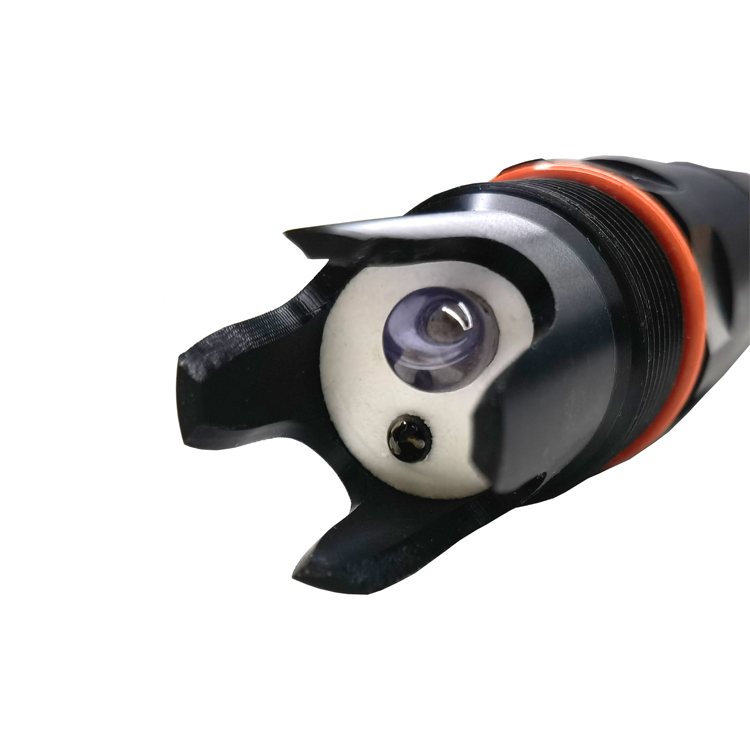
The pH indicator electrode (glass electrode) responds to hydrogen ion activity. Its typical structure includes a glass bulb, internal reference solution and silver/silver chloride internal reference electrode.
The reference electrode provides a constant potential. Commonly used silver/silver chloride electrodes require stable potential, good reproducibility and small temperature coefficient.
The pH composite electrode combines the indicator electrode and reference electrode into one unit. The housing is divided into plastic shell and glass shell types. It is easy to use and is the mainstream structure of industrial online pH sensors.
pH electrodes must be soaked before use to form a hydration gel layer on the glass membrane surface and reduce asymmetric potential. It is recommended to soak in pH 4 buffer solution for 8~24 hours (depending on electrode aging degree). The reference electrode liquid junction should be soaked in 3.3mol/L or saturated KCl solution.
Key points for correct use:
Remove air bubbles inside the bulb;
Rinse with the measured solution, avoid wiping with paper towels to generate static electricity;
After inserting into the solution, stir and shake to remove air bubbles, especially plastic shell electrodes need vigorous shaking;
Repeatedly rinse and activate after measuring viscous samples;
Avoid long-term contact with strong acids, strong alkalis or dehydrating media (such as absolute ethanol, concentrated sulfuric acid);
Plastic shell electrodes should avoid solvents such as carbon tetrachloride and trichloroethylene.
| Parameter | Specification | Remarks |
|---|---|---|
| Model | NBL-WQ-PH | Industrial online pH sensor |
| Measurement Principle | Glass electrode method | pH composite electrode |
| Measurement Range | 0~14.00 pH | Resolution 0.01 |
| Measurement Accuracy | ±0.1 pH, ±0.3℃ | Under calibration conditions |
| Response Time (T90) | <30s | - |
| Temperature Compensation | Automatic (Pt1000) | - |
| Calibration Method | Two-point calibration | Buffer solution |
| Output Signal | RS-485 (Modbus RTU) | Digital bus output |
| Power Supply Voltage | 12~24V DC | Power consumption 0.2W@12V |
| Protection Rating | IP68 | Submersible installation |
| Installation Method | 3/4 NPT | Pipeline/tank |
Technical Support Tip: If you need the detailed calibration operation manual or Modbus register mapping table for NiuBoL NBL-WQ-PH, please contact engineers to obtain technical documents.
New electrodes must be fully soaked and activated before installation;
Regularly check drift using buffer solutions close to the measured pH value;
RS-485 bus uses shielded twisted pair, pay attention to A/B line correspondence;
Increase cleaning frequency for viscous or high salt media scenarios.
Q1: What is the definition of pH value?
A: pH = -lg aH+, which is the negative logarithm of hydrogen ion activity.
Q2: What is the pH value of a neutral solution?
A: The neutral pH value of pure water at 25℃ is 7.
Q3: Why must pH measurement be calibrated?
A: The electrode method is a relative measurement and needs to be compared with standard buffer solutions to determine the value.
Q4: How to correctly prepare pH buffer solutions?
A: Use boiled deionized water, dissolve according to reagent instructions and make up to 250ml.
Q5: How long does pH composite electrode soaking take?
A: Generally soak for 8~24 hours. pH 4 buffer solution is recommended.
Q6: What should be noted when storing alkaline buffer solutions?
A: Store in polyethylene bottles at low temperature to avoid absorbing CO₂ from the air.
Q7: What are the restrictions when using plastic shell pH electrodes?
A: Avoid contact with solvents such as carbon tetrachloride and trichloroethylene that can dissolve polycarbonate.
Q8: How to perform daily calibration of industrial online pH sensors?
A: Use two-point calibration method, regularly check and adjust with standard buffer solutions.
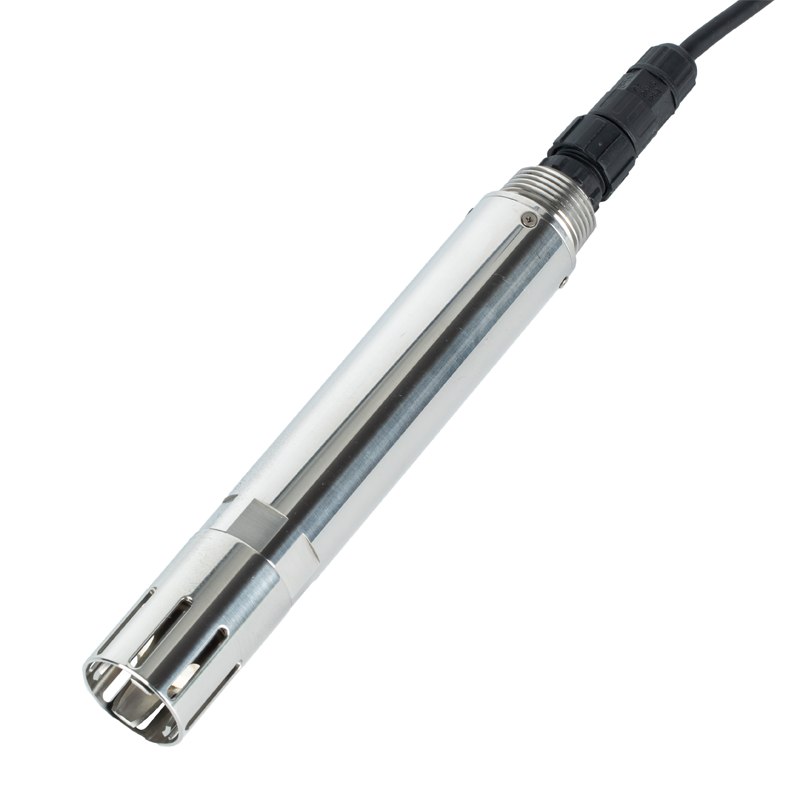
Accurately mastering pH value definition, pH scale, buffer solution preparation and storage, and pH composite electrode operation specifications is the foundation for stable operation of industrial pH measurement systems. NiuBoL NBL-WQ-PH industrial online pH sensor provides engineering solutions for sewage treatment pH monitoring, chemical process pH control and environmental water quality online measurement projects with reliable glass electrode technology and RS-485 Modbus RTU communication.
If you need to request NiuBoL official product manual, buffer solution usage manual or project technical support, please contact our engineers. We will provide complete documents within 24 hours.
 NBL-WQ-PH Online Water Quality pH Sensor.pdf
Next:Online Turbidity Sensor | NTU Sensor for Water Quality Monitoring | RS485 Modbus Probe - NBL-WQ-TS
Related recommendations
Sensors & Weather Stations Catalog
Agriculture Sensors and Weather Stations Catalog-NiuBoL.pdf
Weather Stations Catalog-NiuBoL.pdf
Agriculture Sensors Catalog-NiuBoL.pdf
Water Quality Sensor Catalog-NiuBoL.pdf
Related products
 Combined air temperature and relative humidity sensor
 TDR Soil Moisture & Temperature Sensor for irrigation| RS485 |4-20mA| NBL-S-THR
 Soil pH sensor RS485 soil Testing instrument soil ph meter for agriculture |NBL-S-PH
 Wind Speed sensor Output Modbus/RS485/Analog/0-5V/4-20mA
 Tipping bucket rain gauge for weather monitoring auto rainfall sensor RS485/Outdoor/stainless steel
 Pyranometer Solar Radiation Sensor 4-20mA/RS485

Screenshot, WhatsApp to identify the QR code
WhatsApp number:+8615367865107
(Click on WhatsApp to copy and add friends)

