





— Blogs —
—Products—
 Consumer hotline +8618073152920
 WhatsApp:+8615367865107
Address:Room 102, District D, Houhu Industrial Park, Yuelu District, Changsha City, Hunan Province, China
Product knowledge
Time:2026-05-26 11:48:10 Popularity:410
In modern water treatment, environmental monitoring, and industrial process control, accurate and continuous turbidity measurement is essential. The NBL-WQ-TS online turbidity sensor developed by NiuBoL provides engineers with a robust, field-proven solution based on 90° scattered light technology. This RS485 turbidity probe is widely used by water treatment engineers, environmental monitoring specialists, and EPC contractors in projects across Africa, Southeast Asia, the Middle East, and Europe.
Designed for long-term deployment in harsh conditions, this industrial water quality sensor combines high accuracy, low maintenance, and seamless SCADA integration, making it an ideal choice for both new projects and system upgrades.
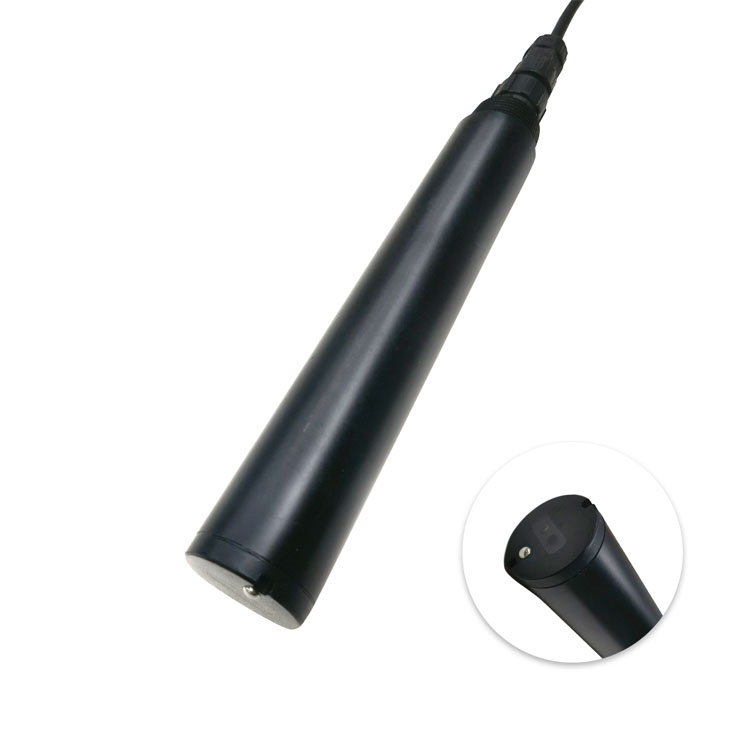
Turbidity is a critical indicator of water clarity and filtration effectiveness in drinking water plants. Excessive turbidity reduces the efficiency of UV disinfection and chlorination while increasing the risk of microbial contamination. Real-time monitoring with the NBL-WQ-TS allows operators to detect filter breakthrough instantly, adjust coagulant dosing, and ensure compliance with WHO and local standards (typically <1 NTU). This directly improves public health safety and reduces operational costs.
In municipal and industrial wastewater treatment plants, turbidity monitoring is vital at multiple stages: primary sedimentation, biological treatment, secondary clarifiers, and tertiary filtration. High turbidity often signals poor sludge settling or filter clogging. The sensor helps optimize chemical usage, minimize discharge violations, and protect downstream ecosystems. It performs reliably even in high-suspended-solids environments common in Southeast Asia irrigation monitoring and Middle East industrial wastewater systems.
Rivers are dynamic systems affected by seasonal rainfall, upstream discharges, and human activities. Continuous NTU data helps environmental agencies detect sudden pollution events and assess overall water quality trends. The submersible design and strong anti-interference capability make the NBL-WQ-TS suitable for remote river stations, especially in Africa water treatment projects where solar power is commonly used.
Dams and reservoirs require careful turbidity management to protect water storage quality, hydropower equipment, and ecological releases. Sediment resuspension after heavy rain can significantly increase turbidity. Installing this sensor provides early warning data, helping operators make informed decisions on water release and intake management.
Many industries — including food & beverage, pharmaceuticals, power generation, and petrochemicals — need strict control of process water turbidity to prevent product contamination and equipment scaling. The sensor’s fast response and Modbus compatibility allow direct integration into automated control loops, ensuring consistent water quality and reducing downtime.
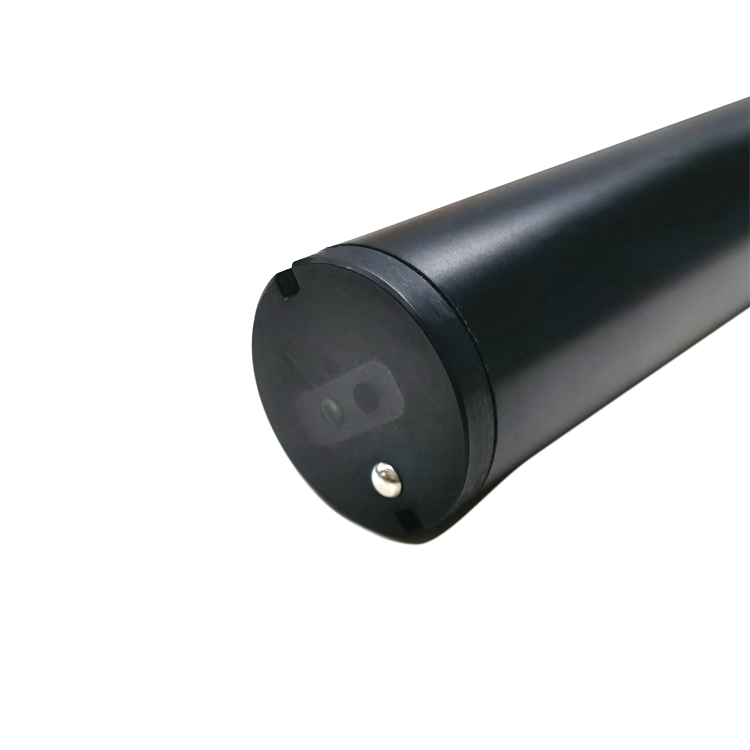
The NBL-WQ-TS employs the internationally recognized 90° scattered light method. An infrared LED emits a focused light beam into the water. Suspended particles scatter this light in all directions. The sensor detects the scattered light intensity precisely at a 90° angle to the incident beam. This signal is processed against internal calibration values and linearized to produce an accurate NTU reading.
Key engineering benefits:
Infrared LED light source significantly reduces interference from water color and ambient light compared to visible light methods.
Advanced fiber optic structure isolates the optical path, providing strong resistance to external light interference — crucial for open-channel and outdoor installations.
Integrated Pt1000 temperature sensor delivers automatic compensation, maintaining measurement stability across the full 0–50°C operating range.
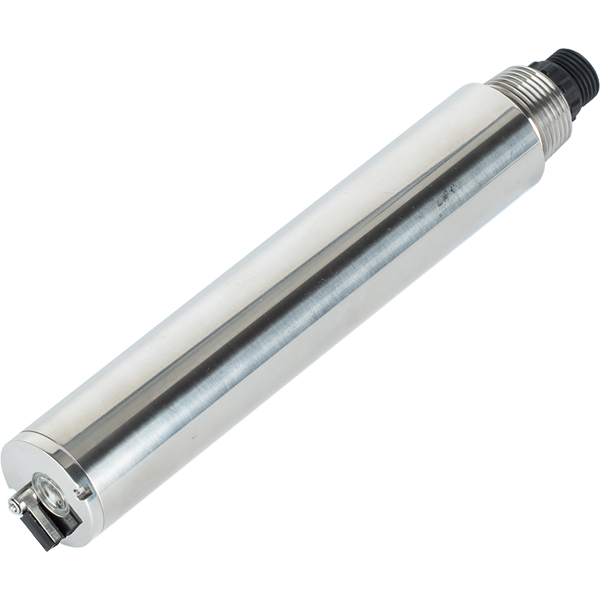
IP68 Protection (20m depth rating): Enables true submersible deployment in tanks, channels, and rivers without additional enclosures. This reduces installation complexity and long-term costs in field applications.
RS485 Modbus/RTU Output: Industry-standard protocol ensures easy integration with existing SCADA, PLC, and DCS systems. Supports multi-sensor networking on a single bus.
Ultra-low Power Consumption (0.2W @ 12V): Perfect for solar-powered or battery-operated remote stations widely used in Africa water treatment projects and Southeast Asia irrigation monitoring.
Fast Response Time (T90 < 30s): Allows real-time detection of process upsets, essential for dynamic wastewater treatment and river monitoring.
Multiple Range Options: 0–20 NTU for drinking water, 0–200 NTU for general wastewater, and 0–1000 NTU for high-turbidity industrial effluents.
Robust POM + ABS Construction: Offers excellent chemical resistance and mechanical durability in aggressive water matrices.
Installation
The sensor features standard 3/4 NPT male thread for easy connection to pipes or mounting brackets. It supports fully submersible installation at depths from 0.5m to 20m. For best performance, position the sensor in stable flow areas, away from strong turbulence, aerators, or pipe inlets.
Calibration
Two-point calibration using standard formazin solutions can be performed on-site, ensuring long-term accuracy without factory return.
Maintenance Guide
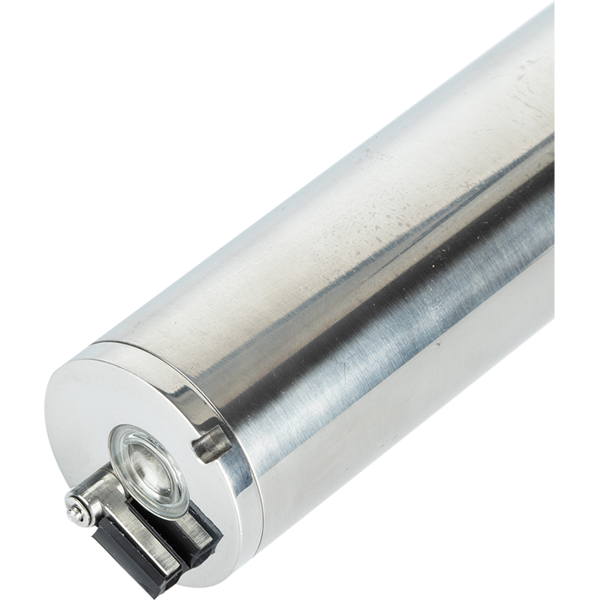
Routine maintenance is minimal. Clean the optical window periodically with a soft cloth or low-pressure water jet. Inspect cable connections and mounting stability every 3–6 months. In high-fouling environments, implement scheduled cleaning based on actual site conditions.
Root Cause: Loose wiring, incorrect polarity, blown fuse, or RS485 parameter mismatch.
Field Troubleshooting: Verify 12–24VDC supply, check connections, confirm Modbus settings (9600 baud default).
Prevention: Use shielded cable and waterproof connectors.
Root Cause: Air bubbles, optical fouling, or vibration from water flow.
Field Troubleshooting: Wait for bubbles to clear, clean sensor surface, relocate to calmer zone.
Prevention: Install flow deflectors and schedule preventive cleaning.
Root Cause: Inconsistent immersion depth or mounting movement.
Field Troubleshooting: Secure mounting and ensure fixed depth.
Prevention: Use rigid mounting structures for online monitoring.
Root Cause: Gradual fouling or temperature cycling.
Field Troubleshooting: Perform two-point recalibration.
Prevention: Site-specific calibration schedule (3 months for wastewater, 6 months for clean water).
Root Cause: Turbidity exceeds selected range or probe damage.
Field Troubleshooting: Cross-check with portable meter, inspect probe, switch to higher range if needed.
Prevention: Select appropriate range during project design.
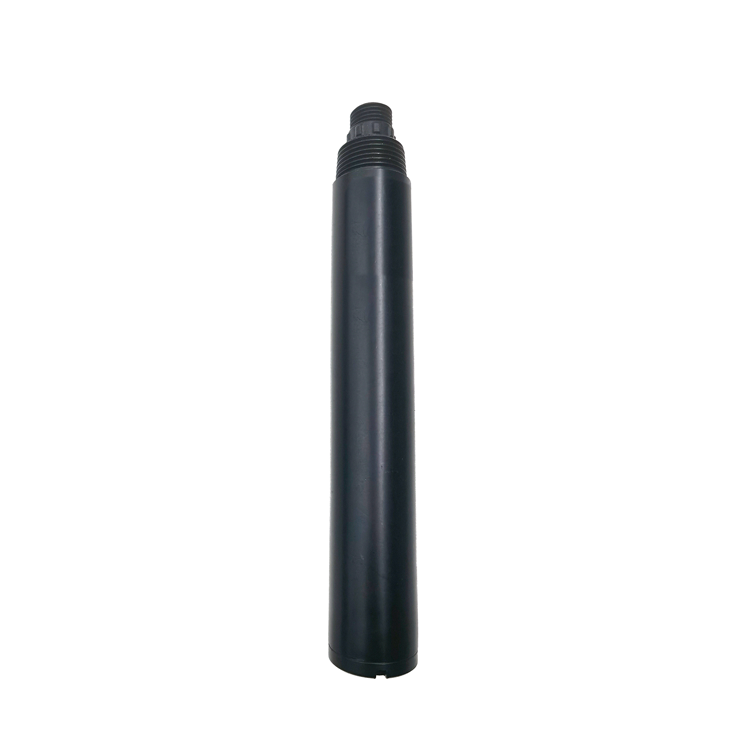
| Parameter | Specification |
|---|---|
| Model | NBL-WQ-TS |
| Measurement Principle | 90° Scattered Light |
| Ranges | 0–20.00 / 0–200.0 / 0–1000.0 NTU |
| Resolution | 0.01 NTU (low range) / 0.1 NTU |
| Accuracy | ±3% or ±1.5 NTU (lowest range) |
| Response Time (T90) | < 30 seconds |
| Temperature Compensation | Pt1000 Automatic |
| Output | RS485 (Modbus/RTU) |
| Power Supply | 12–24VDC, 0.2W |
| Protection | IP68, 20m depth |
| Material | POM + ABS |
| Installation | 3/4 NPT, Submersible |
| Operating Temperature | 0–50°C |
| Cable Length | 5m (customizable) |
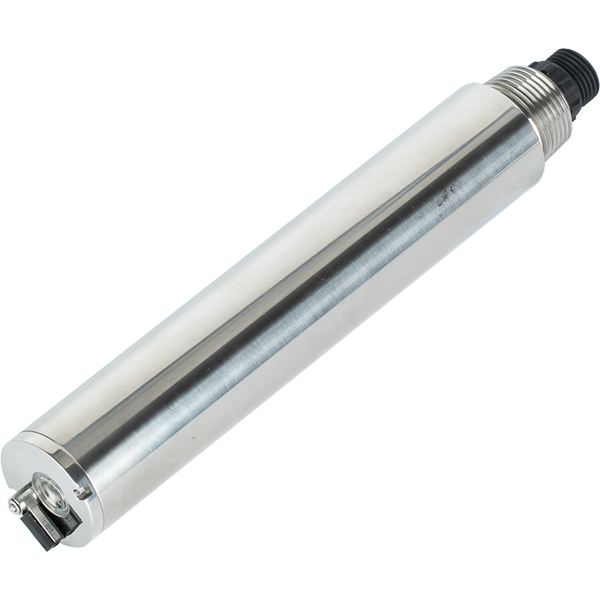
The NBL-WQ-TS RS485 turbidity probe uses standard Modbus/RTU protocol, making it fully compatible with most industrial automation platforms. Multiple sensors can share the same bus, reducing cabling costs. Data can be logged locally or uploaded to cloud IoT platforms — especially useful for distributed projects in Europe environmental monitoring compliance and Middle East industrial wastewater systems.
When to Contact Us
Planning a new water treatment plant or upgrading existing systems
Experiencing frequent sensor failures or high maintenance costs
Needing documentation for EPC tender or regulatory approval
Requiring customized solutions for challenging environments
What We Can Support
Detailed datasheets, integration manuals, and 3D drawings
Sample units for on-site testing
Application engineering support for sensor selection
Fast quotations for international projects
Typical Project Customization Options
Extended cable lengths up to 50 meters
Pre-configured Modbus parameters
Solar-powered remote monitoring kits
Special range configurations
Engineers and EPC contractors are welcome to share project parameters for professional recommendation and competitive pricing.
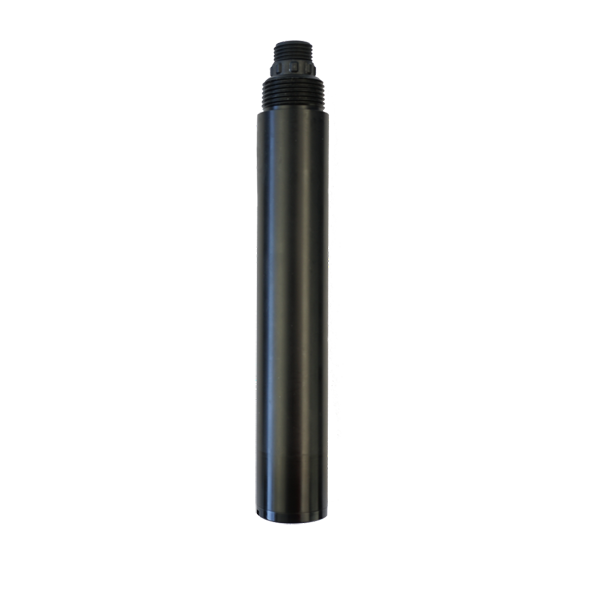
Q1. What measurement principle does the NBL-WQ-TS use?
It uses the standard 90° scattered light method with infrared LED.
Q2. Is this sensor suitable for solar-powered remote stations?
Yes. Its 0.2W low power consumption makes it ideal for off-grid applications.
Q3. How often does the sensor require calibration?
Generally every 3–6 months depending on the water matrix.
Q4. What is the maximum submersion depth?
IP68 rated for continuous operation up to 20 meters.
Q5. Does it support 4-20mA output?
Standard is RS485 Modbus. 4-20mA version available on request.
Q6. Can it be used in seawater?
Yes, with good chemical resistance. Please confirm specific conditions.
Q7. How to integrate with existing SCADA?
Standard Modbus/RTU. We provide register mapping and support.
Q8. Do you support international projects?
Yes. We supply sensors for projects in Europe, Africa, Middle East, and Southeast Asia.
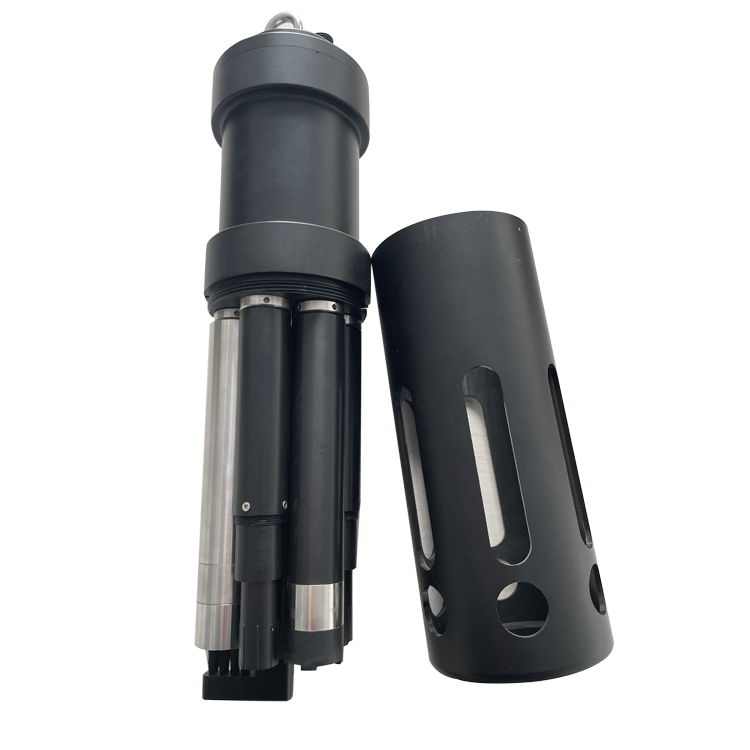
Contact NiuBoL for detailed specifications, quotations, or technical discussion. Our team supports water professionals worldwide with reliable industrial water quality sensors.
 NBL-WQ-CL Water Quality Sensor Online Residual Chlorine Sensor.pdf
NBL-WQ-DO Online Fluorescence Dissolved Oxygen Sensor.pdf
NBL-WQ-NHN Ammonia Nitrogen Water Quality Sensor.pdf
NBL-WQ-COD Online Water Quality COD Sensor.pdf
NBL-WQ-PH Online pH Water Quality Sensor.pdf
NBL-WQ-EC water quality conductivity sensor.pdf
NBL-WQ-BOD-4A Online BOD Sensor.pdf
NBL-WQ-TS Online Turbidity Water Quality Sensor.pdf
Next:Online Turbidity & TSS Sensor for Wastewater Treatment: The Ultimate Guide to NTU/MLSS Monitoring
Related recommendations
Sensors & Weather Stations Catalog
Agriculture Sensors and Weather Stations Catalog-NiuBoL.pdf
Weather Stations Catalog-NiuBoL.pdf
Agriculture Sensors Catalog-NiuBoL.pdf
Water Quality Sensor Catalog-NiuBoL.pdf
Related products
 Combined air temperature and relative humidity sensor
 TDR Soil Moisture & Temperature Sensor for irrigation| RS485 |4-20mA| NBL-S-THR
 Soil pH sensor RS485 soil Testing instrument soil ph meter for agriculture |NBL-S-PH
 Wind Speed sensor Output Modbus/RS485/Analog/0-5V/4-20mA
 Tipping bucket rain gauge for weather monitoring auto rainfall sensor RS485/Outdoor/stainless steel
 Pyranometer Solar Radiation Sensor 4-20mA/RS485

Screenshot, WhatsApp to identify the QR code
WhatsApp number:+8615367865107
(Click on WhatsApp to copy and add friends)

