





— Blogs —
—Products—
 Consumer hotline +8618073152920
 WhatsApp:+8615367865107
Address:Room 102, District D, Houhu Industrial Park, Yuelu District, Changsha City, Hunan Province, China
Product knowledge
Time:2026-05-26 11:49:42 Popularity:322
In modern water treatment engineering and environmental monitoring, turbidity, suspended solids (SS), and mixed liquor suspended solids (MLSS) are core parameters for evaluating water quality, optimizing process flows, and ensuring environmental compliance. Although these indicators are physically correlated, their measurement principles and application logics are distinct.
As an environmental monitoring and water quality sensor manufacturer, NiuBoL is committed to providing high-reliability, low-maintenance online monitoring solutions for EPC contractors and environmental engineers worldwide.
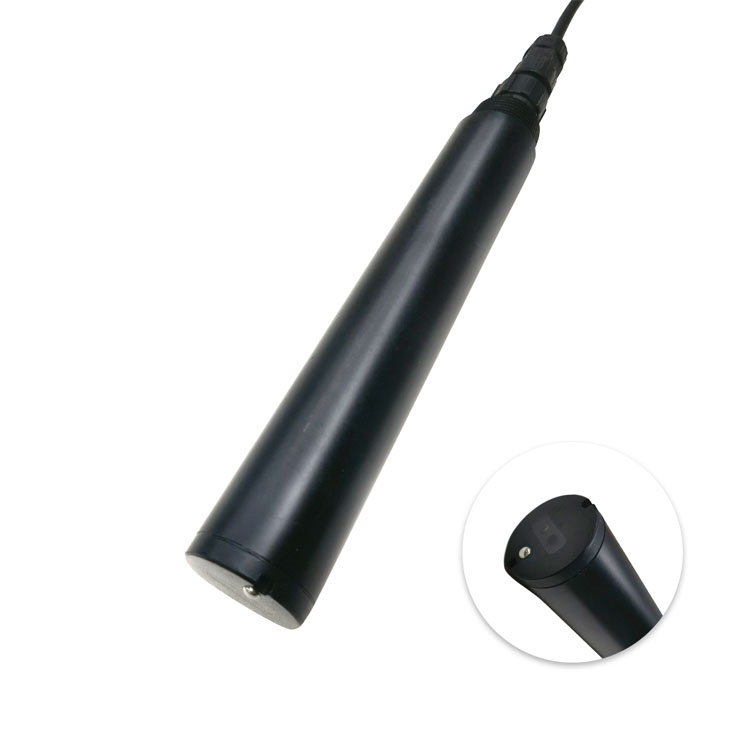
A. Engineering Applications: Why Monitoring is Critical?
Under different geographical and industrial contexts, the need for monitoring has clear engineering significance:
Drinking Water Treatment: In high-purity water and tap water processes, low-range turbidity monitoring is the first line of defense to ensure filtration effectiveness. Real-time NTU monitoring prevents filter breakthrough and ensures effluent meets WHO or European environmental compliance requirements.
Wastewater Treatment: In aeration tanks and secondary clarifiers, precise control of MLSS sludge concentration directly determines the efficiency of biochemical reactions and final effluent quality. This is critical for water projects in Africa or industrial park wastewater systems in Southeast Asia.
River & Dam Monitoring: Used for monitoring sediment content and runoff changes in surface waters, providing data support for water resource regulation under arid climates in the Middle East and for ecological protection.
Industrial Process Water: In recirculating water treatment and cooling tower monitoring, preventing suspended solids accumulation which causes equipment corrosion or scaling, reducing long-term operational expenditure (OPEX) for plants.
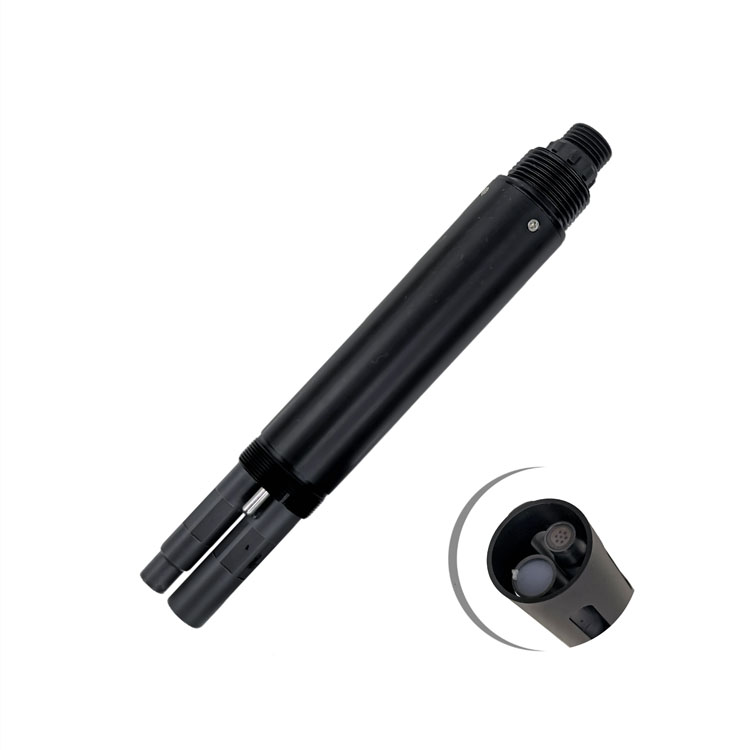
NiuBoL sensor series (NBL-WQ-TS / TSS / MLSS) adopt optical principles with structural optimization for different concentration ranges:
90° Scattered Light Principle (ISO 7027 standard): For low-range turbidity measurement (NBL-WQ-TS), we use the calculation of 90° vertical scattered light intensity generated by suspended particles when a light beam passes through the water sample. This method is extremely sensitive to fine particles.
Backscattering Technology: In high-concentration TSS or MLSS measurement, conventional transmitted light fails due to rapid energy attenuation. NiuBoL uses backscattering technology to ensure linear output even under high sludge concentrations.
Infrared LED Light Source (860nm): Using an infrared light source effectively eliminates interference from water sample color (such as humic acid or chromaticity interference), ensuring measurement purity.
Anti-interference Fiber Optic Structure: The internal fiber-optic transmission design improves optical path stability and significantly enhances anti-interference capability in complex electromagnetic environments.
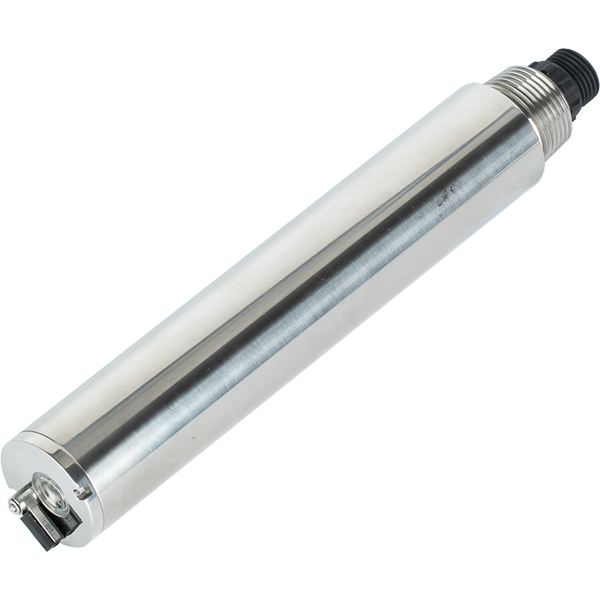
In field or industrial sites, reliability is paramount. NiuBoL designs fully meet international engineering requirements:
IP68 Rating: Fully sealed packaging technology allows stable long-term operation at depths up to 20 meters underwater, fearless of harsh submersible deployment environments.
0.2W Ultra-Low Power Consumption: This feature is decisive for remote monitoring stations powered by solar energy (e.g., water quality monitoring in Latin America or rural Africa), greatly extending battery life.
RS485 Modbus RTU Protocol: Standard digital interface means the sensor can be "plug-and-play" integrated into SCADA systems or PLCs without expensive transmitters or complex analog signal conversion.
T90 < 30s Fast Response: Captures sudden changes in water quality in real time, providing zero-delay data feedback for process adjustments.
Thread Connection: The bottom of the sensor is equipped with a standard 3/4" NPT pipe thread, easy to fix on brackets or pipes.
Submersion Installation: It is recommended to install the sensor vertically in a stable flow area, avoiding foam and direct sunlight. The sensor tip should be at least 5 cm away from the tank wall or bottom.
To maintain long-term accuracy, regular two-point calibration is recommended:
Zero Calibration: Zero adjustment in pure water (or known very low value standard solution).
Span Calibration: Calibration using Formazine standard solution with similar properties to the on-site medium or actual water samples analyzed in the laboratory.
| Common Fault | Root Cause Analysis | On-site Solution | Preventive Advice |
|---|---|---|---|
| No signal / Communication failure | Insufficient power supply or reversed RS485 polarity | Check DC 12-24V voltage; confirm A/B wiring order | Use shielded twisted pair, ensure adequate power |
| Unstable / erratic readings | Air bubbles attached to measurement window or heavy fouling | Install at an incline to allow bubbles to slide off; clean optical window | Add automatic cleaning device or shorten manual cleaning intervals |
| Low readings | Biofilm growth on sensor surface (fouling) | Wipe optical window with soft cloth and dilute hydrochloric acid/cleaner | Regular maintenance in highly polluted environments |
| Zero drift | Ambient background light interference or light source aging | Check light shield; perform two-point calibration again | Avoid installation in shallow water exposed to direct sunlight |
| Reading out of range | Water sample concentration exceeds range or severe blockage | Confirm range selection (e.g., 0-200 vs 0-1000 NTU) | Assess possible maximum concentration before selection |
| Parameter | NBL-WQ-TS (Turbidity Sensor) | NBL-WQ-TSS (Suspended Solids Sensor) | NBL-WQ-MLSS-4 (Sludge Sensor) |
|---|---|---|---|
| Measuring Principle | 90° scattered light method | Backscattering method | Backscattering method |
| Standard Range | 0~1000 NTU | 0~2000.0 mg/L | 0~20.000 g/L |
| Resolution | 0.1 NTU | 0.1 mg/L | 0.001 g/L |
| Accuracy | ±5% or ±3 NTU | ±5% (depending on homogeneity) | ±5% (depending on homogeneity) |
| Output Interface | RS-485 (Modbus RTU) | RS-485 (Modbus RTU) | RS-485 / 4-20mA |
| Power Supply / Consumption | 12~24VDC / 0.2W | 12~24VDC / 0.2W | 12~24VDC / 0.2W |
| Housing Material | POM, ABS | POM, ABS | ABS, 316L Stainless Steel |
| Protection Rating | IP68 | IP68 | IP68 |
NiuBoL sensors are optimized for the world's leading IoT platforms and industrial control systems. Through the standard Modbus protocol, engineers can read real-time data, temperature values, and device status via simple register read/write operations. We provide complete protocol manuals to support rapid integration into European environmental compliance platforms, Southeast Asian irrigation monitoring systems, and Middle Eastern industrial wastewater management systems.
Q1: Can NTU measured by a turbidimeter be directly converted to mg/L of SS?
A: No, not directly. NTU is an optical unit, while mg/L is a mass concentration unit. Although there is a linear relationship for the same water sample with constant composition and stable properties (Turbidity = a × SS), the proportionality coefficient 'a' changes when the measurement medium or environment changes, and must be recalibrated using the laboratory gravimetric method.
Q2: Why are NiuBoL water quality sensors more stable in wastewater?
A: We use an 860nm infrared light source and an anti-interference fiber optic structure, which effectively filters water color and background stray light, and provides signal compensation specifically for complex biochemical environments in wastewater treatment plants.
Q3: Does the sensor require a special mounting bracket?
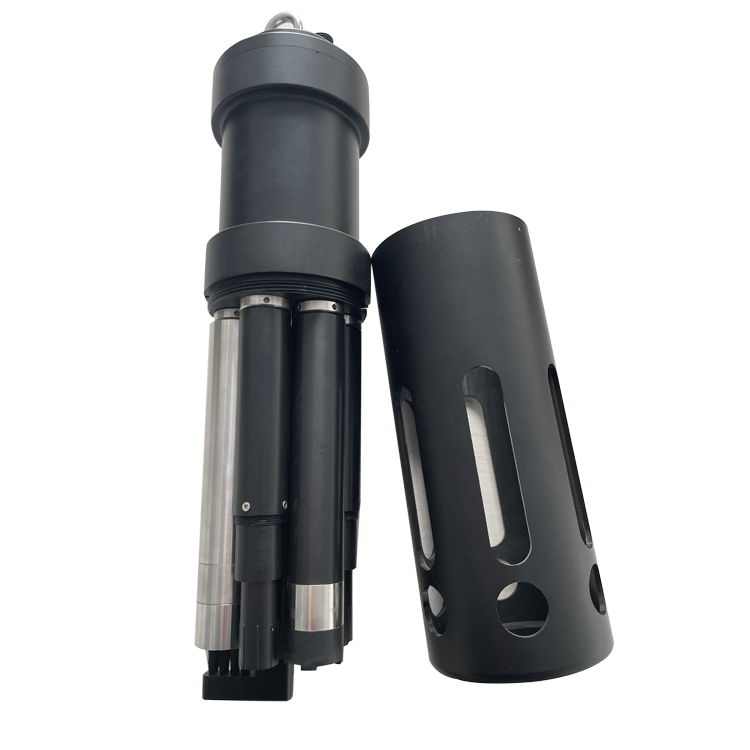
A: The sensor comes with 3/4" NPT threads, compatible with standard immersion mounting rods. In high-flow velocity environments, a protective cage is recommended to prevent impact from large floating objects.
Q4: How to deal with scaling on the measurement window?
A: In scaling-prone environments (e.g., industrial wastewater with high hardness), regular cleaning with weak acid is recommended, or choose a version with an automatic brush cleaning function (consult customer service).
Q5: Can this sensor be used for high-salinity seawater monitoring?
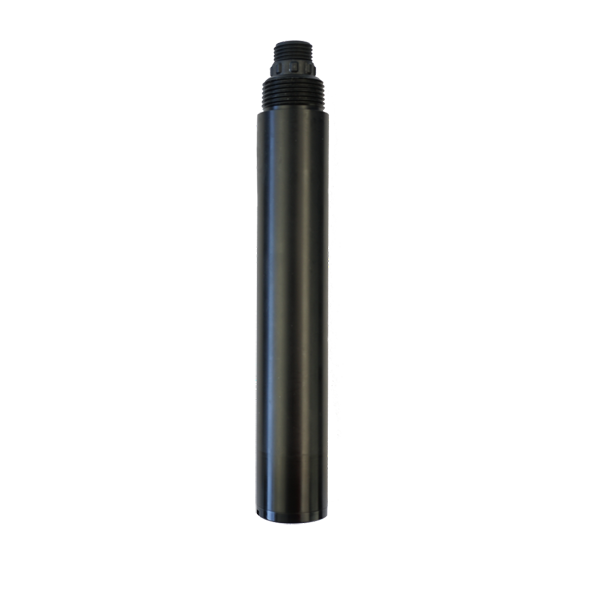
A: The NBL-WQ-MLSS-4 uses 316L stainless steel and ABS materials, offering good corrosion resistance, and can be used for coastal or saline industrial wastewater monitoring.
Q6: What is the maximum transmission distance for RS485 communication?
A: Under standard conditions, RS485 can transmit up to 1200 meters. For long-distance transmission, it is recommended to add a 120Ω terminating resistor at the end.
Q7: Can you provide a calibration certificate?
A: Yes. All NiuBoL factory equipment is strictly calibrated using standard Formazine solution, and an inspection report can be provided with the shipment.
Q8: Do you have project cases in Africa or the Middle East?
A: NiuBoL's water quality monitoring solutions have been widely used in agricultural irrigation in Southeast Asia, industrial wastewater treatment in the Middle East, and drinking water renovation projects in African towns.
As a professional brand, NiuBoL not only provides sensors but also offers solutions to engineering challenges.
Contact us when you face the following challenges:
Need sensor selection for specific industries (e.g., mining, papermaking, printing and dyeing).
Designing a remote water quality monitoring network based on solar power.
Require customized Modbus protocol or OEM branding for SCADA systems.
Seek cost-effective industrial sensors for large-scale bidding requirements.
Our Support:
✅ 24-hour technical consulting service
✅ Complete integration solution manual (Modbus command set)
✅ Volume purchase discounts for EPC contractors
If you have an ongoing water treatment project or environmental monitoring requirement, please send your technical specifications to our engineering team. We will provide you with the most competitive selection advice and formal quotation.
Contact NiuBoL – Engineering precision, deployed globally.
 NBL-WQ-CL Water Quality Sensor Online Residual Chlorine Sensor.pdf
NBL-WQ-DO Online Fluorescence Dissolved Oxygen Sensor.pdf
NBL-WQ-NHN Ammonia Nitrogen Water Quality Sensor.pdf
NBL-WQ-COD Online Water Quality COD Sensor.pdf
NBL-WQ-PH Online pH Water Quality Sensor.pdf
NBL-WQ-EC water quality conductivity sensor.pdf
NBL-WQ-BOD-4A Online BOD Sensor.pdf
Prev:Online Turbidity Sensor | NTU Sensor for Water Quality Monitoring | RS485 Modbus Probe - NBL-WQ-TS
Next:Turbidity Units Explained: Differences Between NTU, FNU, FTU, and FAU
Related recommendations
Sensors & Weather Stations Catalog
Agriculture Sensors and Weather Stations Catalog-NiuBoL.pdf
Weather Stations Catalog-NiuBoL.pdf
Agriculture Sensors Catalog-NiuBoL.pdf
Water Quality Sensor Catalog-NiuBoL.pdf
Related products
 Combined air temperature and relative humidity sensor
 TDR Soil Moisture & Temperature Sensor for irrigation| RS485 |4-20mA| NBL-S-THR
 Soil pH sensor RS485 soil Testing instrument soil ph meter for agriculture |NBL-S-PH
 Wind Speed sensor Output Modbus/RS485/Analog/0-5V/4-20mA
 Tipping bucket rain gauge for weather monitoring auto rainfall sensor RS485/Outdoor/stainless steel
 Pyranometer Solar Radiation Sensor 4-20mA/RS485

Screenshot, WhatsApp to identify the QR code
WhatsApp number:+8615367865107
(Click on WhatsApp to copy and add friends)

