





— Blogs —
—Products—
 Consumer hotline +8618073152920
 WhatsApp:+8615367865107
Address:Room 102, District D, Houhu Industrial Park, Yuelu District, Changsha City, Hunan Province, China
Product knowledge
Time:2026-05-26 14:04:56 Popularity:866
In the field of water quality monitoring, turbidity is a crucial indicator for assessing water clarity. Different countries and regions adopt different turbidity units, with common ones including NTU, FNU, FTU, and FAU. Correctly understanding the differences between these units is essential for drinking water treatment, wastewater discharge, and industrial water treatment projects.
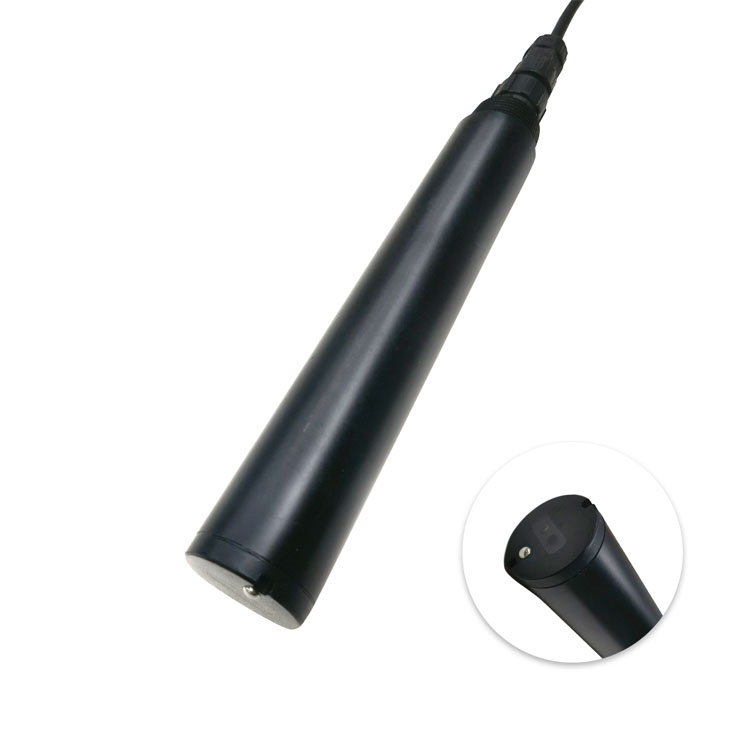
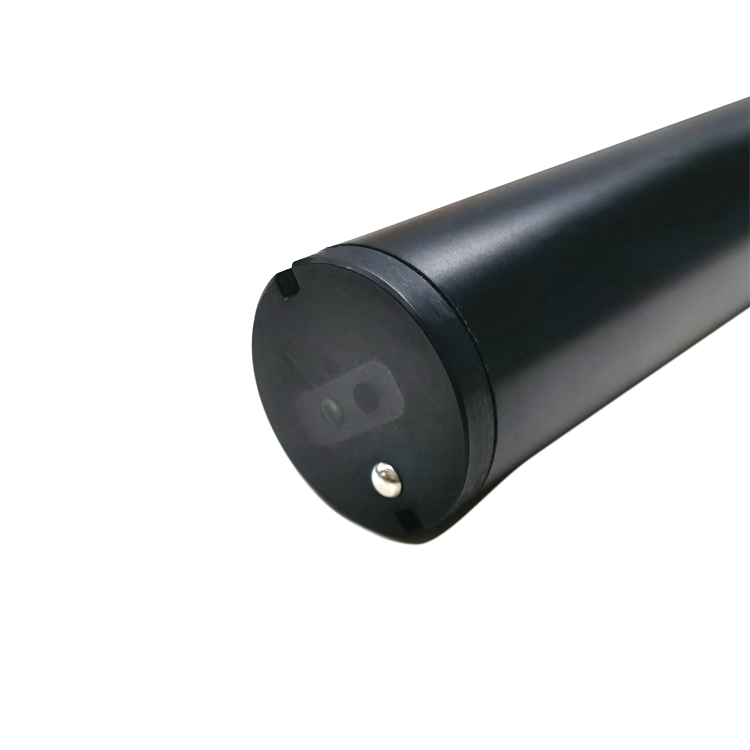
Turbidity reflects the ability of suspended particles in water to scatter and absorb light, directly affecting disinfection effectiveness and microbiological safety. Whether for drinking water plants, wastewater treatment plants, or industrial circulating water systems, accurate water turbidity measurement is a core component of ensuring water quality compliance.
NTU (Nephelometric Turbidity Units)
NTU refers to Nephelometric Turbidity Units, where the instrument measures scattered light intensity at a 90° angle to the incident light. This unit is widely applied in the USEPA Method 180.1 and Standard Methods for the Examination of Water and Wastewater. NTU is currently one of the most commonly used turbidity units globally, especially prioritized in drinking water standards in North America and many Asian countries.
FNU (Formazin Nephelometric Units)
FNU stands for Formazin Nephelometric Units, also using the 90° scattered light measurement principle. It complies with the European ISO 7027 turbidity determination standard. With the widespread adoption of formazin as a primary turbidity standard, FNU is increasingly used in Europe and some international projects.
FTU (Formazin Turbidity Units)
FTU means Formazin Turbidity Units. Although also based on formazin, FTU is not strictly tied to a specific measurement method. It is more often used as a general expression of turbidity. During calibration, its numerical value is consistent with NTU and FNU, but differences may arise when measuring actual samples due to varying instrument principles.
FAU (Formazin Attenuation Units)
FAU refers to Formazin Attenuation Units, employing a 180° transmitted light measurement method (measuring the attenuation of light after passing through the sample). This method typically uses a spectrophotometer or colorimeter. Most regulatory bodies have low recognition of FAU because it cannot effectively distinguish the scattering characteristics of small particles, making it less common in high-precision water quality monitoring.
| Aspect | NTU | FNU | FTU | FAU |
|---|---|---|---|---|
| Measurement Angle | 90° scattering | 90° scattering | Not strictly defined (common expression) | 180° transmission (attenuation) |
| Applicable Standards | USEPA Method 180.1 | ISO 7027 | General unit (no strict standard) | Rarely adopted in official standards |
| Numerical Consistency (same formazin standard) | Basically the same | Basically the same | Basically the same (during calibration) | Basically the same (during calibration) |
| Application Scenarios | Drinking water monitoring (preferred in US/Asia) | European projects (ISO 7027) | Data expression & general communication | Laboratory transmission methods (less recognized) |
In Africa drinking water treatment projects, most refer to USEPA standards, giving priority to instruments with NTU units; Middle East desalination plants and Southeast Asia municipal water systems often need to be compatible with both NTU and FNU; European projects tend to prefer FNU units compliant with ISO 7027 to meet European environmental compliance monitoring requirements.
Choosing the correct turbidity unit can avoid data disputes and increase project acceptance rates. When selecting online turbidity meters, it is advisable to prioritize devices that support dual display of NTU/FNU units.
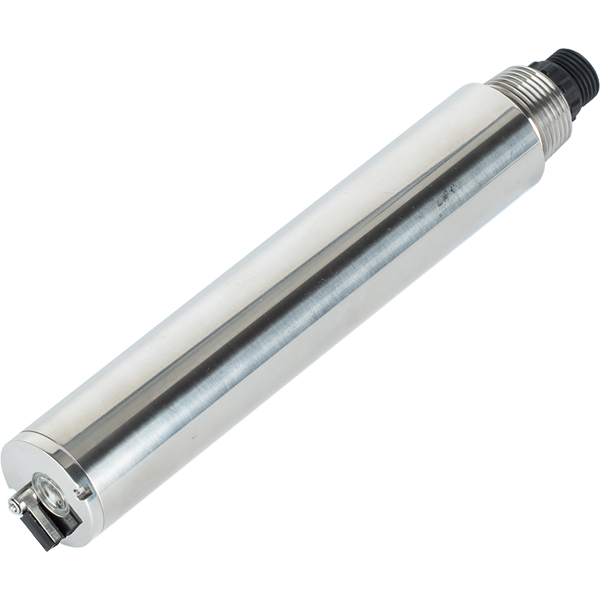
Determine the dominant unit based on local regulations (NTU is recommended in most parts of China).
Instrument calibration must use formazin standard solution.
When measuring actual water samples, record the unit used and specify the measurement method.
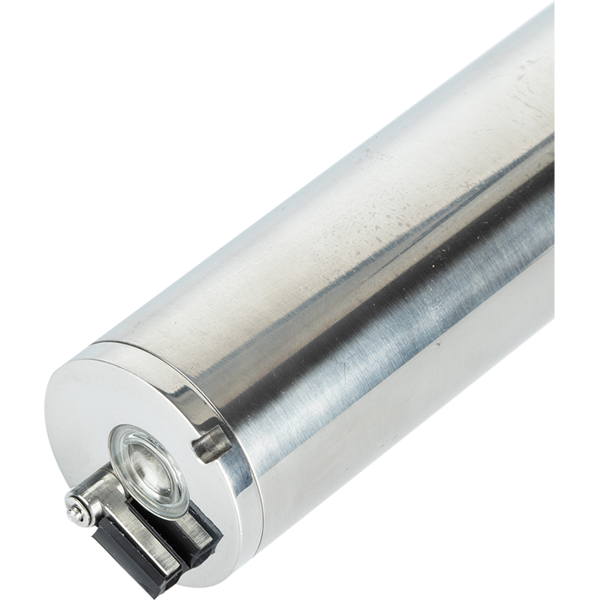
For high-precision projects, online turbidity sensors using 90° scattering method (NTU or FNU) are recommended.
Q1: What is the difference between NTU and FNU?
A1: NTU mainly corresponds to the USEPA standard, while FNU corresponds to the European ISO 7027 standard. Both share the same measurement principle (90° scattering), but they belong to different regulatory frameworks.
Q2: Can FTU be used instead of NTU?
A2: FTU is a general expression unit; its numerical value is consistent with NTU during calibration, but in practical applications, it is necessary to confirm whether the instrument supports the corresponding measurement method.
Q3: Why is FAU less commonly used?
A3: FAU uses the 180° transmission method, which has low sensitivity to scattering from small particles, and most regulatory bodies do not recognize it as a primary turbidity indicator.
Q4: Which turbidity unit should I choose for an online turbidity meter?
A4: For drinking water projects, NTU or FNU is recommended. It is advisable to choose an industrial online turbidity meter that supports switching between multiple units.
Q5: Will measurement results for the same water sample be the same using different units?
A5: Results are consistent when calibrated with the same standard solution, but deviations may occur when measuring real water samples due to methodological differences.
Q6: What is the relationship between JTU and modern turbidity units?
A6: JTU is an obsolete visual turbidity unit that has been fully replaced by more precise instrumental methods like NTU/FNU.
Q7: Which turbidity unit is mainly used in Chinese water quality standards?
A7: Currently, most drinking water and surface water standards in China use NTU as the primary unit.
Q8: How to calibrate a turbidity meter to ensure accuracy?
A8: Use 0 NTU pure water for zero point, and 1.0, 10, 100 NTU formazin standard solutions for multi-point calibration, and record the units used.
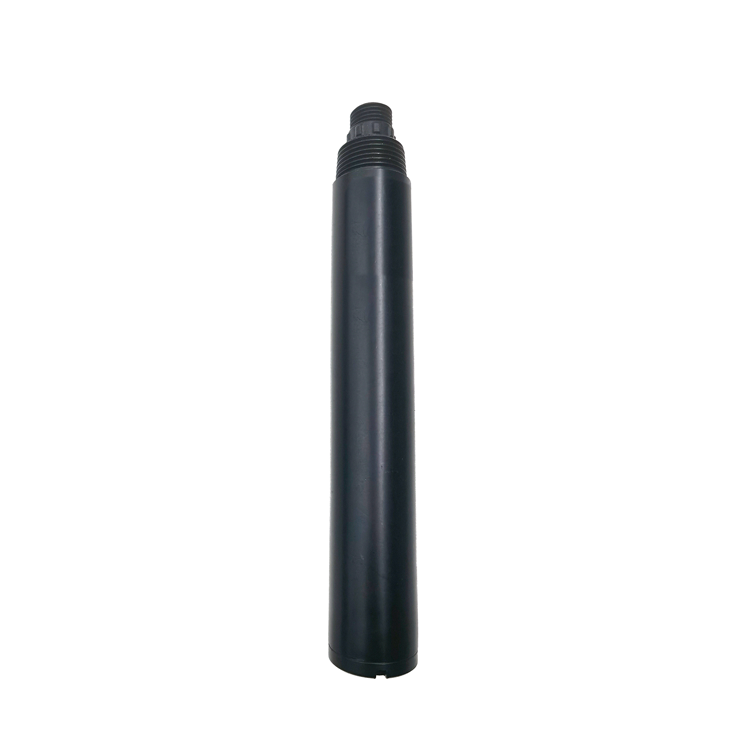
Understanding the differences between NTU, FNU, FTU, and FAU is fundamental to good water turbidity measurement. These different units reflect variations in measurement principles and regional standards. Correct selection can significantly improve the reliability and compliance of water quality monitoring. It is recommended that water plant engineers and EPC project teams prioritize professional online turbidity meters with strong compatibility and multi-unit display capabilities when making selections. For technical support or product selection, please feel free to contact us; we provide turbidity monitoring solutions that meet the standards of different regions around the world.
 NBL-WQ-TS Online Turbidity Water Quality Sensor.pdf
Prev:Online Turbidity & TSS Sensor for Wastewater Treatment: The Ultimate Guide to NTU/MLSS Monitoring
Next:Online Residual Chlorine Sensor: NBL-WQ-CL Constant Voltage Free Chlorine Monitoring System
Related recommendations
Sensors & Weather Stations Catalog
Agriculture Sensors and Weather Stations Catalog-NiuBoL.pdf
Weather Stations Catalog-NiuBoL.pdf
Agriculture Sensors Catalog-NiuBoL.pdf
Water Quality Sensor Catalog-NiuBoL.pdf
Related products
 Combined air temperature and relative humidity sensor
 TDR Soil Moisture & Temperature Sensor for irrigation| RS485 |4-20mA| NBL-S-THR
 Soil pH sensor RS485 soil Testing instrument soil ph meter for agriculture |NBL-S-PH
 Wind Speed sensor Output Modbus/RS485/Analog/0-5V/4-20mA
 Tipping bucket rain gauge for weather monitoring auto rainfall sensor RS485/Outdoor/stainless steel
 Pyranometer Solar Radiation Sensor 4-20mA/RS485

Screenshot, WhatsApp to identify the QR code
WhatsApp number:+8615367865107
(Click on WhatsApp to copy and add friends)

