





— Blogs —
—Products—
 Consumer hotline +8618073152920
 WhatsApp:+8615367865107
Address:Room 102, District D, Houhu Industrial Park, Yuelu District, Changsha City, Hunan Province, China
Product knowledge
Time:2026-05-26 14:08:19 Popularity:332
The core task of drinking water treatment plants is to ensure the microbiological safety of the factory water, and residual chlorine is the key indicator to maintain the disinfection effect of the pipe network. Without effective monitoring, insufficient residual chlorine may lead to secondary pollution, while excessive levels will increase the risk of disinfection by-products. For Africa drinking water treatment projects, a stable and durable online chlorine sensor can significantly improve water supply safety and operational efficiency while reducing daily inspection costs.
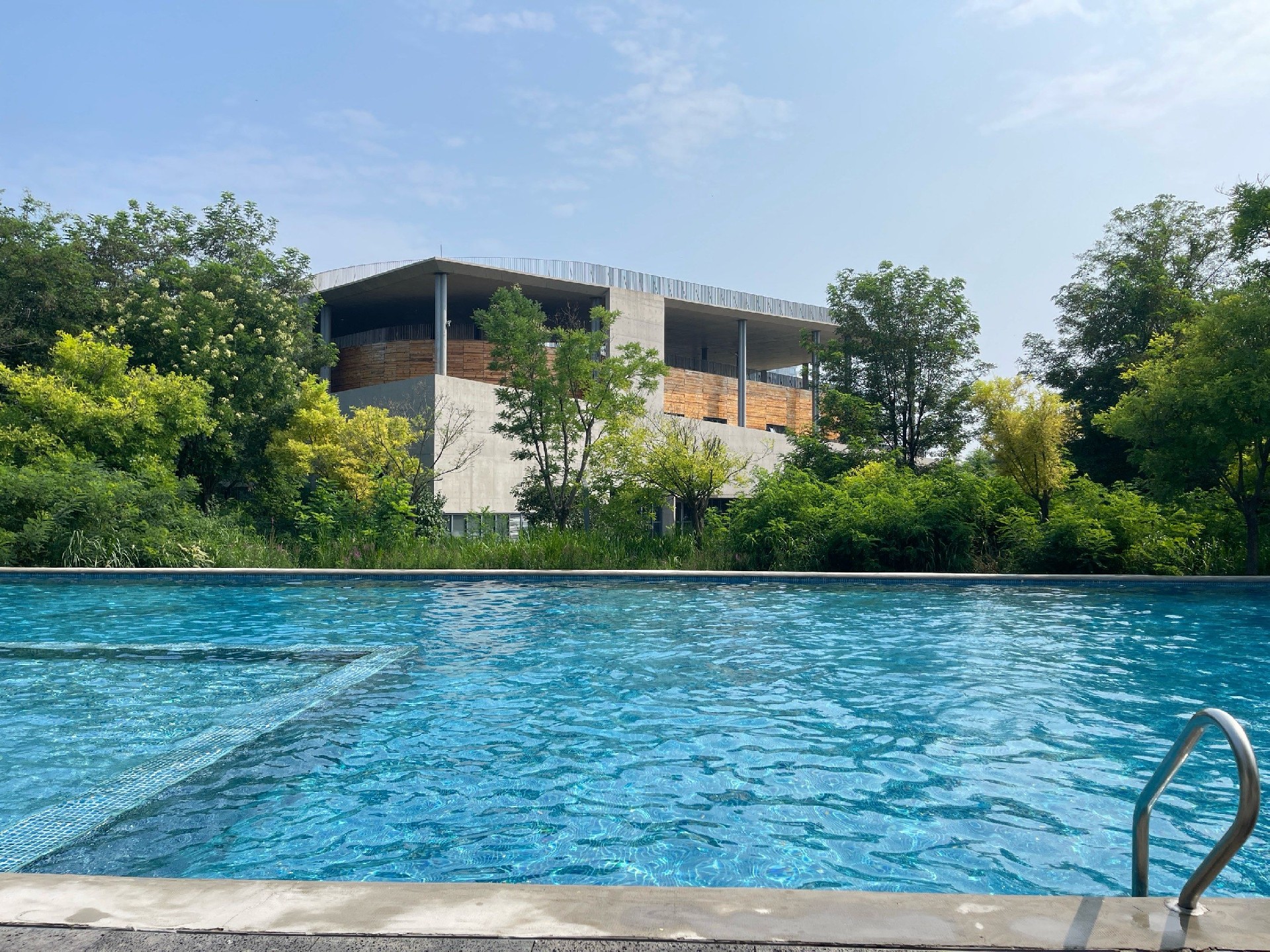
Swimming pool water has a large circulation volume and complex pollution sources, and the residual chlorine concentration must be maintained in a safe range in real time. The lack of online monitoring can easily cause bacterial exceedance and water quality deterioration, increasing health risks for swimmers. The online residual chlorine analyzer can realize linkage control with the dosing system, providing precise water disinfection monitoring guarantee.
In industrial circulating cooling water, residual chlorine is used to effectively inhibit the growth of microorganisms and biofilms. Failure to monitor in time will lead to pipeline blockage, accelerated corrosion and decreased heat exchange efficiency. Especially in high-demand projects such as Middle East desalination plants, a stable and reliable residual chlorine sensor is particularly important, which can effectively extend the service life of equipment.
Residual chlorine at the end of municipal pipe networks is prone to decay. Online monitoring can detect dead water areas or pollution risks early, supporting the smart water upgrade of Southeast Asia municipal water systems, while meeting the strict requirements of European environmental compliance monitoring.
Food and beverage production has extremely strict control over residual chlorine in process water. Excessive levels affect product flavor and safety, while insufficient levels pose microbial risks. Continuous and accurate free chlorine measurement provides reliable data support for the production process and ensures stable product quality.
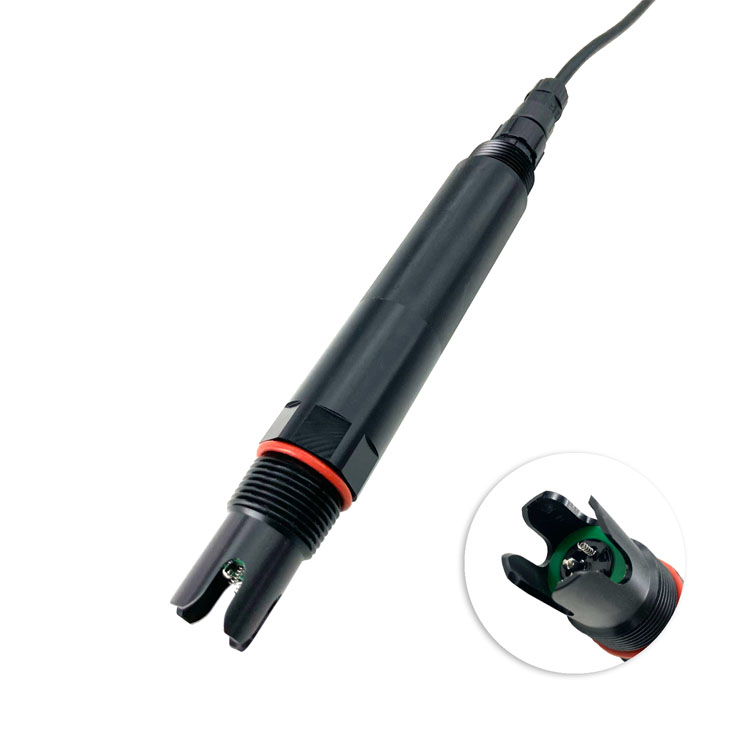
The NBL-WQ-CL online residual chlorine analyzer adopts the constant voltage method (constant potential electrolysis method). Under the set potential, residual chlorine (mainly in the form of HClO) undergoes a reduction reaction on the surface of the working electrode, and the magnitude of the generated current is directly proportional to the residual chlorine concentration. This method has fast response and good linearity, and is the mainstream choice for industrial sites.
Compared with the traditional DPD reagent method, the constant voltage method does not require continuous consumption of chemical reagents, greatly reducing operating costs and the risk of secondary pollution, and is more suitable for long-term continuous monitoring in industrial sites. In actual engineering applications, the electrode will experience slow drift due to gradual consumption of electrolyte, slight oxidation of silver electrode and accumulation of pollutants on the membrane surface. Therefore, standardized maintenance is the key to ensuring long-term reliability.
The instrument has a pH working range of 4–9, combined with Pt1000 automatic temperature compensation, which can effectively reduce the impact of pH fluctuations and adapt to the actual working conditions of most water treatment projects, especially suitable for high temperature and high humidity environments in Southeast Asia.
The NBL-WQ-CL performs excellently in engineering sites. Its RS485 Modbus RTU output can be directly connected to existing PLC or SCADA systems to achieve data collection, remote monitoring and automatic control linkage. It is a true SCADA compatible chlorine sensor.
The IP68 protection level combined with the flow cell installation design enables stable operation in harsh environments. The ultra-low power consumption of only 0.2W is particularly suitable for solar-powered remote projects, which can greatly reduce on-site power supply pressure. The response time T90 < 90s can meet the needs of real-time disinfection control. Compared with immersion installation, the flow cell method can provide more stable flow field conditions, significantly reducing errors caused by bubbles and flow rate interference, and improving overall measurement repeatability.
It is recommended to use the supporting flow cell for installation, and place the sensor probe near the water inlet area to avoid turbulence caused by facing the water outlet. It is recommended to control the flow cell flow rate at 30–60 L/h to ensure the stability and repeatability of measurement data.
The sensor adopts M16-5 core waterproof connector. During installation, ensure that the connector is dry and has good contact. After connecting a new electrode or an electrode that has not been used for a long time to the instrument, it needs to be continuously powered and polarized for more than 2 hours. After the electrochemical equilibrium is established, calibration can be performed.
On-site calibration recommendations:
Zero point calibration: operate after stabilization in chlorine-free water;
Slope calibration: use 1–2mg/L HClO standard solution under flowing state.
The factory has completed professional calibration, and on-site usually only needs to readjust when the deviation is obvious.
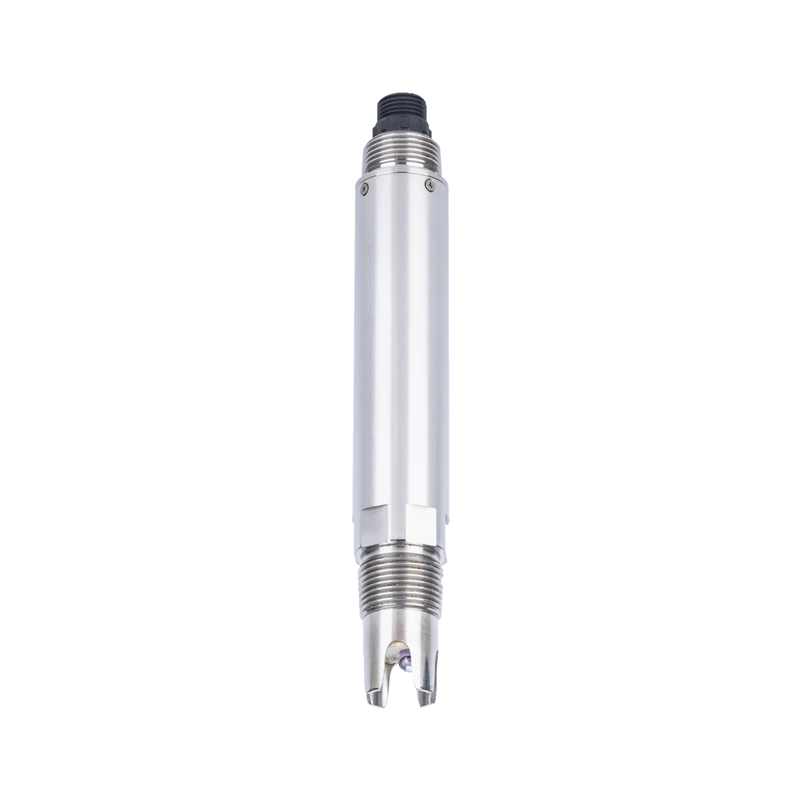
No data output
The most common causes include wiring errors, incomplete polarization, missing electrolyte or extremely low residual chlorine concentration in the water. During troubleshooting, first check whether the wiring and power supply are normal, confirm that the electrode has been polarized for sufficient time, and verify that the on-site water sample does have residual chlorine. Preventive measures are to strictly implement the polarization process before installation and regularly check the reliability of wiring.
Unstable reading
Mainly caused by flow fluctuations, bubble attachment or membrane surface pollution. The solution is to adjust the flow rate to the recommended range, remove air from the pipeline, and gently rinse the sensor with clean water (do not wipe the oxygen permeable membrane). Keeping the flow cell flow stable is the key to long-term prevention.
Low accuracy
Usually caused by dry electrolyte, aging membrane or pH outside the 4–9 range. At this time, priority should be given to checking and replenishing the electrolyte. If necessary, replace the integrated membrane head and confirm whether the process pH is normal. Regular maintenance every 6 months can effectively avoid such problems.
Sensor failure
Mostly due to severe oxidation of silver electrode, membrane damage or long-term dry storage without protection. During treatment, remove, clean and inspect. If necessary, replace the membrane head or the entire electrode. Taking out and protecting the electrode in time before long-term shutdown can greatly extend the service life.
To ensure long-term stable operation of the instrument, it is recommended to check and replenish or replace the electrolyte every 6 months. When the oxygen permeable membrane is cracked, severely polluted or the reading continues to be abnormal, replace the spare integrated membrane head in time. When cleaning, only rinse with clean water or neutral cleaning agent. It is strictly forbidden to use filter paper or any hard object to wipe the membrane surface to avoid permanent damage.
When shutting down for a long time or cutting off water, the electrode must be taken out, cleaned and covered with a protective cap. After each replacement of electrolyte or membrane head, re-polarization and two-point calibration must be performed to restore the best measurement state. In actual engineering, doing these maintenance tasks well can extend the sensor service life to more than 2 years.
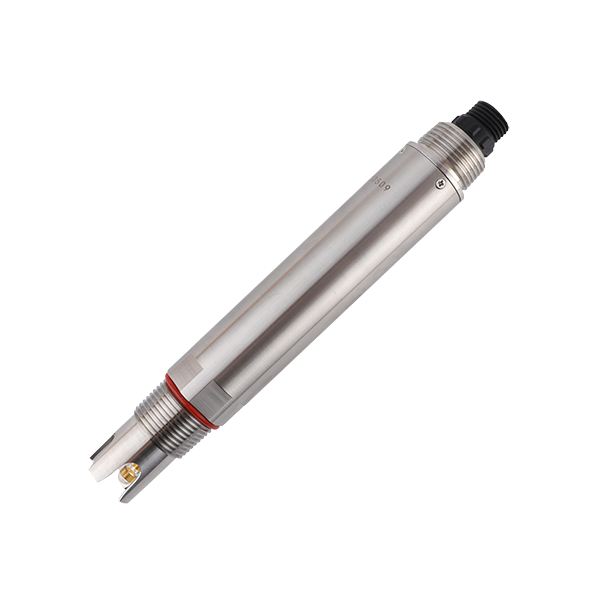
| Item | Parameter Value |
|---|---|
| Model | NBL-WQ-CL |
| Measurement Principle | Constant Voltage Method |
| Range | 0~2.000 mg/L (HClO) |
| Resolution | 0.001 mg/L |
| Accuracy | ±5% or ±0.05 mg/L |
| Response Time | T90 < 90s |
| Minimum Detection Limit | 0.05 mg/L |
| pH Range | 4~9 |
| Operating Temperature | 5~50℃ |
| Output Mode | RS-485 (Modbus RTU) |
| Protection Level | IP68 |
| Power Supply Voltage | 12~24VDC |
| Power Consumption | 0.2W @12V |
| Installation Method | Flow Cell Installation, 3/4NPT |
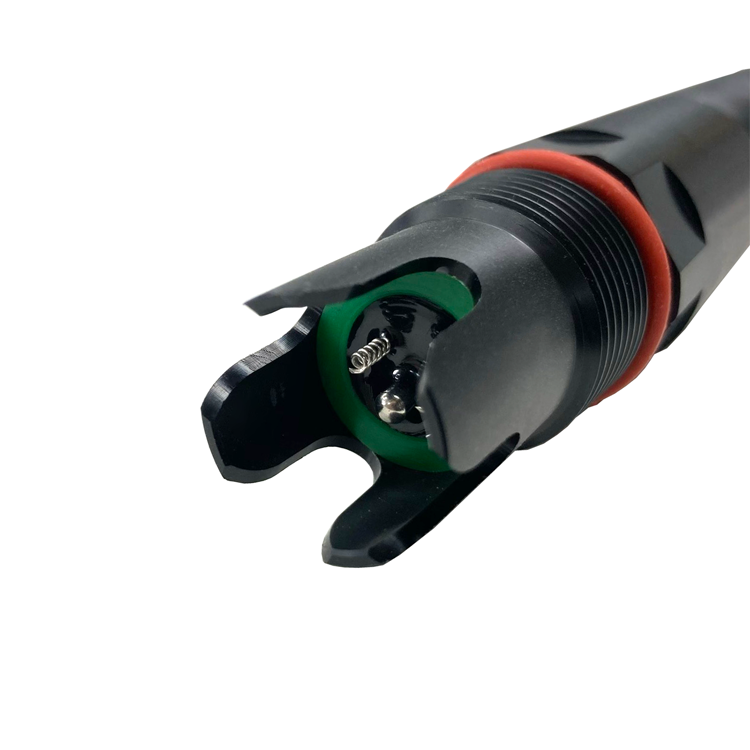
NBL-WQ-CL supports standard Modbus RTU protocol, which can be directly connected to PLC for local automation control, and can also be easily uploaded to cloud platforms or remote water plant monitoring systems through Modbus gateways, supporting data trend analysis, over-limit alarms and linkage control, meeting the intelligent management needs of modern water treatment projects.
Welcome to contact us at any time for technical support or project selection.
As a professional water quality analysis instrument supplier, NiuBoL has provided residual chlorine sensor solutions for many Middle East desalination plants, Africa drinking water treatment projects and Southeast Asia municipal water systems. We support OEM customization, on-site calibration guidance, SCADA system integration and full-cycle technical services to help EPC projects land quickly.
Customizable options include: cable length (standard 5 meters), 4-20mA output version, special range and shell material, etc.
Whether it is a new project or an old system renovation, water plant engineers and EPC procurement personnel can rest assured to include NBL-WQ-CL in the solution. We look forward to receiving your email to discuss the most suitable configuration and technical details for your project.
Q1. Why does a new electrode need to be polarized for 2 hours?
Polarization is to establish the electrochemical equilibrium on the electrode surface. Unpolarized electrodes will cause large initial reading drift.
Q2. Does flow rate have a big impact on measurement results?
Yes, unstable flow will introduce bubble and diffusion layer errors. It is recommended to strictly control it at 30-60L/h.
Q3. What is the electrolyte maintenance cycle?
Check and replenish every 6 months under normal use. It is recommended to adjust flexibly according to site conditions.
Q4. What are the obvious characteristics of membrane damage?
The reading continues to be low or there is still no response after replenishing electrolyte. Usually the integrated membrane head needs to be replaced.
Q5. Can 4-20mA output be customized?
Yes, we provide RS485 and 4-20mA multiple output methods to meet the needs of different control systems.
Q6. Is it suitable for high salinity water?
This model is mainly for drinking water and low salinity circulating water. For high salinity environments, please consult for a dedicated model.
Q7. Is factory calibration accurate enough?
The factory has been calibrated using standard methods. In most cases, it can be used directly on site, and only recalibrated when the deviation is obvious.
Q8. Do you provide remote debugging support?
Yes, we provide detailed debugging guidance, SCADA integration solutions and remote technical support to help projects land smoothly.
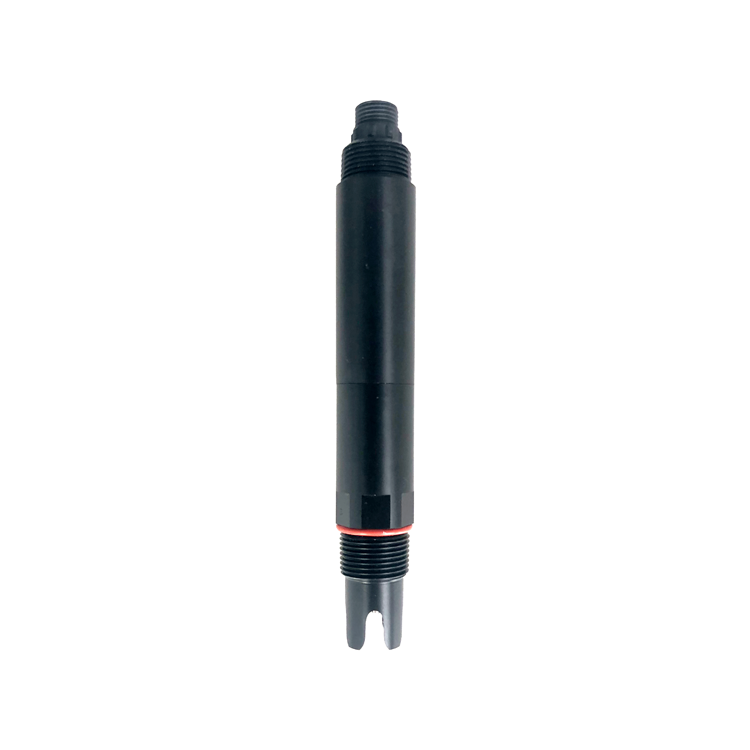
The NiuBoL NBL-WQ-CL online residual chlorine analyzer (online residual chlorine sensor) is designed with engineering practicality as the core, and has good performance in reliability, maintainability and system compatibility. With years of water treatment project experience, we can provide customers with full-process support from selection to debugging. If you have project requirements, please feel free to communicate technical details and customization solutions.
 NBL-WQ-CL Water Quality Sensor Online Residual Chlorine Sensor.pdf
NBL-WQ-CL-4A Industrial-grade Online Residual Chlorine Sensor.pdf
NBL-WQ-CL-4S Series Online Water quality Residual Chlorine Sensor.pdf
Prev:Turbidity Units Explained: Differences Between NTU, FNU, FTU, and FAU
Next:Online Residual Chlorine Sensor for Water Treatment: The Ultimate Constant Voltage Monitoring Guide
Related recommendations
Sensors & Weather Stations Catalog
Agriculture Sensors and Weather Stations Catalog-NiuBoL.pdf
Weather Stations Catalog-NiuBoL.pdf
Agriculture Sensors Catalog-NiuBoL.pdf
Water Quality Sensor Catalog-NiuBoL.pdf
Related products
 Combined air temperature and relative humidity sensor
 TDR Soil Moisture & Temperature Sensor for irrigation| RS485 |4-20mA| NBL-S-THR
 Soil pH sensor RS485 soil Testing instrument soil ph meter for agriculture |NBL-S-PH
 Wind Speed sensor Output Modbus/RS485/Analog/0-5V/4-20mA
 Tipping bucket rain gauge for weather monitoring auto rainfall sensor RS485/Outdoor/stainless steel
 Pyranometer Solar Radiation Sensor 4-20mA/RS485

Screenshot, WhatsApp to identify the QR code
WhatsApp number:+8615367865107
(Click on WhatsApp to copy and add friends)

