





— Blogs —
—Products—
 Consumer hotline +8618073152920
WhatsApp:+8615367865107
Address:Room 102, District D, Houhu Industrial Park, Yuelu District, Changsha City, Hunan Province, China
Product knowledge
Time:2025-01-20 14:30:33 Popularity:1672
Insect monitoring station labor savings should be measured across the complete monitoring workflow, not inferred from automatic photography. Remote image access may reduce routine data-collection trips, while sample inspection, cleaning, identification review and fault visits remain. Compare the same monitoring coverage and reporting quality before and after deployment, including the work moved from the field to the office.
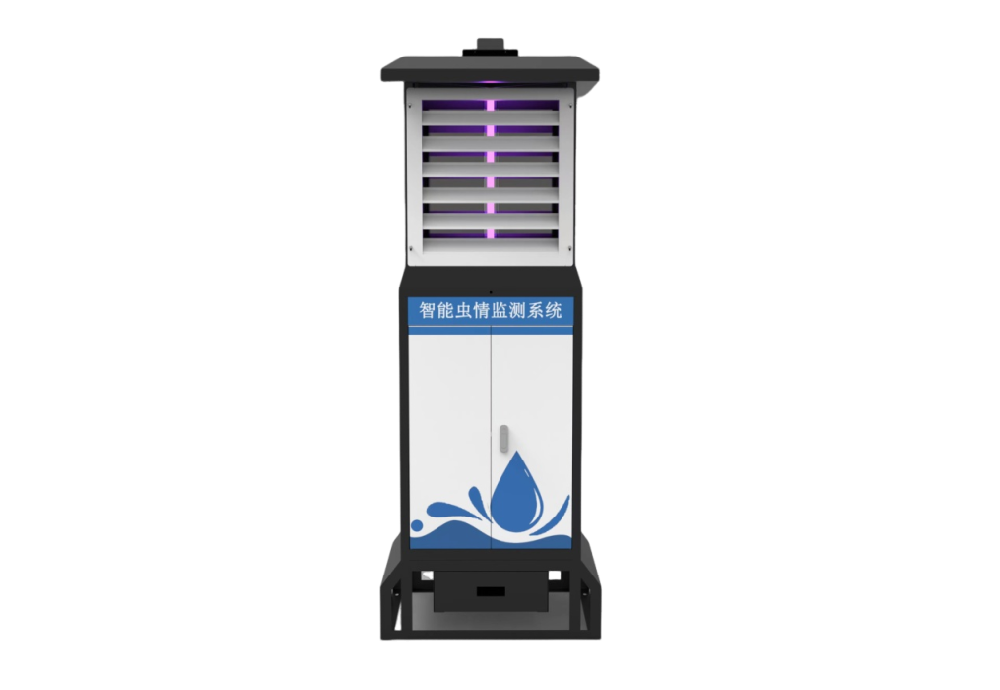
An agricultural department or farm operator may spend substantial time travelling between monitoring points, collecting observations and entering records. A remotely connected station changes some of that work. Whether it reduces total labor depends on site access, collection frequency, the required review and the service burden of the equipment.
Separate the tasks before comparing an automated station with the existing method. A trip for reading records may be avoidable if the required images arrive remotely. A trip needed to clear the sample path or inspect a damaged component is not replaced by a dashboard. Visits shared with other farm duties also need different treatment from dedicated monitoring trips.
| Task | Possible change with remote monitoring | What to measure |
|---|---|---|
| Travel for routine observation | Some dedicated visits may be avoided | Actual trips and travel time removed, excluding trips still needed for other work |
| Image and record collection | Images can be transferred to the reviewing team | Complete records received and manual recovery work |
| Identification review | Review may move from the site to an office | Reviewer time, unresolved samples and required specialist checks |
| Cleaning and physical service | Some internal handling is automated, but field access remains necessary | Service time, visit frequency and repeat visits |
| Fault investigation | Remote status may help identify a problem before dispatch | Remote support time and whether the eventual field visit resolves the fault |
The NiuBoL NBL-IoT-SRPMS combines light attraction, sample processing, imaging and remote reporting. In the pipeline-vibration configuration, samples are presented for photography and the collection surface is cleaned as part of the operating sequence. That reduces particular handling steps; it does not establish an unattended service interval for every site.
Keep access to the collection drawer, sample path and service controls in the installation layout. A compact foundation that leaves no practical service access can increase maintenance time even when the device operates normally. Identify the equipment version and use its installation drawing rather than transferring foundation dimensions from another assembly.
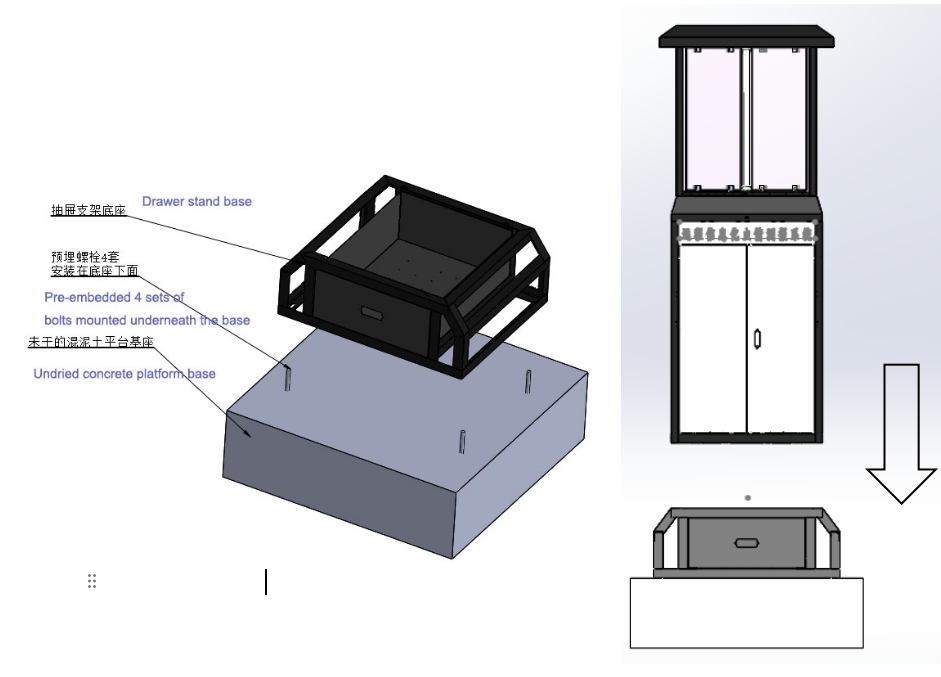
| NBL-IoT-SRPMS item | Specification or configuration | Effect on project planning |
|---|---|---|
| Image acquisition | 12-megapixel industrial camera configuration | Assess whether images support the required review, not only whether files arrive |
| Local interface | 10-inch Android touchscreen | Include local inspection and service tasks that remote access cannot complete |
| Attraction light | 18 W; 365-395 nm | Maintain the intended sampling method when comparing workload and records |
| Remote connection | 4G / Ethernet; reserved RS485 / RS232 interfaces | Define the actual supported data path and integration work |
| Supply arrangements | AC 220 V or a configured solar-power system | Account for the service responsibilities of the selected supply |
The light-source rating is not the complete station load. Heating, sample presentation, communications and other functions affect the power arrangement. Likewise, camera resolution is not an identification accuracy guarantee. Evaluate both data quality and service work during the proposed operating schedule.
Record the existing time spent on travel, observation, sample handling and reporting for a defined set of sites. For the proposed system, record travel, routine service, remote review, exception handling and technical support over comparable working periods. Keep failed or incomplete collection periods visible rather than counting them as labor saved.
A useful calculation is baseline monitoring hours minus total monitoring hours with the new arrangement. Define the terms before using the result. If more sites or more frequent observations are added, report that extra coverage separately; a larger monitoring service can be worthwhile even when total staff hours do not fall.
Do not turn an illustrative staffing calculation into a guaranteed saving. Seasonal catch volume, access conditions and the local review requirement can change the workload. Use measured site records and actual service prices when preparing a commercial evaluation, not a universal payback period.
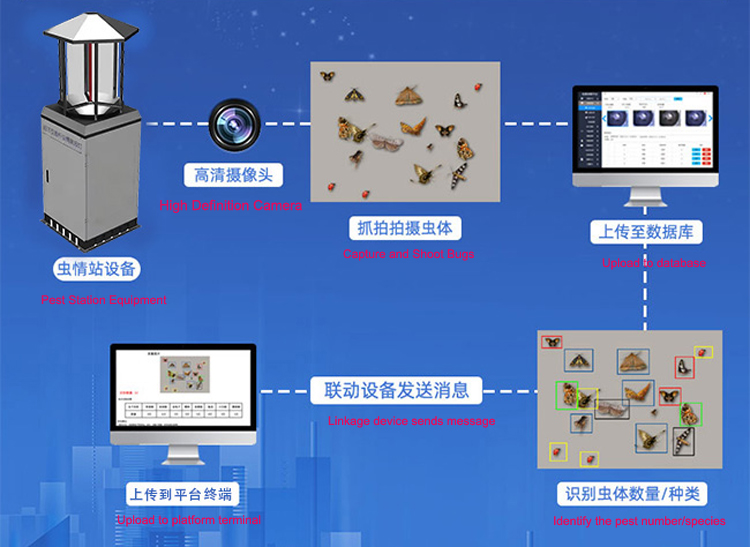
Associate an image record with its collection time and operating state. A device-status message is not evidence that a usable sample image was captured. Ask the operator to distinguish a valid collection period, a planned pause, a rain-control interruption and an unresolved fault in the delivered application.
Remote debugging is also different from normal collection. After technical support changes a mode or performs a test, confirm that the agreed automatic operating state has been restored. A screen showing a successful manual photograph does not establish that the next scheduled collection will occur correctly.
Where RS485 Modbus RTU integration is requested, obtain the delivered register and command definitions and demonstrate them. Reserved serial ports do not establish that full-resolution images are transferred through those registers. Specify the image-transfer channel and access responsibilities separately.
Agree who empties and inspects the sample collection area, checks the attraction and imaging path, cleans equipment and verifies return to operation. The insect forecasting lamp maintenance guide covers those physical checks in more detail.
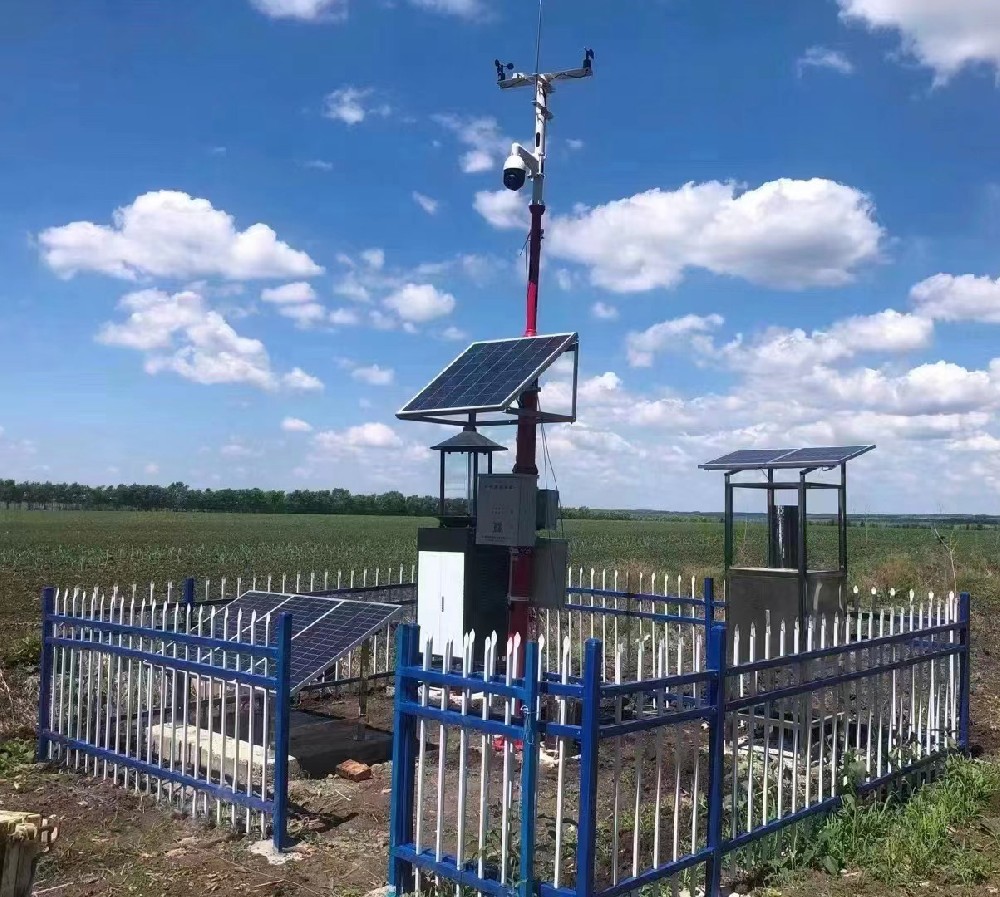
A nearby weather station can add environmental context, but it is a separate observation system and may involve additional service tasks. Do not count servicing that weather station as eliminated simply because both systems share a platform. NiuBoL can review the proposed equipment and reporting arrangement once site access, staffing and required records are defined.
No. Remote images may replace some collection visits, while physical service, sample checks and fault response still require an agreed field arrangement.
Yes. Work moved to an office is still work. Include image review, unresolved identifications and technical support along with the remaining field duties.
No. Check image quality, sample presentation and the collection period as well as delivery. An unreadable or mislabelled image can create additional review work.
No. It covers the attraction light, not the complete equipment. The selected power arrangement must accommodate the other operating functions and schedule.
Define the sites, observation schedule, required image records, staff responsibilities and workload log. Include service and exception handling before comparing the result with the current monitoring method.
Evaluate insect monitoring station labor savings through measured tasks and usable records. Remote reporting can change travel and collection work, but it must be assessed together with review, maintenance and recovery duties. That gives the buyer a defensible operational comparison rather than an assumed saving from automation alone.
Prev:Insect Monitoring for Pesticide Reduction: Verify the Field Outcome
Next:What Is an Optical Rain Sensor? Detection, Intensity and Integration
Related recommendations
Sensors & Weather Stations Catalog
 Agriculture Sensors and Weather Stations Catalog-NiuBoL.pdf
Weather Stations Catalog-NiuBoL.pdf
Agriculture Sensors Catalog-NiuBoL.pdf
Water Quality Sensor Catalog-NiuBoL.pdf
Related products
 Combined air temperature and relative humidity sensor
 TDR Soil Moisture & Temperature Sensor for irrigation| RS485 |4-20mA| NBL-S-THR
 Soil pH sensor RS485 soil Testing instrument soil ph meter for agriculture |NBL-S-PH
 Wind Speed sensor Output Modbus/RS485/Analog/0-5V/4-20mA
 Tipping bucket rain gauge for weather monitoring auto rainfall sensor RS485/Outdoor/stainless steel
 Pyranometer Solar Radiation Sensor 4-20mA/RS485


Screenshot, WhatsApp to identify the QR code
WhatsApp number:+8615367865107
(Click on WhatsApp to copy and add friends)

