





— Blogs —
—Products—
 Consumer hotline +8618073152920
WhatsApp:+8615367865107
Address:Room 102, District D, Houhu Industrial Park, Yuelu District, Changsha City, Hunan Province, China
Product knowledge
Time:2025-11-02 16:02:46 Popularity:923
Intelligent sensors for agriculture and environmental monitoring should be selected by the medium and decision they serve. Air humidity, soil moisture and water conductivity are different measurements, even when their values appear on one dashboard. NiuBoL weather instruments, soil probes and water quality sensors can form separate measurement channels in a configured system; a shared data logger does not make those channels interchangeable.
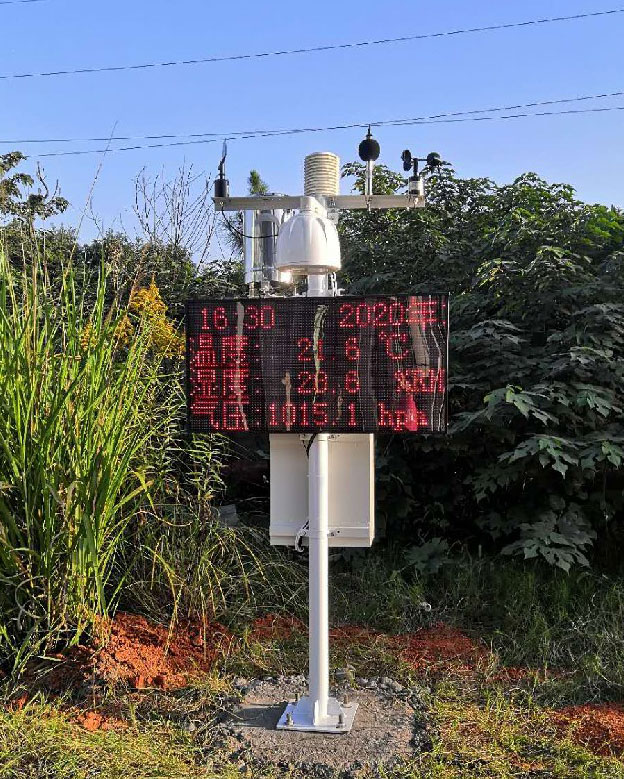
A farm with an irrigation reservoir may need three answers: how atmospheric conditions are changing, whether the active root zone is drying, and whether the irrigation source has changed. A weather station answers the first question. Buried probes address the second. Suitable water quality probes address selected parts of the third. Buying more weather channels does not compensate for a missing root-zone measurement.
This distinction also matters to distributors preparing a bill of materials. Describe each channel as a measured quantity, medium and location, rather than offering a single list of environmental parameters. Otherwise, a customer may expect a temperature and moisture probe to return salinity or expect a dust monitoring station to measure gases that were not ordered.

For irrigation water, conductivity may help track changes in dissolved ionic content, but it does not identify individual contaminants. In aquaculture, dissolved oxygen is relevant to oxygen availability, while pH describes a different condition. Turbidity responds to optical scattering and should not be presented as a complete water safety test. Select the parameters against the source-water or process question, not simply against the number of probes in an enclosure.
A useful enquiry identifies whether the probe will be immersed in a pond, mounted in a flowing channel or installed in a sample line. Include expected fouling, access for cleaning and whether a representative sample can reach the instrument. The water quality sensor range contains different instrument types; range, wetted materials, compensation and service requirements must be checked for the chosen model.
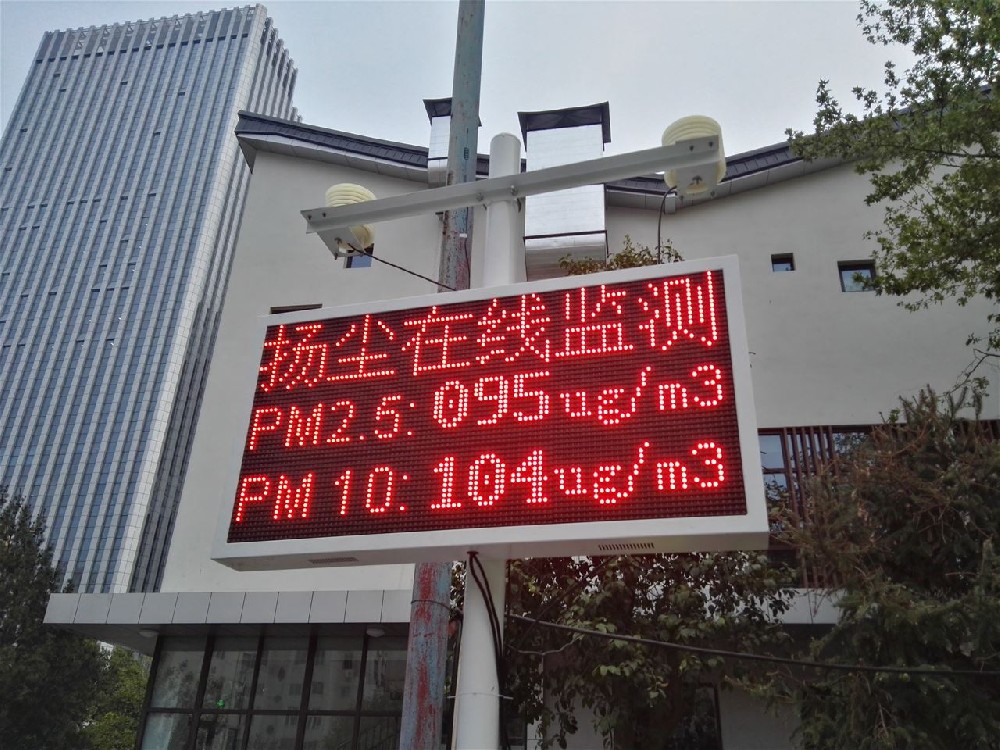
A station observing outdoor PM2.5 and PM10 describes airborne particulate conditions at its inlet. It should not automatically be specified for a hot industrial duct, corrosive process gas or regulated emissions test. Sampling temperature, condensation, particle composition and the required method can make a general ambient instrument unsuitable.
Co-located wind observations can help interpret a particulate episode, but a concentration rise alone does not establish its source. Record the inlet location and nearby activities before attributing changes to a particular operation. A public display is useful for local visibility; it is not a substitute for checking timestamps, maintenance status and measurement validity.
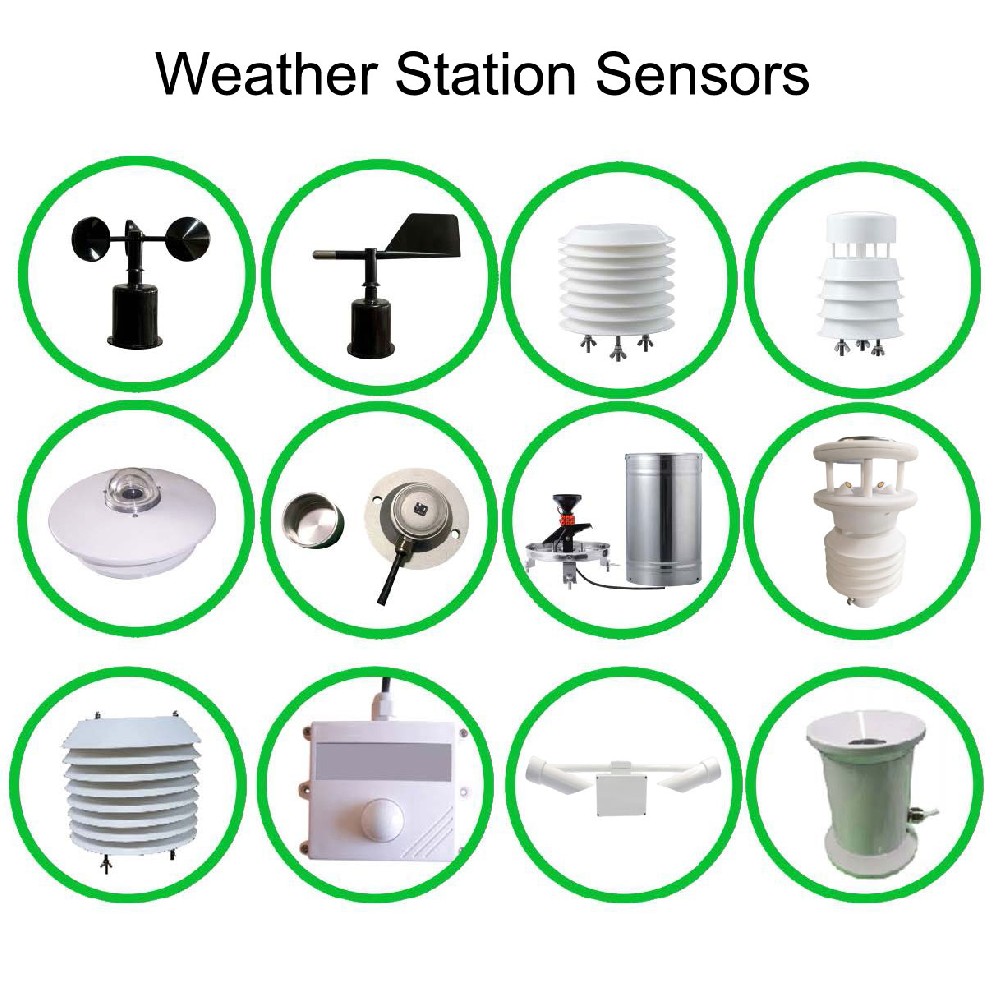
Choose rainfall, wind and radiation channels individually. Rainfall is an input to a farm water balance, not a direct reading of water available to roots. Ambient temperature is not leaf, soil or PV module temperature. A pyranometer measures irradiance in its installation plane; an ordinary weather station does not measure PV surface soiling merely because it has a radiation sensor.
| Measurement channel | Example instrument or assembly | What remains outside that measurement |
|---|---|---|
| Air temperature, RH and pressure | NBL-W-LBTH: -40 to 80 C, 0-100%RH and 10-1200 hPa | Soil moisture, leaf temperature and pollutant concentrations |
| Soil moisture and temperature | NBL-S-THR: TDR moisture channel plus soil temperature | Separate EC, pH, salinity or NPK channels |
| Water quality | Selected pH, dissolved oxygen, conductivity or turbidity instruments | Unmeasured contaminants and a complete water safety assessment |
| Wind speed | NBL-W-SS cup anemometer | Wind direction, which requires its own measurement |
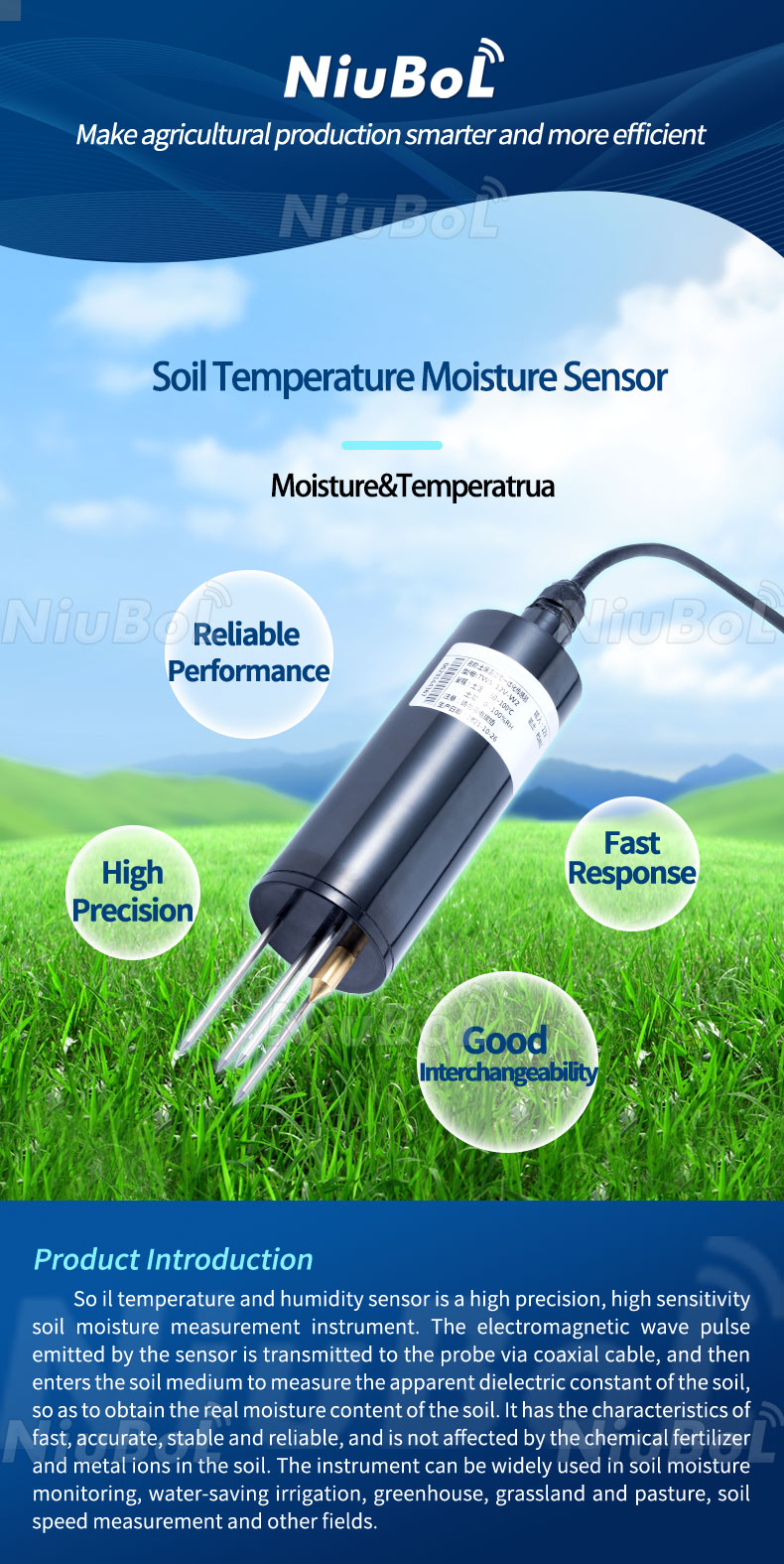
The NBL-S-THR soil moisture and temperature sensor uses TDR measurement and offers RS485 Modbus RTU, 4-20 mA or 0-5 V output versions. Its specified supply is DC 12-24 V. The IP68 probe is intended for soil installation; that rating does not extend to an unsealed joint elsewhere along the cable.
Install the rods in close contact with representative soil. A gap created by repeatedly rocking the probe can change the reading. For permanent monitoring, horizontal insertion into an undisturbed soil wall helps preserve the intended measurement depth. Record distance from the emitter as well as depth: a probe immediately beside a dripper and one between drip lines may legitimately report different conditions.
No single moisture percentage suits every crop and soil. Relate local readings to irrigation response, rooting depth and soil conditions before using them as controller inputs. Monitoring does not itself operate a valve; a compatible controller and a separately tested control strategy are needed.
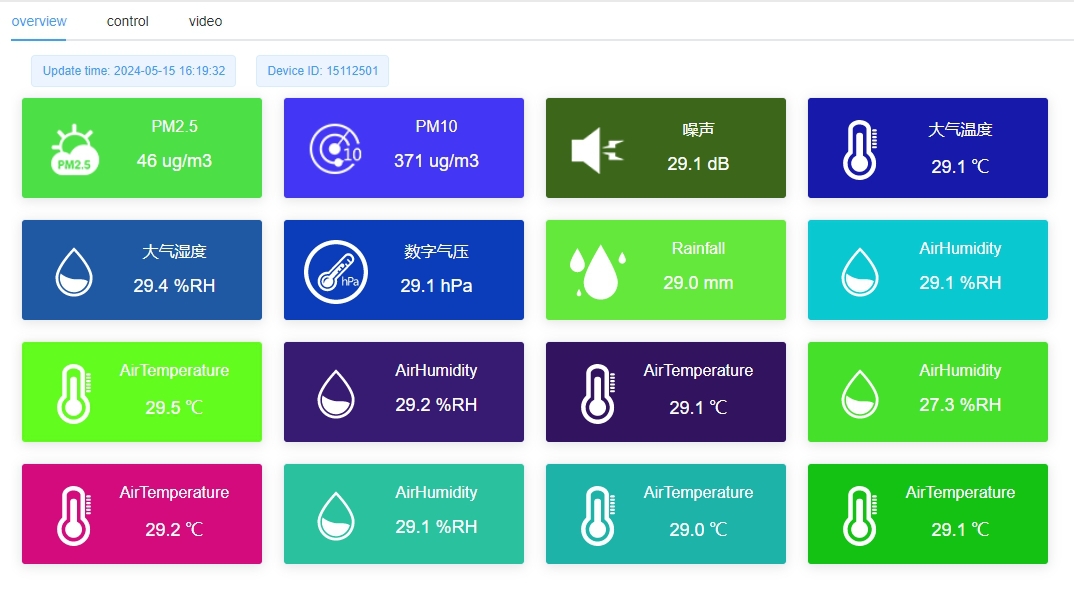
Intelligent sensors for agriculture and environmental monitoring become useful together when the records retain their units and locations. Give each soil probe a zone and depth, each water probe a source or process location, and each atmospheric instrument a mounting location. A dashboard showing several percentages must distinguish relative humidity from soil moisture.
For RS485 Modbus RTU versions, check device addresses, baud settings, register formats and scaling against the receiving PLC, RTU or data logger. RS485 identifies an electrical interface, not a cloud protocol. MQTT or another server interface belongs to a selected gateway or software arrangement and must not be assumed to exist in every probe.
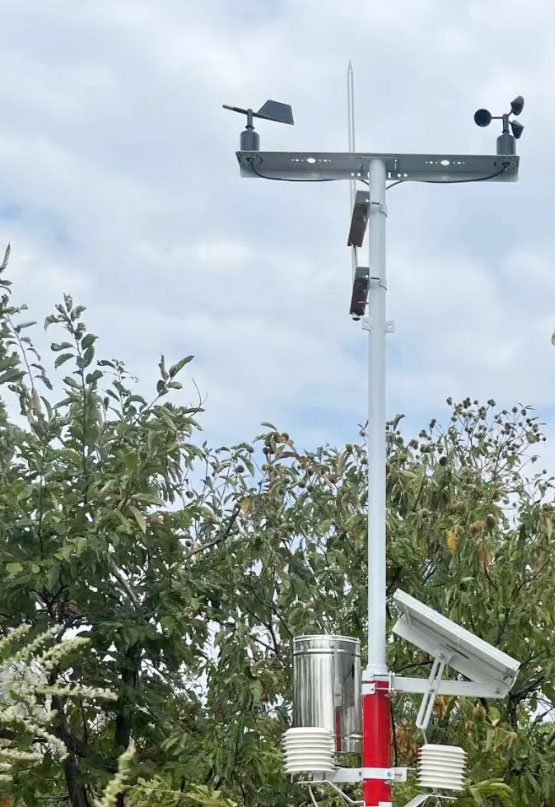
On a uniform field, adding another atmospheric sensor beside the first may provide less information than observing a different soil zone. Around a reservoir, one convenient bank location may miss conditions at the irrigation intake. In a greenhouse, an outdoor station cannot describe every internal growing bay. Use the physical variation of the site to decide where additional channels belong.
Before expanding, compare logger capacity with the proposed output versions and power demand. A spare digital address does not prove that an analog input, cable route or supply capacity is available. Ask NiuBoL to review the channel list with the intended measurement locations, existing acquisition equipment and service access.
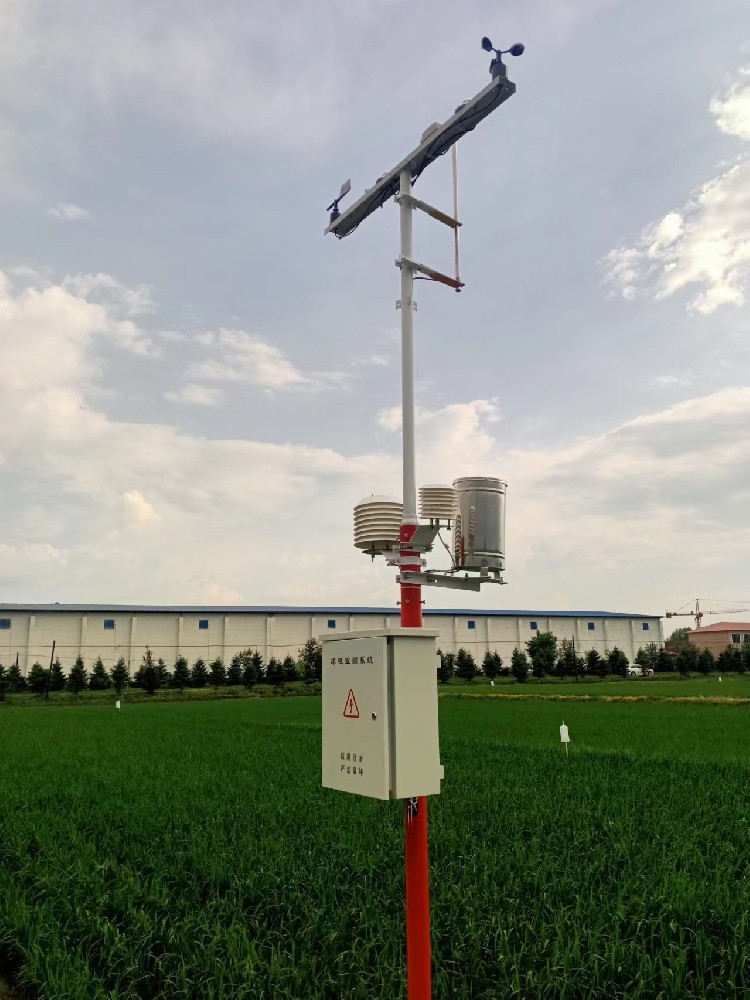
Not unless the ordered assembly includes separate appropriate sensing elements. The NBL-W-LBTH measures atmospheric conditions; the NBL-S-THR measures soil moisture and temperature. Their humidity and moisture values cannot substitute for one another.
No. It has no separate salinity or EC channel. If dissolved salts are part of the decision, specify an appropriate additional measurement and distinguish soil EC from irrigation-water EC.
They can when the logger supports their actual interfaces, power requirements and decoding. Request a channel-by-channel mapping rather than accepting compatibility based only on the presence of RS485 terminals.
It supplies observations for management decisions. Outcomes depend on the intervention, site and operating practice; a sensor list does not establish a yield increase, water saving or water-quality improvement.
Send the decision to support, measurement locations, parameter list, expected environment, existing PLC or logger and preferred output. This lets NiuBoL separate required channels from attractive but unused additions.

Specify intelligent sensors for agriculture and environmental monitoring around distinct air, soil and water questions. Preserve the meaning of each channel when connecting it to a common acquisition system. The resulting specification is easier to check, install and use than a broad promise of measuring every environmental condition.
Related recommendations
Sensors & Weather Stations Catalog
 Agriculture Sensors and Weather Stations Catalog-NiuBoL.pdf
Weather Stations Catalog-NiuBoL.pdf
Agriculture Sensors Catalog-NiuBoL.pdf
Water Quality Sensor Catalog-NiuBoL.pdf
Related products
 Combined air temperature and relative humidity sensor
 TDR Soil Moisture & Temperature Sensor for irrigation| RS485 |4-20mA| NBL-S-THR
 Soil pH sensor RS485 soil Testing instrument soil ph meter for agriculture |NBL-S-PH
 Wind Speed sensor Output Modbus/RS485/Analog/0-5V/4-20mA
 Tipping bucket rain gauge for weather monitoring auto rainfall sensor RS485/Outdoor/stainless steel
 Pyranometer Solar Radiation Sensor 4-20mA/RS485


Screenshot, WhatsApp to identify the QR code
WhatsApp number:+8615367865107
(Click on WhatsApp to copy and add friends)

