





— Blogs —
—Products—
 Consumer hotline +8618073152920
WhatsApp:+8615367865107
Address:Room 102, District D, Houhu Industrial Park, Yuelu District, Changsha City, Hunan Province, China
Product knowledge
Time:2025-11-02 16:16:12 Popularity:1087
Quick Answer: Agricultural sensors for precision farming measure different parts of the crop environment; they are not interchangeable indicators of crop health. Select soil, weather, leaf and water instruments by the quantity needed for a decision, the location represented and the required interface. A combined probe can reduce wiring, but its channels still need separate interpretation.
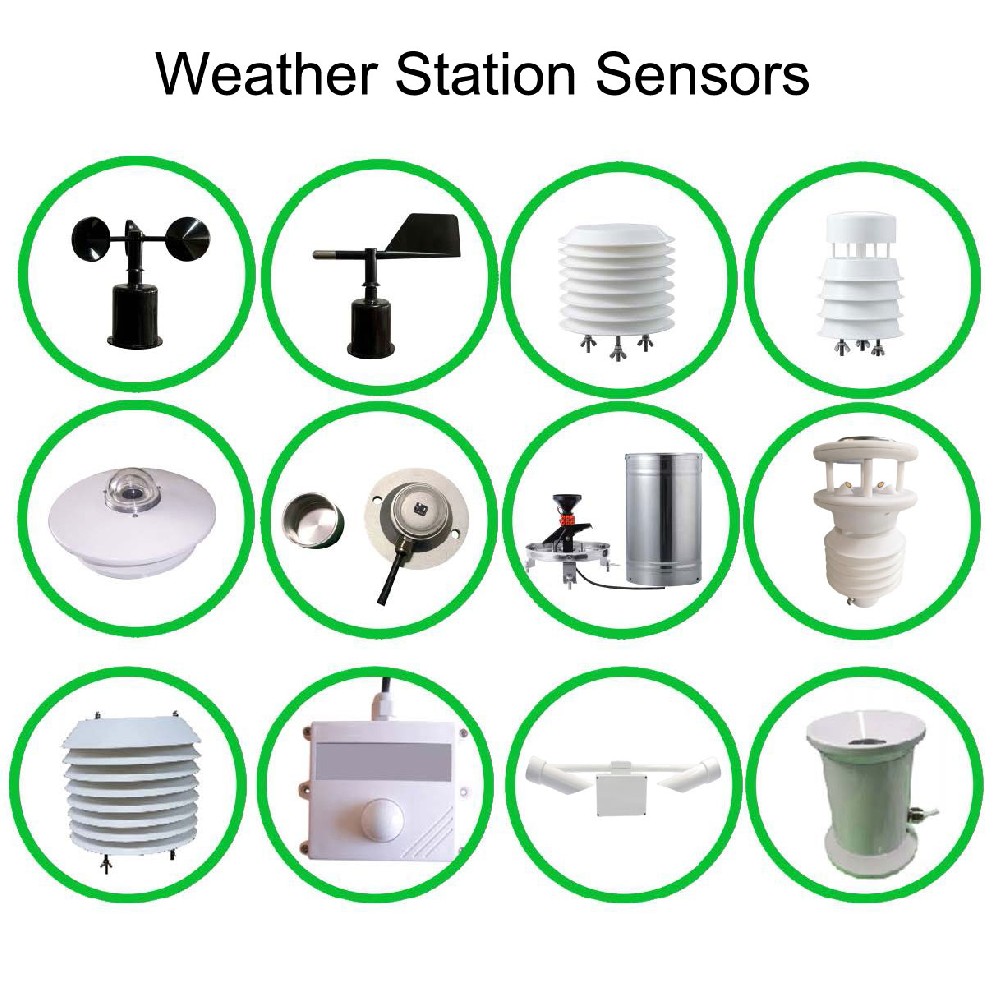
A specification such as "soil and crop monitoring" leaves several important questions unanswered. Does the irrigation system need volumetric water content or soil water tension? Does a lighting program need lux or photosynthetic photon flux density? Does fertigation require conductivity in the supply solution, or is the concern a changing conductivity trend in the root zone?
Answer those questions before comparing a sensor's advertised parameter count. More channels are useful only when they address the required measurements. A probe reporting moisture, temperature and EC does not also measure pH, individual nutrients or root oxygen. Likewise, an outdoor weather station describes atmospheric conditions, not the condition of every leaf or soil layer.
NiuBoL supplies agricultural sensors and monitoring components for soil, weather, crop and water applications. Project configuration should be based on the required parameters, interfaces and field conditions.
Volumetric water content, VWC, describes water volume relative to soil volume. Soil water tension describes the effort associated with extracting water from the soil matrix. They are linked through soil-water behavior, but there is no universal conversion that works for every soil texture and structure.
A dielectric moisture probe estimates VWC from the medium's electrical response. It needs sound contact with the measured soil and a calibration appropriate to the conditions. A tension-based instrument has different range and maintenance considerations. The Washington State University guide to soil moisture sensors distinguishes these two measurement groups.
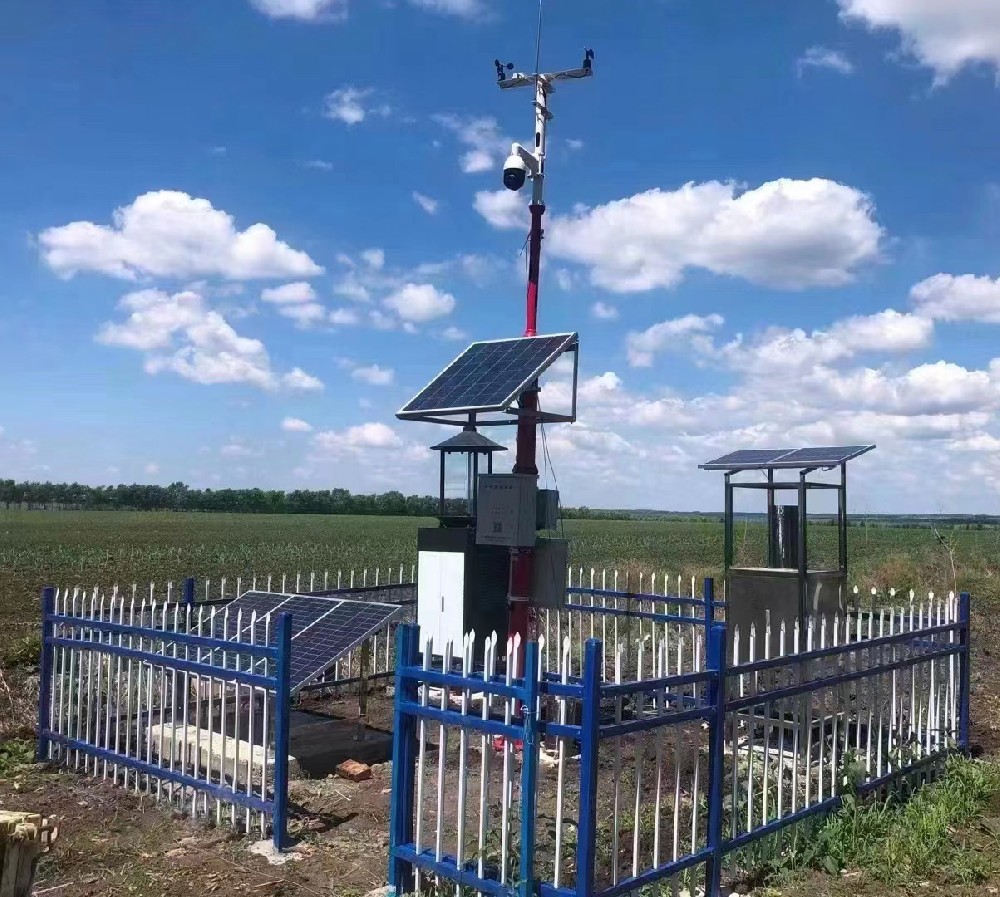
A buried sensor represents its surrounding measurement volume. Select the depth from rooting and irrigation conditions rather than assigning every crop a standard 10-30 cm installation. Keep the distance from an emitter consistent when comparing locations. A probe at the wettest point of a drip pattern should not be treated as the block's average water status.
Air temperature, humidity, wind, rainfall and solar radiation provide context for crop water use and field operations. They do not identify how much irrigation actually reached a bed. For atmospheric demand calculations, check that the station measures the required inputs and that the software uses the intended method and measurement heights.
Weather sensor selection also depends on exposure. Wind behind trees is different from wind over an open field. A temperature sensor in a sun-heated enclosure is different from shielded ambient air. Rainfall needs a level, unobstructed collector. These effects can be larger than the difference between two nominal accuracy figures.
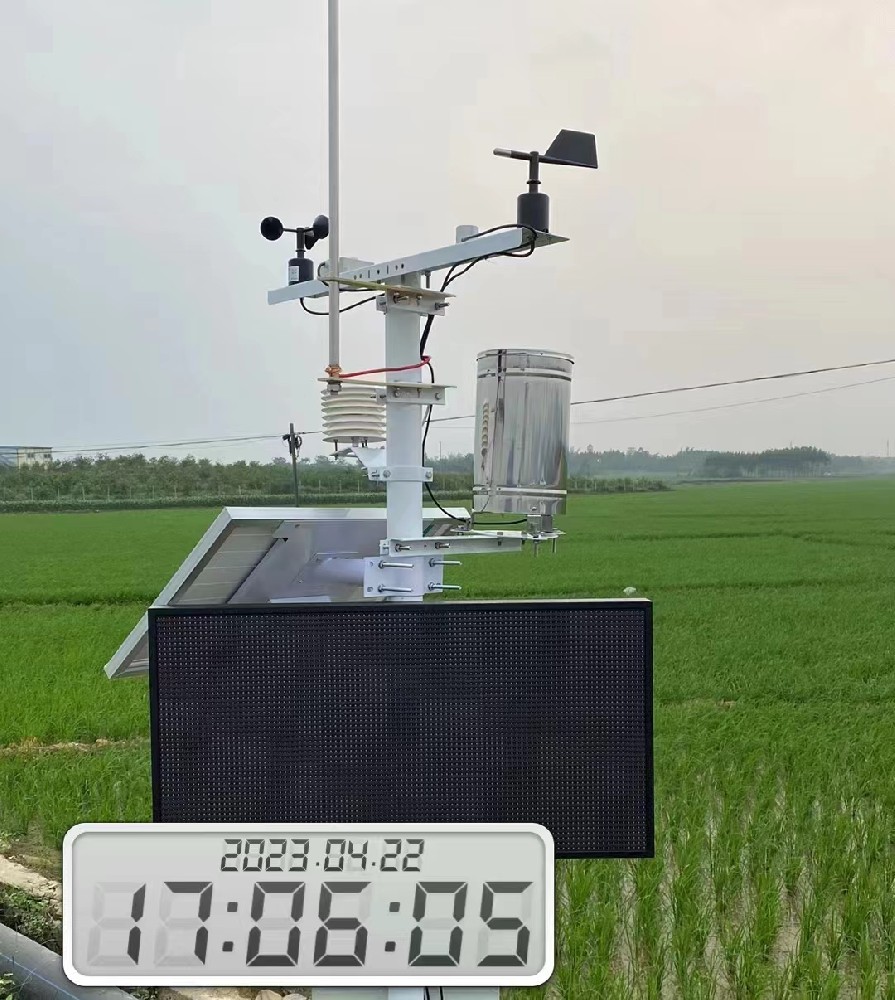
For irrigation water quality, pH, electrical conductivity, turbidity and dissolved oxygen measure different properties. Conductivity describes the electrical response of dissolved ions; pH describes acid-base condition. Turbidity concerns light scattering by suspended material and is not automatically a measurement of filter blockage or pathogen contamination.
Measure a fertigation recipe at the mixing or supply point if that is the decision to be checked. A return-water measurement describes a different stream. In recirculating systems, supply and return trends can be compared, but they should retain separate identities. Install suitable water-quality instruments for the liquid, flow arrangement and service access rather than assuming a soil probe can replace every process sensor.

Soil electrical conductivity depends on dissolved ions, moisture, temperature and the measurement method. Different salt and fertilizer mixtures can produce similar EC values. Therefore a conductivity channel cannot independently report nitrogen, phosphorus or potassium concentration, and it cannot identify which nutrient should be added.
Drying can interrupt conducting paths around the electrodes. Compare EC trends with moisture and temperature rather than interpreting every fall as a reduction in salts. Do not add water merely to obtain a more reassuring routine field reading: watering changes the condition being measured. A defined laboratory extract and an in-place probe also use different methods, so compare them only through an appropriate procedure.
Dashboard labels must identify these distinctions. A tile called "soil health" is not a measurement unit. Retain the parameter, location, depth and data age so that an agronomist can compare like with like. Adding a color band without the soil and crop interpretation does not make a reading an irrigation or fertilizer instruction.
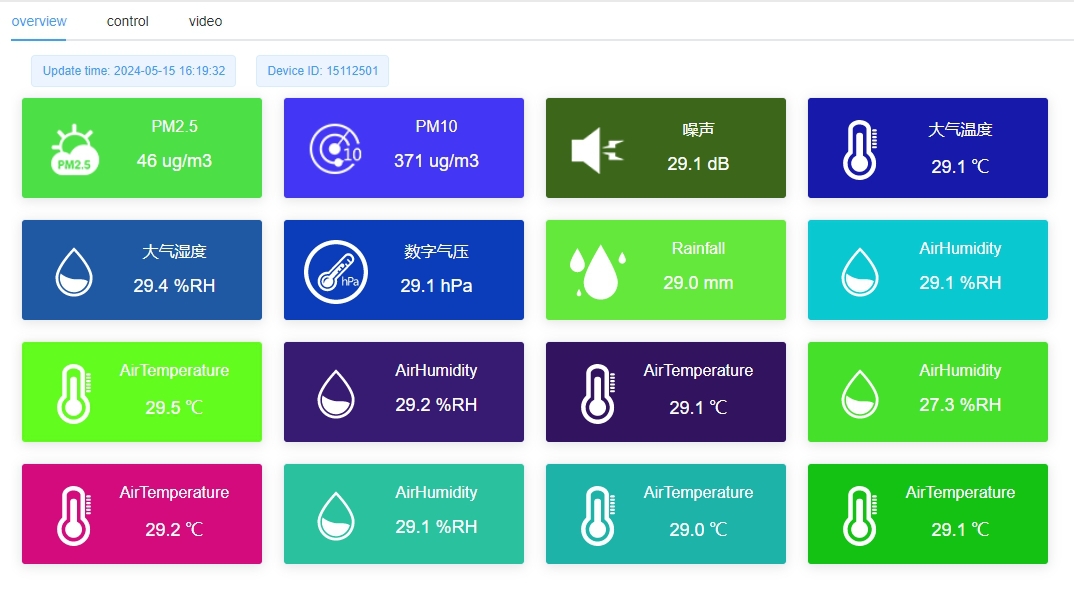
The NBL-S-TMC soil temperature, moisture and EC sensor illustrates a combined root-zone instrument. Its moisture channel uses FDR and its conductivity channel uses an AC bridge method. Those functions are separate from the temperature/moisture-only NBL-S-THR probe; do not assume that a similar housing means the same channel list.
| NBL-S-TMC item | Specification | Selection note |
|---|---|---|
| Soil temperature | -40 to 80 degrees C; +/-0.5 degrees C accuracy; 0.1 degree C resolution | Distinguish buried soil temperature from sun-heated exposed housing temperature. |
| Soil moisture | 0-100% VWC; 0.1% resolution; nominal accuracy +/-5% | Specify the accuracy reference basis and applicable soil conditions rather than assuming resolution equals accuracy. |
| Conductivity | 0-10000 microsiemens/cm; 1 microsiemens/cm resolution; +/-5% accuracy | Retain the measurement method and moisture context for comparisons. |
| EC temperature compensation | 0-50 degrees C compensation range | This is not the complete sensor operating-temperature range. |
| Supply and interface | 5-24 VDC or 12-24 VDC versions; RS485 Modbus RTU | Use the ordered supply version and verify channel scaling. |
| Protection and construction | IP68; special corrosion-resistant electrodes; black flame-retardant epoxy sealing | Check site chemicals and the treatment of cable connections separately. |
| Cable and operation | 5 m standard cable; -40 to 85 degrees C operating environment | Confirm cable jacket, extension and power demand for the actual installation. |
For moisture accuracy, require an unambiguous definition: percent of reading, full scale and VWC percentage points are not equivalent. Establish the soil and reference test before comparing quotations. Avoid substituting a generic "2% accurate" claim for the selected product's stated tolerance.
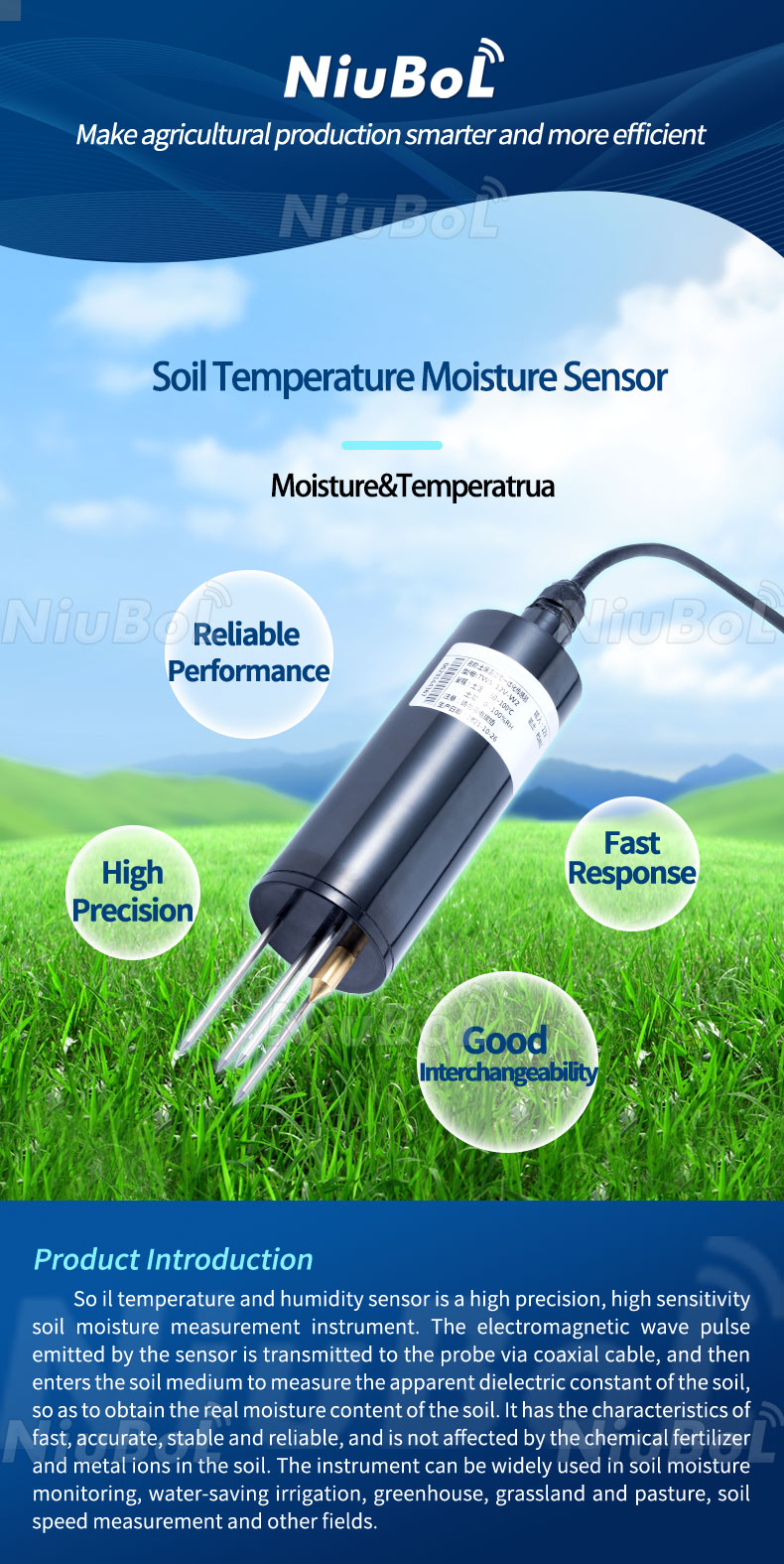
The pictured NBL-S-THR is a temperature/moisture-only probe; the three-channel table above applies to NBL-S-TMC.
Leaf wetness sensors detect conditions on a representative sensing surface. Placement, angle and drying behavior affect how closely that surface represents the crop. Wetness duration can feed a suitable disease-risk model, but a wetness signal is not a direct measurement of infection or a justification for automatic spraying.
Optical vegetation indices describe an optical response associated with the observed canopy. Different stresses and background conditions can produce similar changes. Before specifying a particular crop-index instrument, define the mounting distance, viewing geometry, reference method and use of the result. A general soil/weather package does not automatically include an NDVI measurement channel.
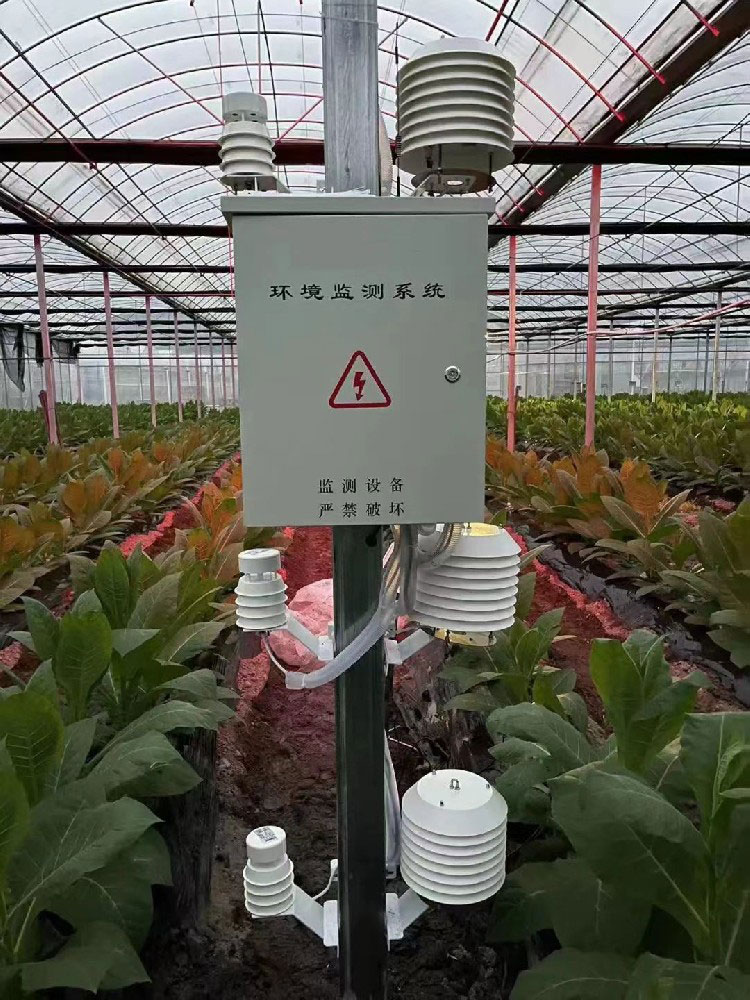
Greenhouse crop monitoring often needs both light and air measurements, but not in the same exposure. A light sensor must see the intended crop-lighting plane. An air sensor needs radiation protection and representative ventilation, away from heater outlets and concentrated CO2 injection. Soil or substrate probes belong in the root zone rather than beside the air instrument.
Lux measures illuminance with human-vision weighting. A quantum sensor reports PPFD for the photosynthetically active waveband, usually in micromoles per square meter per second. Daily light integral requires integration of the appropriate photon flux over time. There is no single conversion from lux that is reliable across daylight and different lamp spectra.
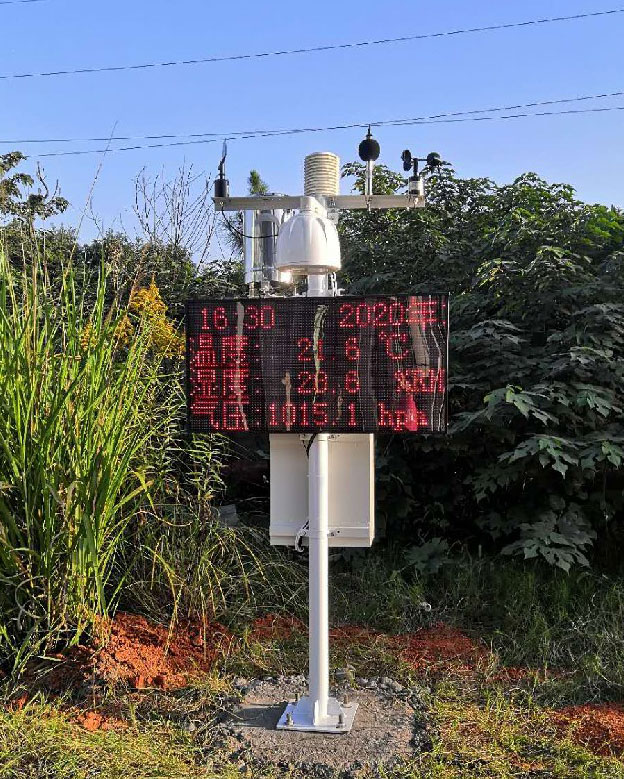
RS485 is the electrical interface; Modbus RTU defines a communication format used by many field instruments. A PLC or RTU must also know each model's register order, scale and invalid-data indication. Cellular or Ethernet transport normally comes from a logger or gateway, not from a passive soil probe.
On the NBL-S-TMC example, a read of the three measurement registers returns temperature, moisture and EC. The word 01 10 is decimal 272 and represents 27.2 degrees C on the temperature channel; 00 B0 represents 17.6% moisture; 06 20 represents 1568 microsiemens/cm. These are decoding examples, not field results. Its 0x7FFF invalid indication must not become a genuine high measurement in the receiving system.
For remote acquisition, verify the selected gateway's radio version, coverage, software and server format. Do not promise stable service at a remote farm solely because a cellular or low-power wireless option exists. Test the real installation, then distinguish unavailable data from an actual low or zero reading.
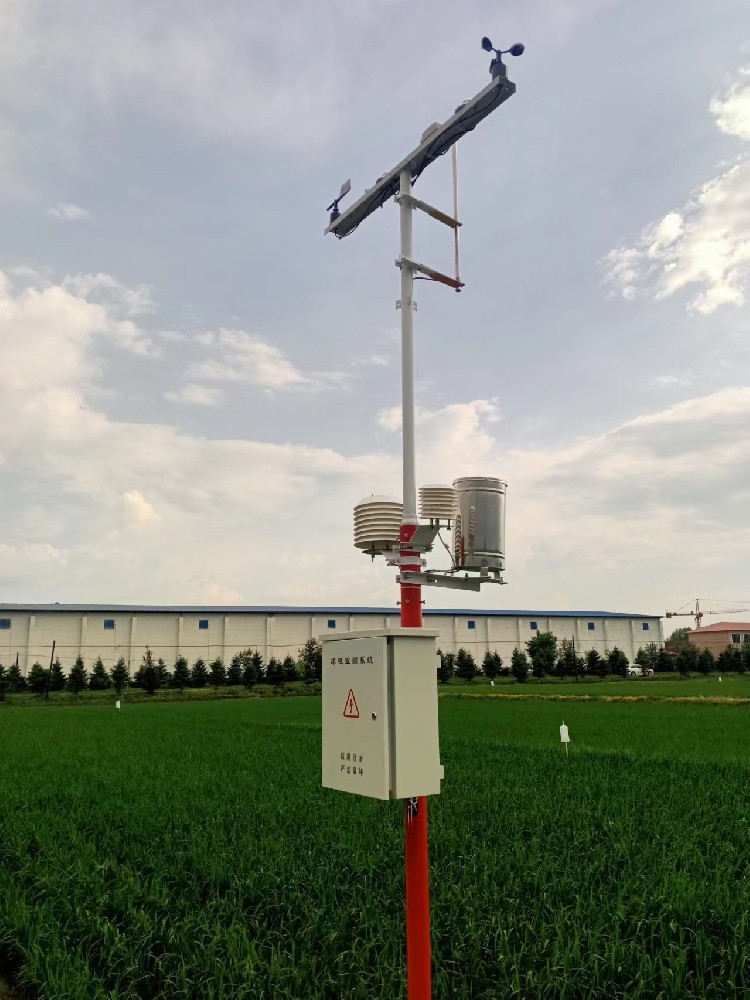
An agricultural sensor quotation should identify the exact channels, output, cable and installation accessories. A low probe price may exclude the logger input, wireless node, solar supply or software needed to obtain usable records. Combined probes can reduce field connections, but a failed assembly can remove several channels together and may need a whole-unit replacement.
Plan service by exposure and use, not one universal lifespan. Soil contact, irrigation chemicals, connector handling and mechanical damage affect buried probes differently from air or optical sensors. Compare references and trends after installation and seasonal changes. Neither a fixed installation duration nor a guaranteed saving percentage is defensible without the actual site and operating method.
Send NiuBoL the measurement list, soil or liquid medium, crop zones, installation depth and receiving equipment when requesting selection support. This is enough to start a useful component comparison without claiming that all possible farm measurements belong in one probe.

Start with the decision method. A soil-based method needs representative root-zone observations; a weather-based method needs the appropriate atmospheric inputs and crop-water calculation. Flow or pressure monitoring may be needed to verify delivery. The correct starting package is not the same for every irrigation system.
Not when its channels are temperature, VWC and EC. Electrical conductivity reflects combined ion effects rather than individual nutrients. Nutrient-specific measurements or laboratory analysis are separate requirements.
No. Resolution is the output increment. Accuracy needs a tolerance definition, test method and applicable soil conditions. Confirm those terms before using a narrow irrigation alarm band or comparing instruments.
Only if its location is representative of the relevant conditions and management. Different soil textures, rooting depths or emitter layouts may require separate points. Validate spatial differences rather than relying on a universal coverage radius.
Not without accounting for measurement method and medium. In-place soil conductivity depends strongly on moisture and contact, while a liquid EC sensor measures a different medium. Keep separate channel names and use an appropriate comparison procedure.
No. Match protocol, addressing, settings, registers and data conversion. A device may be electrically compatible while requiring a different parser. Test the delivered model before connecting it to automatic decisions.
No. They provide observations that can support inspection or an applicable model. Specify the crop question and interpretation method separately from the sensor; do not claim infection detection from an environmental signal alone.
Compare the same measured quantities, reference conditions, interfaces, installation materials and acquisition scope. Include commissioning and the cost of replacing or servicing the selected assembly. Probe-only prices cannot establish the total cost of a working monitoring point.
Agricultural sensors for precision farming should be compared by what they measure and where the result applies. VWC, tension, conductivity, pH, illuminance and PPFD answer different questions. Keep those distinctions through installation, data decoding and quotation review so that each purchased channel supports a real crop-management decision.
Prev:Intelligent Sensors for Agriculture and Environmental Monitoring: Air, Soil or Water?
Next:Fully Automatic Weather Station Operation: Field Work That Remains
Related recommendations
Sensors & Weather Stations Catalog
 Agriculture Sensors and Weather Stations Catalog-NiuBoL.pdf
Weather Stations Catalog-NiuBoL.pdf
Agriculture Sensors Catalog-NiuBoL.pdf
Water Quality Sensor Catalog-NiuBoL.pdf
Related products
 Combined air temperature and relative humidity sensor
 TDR Soil Moisture & Temperature Sensor for irrigation| RS485 |4-20mA| NBL-S-THR
 Soil pH sensor RS485 soil Testing instrument soil ph meter for agriculture |NBL-S-PH
 Wind Speed sensor Output Modbus/RS485/Analog/0-5V/4-20mA
 Tipping bucket rain gauge for weather monitoring auto rainfall sensor RS485/Outdoor/stainless steel
 Pyranometer Solar Radiation Sensor 4-20mA/RS485


Screenshot, WhatsApp to identify the QR code
WhatsApp number:+8615367865107
(Click on WhatsApp to copy and add friends)

